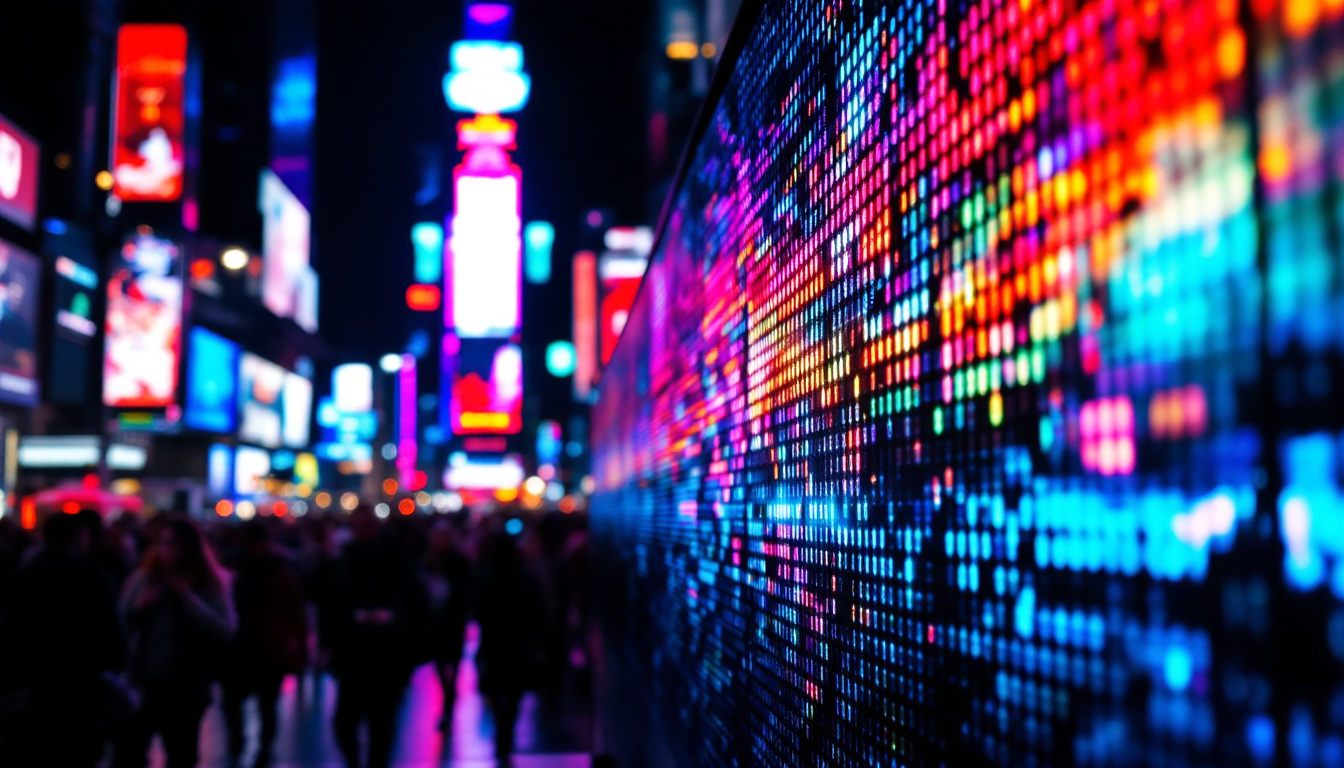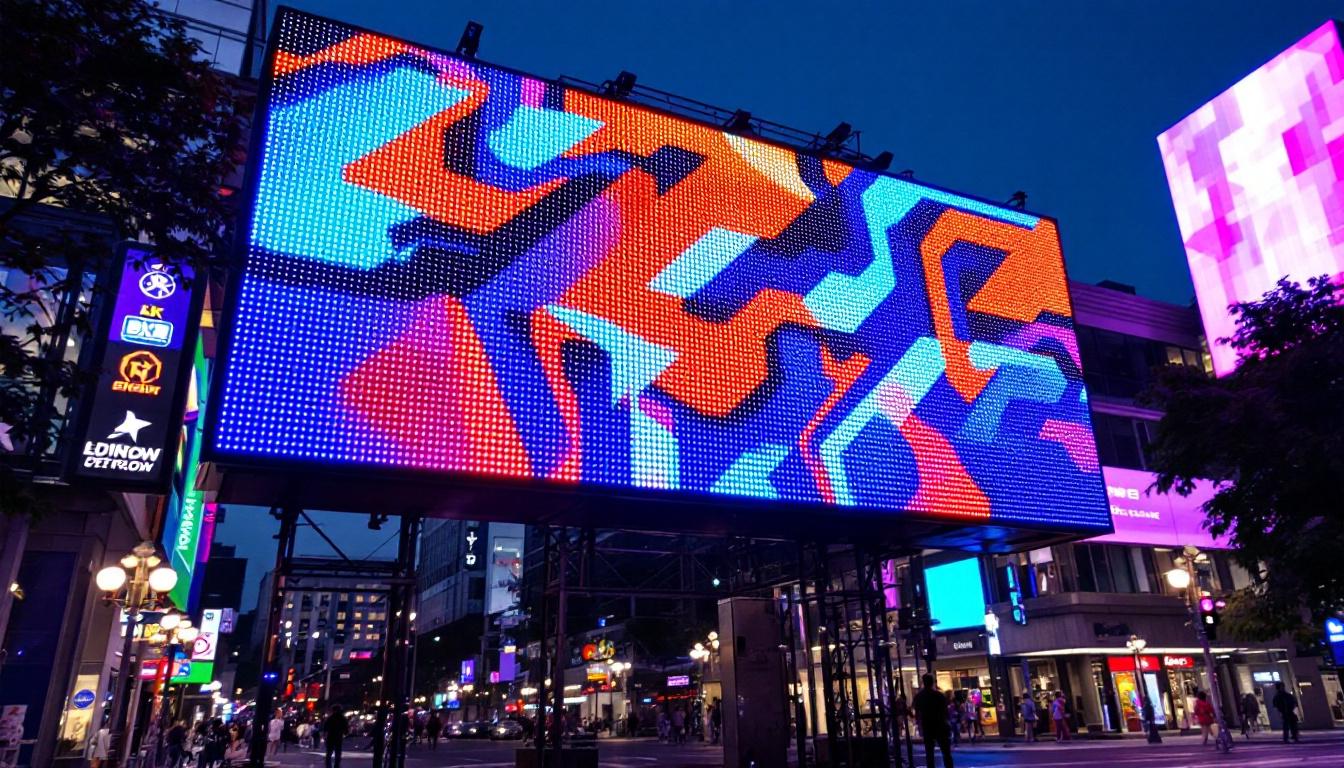
In today’s fast-paced digital world, LED displays have become a ubiquitous part of how information and visuals are presented. From towering billboards in Times Square to the vibrant screens on smartphones and televisions, LED technology powers a wide array of display solutions. Understanding what LED displays are, how they work, and their applications can provide valuable insight into one of the most transformative technologies in visual communication.
What is an LED Display?
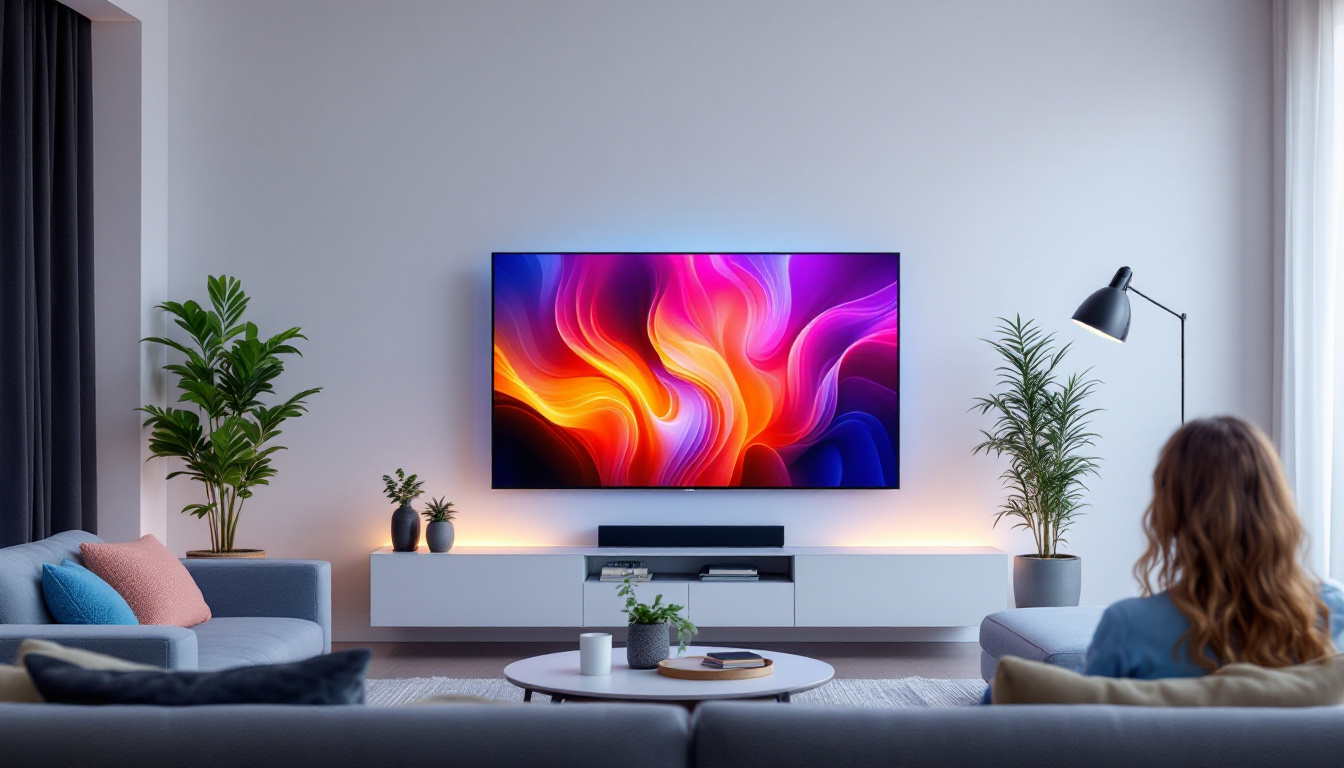
LED stands for Light Emitting Diode, a semiconductor device that emits light when an electric current passes through it. An LED display is essentially a flat panel that uses an array of these tiny light sources to create images, videos, or text. Unlike traditional display technologies such as LCDs, which rely on backlighting, LED displays generate their own light, resulting in brighter, more vibrant images with better contrast. This self-emitting nature of LEDs also contributes to their energy efficiency, making them a popular choice for both commercial and residential applications.
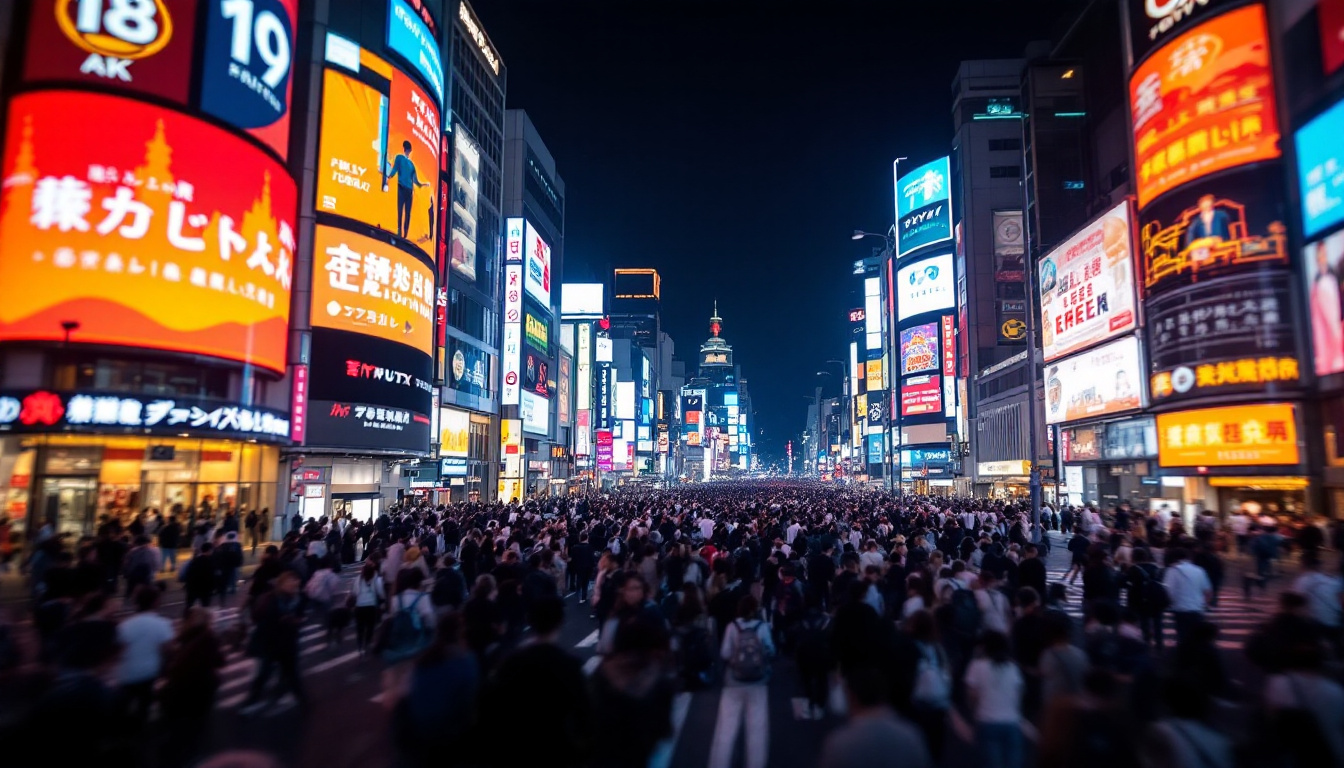
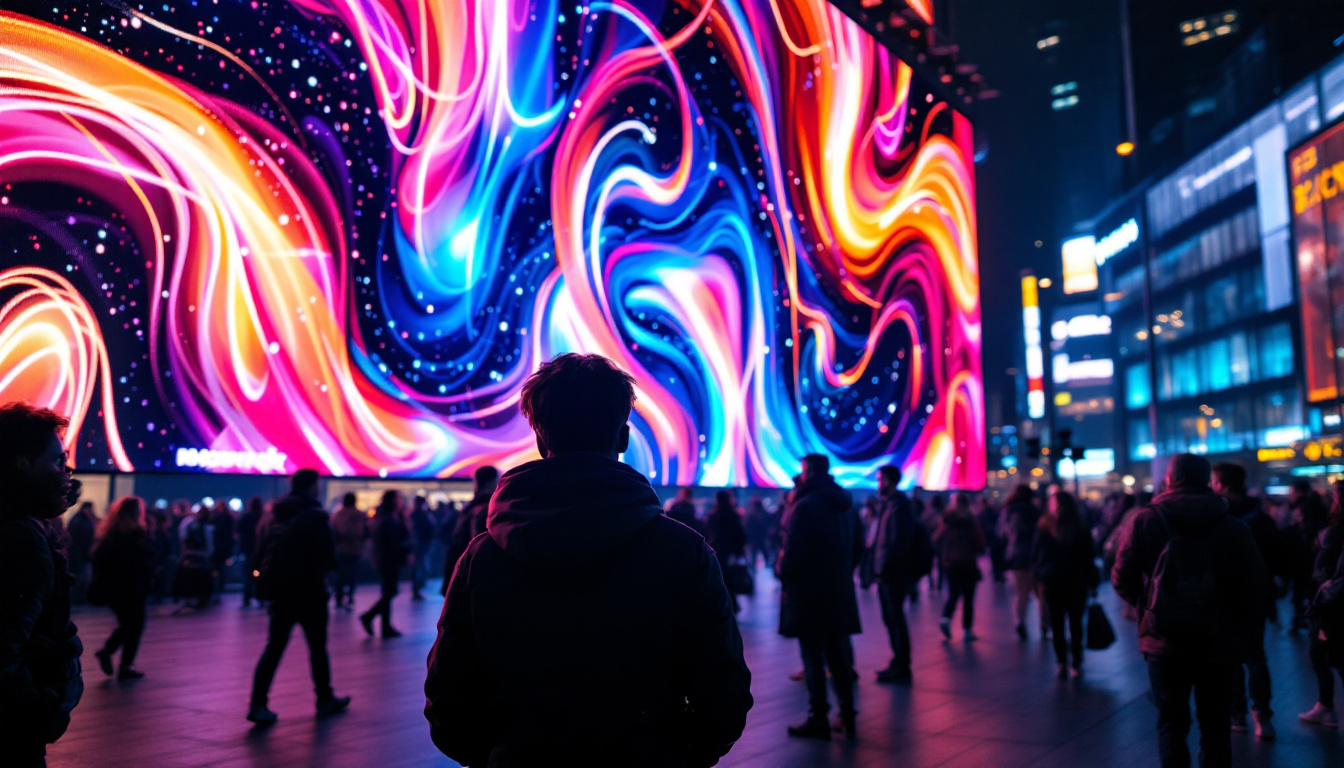
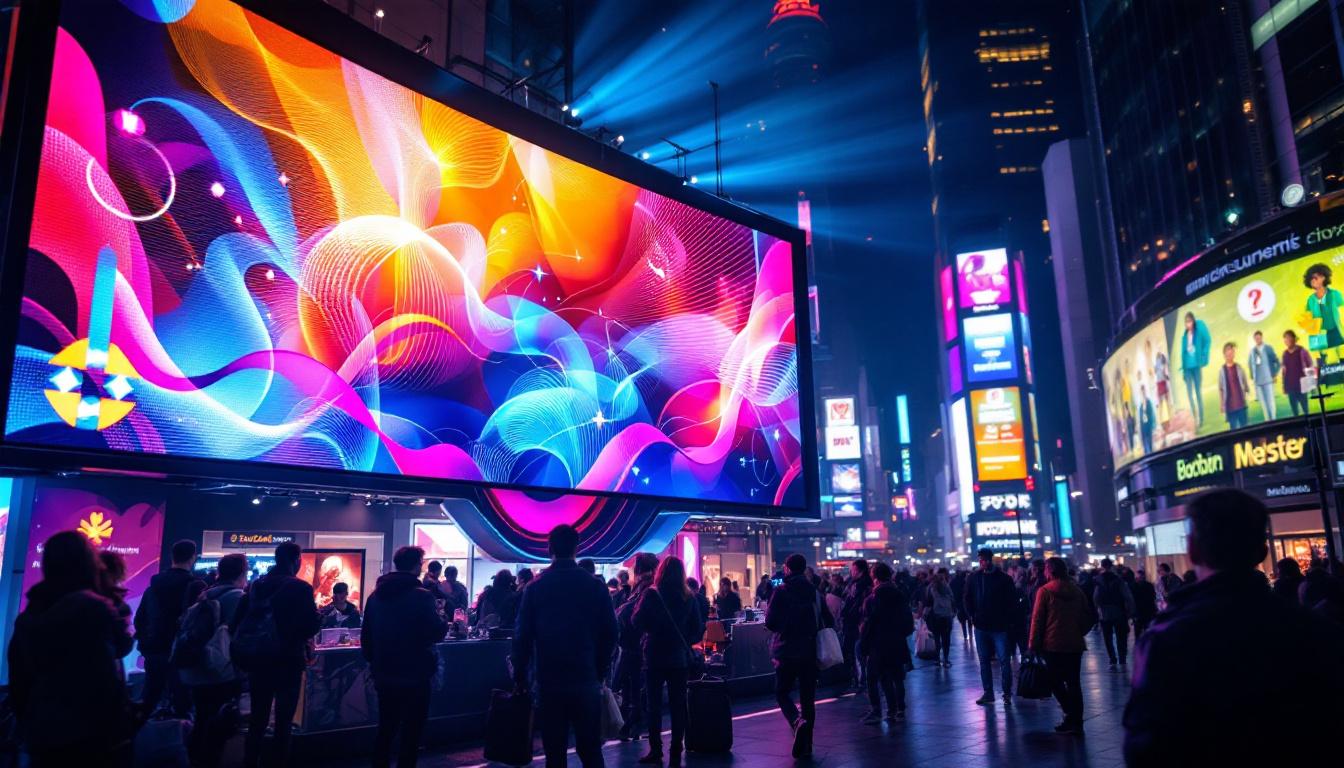
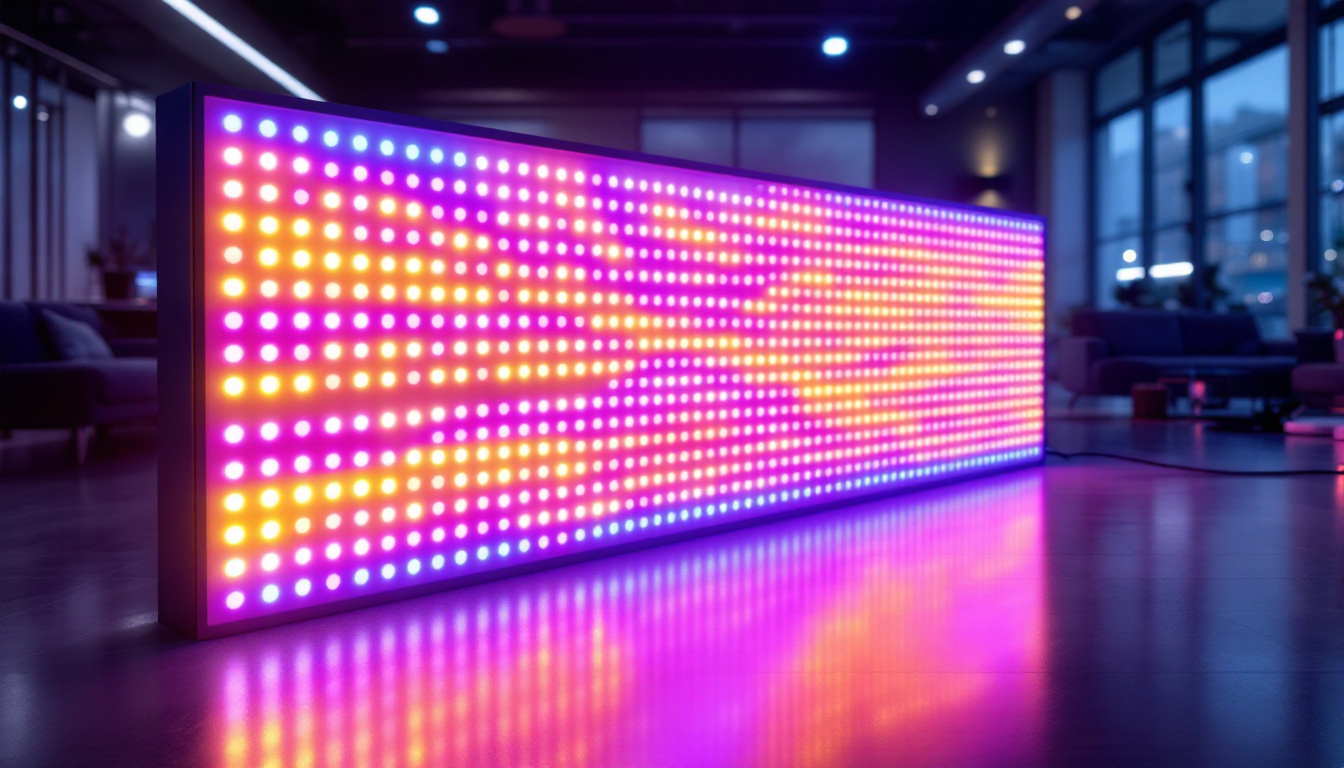
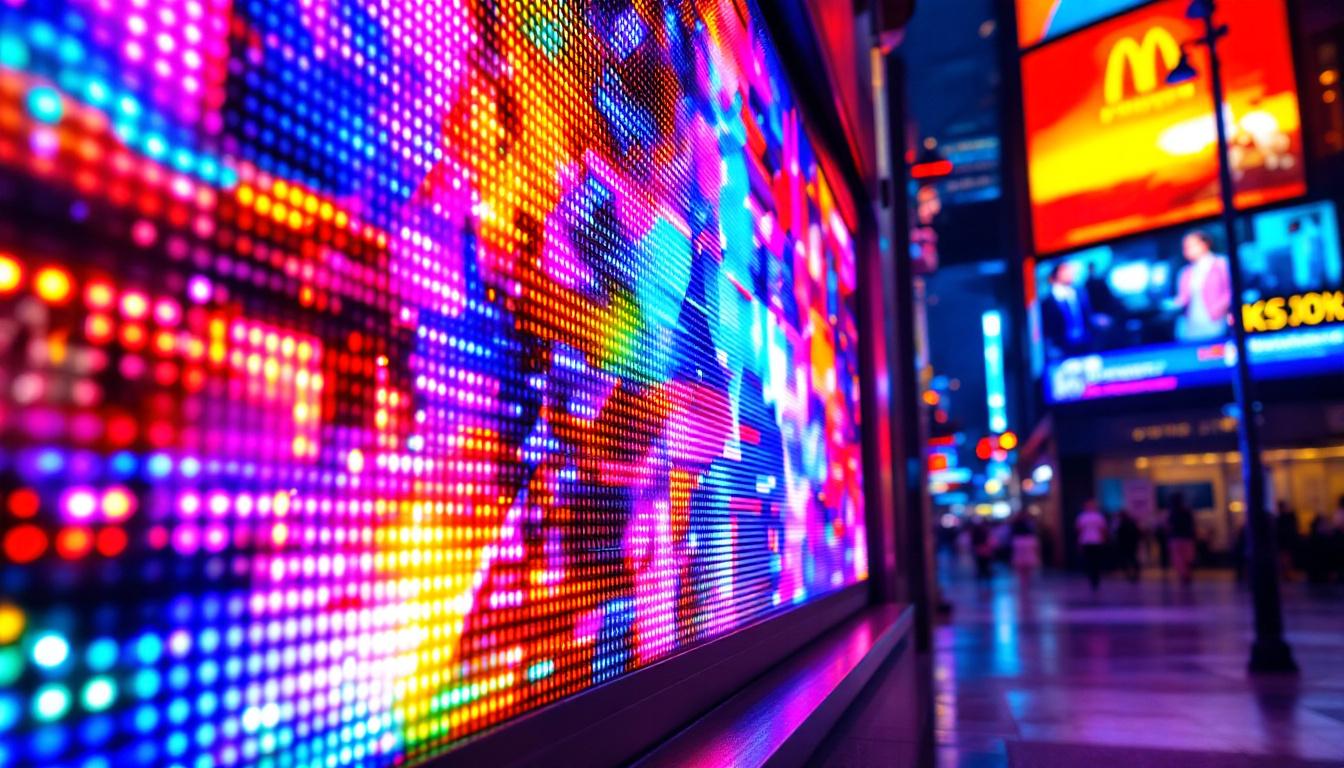
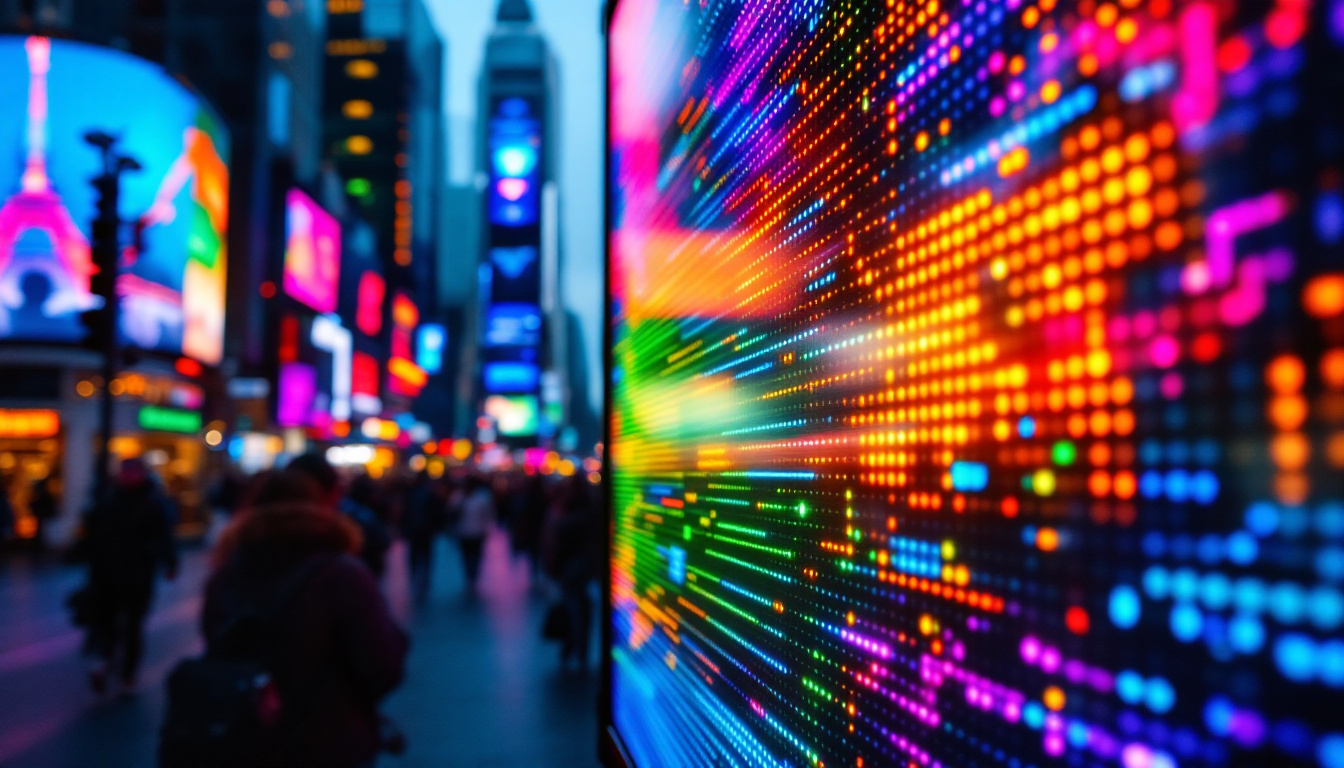
LED displays come in various forms, including direct-view LED panels, LED-backlit LCDs, and OLEDs (organic LEDs). However, when people refer to LED displays in commercial and public settings, they usually mean large-scale direct-view LED panels composed of thousands or millions of individual LEDs arranged in a grid. These displays are often used for outdoor advertising, sports arenas, and concerts, where high visibility and dynamic content are essential to capture audience attention. The versatility of LED displays allows them to be configured in various shapes and sizes, making them suitable for a wide range of applications, from billboards to intricate video walls.
How Do LED Displays Work?
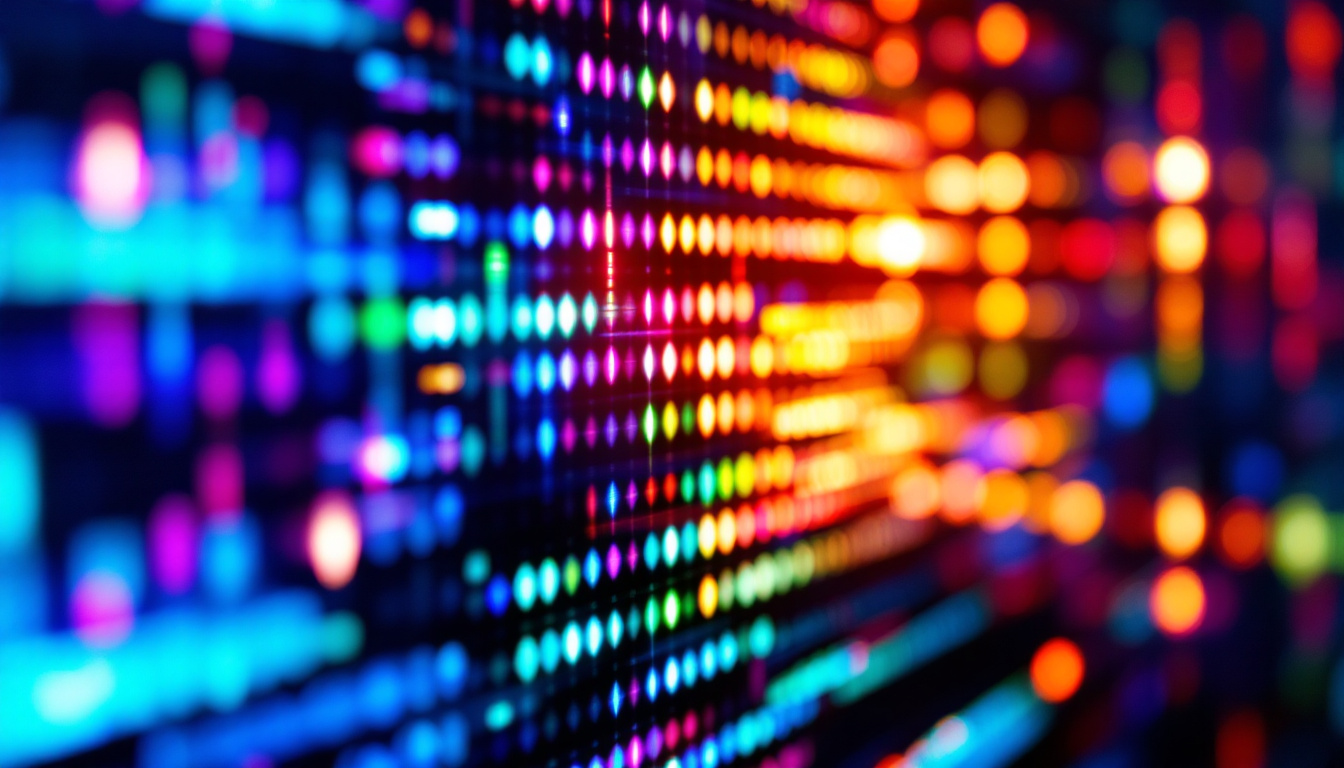
Each LED in the display acts as a single pixel or sub-pixel, emitting light of a specific color—typically red, green, or blue (RGB). By adjusting the intensity of these three colors, the display can produce a wide spectrum of colors. The LEDs are controlled by sophisticated electronics that modulate their brightness and color in real-time to render images or video content. This real-time modulation is crucial for applications such as live event broadcasting or interactive displays, where the content needs to change rapidly and responsively.
Modern LED displays use surface-mounted device (SMD) technology, where tiny LEDs are mounted directly onto circuit boards. This allows for high pixel density, improved color accuracy, and better viewing angles. The resolution and clarity of an LED display depend on the pixel pitch, which is the distance between the centers of adjacent LEDs. Smaller pixel pitches mean higher resolution and sharper images, especially important for close-up viewing. Additionally, advancements in LED technology have led to the development of features such as high dynamic range (HDR) and wide color gamut (WCG), enhancing the overall visual experience. These innovations not only improve the quality of the displayed content but also expand the creative possibilities for designers and advertisers looking to engage audiences in new and exciting ways.
Types of LED Displays
LED displays vary widely depending on their intended use, size, and design. Understanding the main types helps clarify their strengths and limitations.
Indoor LED Displays
Indoor LED displays are designed for environments with controlled lighting, such as conference rooms, shopping malls, airports, and concert venues. These displays typically have a smaller pixel pitch, often ranging from 1mm to 4mm, allowing for high-resolution images that look crisp even at close distances.
Because indoor environments have less ambient light, these displays do not need to be as bright as outdoor ones. Typical brightness levels for indoor LED displays range between 800 to 1,500 nits, which is sufficient to deliver clear, vibrant images without causing eye strain.
Outdoor LED Displays
Outdoor LED displays are built to withstand harsh weather conditions and intense sunlight. These are commonly used for digital billboards, stadium screens, and public information displays. Outdoor LED panels have larger pixel pitches, usually between 6mm and 20mm, since viewers typically observe them from greater distances.
Brightness is a critical factor for outdoor displays, with typical luminance levels exceeding 5,000 nits to ensure visibility even under direct sunlight. Additionally, outdoor LEDs are engineered with waterproof and dustproof casings, often rated with an IP65 or higher certification to guarantee durability.
Flexible and Transparent LED Displays
Recent advancements have introduced flexible and transparent LED displays, expanding the possibilities for creative installations. Flexible LED panels can be curved or bent, making them ideal for architectural designs, wearable devices, or immersive environments.
Transparent LED displays integrate LEDs into glass panels, allowing them to display images while remaining see-through. This technology is gaining traction in retail storefronts and vehicle windows, where maintaining visibility while delivering digital content is essential.
Key Advantages of LED Displays
LED displays offer numerous benefits over traditional display technologies, making them a preferred choice across industries.
Superior Brightness and Visibility
One of the most significant advantages of LED displays is their exceptional brightness. With luminance levels far surpassing those of LCD and plasma screens, LED displays remain clearly visible in bright environments, including direct sunlight. This makes them ideal for outdoor advertising and public information systems.
Energy Efficiency and Longevity
LEDs consume less power compared to other display technologies, contributing to lower operating costs. Furthermore, LEDs have a longer lifespan, often exceeding 100,000 hours of use before significant brightness degradation occurs. This durability reduces maintenance frequency and replacement expenses.
High Contrast and Color Accuracy
Because LEDs emit light directly, they can achieve true blacks by turning off individual pixels, resulting in higher contrast ratios. This capability enhances image quality, making colors appear more vivid and lifelike, which is crucial for applications like digital signage, broadcasting, and entertainment.
Scalability and Customization
LED displays can be constructed in virtually any size or shape by combining multiple panels. This modularity allows for customized solutions tailored to specific environments or creative visions. Whether it’s a massive stadium screen or a small retail display, LED technology adapts seamlessly.
Applications of LED Displays
The versatility of LED displays has led to their adoption across a wide range of sectors.
Advertising and Marketing
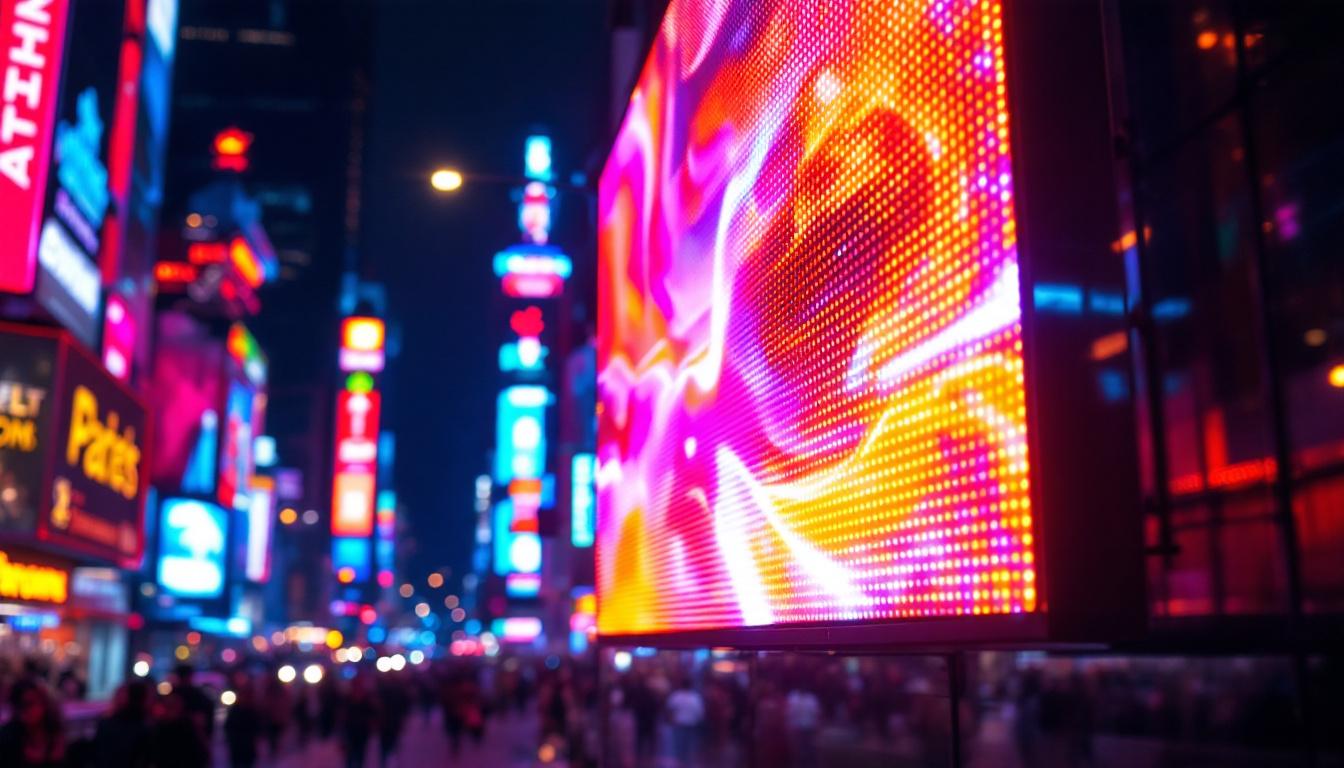
Digital billboards powered by LED displays have revolutionized outdoor advertising. Their dynamic content capabilities enable marketers to deliver targeted messages, update promotions instantly, and engage audiences with eye-catching visuals. According to the Outdoor Advertising Association of America, digital billboard revenue in the U.S. has grown steadily, reaching over $3 billion annually, underscoring the effectiveness of LED technology in this space.
Sports and Entertainment Venues
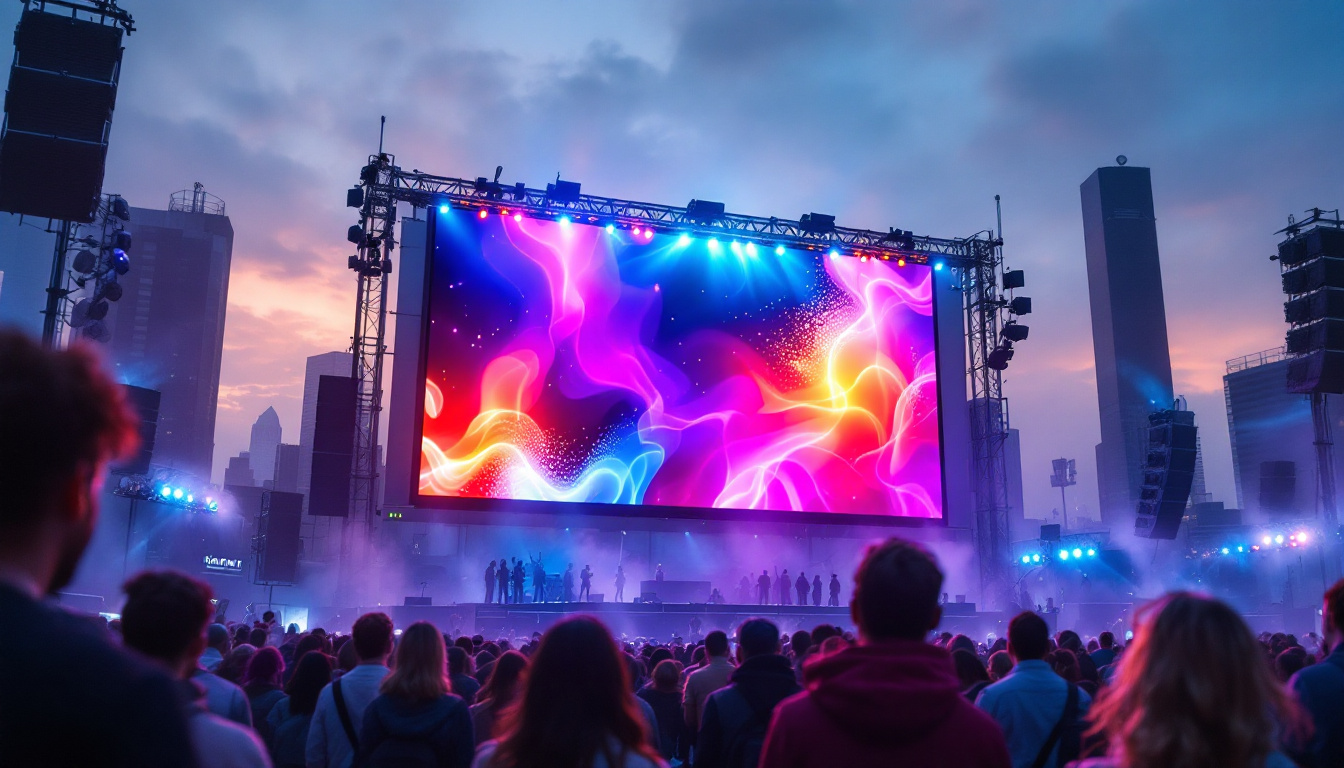
Stadiums and arenas utilize large LED screens to enhance the spectator experience. These displays provide real-time scores, instant replays, and interactive content, keeping fans engaged throughout events. The ability to produce high-definition visuals visible from any seat is a game-changer for live entertainment.
Transportation and Public Information
LED displays are integral to transportation hubs like airports, train stations, and bus terminals. They deliver timely information such as schedules, alerts, and wayfinding assistance. Their high visibility ensures passengers can easily access crucial updates, improving overall travel efficiency.
Retail and Hospitality
Retailers use LED displays for digital signage, promotional messaging, and immersive brand experiences. In hospitality, hotels and restaurants employ LED screens for menus, event promotions, and ambiance enhancement. The flexibility of LED technology supports creative marketing strategies that attract and retain customers.
Emerging Trends and Future Outlook
As LED technology continues to evolve, several trends are shaping the future of displays.
Mini-LED and Micro-LED Innovations
Mini-LED and micro-LED technologies represent the next generation of LED displays, offering even higher resolution, better contrast, and improved energy efficiency. Micro-LEDs, in particular, consist of microscopic LEDs that can be individually controlled, enabling displays with exceptional brightness and color fidelity while maintaining ultra-thin form factors.
Integration with Smart Technologies
LED displays are increasingly integrated with IoT (Internet of Things) and AI-driven systems. This integration allows for dynamic content adaptation based on audience demographics, environmental conditions, or real-time analytics. Smart LED displays can optimize energy use, tailor advertising, and enhance user interaction.
Sustainability and Environmental Impact
Manufacturers are focusing on developing eco-friendly LED displays with recyclable materials and lower power consumption. As sustainability becomes a priority, LED technology is positioned to lead in providing green digital signage solutions that reduce carbon footprints.
Choosing the Right LED Display
Selecting the appropriate LED display depends on multiple factors, including environment, viewing distance, resolution requirements, and budget.
Assessing Viewing Distance and Pixel Pitch
The optimal pixel pitch is closely tied to how far viewers will be from the display. For example, a pixel pitch of 1.5mm is suitable for close-up viewing in indoor environments, while a 10mm pitch is better for large outdoor screens viewed from hundreds of feet away. Choosing the wrong pixel pitch can result in blurry images or unnecessarily high costs.
Considering Brightness and Environmental Conditions
Brightness requirements vary based on ambient light. Outdoor displays need high brightness to combat sunlight, whereas indoor displays benefit from lower brightness to avoid glare. Additionally, factors like humidity, temperature fluctuations, and exposure to dust should influence the choice of protective features and IP ratings.
Evaluating Resolution and Content Type
The resolution should align with the type of content displayed. High-definition video and detailed graphics demand higher resolution LED panels, while simple text or logos may not require as much pixel density. Understanding content needs ensures the display delivers the intended impact without overspending.
Conclusion
LED displays have transformed the way visual information is communicated across industries. Their brightness, versatility, and energy efficiency make them ideal for a broad spectrum of applications, from advertising and entertainment to public information and retail. As technology advances, innovations like micro-LEDs and smart integration promise even more immersive and sustainable display solutions.
For businesses and organizations looking to harness the power of LED displays, understanding the technology’s fundamentals, types, and application contexts is essential. This knowledge ensures informed decisions that maximize the effectiveness and longevity of their digital display investments.
Discover LumenMatrix’s Innovative LED Solutions
Ready to elevate your visual communication with cutting-edge LED technology? LumenMatrix is at the forefront of LED innovation, offering a diverse range of solutions tailored to your needs. From vibrant Indoor and Outdoor LED Wall Displays to dynamic Vehicle and Sports LED Displays, our products are designed to captivate and engage your audience. Experience the future of digital signage with our LED Poster Displays, Floor LEDs, Custom configurations, All-in-One solutions, and Transparent Displays. Embrace the power of LumenMatrix and transform your space into a mesmerizing visual experience. Check out LumenMatrix LED Display Solutions and see how we can help you make a lasting impression.