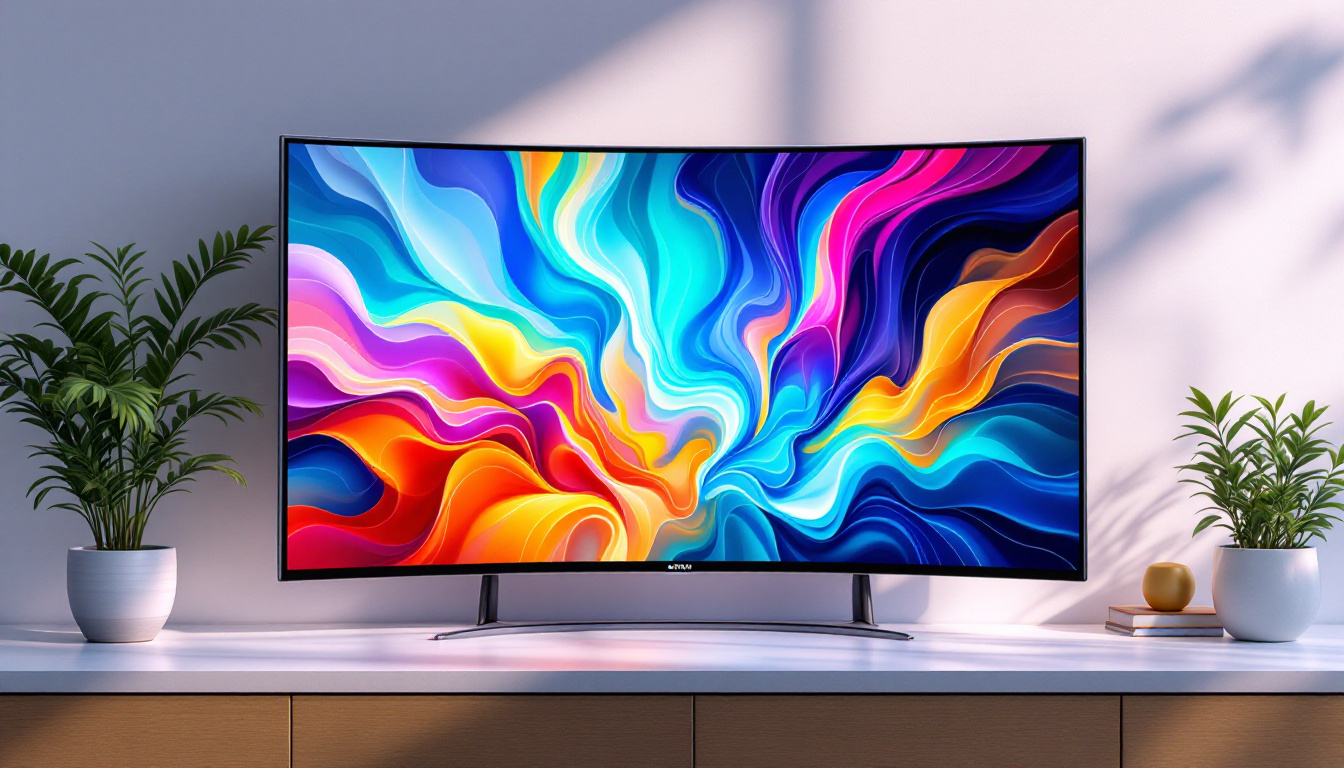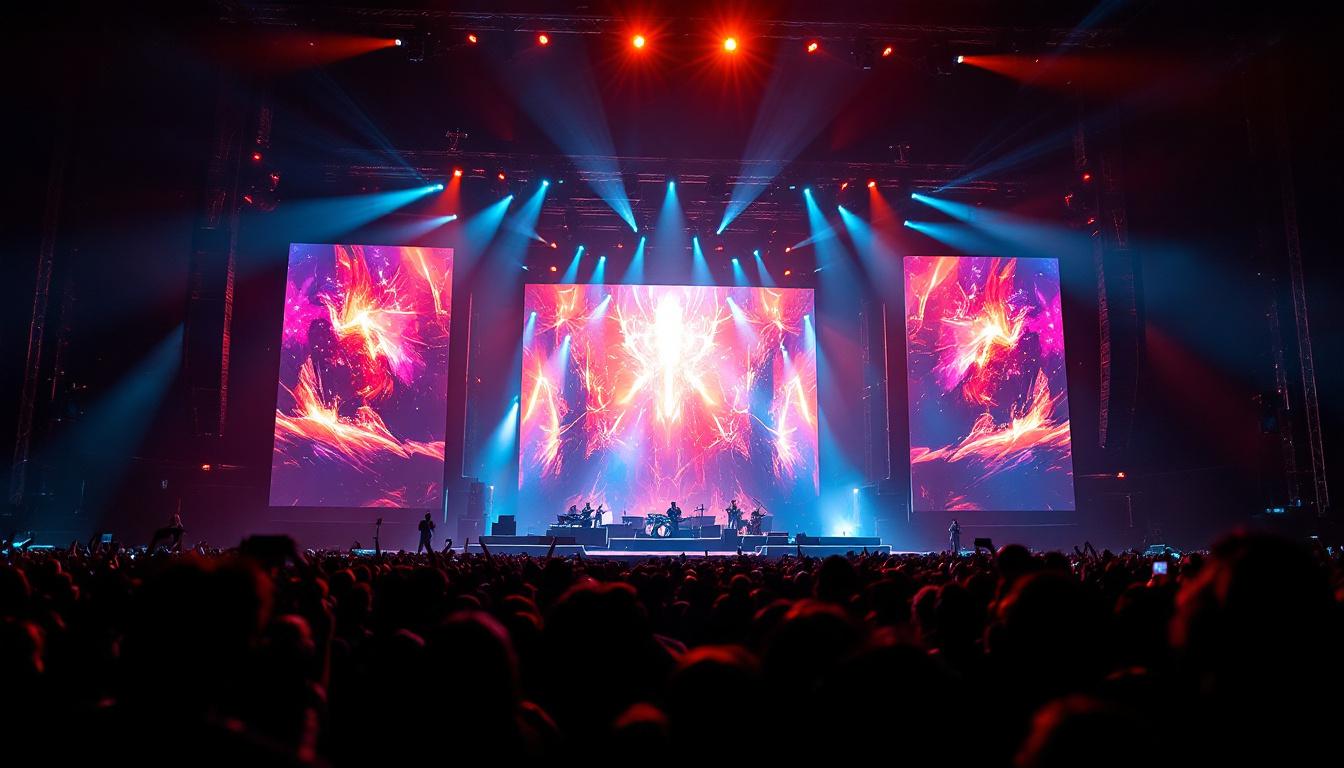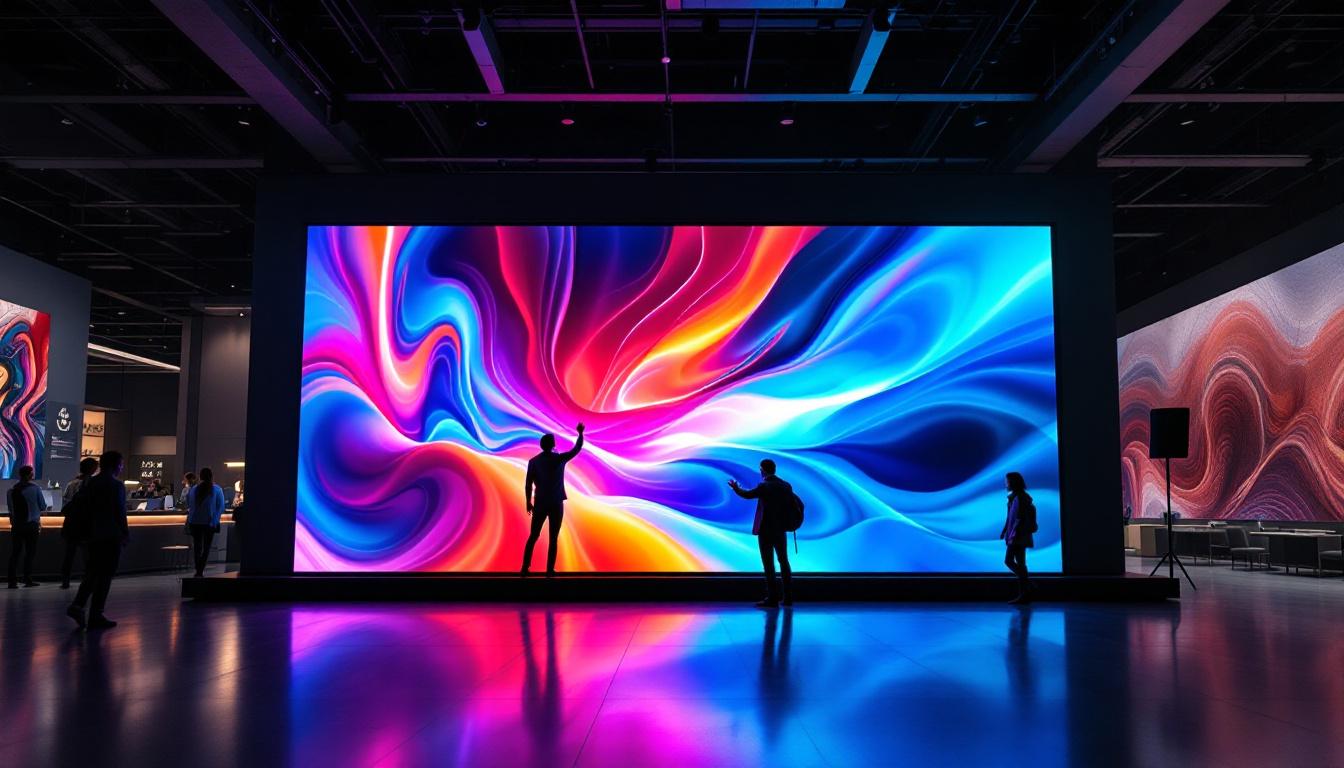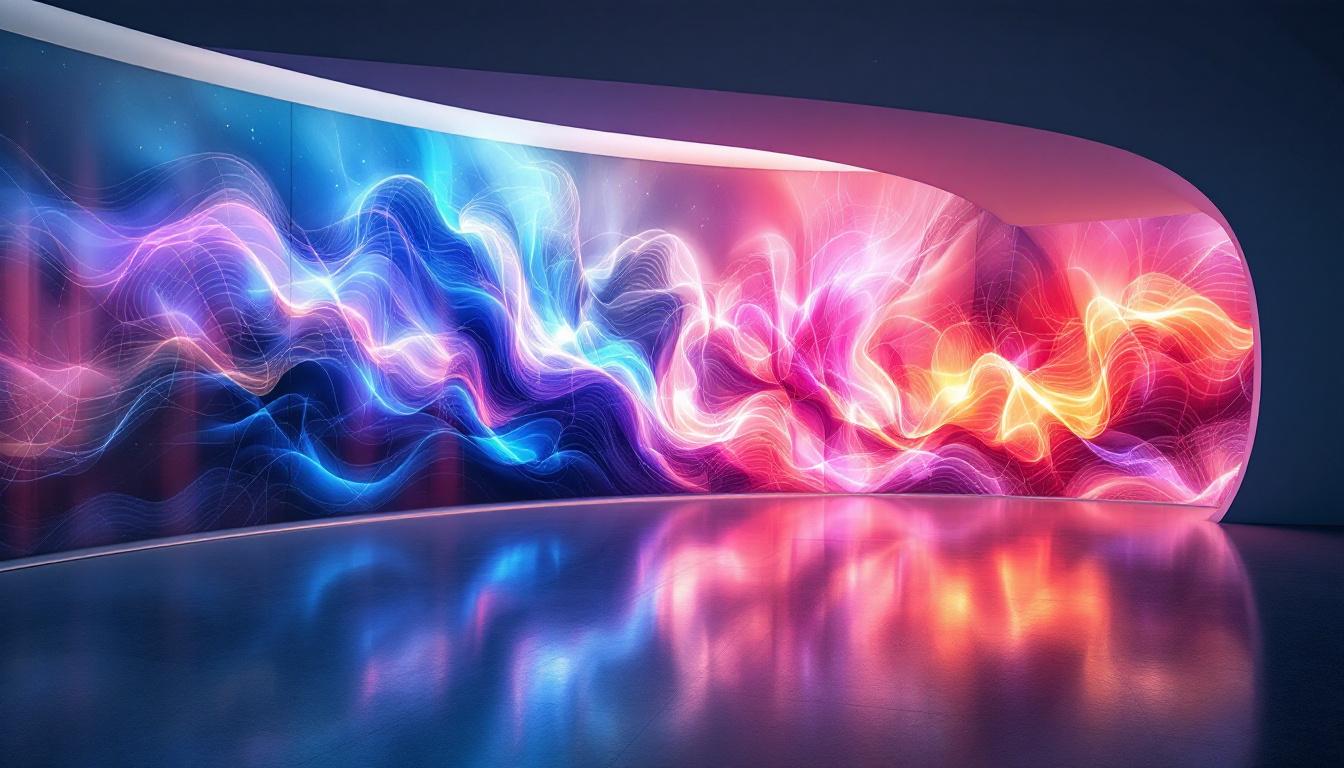
Curved LED walls are transforming the landscape of visual displays, offering immersive experiences in retail, entertainment, corporate, and public spaces. Unlike traditional flat LED panels, curved LED walls provide a dynamic and engaging visual presentation that can captivate audiences with their seamless, panoramic views. However, framing and installing these curved walls requires specialized knowledge and techniques to ensure structural integrity, aesthetic appeal, and optimal display performance.
This article delves into the essentials of framing curved LED walls, covering design considerations, structural requirements, installation methods, and best practices. Whether you are an AV integrator, architect, or project manager, understanding how to frame curved LED walls effectively will help you deliver stunning, reliable installations that meet client expectations.
Understanding Curved LED Walls: Why Curvature Matters
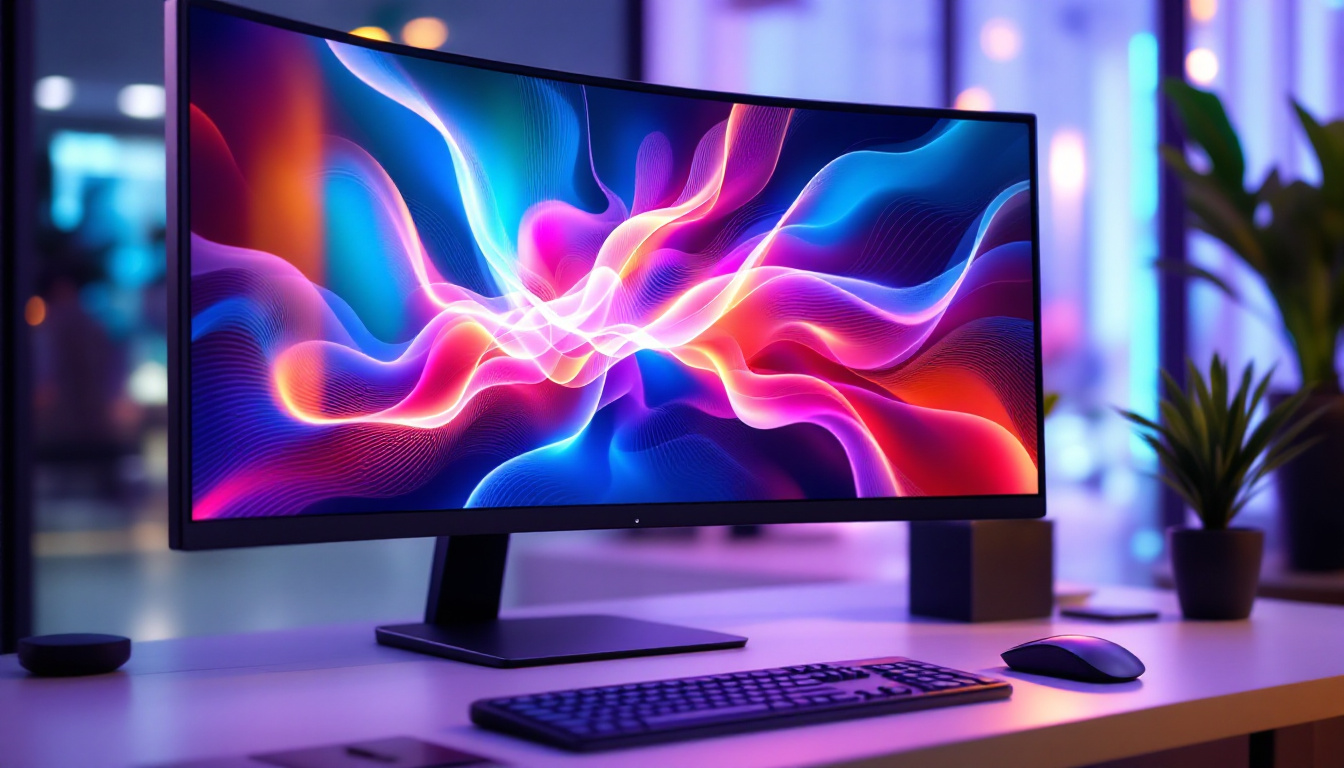
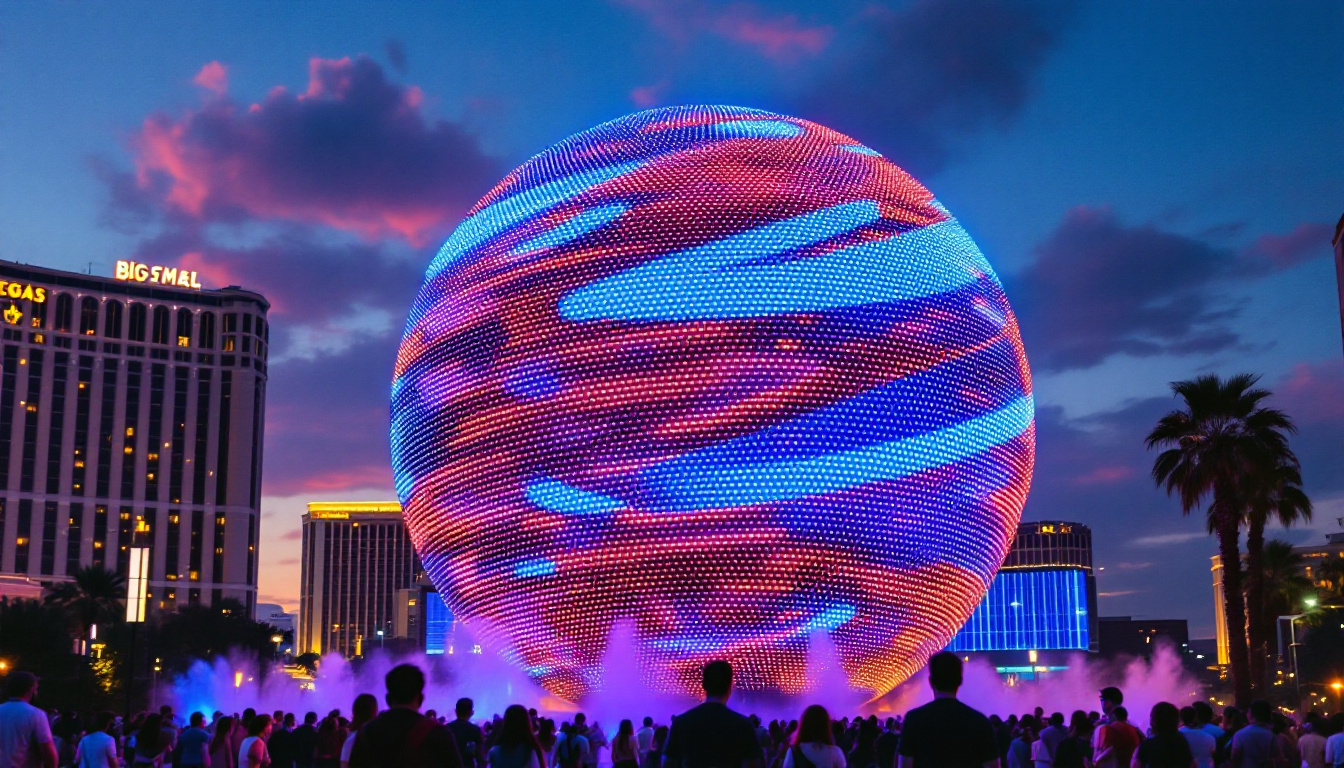
Curved LED walls differ significantly from flat LED panels in both design and installation. The curvature enhances viewing angles, reduces distortion, and creates a more immersive experience. This is particularly beneficial in environments like museums, retail stores, stadiums, and control rooms where audience engagement is paramount. For instance, in a retail setting, a concave curved wall can draw customers in, creating a captivating focal point that showcases products in a dynamic way. Similarly, in a stadium, a convex curved wall can enhance the energy of the crowd, amplifying the excitement of live events.
According to a 2023 report by MarketsandMarkets, the global LED display market is expected to grow at a CAGR of 12.1% from 2023 to 2028, driven largely by innovations such as curved and flexible displays. This trend underscores the importance of mastering curved LED wall framing techniques to stay competitive in the AV industry. The demand for these innovative displays is not just limited to commercial applications; they are increasingly being utilized in corporate environments for presentations and branding, where the visual impact can significantly influence audience perception and engagement.
Types of Curved LED Walls
Curved LED walls can be broadly categorized based on their curvature:
- Concave Curves: These curve inward, wrapping around the viewer to create an enveloping effect. This type is particularly effective in immersive installations, such as virtual reality experiences, where the viewer feels completely surrounded by the content.
- Convex Curves: These curve outward, often used for artistic or architectural impact. Convex walls can serve as striking backdrops for events or performances, drawing attention and creating a sense of grandeur.
- Compound Curves: Combining concave and convex elements for complex shapes. These walls can be particularly challenging to design and install, but they offer unparalleled creative freedom, allowing for unique visual storytelling that captivates audiences.
Each type demands different framing approaches and structural considerations, making it essential to understand the specific curve geometry before beginning the framing process. For example, concave walls may require additional support to ensure stability, while convex walls might need careful calibration to maintain image quality across the entire surface. Furthermore, the integration of advanced technologies such as 3D mapping and interactive elements can elevate the viewer’s experience, making the understanding of curved LED walls not just a technical necessity but a gateway to innovative storytelling and audience interaction.
Key Considerations When Framing a Curved LED Wall
Framing a curved LED wall involves more than just bending a frame to shape. It requires careful planning around several critical factors to ensure the final installation is safe, visually flawless, and long-lasting.
Structural Integrity and Load Distribution
LED panels and their supporting frames can be heavy, especially in large-scale installations. Curved walls introduce additional stresses due to their shape, making it vital to design a frame that evenly distributes weight and resists deformation over time.
Engineers typically use steel or aluminum extrusions for framing curved walls because of their strength-to-weight ratios and flexibility. Aluminum is often preferred for its corrosion resistance and ease of machining, but steel may be necessary for very large or heavy installations. Additionally, the choice of materials can affect the overall aesthetic of the installation; for instance, a polished aluminum finish can provide a modern look, while a powder-coated steel frame can be tailored to match the venue’s design theme.
Precision in Curve Radius and Alignment
The radius of the curve must be precisely calculated and maintained throughout the framing process. Even small deviations can cause misalignment of LED modules, resulting in visible seams, image distortion, or gaps.
To achieve this, installers often use computer-aided design (CAD) models and CNC-machined frame components. These technologies help ensure that the frame matches the desired curvature exactly, enabling the LED panels to fit seamlessly. Moreover, advanced laser measurement tools can be employed during installation to verify that the curvature aligns perfectly with the design specifications, minimizing the risk of human error and ensuring a high-quality finish.
Thermal Management
LED displays generate heat, and curved walls can complicate airflow and heat dissipation. The framing system should incorporate ventilation or heat sinks to prevent overheating, which can degrade LED performance and lifespan.
In addition to passive cooling solutions, some installations may benefit from active cooling systems, such as fans or liquid cooling, especially in environments with high ambient temperatures. These systems can be integrated into the frame design without compromising aesthetics, ensuring that the LED wall operates efficiently even under demanding conditions.
Accessibility for Maintenance
Curved LED walls require ongoing maintenance such as panel replacement and calibration. The frame design must allow easy access to individual modules without dismantling large sections, reducing downtime and service costs.
Furthermore, incorporating removable panels or hinged sections into the frame can facilitate quicker access for technicians. This design consideration not only enhances the efficiency of maintenance procedures but also ensures that the LED wall remains operational with minimal disruption, which is particularly important in high-traffic venues like concert halls or corporate event spaces. Regular maintenance schedules should be established to keep the system in peak condition, ensuring that the visual experience remains captivating and consistent for audiences.
Step-by-Step Guide to Framing a Curved LED Wall
Framing a curved LED wall involves multiple stages, from initial design to final installation. The following steps outline a comprehensive approach to ensure success.
1. Design and Planning
The first step is to define the project scope, including the size, curvature radius, and location of the LED wall. Collaboration between designers, engineers, and AV specialists is crucial to align aesthetic goals with technical feasibility.
Using 3D modeling software, create a detailed frame design that accommodates the curve, panel dimensions, and mounting hardware. This model should also include provisions for cable management, ventilation, and maintenance access.
2. Material Selection and Fabrication
Select appropriate materials based on structural requirements and environmental conditions. Aluminum extrusions are commonly used for their lightweight and corrosion resistance, while steel may be chosen for larger installations requiring greater strength.
Fabricate the frame components using CNC machining or custom bending techniques to match the curve radius precisely. Ensure all joints and connections are engineered for rigidity and ease of assembly.
3. Pre-Assembly and Testing
Before onsite installation, pre-assemble sections of the frame in a controlled environment to verify fit and alignment. This step helps identify any discrepancies early, reducing costly adjustments during installation.
Conduct load testing and alignment checks to confirm the frame’s structural integrity and adherence to design specifications.
4. Onsite Installation
Install the frame onto the prepared substrate or support structure, ensuring it is level and securely anchored. Use laser levels and alignment tools to maintain the curve accuracy during assembly.
Attach the LED panels sequentially, starting from a fixed reference point to maintain consistent curvature and alignment. Connect power and data cables carefully to avoid strain on connectors.
5. Calibration and Finishing Touches
Once the panels are installed, perform color calibration and image alignment to ensure a seamless visual output. Adjust brightness and contrast settings for optimal viewing under ambient lighting conditions.
Install any protective covers, ventilation grilles, or aesthetic trim pieces to complete the installation.
Common Challenges and Solutions in Curved LED Wall Framing
Despite careful planning, framing curved LED walls can present unique challenges. Understanding these issues and their solutions can save time and resources.
Challenge: Panel Misalignment and Gaps
Curved surfaces can cause LED modules to misalign, creating visible gaps or uneven seams that disrupt the image.
Solution: Use flexible mounting brackets and adjustable frame components that allow fine-tuning of panel positions. Employ precision measuring tools during installation to maintain consistent spacing.
Challenge: Structural Deformation Over Time
Improperly supported frames may warp or sag, especially in large installations, compromising the curve and display quality.
Solution: Incorporate cross-bracing and reinforced joints in the frame design. Select materials with adequate strength and stiffness, and perform regular inspections and maintenance.
Challenge: Heat Accumulation
Curved walls can restrict airflow, leading to heat buildup that affects LED performance.
Solution: Design the frame with ventilation slots or integrate active cooling systems such as fans or heat pipes. Monitor temperature during operation and adjust cooling as needed.
Innovations and Future Trends in Curved LED Wall Framing
The LED display industry continues to evolve rapidly, with new technologies making curved walls more versatile and easier to install.
Modular and Flexible Frame Systems
Manufacturers are developing modular framing solutions that can be quickly assembled and adjusted onsite. These systems use standardized components that snap or bolt together, reducing installation time and labor costs.
Lightweight Composite Materials
Advances in materials science have introduced composites that combine strength with reduced weight. These materials simplify handling and support more complex curve geometries without sacrificing durability.
Integrated Smart Monitoring
Future frames may incorporate sensors to monitor structural health, temperature, and panel alignment in real time. This data can enable predictive maintenance and improve overall system reliability.
Conclusion
Framing a curved LED wall is a sophisticated process that blends engineering precision with creative design. By understanding the unique challenges of curved displays and applying best practices in material selection, structural design, and installation, professionals can create visually stunning and durable LED walls that captivate audiences and elevate spaces.
As the demand for immersive visual experiences grows, mastering curved LED wall framing will become an essential skill for AV integrators, architects, and designers. Staying informed about emerging technologies and innovative framing solutions will ensure that installations remain cutting-edge and reliable well into the future.
Discover Cutting-Edge Curved LED Displays with LumenMatrix
Ready to elevate your space with the latest in LED display technology? LumenMatrix is at the forefront of creating immersive environments with our advanced curved LED display solutions. From captivating indoor and outdoor displays to dynamic vehicle and sports applications, our products are designed to make your brand stand out. Experience the future of visual storytelling with LumenMatrix’s diverse range of LED displays, including custom configurations tailored to your unique needs. Check out LumenMatrix LED Display Solutions today and transform your visual communication into an unforgettable experience.