In recent years, vertical monitors have gained significant traction among professionals and enthusiasts alike. Whether for coding, reading lengthy documents, or enhancing productivity in multi-monitor setups, vertical displays offer unique advantages. At the core of these monitors lies the LED display technology, which has revolutionized how screens perform in terms of brightness, color accuracy, and energy efficiency. This article delves into the background of vertical monitors, explores the fundamentals of LED display technology, and explains why LED panels are particularly suited for vertical orientation.
The Rise of Vertical Monitors: A New Perspective on Screen Orientation
Traditionally, computer monitors have been designed with a horizontal, or landscape, orientation. This format aligns well with most media content such as videos and games, which are typically wider than they are tall. However, the increasing demand for productivity and specialized tasks has sparked interest in vertical, or portrait, monitors.
Vertical monitors are especially popular among software developers, writers, and financial analysts. For instance, coders benefit from the extended vertical space, allowing them to view more lines of code without scrolling. Similarly, writers and editors can see an entire page layout or document in a format closer to printed paper, improving readability and workflow. This advantage is particularly significant in a world where attention spans are shorter, and the ability to quickly scan through information can lead to enhanced productivity.
According to a 2023 survey by Statista, approximately 15% of office workers in technology and creative industries reported using at least one vertical monitor in their workspace. This number is expected to grow as more users recognize the ergonomic and productivity benefits of vertical screen setups. The trend is further supported by the rise of remote work, where individuals seek to optimize their home office environments for comfort and efficiency.
Ergonomics and Workspace Efficiency
Vertical monitors can reduce neck strain by aligning the screen closer to the natural vertical field of vision. This orientation also allows for more efficient use of desk space, particularly in multi-monitor configurations. Users can stack vertical monitors side by side or place them alongside a horizontal display, creating a versatile and customized workspace. Such arrangements not only enhance visual accessibility but also help in organizing tasks more effectively, allowing users to keep relevant applications within their line of sight.
Moreover, vertical monitors facilitate multitasking by enabling distinct content layouts. For example, a designer might have a vertical reference image on one screen while working on a horizontal canvas on another. This flexibility is a key reason why vertical monitors are becoming a staple in modern offices. Additionally, the rise of social media and mobile content creation has led to an increased need for vertical displays, as many platforms favor portrait orientation for optimal viewing. As a result, professionals in marketing and content creation find themselves better equipped to manage their workflows with vertical monitors, making them an indispensable tool in the digital age.
Understanding LED Display Technology
LED, or Light Emitting Diode, technology forms the backbone of most contemporary computer monitors, including those used in vertical orientations. To appreciate why LED displays are preferred, it is essential to understand their structure, operation, and advantages over other display technologies.
What is an LED Display?
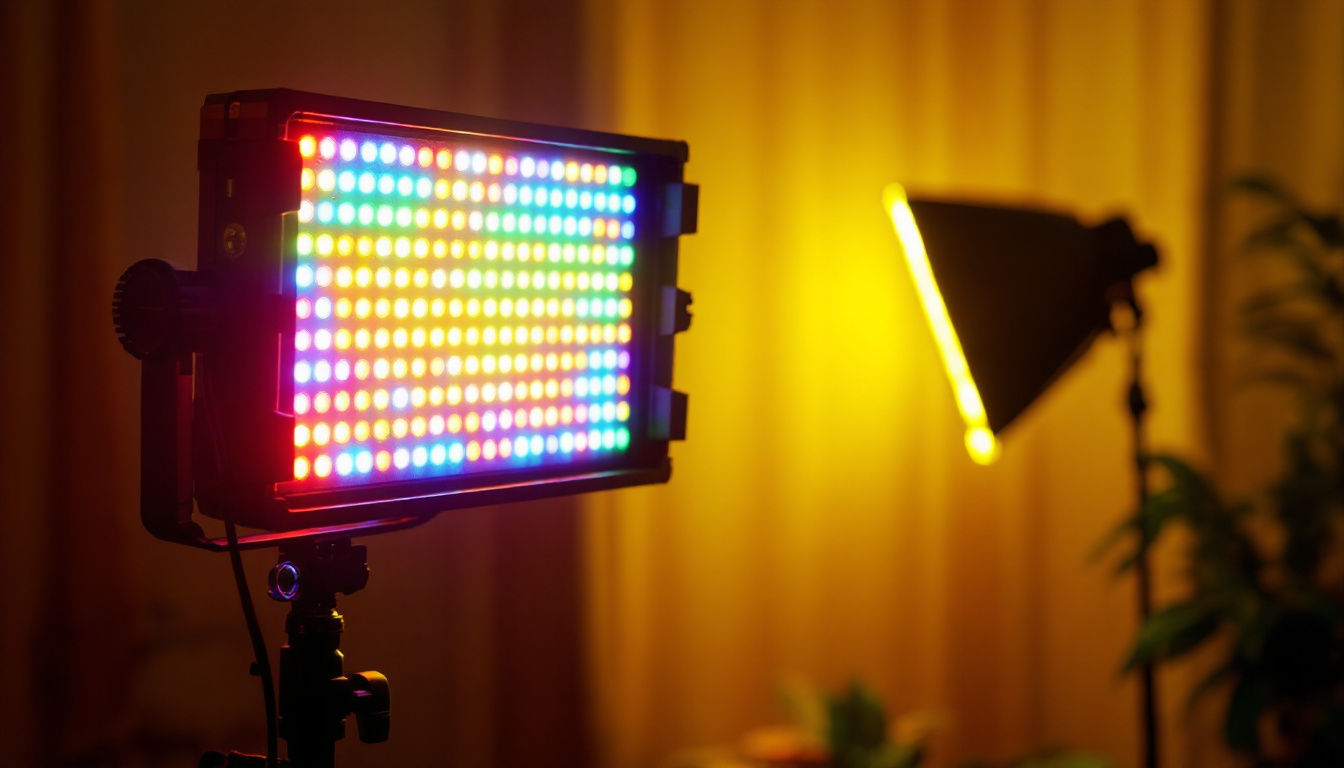
At its core, an LED display consists of a matrix of tiny light-emitting diodes that produce light when an electric current passes through them. Unlike older technologies such as CRT (Cathode Ray Tube) or CCFL (Cold Cathode Fluorescent Lamp) backlit LCDs, LED displays use these diodes either as direct light sources or as backlighting for LCD panels.
There are two primary types of LED displays used in monitors:
- Edge-lit LED: LEDs are positioned along the edges of the screen, and light is diffused across the display.
- Direct-lit or Full-array LED: LEDs are arranged directly behind the screen, allowing for more precise local dimming and better contrast.
Advantages of LED Displays
LED technology offers several benefits that make it highly suitable for vertical monitors:
- Brightness and Contrast: LED displays can achieve higher brightness levels and better contrast ratios compared to older LCD technologies. This results in clearer images and better visibility in various lighting conditions.
- Color Accuracy: Modern LED monitors support wide color gamuts and advanced color calibration, crucial for professionals in design, photography, and video editing.
- Energy Efficiency: LEDs consume less power than traditional backlighting methods, contributing to lower energy costs and reduced heat generation.
- Thin and Lightweight: LED technology enables slimmer monitor designs, which are easier to mount vertically and integrate into ergonomic setups.
- Longevity: LEDs have a longer lifespan compared to CCFL backlights, reducing the need for frequent replacements.
Why LED Displays Excel in Vertical Monitor Applications
While LED technology benefits all monitor orientations, it offers particular advantages when applied to vertical monitors. Understanding these nuances helps users make informed decisions when selecting a vertical display.
Uniform Brightness and Viewing Angles
Vertical monitors often require consistent brightness and color accuracy from top to bottom, especially when displaying long documents or code. LED backlighting, particularly full-array LED with local dimming, ensures uniform illumination across the screen’s vertical axis. This uniformity prevents issues like brightness hotspots or color shifts that can be distracting or cause eye strain.
Additionally, many LED monitors employ In-Plane Switching (IPS) panels, which offer wide viewing angles. This is critical for vertical monitors used in collaborative environments where multiple people might view the screen simultaneously from different heights and angles.
Faster Response Times and Reduced Motion Blur
LED displays typically provide faster response times compared to older LCD technologies. This is beneficial for vertical monitors used in dynamic work environments, such as financial trading floors or software development, where real-time updates and smooth scrolling are essential.
Reduced motion blur helps maintain clarity when navigating through long documents or spreadsheets vertically, enhancing the overall user experience.
Customization and Advanced Features
Many LED vertical monitors come equipped with advanced features such as flicker-free technology, blue light filters, and adaptive refresh rates. These features contribute to eye comfort during extended use, which is particularly important in vertical setups where users may spend hours reading or coding.
Furthermore, LED technology supports higher resolutions and aspect ratios that complement vertical orientations. For example, 4K vertical monitors provide exceptional detail and sharpness, making them ideal for professional applications.
Choosing the Right LED Vertical Monitor: Key Considerations
Selecting a vertical monitor with LED display technology involves evaluating several factors to ensure it meets specific needs and preferences.
Resolution and Screen Size
Resolution plays a pivotal role in display clarity. For vertical monitors, common resolutions include 1080×1920 (Full HD) and 2160×3840 (4K UHD). Higher resolutions offer more screen real estate and sharper text, which is beneficial for reading and editing.
Screen size is equally important. Vertical monitors typically range from 24 to 32 inches. Larger screens provide more vertical space but may require more desk room and ergonomic adjustments.
Panel Type and Color Accuracy
IPS panels are generally preferred for vertical monitors due to their superior color accuracy and viewing angles. This is especially critical for creative professionals who rely on precise color representation.
Some monitors offer factory calibration or support hardware calibration tools, ensuring consistent color performance out of the box.
Ergonomics and Adjustability
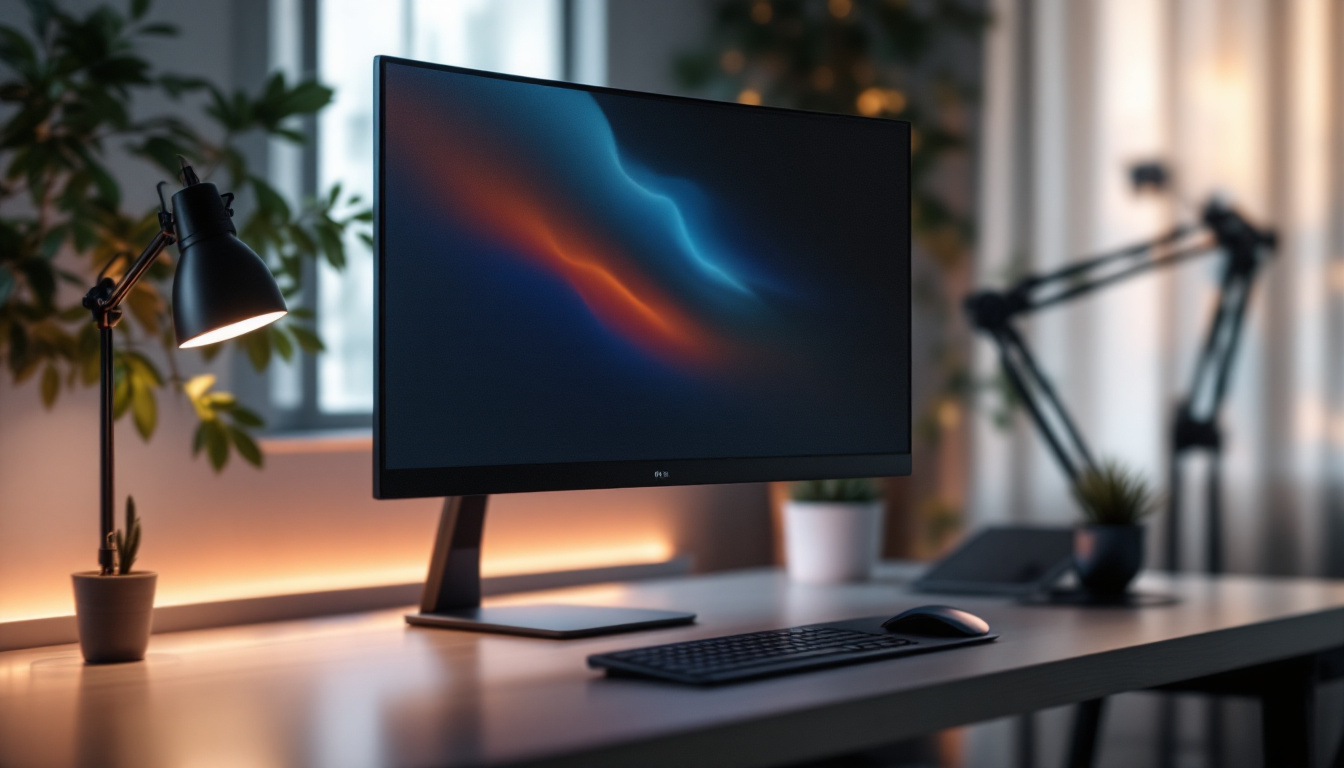
Since vertical orientation is not the default for most monitors, it is essential to choose a model with flexible stand options. Features such as pivot rotation, height adjustment, tilt, and swivel enable users to position the monitor comfortably and reduce strain.
VESA compatibility is another important consideration, allowing users to mount the monitor on adjustable arms or wall mounts for customized setups.
Connectivity and Additional Features
Modern LED vertical monitors come with a variety of connectivity options, including HDMI, DisplayPort, USB-C, and USB hubs. USB-C, in particular, offers the convenience of video transmission, data transfer, and power delivery through a single cable, simplifying cable management.
Additional features like built-in speakers, blue light reduction modes, and flicker-free technology enhance usability and comfort during prolonged use.
Future Trends in LED Vertical Monitor Technology
The evolution of LED display technology continues to influence the development of vertical monitors. Emerging trends promise even better performance and user experience.
Mini-LED and Micro-LED Innovations
Mini-LED and Micro-LED technologies represent the next generation of LED displays. Mini-LED uses thousands of tiny LEDs as backlighting, enabling finer local dimming zones and improved contrast ratios. Micro-LED goes further by using microscopic LEDs as individual pixels, offering unparalleled brightness, color accuracy, and energy efficiency.
These advancements are expected to enhance vertical monitors by delivering deeper blacks, higher dynamic range, and more vivid colors, making them ideal for professional and entertainment purposes.
Flexible and Foldable Displays
Research into flexible LED panels opens possibilities for adjustable or foldable vertical monitors. Such displays could adapt to different workspace configurations, offering portability and versatility without compromising screen quality.
Integration with AI and Smart Features
Future LED vertical monitors may incorporate AI-driven features such as adaptive brightness adjustment based on ambient light, eye-tracking for ergonomic optimization, and intelligent content scaling for vertical layouts. These innovations aim to create more intuitive and personalized user experiences.
Conclusion
Vertical monitors have become an essential tool for professionals seeking enhanced productivity and ergonomic benefits. The LED display technology powering these monitors plays a crucial role in delivering superior brightness, color accuracy, energy efficiency, and design flexibility.
Understanding the background and advantages of LED displays helps users select the right vertical monitor tailored to their specific needs. As LED technology continues to evolve, vertical monitors will likely become even more versatile and integral to modern workspaces.
Whether for coding, design, or multitasking, LED vertical monitors represent a smart investment in both performance and comfort, redefining how users interact with digital content in a vertical format.
Explore Cutting-Edge Vertical Monitors with LumenMatrix
Ready to elevate your workspace with the latest in LED display technology? LumenMatrix offers an extensive range of innovative LED display solutions tailored to meet the demands of modern professionals. From immersive Indoor LED Wall Displays to dynamic Outdoor LED Wall Displays, and from versatile Vehicle LED Displays to sleek LED Poster Displays, our products are designed to transform your visual experience. Discover how our LED Sports Displays, Floor LED Displays, Custom LED Displays, All-in-One LED Displays, and LED Transparent Displays can revolutionize your professional environment. Embrace the future of vertical monitors and Check out LumenMatrix LED Display Solutions today to create a more engaging and productive workspace.