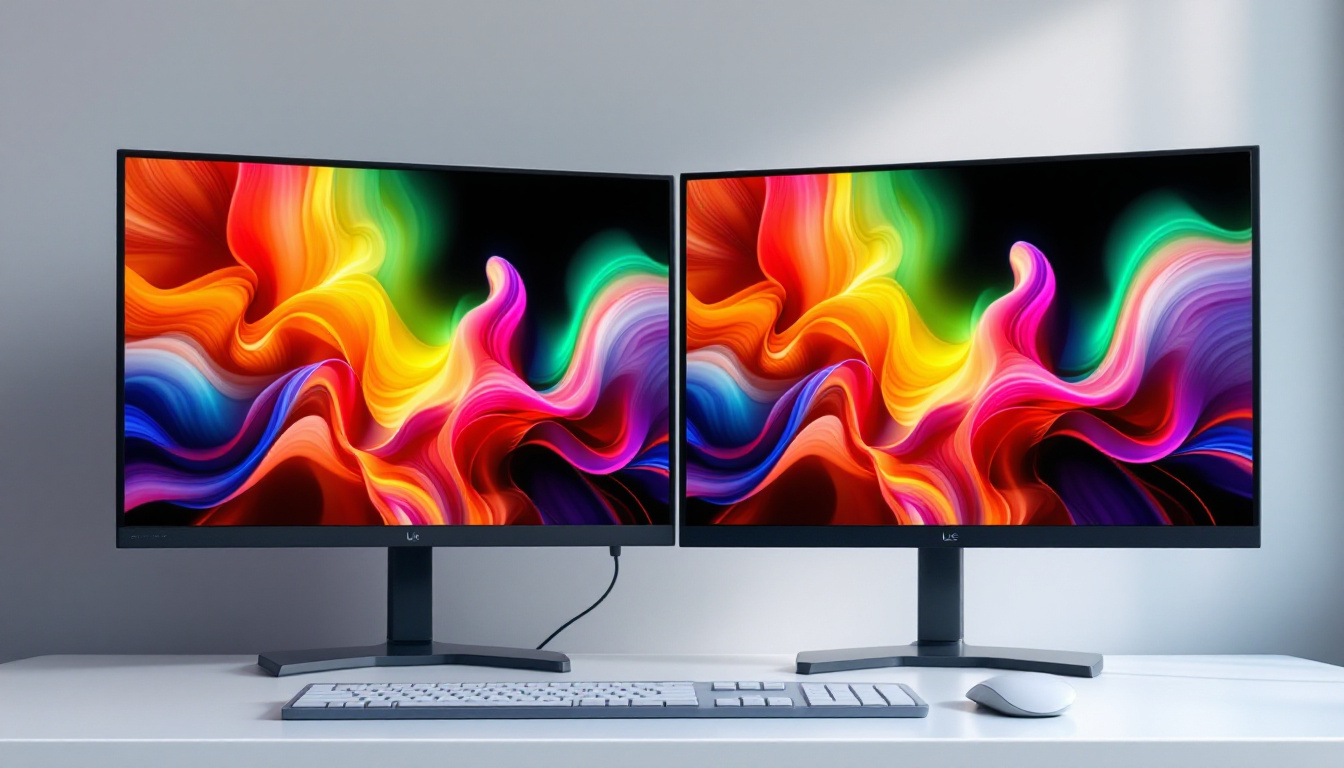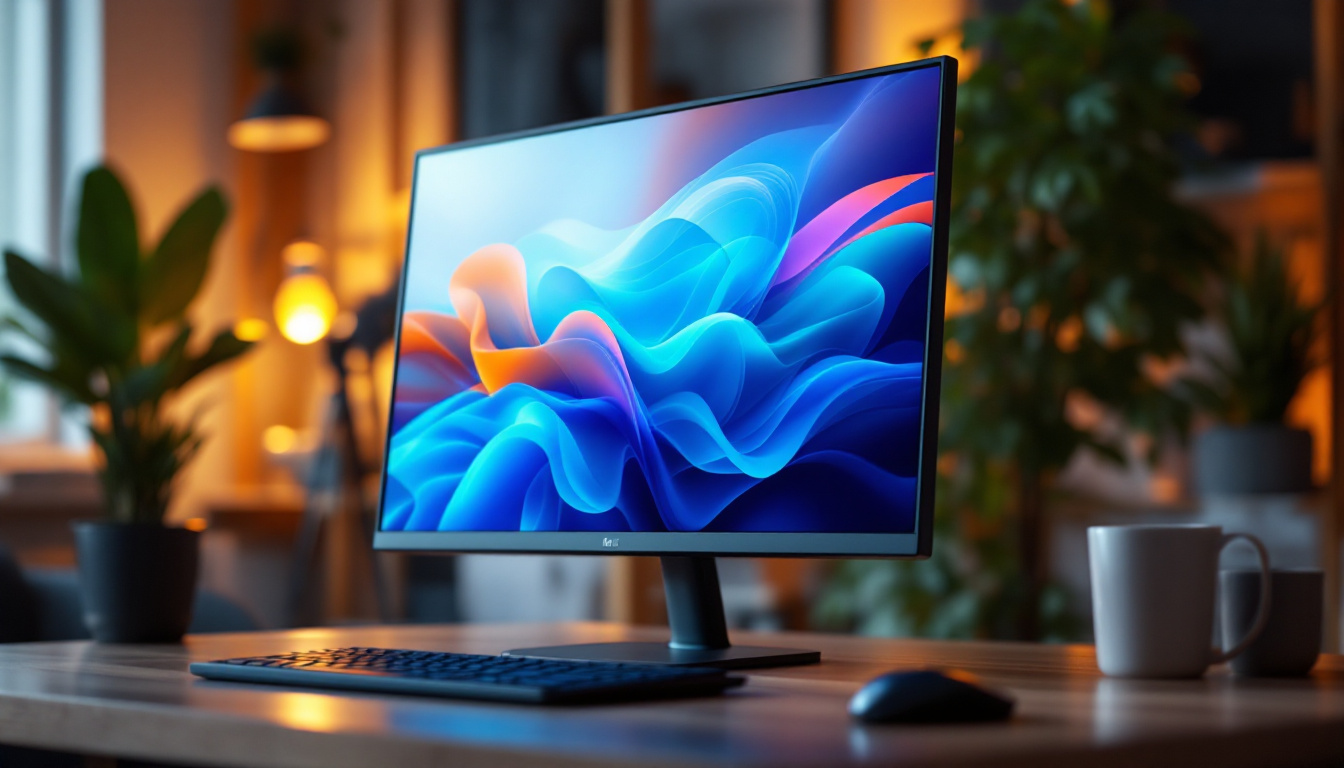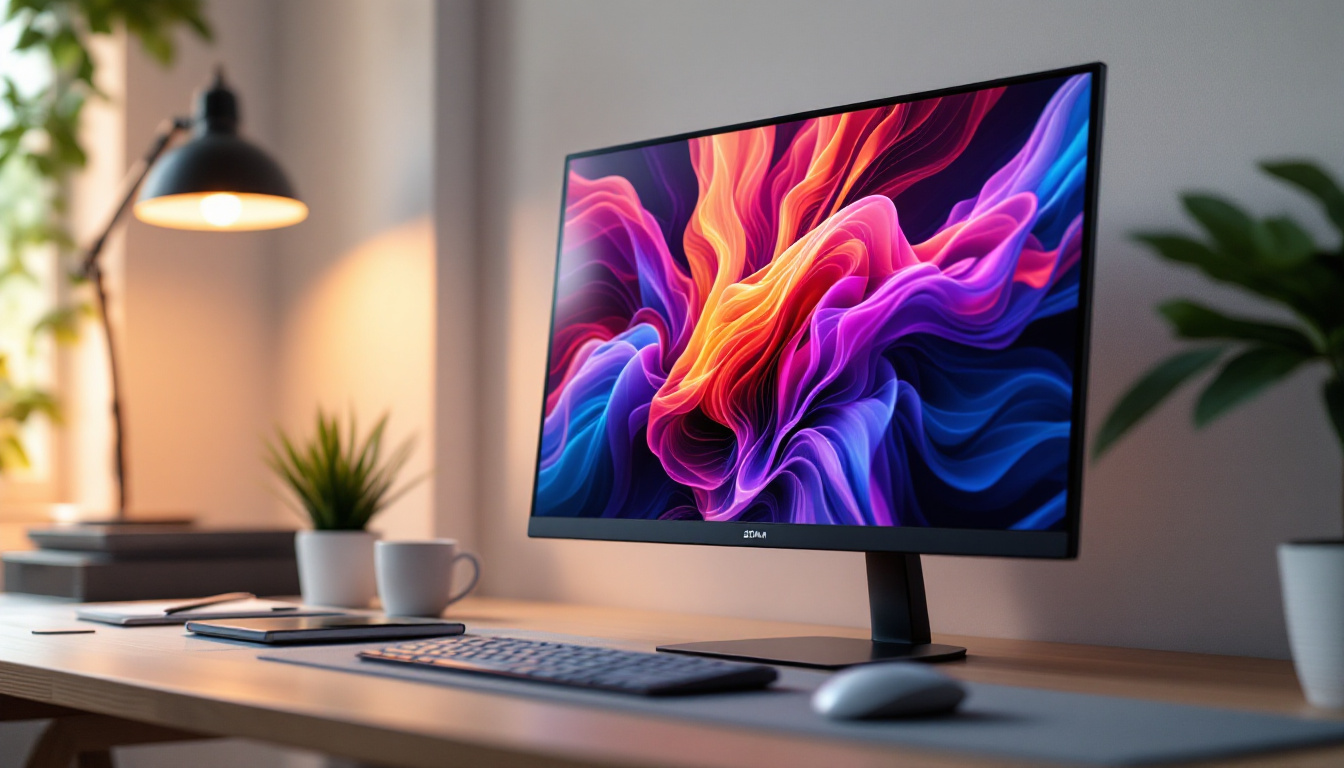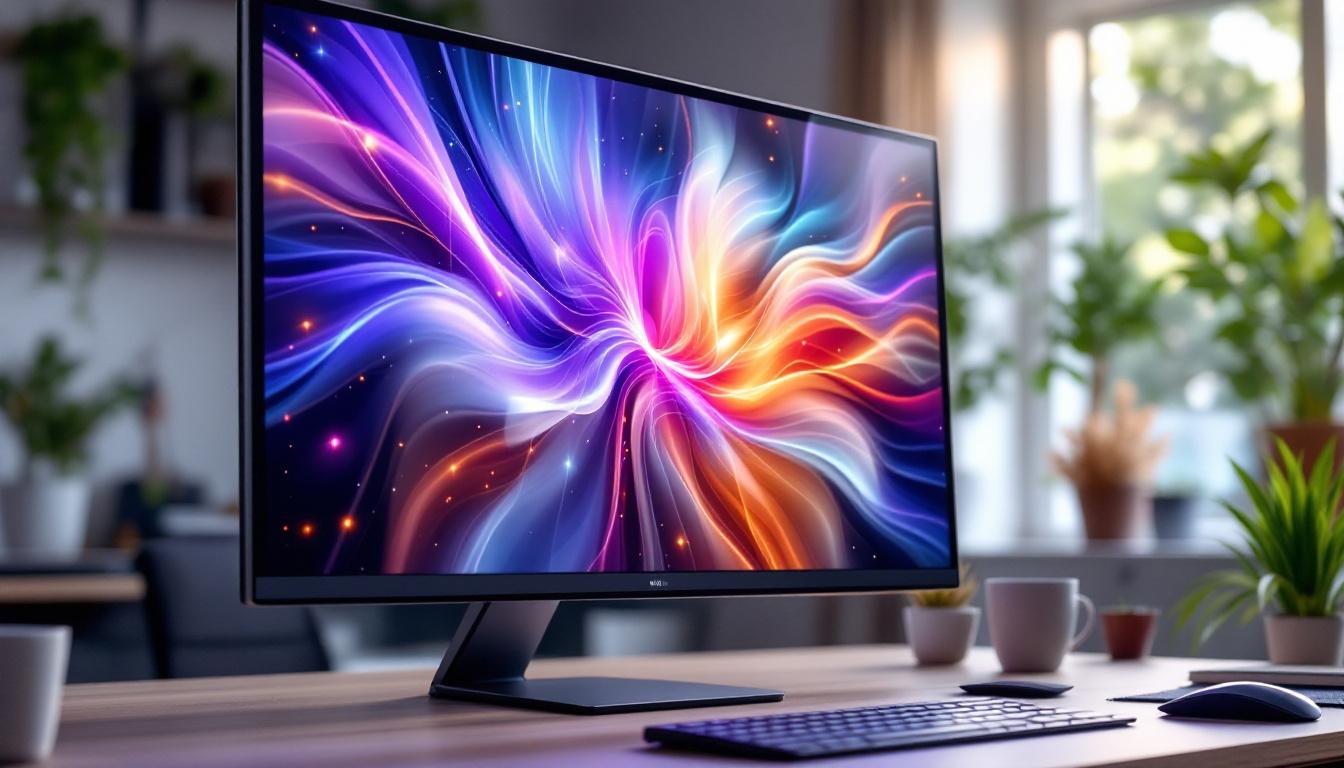
In today’s fast-paced digital world, the demand for versatile and high-performance computer monitors is higher than ever. Among the various options available, the 27 inch touch screen computer monitor with LED display has emerged as a popular choice for professionals, creatives, and everyday users alike. This article explores the features, benefits, and technological aspects of these monitors, providing a comprehensive guide to help you understand why they stand out in the crowded market.
Understanding the 27 Inch Touch Screen Monitor
Why 27 Inches? The Ideal Size for Productivity and Comfort
The 27 inch screen size strikes a perfect balance between workspace and usability. It is large enough to provide ample screen real estate for multitasking, detailed graphic work, or immersive gaming, yet compact enough to fit comfortably on most desks. According to a 2023 survey by DisplayMate, monitors in the 27-inch range are among the most popular for both office and home use, favored for their ability to enhance productivity without overwhelming the user.
For professionals such as graphic designers, video editors, and software developers, a 27 inch monitor offers a clear advantage by reducing the need for constant scrolling or switching between windows. Additionally, the size supports higher resolutions, which leads to sharper images and more precise touch interactions. The immersive experience provided by a 27 inch display can also be a game-changer for gamers, as it allows for a wider field of view, enhancing the overall gaming experience. With the rise of remote work and online collaboration, having a monitor that can accommodate multiple applications side by side has become increasingly important, making the 27 inch size a popular choice among remote workers and business professionals alike.
Touch Screen Technology: Beyond Traditional Displays
Touch screen monitors have evolved significantly over the past decade. Unlike traditional monitors that rely solely on keyboard and mouse input, touch screen displays allow users to interact directly with the content using their fingers or a stylus. This feature is especially beneficial in environments where intuitive, hands-on control is essential, such as design studios, educational settings, and retail kiosks.
Modern 27 inch touch screen monitors typically utilize capacitive touch technology, which offers fast response times, high accuracy, and support for multi-touch gestures. This makes tasks like zooming, rotating, and navigating more natural and efficient. Furthermore, touch screens can improve accessibility for users who may find traditional input devices challenging to use. In educational environments, for instance, touch screen monitors facilitate interactive learning experiences, allowing students to engage directly with digital content, fostering collaboration and creativity. The integration of touch technology also opens up possibilities for innovative applications in various fields, from healthcare, where doctors can manipulate patient data easily, to art, where artists can create directly on the screen, transforming their workflow into a more tactile and engaging process.
LED Display Technology: What Makes It Superior?
LED vs. Other Display Types
LED (Light Emitting Diode) displays have become the standard in monitor technology due to their superior brightness, energy efficiency, and color accuracy. Unlike older LCD monitors that use cold cathode fluorescent lamps (CCFL) for backlighting, LED displays use tiny diodes that emit light when an electric current passes through them.
This technology offers several advantages:
- Improved Brightness and Contrast: LED monitors provide brighter images with deeper blacks and more vivid colors, enhancing the overall viewing experience.
- Energy Efficiency: LEDs consume less power compared to CCFL backlit monitors, which is beneficial for both the environment and electricity bills.
- Longer Lifespan: LEDs tend to last longer and maintain consistent brightness levels over time.
Types of LED Backlighting
Within the LED category, there are different backlighting methods that affect display quality:
- Edge-Lit LED: LEDs are placed around the edges of the screen, allowing for slimmer designs but sometimes resulting in uneven brightness.
- Full-Array LED: LEDs are distributed evenly behind the entire screen, providing uniform brightness and better contrast control.
- Mini-LED: A newer technology that uses thousands of tiny LEDs for precise local dimming, offering superior contrast and HDR performance.
For a 27 inch touch screen monitor, full-array or mini-LED backlighting is often preferred to ensure consistent image quality and responsiveness to touch inputs.
Moreover, the advancements in LED technology have paved the way for innovations such as OLED (Organic Light Emitting Diode) displays, which offer even greater contrast ratios and color depth. While OLED screens can achieve true blacks by turning off individual pixels, LED displays still hold their ground with superior brightness levels, making them ideal for environments with high ambient light. This makes LED displays particularly popular in commercial settings, such as retail stores and airports, where visibility is crucial.
Additionally, the versatility of LED technology extends beyond just monitors. It is now widely used in televisions, smartphones, and even large-scale outdoor displays. The ability to create flexible and transparent LED screens has opened new avenues for creative applications in advertising and architecture. As manufacturers continue to innovate, we can expect to see even more exciting developments in LED technology that enhance our digital experiences across various platforms.
Key Features to Consider in a 27 Inch Touch Screen LED Monitor
Resolution and Image Clarity
Resolution is a critical factor that determines how sharp and detailed the images on your monitor will appear. Common resolutions for 27 inch monitors include Full HD (1920 x 1080), Quad HD (2560 x 1440), and 4K Ultra HD (3840 x 2160).
While Full HD may suffice for general office tasks, Quad HD and 4K resolutions are highly recommended for professional use cases such as photo editing, video production, and CAD applications. Higher resolutions paired with LED technology ensure crisp visuals and accurate color reproduction, which are essential for precision work.
Touch Responsiveness and Accuracy
When selecting a touch screen monitor, responsiveness and accuracy are paramount. The best models offer low latency, meaning the screen reacts instantly to touch inputs, and support multi-touch functionality, allowing for gestures like pinch-to-zoom and swipe.
Some monitors also include features like palm rejection, which prevents accidental touches when using a stylus, and anti-glare coatings to reduce reflections and improve visibility in bright environments.
Connectivity Options
A versatile 27 inch touch screen monitor should support a variety of input methods to connect with different devices. Common ports include HDMI, DisplayPort, USB-C, and USB-A. USB-C is particularly valuable as it can carry video, data, and power simultaneously, reducing cable clutter.
Additionally, some monitors offer built-in USB hubs, allowing users to connect peripherals like keyboards, mice, or external storage devices directly to the monitor, streamlining workspace organization.
Benefits of Using a 27 Inch Touch Screen LED Monitor
Enhanced User Interaction and Efficiency
Touch screen monitors facilitate a more natural and interactive experience. By enabling direct manipulation of on-screen elements, they reduce the steps required to perform tasks, which can significantly boost productivity. This is especially useful in creative workflows where quick adjustments and intuitive controls are necessary.
Improved Collaboration and Presentation
In office or educational settings, a 27 inch touch screen monitor serves as an excellent tool for collaboration. Users can easily annotate documents, highlight information, or navigate presentations with simple touch gestures. This interactive approach fosters engagement and makes meetings or lessons more dynamic.
Space-Saving and Aesthetic Appeal
With sleek LED technology and integrated touch capabilities, these monitors often feature minimalist designs that complement modern workspaces. Their ability to replace separate input devices like graphic tablets or interactive whiteboards can save desk space and reduce clutter.
Popular Use Cases for 27 Inch Touch Screen LED Monitors
Creative Professionals
Graphic designers, illustrators, and video editors benefit greatly from the precision and responsiveness of touch screen monitors. The combination of high resolution, accurate color reproduction, and touch input enables detailed work directly on the screen, enhancing workflow efficiency.
Business and Office Environments
In corporate settings, touch screen monitors streamline tasks such as data entry, presentations, and collaborative projects. They also support modern software applications designed for touch interaction, making them suitable for point-of-sale systems and customer-facing kiosks.
Education and Training
Interactive learning is enhanced by touch screen monitors, which allow students and instructors to engage with digital content dynamically. These monitors support hands-on activities, digital whiteboarding, and interactive lessons that cater to diverse learning styles.
Tips for Choosing the Right 27 Inch Touch Screen LED Monitor
Assess Your Primary Needs
Identify the main purpose of your monitor. If you require precise color accuracy for design work, prioritize models with high color gamut coverage and factory calibration. For general office use, focus on ergonomics and connectivity options.
Check for Compatibility and Ergonomics
Ensure the monitor is compatible with your operating system and supports the touch gestures you need. Adjustable stands that offer tilt, swivel, and height adjustments improve comfort during long usage periods.
Read Reviews and Compare Features
Consult professional reviews and user feedback to gauge real-world performance. Pay attention to factors like touch responsiveness, display quality, build durability, and customer support.
Conclusion: Is a 27 Inch Touch Screen LED Monitor Right for You?
27 inch touch screen monitors with LED displays represent a compelling blend of size, functionality, and visual quality. They cater to a wide range of users, from creative professionals seeking precision tools to businesses aiming to enhance interactivity and collaboration. By understanding the underlying technology and key features, buyers can make informed decisions that align with their needs and budget.
As technology continues to advance, these monitors are becoming more affordable and feature-rich, making them an excellent investment for anyone looking to elevate their computing experience. Whether for work, education, or entertainment, a 27 inch touch screen LED monitor offers versatility and performance that can transform how users interact with digital content.
Discover the Future of Visual Display with LumenMatrix
Ready to take your visual experience to the next level? LumenMatrix is at the forefront of LED display innovation, offering a wide array of solutions that bring your content to life. Whether you’re looking to enhance your business with an Indoor LED Wall Display, captivate passersby with an Outdoor LED Wall Display, or create a dynamic environment with a Custom LED Display, LumenMatrix has the technology to meet your needs. Experience the difference in clarity, engagement, and impact with our LED display modules. Check out LumenMatrix LED Display Solutions today and see how we can transform your space into a visual masterpiece.