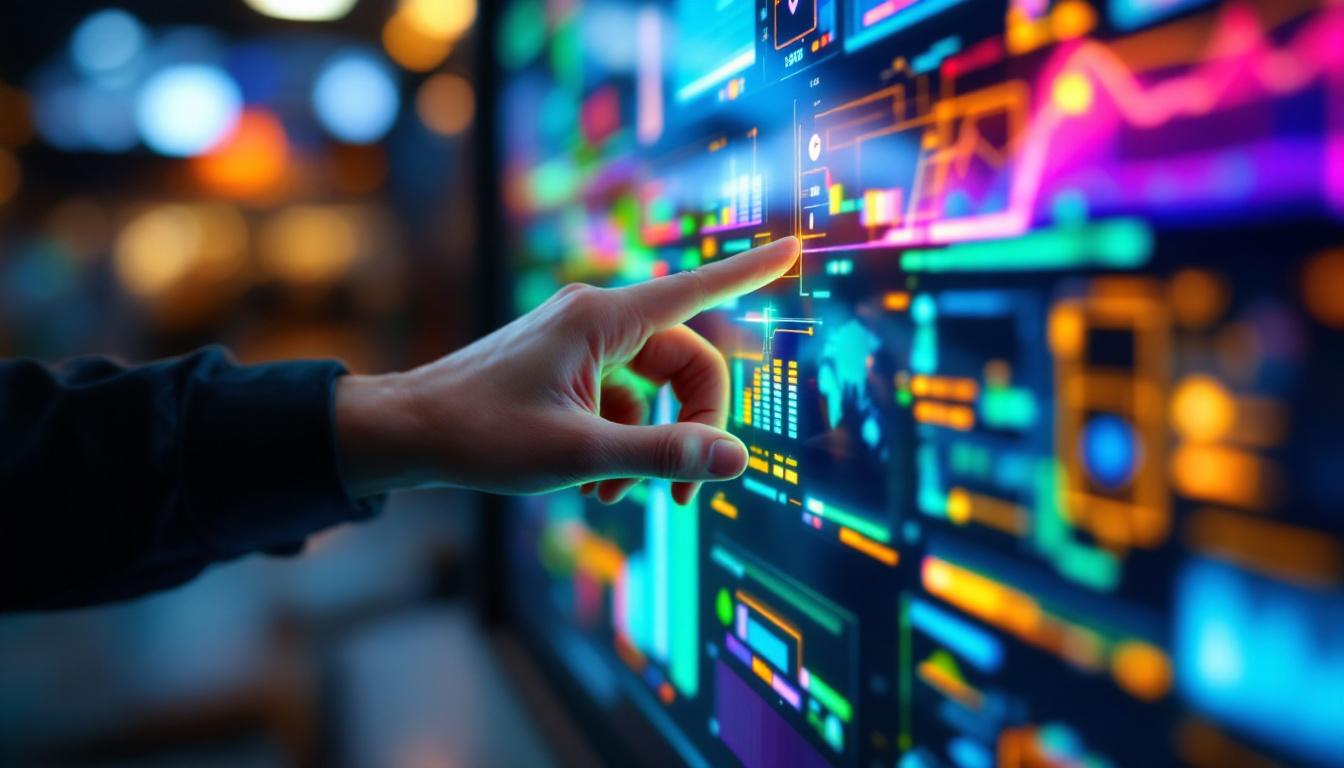
In today’s digital era, touch screen technology has become an integral part of everyday life, from smartphones and tablets to kiosks and automotive displays. Among the various display technologies powering these interfaces, LED displays stand out for their brightness, energy efficiency, and versatility. This article delves into the fundamentals of touch screen technology with a focus on LED displays, exploring how they work, their advantages, and their applications across industries.
Understanding Touch Screen Technology
What Is Touch Screen Technology?
Touch screen technology allows users to interact directly with what is displayed on a screen by touching it with a finger or stylus. Unlike traditional interfaces that rely on peripherals like a mouse or keyboard, touch screens provide a more intuitive and immediate way to engage with digital content.
There are several types of touch screen technologies, including resistive, capacitive, infrared, and surface acoustic wave systems. Each technology has its own mechanism for detecting touch and varying levels of sensitivity, durability, and cost. Capacitive screens, for instance, are widely used in smartphones and tablets, while resistive screens are often found in older devices and specialized equipment. The choice of technology can significantly impact user experience, influencing everything from responsiveness to the types of applications that can be effectively utilized.
How Touch Screens Detect Input
Capacitive touch screens, the most common type in consumer electronics, detect touch through the electrical properties of the human body. When a finger touches the screen, it changes the local electrostatic field, which the device interprets as input. This technology supports multi-touch gestures and offers high responsiveness, enabling users to perform complex actions like pinch-to-zoom or swipe with ease. The rapid advancements in capacitive technology have also led to improvements in screen clarity and sensitivity, making interactions feel more fluid and natural.
In contrast, resistive touch screens rely on pressure applied to the screen, which causes two conductive layers to make contact. While resistive screens are generally less sensitive and do not support multi-touch, they are often used in industrial or rugged environments due to their durability and ability to work with gloves or styluses. This makes them ideal for applications in manufacturing, healthcare, and outdoor settings where conditions may not be conducive to more delicate touch technologies. Moreover, resistive screens can be more cost-effective for certain applications, allowing businesses to deploy touch interfaces without a significant investment in more advanced technologies.
Another interesting aspect of touch screen technology is the evolution of haptic feedback, which enhances the user experience by providing tactile responses to touch interactions. This technology simulates the sensation of pressing a physical button or interacting with a textured surface, making digital interactions feel more realistic. Haptic feedback can be particularly beneficial in gaming and virtual reality applications, where immersion is key. As touch screen technology continues to evolve, we can expect to see even more innovative features that enhance user engagement and redefine how we interact with our devices.
LED Displays: The Backbone of Modern Touch Screens
What Is an LED Display?
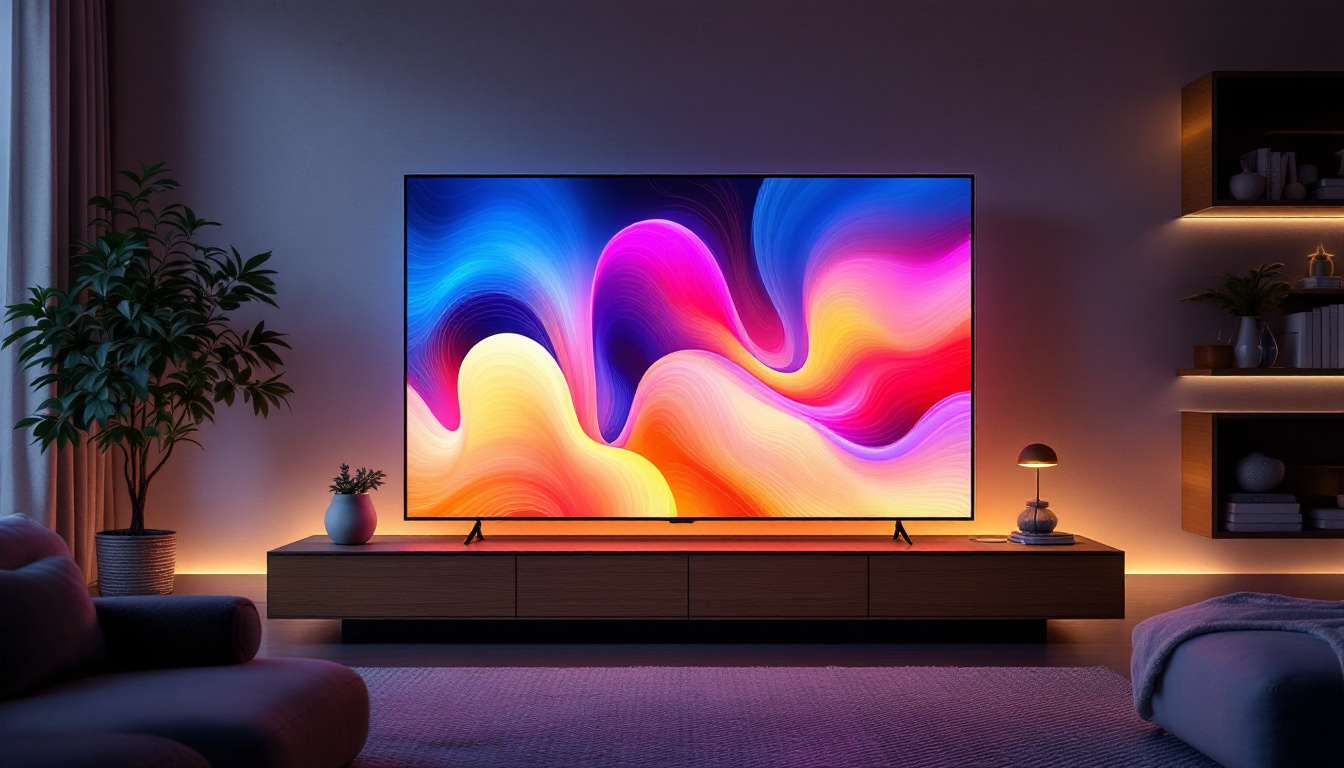
LED stands for Light Emitting Diode, a semiconductor device that emits light when an electric current passes through it. LED displays use arrays of these diodes to produce images, offering bright, vibrant visuals with excellent contrast ratios. They are widely used in televisions, monitors, digital signage, and increasingly in touch screen devices.
Unlike traditional LCDs that rely on backlighting, LED displays can be either direct-emitting or use LEDs as backlights, enhancing brightness and energy efficiency. The two main categories are OLED (Organic LED) and LED-backlit LCDs, each with unique characteristics. OLED displays, for instance, are known for their ability to produce true blacks and a wider color gamut, making them particularly appealing for high-end devices and applications where visual fidelity is paramount. On the other hand, LED-backlit LCDs remain popular due to their cost-effectiveness and reliability, making them a staple in many consumer electronics.
How LED Displays Work in Touch Screens
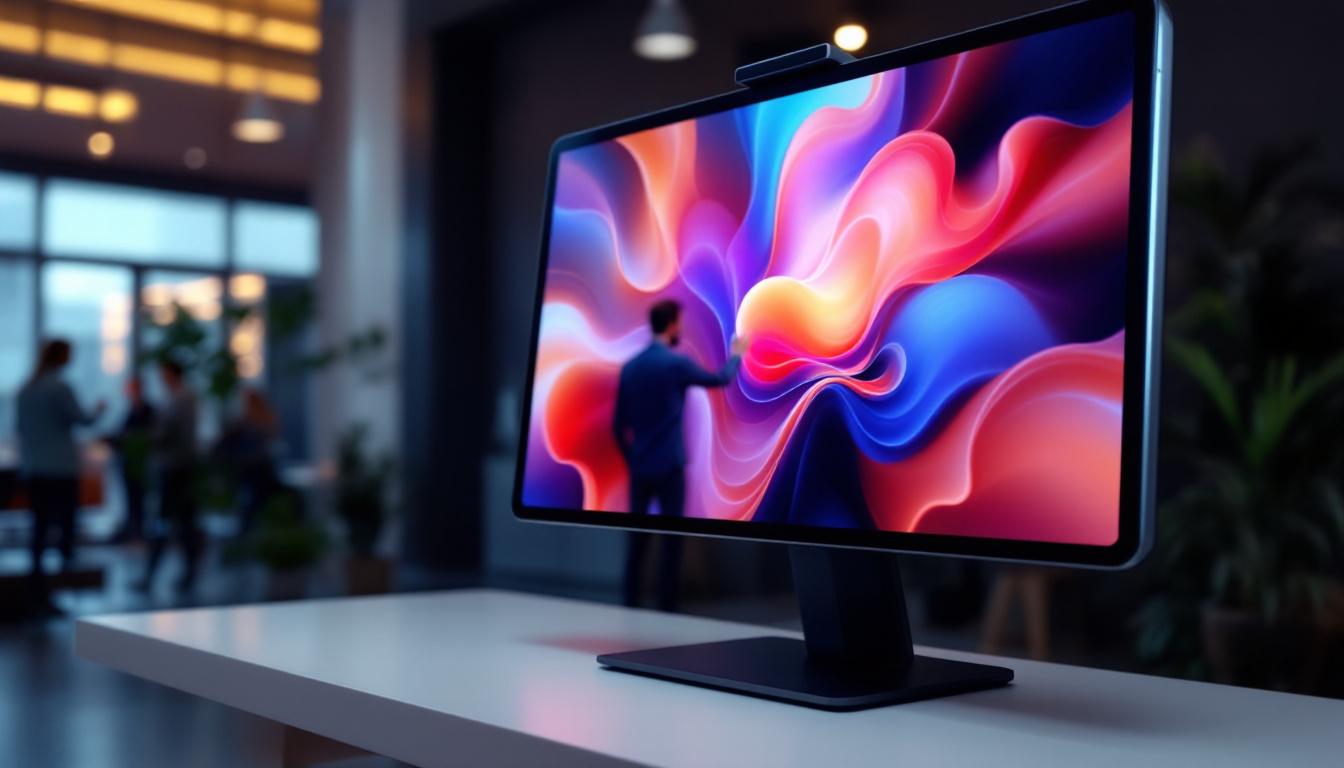
In a touch screen device, the LED display serves as the visual output layer, while the touch sensor layer is placed on top. The display emits light to render images, text, and video, while the touch layer detects user input. The integration of these layers must be seamless to ensure clarity, responsiveness, and durability. This synergy is crucial, especially in applications requiring precision, such as graphic design or gaming, where even the slightest delay can affect user experience.
Modern manufacturing techniques allow for ultra-thin, flexible LED displays that can be combined with capacitive touch sensors. This combination enables sleek, high-performance devices with excellent color accuracy and touch sensitivity. Moreover, advancements in technology have led to the development of transparent LED displays, which open up new possibilities for augmented reality applications and innovative advertising solutions. As these displays become more prevalent, they are set to transform how we interact with our environments, blurring the lines between the digital and physical worlds.
Advantages of LED Displays in Touch Screen Devices
Superior Brightness and Visibility
One of the most significant advantages of LED displays is their superior brightness. LEDs can produce intense light output, making screens easily visible even in bright outdoor environments. This is particularly important for devices like smartphones, tablets, and outdoor kiosks, where ambient lighting conditions vary widely.
High brightness also contributes to better readability and reduces eye strain, enhancing the overall user experience.
Energy Efficiency and Longevity
LED technology is known for its energy efficiency compared to traditional lighting and display methods. LED displays consume less power, which is crucial for battery-operated devices such as mobile phones and tablets. Lower power consumption also translates into reduced heat generation, improving device longevity and reliability.
Additionally, LEDs have a longer lifespan than other display technologies, often lasting tens of thousands of hours before noticeable degradation occurs.
Vibrant Colors and High Contrast
LED displays offer vibrant color reproduction and high contrast ratios, which are essential for delivering rich visual content. This capability enhances multimedia experiences, from watching videos to gaming and graphic design applications.
Organic LEDs (OLEDs), a subset of LED technology, provide even deeper blacks and wider viewing angles, making them ideal for premium touch screen devices.
Thin and Flexible Form Factors
Advancements in LED technology have enabled manufacturers to produce ultra-thin and flexible displays. These innovations open the door to new product designs, such as foldable smartphones, curved monitors, and wearable devices with touch screens.
The flexibility of LED displays also allows for integration into unconventional surfaces, expanding the potential applications beyond traditional flat screens.
Applications of LED Touch Screen Technology
Consumer Electronics
Smartphones, tablets, and laptops dominate the consumer electronics market for touch screen devices. LED displays provide the brightness, color accuracy, and responsiveness these devices require. For instance, flagship smartphones often feature OLED displays that deliver stunning visuals and support advanced multi-touch gestures.
Wearable technology such as smartwatches also benefits from LED touch screens, offering clear visibility in various lighting conditions and maintaining battery efficiency.
Retail and Digital Signage
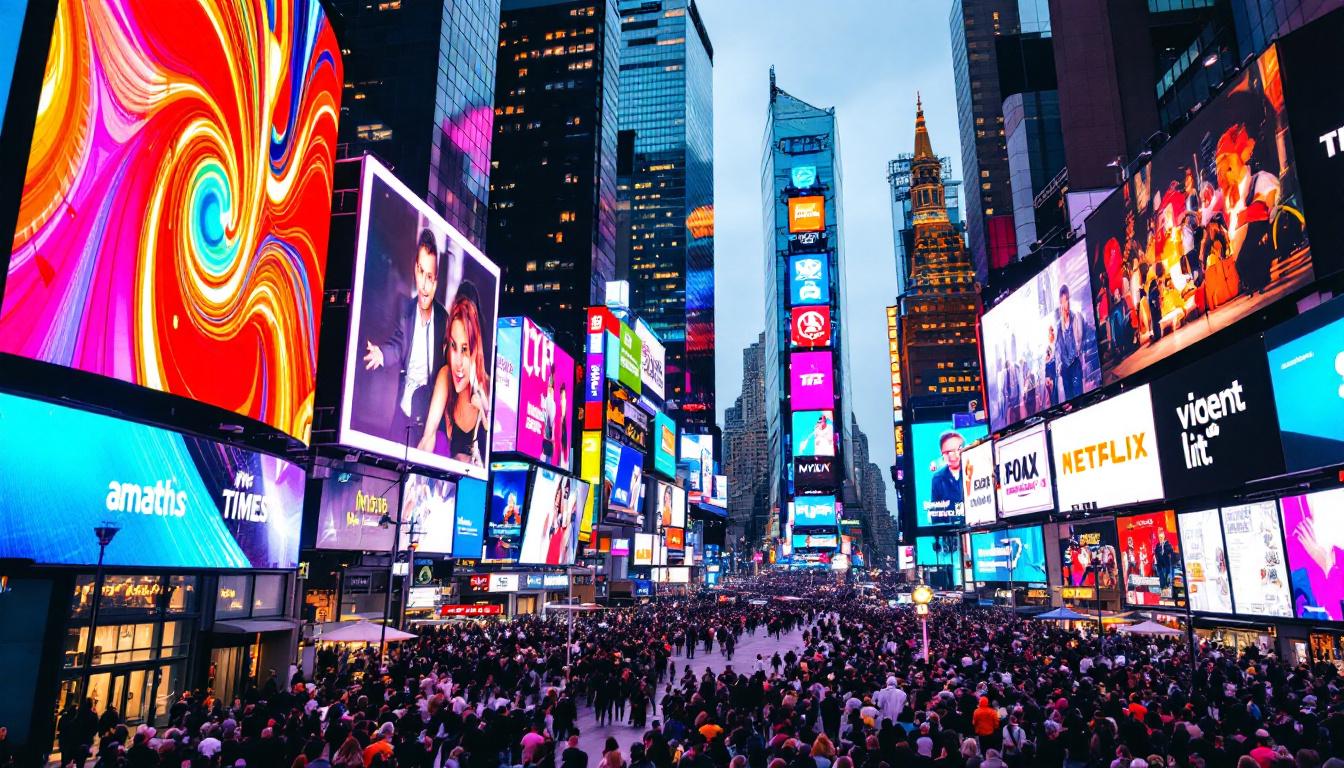
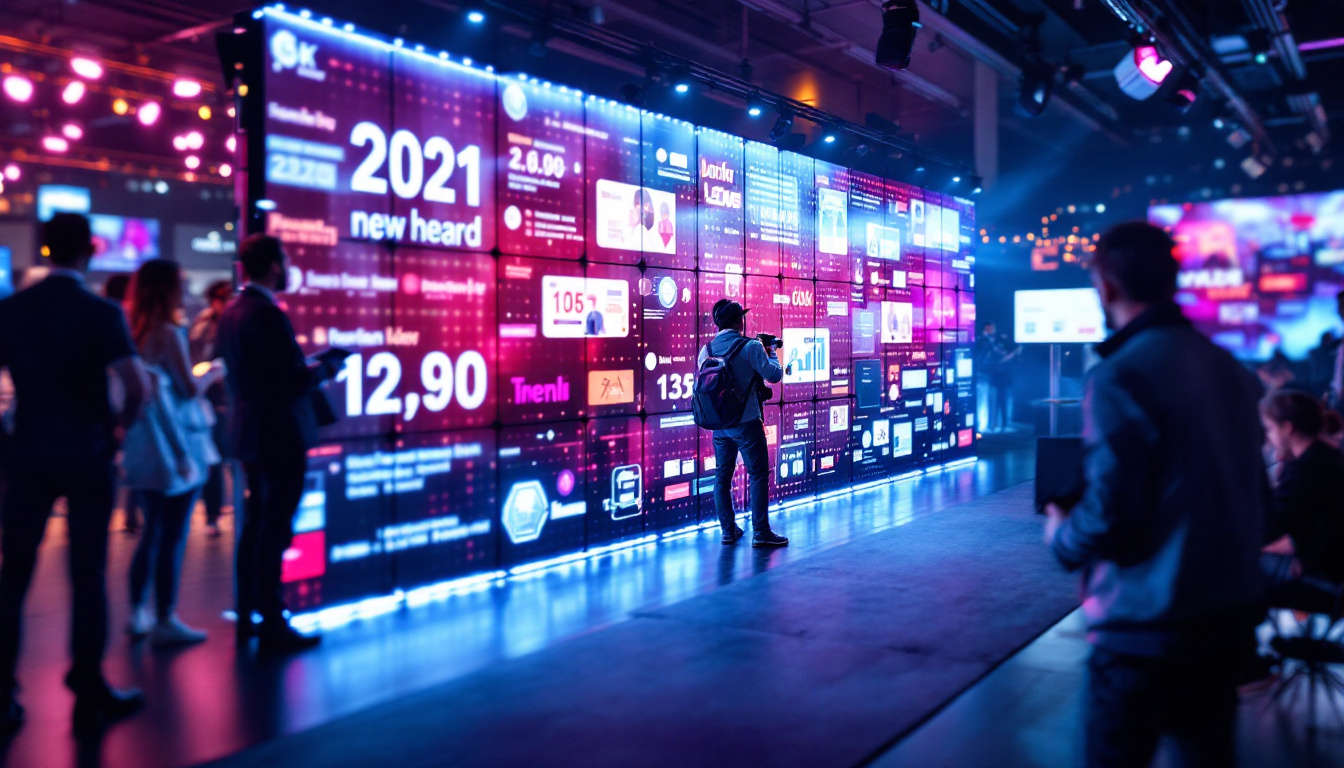
Retail environments increasingly use interactive touch screen kiosks and digital signage powered by LED displays to engage customers. These systems provide product information, promotions, and self-service options, enhancing the shopping experience.
LED displays’ brightness ensures visibility in well-lit stores and outdoor locations, while touch screen interactivity allows for personalized customer engagement.
Automotive Industry
Modern vehicles incorporate touch screen interfaces for infotainment, navigation, and climate control. LED displays are favored for their readability under varying lighting conditions, including direct sunlight. The durability and energy efficiency of LED technology also align with automotive requirements for reliability and power management.
Emerging trends include curved and flexible LED touch screens integrated into dashboards and control panels, improving ergonomics and aesthetics.
Healthcare and Industrial Applications
In healthcare, touch screen devices with LED displays facilitate patient monitoring, diagnostics, and medical imaging. The clarity and responsiveness of LED touch screens support critical tasks where precision is paramount.
Industrial environments utilize rugged touch screen panels with LED displays for machine control and data visualization. LED technology’s durability and ability to function in harsh conditions make it suitable for these demanding applications.
Challenges and Future Trends in LED Touch Screen Technology
Addressing Durability and Cost
While LED displays offer many advantages, challenges remain. For example, OLED displays can suffer from burn-in and degradation over time, impacting longevity. Manufacturers are actively researching materials and techniques to mitigate these issues.
Cost is another consideration, as high-quality LED touch screens, particularly OLEDs, tend to be more expensive than traditional LCDs. However, economies of scale and technological advancements continue to drive prices down.
Advancements in Flexible and Transparent Displays
Future developments in LED technology focus on flexible and transparent displays, which promise to revolutionize touch screen devices. Flexible displays enable foldable phones and wearable gadgets that conform to the user’s body, while transparent displays could integrate touch functionality into windows, mirrors, and other surfaces.
These innovations will expand the ways users interact with digital content, making touch screens more versatile and immersive.
Integration with Emerging Technologies
LED touch screen technology is also evolving alongside other emerging technologies such as augmented reality (AR), virtual reality (VR), and artificial intelligence (AI). Enhanced displays with touch capabilities will play a crucial role in creating seamless, interactive experiences in these domains.
For example, AR devices may use transparent LED touch screens to overlay digital information on the physical world, while AI-powered interfaces can adapt touch interactions based on user behavior.
Conclusion
Touch screen technology powered by LED displays has transformed how people interact with digital devices across various sectors. The combination of bright, energy-efficient, and vibrant LED displays with responsive touch sensors delivers an intuitive and engaging user experience. As technology advances, innovations in flexible, transparent, and integrated displays will continue to push the boundaries of what touch screen devices can achieve.
Understanding the fundamentals and applications of LED touch screen technology is essential for consumers, designers, and industry professionals aiming to leverage this dynamic technology in the years ahead.
Explore Cutting-Edge LED Display Solutions with LumenMatrix
As you consider the vast potential and applications of LED touch screen technology, LumenMatrix stands at the forefront of innovation, ready to elevate your digital interactions. With a diverse range of products from Indoor and Outdoor LED Wall Displays to specialized solutions like Vehicle, Sports, and Floor LED Displays, LumenMatrix is committed to transforming your visual communication. Whether you aim to enhance brand visibility or create immersive experiences, our Custom, All-in-One, and Transparent LED Displays are designed to captivate and engage. Check out LumenMatrix LED Display Solutions today and step into the future of dynamic, impactful visual storytelling.