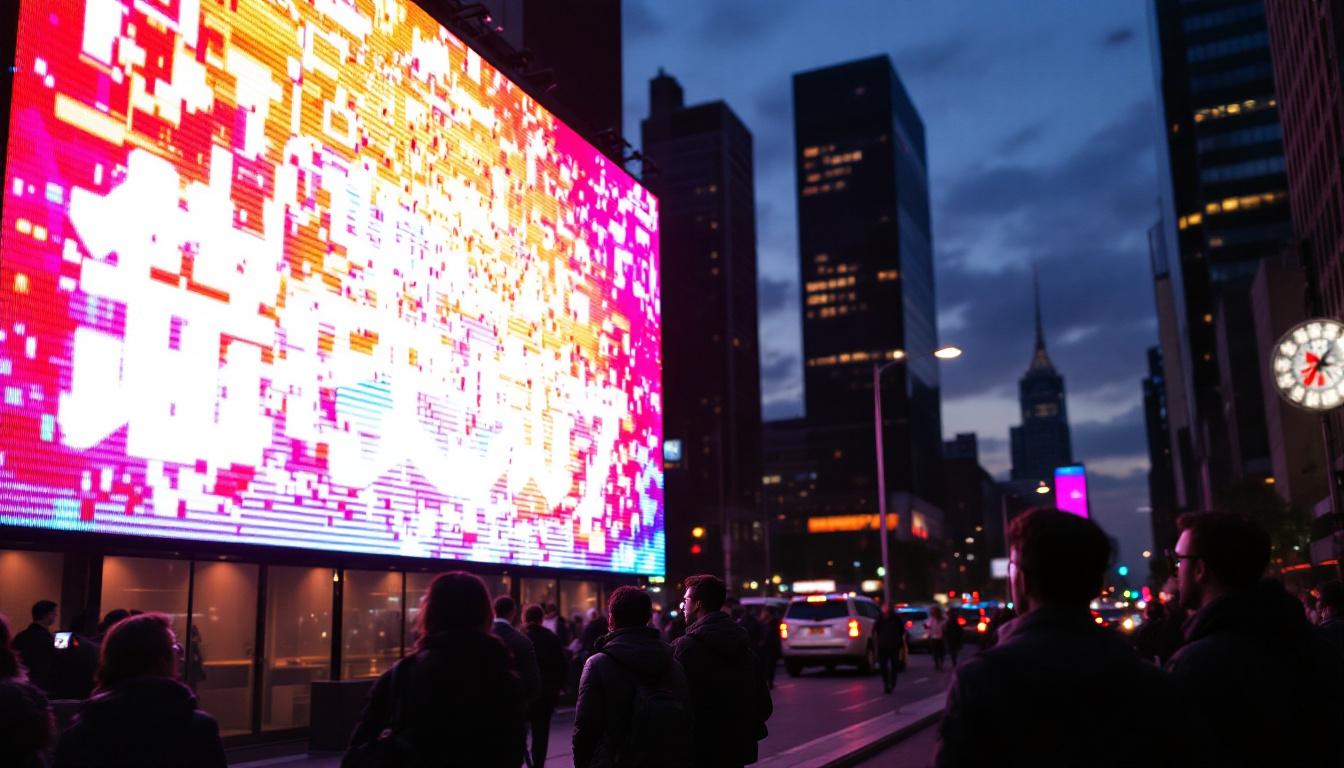
In today’s digital age, LED displays have become an integral part of how information is presented and consumed across various industries. From vibrant billboards in bustling city centers to sophisticated screens in corporate boardrooms, LED technology powers a vast array of visual communication tools. This article delves deep into the world of LED displays, explaining their technology, applications, advantages, and future trends, providing readers with a comprehensive understanding of why LED displays have become the go-to choice for dynamic visual content.
Understanding LED Display Technology
What is an LED Display?
LED stands for Light Emitting Diode, a semiconductor device that emits light when an electric current passes through it. An LED display is a flat panel display that uses an array of these tiny LEDs as pixels to produce images, videos, and text. Unlike traditional LCD or plasma screens, LED displays use light-emitting diodes as the source of illumination, which allows for greater brightness, energy efficiency, and durability.
LED displays come in various forms, including direct-view LED displays and LED-backlit LCDs. The former uses individual LEDs as pixels visible to the naked eye, while the latter employs LEDs as a backlight behind an LCD panel. This article primarily focuses on direct-view LED displays, often seen in large-format screens and digital signage. The versatility of LED technology has led to its widespread adoption across various sectors, from entertainment and advertising to transportation and education, making it a pivotal component in modern visual communication.
How Do LED Displays Work?
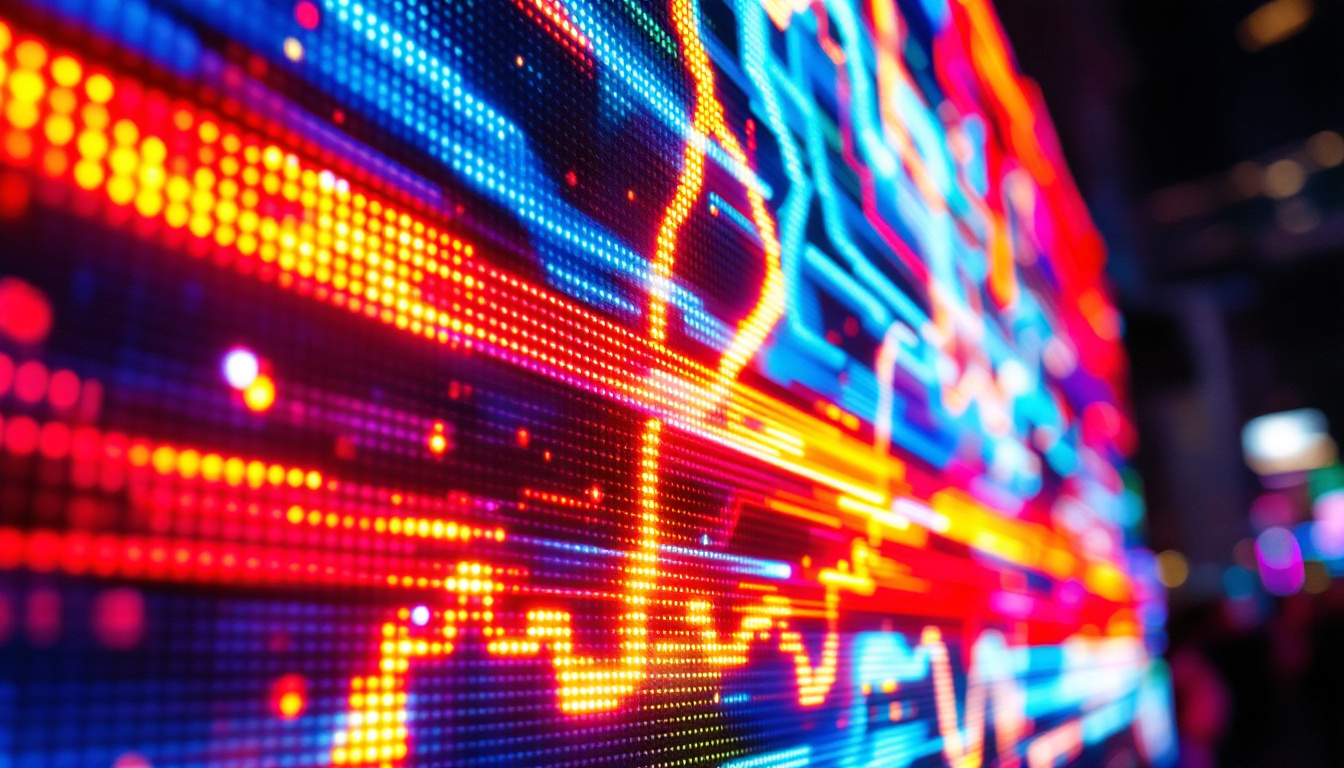
Each pixel in an LED display consists of red, green, and blue LEDs. By varying the intensity of these three colors, the display can produce a full spectrum of colors. This RGB model is fundamental to how LED displays render images with high fidelity and vibrancy. The precision with which these colors can be mixed allows for stunning visuals that can captivate audiences, making LED displays particularly popular for concerts, sporting events, and exhibitions.
The LEDs are arranged in a grid, and the display controller manages which LEDs light up and at what intensity to form the desired image. Modern LED displays use surface-mount technology (SMT) to place LEDs precisely on circuit boards, enabling high pixel density and sharp image quality. Additionally, advancements in LED technology have led to the development of features such as high dynamic range (HDR) and wide color gamut (WCG), which further enhance the viewing experience by providing deeper blacks and more vibrant colors.
Types of LED Displays
LED displays can be broadly categorized based on their pixel pitch, size, and intended use:
- Indoor LED Displays: Designed for close viewing distances, these displays have a small pixel pitch (often less than 2 mm), providing high resolution and clarity. They are commonly used in retail stores, conference rooms, and indoor advertising. The ability to display intricate details makes them ideal for applications where visual impact is crucial, such as in art galleries or high-end retail environments.
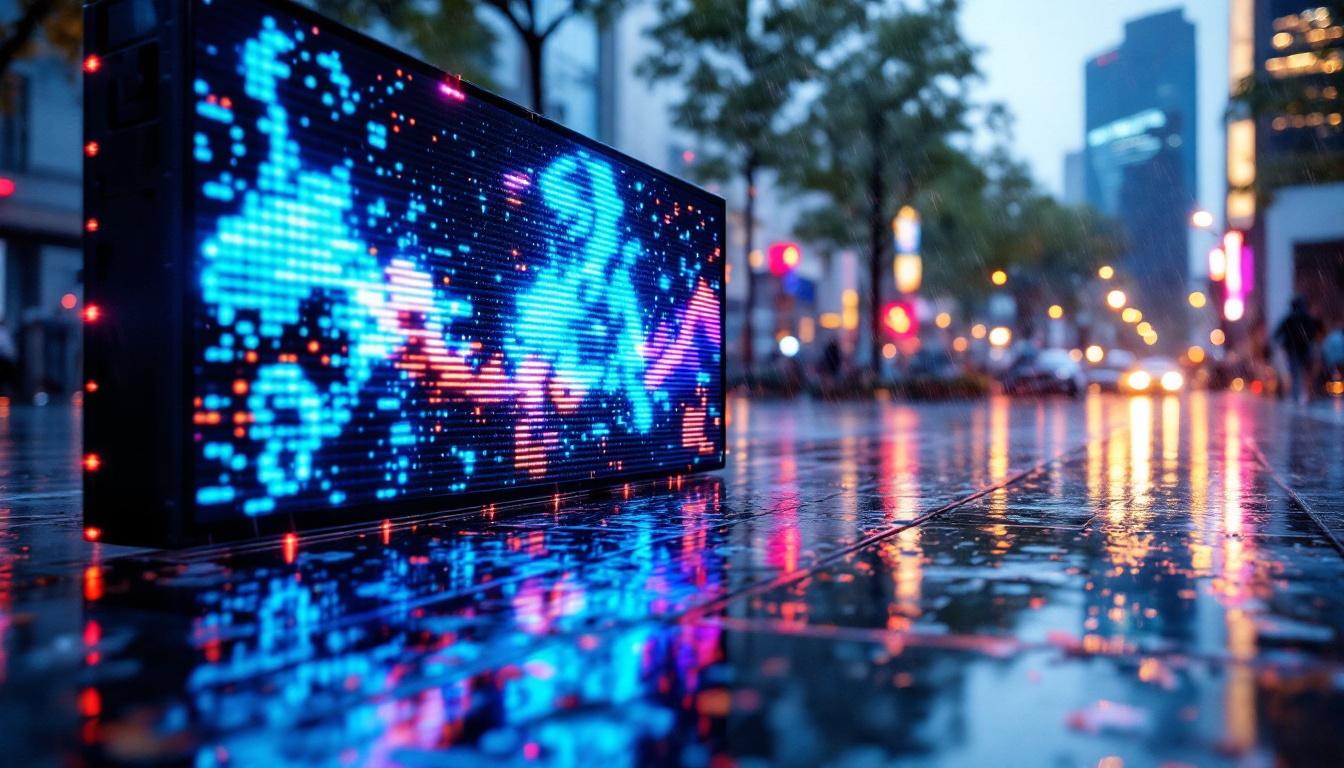
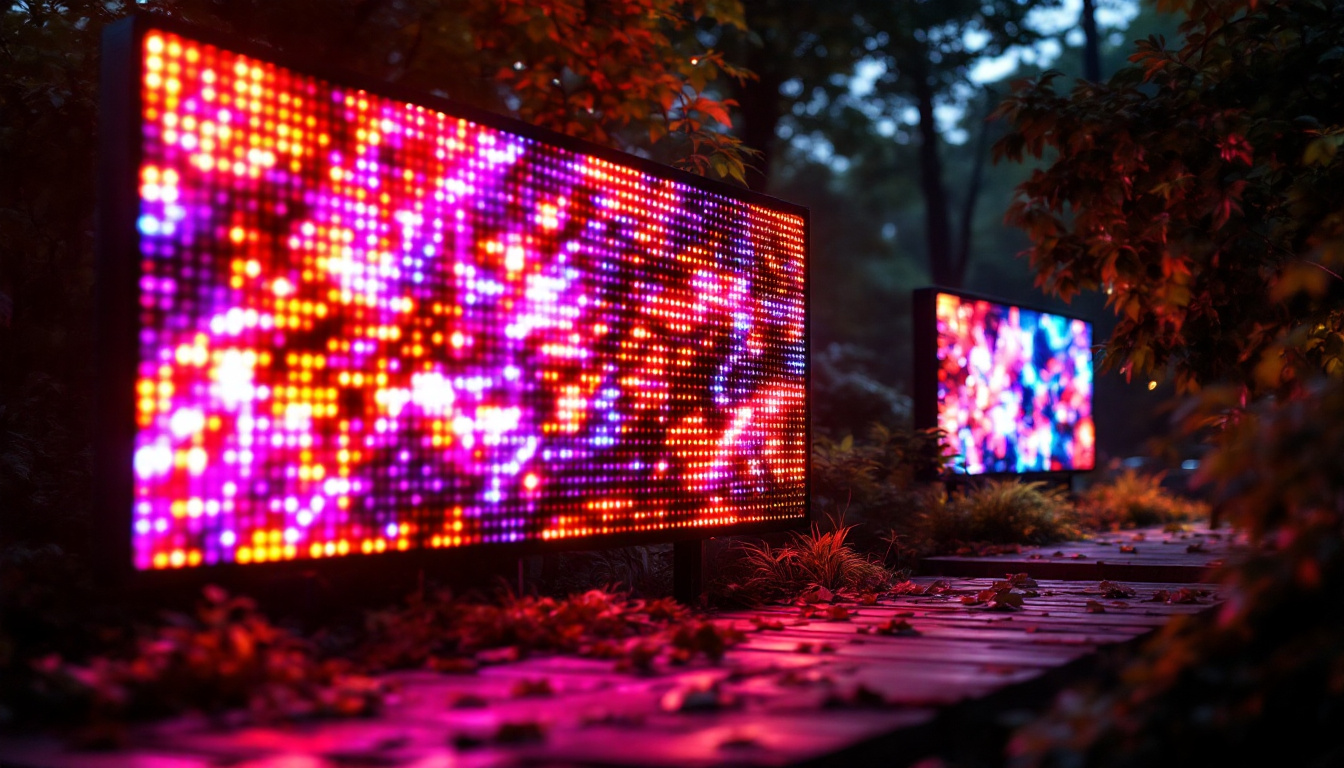
- Outdoor LED Displays: Built to withstand weather conditions, these have larger pixel pitches (typically 4 mm and above) and higher brightness levels to remain visible under direct sunlight. Examples include stadium screens, highway billboards, and public information displays. These displays are engineered to endure harsh environmental conditions, featuring protective coatings and robust housing to ensure longevity and reliability.
- Flexible and Transparent LED Displays: These innovative displays can bend or allow light to pass through, enabling creative applications in architecture and design. Their adaptability opens up new possibilities for integrating technology into everyday environments, such as in storefront windows or curved surfaces, where traditional displays would be impractical.
Applications of LED Displays in Various Industries
Advertising and Digital Signage
One of the most visible uses of LED displays is in advertising and digital signage. According to a report by Grand View Research, the global digital signage market is expected to reach $32.84 billion by 2028, growing at a CAGR of 7.5%. LED displays dominate this market due to their brightness, durability, and ability to display dynamic content that captures attention effectively.
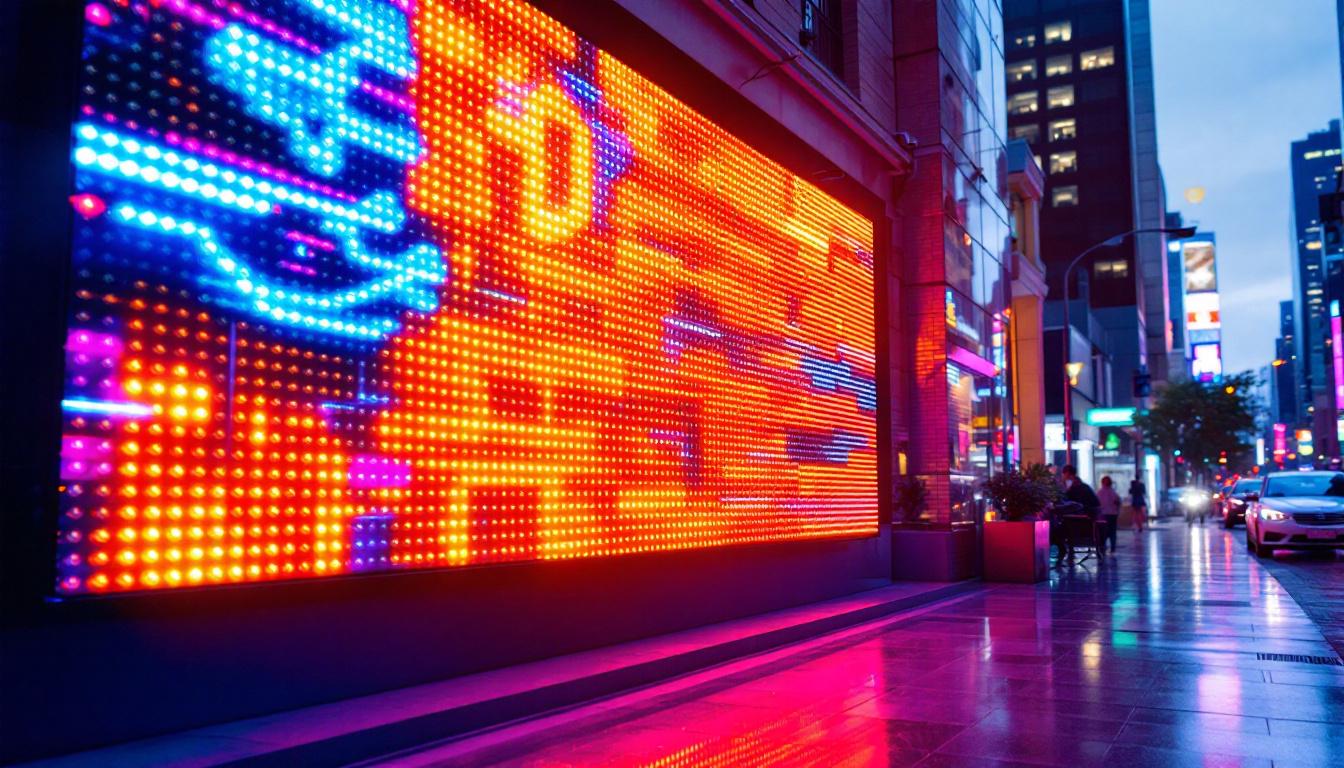
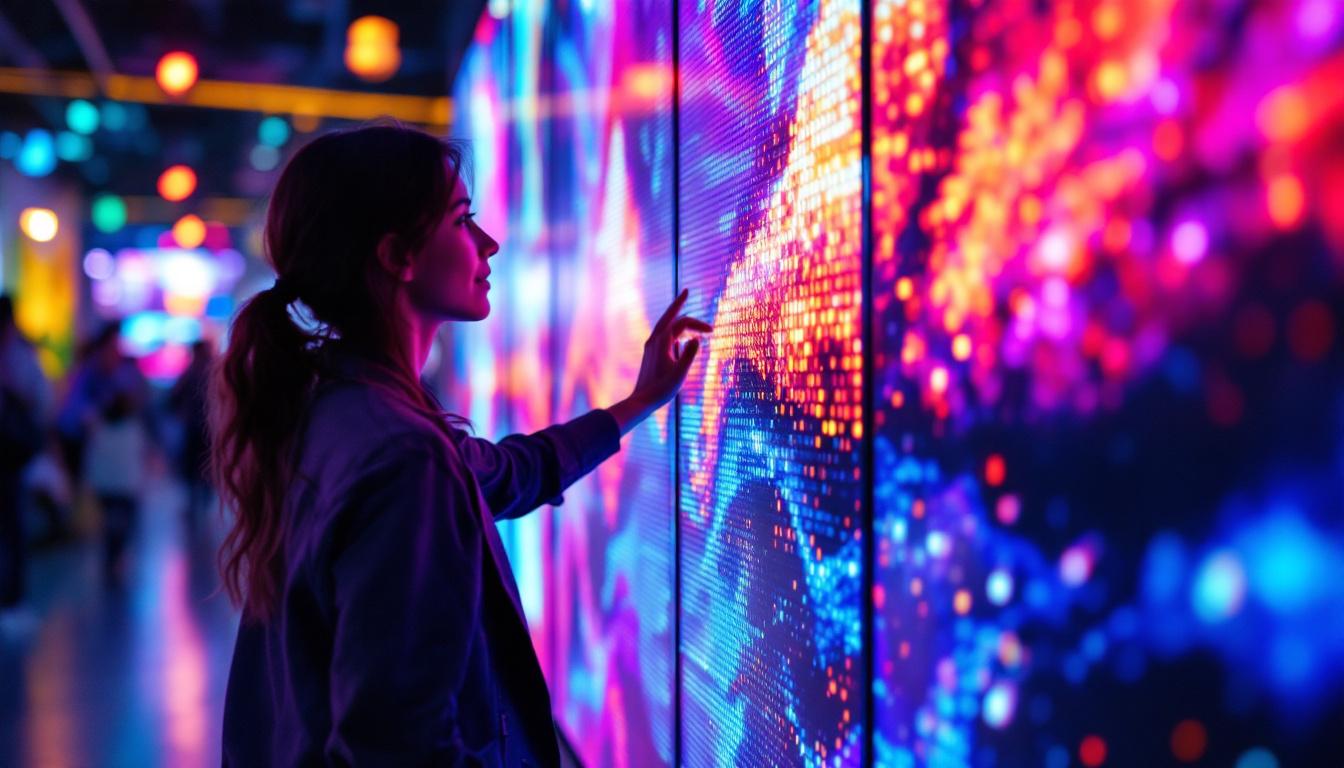
Outdoor LED billboards have transformed urban landscapes, making it possible to deliver targeted messages that can be updated in real-time. Retailers use indoor LED walls to create immersive shopping experiences, while transportation hubs rely on LED displays for real-time updates and wayfinding.
Entertainment and Sports Venues
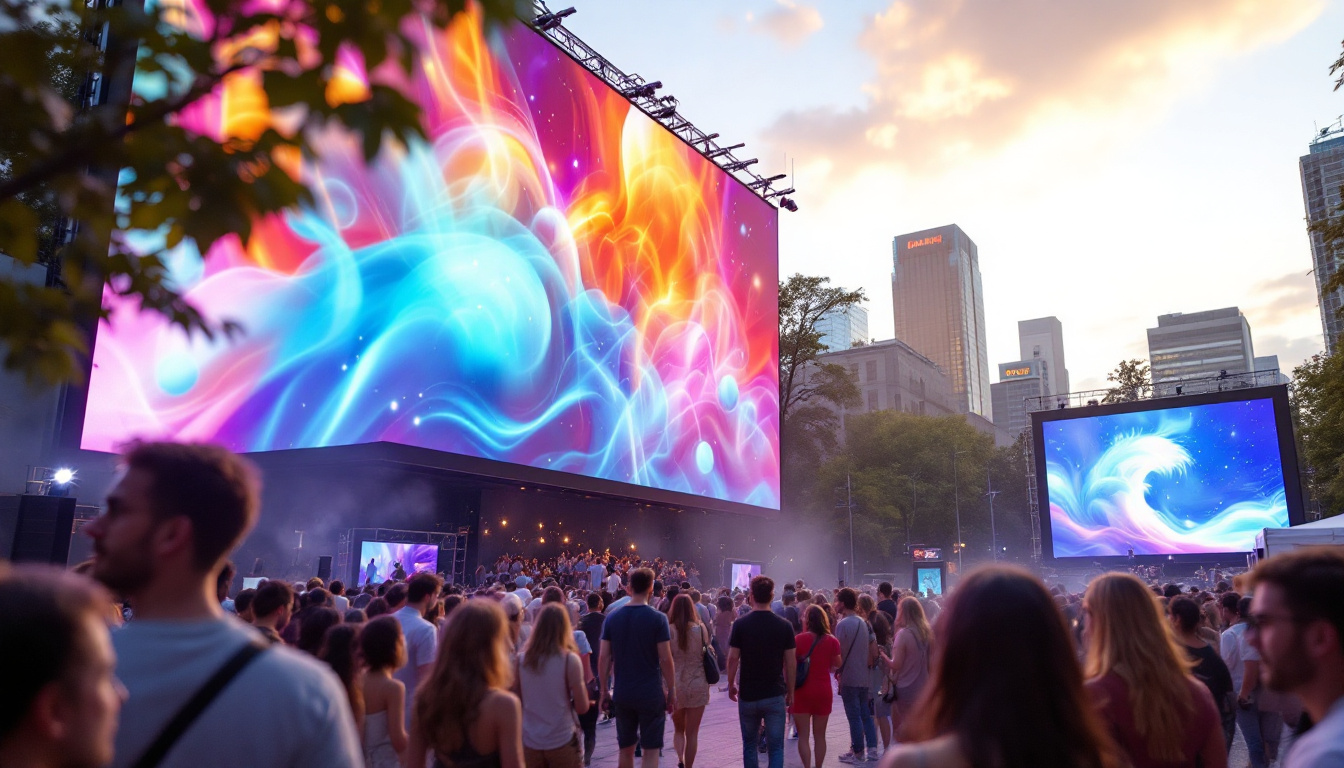
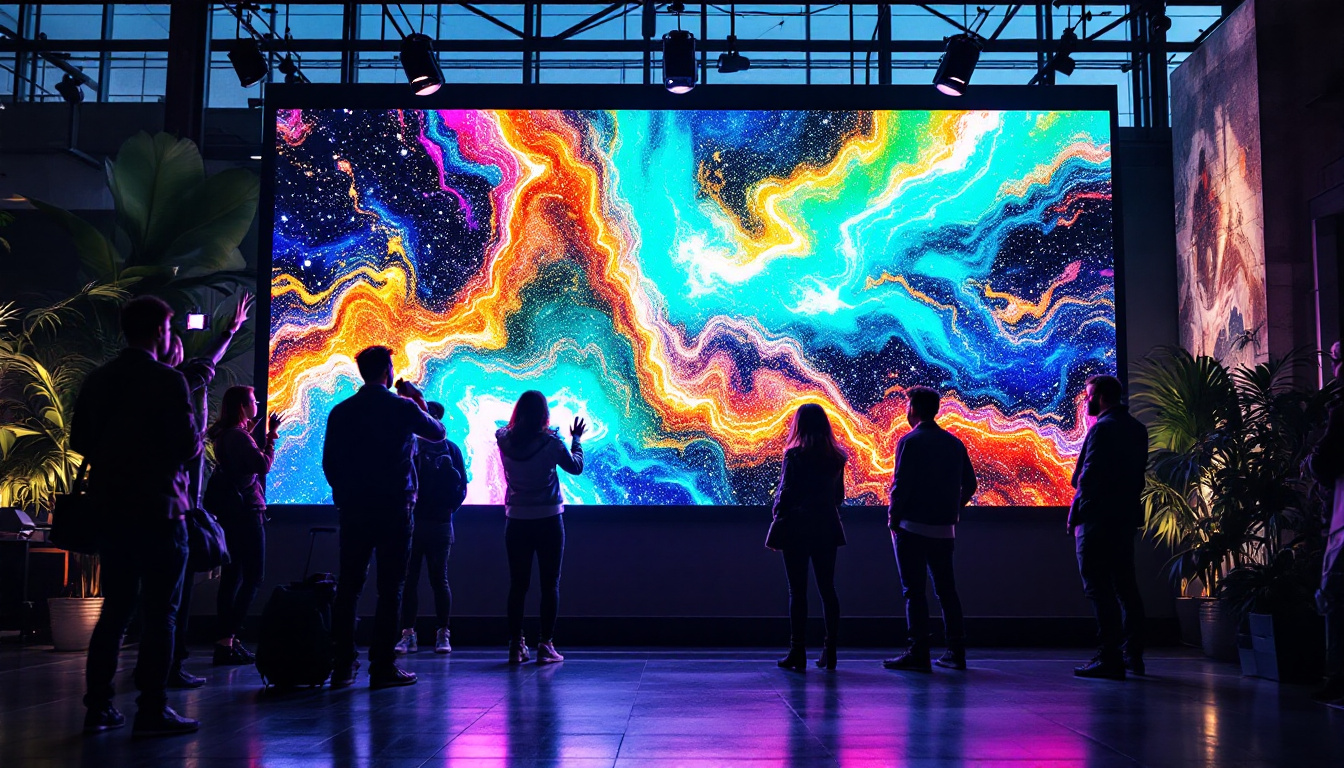
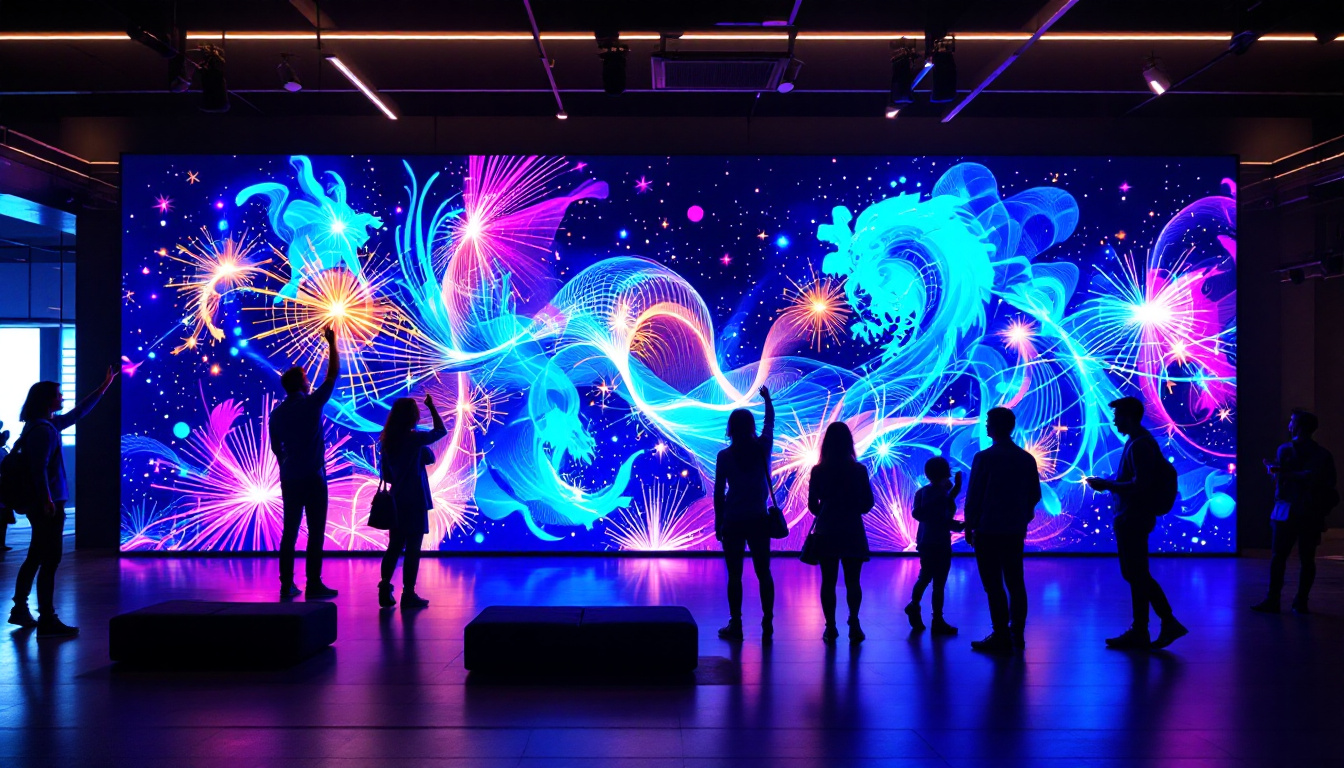
Large-scale LED screens have become synonymous with live events. Stadiums and concert venues use massive LED walls to provide spectators with close-up views, replays, and interactive content. The versatility of LED displays allows for curved or irregular shapes, enabling creative stage designs and immersive experiences.
For example, the AT&T Stadium in Texas features one of the largest high-definition LED video displays in the world, measuring 160 feet wide and 72 feet tall. Such installations demonstrate the scale and impact LED technology can achieve.
Corporate and Educational Environments
In corporate settings, LED displays are used for presentations, video conferencing, and digital whiteboards. Their high resolution and brightness make them ideal for well-lit conference rooms and auditoriums. Educational institutions leverage LED screens for interactive learning, digital notice boards, and event broadcasting.
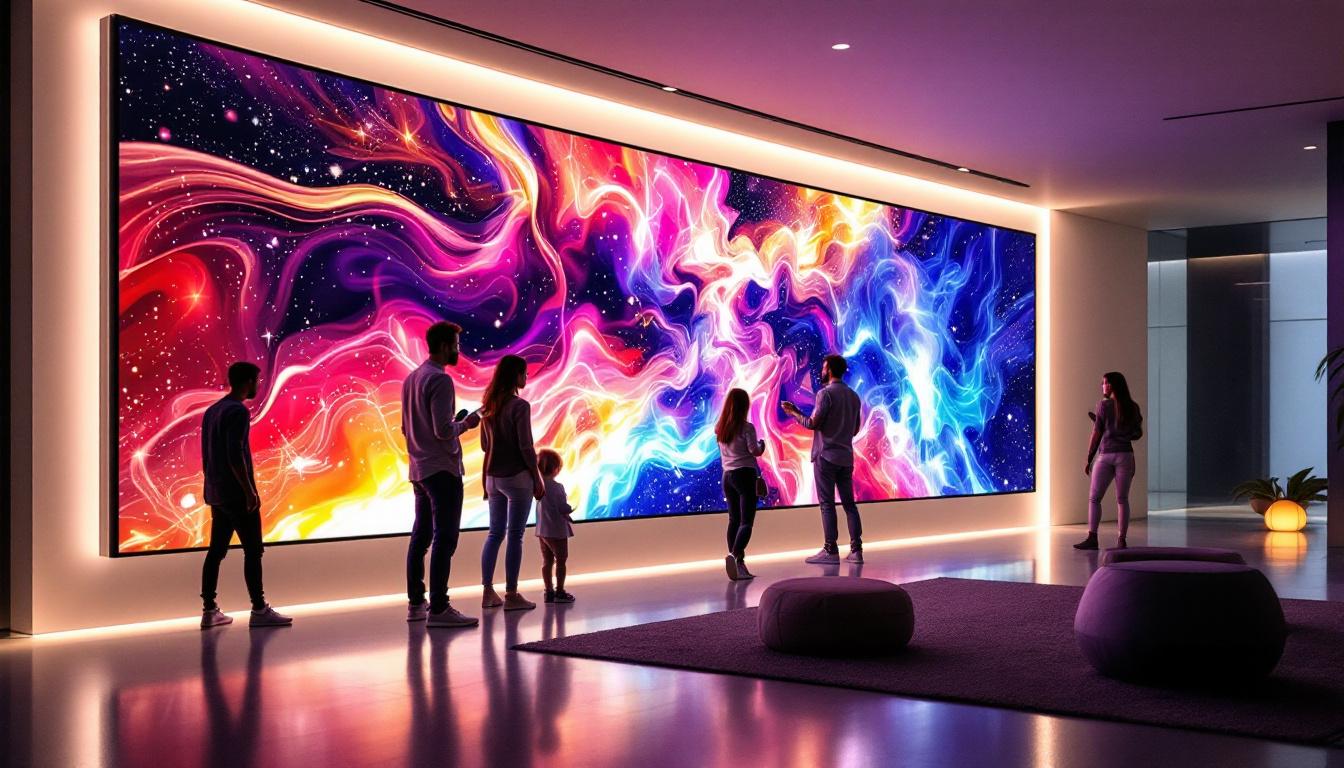
LED video walls can be seamlessly tiled to create expansive displays, facilitating immersive environments for training, collaboration, and communication.
Transportation and Public Information Systems
LED displays are critical in transportation hubs such as airports, train stations, and bus terminals. Their ability to provide clear, real-time information about schedules, delays, and safety messages helps improve passenger experience and operational efficiency.
Moreover, smart city initiatives increasingly incorporate LED displays into public spaces to disseminate information, promote events, and enhance urban aesthetics.
Advantages of LED Displays Over Other Technologies
Brightness and Visibility
LED displays excel in brightness, often reaching up to 5,000 nits or more, which makes them easily visible even in direct sunlight. This is a significant advantage over LCD and plasma displays, which typically struggle with outdoor visibility.
The high contrast ratio of LED displays also ensures that images remain sharp and colors vibrant, enhancing viewer engagement.
Energy Efficiency and Longevity
LED technology is inherently energy-efficient because it produces light through electroluminescence rather than backlighting or heating elements. This translates into lower power consumption and reduced operational costs, especially important for large-scale installations running 24/7.
Additionally, LEDs have a longer lifespan—often exceeding 100,000 hours—meaning fewer replacements and maintenance interventions over time.
Flexibility and Customization
LED displays can be manufactured in various shapes and sizes, including curved, flexible, and transparent forms. This versatility allows designers and advertisers to create unique visual experiences tailored to specific environments and audiences.
Modular LED panels enable easy scaling and maintenance, making it possible to build displays of virtually any size and configuration.
Durability and Weather Resistance
Outdoor LED displays are designed to withstand harsh environmental conditions, including rain, dust, and temperature extremes. Many feature IP65 or higher ratings, ensuring protection against water and dust ingress.
This robustness makes LED displays reliable for continuous outdoor use, reducing downtime and repair costs.
Key Considerations When Choosing an LED Display
Pixel Pitch and Resolution
Pixel pitch—the distance between the centers of two adjacent pixels—is a critical factor in determining the display’s resolution and optimal viewing distance. Smaller pixel pitches provide higher resolution and are suitable for close viewing, while larger pitches are ideal for distant viewing scenarios.
For example, an indoor LED display with a 1.5 mm pixel pitch offers crisp images for viewers standing a few feet away, whereas an outdoor billboard with a 10 mm pitch is designed to be viewed from hundreds of feet.
Brightness and Contrast Requirements
Consider the ambient lighting conditions where the display will be installed. Outdoor displays require higher brightness levels to combat sunlight glare, often exceeding 5,000 nits. Indoor displays typically operate at lower brightness levels (around 800 to 1,200 nits) to avoid eye strain while maintaining vivid colors.
Contrast ratio affects the depth and clarity of images, especially in darker scenes. High contrast LED displays deliver richer blacks and more vibrant colors.
Installation Environment and Durability
Assess environmental factors such as exposure to weather, temperature fluctuations, and potential physical impacts. Outdoor LED displays must meet rigorous standards for waterproofing, dust resistance, and temperature tolerance.
Indoor installations may require considerations for mounting, ventilation, and integration with existing AV systems.
Content Management and Connectivity
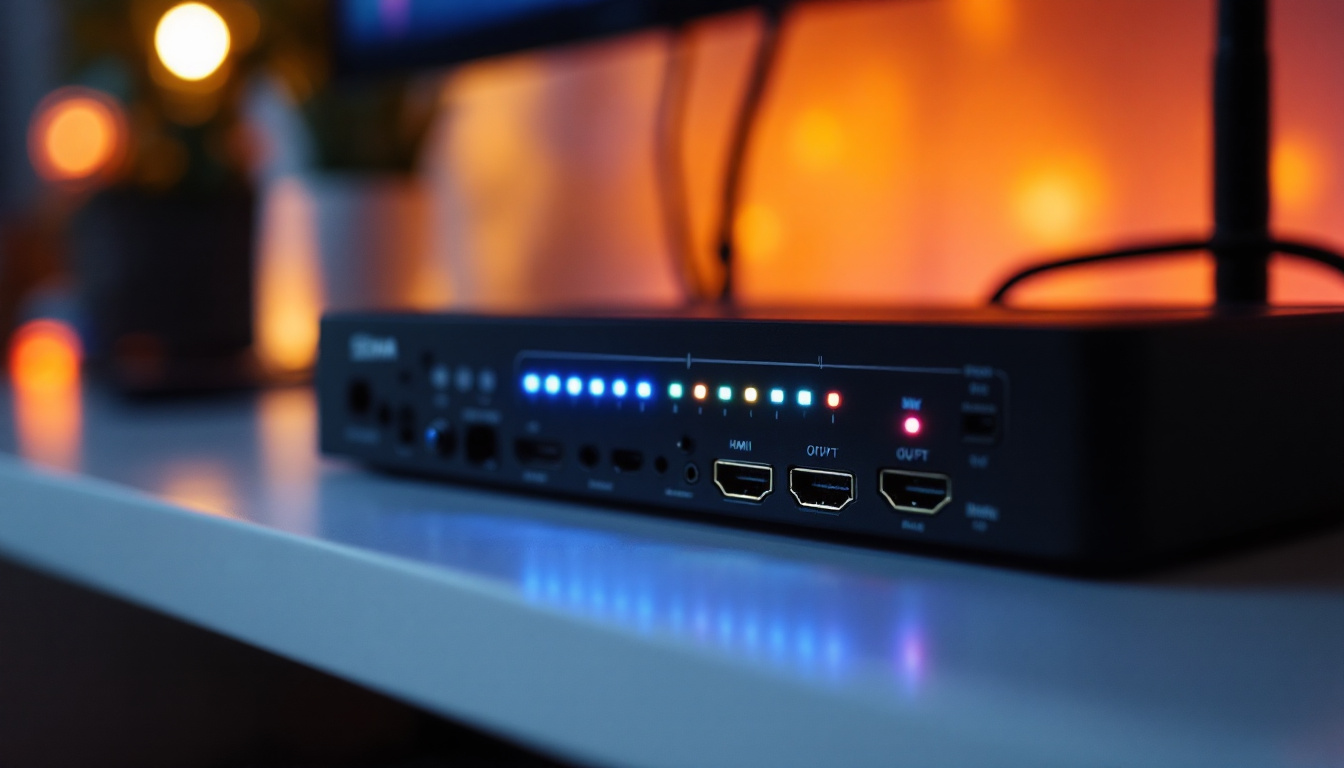
Modern LED displays often come with sophisticated content management systems (CMS) that allow remote control, scheduling, and content updates. Connectivity options such as HDMI, DVI, and network interfaces ensure seamless integration with various media sources.
Choosing a display with user-friendly CMS and robust connectivity enhances operational efficiency and content flexibility.
Emerging Trends and the Future of LED Displays
MicroLED and MiniLED Technologies
MicroLED and MiniLED represent the next generation of LED display technology. MicroLEDs are tiny LEDs that can be individually controlled, offering superior brightness, contrast, and energy efficiency compared to traditional LEDs and OLEDs. MiniLEDs, slightly larger than MicroLEDs, serve as advanced backlighting for LCD panels, enhancing contrast and color accuracy.
These technologies promise thinner, more flexible displays with unprecedented image quality, poised to revolutionize consumer electronics, automotive displays, and large-scale signage.
Integration with IoT and Smart Technologies
LED displays are increasingly integrated with Internet of Things (IoT) platforms, enabling real-time data-driven content updates and interactive experiences. Smart LED displays can adapt content based on environmental sensors, audience demographics, or external triggers, enhancing relevance and engagement.
For example, digital billboards can change advertisements based on weather conditions or time of day, maximizing advertising effectiveness.
Energy Harvesting and Sustainable Displays
With growing emphasis on sustainability, research is focusing on energy-harvesting LED displays that can generate power from ambient light or kinetic energy. Additionally, manufacturers are developing eco-friendly materials and recycling programs to minimize environmental impact.
These innovations align with global efforts to reduce carbon footprints and promote green technology adoption.
Conclusion
LED displays have transformed the way information and entertainment are delivered across multiple sectors. Their superior brightness, energy efficiency, durability, and versatility make them an indispensable tool for advertisers, event organizers, corporations, and public institutions alike.
As technology advances, the future of LED displays looks brighter than ever, with innovations like MicroLED, IoT integration, and sustainable designs set to redefine visual communication. Understanding the fundamentals of LED display technology and its applications equips businesses and individuals to make informed decisions and harness the full potential of this dynamic medium.
Discover LumenMatrix LED Display Solutions
Ready to elevate your visual communication with the latest in LED technology? LumenMatrix offers a comprehensive range of LED display modules designed to bring your brand to life. Whether you’re looking for Indoor LED Walls, Outdoor Displays, or innovative solutions like Vehicle LED Displays and Transparent LED Displays, LumenMatrix has you covered. Experience the future of dynamic and engaging digital signage with our cutting-edge products. Check out LumenMatrix LED Display Solutions today and transform the way you connect with your audience.