In the fast-evolving world of display technology, computer monitors have grown significantly in size and sophistication. From the modest 15-inch CRTs of the past to today’s ultra-wide, high-resolution LED displays, the options available to consumers and professionals alike have expanded dramatically. But what is the largest computer monitor size currently available, and how do LED displays factor into this evolution? This article explores the largest monitor sizes on the market, the technology behind LED displays, and how these advancements influence productivity, entertainment, and design.
The Evolution of Computer Monitor Sizes
Computer monitors have undergone a remarkable transformation over the last few decades. Initially, monitors were small and bulky, with cathode ray tube (CRT) technology dominating the market. These early monitors typically ranged from 12 to 17 inches diagonally, with limited resolution and color depth. The weight and size of CRTs made them cumbersome, often requiring significant desk space and careful handling to avoid damage. Despite their limitations, these monitors were a significant advancement in their time, allowing users to interact with computers in ways that were previously unimaginable.
With the advent of liquid crystal display (LCD) technology in the early 2000s, monitors became thinner, lighter, and more energy-efficient. LCDs quickly replaced CRTs, enabling larger screen sizes without the bulk. Over time, LED (light-emitting diode) backlighting enhanced LCD panels, improving brightness, contrast, and color accuracy. This technological leap not only improved the visual experience but also made monitors more accessible to a broader audience, as prices began to drop and manufacturers innovated to meet consumer demand.
Today, LED monitors are the standard, and screen sizes have expanded well beyond the traditional 24- or 27-inch models that were once considered large. The demand for immersive experiences in gaming, professional design, video editing, and multitasking has driven manufacturers to produce ever-larger displays. Furthermore, advancements in display technology, such as 4K and 8K resolutions, have made it possible to achieve stunning clarity and detail, allowing users to see every pixel in high definition. This has been particularly beneficial in fields like graphic design and video production, where precision is crucial.
From Standard to Ultra-Wide and Beyond
While 24- to 32-inch monitors remain popular for everyday use, ultra-wide monitors with 34, 38, or even 49 inches have become increasingly common. These ultra-wide displays offer expansive horizontal real estate, often with aspect ratios of 21:9 or 32:9, compared to the traditional 16:9. This shift allows users to replace multi-monitor setups with a single, seamless screen, enhancing workflow and immersion. Gamers, in particular, have embraced ultra-wide monitors for their ability to provide a more immersive gaming experience, allowing for peripheral vision that traditional monitors simply cannot match.
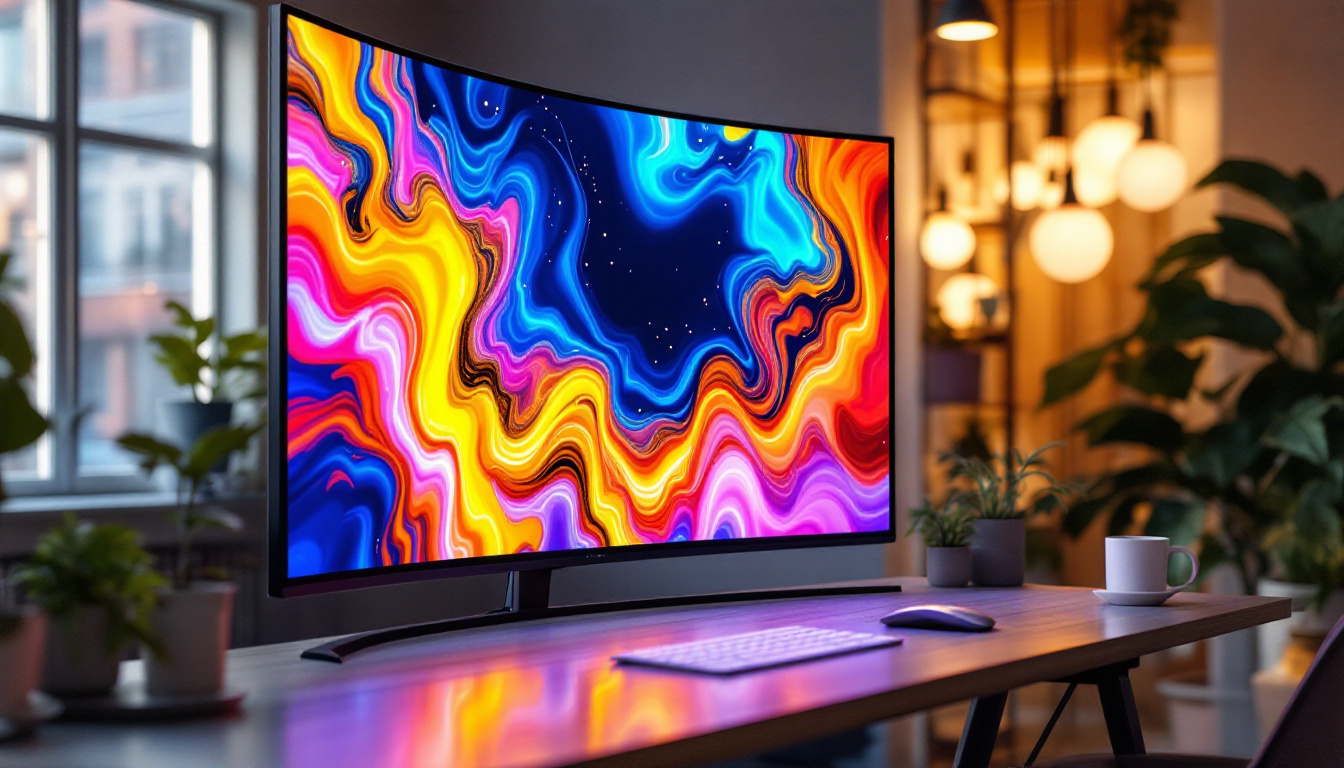
Moreover, the rise of curved monitors has added another layer of depth to the viewing experience. Curved screens are designed to wrap around the viewer’s field of vision, creating a more engaging and immersive environment. This design not only enhances the aesthetic appeal of the monitor but also reduces glare and reflections, making it easier on the eyes during long hours of use. As technology continues to evolve, we can expect to see even more innovative designs and features, such as integrated touch capabilities, higher refresh rates, and adaptive sync technologies that cater to the needs of both casual users and professionals alike.
Understanding LED Display Technology
LED displays are a form of LCD technology that uses light-emitting diodes as a backlight source instead of traditional cold cathode fluorescent lamps (CCFLs). This advancement has several advantages, including better energy efficiency, thinner panels, improved brightness, and enhanced color accuracy. The transition from CCFL to LED technology has not only transformed the aesthetic appeal of screens but has also significantly impacted their performance, making them more suitable for a variety of applications, from consumer electronics to professional visual displays.
There are two primary types of LED backlighting used in monitors:
- Edge-Lit LED: LEDs are positioned along the edges of the screen, and light is distributed across the panel using light guides. This design allows for thinner monitors but can sometimes result in uneven brightness. Despite this limitation, edge-lit displays are popular in ultra-slim televisions and portable devices, where space-saving is a priority.
- Full-Array LED: LEDs are placed directly behind the entire screen area, often with local dimming zones. This configuration offers superior contrast ratios and better control over brightness levels. Full-array technology is particularly favored in high-end televisions and professional monitors, where image quality is paramount.
In recent years, advanced LED technologies such as Mini-LED and Micro-LED have emerged, pushing the boundaries of display performance even further. Mini-LED uses thousands of tiny LEDs to provide more precise backlighting control, allowing for finer gradations of brightness and deeper blacks. On the other hand, Micro-LED integrates microscopic LEDs directly into the display panel, promising exceptional brightness, contrast, and lifespan. This innovation not only enhances the viewing experience but also opens up possibilities for modular displays, where screens can be seamlessly combined to create larger formats without losing image quality.
Why LED Displays Dominate the Market
LED displays have become the industry standard for several reasons. Their energy efficiency reduces power consumption, which is especially important for large monitors. The improved brightness and color accuracy make them ideal for professional applications like photo and video editing. Additionally, the slim form factor enabled by LED backlighting allows for sleek, modern designs that fit well in any workspace. Furthermore, the rapid advancements in LED technology have made these displays more accessible and affordable, allowing consumers to enjoy high-quality visuals without breaking the bank.
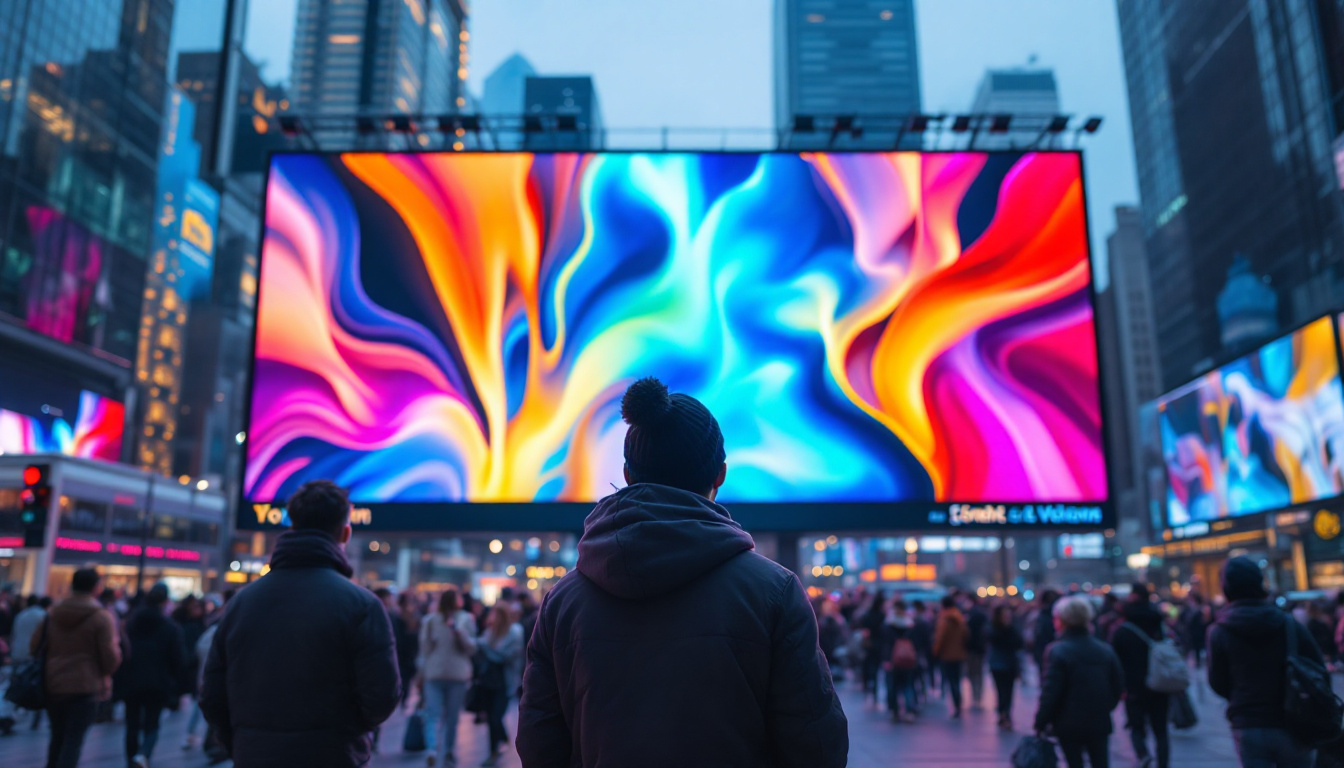
Moreover, the versatility of LED displays extends beyond traditional uses; they are increasingly being incorporated into digital signage, advertising, and even architectural installations. Their ability to deliver vibrant colors and sharp images in various lighting conditions makes them a preferred choice for outdoor displays and large-scale events. As technology continues to evolve, we can expect LED displays to become even more integrated into our daily lives, enhancing everything from entertainment to information dissemination.
The Largest Computer Monitor Sizes Available Today
When discussing the largest computer monitors, it’s important to distinguish between consumer-grade monitors, professional displays, and specialized commercial or industrial screens. Each category offers different maximum sizes and use cases.
Consumer and Professional Monitors
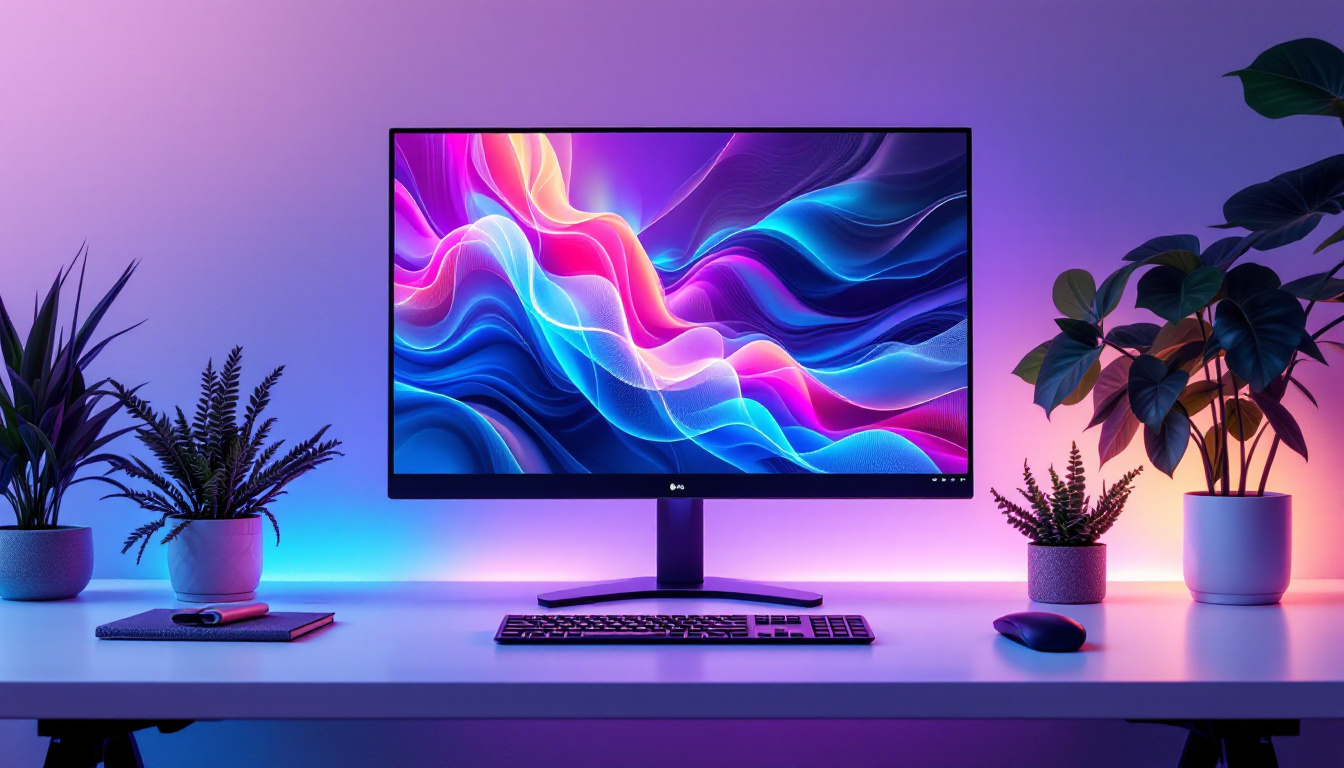
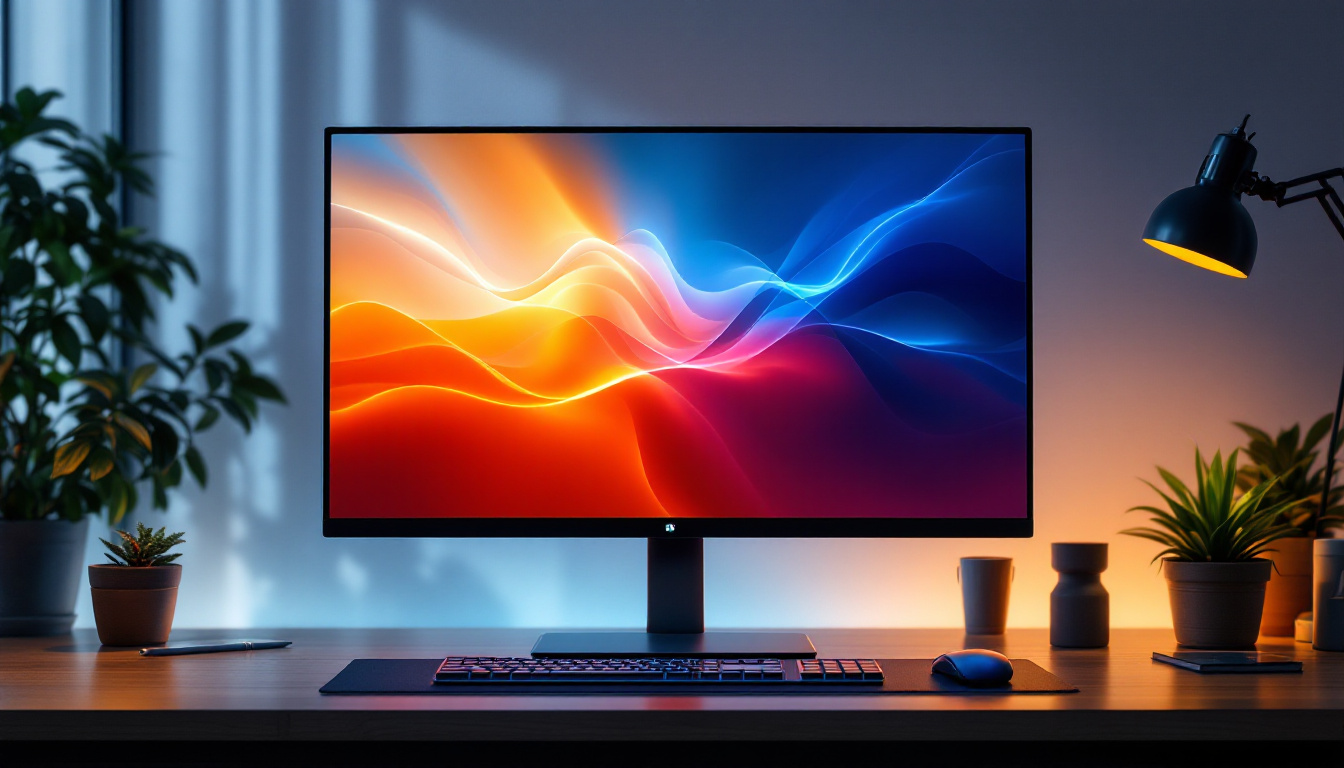
For consumers and professionals, the largest mainstream monitors currently available typically range between 49 and 55 inches. These ultra-wide monitors often feature a 32:9 aspect ratio, effectively combining two 27-inch 16:9 monitors into a single seamless display.
Examples include:
- Samsung Odyssey Neo G9: A 49-inch ultra-wide curved monitor with a 5120×1440 resolution, Mini-LED backlighting, and a 240Hz refresh rate, designed for immersive gaming and multitasking.
- Dell UltraSharp U4919DW: A 49-inch 32:9 monitor aimed at professionals, offering excellent color accuracy and a resolution of 5120×1440, ideal for financial analysts, programmers, and creative professionals.
- LG 55UN700-B: While technically a TV, this 55-inch 4K display is sometimes used as a giant monitor for specific use cases, such as video editing or digital signage.
These monitors provide expansive screen real estate without the bezels and alignment issues of multi-monitor setups. They are particularly valuable for users who need to view multiple applications simultaneously or require detailed visual workspaces.
Specialized and Commercial Displays
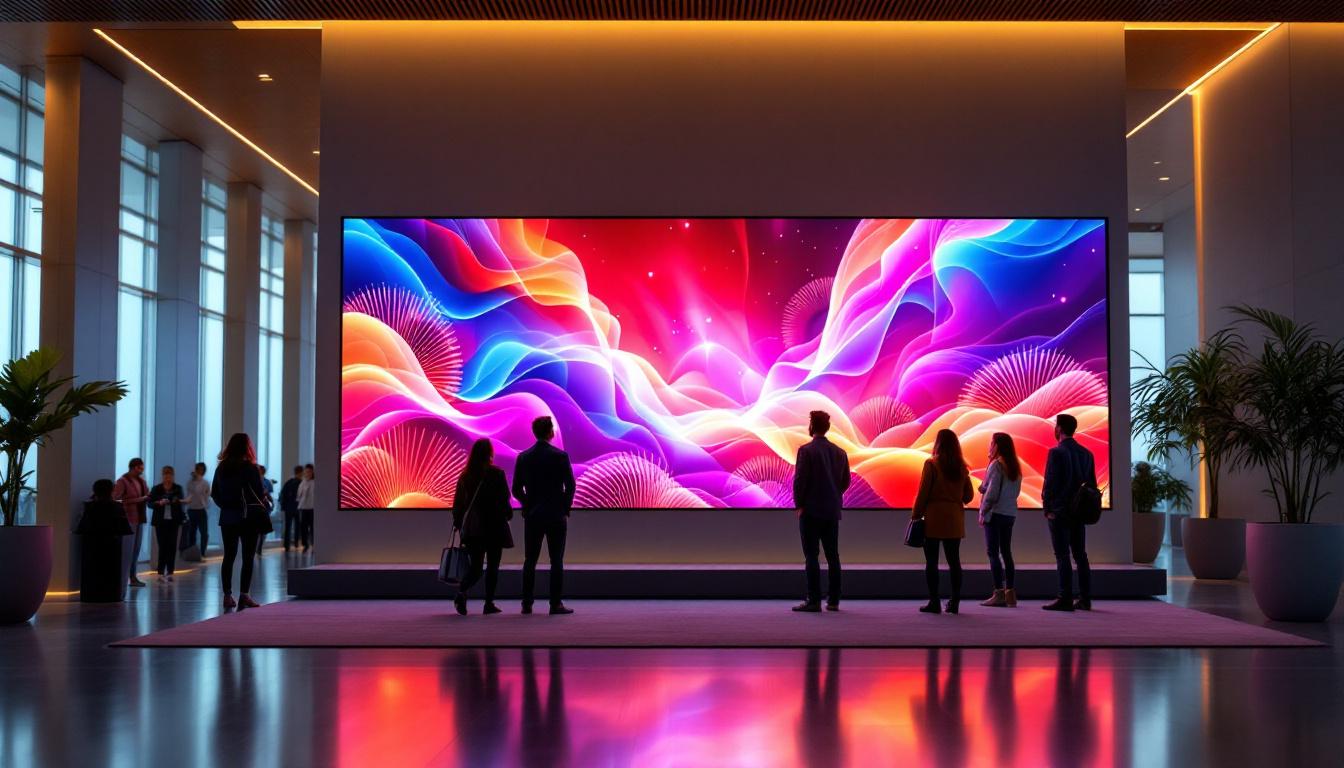
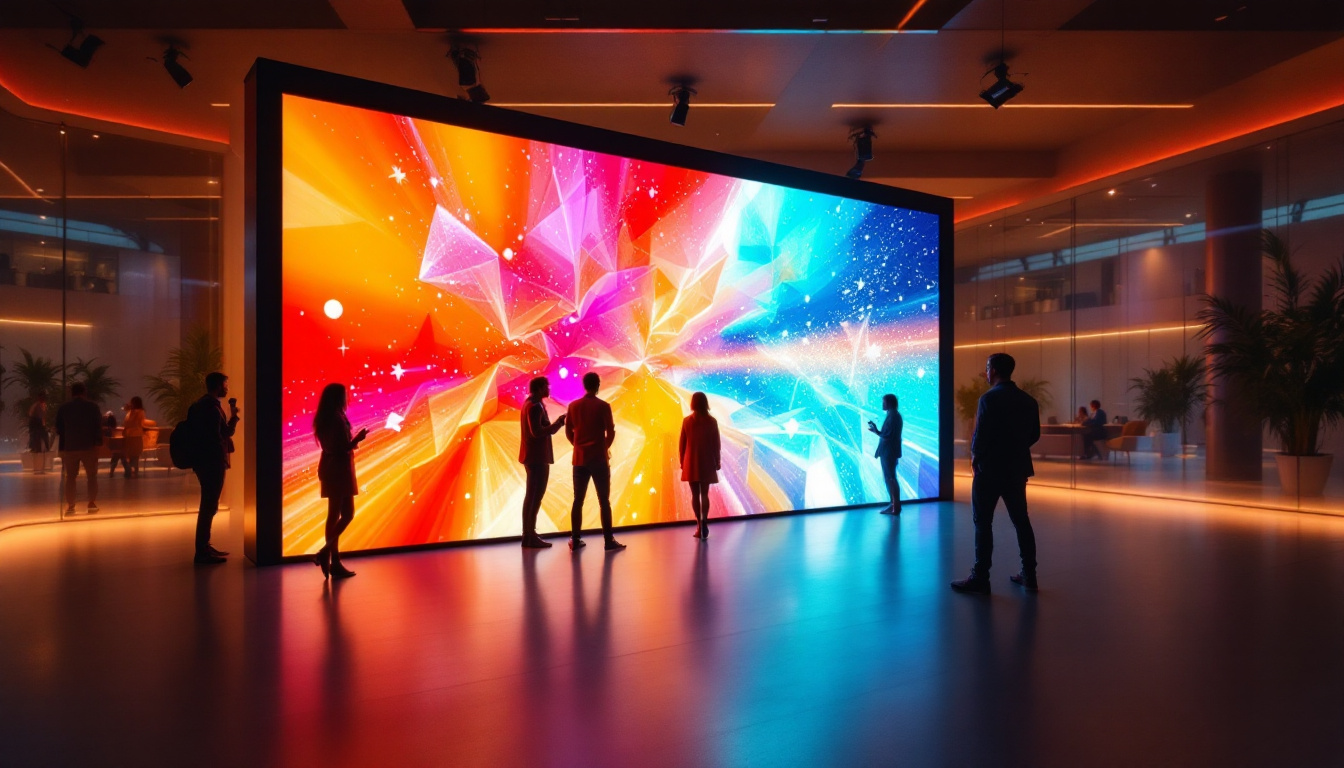
Beyond consumer and professional monitors, there are specialized displays used in commercial, industrial, and entertainment environments that far exceed typical sizes. Video walls, digital signage, and control room displays can span hundreds of inches by combining multiple panels or using single large-format LED displays.
For example, some LED video walls used in arenas or broadcast studios can measure over 100 inches diagonally. However, these are not traditional computer monitors and often lack the input options and pixel densities expected for desktop computing.
Factors to Consider When Choosing Large LED Monitors
While large LED monitors offer many benefits, several factors should be considered before investing in one. Size alone does not guarantee a better experience, and understanding these elements can help users select the right display for their needs.
Resolution and Pixel Density
As monitor size increases, resolution becomes critical to maintain image clarity. A 49-inch monitor with a 5120×1440 resolution offers a pixel density similar to two 27-inch 2560×1440 monitors side by side, ensuring sharp text and detailed images. Conversely, a large monitor with a low resolution can appear pixelated and reduce productivity.
Aspect Ratio and Screen Shape
Ultra-wide monitors with 21:9 or 32:9 aspect ratios provide more horizontal space but may not be ideal for all applications. Some software and games may not support these ratios natively, leading to black bars or stretched images. Curved screens help reduce distortion and improve viewing angles but may take some time to get used to.
Connectivity and Compatibility
Large monitors often require multiple or specialized input ports, such as DisplayPort 1.4 or HDMI 2.1, to support high resolutions and refresh rates. Users should ensure their computer’s graphics card and ports are compatible with the monitor’s specifications to avoid bottlenecks.
Desk Space and Ergonomics
Physically accommodating a large monitor requires ample desk space and ergonomic considerations. Adjustable stands, VESA mount compatibility, and appropriate viewing distance are important to prevent strain and maximize comfort during extended use.
The Future of Large LED Monitors
Display technology continues to advance rapidly. Innovations such as OLED (organic LED) monitors, which offer perfect blacks and vibrant colors, are becoming more accessible, though currently limited in size and cost. Meanwhile, Micro-LED technology promises to combine the best features of OLED and LED displays, potentially enabling even larger, brighter, and more efficient monitors.
Additionally, flexible and rollable displays may redefine what constitutes a “monitor size” by allowing screens to expand or contract based on user needs. The integration of AI and adaptive display technologies could further enhance user experience by dynamically adjusting brightness, contrast, and color based on content and ambient conditions.
Conclusion
The largest computer monitor sizes available today primarily range between 49 and 55 inches for consumer and professional use, with ultra-wide LED displays leading the market. These monitors offer expansive screen real estate, improved productivity, and immersive experiences, thanks to advancements in LED technology such as Mini-LED backlighting.
Choosing the right large monitor involves balancing size with resolution, aspect ratio, connectivity, and ergonomic factors. As technology progresses, even larger and more sophisticated LED displays are expected to become mainstream, offering users unprecedented visual experiences.
For anyone considering upgrading to a large LED monitor, understanding these factors and current market offerings is essential to making an informed decision that enhances both work and entertainment.
Discover the Future of Large LED Displays with LumenMatrix
Ready to elevate your visual experience with the largest and most advanced LED monitors? LumenMatrix is at the forefront of LED display innovation, offering a wide array of solutions that cater to your unique needs. From immersive Indoor LED Wall Displays to dynamic Outdoor LED Wall Displays, and from versatile Vehicle LED Displays to sleek LED Poster Displays, our products are designed to captivate and engage. Embrace the future of visual communication with LumenMatrix’s cutting-edge technology, and let us help you make a powerful statement. Check out LumenMatrix LED Display Solutions today and transform your space into a visual masterpiece.