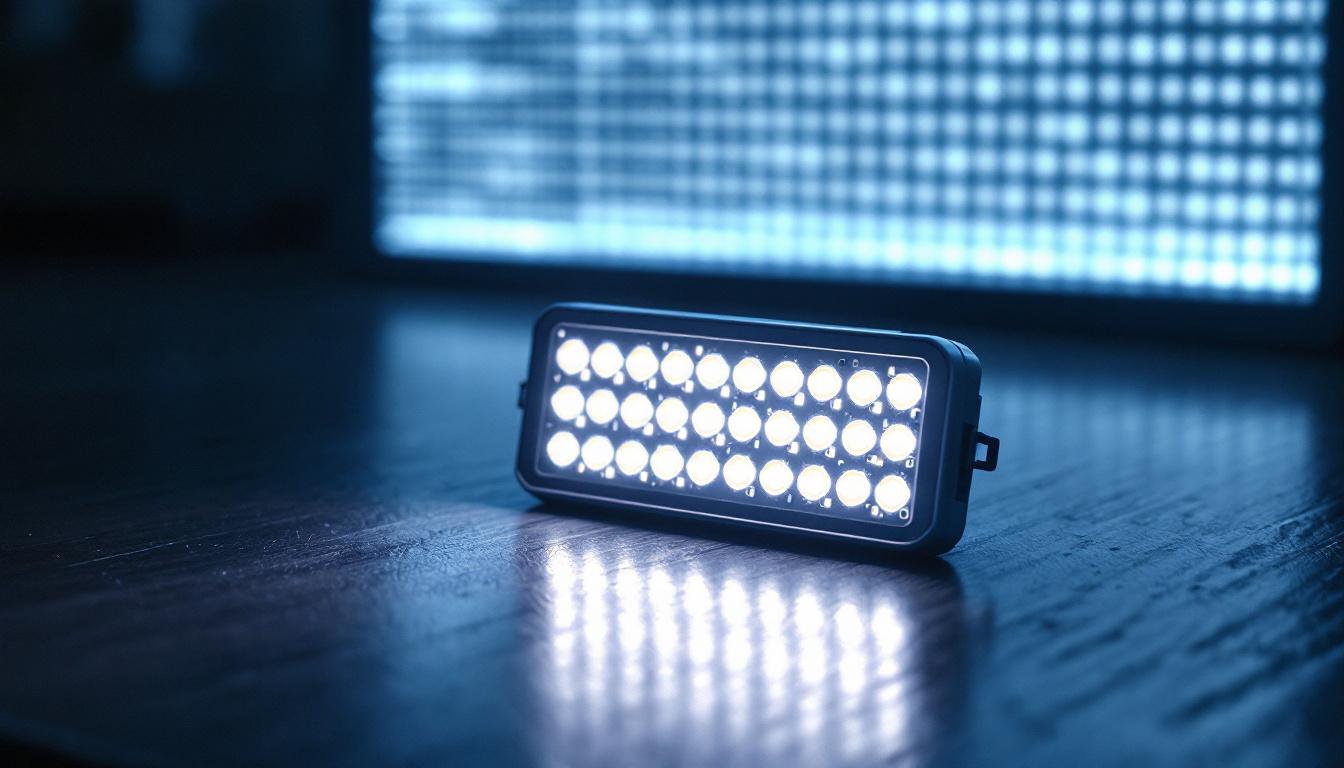
In the rapidly evolving world of lighting technology, LED lights have become a cornerstone for energy efficiency, durability, and versatility. Among the many options available, the 9W LED light stands out as a popular choice for both residential and commercial applications. This article delves into the specifics of 9W LED lights, focusing particularly on their use in LED displays, and explains why they are a smart investment for modern lighting needs.
Understanding 9W LED Lights: Basics and Benefits
A 9W LED light refers to a light-emitting diode that consumes nine watts of electrical power. Despite the relatively low wattage, these lights can produce brightness levels comparable to traditional incandescent bulbs of much higher wattage, often around 60 watts. This efficiency is one of the key reasons LED technology has surged in popularity over the past decade.
LEDs convert electrical energy directly into light through a process called electroluminescence, which results in significantly less heat production compared to incandescent or halogen bulbs. This not only reduces energy consumption but also extends the lifespan of the light source, often lasting 25,000 to 50,000 hours—far beyond the 1,000 hours typical of incandescent bulbs. The durability of LED lights means fewer replacements, which is particularly beneficial for hard-to-reach fixtures or outdoor lighting where changing bulbs can be a hassle.
Energy Efficiency and Cost Savings
One of the most compelling advantages of 9W LED lights is their energy efficiency. According to the U.S. Department of Energy, LEDs use at least 75% less energy and last 25 times longer than incandescent lighting. For consumers and businesses alike, this translates into substantial savings on electricity bills and maintenance costs over time.
For example, replacing a traditional 60W incandescent bulb with a 9W LED light can reduce energy consumption by approximately 85%. Over the lifetime of the bulb, this can amount to hundreds of dollars saved in energy costs, especially when multiplied across multiple fixtures. Furthermore, many utility companies offer rebates and incentives for switching to LED lighting, which can further offset the initial investment, making the transition even more financially appealing.
Environmental Impact
Lower energy consumption also means a smaller carbon footprint. LEDs do not contain hazardous materials like mercury, which is common in fluorescent lighting, making them safer to dispose of and more environmentally friendly. The widespread adoption of LED technology contributes to reducing greenhouse gas emissions and supports global efforts toward sustainability.
Additionally, the manufacturing process of LEDs is becoming increasingly eco-conscious, with many companies adopting practices that minimize waste and energy use. As consumers become more aware of their environmental impact, the shift towards LED lighting not only enhances energy efficiency but also aligns with a growing commitment to sustainable living. This trend is evident in various sectors, from residential homes to commercial enterprises, where the integration of LED technology is seen as a vital step toward a greener future.
9W LED Lights in LED Displays: How They Work
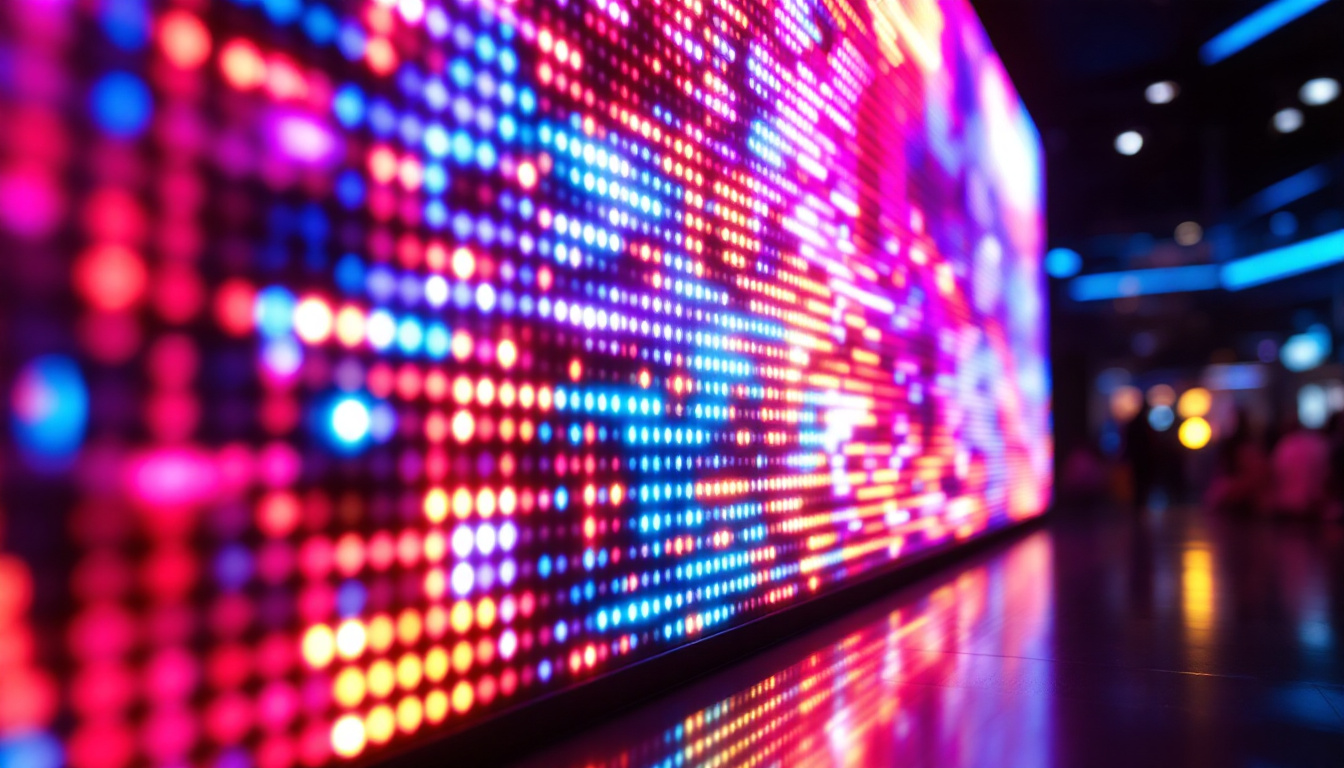
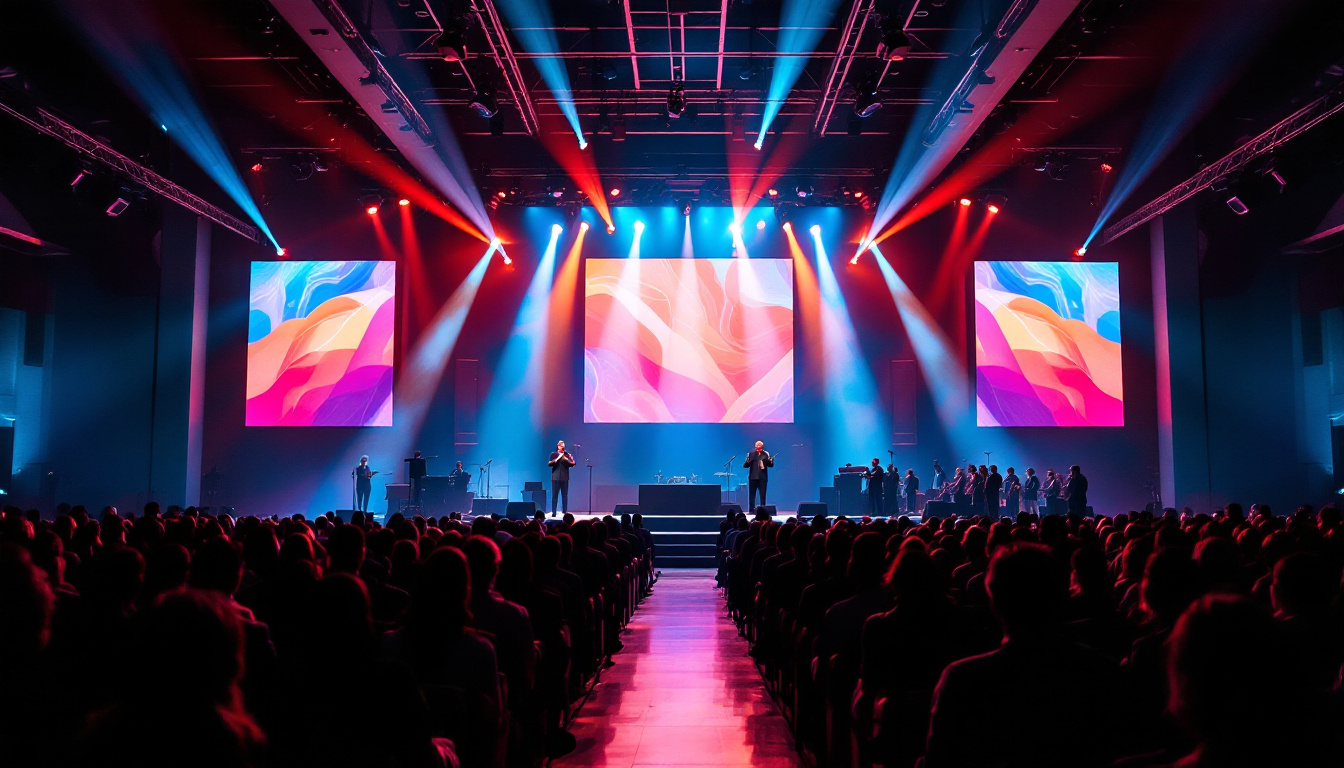
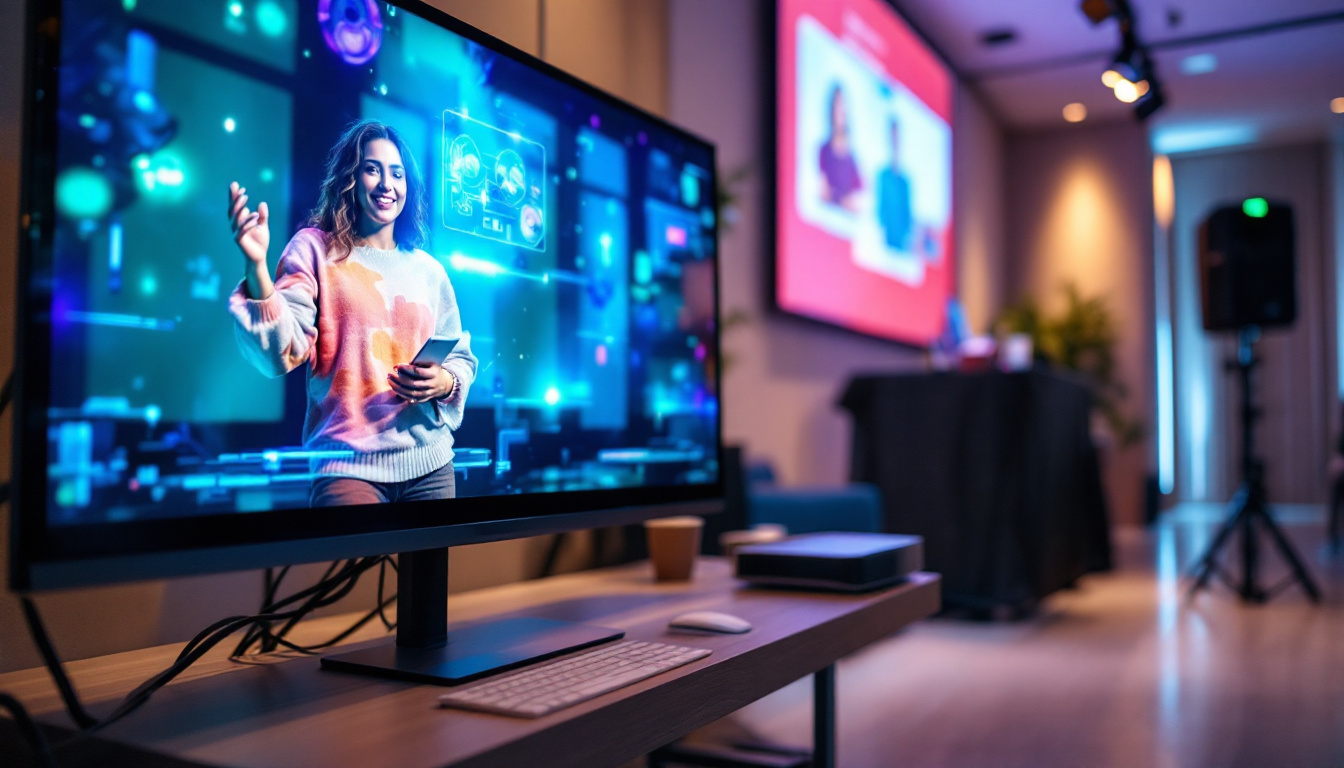
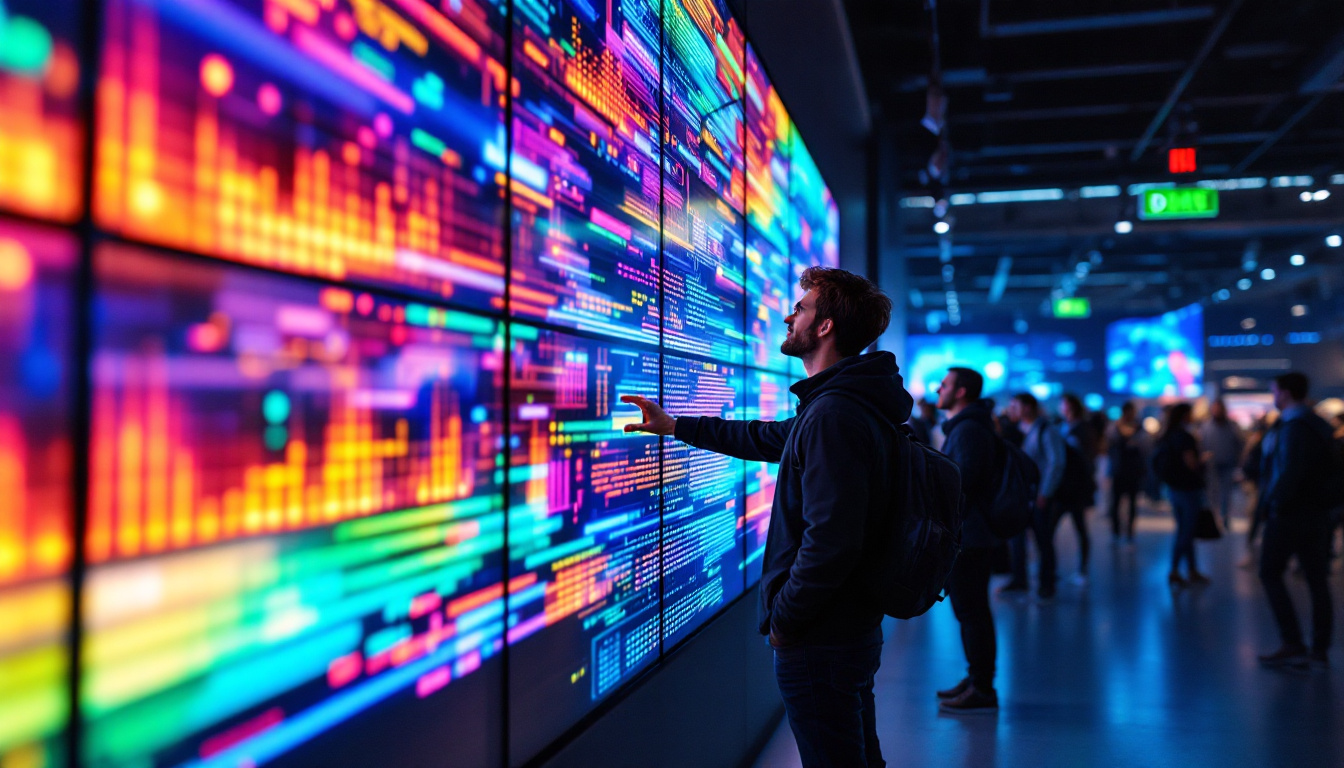
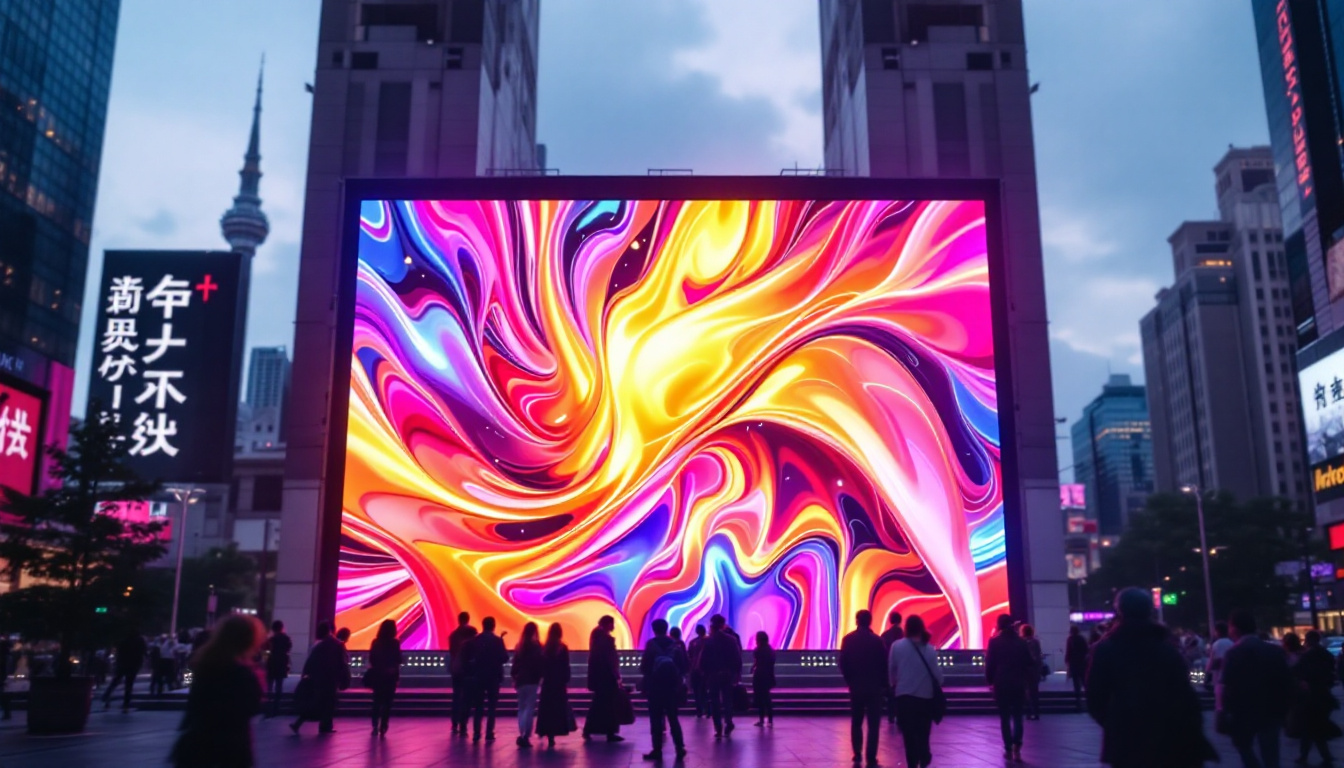
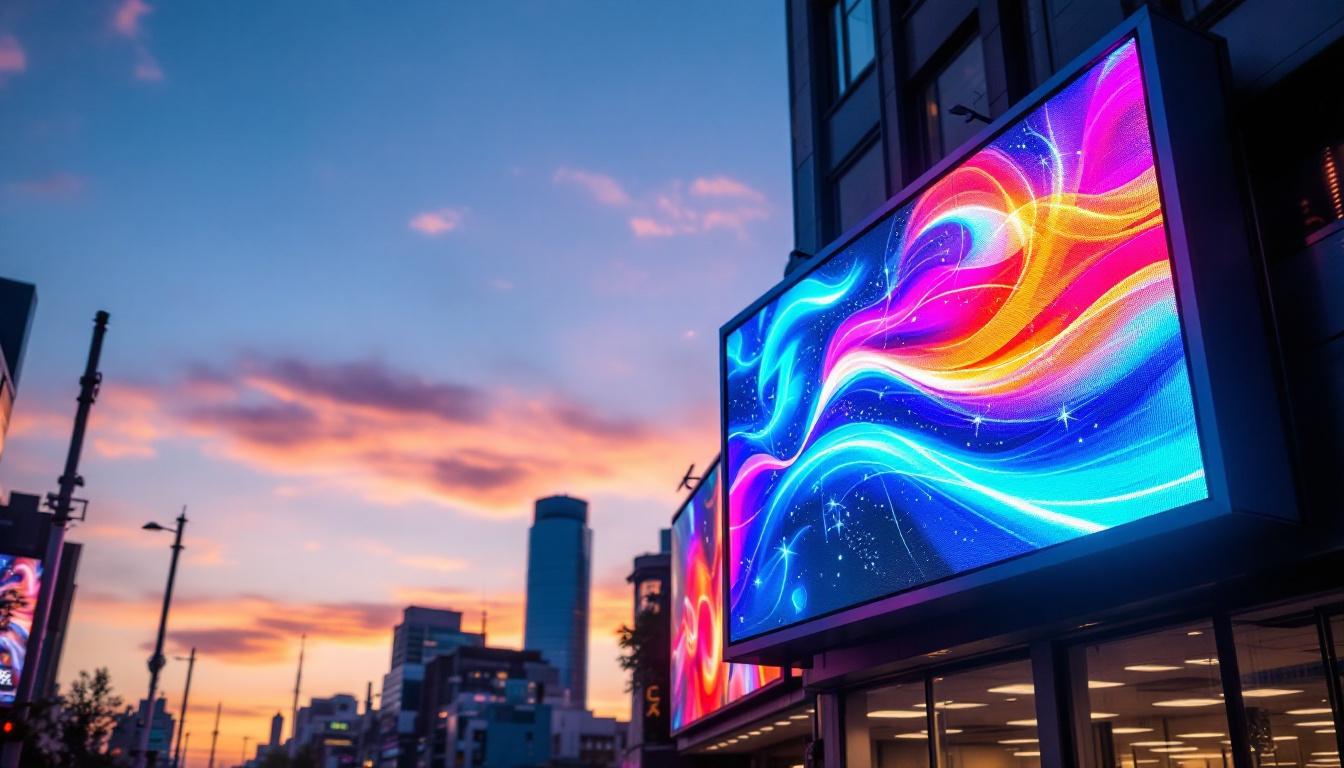
LED displays are ubiquitous in modern advertising, information dissemination, and entertainment. These displays rely on arrays of tiny LED lights to create images and videos with vibrant colors and high brightness. The 9W LED light, while not typically used as an individual pixel in large LED screens, plays a crucial role in certain types of LED display applications, particularly in lighting for display backlighting or smaller-scale signage.
LED Display Technology Overview
LED displays are composed of numerous light-emitting diodes arranged in a matrix. Each diode can emit red, green, or blue light, and by adjusting the intensity of each color, the display can produce a full spectrum of colors. The resolution and brightness of the display depend on the size, density, and quality of the LEDs used.
In large-scale outdoor displays, high-power LEDs are often used to ensure visibility even in direct sunlight. However, for indoor or smaller signage, lower wattage LEDs like the 9W variants provide sufficient brightness while conserving energy and reducing heat output. This makes them particularly appealing for businesses looking to maintain a vibrant display without incurring high energy costs.
Role of 9W LEDs in Display Backlighting
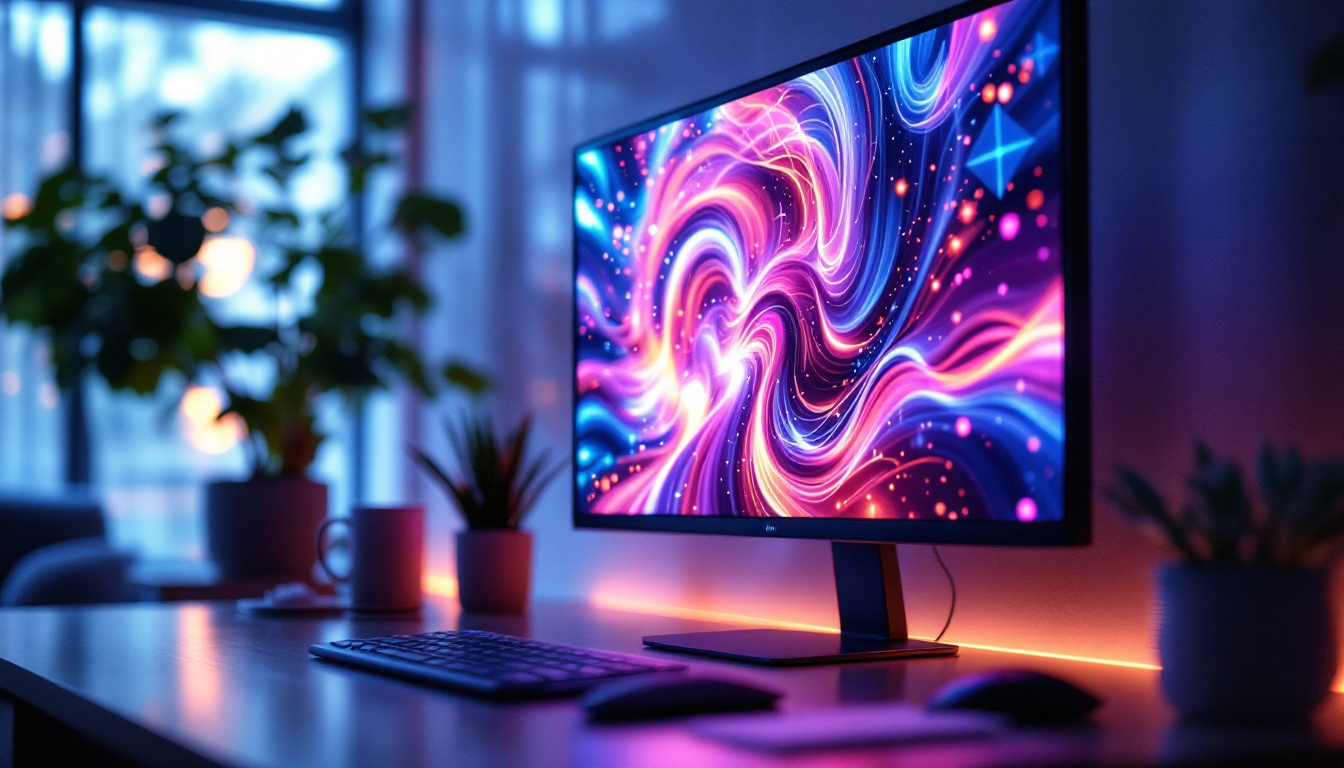
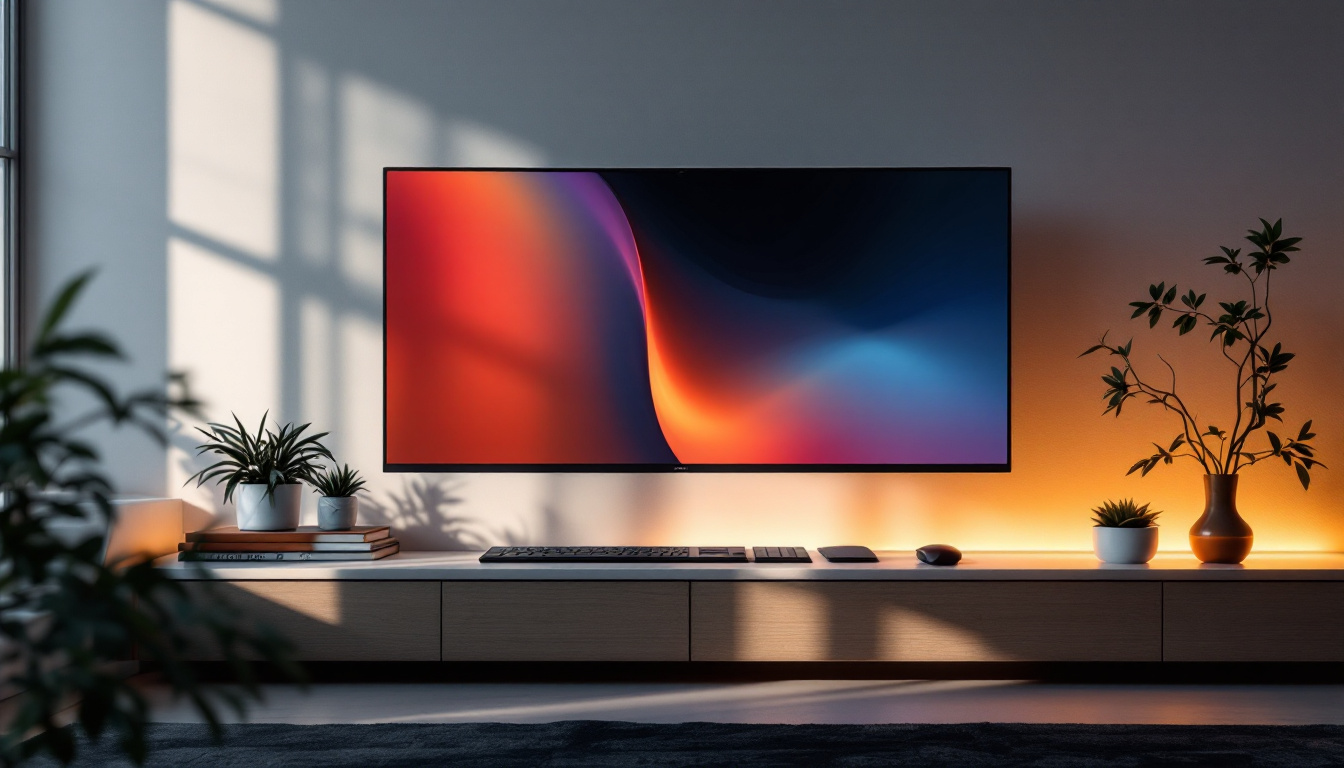
Backlighting is essential for LCD screens and certain types of LED displays to enhance visibility and color contrast. 9W LED lights are commonly used in backlighting applications due to their balanced power consumption and brightness output. They provide uniform illumination behind the display panel, ensuring that images are clear and vibrant without excessive energy use.
Additionally, 9W LEDs generate less heat, which helps maintain the longevity of the display components and prevents overheating issues that can degrade performance over time. This thermal efficiency is particularly beneficial in environments where displays are used continuously, such as in retail settings or public information kiosks, where consistent performance is critical.
Moreover, the use of 9W LED lights in backlighting allows for more flexible design options. Manufacturers can create thinner, lighter displays without sacrificing brightness or clarity, which is an essential consideration in modern design aesthetics. This versatility enables the integration of LED displays into various environments, from sleek corporate offices to vibrant storefronts, enhancing the overall visual appeal and effectiveness of advertising strategies.
Applications of 9W LED Lights in Various Display Settings
The versatility of 9W LED lights makes them suitable for a wide range of display-related applications beyond traditional screens. Understanding these applications highlights why this wattage is a sweet spot for many lighting designers and engineers.
Retail and Commercial Signage
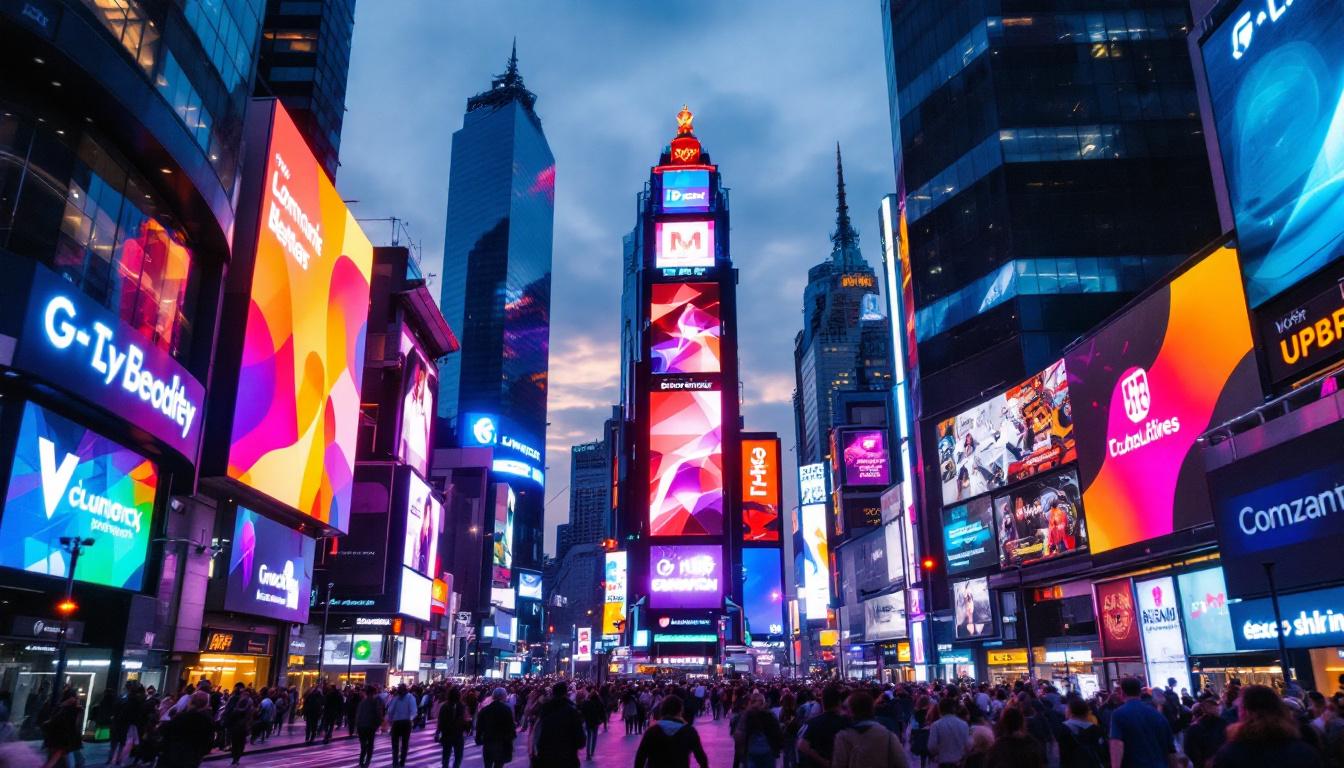
Retail environments often utilize LED displays to attract customers and provide information. 9W LED lights are ideal for illuminating signs, menu boards, and promotional displays. Their brightness is sufficient to catch attention without overwhelming the space, and their energy efficiency helps businesses reduce operational costs.
Moreover, the long lifespan of 9W LEDs minimizes maintenance disruptions, which is crucial in busy commercial settings where downtime can impact sales.
Architectural and Decorative Displays
Architectural lighting frequently incorporates LED technology to highlight building features or create dynamic lighting effects. 9W LEDs are commonly used in decorative displays due to their compact size and ability to produce consistent light output. They can be integrated into light strips, panels, or fixtures that enhance aesthetic appeal while maintaining energy efficiency.
Information Displays and Digital Signage
In airports, train stations, and other public venues, information displays must be reliable and readable under various lighting conditions. 9W LED lights can be employed in these settings to provide clear backlighting or direct illumination, ensuring that travelers and visitors receive timely and accurate information.
Technical Considerations When Choosing 9W LED Lights for Displays
Selecting the right 9W LED light for a display application involves several technical factors that influence performance, durability, and cost-effectiveness.
Color Temperature and CRI
Color temperature, measured in Kelvin (K), describes the hue of the light emitted by an LED. For display applications, choosing the appropriate color temperature is vital to ensure accurate color rendering and visual comfort. Typical options range from warm white (2700K–3000K) to cool white (5000K–6500K).
The Color Rendering Index (CRI) indicates how accurately a light source reveals the colors of objects compared to natural light. A higher CRI (above 80) is preferred for display lighting to maintain color fidelity and vibrancy.
Beam Angle and Light Distribution
The beam angle determines how light is dispersed from the LED. Narrow beam angles concentrate light in a focused area, which is useful for spotlighting specific display elements. Wider beam angles provide more diffuse illumination, ideal for backlighting or general display lighting.
Choosing the correct beam angle ensures uniform lighting and prevents hotspots or shadows that could detract from the display’s effectiveness.
Power Supply and Compatibility
LED lights require compatible power supplies or drivers to operate efficiently and safely. When integrating 9W LEDs into displays, it is essential to match the voltage and current specifications to avoid flickering, dimming, or premature failure.
Additionally, some LED lights offer dimming capabilities, which can enhance display versatility by allowing brightness adjustments based on ambient lighting conditions or user preferences.
Future Trends in 9W LED Lighting and Display Technology
The LED lighting industry continues to innovate, and 9W LED lights are expected to benefit from advancements that improve performance, integration, and sustainability.
Smart Lighting Integration
Smart LED lighting systems enable remote control, automation, and customization through wireless technologies such as Wi-Fi and Bluetooth. Incorporating 9W LEDs into smart lighting networks allows for dynamic control of display illumination, enhancing user experience and energy management.
Improved Materials and Efficiency
Ongoing research into semiconductor materials and LED chip design aims to increase luminous efficacy—meaning more light output per watt consumed. Future 9W LED lights may deliver even greater brightness and color accuracy while consuming less power, further reducing environmental impact and operational costs.
Enhanced Durability and Environmental Resistance
Innovations in LED packaging and protective coatings are making LEDs more resistant to moisture, dust, and mechanical stress. This is particularly important for outdoor and industrial display applications where harsh conditions can affect performance and longevity.
Conclusion
The 9W LED light represents a balanced and efficient lighting solution that serves a variety of display applications. From retail signage to architectural lighting and information displays, these LEDs offer energy savings, long lifespan, and excellent light quality. Understanding the technical aspects and potential uses of 9W LED lights can help businesses and designers make informed decisions that enhance visual impact while promoting sustainability.
As LED technology continues to advance, the role of 9W LEDs in display lighting will likely expand, offering even more innovative and cost-effective options for illuminating the world around us.
Discover LumenMatrix’s Innovative LED Display Solutions
Ready to elevate your space with cutting-edge LED display technology? Look no further than LumenMatrix, a pioneer in crafting visually stunning and technologically advanced LED displays. Whether you’re seeking to enhance your retail environment, create dynamic architectural displays, or communicate effectively with high-impact digital signage, LumenMatrix offers a comprehensive range of solutions, including Indoor and Outdoor LED Wall Displays, Vehicle LED Displays, and more. Embrace the future of visual communication and check out LumenMatrix LED Display Solutions to bring your brand’s message to life with unparalleled clarity and vibrancy.