In today’s rapidly evolving world of television technology, understanding the nuances behind different display types can significantly enhance your viewing experience and purchasing decisions. Among the various display technologies available, LED displays have become the dominant choice for consumers worldwide. This article delves deep into what LED display technology is, how it works, its advantages and limitations, and how it compares to other popular TV display technologies.
Understanding LED Display Technology
What Does LED Stand For?
LED stands for Light Emitting Diode, a semiconductor device that emits light when an electric current passes through it. In the context of TV displays, LEDs serve as the backlighting source that illuminates the pixels on the screen. This is a crucial distinction because LED TVs are essentially LCD (Liquid Crystal Display) TVs that use LEDs as their light source instead of older fluorescent lamps.
How Does an LED TV Work?
LED TVs function by using a liquid crystal display panel, which does not emit light on its own. Instead, the panel relies on a backlighting system composed of LEDs. These LEDs shine through the layers of liquid crystals and color filters to produce the images you see on the screen. The liquid crystals manipulate light by twisting and untwisting in response to electrical signals, controlling the amount of light that passes through each pixel.
There are two main types of LED backlighting: edge-lit and full-array. Edge-lit LED TVs place LEDs along the edges of the screen, using light guides to distribute illumination evenly. Full-array LED TVs have LEDs spread across the entire back panel, allowing for more precise control of brightness and contrast through local dimming zones.
The Evolution of LED TV Technology
From CCFL to LED Backlighting
Before LEDs became the standard backlight source, LCD TVs used Cold Cathode Fluorescent Lamps (CCFLs) for illumination. CCFLs were bulkier, consumed more power, and offered less precise control over brightness and contrast. The shift to LED backlighting brought multiple benefits, including thinner panels, improved energy efficiency, and enhanced picture quality.
Advancements in LED Technology
Since their introduction, LED TVs have seen significant technological improvements. Mini-LED and Micro-LED are two cutting-edge advancements that enhance the traditional LED backlighting approach. Mini-LEDs use thousands of tiny LEDs to create more local dimming zones, resulting in better contrast and deeper blacks. Micro-LED technology, still emerging in the consumer market, involves microscopic LEDs that act as individual pixels, offering superior brightness, color accuracy, and longevity without the need for a backlight.
Advantages of LED Displays in TVs
Energy Efficiency and Longevity
One of the most compelling benefits of LED TVs is their energy efficiency. Compared to CCFL-backlit LCDs and plasma displays, LED TVs consume significantly less power. According to the U.S. Department of Energy, LED-backlit TVs can use 30-50% less energy than older LCD models, making them more environmentally friendly and cost-effective over time.
Additionally, LEDs have a longer lifespan, often exceeding 50,000 hours of use. This durability means that LED TVs maintain their brightness and color fidelity longer than many other display types, reducing the need for replacements or repairs.
Improved Picture Quality
LED backlighting allows for higher brightness levels, which is especially beneficial in well-lit rooms. Full-array LED TVs with local dimming can achieve deeper blacks and higher contrast ratios by selectively dimming parts of the screen. This capability enhances the viewing experience, making images appear more vivid and lifelike.
Moreover, LED TVs generally support a wider color gamut and better color accuracy than older LCD models. This is crucial for watching high-definition content, HDR (High Dynamic Range) videos, and gaming, where color precision and contrast significantly impact immersion.
Design and Form Factor
The compact size of LEDs has enabled manufacturers to produce ultra-thin and lightweight TV panels. Modern LED TVs can be as thin as a few millimeters, allowing for sleek designs and easier wall mounting. This aesthetic advantage has contributed to the widespread adoption of LED TVs in homes and commercial settings alike.
Limitations and Considerations of LED TVs
Black Levels and Contrast Compared to OLED
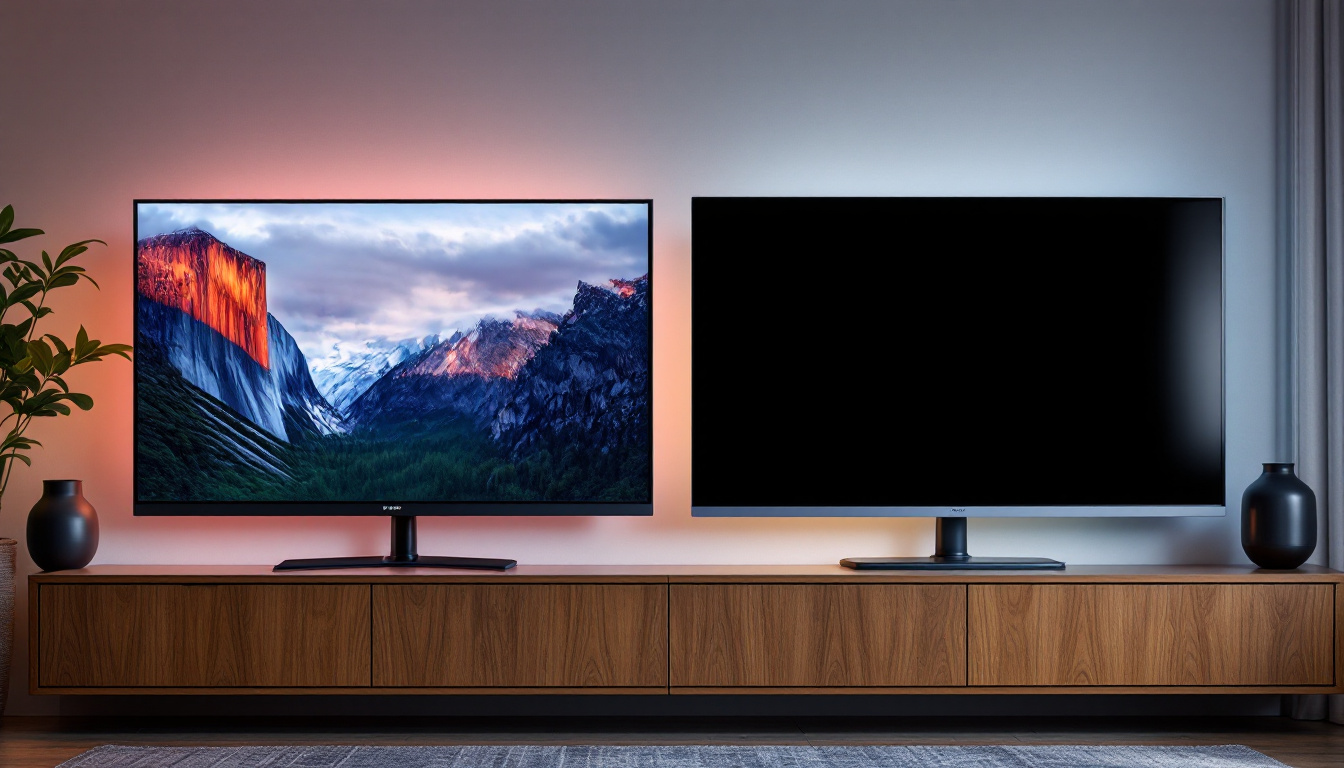
While LED TVs have made great strides in picture quality, they still face challenges in achieving perfect black levels. Because the backlight illuminates the entire screen or zones of the screen, some light leakage can occur, resulting in grayer blacks compared to OLED (Organic Light Emitting Diode) displays. OLED panels emit light on a per-pixel basis, allowing pixels to be completely turned off for true black.
Viewing Angles
LED TVs, especially those using VA (Vertical Alignment) LCD panels, often have narrower optimal viewing angles. Colors and contrast can shift when viewed from the side, which may be a concern for larger rooms or group viewing. IPS (In-Plane Switching) panels improve viewing angles but sometimes at the cost of contrast.
Price and Value Considerations
LED TVs cover a broad price range, from budget models to premium sets with advanced features like 4K resolution, HDR, and smart TV capabilities. While LED TVs generally offer excellent value for most consumers, those seeking the absolute best in picture quality might consider OLED or emerging Micro-LED options, which tend to be more expensive.
Comparing LED TVs to Other Display Technologies
LED vs. OLED
OLED TVs are often praised for their exceptional picture quality, thanks to their ability to turn off individual pixels completely, resulting in infinite contrast ratios and perfect blacks. They also offer wider viewing angles and faster response times, which benefit gaming and fast-motion content.
However, OLEDs are typically more expensive and can be susceptible to burn-in, where static images leave a permanent mark on the screen. LED TVs, especially those with full-array local dimming, provide a more affordable alternative with excellent brightness and longevity, making them suitable for bright rooms and extended viewing sessions.
LED vs. QLED
QLED (Quantum Dot LED) TVs are a subset of LED TVs that incorporate quantum dot technology to enhance color accuracy and brightness. Quantum dots are microscopic semiconductor particles that emit precise colors when illuminated by the LED backlight. This results in a wider color gamut and improved HDR performance compared to standard LED TVs.
QLED TVs are often positioned as a middle ground between traditional LED and OLED displays, offering superior brightness and color without the risk of burn-in. They are particularly popular in brightly lit environments and for consumers seeking vibrant colors.
LED vs. Plasma and LCD
Plasma TVs, once favored for their rich colors and deep blacks, have largely been phased out due to their high power consumption, bulkiness, and susceptibility to screen burn-in. LCD TVs with CCFL backlighting have also become obsolete, replaced by more efficient and better-performing LED-backlit models.
LED TVs combine the advantages of LCD technology with the efficiency and brightness of LED backlighting, making them the current mainstream choice for consumers worldwide.
Choosing the Right LED TV for Your Needs
Consider Screen Size and Resolution
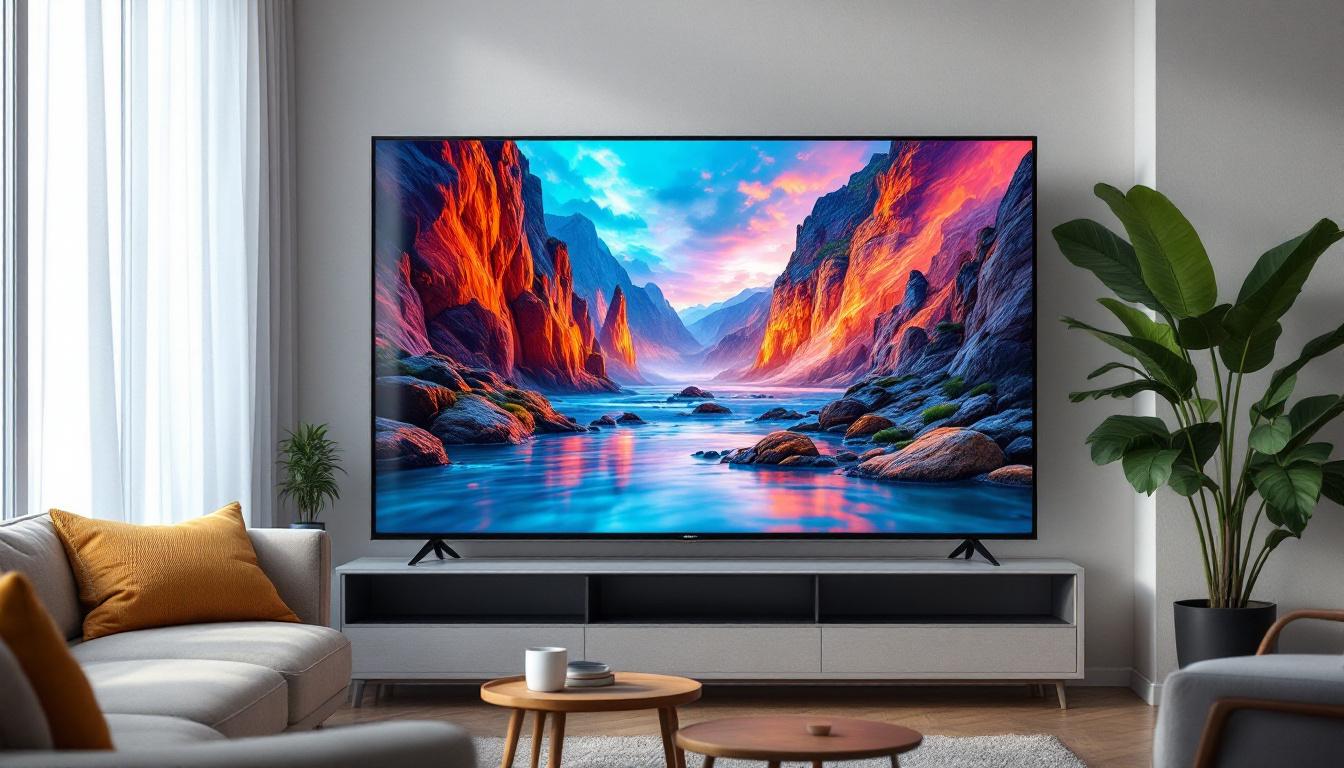
When selecting an LED TV, screen size and resolution are primary factors. Larger screens provide a more immersive experience, but the viewing distance should be considered to avoid pixelation or eye strain. For most living rooms, 55 to 65 inches is a popular range.
Resolution has become increasingly important, with 4K Ultra HD now the standard for new TVs. 4K offers four times the pixels of Full HD, resulting in sharper images and better detail, especially on larger screens. Many LED TVs also support 8K resolution, though content availability remains limited.
HDR and Color Performance
High Dynamic Range (HDR) enhances the contrast and color range of video content, making images more lifelike. When shopping for an LED TV, look for support of HDR formats such as HDR10, Dolby Vision, or HLG. These features are particularly beneficial for streaming services and UHD Blu-ray discs that offer HDR content.
Additionally, consider TVs with wide color gamut capabilities, often indicated by quantum dot technology or advanced color filters, to ensure vibrant and accurate colors.
Smart Features and Connectivity
Modern LED TVs come equipped with smart platforms that provide access to streaming apps, voice assistants, and connectivity options like HDMI 2.1, USB ports, and Wi-Fi. Depending on your usage, features such as gaming modes, variable refresh rates, and low input lag may also be important.
The Future of LED Display Technology
Mini-LED and Micro-LED Innovations
Mini-LED technology is rapidly gaining traction as a way to bridge the gap between traditional LED and OLED displays. By using thousands of tiny LEDs for backlighting, Mini-LED TVs can offer more precise local dimming, resulting in better contrast and black levels without the high cost of OLED.
Micro-LED technology represents the next frontier, with self-emissive pixels similar to OLED but without organic materials, promising higher brightness, longer lifespan, and no burn-in risk. Though still in early stages for consumer TVs, Micro-LED could redefine display quality in the coming years.
Integration with Emerging Technologies
LED display technology is also evolving alongside advancements in AI-driven image processing, 8K content, and enhanced HDR standards. These improvements aim to deliver more immersive and realistic viewing experiences, catering to both casual viewers and enthusiasts.
Conclusion
LED display technology has revolutionized the television market by offering an excellent balance of picture quality, energy efficiency, and affordability. Understanding how LED TVs work, their strengths, and limitations helps consumers make informed decisions tailored to their viewing habits and environments.
While OLED and other emerging technologies offer compelling alternatives, LED TVs remain the most popular and versatile option for most households. With ongoing innovations like Mini-LED and Micro-LED, the future promises even more impressive LED-based displays that continue to enhance the way audiences experience visual content.
Explore Cutting-Edge LED Displays with LumenMatrix
Ready to experience the future of television and display technology? LumenMatrix is at the forefront of LED innovation, offering a wide array of LED display solutions that cater to your every need. From captivating Indoor LED Wall Displays to dynamic Outdoor LED Wall Displays, and from versatile Vehicle LED Displays to sleek LED Poster Displays, our products are designed to transform your visual communication and engagement. Discover the full potential of LED technology with our LED Sports Displays, Floor LED Displays, Custom LED Displays, All-in-One LED Displays, and LED Transparent Displays. Elevate your viewing experience and share your message with unparalleled impact. Check out LumenMatrix LED Display Solutions and join the revolution in visual storytelling.