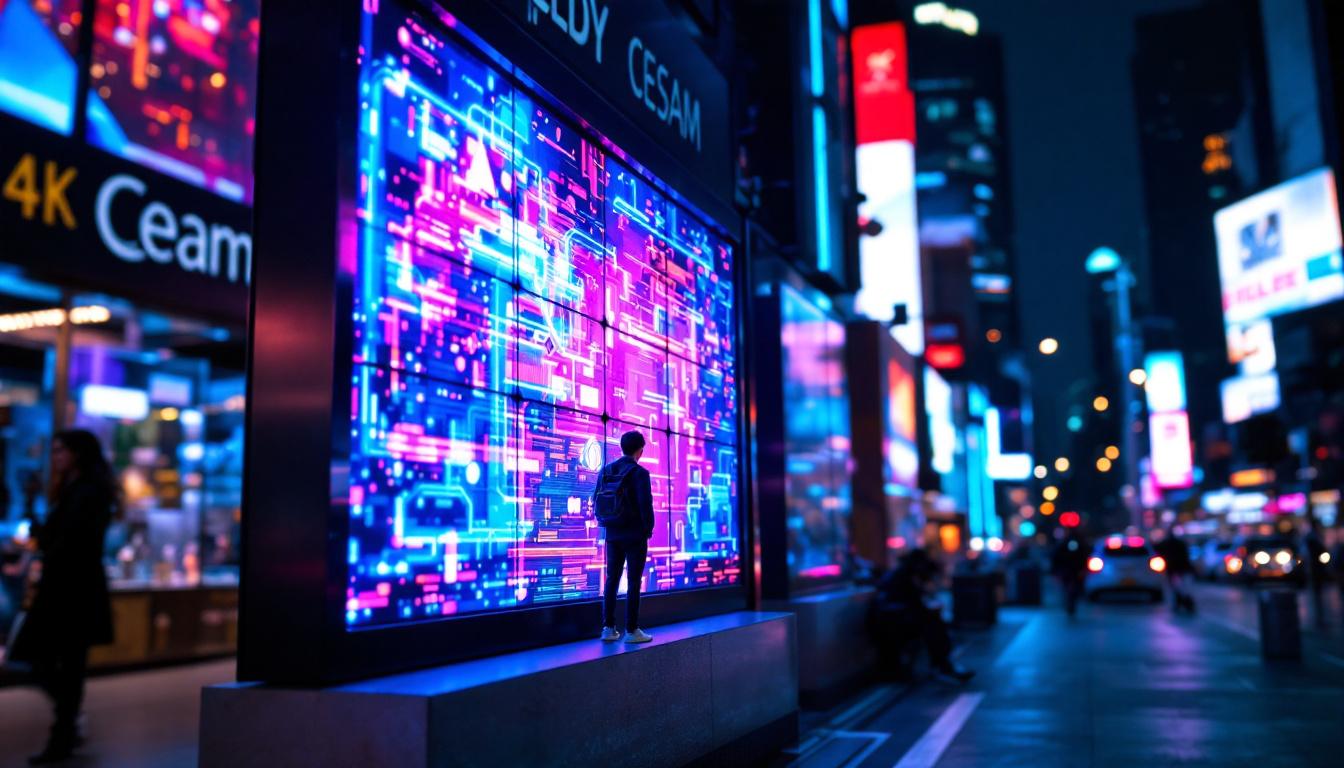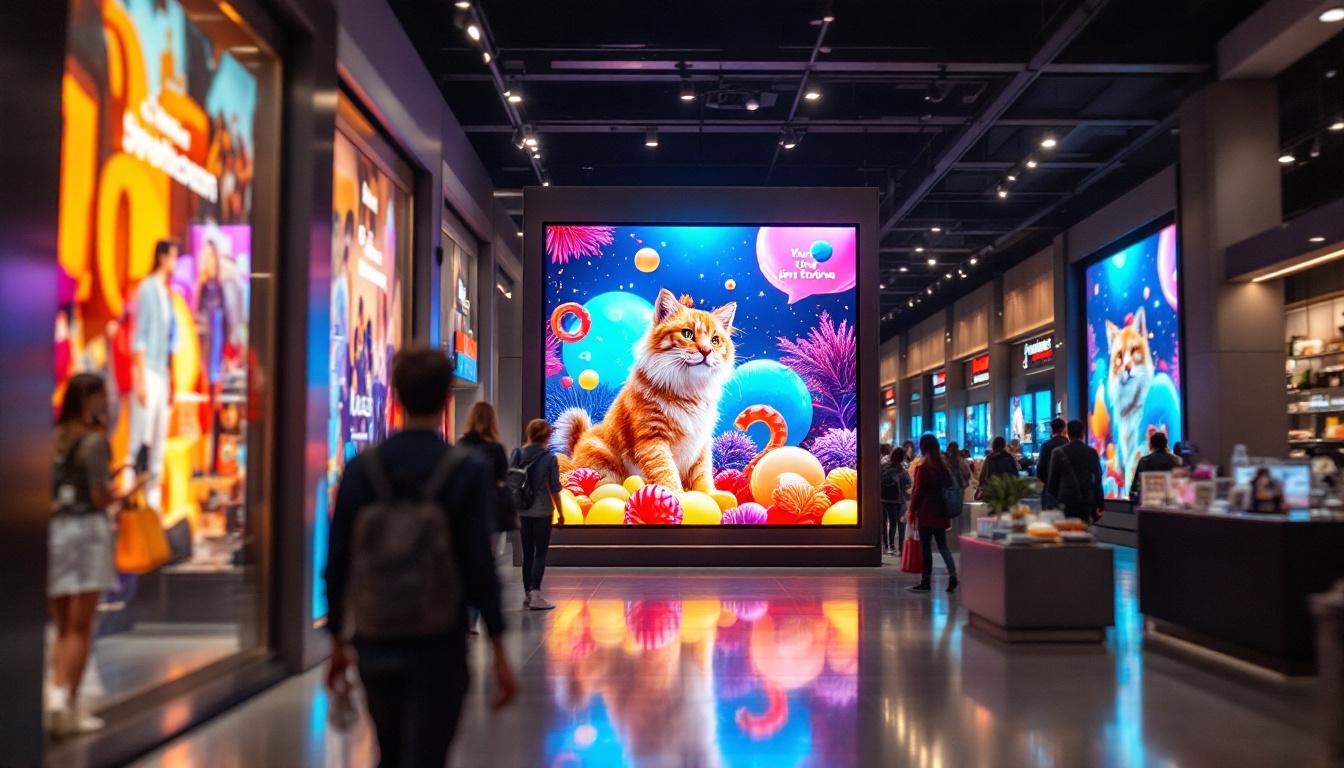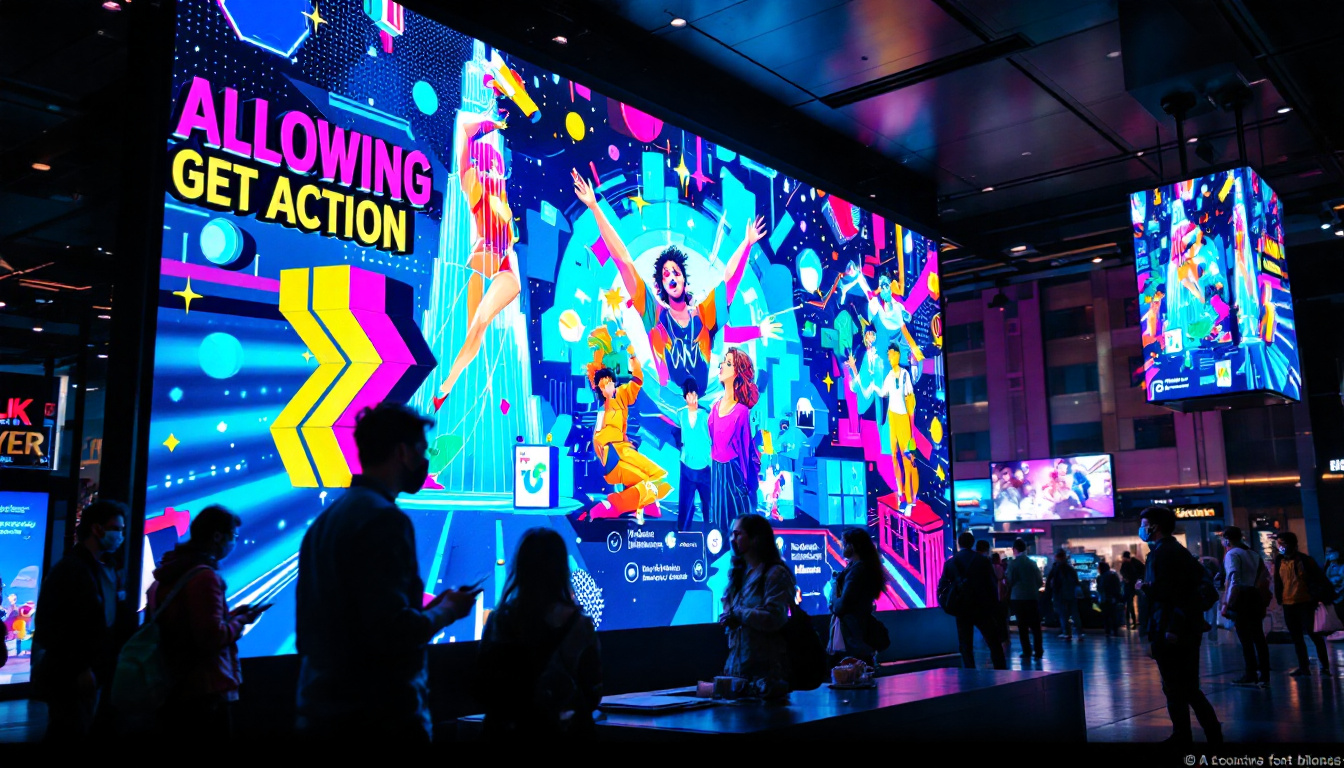
In the world of digital signage and display technology, LED displays have become a dominant force, revolutionizing how information is presented in public spaces, retail environments, and entertainment venues. The term “.7 times 90” might sound cryptic at first, but it relates closely to pixel pitch and resolution concepts that are crucial to understanding LED display quality and performance. This article delves into the fundamentals of LED displays, explains the significance of pixel pitch measurements like “.7 times 90,” and explores how these factors influence display clarity, viewing distance, and application suitability.
Understanding LED Display Technology
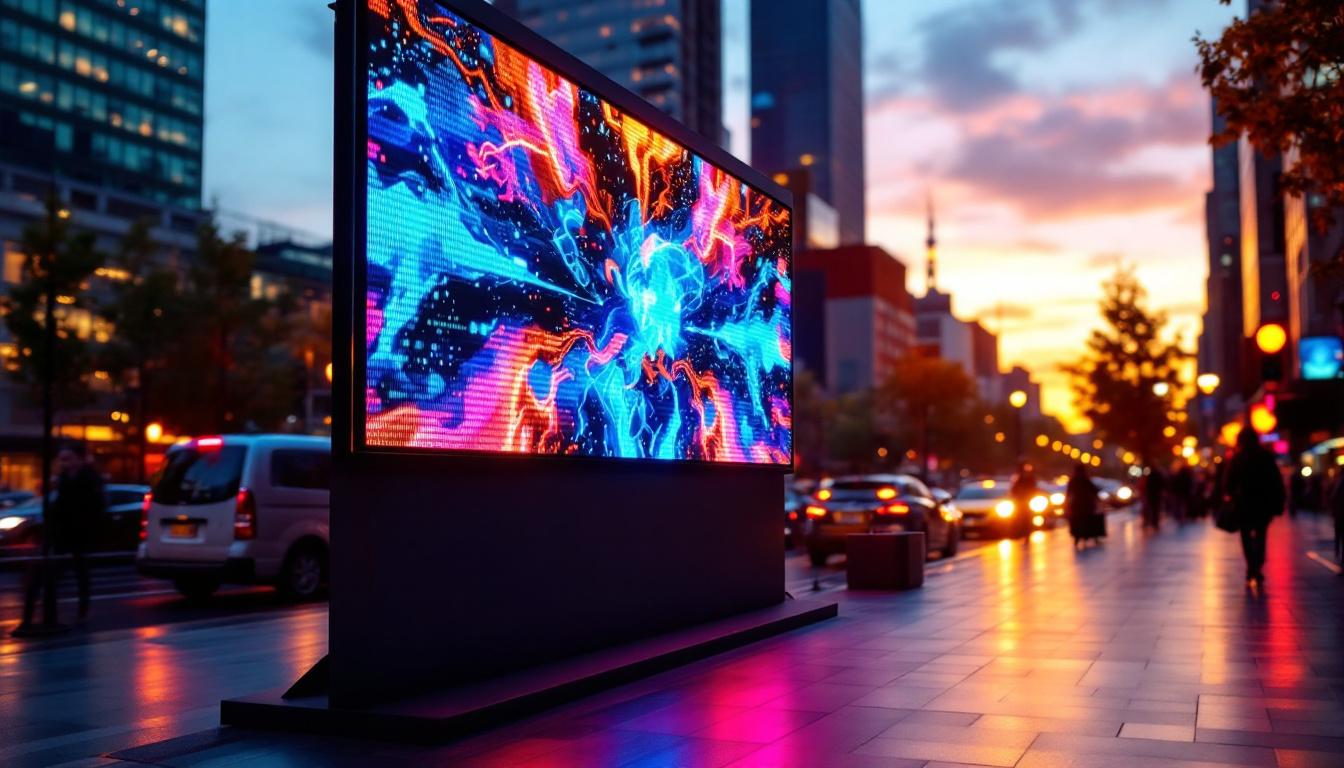
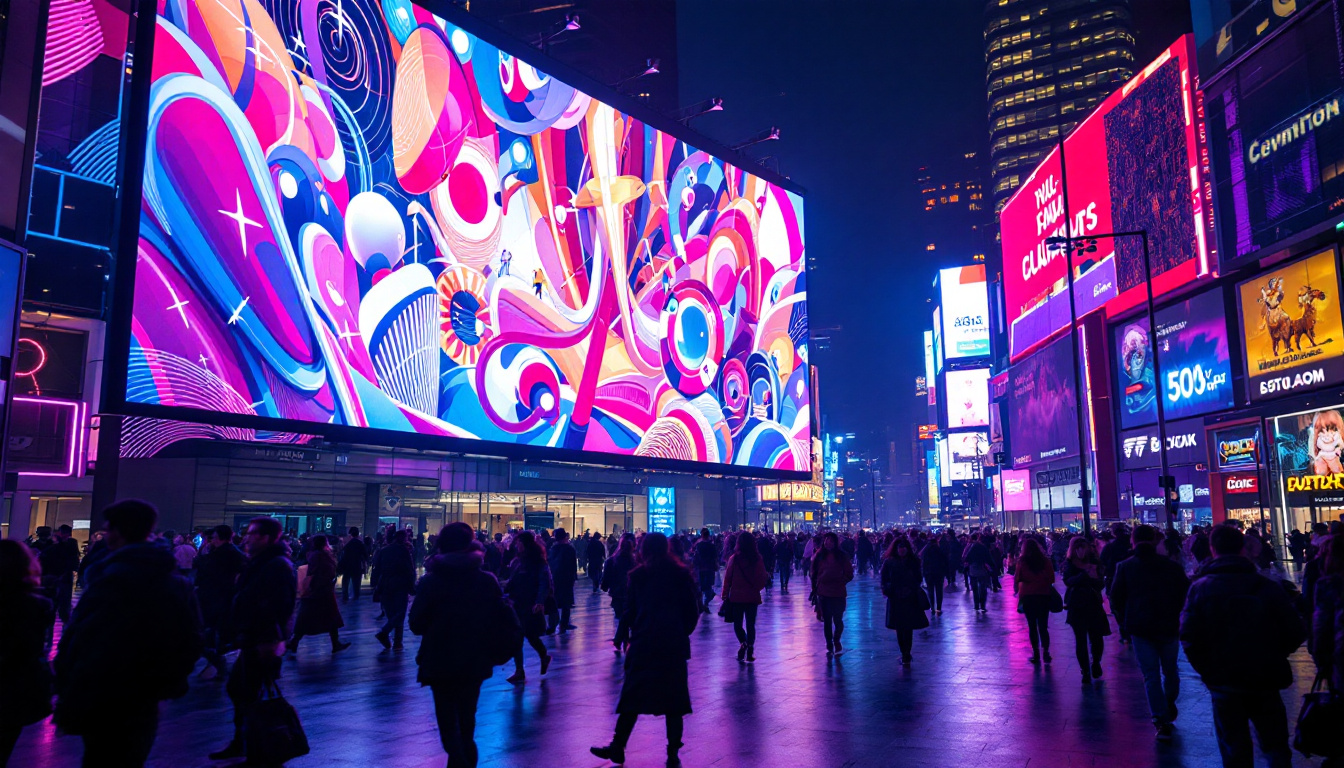
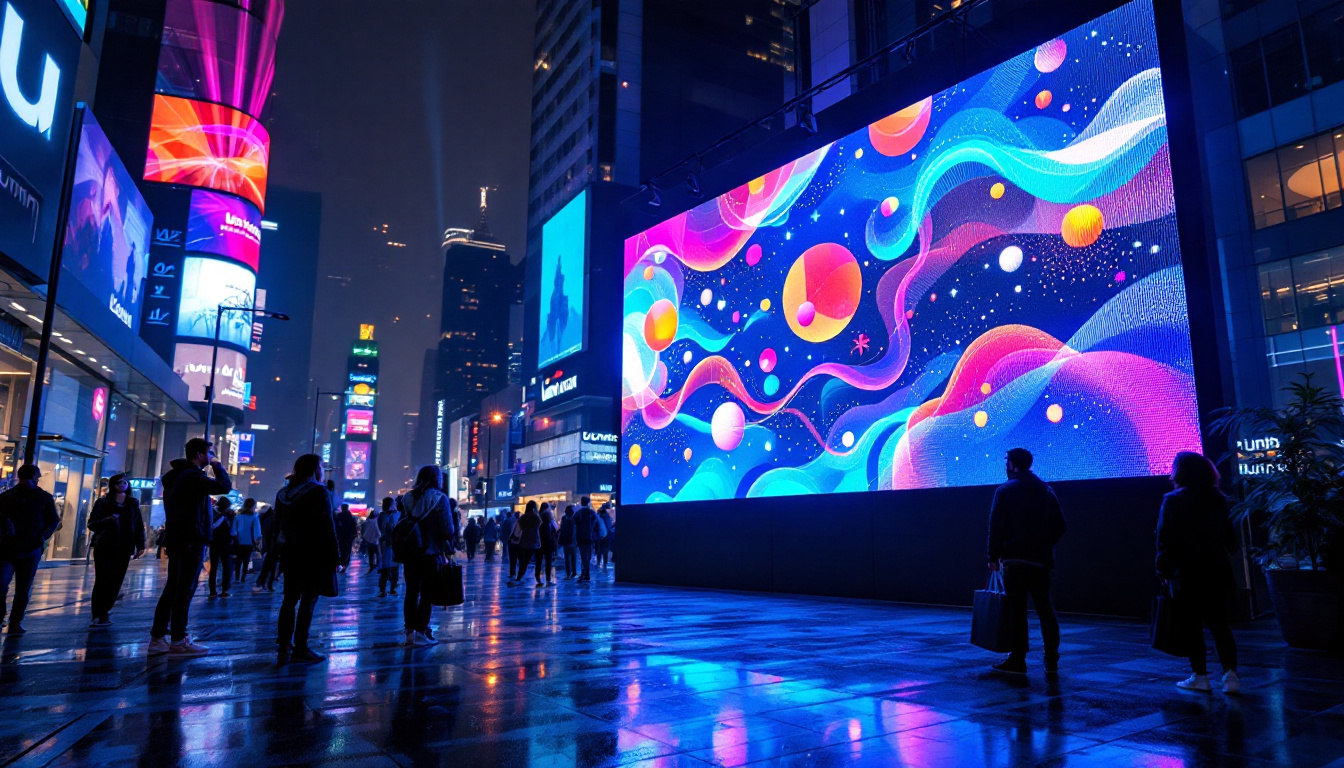
LED, or Light Emitting Diode, displays consist of an array of tiny light sources that emit bright, vibrant colors. Unlike LCD or OLED screens, LED displays use individual diodes as pixels, which can be grouped into clusters to form images and videos. These displays are widely used for outdoor billboards, stadium screens, indoor advertising, and even large-scale video walls. The versatility of LED technology allows for various applications, from simple text displays to complex animations and high-definition video content, making them a popular choice for businesses looking to capture attention.
One of the key advantages of LED displays is their brightness and visibility under various lighting conditions. Modern LED panels can achieve brightness levels exceeding 5,000 nits, making them easily viewable even in direct sunlight. This makes them ideal for outdoor applications where traditional screens might struggle. Additionally, LED displays have a longer lifespan compared to other display technologies, often lasting over 100,000 hours, which translates to years of maintenance-free operation. This durability, combined with their energy efficiency, makes LED displays a cost-effective solution in the long run.
How LED Displays Work
Each pixel in an LED display is composed of red, green, and blue diodes. By adjusting the intensity of each diode, the display can produce a full spectrum of colors. The resolution and sharpness of the image depend on the density of these pixels, which is where the concept of pixel pitch comes into play. Furthermore, advancements in technology have led to the development of features like dynamic brightness adjustment and color calibration, which enhance the viewing experience by ensuring that colors remain consistent across different lighting environments.
Pixel Pitch and Its Importance
Pixel pitch refers to the distance between the centers of two adjacent pixels, usually measured in millimeters. A smaller pixel pitch means pixels are packed more closely together, resulting in higher resolution and sharper images. Conversely, a larger pixel pitch means pixels are spaced further apart, which can reduce image clarity but often allows for larger, more cost-effective displays. The choice of pixel pitch is crucial for ensuring that the display meets the specific needs of its intended environment, whether that be a bustling city street or a quiet conference room.
For example, a pixel pitch of 0.7 mm (often written as P0.7) indicates a very fine pixel spacing, suitable for close viewing distances such as indoor environments or control rooms. On the other hand, a pixel pitch of 10 mm or more is typical for large outdoor billboards where viewers are far away. Moreover, the technology continues to evolve, with innovations such as microLED and miniLED displays, which promise even finer pixel pitches and improved color accuracy, pushing the boundaries of what is possible in visual display technology. As these advancements unfold, the potential applications for LED displays are expanding into areas like virtual reality and augmented reality, where high-resolution imagery is critical for immersive experiences.
Decoding “.7 Times 90” in LED Displays
The phrase “.7 times 90” is likely a shorthand reference to a pixel pitch of 0.7 mm combined with a specific dimension or resolution metric, such as 90 pixels per unit length or a 90-degree viewing angle. To clarify, it’s essential to break down the components and understand their relevance in LED display specifications.
Pixel Pitch: 0.7 mm Explained
A pixel pitch of 0.7 mm is considered ultra-fine and is among the smallest pixel pitches available in commercial LED displays today. This level of pixel density allows for extremely high-resolution images, making it ideal for applications where viewers are close to the screen, such as in corporate lobbies, broadcast studios, or retail environments.
For context, a P0.7 LED display can achieve resolutions comparable to high-definition LCD or OLED screens but on much larger surfaces. This makes them perfect for video walls and digital signage that require detailed visuals without visible pixelation.
The Significance of “Times 90”
The “times 90” part could refer to a few different things depending on the context:
- Viewing Angle: A 90-degree viewing angle is common in LED displays, ensuring that the image remains clear and color-accurate even when viewed from the side.
- Resolution Scaling: It might indicate a multiplication factor relating to resolution or pixel count, such as 0.7 mm pixel pitch multiplied by 90 units to define the display’s width or height in pixels.
- Panel Size or Configuration: It could also denote a specific panel dimension or modular configuration, where 90 represents the number of pixels or modules aligned horizontally or vertically.
Understanding these factors helps in designing LED displays that meet specific requirements for clarity, size, and viewing experience.
Applications of P0.7 LED Displays
Ultra-fine pixel pitch LED displays like those with 0.7 mm spacing are gaining popularity across various sectors due to their exceptional image quality and versatility.
Broadcast and Control Rooms
In broadcast studios, where image clarity is paramount, P0.7 LED displays provide vibrant, detailed backdrops for news anchors and presenters. Similarly, control rooms benefit from high-resolution video walls that allow operators to monitor multiple data streams simultaneously without losing detail.
Corporate and Retail Environments
Businesses use P0.7 LED displays for digital signage, interactive presentations, and immersive brand experiences. Retailers leverage these displays to showcase products with stunning visuals, attracting customers and enhancing engagement.
Entertainment and Event Venues
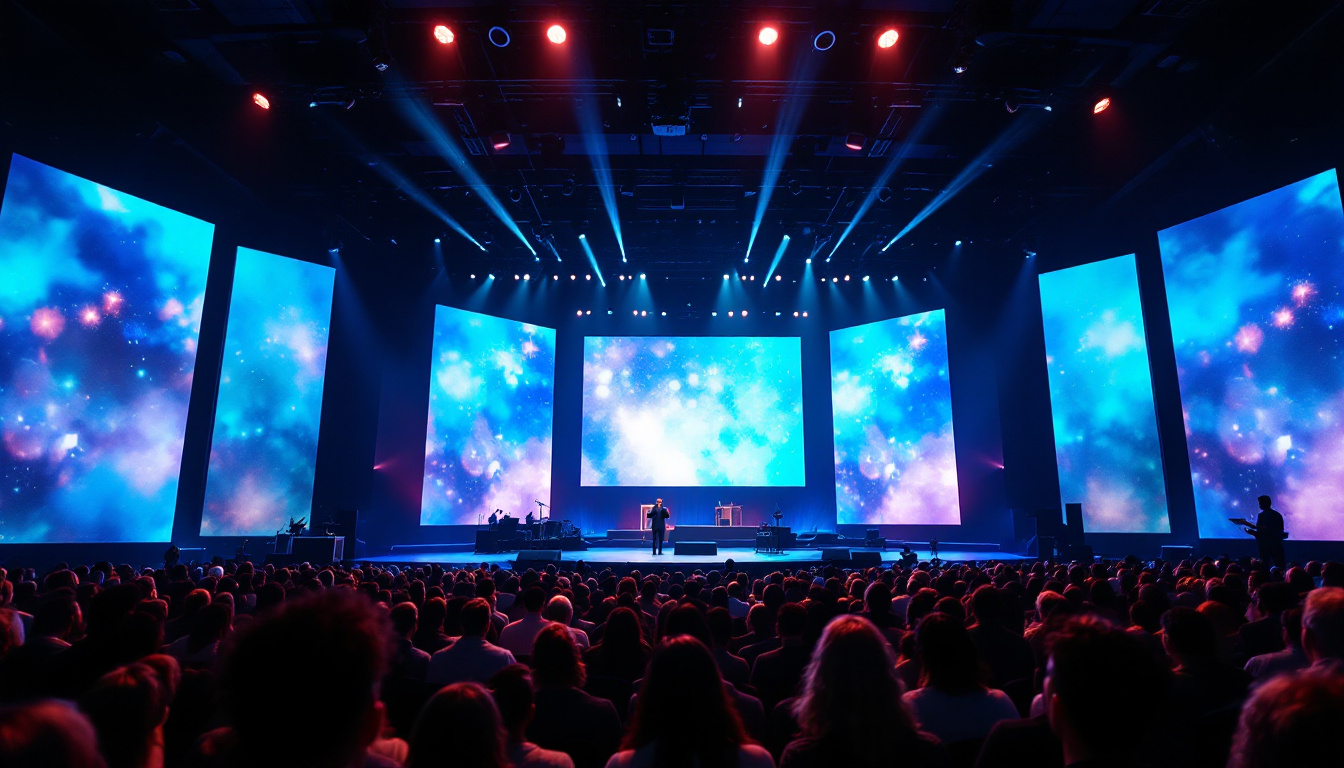
Concerts, theaters, and event venues utilize fine-pitch LED walls to create dynamic stage backdrops and immersive environments. The high resolution ensures that even audience members close to the stage enjoy crisp, vibrant visuals.
Comparing P0.7 LED Displays to Other Technologies
While P0.7 LED displays offer impressive image quality, it’s important to compare them with other popular display technologies to understand their unique advantages and limitations.
LED vs. LCD and OLED
LCD screens rely on backlighting and liquid crystals to produce images, which can limit brightness and viewing angles. OLED displays offer excellent color accuracy and contrast but are generally limited in size and can be costly for large-scale installations.
LED displays, especially those with fine pixel pitches like P0.7, combine high brightness, scalability, and durability. They are particularly advantageous for large-format displays where LCD or OLED panels would be impractical or prohibitively expensive.
Cost Considerations
Fine-pitch LED displays tend to be more expensive than larger-pitch counterparts due to the increased number of LEDs and the complexity of manufacturing. However, prices have been steadily decreasing as technology advances and production scales up.
For applications requiring high resolution and close viewing distances, the investment in P0.7 LED displays often pays off through enhanced visual impact and viewer engagement.
Technical Considerations When Choosing a P0.7 LED Display
Selecting the right LED display involves more than just pixel pitch. Several technical factors influence performance, installation, and maintenance.
Brightness and Contrast
Brightness levels must be sufficient for the intended environment. Indoor P0.7 LED displays typically range from 800 to 1,500 nits, which is bright enough for most indoor lighting conditions without causing eye strain.
Contrast ratio also affects image quality, with higher contrast providing deeper blacks and more vivid colors.
Refresh Rate and Color Depth
A high refresh rate (usually 1,920 Hz or higher) ensures smooth video playback without flicker, which is crucial for broadcast and live event applications.
Color depth, often 16-bit or higher, allows for millions of colors and subtle gradients, enhancing image realism.
Viewing Angle and Uniformity
Wide viewing angles (up to 160° horizontally and vertically) ensure consistent image quality regardless of the viewer’s position. Uniform brightness and color across the display surface prevent distracting visual inconsistencies.
Installation and Maintenance
Modular design simplifies installation and future upgrades. Front or rear serviceability options affect ease of maintenance, especially for large or wall-mounted displays.
Future Trends in LED Display Technology
The LED display industry continues to innovate, pushing the boundaries of resolution, energy efficiency, and integration with smart technologies.
MicroLED and Beyond
MicroLED technology, which uses even smaller LEDs than traditional displays, promises higher resolution and better energy efficiency. While still emerging, MicroLED could eventually surpass P0.7 displays in pixel density and image quality.
AI and Interactive Displays
Artificial intelligence integration enables LED displays to adapt content dynamically based on audience demographics or environmental factors. Interactive LED walls with touch capabilities are becoming more common in retail and public spaces.
Energy Efficiency and Sustainability
Manufacturers are focusing on reducing power consumption and using eco-friendly materials. Advances in LED driver technology and heat dissipation contribute to longer lifespans and lower operational costs.
Conclusion
The term “.7 times 90” in the context of LED displays highlights the importance of pixel pitch and resolution in delivering stunning visual experiences. A 0.7 mm pixel pitch represents the cutting edge of LED display technology, offering ultra-high resolution suitable for close viewing distances and detailed imagery.
Understanding the technical nuances, applications, and future trends of P0.7 LED displays empowers businesses, event organizers, and technology enthusiasts to make informed decisions when selecting digital signage solutions. As LED technology continues to evolve, the possibilities for immersive, vibrant visual communication are virtually limitless.
Discover the Future of Visual Communication with LumenMatrix
Ready to elevate your visual storytelling and captivate your audience with unparalleled clarity? Explore LumenMatrix’s comprehensive range of LED display solutions, from vibrant Indoor and Outdoor LED Wall Displays to dynamic Vehicle and Sports LED Displays. Whether you need a Floor LED Display, a sleek LED Poster, or a Custom LED Display tailored to your unique requirements, LumenMatrix is at the forefront of innovation, ensuring your message resonates with impact. Experience the revolution in digital signage and create immersive experiences that engage and inspire. Check out LumenMatrix LED Display Solutions today and transform your visual communication strategy.