In the fast-evolving world of display technologies, understanding the nuances behind various types of screens is essential for consumers, designers, and engineers alike. Among these technologies, the active matrix LED display stands out for its superior image quality, responsiveness, and energy efficiency. This article delves deep into what an active matrix display is, how it works, and why it has become the standard in modern LED displays.
Understanding Display Technologies: A Brief Overview
Display technology has come a long way from the bulky cathode ray tube (CRT) monitors of the past. Today, screens are thinner, brighter, and more energy-efficient, thanks largely to advances in liquid crystal displays (LCDs), organic light-emitting diodes (OLEDs), and light-emitting diode (LED) technologies. Among these, LED displays powered by active matrix technology have gained significant traction across various applications, from smartphones to large-scale digital signage.
Before diving into active matrix displays, it’s important to clarify some terminology. LED displays typically refer to screens that use light-emitting diodes as their light source or pixels. However, many LED displays are actually LCD panels with LED backlighting. The term “active matrix” relates to the way pixels are controlled within the display, which directly impacts performance characteristics such as refresh rate, color accuracy, and power consumption.
In the realm of display technologies, one cannot overlook the significance of OLED displays, which have emerged as a game-changer in the industry. Unlike traditional LCDs, OLEDs do not require a backlight, as each pixel generates its own light. This capability allows for deeper blacks and a broader color gamut, leading to stunning visuals that are particularly appealing for high-definition content. Furthermore, OLED screens are inherently flexible, paving the way for innovative designs such as curved and foldable displays that are becoming increasingly popular in smartphones and televisions.
Another noteworthy advancement is the development of microLED technology, which combines the best aspects of both OLED and traditional LED displays. MicroLEDs consist of tiny, self-emissive pixels that can achieve high brightness levels while maintaining excellent color accuracy and energy efficiency. This technology is still in its infancy but holds great promise for the future of displays, potentially revolutionizing everything from virtual reality headsets to large-scale outdoor displays. As manufacturers continue to explore and refine these technologies, the possibilities for enhanced viewing experiences seem boundless, making it an exciting time for consumers and tech enthusiasts alike.
What is an Active Matrix Display?
The Basics of Matrix Addressing
Displays consist of millions of tiny pixels arranged in rows and columns. To control these pixels, the display uses a matrix addressing system. There are two primary types: passive matrix and active matrix.
Passive matrix displays control pixels by applying voltage to entire rows and columns, which can lead to slower response times and lower contrast ratios. In contrast, active matrix displays assign a dedicated transistor and capacitor to each pixel, allowing for precise and rapid control.
How Active Matrix Works
In an active matrix display, each pixel is paired with a thin-film transistor (TFT) and a capacitor. The transistor acts like a switch, controlling the flow of electrical current to the pixel, while the capacitor holds the charge, maintaining the pixel’s state until it is refreshed. This setup enables each pixel to be addressed individually and updated quickly, resulting in sharper images and smoother motion.
The use of TFT technology is crucial here. Thin-film transistors are made by depositing thin layers of semiconductor material onto a glass substrate, creating a grid of millions of tiny switches. This allows for high-resolution displays with excellent color accuracy and minimal ghosting or blurring.
Active Matrix LED Displays vs. Other Display Types
Active Matrix vs. Passive Matrix
Passive matrix displays were common in early LCD screens but have largely been replaced by active matrix technology. The main drawbacks of passive matrix are slower pixel response times and lower contrast ratios, which can cause motion blur and less vibrant images. Active matrix displays overcome these issues by enabling faster pixel switching and better control over brightness and color.
For example, early mobile phones with passive matrix LCDs often exhibited noticeable ghosting effects during fast animations or scrolling. Modern smartphones utilize active matrix displays to deliver crisp visuals and fluid user experiences.
Active Matrix LED vs. OLED Displays
While active matrix LED displays use LED backlighting behind an LCD panel, OLED (organic light-emitting diode) displays generate light at the pixel level without the need for backlighting. Both technologies use active matrix addressing to control pixels, but their underlying mechanisms differ significantly.
OLED displays offer superior contrast ratios and deeper blacks because individual pixels can be turned off completely. However, active matrix LED displays generally provide higher brightness levels and longer lifespans, making them suitable for environments with strong ambient light, such as outdoor digital signage.
Applications of Active Matrix LED Displays
Consumer Electronics
Active matrix LED displays are ubiquitous in consumer electronics, including smartphones, tablets, laptops, and televisions. The technology supports high resolutions and fast refresh rates, which are essential for gaming, video streaming, and professional graphic work.
For instance, many flagship smartphones feature active matrix LED displays with resolutions exceeding 1080p and refresh rates of 90Hz or higher. This combination ensures smooth animations and sharp images, enhancing user experience significantly.
Digital Signage and Advertising
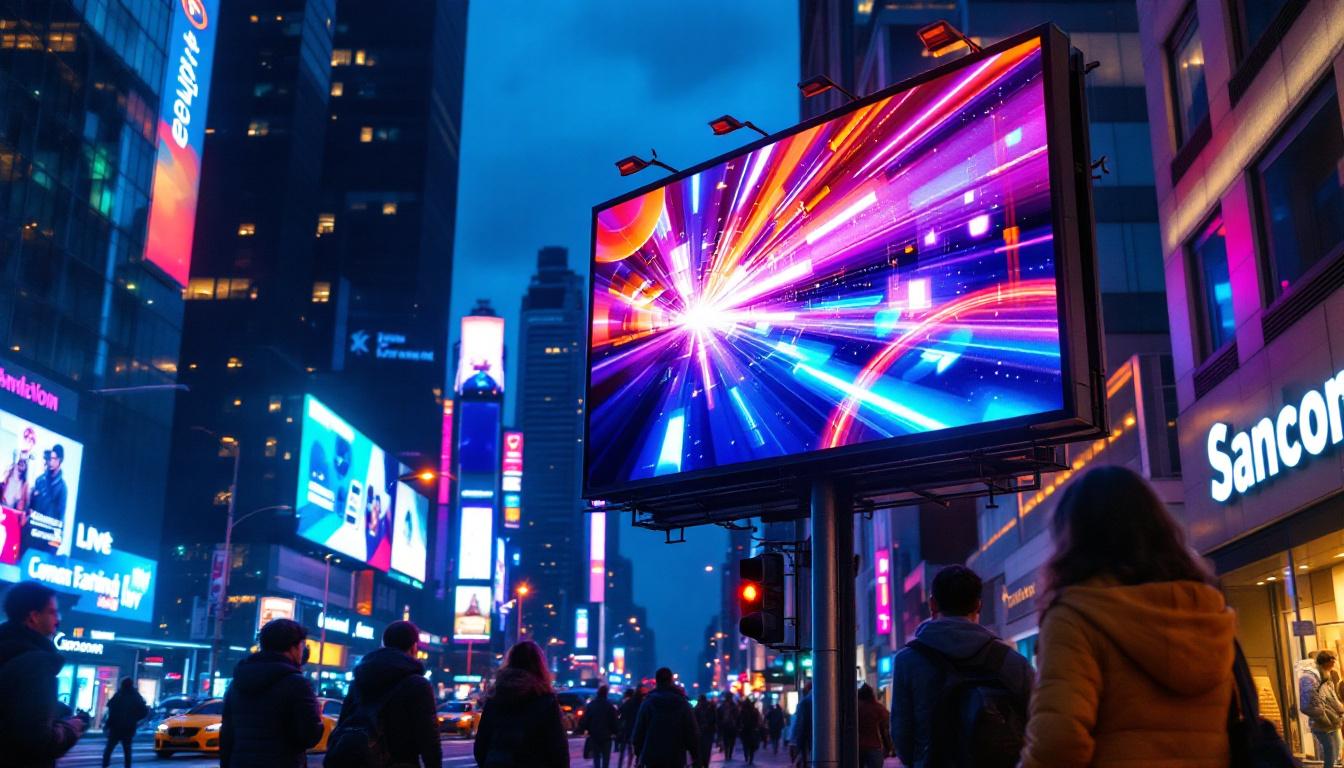
Large-format active matrix LED displays are widely used in digital signage due to their brightness and durability. These displays can operate efficiently in various lighting conditions, including direct sunlight, making them ideal for outdoor advertising, public information boards, and event screens.
Modern stadiums and public squares often feature massive LED walls composed of active matrix panels, delivering vibrant visuals that can be seen clearly from great distances.
Medical and Industrial Displays
In medical imaging and industrial monitoring, display accuracy and reliability are paramount. Active matrix LED displays provide the necessary precision and stability for applications such as diagnostic imaging, control panels, and instrumentation.
High pixel density and consistent brightness help professionals make accurate assessments, while the fast refresh rates ensure real-time data visualization without lag.
Advantages of Active Matrix LED Displays
Improved Image Quality
Thanks to individual pixel control, active matrix displays produce sharper images with higher contrast and better color reproduction. The ability to maintain pixel states between refresh cycles reduces flicker and enhances viewing comfort.
These qualities make active matrix displays particularly suitable for applications requiring detailed visuals, such as photo editing, video production, and gaming.
Faster Response Times
Active matrix technology enables rapid pixel switching, minimizing motion blur and ghosting. This is crucial for fast-moving images, whether in video playback, gaming, or interactive user interfaces.
Response times in active matrix LED displays typically range from 1 to 5 milliseconds, significantly outperforming passive matrix alternatives.
Energy Efficiency
By precisely controlling each pixel, active matrix displays consume less power compared to passive matrix displays. The use of LED backlighting further enhances energy efficiency, especially when combined with local dimming techniques that adjust brightness dynamically based on content.
Lower power consumption translates to longer battery life in portable devices and reduced operational costs in large installations.
Challenges and Limitations
Manufacturing Complexity and Cost
The integration of millions of thin-film transistors and capacitors into a single display panel requires sophisticated manufacturing processes. This complexity can increase production costs, particularly for very high-resolution or large-format displays.
While prices have decreased significantly over the past decade, active matrix LED displays may still be more expensive than simpler display types, especially in budget devices.
Viewing Angle and Color Shift
Although active matrix LED displays offer excellent image quality, they can suffer from limited viewing angles compared to OLED displays. Colors and contrast may shift when the screen is viewed from extreme angles, which can be a drawback in certain applications like collaborative workspaces or public displays.
Backlight Bleeding and Uniformity
Because active matrix LED displays rely on backlighting, issues such as backlight bleeding—where light leaks around the edges of the screen—can occur. This affects black levels and overall image uniformity, particularly in dark scenes.
Manufacturers employ various techniques like local dimming and improved panel design to mitigate these effects, but they remain inherent challenges of LCD-based LED displays.
The Future of Active Matrix LED Displays
Active matrix LED technology continues to evolve, driven by innovations in materials, manufacturing, and design. Advances in mini-LED and micro-LED technologies promise to combine the benefits of active matrix control with even higher brightness, contrast, and energy efficiency.
Mini-LED displays use thousands of tiny LEDs as backlighting units, enabling finer local dimming zones and improved black levels. Micro-LED technology takes this further by using microscopic LEDs as individual pixels, potentially offering the perfect balance between OLED’s contrast and LED’s brightness and longevity.
As these technologies mature, active matrix LED displays will likely maintain a significant presence in both consumer and professional markets, adapting to new demands for resolution, color accuracy, and power efficiency.
Conclusion
Active matrix LED displays represent a cornerstone of modern display technology, blending precise pixel control with the brightness and efficiency of LED backlighting. Their widespread adoption across consumer electronics, digital signage, and industrial applications underscores their versatility and performance advantages.
While challenges such as manufacturing complexity and viewing angle limitations remain, ongoing innovations continue to enhance the capabilities of active matrix LED displays. For anyone seeking a balance of image quality, responsiveness, and energy efficiency, understanding active matrix technology is essential in navigating today’s diverse display landscape.
Discover LumenMatrix’s Advanced LED Display Solutions
As you consider the future of display technology and the role active matrix LED displays play in delivering exceptional visual experiences, we invite you to explore the innovative solutions offered by LumenMatrix. Our commitment to excellence is evident in our diverse range of products, from Indoor and Outdoor LED Wall Displays to specialized solutions like Vehicle LED Displays, LED Sports Displays, and Custom LED Displays. Experience the transformative power of our LED display modules and join the revolution in visual communication. Check out LumenMatrix LED Display Solutions today and see how we can enhance your brand visibility and captivate your audience.