In today’s fast-evolving digital landscape, display technologies are at the forefront of communication, advertising, and information dissemination. Among the various types of display boards, LCD (Liquid Crystal Display) and LED (Light Emitting Diode) displays dominate the market, often leading to confusion about their differences and applications. This article aims to clarify these technologies, focusing on LCD display boards and LED displays, explaining their mechanisms, advantages, limitations, and practical uses.
Understanding LCD Display Boards
What is an LCD Display?
LCD, or Liquid Crystal Display, is a flat-panel display technology that uses liquid crystals combined with polarizers to produce images. Unlike traditional cathode ray tube (CRT) screens, LCDs do not emit light directly. Instead, they rely on a backlight or reflector to illuminate the liquid crystals, which modulate light to create visible images.
Liquid crystals are unique substances that flow like a liquid but have some properties of solid crystals. When an electric current passes through them, their molecular alignment changes, controlling the passage of light. This property is harnessed in LCD panels to display text, images, and videos with sharp clarity and vibrant colors.
How LCD Display Boards Work
LCD display boards consist of several layers, including two polarized panels with a layer of liquid crystal solution between them. When voltage is applied, the liquid crystals align to either block or allow light to pass through. The backlight, commonly made of LEDs in modern LCDs, shines light through these layers, creating the visible image.
Each pixel on an LCD screen is divided into subpixels of red, green, and blue, which combine to produce a full spectrum of colors. The precise control of these subpixels enables high-resolution displays suitable for detailed graphics and text.
Advantages of LCD Display Boards
LCD technology offers several benefits that make it a popular choice for display boards:
- Energy Efficiency: LCDs consume less power compared to older display technologies like CRTs, making them suitable for battery-powered devices and large-scale installations.
- Thin and Lightweight: The slim profile of LCD panels allows for sleek, lightweight display boards that are easy to mount and transport.
- High Resolution and Image Quality: LCDs provide sharp images with excellent color reproduction, ideal for detailed graphics and text.
- Reduced Eye Strain: The stable image and reduced flicker of LCDs contribute to less eye fatigue during prolonged viewing.
Limitations of LCD Display Boards
Despite their advantages, LCDs have some drawbacks:
- Limited Viewing Angles: Traditional LCDs can suffer from color and contrast shifts when viewed from extreme angles, although modern IPS (In-Plane Switching) panels have mitigated this issue significantly.
- Backlight Dependence: Since LCDs rely on backlighting, they may not achieve the same contrast ratios as emissive displays like OLEDs or LEDs, resulting in less deep blacks.
- Response Time: Some LCDs have slower response times, which can cause motion blur in fast-moving images, though advancements have improved this aspect.
Exploring LED Displays
What is an LED Display?
LED stands for Light Emitting Diode, a semiconductor device that emits light when an electric current passes through it. LED displays use arrays of these tiny diodes as pixels to create images. Unlike LCDs, LED displays are emissive, meaning they generate their own light rather than relying on a backlight.
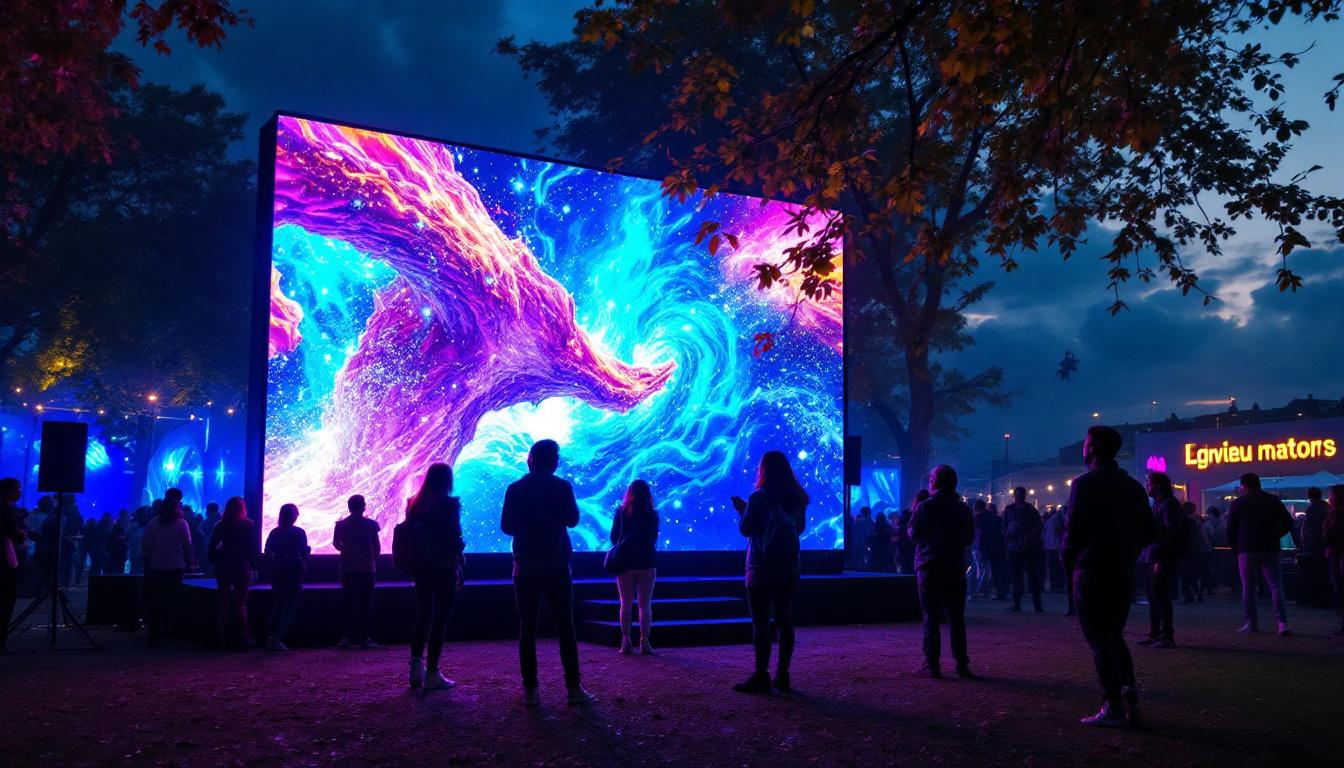
LED display boards are commonly used in outdoor advertising, stadium screens, traffic signs, and large-scale video walls due to their brightness, durability, and scalability.
Types of LED Displays
LED displays come in various forms, primarily categorized as:
- Direct-View LED Displays: These consist of individual LEDs arranged in a matrix. Each LED acts as a pixel, capable of producing red, green, and blue light to create full-color images. They are used in large outdoor screens and digital billboards.
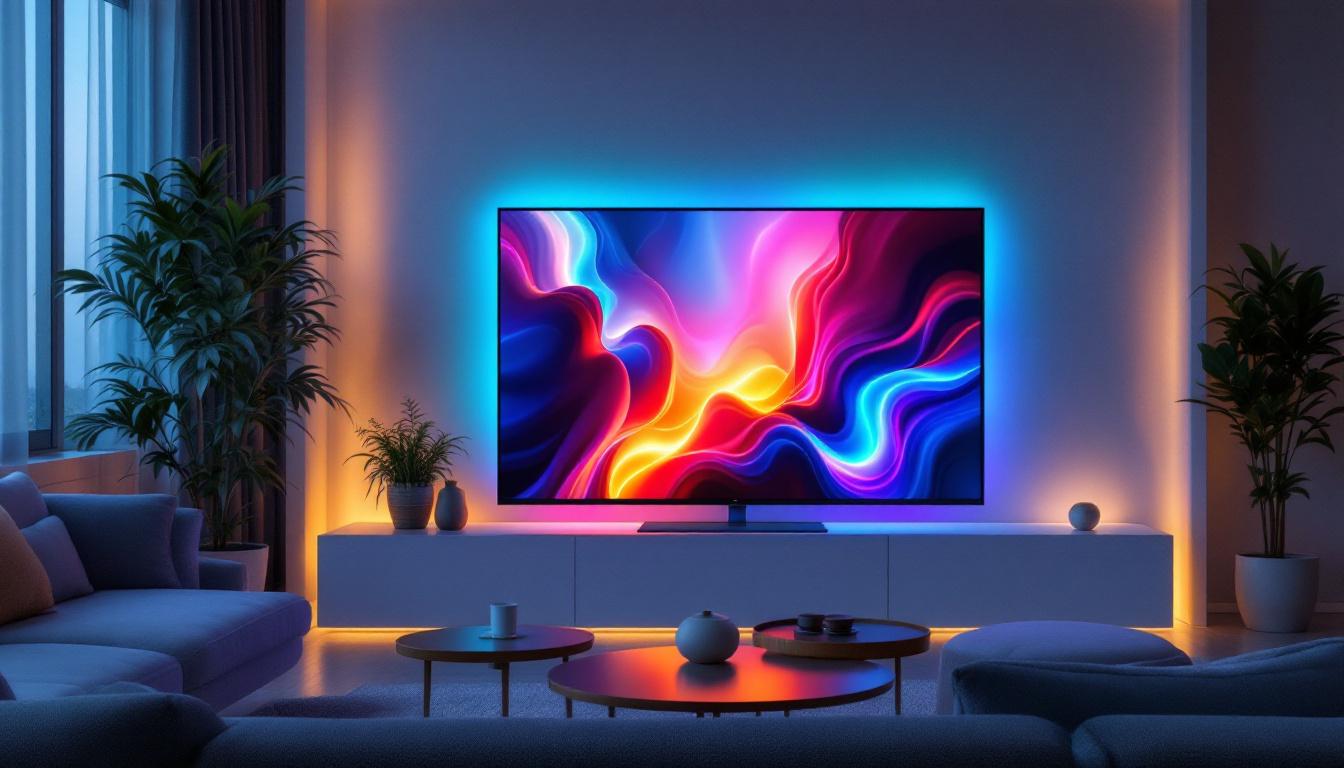
- LED-Backlit LCD Displays: These are LCD panels that use LEDs as the backlight source instead of traditional fluorescent lamps. This hybrid technology combines the benefits of LCD image control with the efficiency and brightness of LEDs.
Advantages of LED Displays
LED displays offer several compelling benefits, especially for large-scale and outdoor applications:
- High Brightness: LEDs can achieve extremely high brightness levels, making them visible even under direct sunlight.
- Energy Efficiency: LEDs are highly energy-efficient, consuming less power than many other lighting technologies.
- Durability and Longevity: LEDs have a long lifespan and are resistant to shock and vibration, suitable for harsh environments.
- Scalability: LED modules can be combined seamlessly to create displays of virtually any size.
- Wide Viewing Angles: LED displays maintain consistent brightness and color across wide viewing angles.
Limitations of LED Displays
Despite their strengths, LED displays also have some limitations:
- Cost: High-quality LED displays, especially direct-view types, can be expensive to manufacture and install.
- Pixel Pitch Constraints: The distance between individual LEDs (pixel pitch) affects resolution. Smaller pixel pitches yield higher resolution but increase cost and complexity.
- Power Consumption for Large Displays: While efficient per diode, very large LED displays can consume significant power overall.
Comparing LCD Display Boards and LED Displays
Key Differences
Understanding the fundamental differences between LCD and LED displays helps in selecting the right technology for specific applications:
| Feature | LCD Display Board | LED Display |
|---|---|---|
| Display Technology | Liquid crystals modulate light from a backlight | Emissive diodes emit light directly |
| Brightness | Moderate, depends on backlight | Very high, suitable for outdoor use |
| Contrast Ratio | Lower, due to backlight bleed | Higher, with true blacks possible |
| Viewing Angle | Limited in traditional models; improved in IPS | Wide and consistent |
| Power Consumption | Generally low | Varies; efficient per diode but large arrays consume more |
| Applications | Indoor screens, monitors, TVs, information boards | Outdoor billboards, stadium displays, traffic signs |
Choosing Between LCD and LED Displays
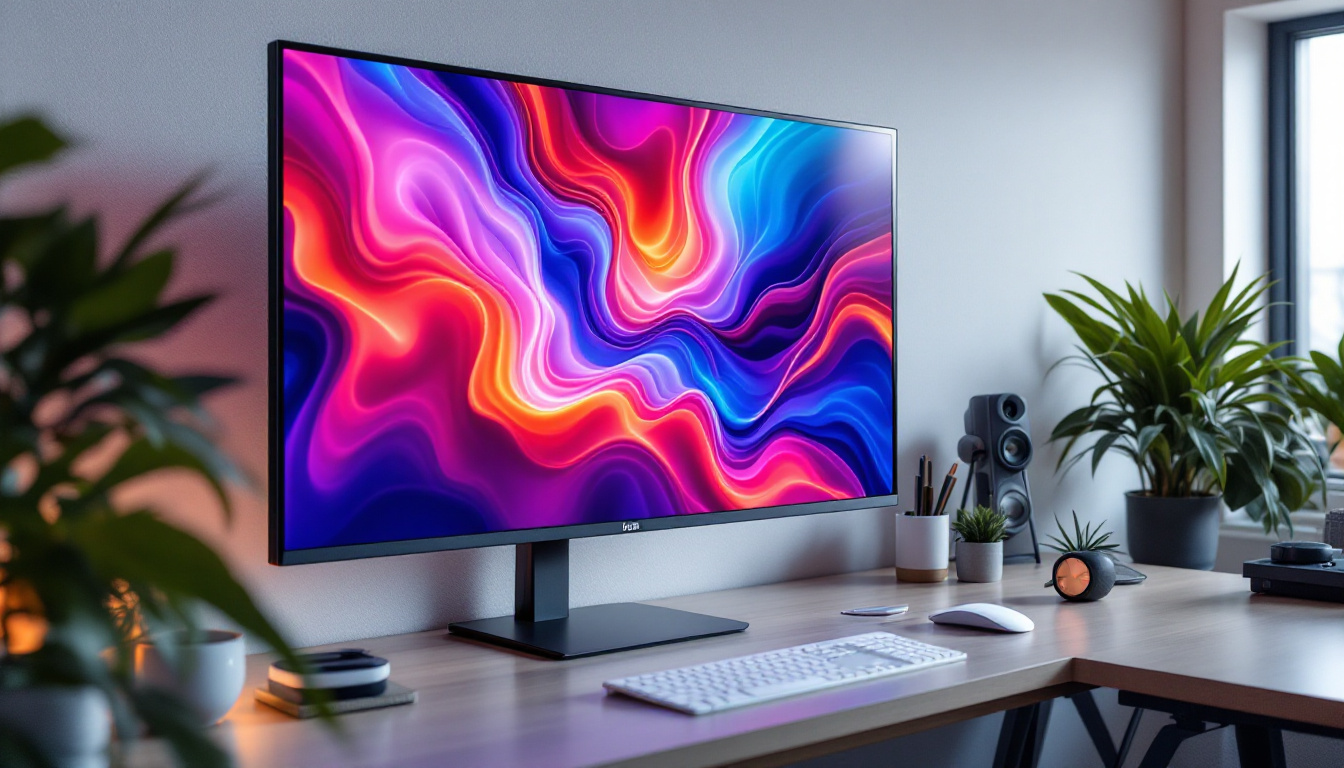
The choice between LCD and LED displays depends largely on the intended use case. For indoor applications requiring high resolution and color accuracy, such as control rooms, retail displays, and office monitors, LCD display boards are often preferred. Their slim design and energy efficiency make them ideal for these environments.
Conversely, for outdoor advertising, large-scale public displays, and environments with high ambient light, LED displays excel due to their brightness, robustness, and scalability. Direct-view LED displays are particularly suited for venues like sports arenas and transportation hubs where visibility from a distance is crucial.
Technological Innovations and Trends in Display Boards
Mini-LED and Micro-LED Technologies
Recent advancements in LED technology have introduced mini-LED and micro-LED displays, which aim to bridge the gap between LCD and traditional LED displays. Mini-LEDs use thousands of tiny LEDs as backlighting for LCD panels, offering improved contrast, brightness, and local dimming capabilities.
Micro-LED technology goes a step further by using microscopic LEDs as individual pixels, enabling emissive displays with exceptional brightness, contrast, and energy efficiency. Though still emerging, micro-LED displays promise to revolutionize both indoor and outdoor display markets with superior image quality and durability.
Integration with Smart Technologies
Modern LCD and LED display boards increasingly incorporate smart features such as IoT connectivity, remote management, and interactive touch capabilities. These enhancements enable dynamic content updates, real-time data display, and user interaction, expanding the functionality of display boards beyond static messages.
Environmental Considerations
As sustainability becomes a critical concern, manufacturers are focusing on reducing the environmental impact of display technologies. LED displays, with their longer lifespan and energy efficiency, generally have a smaller carbon footprint compared to older technologies. Additionally, efforts to develop recyclable materials and reduce hazardous substances in LCD production are ongoing.
Applications of LCD and LED Display Boards
Commercial and Advertising Uses
Both LCD and LED display boards are widely used in commercial settings for advertising and information dissemination. LCD screens are common in retail stores, airports, and corporate environments where high-resolution images and videos are essential. LED billboards dominate outdoor advertising due to their visibility and impact.
Transportation and Public Information
Transportation hubs such as train stations, bus terminals, and airports utilize LCD and LED displays to provide schedules, alerts, and wayfinding information. LED displays are favored outdoors for their brightness and durability, while LCDs serve well indoors for detailed information presentation.
Entertainment and Sports Venues
Large LED video walls are a staple in stadiums and concert venues, delivering live feeds, scores, and advertisements to vast audiences. LCD panels are often used in control rooms and broadcasting setups to monitor multiple video sources simultaneously.
Industrial and Medical Applications
In industrial environments, LCD display boards provide critical data visualization for monitoring systems and machinery. Medical devices also rely on high-resolution LCD screens for imaging and diagnostics, where clarity and accuracy are paramount.
Maintaining and Optimizing Display Boards
Best Practices for Longevity
Proper maintenance is essential to maximize the lifespan and performance of LCD and LED display boards. This includes regular cleaning with appropriate materials, avoiding exposure to extreme temperatures or moisture, and ensuring stable power supply to prevent damage from surges.
Calibration and Color Accuracy
For applications requiring precise color reproduction, periodic calibration of display boards is necessary. Calibration tools and software help maintain consistent brightness, contrast, and color balance, ensuring the display meets professional standards.
Troubleshooting Common Issues
Common problems with LCD and LED displays include dead pixels, flickering, and backlight failure. Identifying the root cause—whether it is hardware, software, or environmental—allows for targeted repairs or replacements, minimizing downtime.
Conclusion
LCD display boards and LED displays each offer unique strengths suited to different applications. LCD technology excels in delivering high-resolution, energy-efficient displays ideal for indoor use, while LED displays provide unparalleled brightness and durability for outdoor and large-scale installations. Understanding the technical differences and practical considerations helps businesses and individuals make informed decisions when selecting display solutions.
With ongoing innovations such as mini-LED and micro-LED technologies and the integration of smart features, the future of display boards promises even greater performance, versatility, and sustainability. Whether for advertising, information dissemination, entertainment, or industrial use, choosing the right display technology is key to effective communication and user engagement.
Discover Cutting-Edge LED Display Solutions
Ready to elevate your visual communication with the latest in display technology? Look no further than LumenMatrix, a pioneer in LED display innovation. From mesmerizing Indoor LED Wall Displays to robust Outdoor LED Wall Displays, and from dynamic Vehicle LED Displays to sleek LED Poster Displays, LumenMatrix offers a comprehensive range of solutions tailored to your needs. Our mission is to transform your visual storytelling with LED Sports Displays, interactive Floor LED Displays, Custom LED Displays, versatile All-in-One LED Displays, and stunning LED Transparent Displays. Don’t miss the opportunity to captivate your audience and amplify your message. Check out LumenMatrix LED Display Solutions today and experience the power of advanced LED technology.