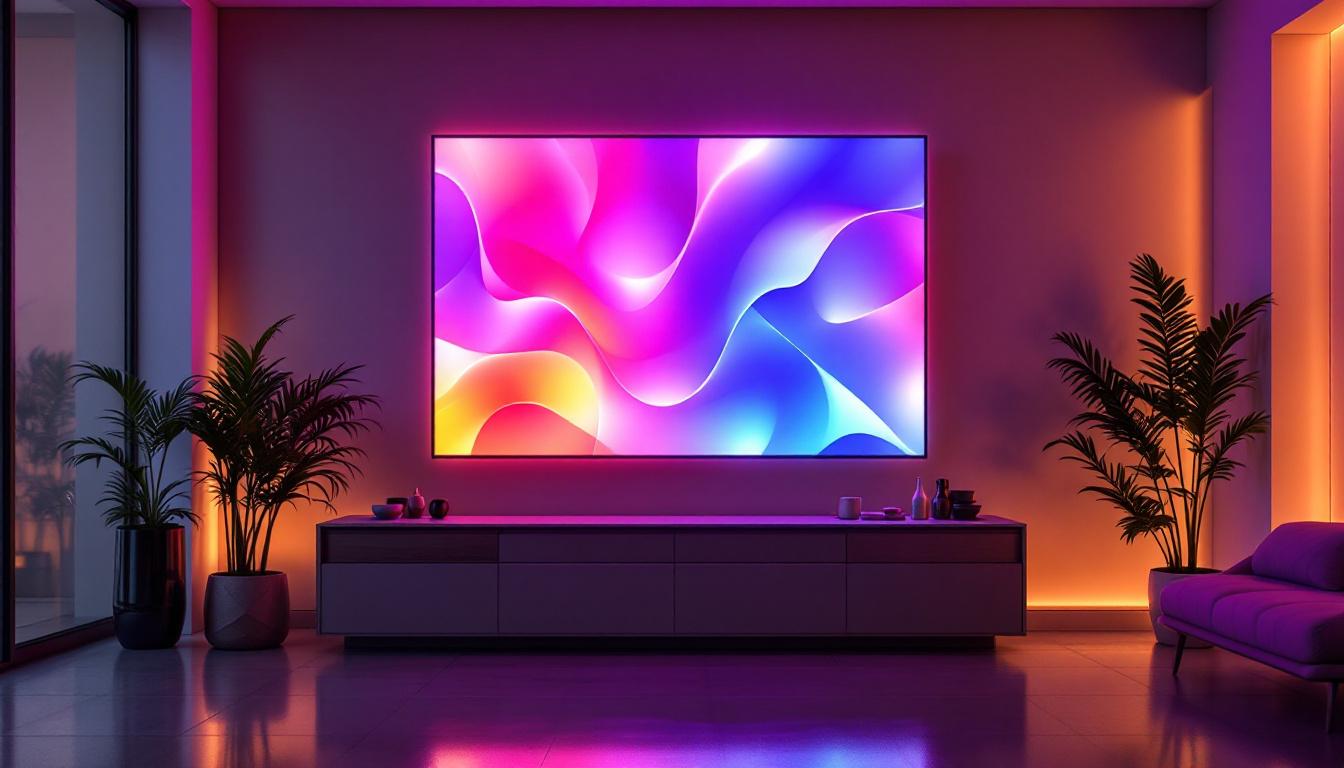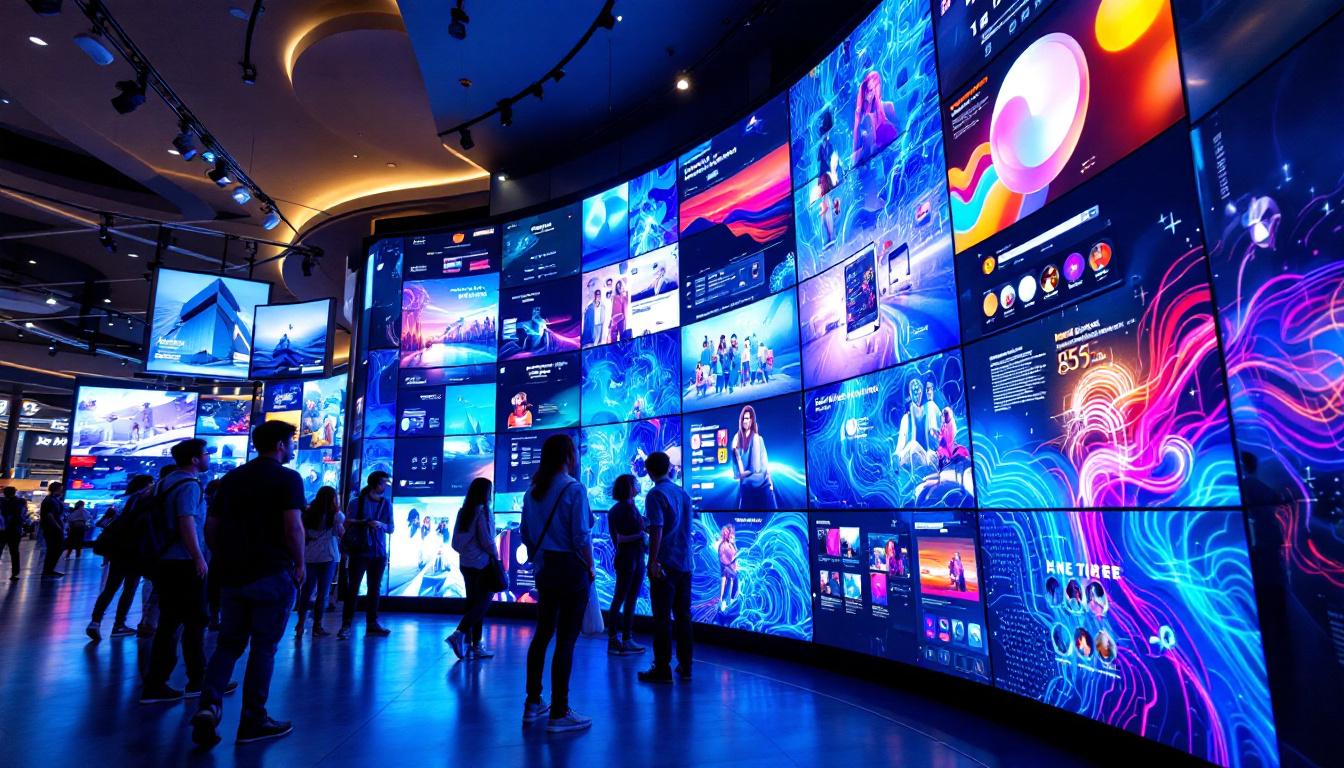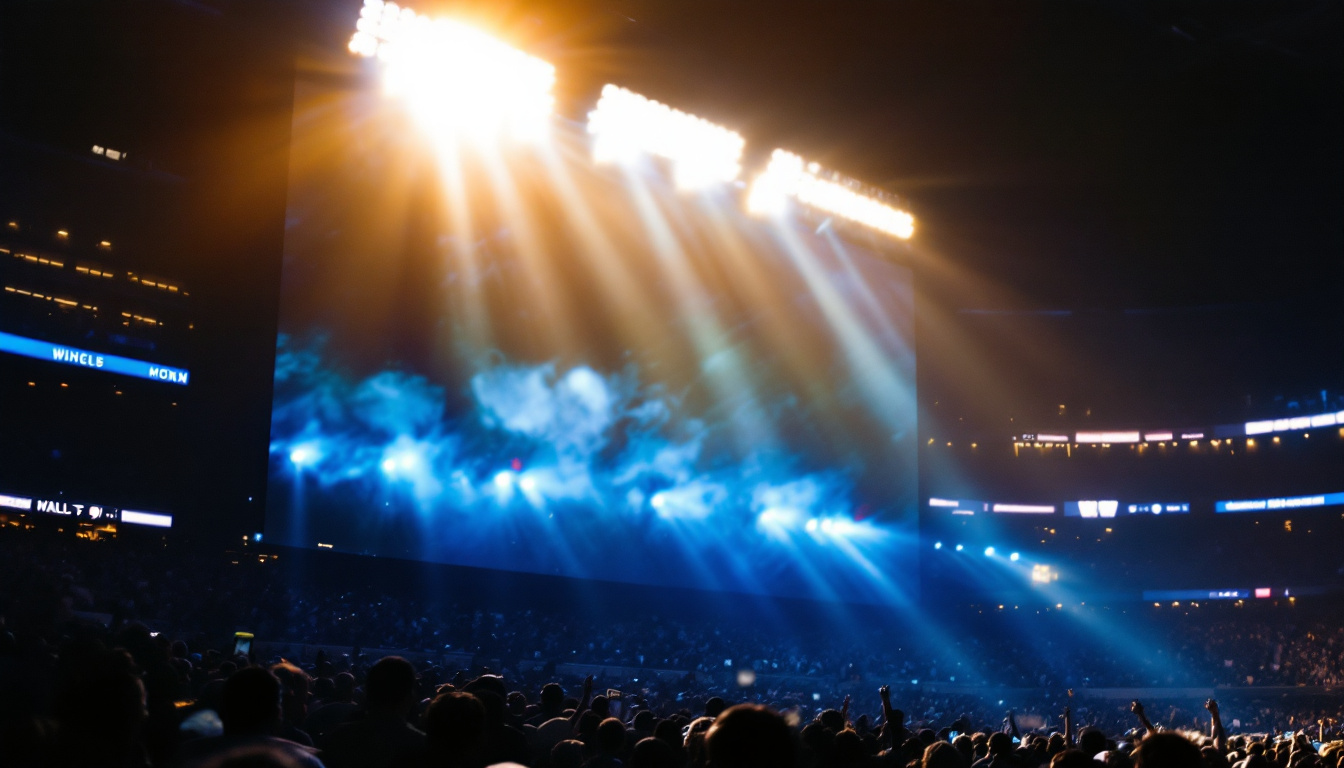
In today’s digital age, large monitors have become essential tools across various industries—from corporate offices and creative studios to control rooms and entertainment venues. Among the different types of large display technologies, LED displays stand out for their vibrant colors, energy efficiency, and versatility. This article delves into the world of large LED monitors, explaining how they work, their advantages, and what to consider when purchasing one.
Understanding LED Display Technology
LED, or Light Emitting Diode, technology has revolutionized the way large monitors are designed and used. Unlike traditional LCDs that rely on fluorescent backlighting, LED displays use tiny diodes that emit light when an electric current passes through them. This fundamental difference results in several performance and quality improvements.
How Do LED Displays Work?
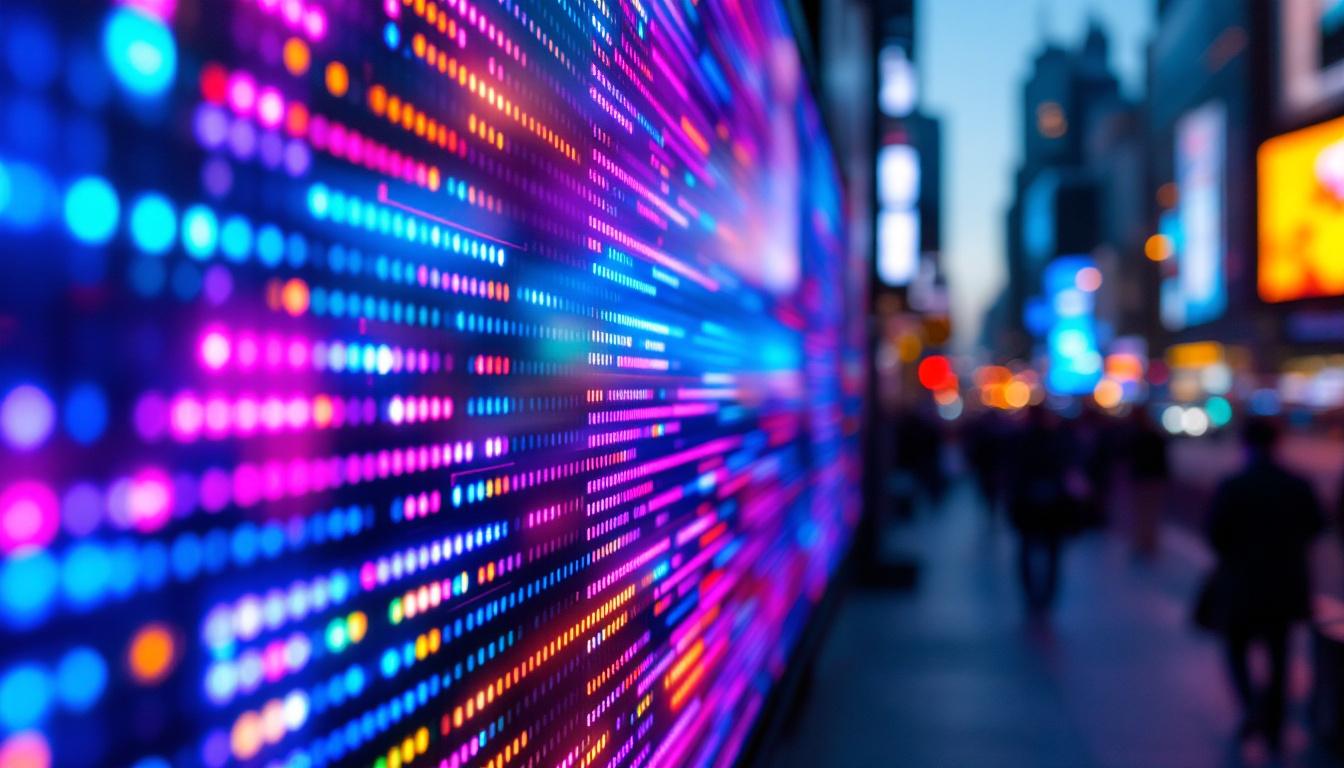
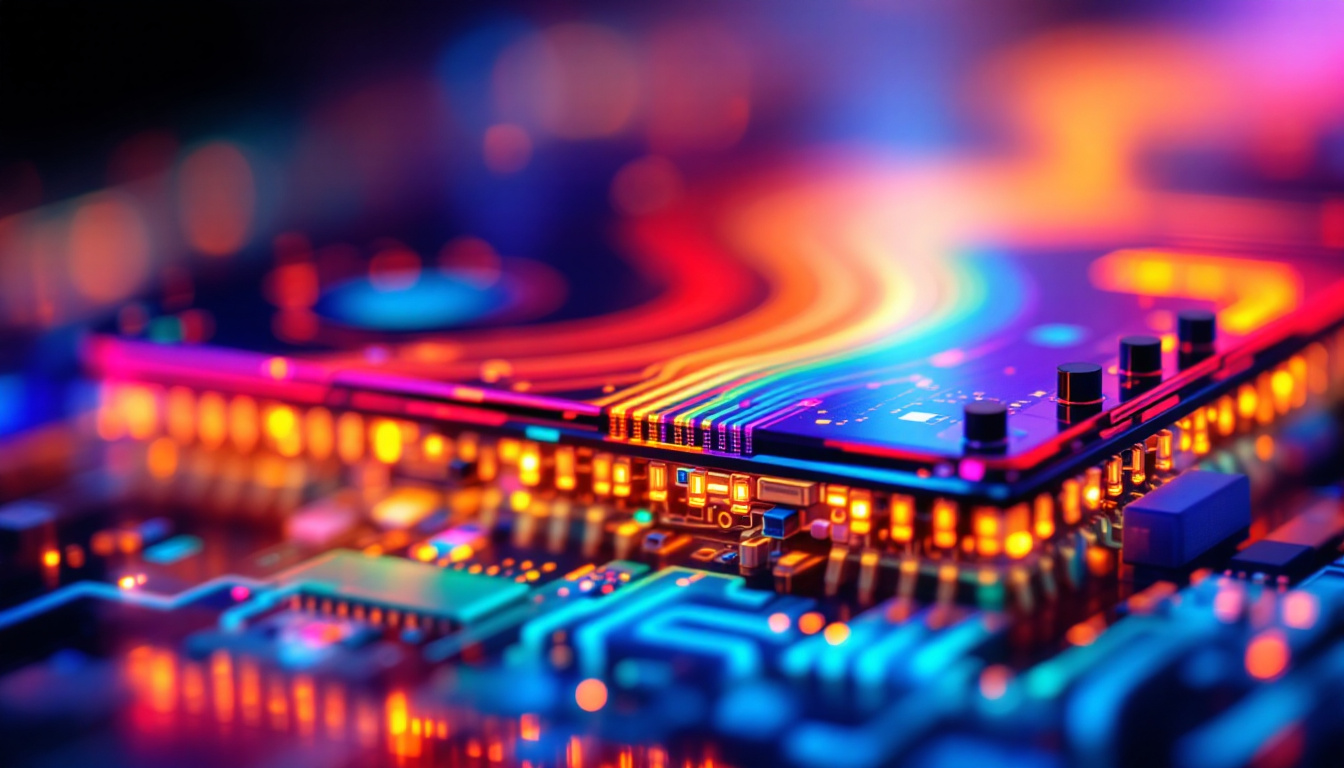
At the core of an LED display are millions of microscopic LEDs arranged in a grid. Each LED functions as a pixel or part of a pixel, emitting light in precise colors—red, green, and blue. By adjusting the intensity of these LEDs, the display produces a wide spectrum of colors, creating sharp and vivid images.
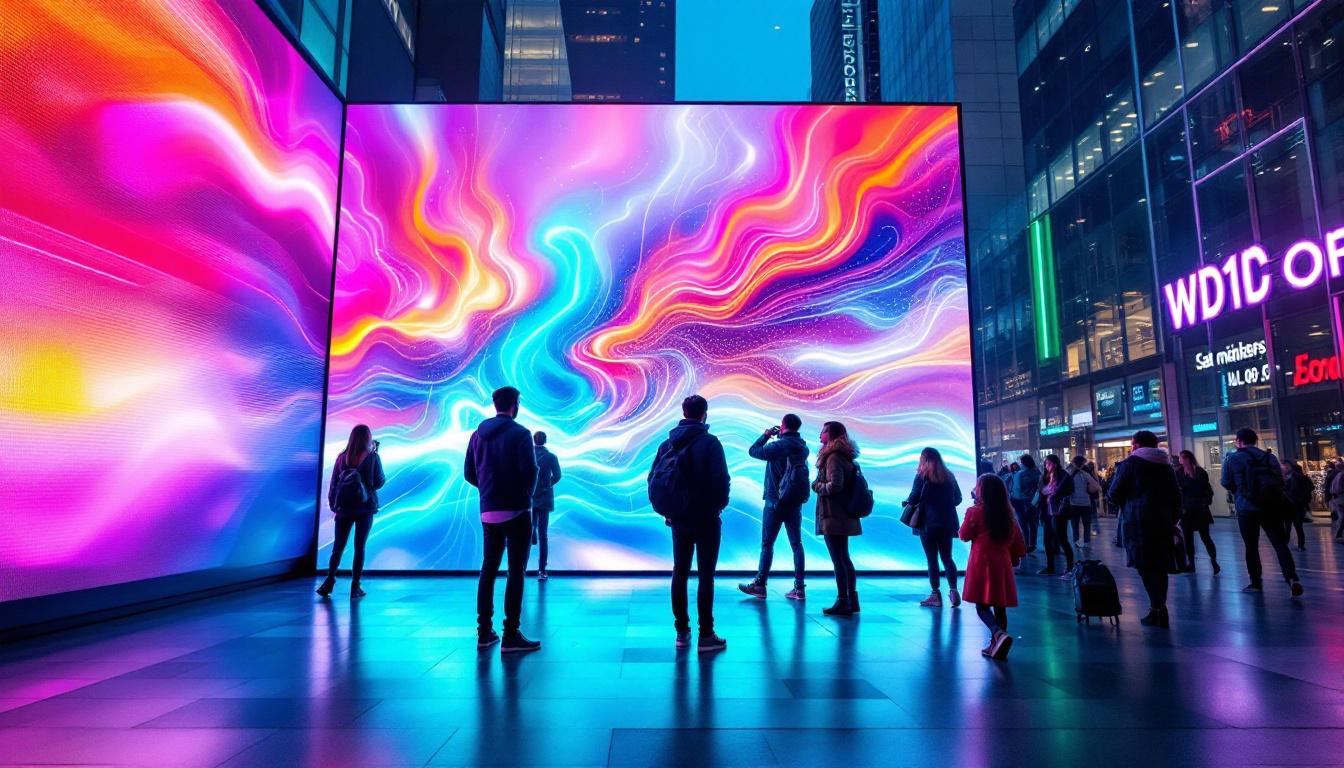
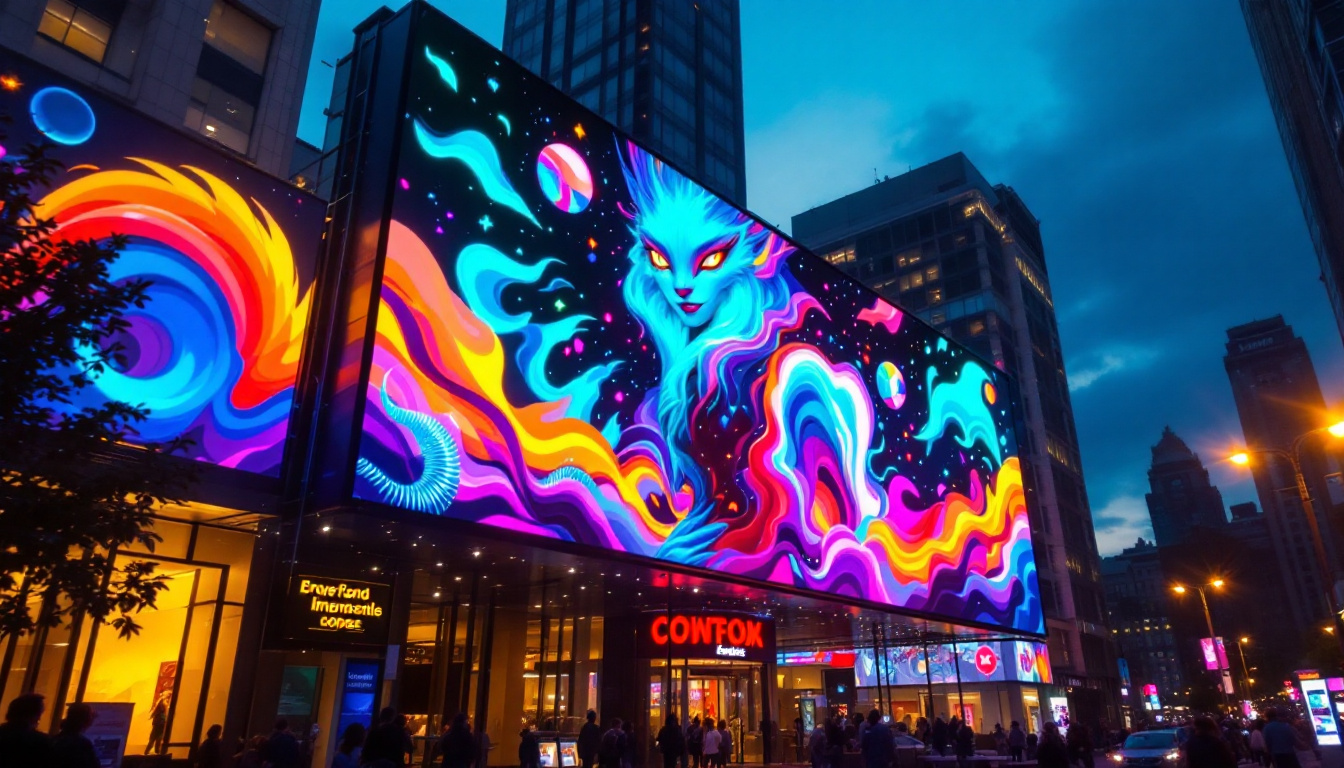
There are two main types of LED displays: direct-view LED and LED-backlit LCD. Direct-view LED displays use LEDs as the actual pixels, making them ideal for very large screens such as video walls and outdoor billboards. LED-backlit LCD monitors, on the other hand, use LEDs as a backlight source behind an LCD panel, improving brightness and contrast compared to older CCFL-backlit LCDs.
Types of LED Displays for Large Monitors
When shopping for large monitors, understanding the different LED display types is crucial. The two primary categories are:
- Direct-View LED Displays: These are composed entirely of LEDs that emit light directly. They offer exceptional brightness, wide viewing angles, and are highly durable—making them perfect for large-scale commercial and outdoor applications.
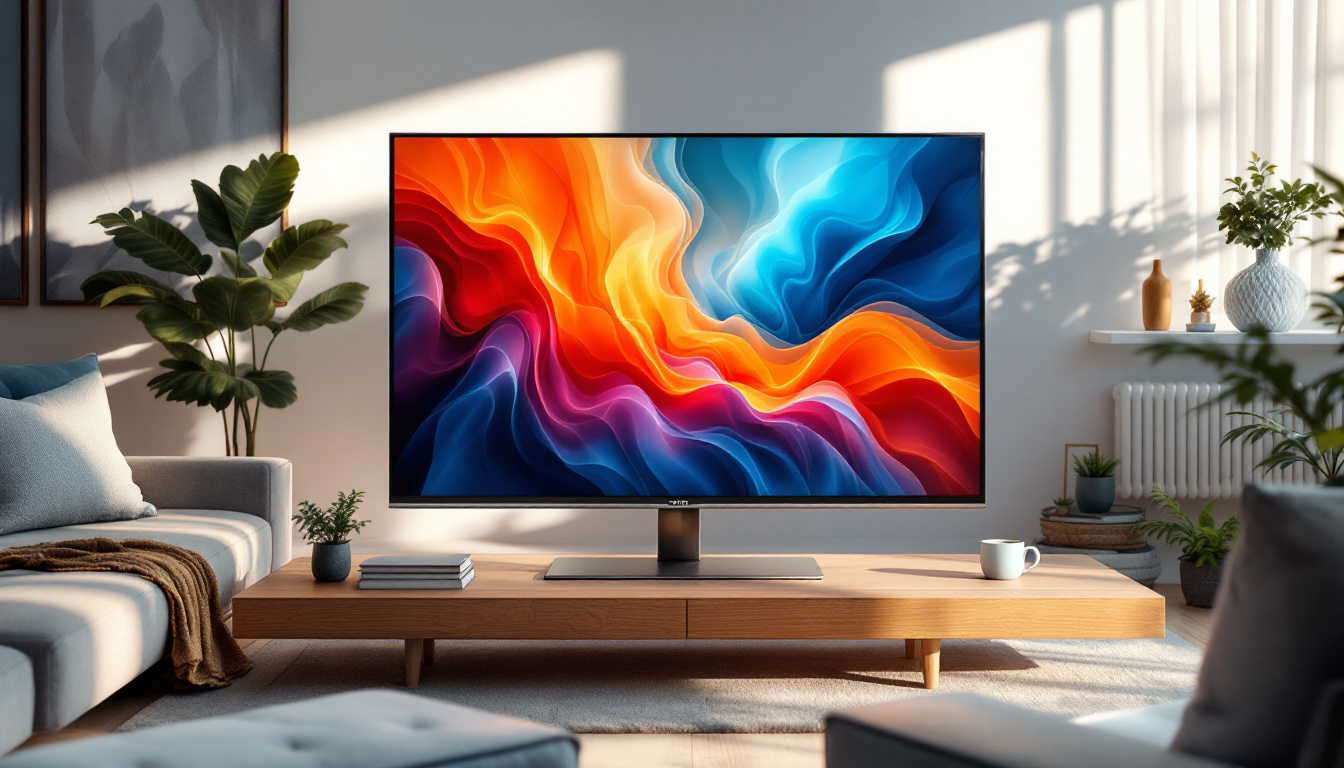
- LED-Backlit LCD Displays: These monitors use LEDs to illuminate an LCD panel. They are common in office and home settings, providing excellent image quality and energy efficiency at a more affordable price point.
In addition to these primary types, there are also variations within each category that cater to specific needs. For instance, some direct-view LED displays are designed with pixel pitches that allow for closer viewing distances, making them suitable for indoor environments like theaters and conference rooms. Conversely, outdoor direct-view LED displays are engineered to withstand harsh weather conditions, featuring protective coatings and enhanced brightness to combat sunlight glare.
Moreover, the advancements in LED technology have led to the emergence of features such as HDR (High Dynamic Range) capabilities, which enhance the contrast and color accuracy of images displayed on both direct-view and LED-backlit LCD monitors. This technology allows for a more immersive viewing experience, particularly in media-rich environments where visual fidelity is paramount. As a result, LED displays are increasingly becoming the go-to choice for broadcasters, event organizers, and digital signage applications, where clarity and vibrancy are essential.
Advantages of Large LED Monitors
Large LED monitors bring several benefits that make them a preferred choice for businesses and consumers alike. Their unique properties enhance both visual experience and operational efficiency.
Superior Image Quality and Brightness
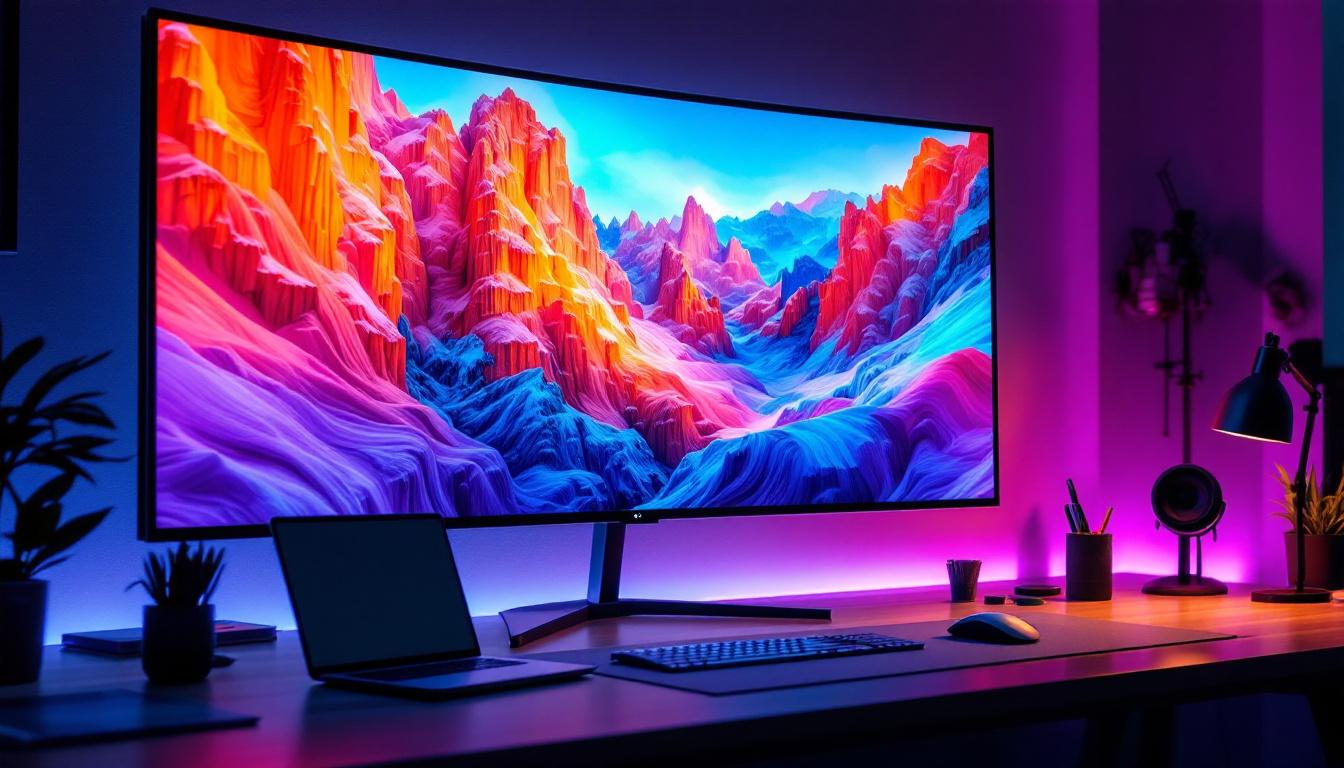
LED technology allows for higher brightness levels compared to traditional LCDs, which is especially important for large monitors used in well-lit environments. This means images remain clear and vibrant even under direct sunlight or bright indoor lighting. Additionally, LEDs provide better contrast ratios, delivering deeper blacks and more vivid colors. The enhanced color accuracy and wider color gamut available with LED technology also make these monitors ideal for graphic design, video editing, and other applications where precise color representation is crucial. Users can enjoy a more immersive viewing experience, whether they are watching movies, playing video games, or engaging in professional presentations.
Energy Efficiency and Longevity
LED displays consume less power than older display technologies, which translates to lower electricity bills and reduced environmental impact. Their longer lifespan—often exceeding 50,000 hours—also means less frequent replacements, making them a cost-effective investment over time. Furthermore, many large LED monitors are designed with energy-saving features, such as automatic brightness adjustment based on ambient light, which further enhances their efficiency. This not only benefits the bottom line for businesses but also aligns with corporate sustainability goals, appealing to environmentally conscious consumers and organizations.
Thin and Lightweight Design
Because LEDs are compact and do not require bulky backlighting components, large LED monitors tend to be thinner and lighter than their predecessors. This makes installation easier and allows for sleeker, more modern designs that fit well in any workspace or public setting. The lightweight nature of these displays also facilitates portability, making them suitable for events, trade shows, and temporary setups. Additionally, the minimalist design often incorporates advanced mounting solutions, allowing for versatile placement options, whether wall-mounted or freestanding, enhancing the overall aesthetic of the environment.
Flexibility and Scalability
Direct-view LED displays can be configured in various sizes and shapes, including curved and flexible panels. This adaptability is particularly useful for creating custom video walls or immersive environments in retail, entertainment, and control centers. Businesses can tailor their display configurations to suit specific needs, whether for advertising, information dissemination, or interactive experiences. The modular nature of many LED systems also allows for easy upgrades and expansions, ensuring that organizations can keep pace with evolving technology and audience expectations without the need for complete overhauls. This scalability not only maximizes investment but also provides a platform for innovative applications, such as augmented reality experiences and interactive installations.
Key Considerations When Buying Large LED Monitors
Choosing the right large LED monitor involves evaluating several factors to ensure it meets specific needs and budget constraints. Here are the most important considerations:
Resolution and Pixel Pitch
Resolution determines the clarity and detail of the displayed image. For large monitors, pixel pitch—the distance between the centers of two adjacent pixels—is a critical metric. A smaller pixel pitch means higher resolution and sharper images, which is vital for close viewing distances. For example, a pixel pitch of 1.5 mm or less is ideal for indoor monitors viewed up close, while outdoor displays can have larger pixel pitches, such as 4 mm or more, since viewers are typically farther away.
Brightness and Contrast Ratio
Brightness is measured in nits, and higher values are necessary for displays used in bright environments. A brightness of 1,000 nits or more is common for outdoor LED displays, while indoor monitors typically range between 300 and 600 nits. Contrast ratio affects how well the monitor can display dark and light areas simultaneously, enhancing image depth and realism.
Viewing Angle
Large monitors are often viewed from various angles, so wide viewing angles are essential to maintain consistent image quality. LED technology generally offers wide viewing angles, but it’s important to verify specifications, especially for applications like conference rooms or public displays.
Connectivity and Compatibility
Modern large monitors support multiple input types such as HDMI, DisplayPort, USB-C, and sometimes wireless connections. Ensuring compatibility with existing hardware and software systems is crucial for seamless integration. Some LED monitors also feature built-in media players or network connectivity for easier content management.
Durability and Maintenance
For outdoor or high-traffic environments, durability against weather, dust, and physical impact is vital. Look for monitors with IP ratings indicating water and dust resistance. Additionally, consider the ease of maintenance—modular designs allow for quick replacement of faulty LED panels without dismantling the entire display.
Price and Warranty
Large LED monitors represent a significant investment. Prices vary widely based on size, resolution, brightness, and additional features. It’s wise to balance cost with quality and after-sales support. A robust warranty and responsive customer service can save time and money in the long run.
Popular Applications of Large LED Monitors
Large LED monitors are versatile tools that enhance communication, entertainment, and operational efficiency across many sectors. Understanding their common uses can help buyers select the right model for their needs.
Corporate and Conference Rooms
In corporate environments, large LED monitors facilitate presentations, video conferencing, and collaborative work. Their high resolution and brightness ensure that content is clear to all participants, even in large meeting rooms.
Retail and Advertising
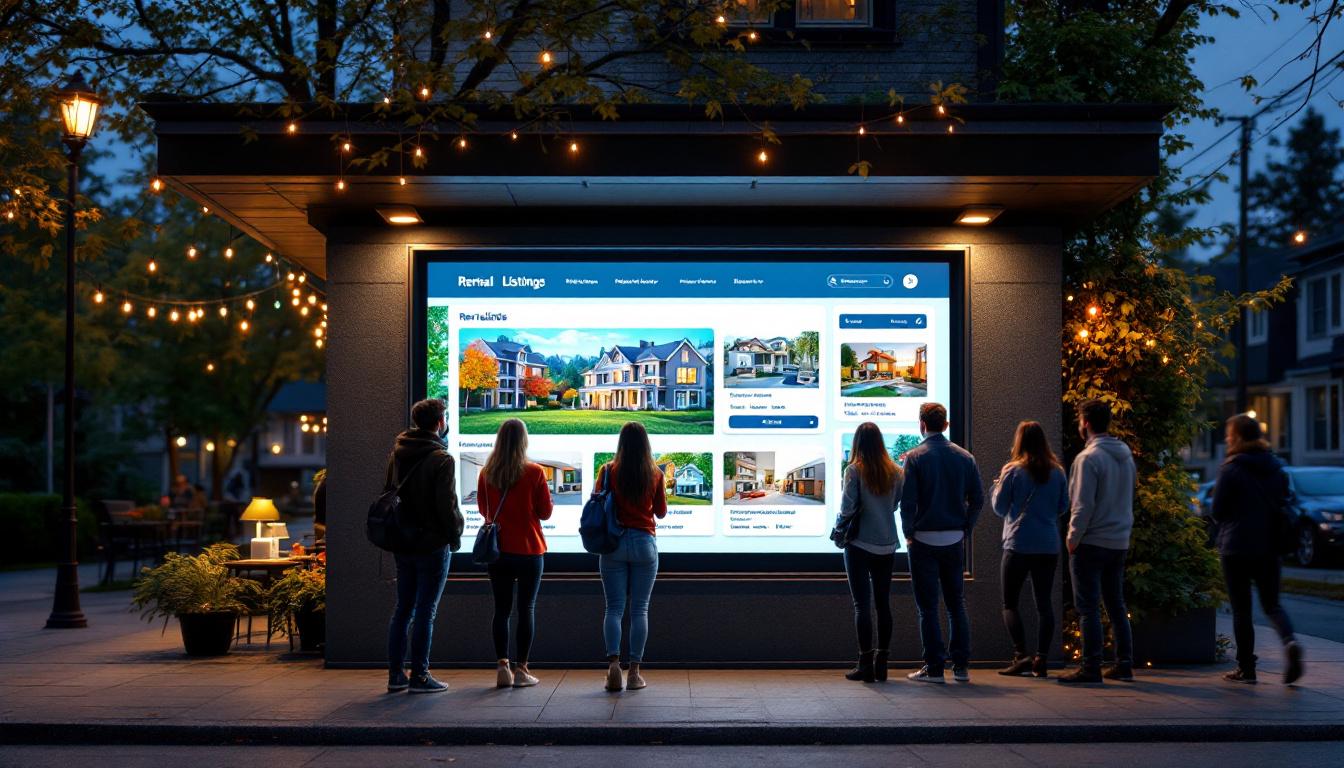
Retailers use large LED displays to attract customers with dynamic advertisements and promotions. The ability to display vivid, eye-catching content in various lighting conditions makes LED monitors invaluable for storefronts and shopping malls.
Broadcast and Control Centers
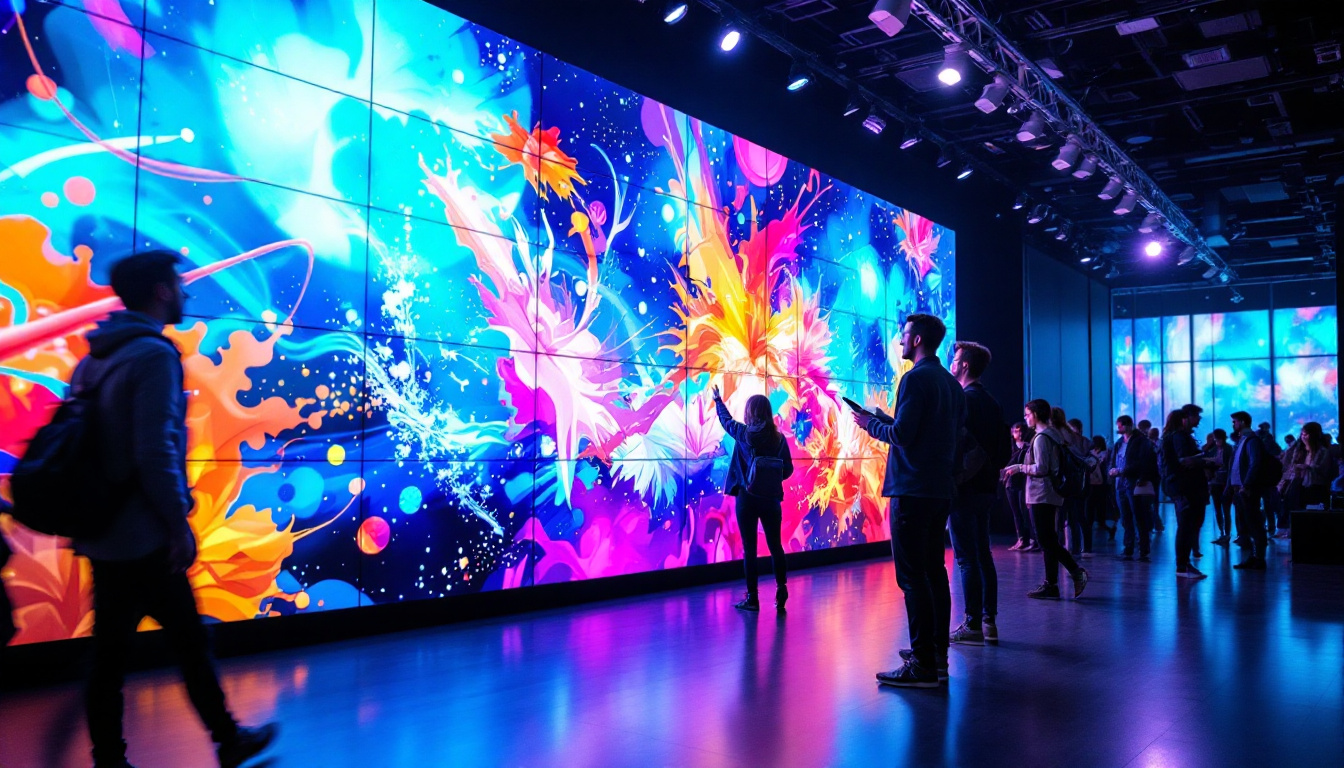
Newsrooms, security monitoring centers, and traffic control rooms rely on large LED video walls to display multiple data streams simultaneously. The scalability and reliability of LED technology support continuous operation and quick information access.
Entertainment and Events
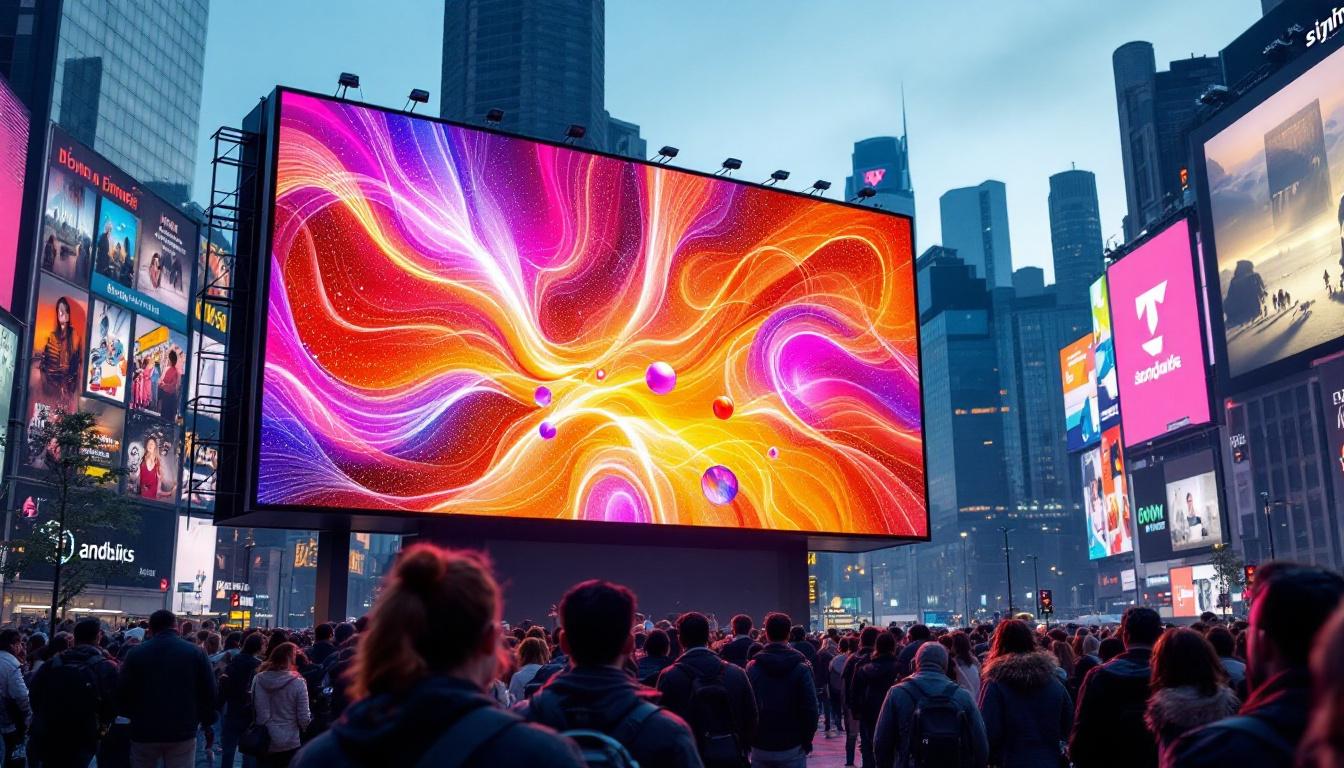
Concerts, sports arenas, and theaters utilize massive LED screens to enhance the audience experience. These displays provide bright, clear visuals that can be seen from great distances, supporting live broadcasts, replays, and interactive content.
Education and Training
Universities and training centers employ large LED monitors for lectures, demonstrations, and interactive learning. Their sharp images and wide viewing angles accommodate large classrooms and auditoriums.
Tips for Finding Large Monitors for Sale
With the growing demand for large LED monitors, numerous suppliers and manufacturers offer a wide range of options. Here are some tips to navigate the market effectively:
Research Reputable Brands and Vendors
Choose manufacturers known for quality and innovation in LED technology. Reading customer reviews and industry reports can provide insights into product reliability and vendor support.
Compare Specifications Carefully
Don’t focus solely on size and price. Compare resolution, brightness, refresh rate, and connectivity options to ensure the monitor suits your specific application.
Request Demonstrations or Samples
If possible, view the monitors in person or request demo units. Seeing the display firsthand helps assess image quality, color accuracy, and overall performance.
Consider Future-Proofing
Technology evolves rapidly. Investing in a monitor with upgradable components or modular design can extend its useful life and protect your investment.
Check for Warranty and Support Services
A comprehensive warranty and accessible technical support are essential for minimizing downtime and addressing any issues promptly.
Conclusion
Large LED monitors represent a powerful combination of cutting-edge technology, visual excellence, and practical versatility. Whether for corporate presentations, retail advertising, or immersive entertainment, understanding the fundamentals of LED displays helps buyers make informed decisions. By considering factors such as resolution, brightness, durability, and application requirements, it’s possible to find the perfect large monitor that delivers exceptional performance and long-term value.
As LED technology continues to advance, the range of options and capabilities for large monitors will only expand, offering even more opportunities to enhance visual communication and engagement across industries.
Discover LumenMatrix’s Innovative LED Solutions
Ready to elevate your visual experience with the latest in LED display technology? LumenMatrix offers a comprehensive range of LED display modules tailored to your unique needs. From vibrant Indoor and Outdoor LED Wall Displays to dynamic Vehicle and Sports LED Displays, and even customizable solutions like Floor and Transparent LED Displays, LumenMatrix is at the forefront of innovation. Embrace the future of visual communication with our All-in-One LED Display solutions that promise to captivate your audience and amplify your message. Check out LumenMatrix LED Display Solutions today and transform your space into a mesmerizing visual journey.