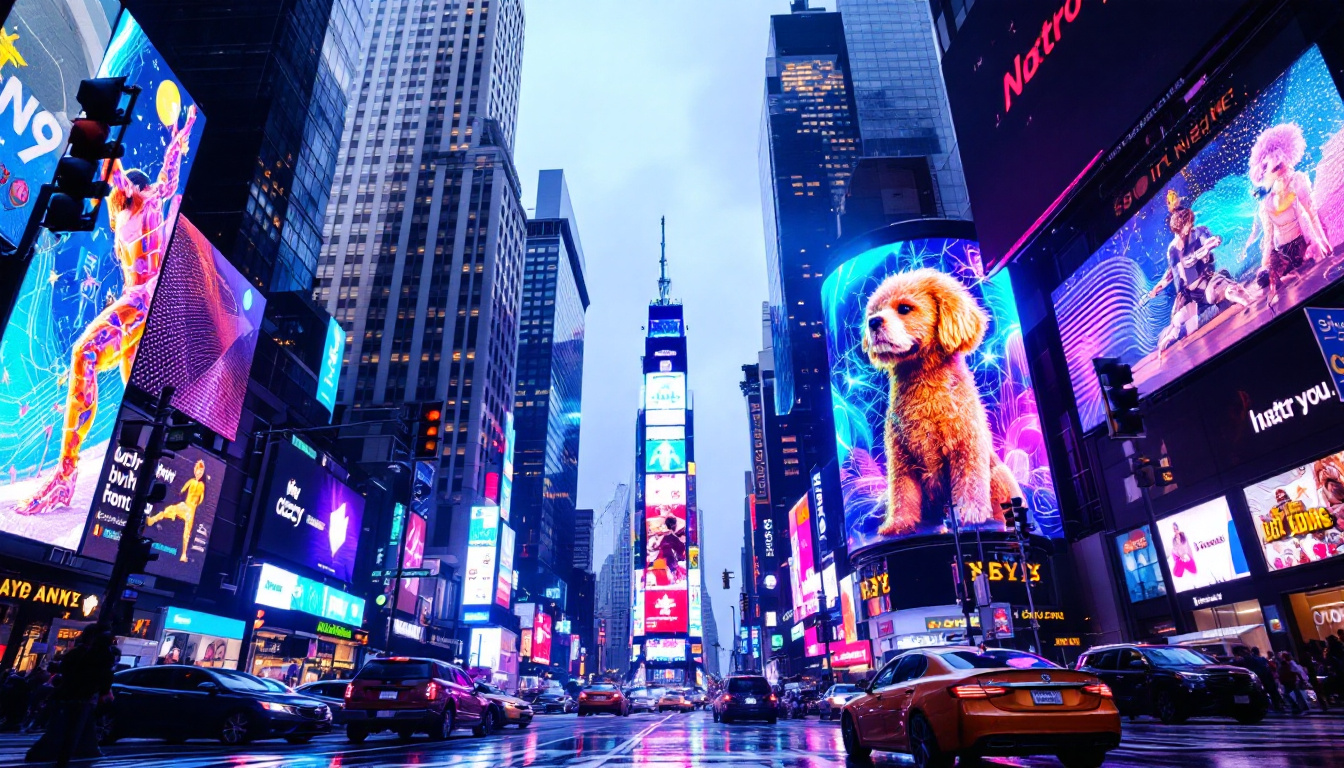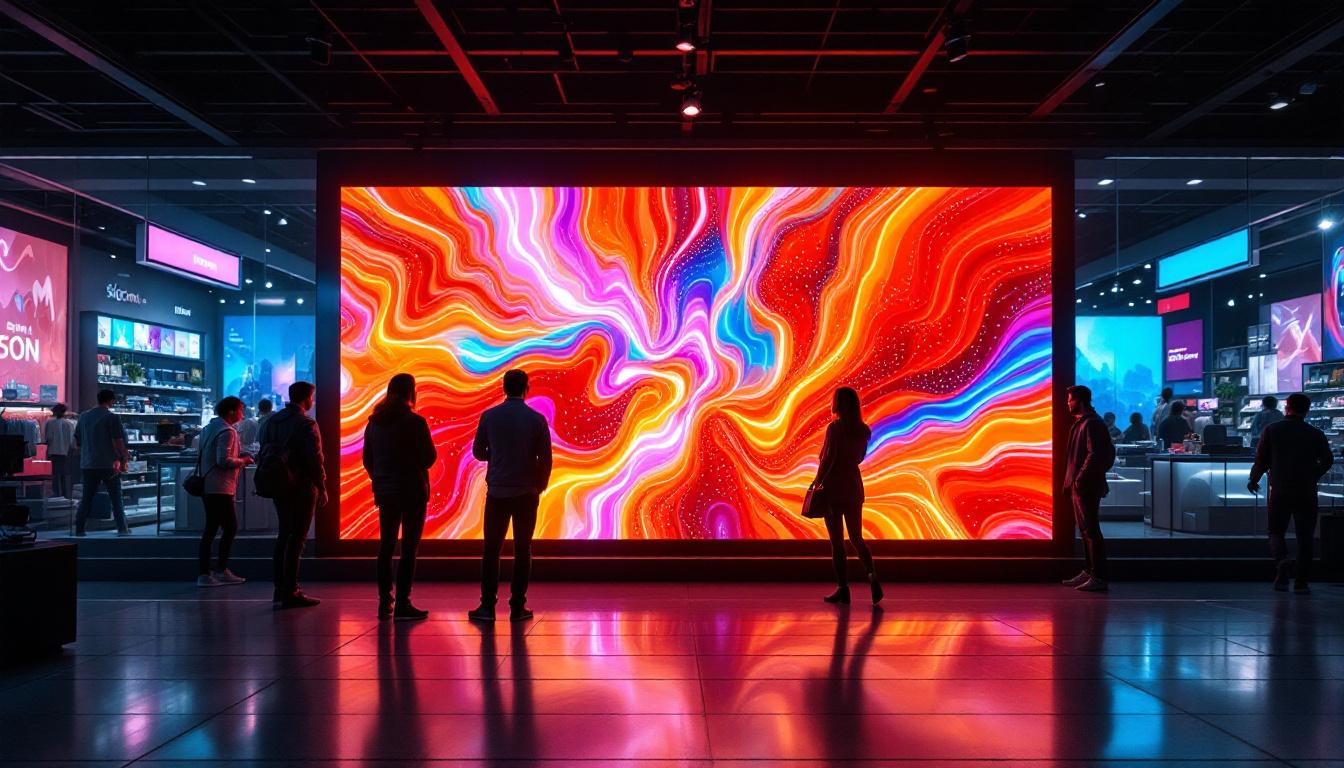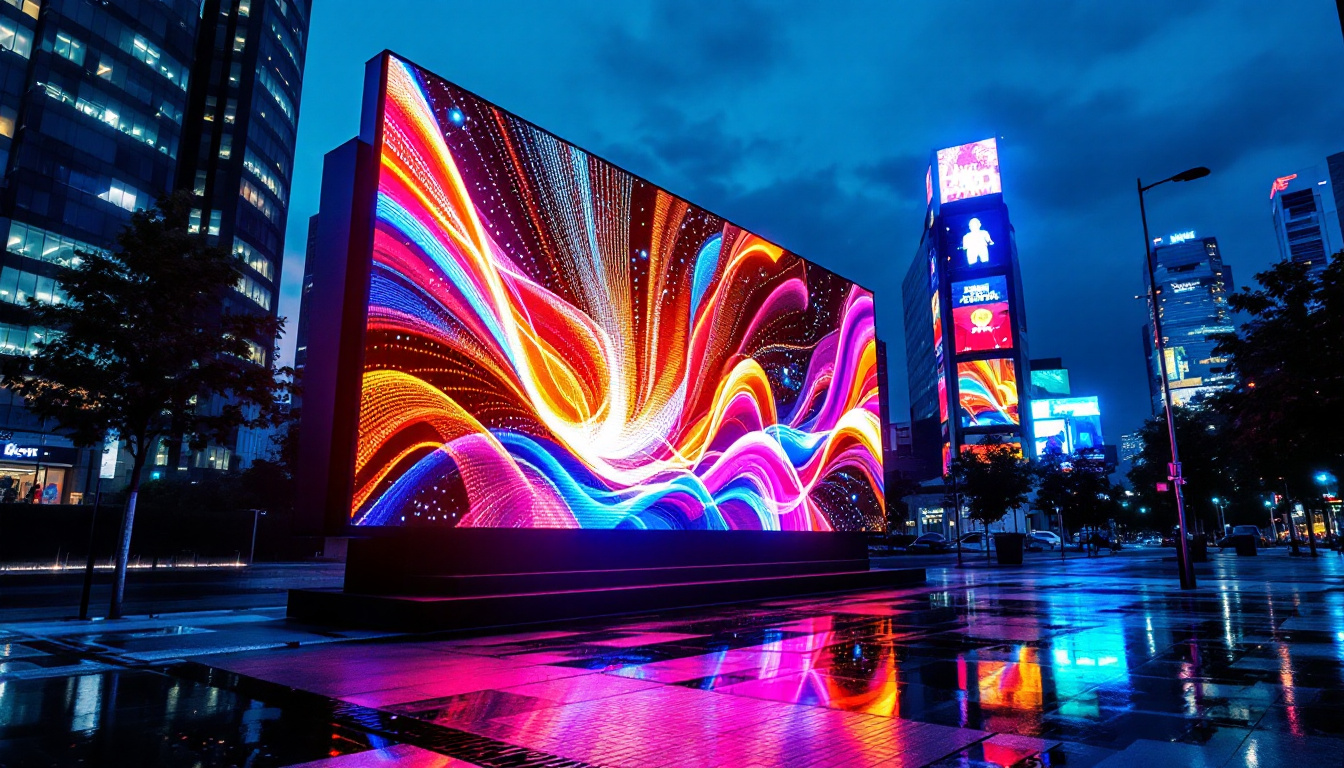
In the age of digital communication and advertising, LED displays have become a ubiquitous part of urban landscapes, retail environments, and public information systems. Among the various types of digital signage, the term “marquee” frequently appears, often causing some confusion about its exact meaning and application. This article provides a comprehensive exploration of what a marquee is in the context of LED displays, its history, technological aspects, and practical uses in today’s world.
Understanding the Marquee: Definition and Origins
The word “marquee” traditionally refers to a large tent used for social or commercial functions. However, in the realm of digital signage, a marquee is a type of display that scrolls text or graphics horizontally or vertically, often used to convey messages in a continuous loop. This scrolling effect mimics the classic theater or cinema marquees that displayed movie titles and showtimes.
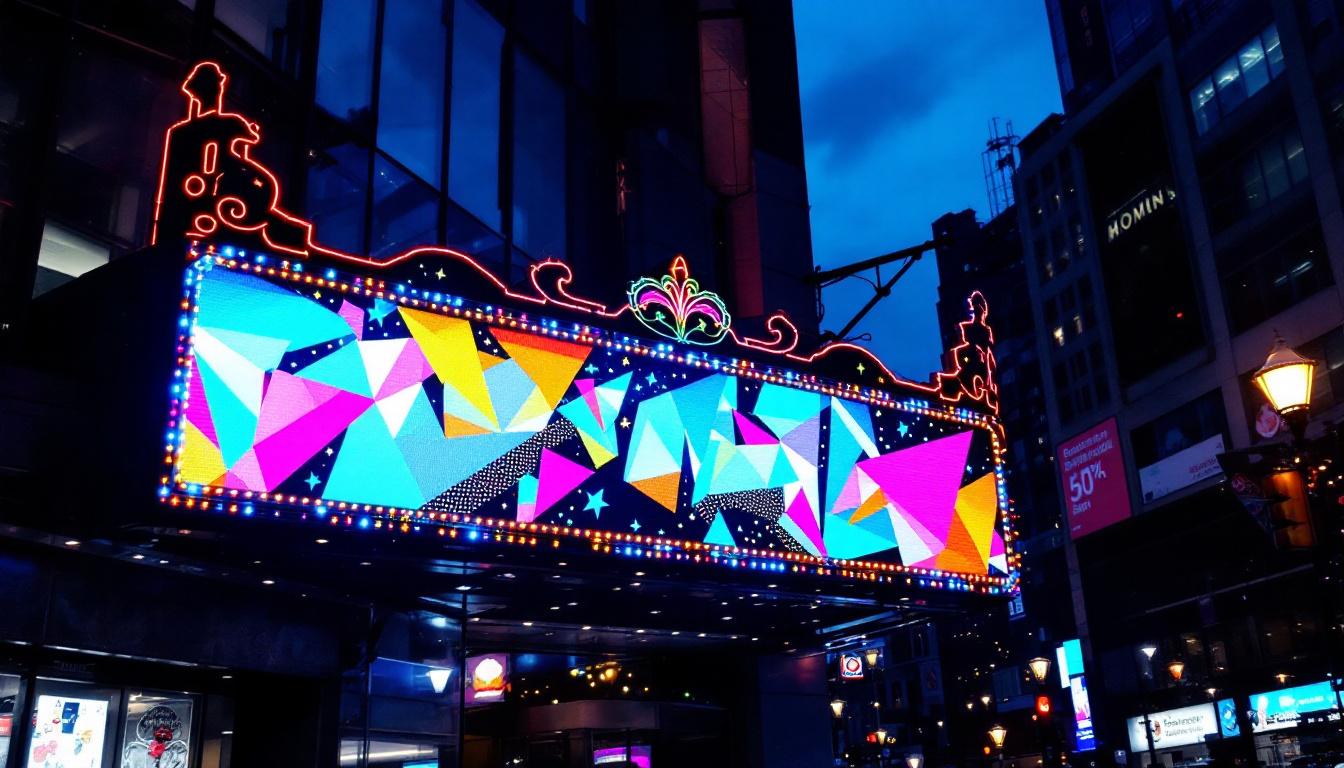
Historically, marquees were physical structures with illuminated letters, often found outside theaters, hotels, or event venues. With the advent of digital technology, these evolved into electronic displays capable of dynamic content presentation, including text, images, and video. The LED marquee, in particular, has become a popular choice due to its brightness, energy efficiency, and versatility.
From Neon Lights to LED Technology
Before LED displays, neon signs dominated the marquee space. Neon offered vibrant colors and visibility at night but had limitations in terms of flexibility and maintenance. LED (Light Emitting Diode) technology revolutionized this field by providing a more durable, energy-efficient, and programmable solution. LEDs can be arranged in matrices to create high-resolution displays that are readable from great distances and in various lighting conditions.
Moreover, the shift from neon to LED has also impacted the aesthetics of signage. While neon signs often had a retro charm, LED technology allows for a broader spectrum of colors and effects, enabling creative designs that can change with the seasons or special events. This adaptability has made LED marquees a favorite not only for theaters but also for businesses looking to attract attention with eye-catching advertisements. The integration of smart technology has further enhanced these displays, allowing for real-time updates and interactive content that engages audiences more effectively than ever before.
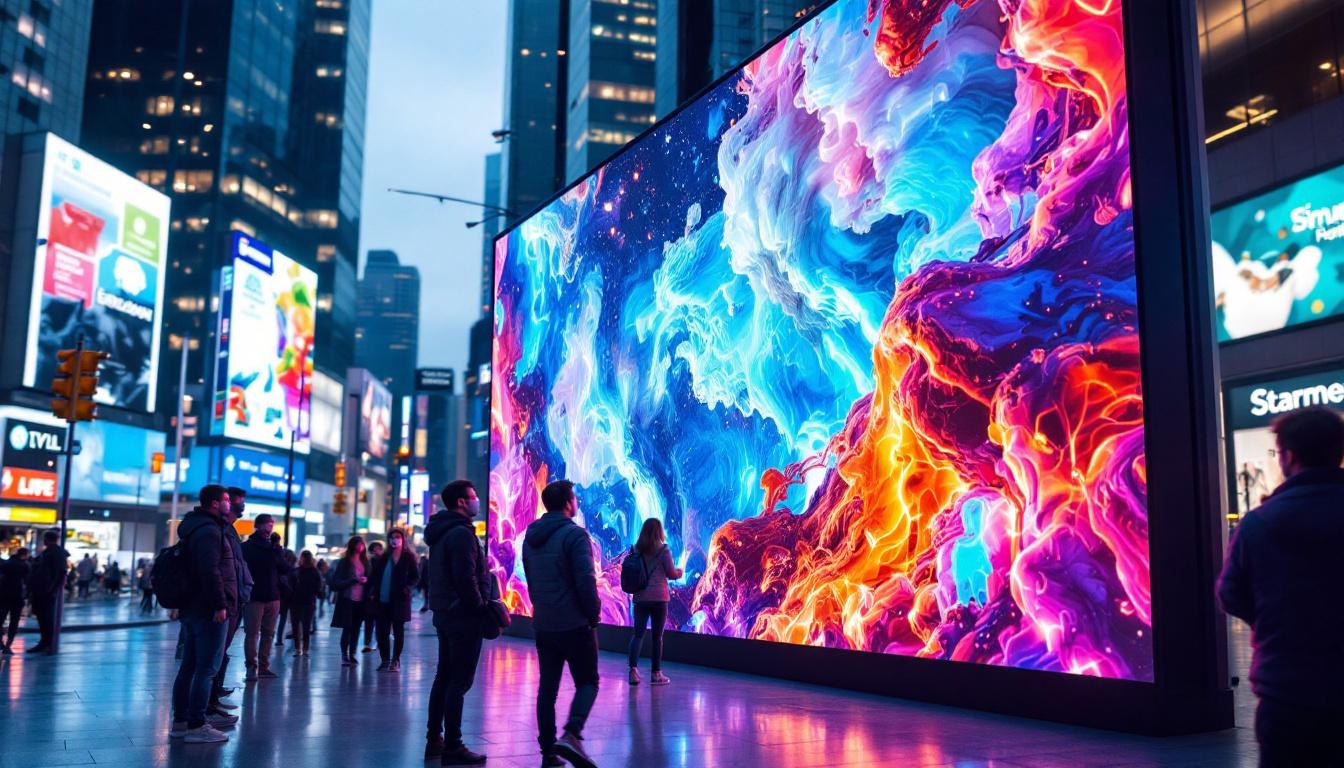
In addition to their commercial applications, LED marquees have found a place in public spaces, such as parks and stadiums, where they serve as information hubs. These displays can provide vital information about events, weather updates, or emergency announcements, making them invaluable in urban settings. As technology continues to advance, the potential uses for marquees will likely expand, integrating with augmented reality and other digital innovations to create immersive experiences that captivate audiences in new and exciting ways.
Technical Aspects of LED Marquee Displays
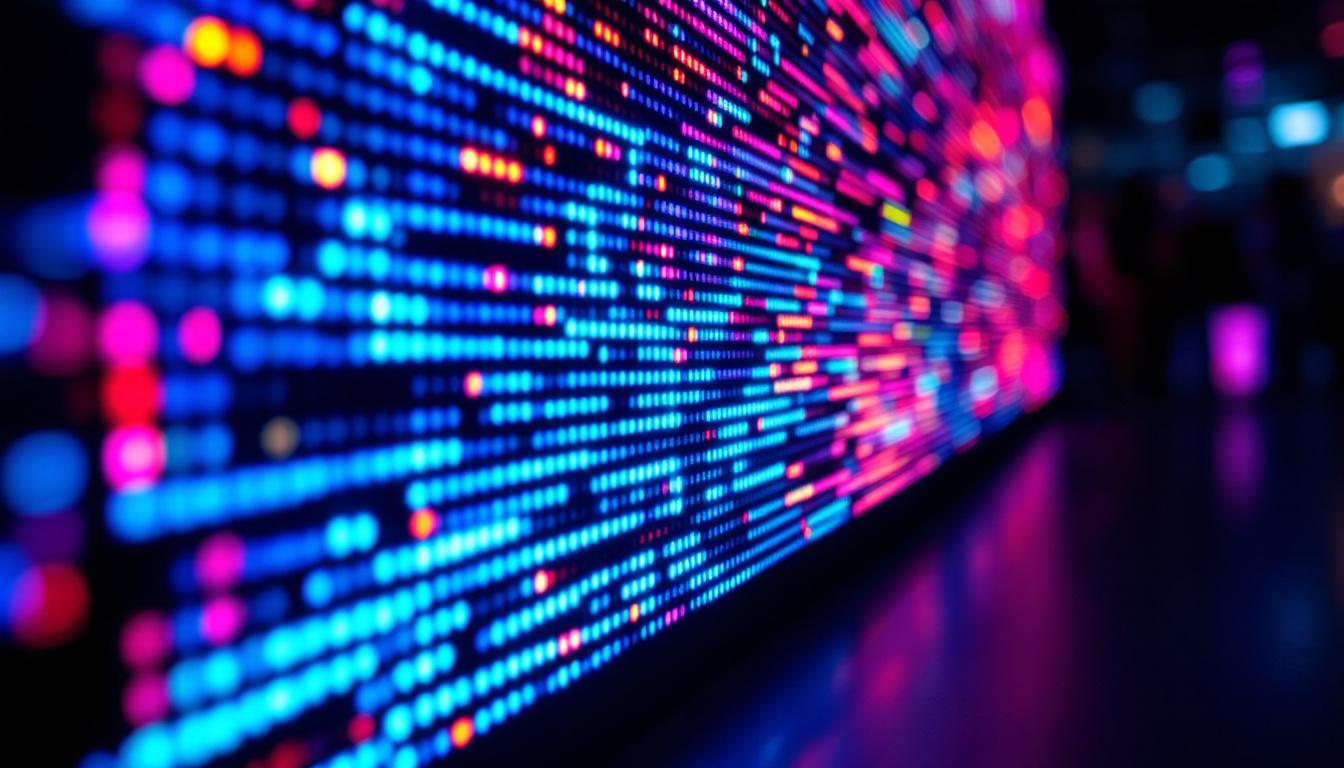
LED marquee displays are composed of numerous tiny LEDs arranged in a grid. These LEDs can be individually controlled to display characters, symbols, or animations. The key technical components and features include:
Pixel Pitch and Resolution
Pixel pitch refers to the distance between the centers of two adjacent LEDs. It directly influences the display’s resolution and clarity. A smaller pixel pitch means higher resolution and sharper images, which is essential for close viewing distances. For example, a marquee with a 4mm pixel pitch is suitable for indoor use, while a 10mm or larger pitch is common for outdoor marquees where viewers are farther away. Additionally, advancements in technology have led to the development of ultra-fine pixel pitch displays, which can achieve pixel pitches as small as 1mm. These displays are becoming increasingly popular in high-end applications, such as control rooms and high-resolution video walls, where detail and clarity are paramount.
Brightness and Visibility
One of the defining characteristics of LED marquees is their brightness. Outdoor LED marquees often have brightness levels exceeding 5,000 nits, ensuring visibility even in direct sunlight. Indoor marquees typically require lower brightness levels but still need to be bright enough to attract attention without causing glare. Furthermore, many modern LED displays come equipped with automatic brightness adjustment features that utilize ambient light sensors. This technology allows the display to adapt its brightness based on the surrounding light conditions, ensuring optimal visibility at all times while also conserving energy during low-light periods.
Color and Content Flexibility
Modern LED marquees support full-color displays, allowing businesses and organizations to use vibrant graphics alongside scrolling text. This flexibility enhances the marquee’s ability to communicate effectively and attract viewers. Content can be updated remotely and scheduled to change at specific times, making it a dynamic communication tool. Additionally, many LED marquee systems now support advanced content management software that enables users to create and manage complex multimedia presentations. This software often includes features such as real-time data feeds, social media integration, and interactive content capabilities, allowing businesses to engage their audience in innovative ways. The ability to incorporate video clips, animations, and even live feeds makes these displays not just informative, but also entertaining, capturing the attention of passersby in a crowded marketplace.
Applications of LED Marquee Displays
LED marquees serve a wide range of purposes across different industries and settings. Their ability to deliver real-time information and promotional content makes them invaluable in many contexts.
Retail and Commercial Use
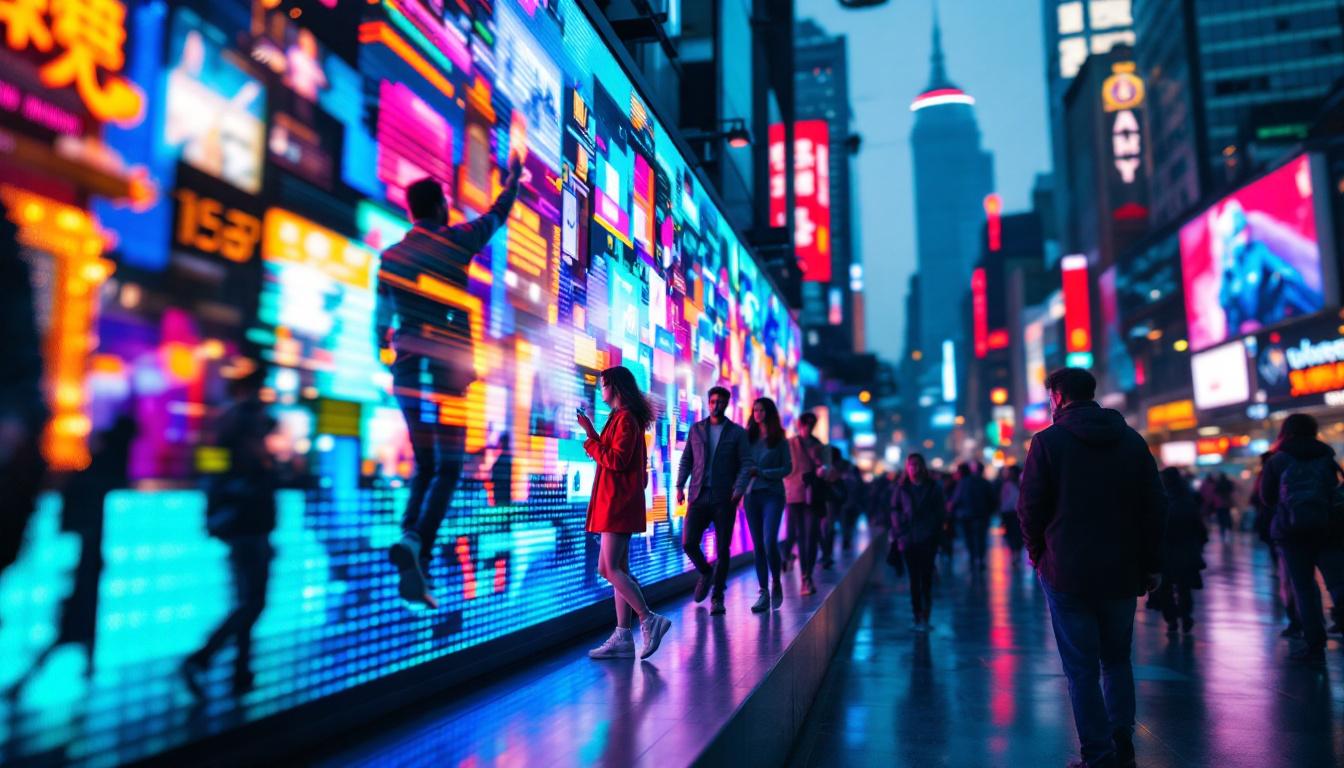
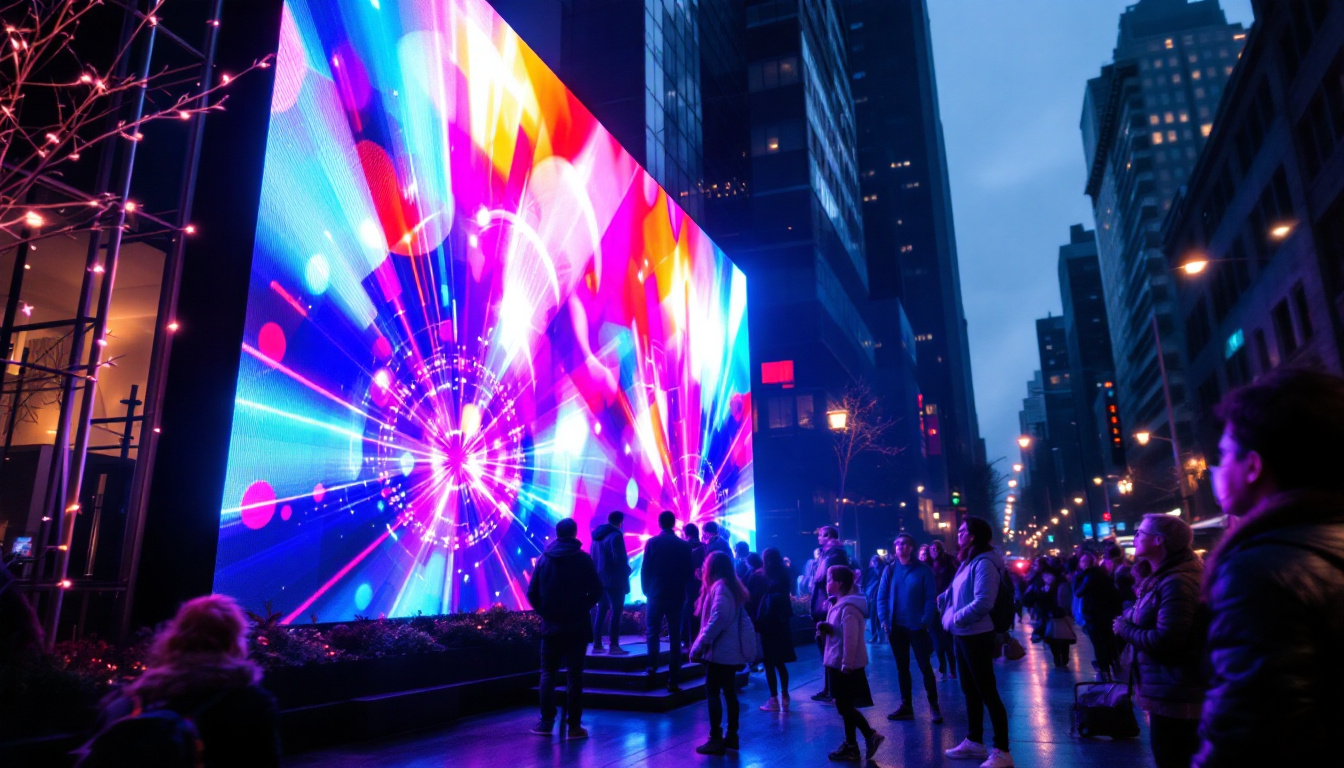
Retailers use LED marquees to promote sales, new products, and store hours. The scrolling text format is ideal for delivering multiple messages in a limited space, catching the eye of passersby. In fast-paced urban areas, where competition for attention is fierce, a bright, dynamic marquee can significantly enhance a store’s visibility and customer engagement.
Transportation and Public Information
Transit authorities employ LED marquees at bus stops, train stations, and airports to provide real-time updates on schedules, delays, and safety information. The ability to change messages instantly is crucial for managing passenger flow and improving the overall travel experience. For example, LED marquees in subway stations often display scrolling alerts during service interruptions, helping commuters stay informed.
Entertainment and Events
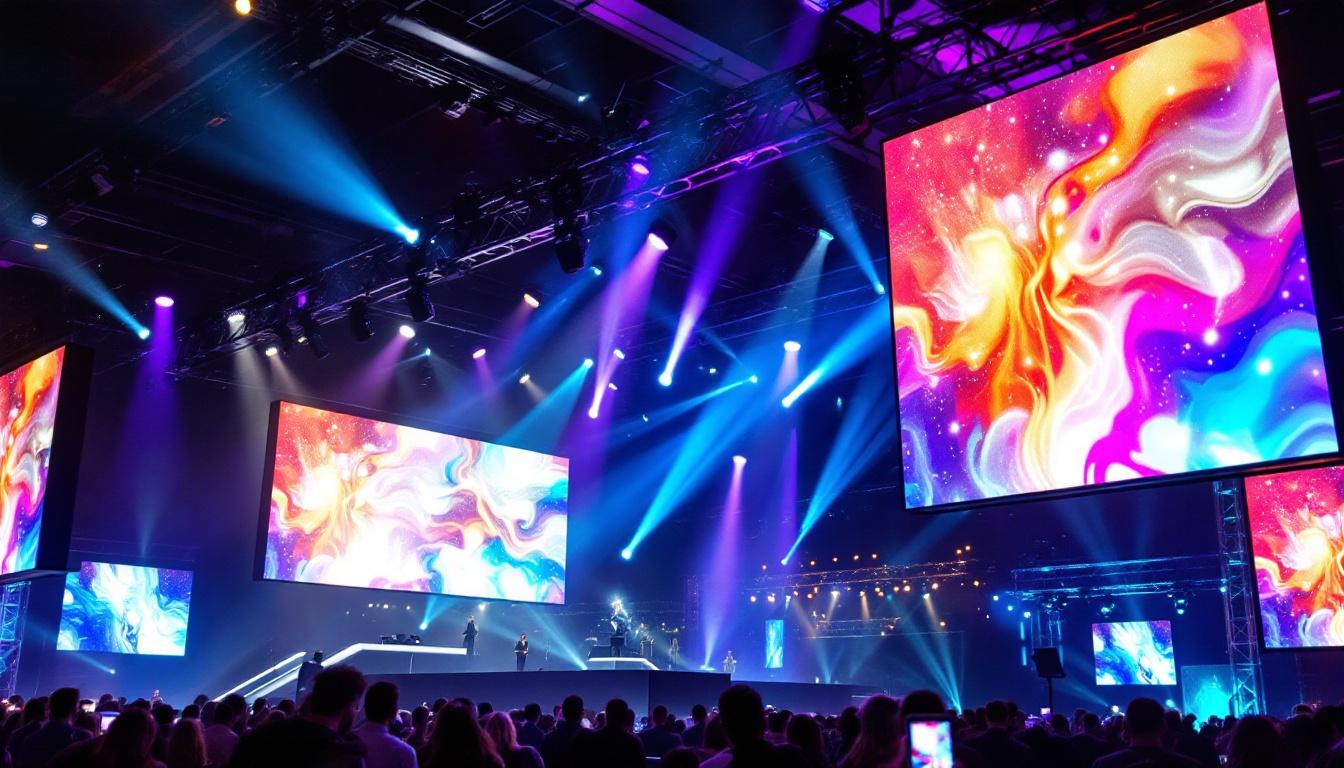
The entertainment industry continues to use marquees, particularly outside theaters, concert venues, and sports arenas. Digital LED marquees can display event schedules, ticket availability, and promotional content, enhancing the venue’s branding and customer experience. Additionally, event organizers use portable LED marquees to direct attendees and provide live updates during festivals and conferences.
Benefits of LED Marquee Displays
Choosing an LED marquee display offers several advantages over traditional signage methods, making it a preferred choice for many organizations.
Energy Efficiency and Longevity
LED technology is known for its low power consumption compared to incandescent or neon lighting. This efficiency translates into lower operating costs, especially for displays that operate for extended hours. Furthermore, LEDs have a long lifespan, often exceeding 50,000 hours, reducing maintenance and replacement expenses.
Dynamic and Customizable Content
Unlike static signs, LED marquees can display multiple messages, images, and animations in a loop or on demand. This dynamic capability allows businesses to tailor their communications to different times of day, special events, or promotional campaigns. Remote content management systems enable quick updates without the need for physical intervention.
Enhanced Audience Engagement
The movement and brightness of scrolling LED marquees naturally draw attention. Studies in visual marketing show that dynamic signage can increase message retention and customer interaction. For instance, a retail store using an LED marquee reported a 30% increase in foot traffic after installing the display, highlighting its impact on consumer behavior.
Considerations When Choosing an LED Marquee
While LED marquees offer many benefits, selecting the right display requires careful consideration of several factors to ensure it meets specific needs and budget constraints.
Location and Viewing Distance
The intended installation site greatly influences the choice of pixel pitch, brightness, and size. Outdoor locations exposed to sunlight require higher brightness and weather-resistant enclosures. Viewing distance determines the pixel pitch; closer viewers need finer resolution for readability.
Content Management and Software
Effective use of an LED marquee depends on the ease of updating and scheduling content. Many manufacturers provide proprietary software or support third-party platforms that allow users to design and deploy messages from desktop or mobile devices. Compatibility with existing IT infrastructure and user-friendliness are important considerations.
Budget and Return on Investment
Initial costs for LED marquees can vary widely based on size, resolution, and features. However, the long-term savings from energy efficiency and increased customer engagement often justify the investment. Organizations should evaluate potential ROI by considering factors such as increased sales, improved communication, and brand visibility.
The Future of LED Marquee Displays
As LED technology continues to advance, the capabilities and applications of marquee displays are expanding. Innovations such as higher resolution panels, flexible and transparent LEDs, and integration with IoT (Internet of Things) devices are shaping the future of digital signage.
Integration with Smart Technologies
Future LED marquees will increasingly incorporate sensors and AI-driven content management systems. These systems can adjust brightness based on ambient light, tailor messages according to audience demographics, and even interact with mobile devices to deliver personalized promotions. Such smart marquees promise to enhance user engagement and operational efficiency.
Sustainability and Environmental Impact
With growing emphasis on sustainability, manufacturers are developing LED displays that use recyclable materials and consume even less power. Solar-powered LED marquees are becoming more common, particularly in remote or off-grid locations, reducing environmental footprints while maintaining high visibility.
Conclusion
LED marquees represent a powerful evolution in digital signage, combining the nostalgic appeal of traditional scrolling signs with cutting-edge technology. Their ability to deliver bright, dynamic, and customizable content makes them indispensable in retail, transportation, entertainment, and many other sectors. Understanding the technical details, applications, and benefits of LED marquee displays enables businesses and organizations to leverage this technology effectively, enhancing communication and engagement in an increasingly digital world.
Discover LumenMatrix LED Display Solutions
Ready to elevate your visual communication and captivate your audience with unparalleled clarity? LumenMatrix, a leader in LED display innovation, offers a diverse range of cutting-edge solutions tailored to your needs. From vibrant Indoor and Outdoor LED Wall Displays to dynamic Vehicle and Sports LED Displays, and even customizable options like Floor, Custom, and All-in-One LED Displays, we have the technology to transform your space. Experience the future of digital signage with our LED Transparent Displays and revolutionize the way you engage with your audience. Don’t miss out on the opportunity to enhance your brand’s visibility. Check out LumenMatrix LED Display Solutions today and share your message with the world like never before.