Outdoor projectors have revolutionized the way people experience movies, presentations, and events beyond the confines of indoor spaces. Whether it’s a backyard movie night, a corporate event, or a public screening, the demand for bright, clear, and durable projection solutions continues to grow. Among the various technologies available, LED display projectors stand out for their brightness, energy efficiency, and longevity.
This article delves into the intricacies of bright outdoor projectors with a focus on LED display technology. It explains how LED projectors work, their advantages over traditional projectors, and what to consider when choosing one for outdoor use. By the end, readers will have a comprehensive understanding of why LED projectors are becoming the preferred choice for outdoor projection.
Understanding LED Display Technology in Projectors
What is an LED Display Projector?
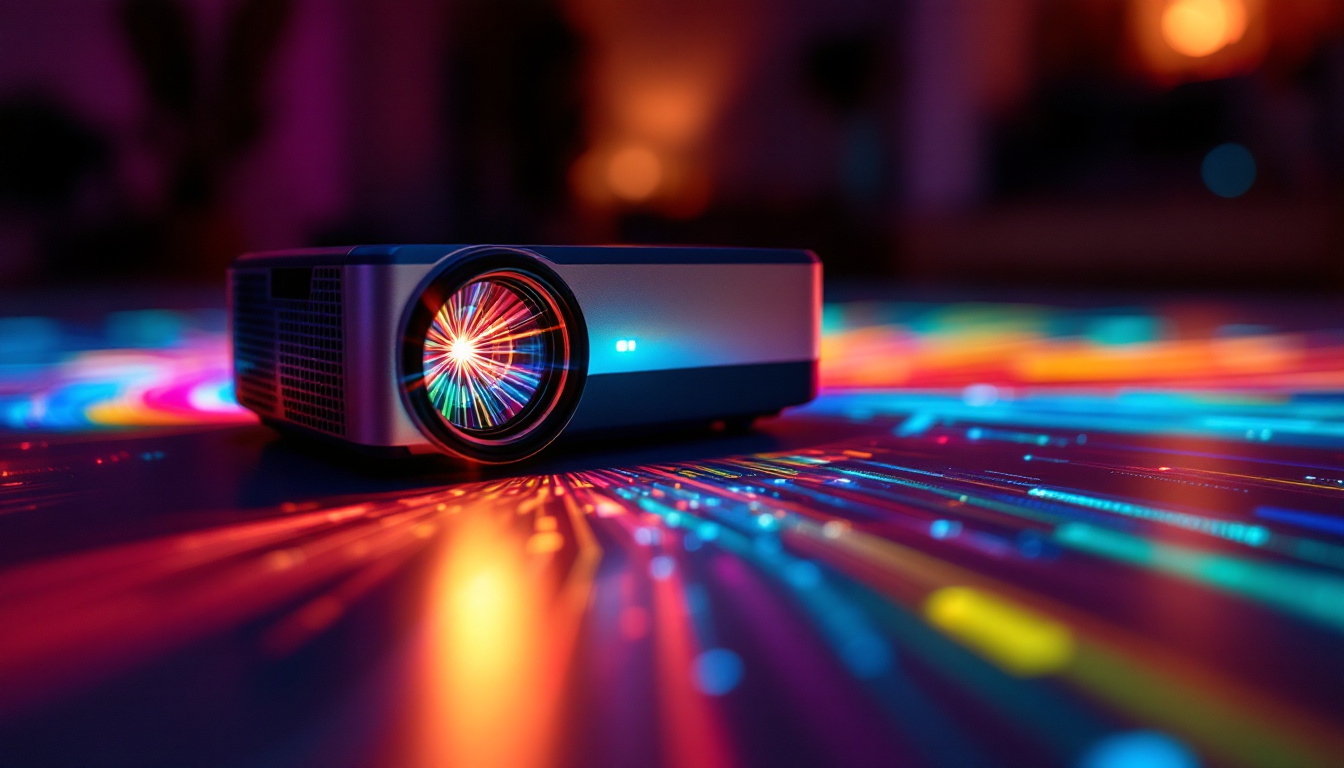
LED display projectors use light-emitting diodes (LEDs) as their primary light source, unlike traditional projectors that rely on lamps or lasers. These LEDs generate the light needed to project images onto a screen or surface. The technology behind LED projectors involves combining red, green, and blue LEDs to create a full spectrum of colors, resulting in vibrant and accurate image reproduction.
Unlike conventional lamp-based projectors, which use a high-intensity discharge lamp that can consume a lot of power and generate heat, LED projectors utilize solid-state lighting. This fundamental difference affects the projector’s brightness, color quality, lifespan, and energy consumption.
How LED Projectors Work
The core of an LED projector is its light engine, which consists of multiple LEDs emitting red, green, and blue light. These lights are combined and modulated through a digital micromirror device (DMD) or liquid crystal on silicon (LCoS) chip to form the projected image. The modulation controls the intensity and color of each pixel, allowing the projector to display high-resolution images with rich color depth.
Because LEDs can be turned on and off instantly and controlled precisely, LED projectors can achieve excellent contrast ratios and color accuracy. The absence of a traditional lamp also means less warm-up time, quieter operation, and reduced maintenance.
Brightness and Outdoor Usability
Why Brightness Matters for Outdoor Projection
Brightness is arguably the most critical factor when selecting a projector for outdoor use. Unlike indoor environments where lighting can be controlled, outdoor settings often involve ambient light from street lamps, moonlight, or even daylight. To ensure a clear and vivid image, an outdoor projector must emit enough brightness to overcome these conditions.
Brightness is measured in lumens, and for outdoor projectors, higher lumens generally translate to better visibility. While indoor projectors might be effective at 1,500 to 2,500 lumens, outdoor projectors typically require 3,000 lumens or more to perform well, especially if used before complete darkness.
LED Projector Brightness Compared to Other Technologies
One common misconception is that LED projectors cannot match the brightness levels of lamp or laser projectors. Historically, LED projectors were limited to lower brightness outputs, often under 2,000 lumens, making them less suitable for well-lit environments.
However, advancements in LED technology have significantly improved their brightness capabilities. Modern bright outdoor LED projectors can now produce between 3,000 and 5,000 lumens, making them competitive with traditional lamp-based projectors. Some high-end models even exceed 6,000 lumens while maintaining the benefits of LED light sources.
These improvements mean that LED projectors are no longer confined to dark rooms or small venues; they can now deliver impressive performance in outdoor settings, including backyard cinemas, outdoor events, and even large public gatherings.
Advantages of LED Projectors for Outdoor Use
Energy Efficiency and Longevity
One of the most significant advantages of LED projectors is their energy efficiency. LEDs consume far less power than traditional lamps, which translates into lower electricity costs and reduced environmental impact. For events or installations that run for extended periods, this efficiency can lead to substantial savings.
Moreover, LED light sources have an exceptionally long lifespan, often rated between 20,000 to 30,000 hours or more. In contrast, traditional projector lamps generally last between 2,000 to 5,000 hours before requiring replacement. This longevity reduces maintenance costs and downtime, making LED projectors ideal for outdoor use where access for repairs might be limited.
Durability and Weather Resistance
Outdoor projectors must withstand variable weather conditions, including humidity, dust, and temperature fluctuations. Many LED projectors are designed with sealed optical engines and robust housings that protect sensitive components from environmental damage.
While no projector is entirely waterproof, models intended for outdoor use often feature enhanced ingress protection (IP) ratings, meaning they resist dust and moisture better than indoor units. This durability ensures consistent performance and reliability during outdoor events.
Superior Color Performance and Contrast
LED projectors are known for their ability to produce rich, vibrant colors due to the pure spectral output of LEDs. This results in more accurate color reproduction and deeper saturation compared to lamp-based projectors, which can suffer from color degradation as the lamp ages.
Additionally, LED projectors typically offer higher contrast ratios, which enhance image depth and detail. This is particularly important for outdoor projections where ambient light can wash out images. A higher contrast ratio ensures that blacks remain deep and colors stay vivid, improving overall viewing experience.
Key Considerations When Choosing a Bright Outdoor LED Projector
Brightness and Ambient Light Conditions
As mentioned earlier, brightness is paramount. When selecting an LED projector for outdoor use, consider the typical ambient light conditions. For backyard movie nights starting after sunset, 3,000 to 4,000 lumens may suffice. For events held during twilight or in areas with street lighting, a projector with 5,000 lumens or more is advisable.
It’s also important to remember that the perceived brightness depends on the screen size and projection distance. Larger screens require more lumens to maintain image clarity and vibrancy.
Resolution and Image Quality
Resolution determines the sharpness and detail of the projected image. For outdoor movie screenings, a minimum of 1080p (Full HD) is recommended to ensure a crisp picture, especially on larger screens. Some LED projectors offer 4K resolution, providing even greater detail and immersion.
Consider the type of content you plan to project. For movies and video, higher resolution enhances the viewing experience. For presentations or slideshows, 1080p is generally sufficient.
Portability and Setup
Outdoor projectors often need to be moved and set up in different locations. LED projectors tend to be more compact and lightweight compared to their lamp-based counterparts, making them easier to transport and install.
Look for models with flexible mounting options, built-in speakers (if audio equipment is not available), and user-friendly interfaces. Some projectors also offer wireless connectivity, which simplifies content streaming from smartphones or laptops.
Durability and Weather Protection
Ensure the projector is designed or rated for outdoor use. Check for dust resistance, water resistance, and temperature tolerance. If the projector will be used in exposed environments, consider investing in protective enclosures or covers to extend its lifespan.
Budget and Total Cost of Ownership
While LED projectors may have a higher upfront cost compared to traditional lamp projectors, their longer lifespan and lower maintenance requirements often result in a lower total cost of ownership. Factor in the cost of replacement lamps, electricity consumption, and potential repairs when making a decision.
Popular Applications of Bright Outdoor LED Projectors
Home Entertainment and Backyard Cinema
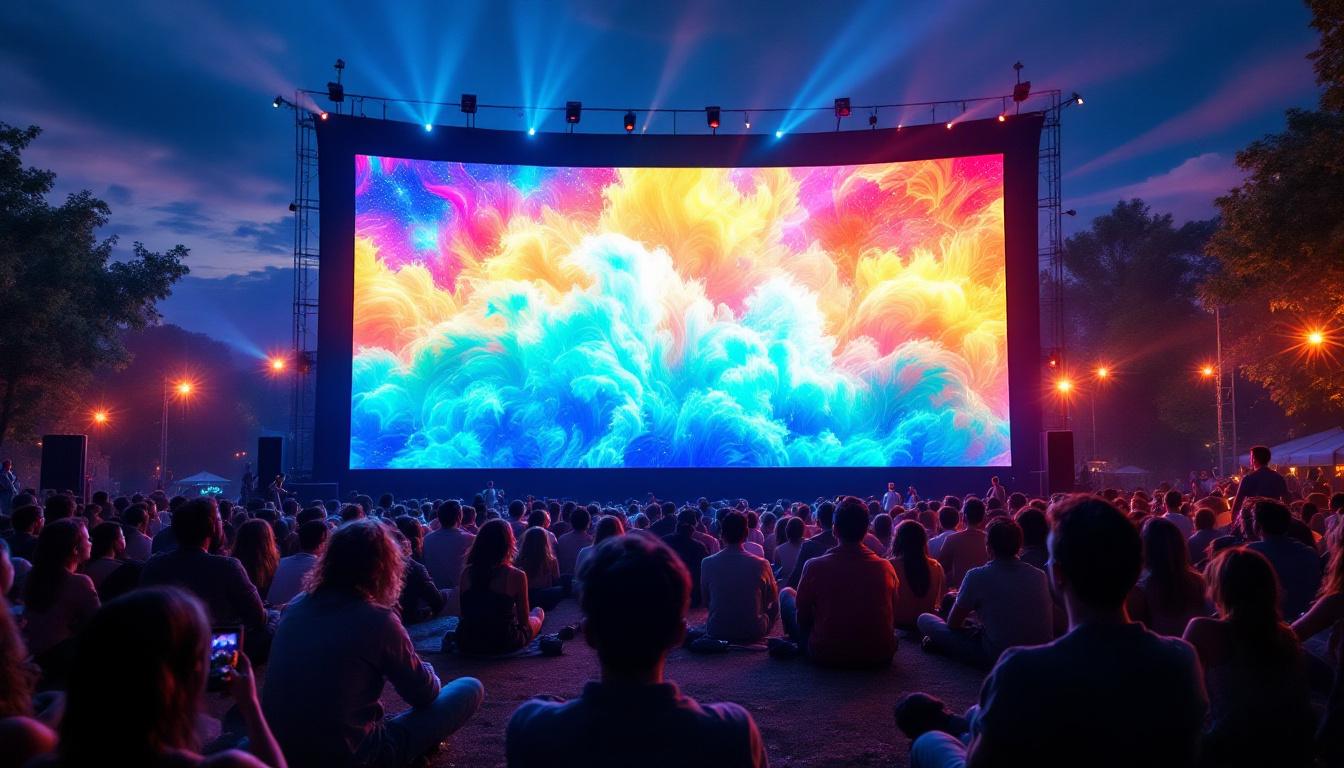
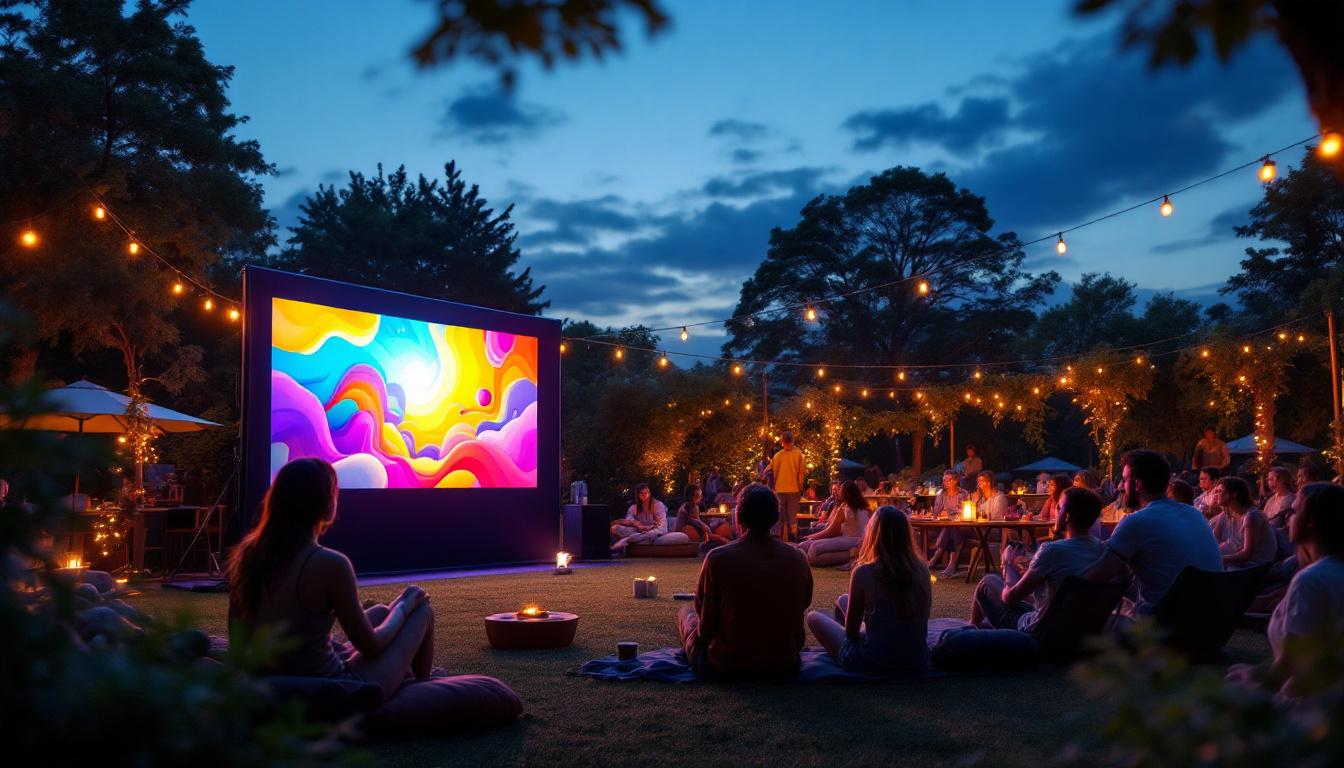
One of the most popular uses of bright outdoor LED projectors is for home entertainment. Families and friends can enjoy movies, sports, and gaming in the comfort of their backyard. The combination of brightness, color accuracy, and portability makes LED projectors ideal for creating a cinematic experience outdoors.
Corporate and Educational Events
Businesses and educational institutions frequently use outdoor projectors for presentations, training sessions, and community outreach events. LED projectors provide reliable performance with minimal maintenance, ensuring smooth operation during critical events.
Public Screenings and Festivals
Community events, film festivals, and public screenings benefit from the high brightness and durability of LED projectors. Their ability to deliver vivid images in varying light conditions helps attract and engage audiences in open-air venues.
Advertising and Digital Signage
Outdoor advertising increasingly incorporates projection technology to create dynamic and eye-catching displays. Bright LED projectors can project advertisements onto building facades, billboards, or other surfaces, offering a flexible and cost-effective alternative to traditional signage.
Future Trends in Outdoor LED Projection
Increasing Brightness and Efficiency
As LED technology continues to evolve, manufacturers are pushing the boundaries of brightness and energy efficiency. Emerging innovations in LED chip design and cooling systems are enabling even brighter projectors without compromising lifespan or power consumption.
Integration with Smart Technologies
Future outdoor LED projectors are expected to incorporate more smart features, such as voice control, AI-based image optimization, and seamless wireless connectivity. These advancements will simplify setup and improve user experience.
Eco-Friendly and Sustainable Solutions
With growing environmental awareness, LED projectors are positioned as sustainable alternatives to traditional projection technologies. Their lower energy use and longer lifespan contribute to reduced waste and carbon footprint, aligning with green initiatives.
Conclusion
Bright outdoor LED projectors represent a significant advancement in projection technology, combining high brightness, excellent color performance, energy efficiency, and durability. These features make them particularly well-suited for outdoor environments where ambient light and weather conditions pose challenges.
When selecting an LED projector for outdoor use, it is essential to consider factors such as brightness, resolution, portability, and weather resistance to ensure the best performance and longevity. As LED technology continues to improve, these projectors will become even more capable, affordable, and versatile, expanding the possibilities for outdoor entertainment, business, and public events.
For anyone looking to invest in a reliable and vibrant outdoor projection solution, understanding LED display technology and its benefits is the first step toward making an informed choice that delivers lasting value and enjoyment.
Discover LumenMatrix’s Advanced LED Solutions
Ready to elevate your outdoor events with the latest in LED display technology? LumenMatrix is at the forefront of innovation, offering a wide range of LED display solutions tailored to your needs. From mesmerizing Outdoor LED Wall Displays to versatile Vehicle LED Displays and beyond, our products are designed to make your brand shine and engage audiences like never before. Experience the difference with LumenMatrix and transform your visual presentations into unforgettable experiences. Check out LumenMatrix LED Display Solutions today and step into the future of vibrant, energy-efficient, and durable outdoor projection.