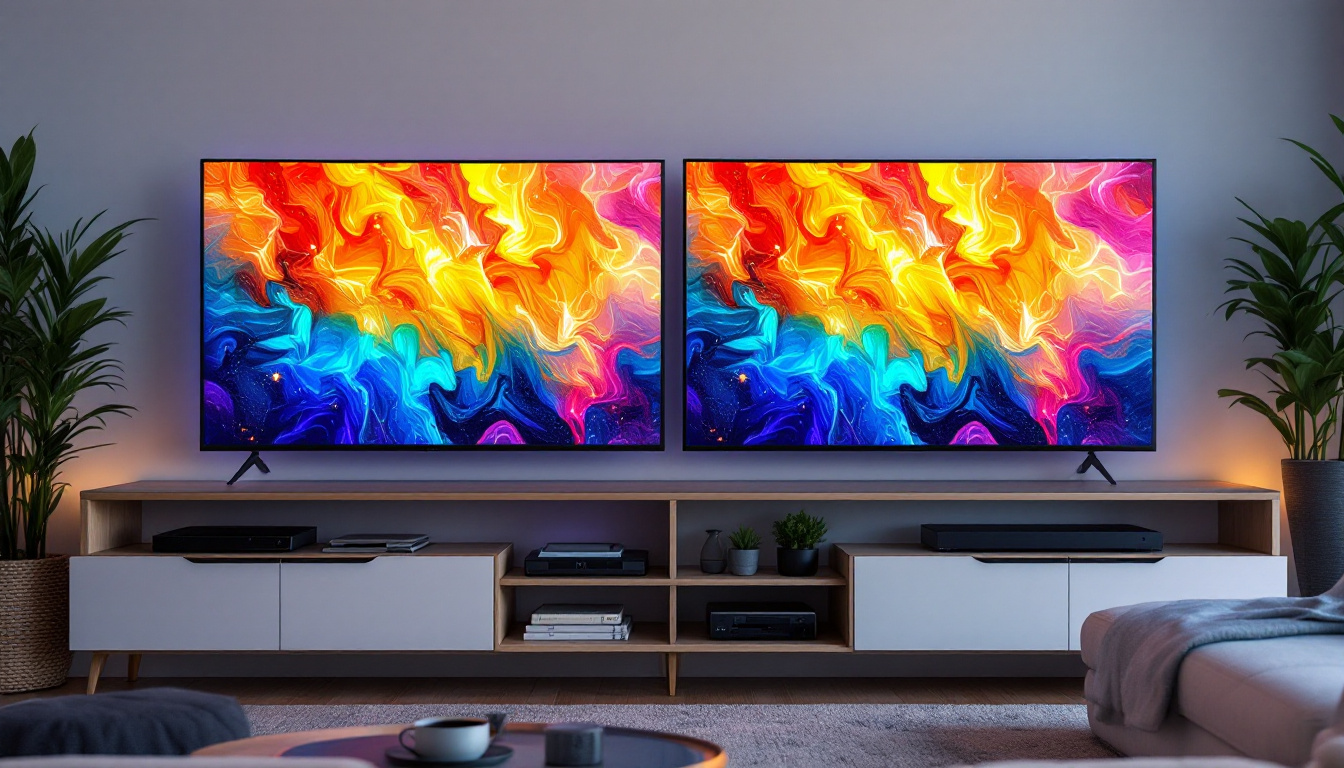
Choosing the right television can be a daunting task, especially with the variety of display technologies available today. Among the most popular options over the past decade have been LED and plasma TVs. While plasma technology has largely faded from the market, understanding the differences between LED and plasma displays remains valuable for consumers seeking to comprehend how modern TVs work and what might suit their viewing preferences.
This article delves into the fundamental differences between LED and plasma TVs, explores the advantages and disadvantages of each, and explains why LED technology has become the dominant choice in the television industry.
Understanding the Basics: What Are LED and Plasma TVs?
What is a Plasma TV?
Plasma TVs utilize a technology that involves tiny cells containing electrically charged ionized gases, or plasma. These cells emit ultraviolet light when energized, which then excites phosphors to produce visible light and create images on the screen. Each pixel in a plasma TV is self-illuminating, meaning it produces its own light without requiring a backlight.
Introduced in the late 1990s and peaking in popularity during the early 2000s, plasma TVs were celebrated for their excellent color accuracy, deep blacks, and wide viewing angles. However, their production declined sharply after 2014 due to competition from emerging technologies and manufacturing challenges. Despite this decline, many enthusiasts still appreciate plasma TVs for their cinematic qualities, particularly in dark viewing environments where their ability to render rich blacks and vibrant colors can truly shine. Additionally, plasma screens are less prone to motion blur, making them ideal for fast-paced content like sports and action films.
One of the notable characteristics of plasma TVs is their susceptibility to burn-in, where static images can leave a permanent mark on the screen if displayed for too long. This phenomenon, although less of an issue with newer models, has led to a cautionary approach among users, particularly gamers and those who watch channels with static logos. Nevertheless, the immersive experience offered by plasma technology has left a lasting legacy in the world of home entertainment, and many still seek out these displays for their unique visual appeal.
What is an LED TV?
LED TVs are essentially LCD (Liquid Crystal Display) TVs that use Light Emitting Diodes (LEDs) as a backlight source. Unlike plasma TVs, LED TVs do not produce light at the pixel level. Instead, an array of LEDs positioned behind or along the edges of the screen illuminates the liquid crystals, which then modulate this light to form images.
LED technology has evolved rapidly, offering various configurations such as edge-lit, direct-lit, and full-array backlighting with local dimming. These advancements have significantly improved picture quality, energy efficiency, and design flexibility. For instance, full-array LED TVs can adjust the brightness of individual zones on the screen, enhancing contrast and depth in scenes, which is particularly beneficial for watching movies in dimly lit rooms. Furthermore, the slim profile of LED TVs allows for more versatile installation options, making them a popular choice for modern home decor.
In addition to their impressive visual capabilities, LED TVs are also known for their energy efficiency compared to older technologies. The use of LEDs as a light source consumes less power, which not only reduces electricity bills but also has a lower environmental impact. As consumers become increasingly aware of sustainability, the demand for energy-efficient products continues to rise, further solidifying LED TVs as a preferred choice in households around the world. With features like smart connectivity and compatibility with various streaming services, LED TVs have become a central hub for entertainment, catering to the needs of a diverse audience.
Comparing Picture Quality: Color, Brightness, and Contrast
Color Accuracy and Vibrancy
Plasma TVs were renowned for their rich, vibrant colors and excellent color accuracy. Because each pixel emits its own light, plasma screens can produce more natural and consistent colors across the display. This made plasma TVs a favorite among videophiles and professionals who prioritize color fidelity.
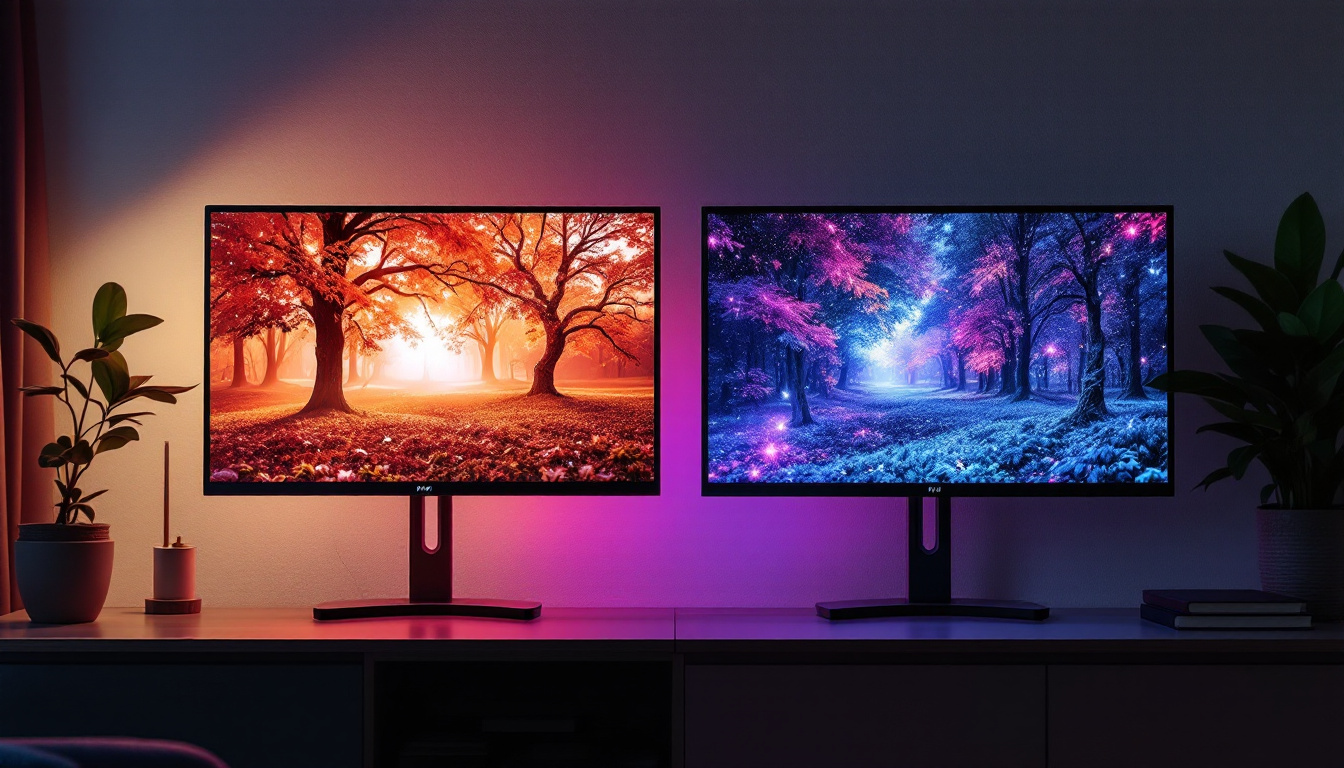
LED TVs have made substantial strides in color reproduction, especially with the advent of quantum dot technology and HDR (High Dynamic Range) support. Modern LED TVs can display a wider color gamut and deliver vivid, lifelike images. However, some purists argue that plasma’s color rendition remains superior in certain scenarios.
Brightness Levels
LED TVs generally outperform plasma TVs in terms of brightness. The LED backlighting can reach higher luminance levels, making these TVs better suited for well-lit rooms or environments with significant ambient light. Plasma TVs, by contrast, have lower peak brightness, which can make them less effective in brightly lit spaces.
Contrast and Black Levels
One of plasma TVs’ standout features was their ability to produce deep, true blacks. Since plasma pixels can be completely turned off, they achieve near-perfect black levels, resulting in outstanding contrast ratios. This capability contributed to their immersive viewing experience, especially in dark rooms.
LED TVs, particularly those with full-array local dimming, have improved black levels substantially. However, edge-lit LED TVs often struggle with “blooming” or light bleed around bright objects on dark backgrounds, which can reduce perceived contrast. High-end LED models now rival plasma in black level performance, but plasma’s legacy remains influential.
Viewing Angles and Screen Uniformity
Viewing Angles
Plasma TVs excelled in providing wide viewing angles without significant degradation in color or contrast. This made them ideal for larger rooms where viewers might be seated off-center. The consistent picture quality across a broad range of angles was a major advantage over early LCD and LED displays.
LED TVs, especially those with VA (Vertical Alignment) panels, historically suffered from narrower viewing angles, with colors washing out or contrast diminishing when viewed from the sides. However, IPS (In-Plane Switching) panels have mitigated this issue, offering improved viewing angles at the expense of slightly lower contrast.
Screen Uniformity and Reflection
Plasma screens typically offered excellent screen uniformity, with minimal issues related to brightness or color inconsistencies across the display. However, they were more reflective, which could cause glare in bright rooms.
LED TVs often feature anti-reflective coatings and matte finishes to reduce glare. While this improves usability in well-lit environments, some models may exhibit uneven backlighting or “dirty screen effect,” where uniformity issues become noticeable during certain scenes.
Energy Consumption and Lifespan
Energy Efficiency
LED TVs are significantly more energy-efficient than plasma TVs. The LED backlighting consumes less power, especially when combined with energy-saving features like automatic brightness adjustment. This efficiency translates into lower electricity bills and a smaller environmental footprint.
Plasma TVs, due to their self-illuminating pixels and higher power requirements, generally consume more energy. This factor contributed to their decline as consumers and manufacturers prioritized eco-friendly and cost-effective solutions.
Lifespan and Burn-in Issues
Plasma TVs were prone to screen burn-in, a phenomenon where static images left on the screen for extended periods cause permanent discoloration. Although manufacturers implemented various technologies to mitigate burn-in, it remained a concern for users who frequently displayed static content like news tickers or video game HUDs.
LED TVs do not suffer from burn-in to the same extent. While some OLED displays (a different self-emissive technology) can experience burn-in, LED-backlit LCDs are largely immune. Additionally, LED TVs typically have longer lifespans, with many models rated for 60,000 to 100,000 hours of use.
Design, Size, and Price Considerations
Design and Thickness
LED TVs are generally thinner and lighter than plasma TVs, thanks to the compact LED backlighting technology. This slim profile allows for sleeker designs, easier wall mounting, and better integration into modern living spaces.
Plasma TVs, while not excessively bulky, were thicker and heavier, which limited their placement options. As consumer preferences shifted toward minimalist and space-saving designs, LED TVs gained a clear advantage.
Screen Sizes and Availability
Plasma TVs were predominantly available in larger screen sizes, typically ranging from 42 to 65 inches. Smaller plasma TVs were rare due to manufacturing constraints. LED TVs, on the other hand, cover a broad spectrum of sizes, from compact 24-inch models to massive 85-inch or larger displays, catering to diverse consumer needs.
Since plasma production ceased around 2016, LED TVs have become the standard in the market, with a wide variety of models, features, and price points available globally.
Price and Value
When plasma TVs were widely available, they often offered excellent value for their picture quality, especially in mid to large sizes. However, the cost of plasma technology and its energy consumption made them less economical over time.
LED TVs come in a wide range of prices, from budget-friendly options to premium models with advanced features like 4K resolution, HDR, smart TV capabilities, and gaming optimizations. The competitive pricing and continual innovation in LED technology have made these TVs accessible to a broad audience.
Why LED TVs Have Become the Industry Standard
Several factors have contributed to the rise of LED TVs and the decline of plasma technology. The superior energy efficiency, slimmer designs, higher brightness, and broader size availability of LED TVs align well with modern consumer demands.
Moreover, advancements in LED technology, including quantum dots, mini-LEDs, and full-array local dimming, have narrowed the performance gap that plasma once dominated, especially in terms of contrast and color accuracy. Coupled with the cessation of plasma TV production by major manufacturers, LED TVs have firmly established themselves as the go-to choice for most buyers.
Conclusion: Choosing Between LED and Plasma TVs Today
While plasma TVs offered remarkable picture quality and viewing experiences during their heyday, they are now largely a legacy technology. For consumers today, LED TVs provide a versatile, energy-efficient, and feature-rich option that meets the demands of modern entertainment environments.
When selecting a TV, it is important to consider factors such as room lighting, viewing habits, budget, and desired screen size. LED TVs, with their wide range of models and continual technological improvements, are well-equipped to satisfy these criteria.
Understanding the distinctions between LED and plasma technologies helps consumers appreciate how far display technology has come and why LED TVs have become the dominant force in home entertainment.
Discover the Future of Home Entertainment with LumenMatrix
As you consider upgrading your home entertainment system, embrace the future with LumenMatrix’s innovative LED display solutions. LumenMatrix is at the forefront of LED technology, offering a diverse range of products that transform any space into a dynamic visual experience. From the comfort of your living room to the excitement of an outdoor gathering, our Indoor and Outdoor LED Wall Displays, along with specialized options like Vehicle LED Displays and LED Sports Displays, ensure that you’ll find the perfect fit for your needs. Experience the pinnacle of picture quality and design with our cutting-edge LED displays. Check out LumenMatrix LED Display Solutions today and step into a world where every image is a masterpiece.