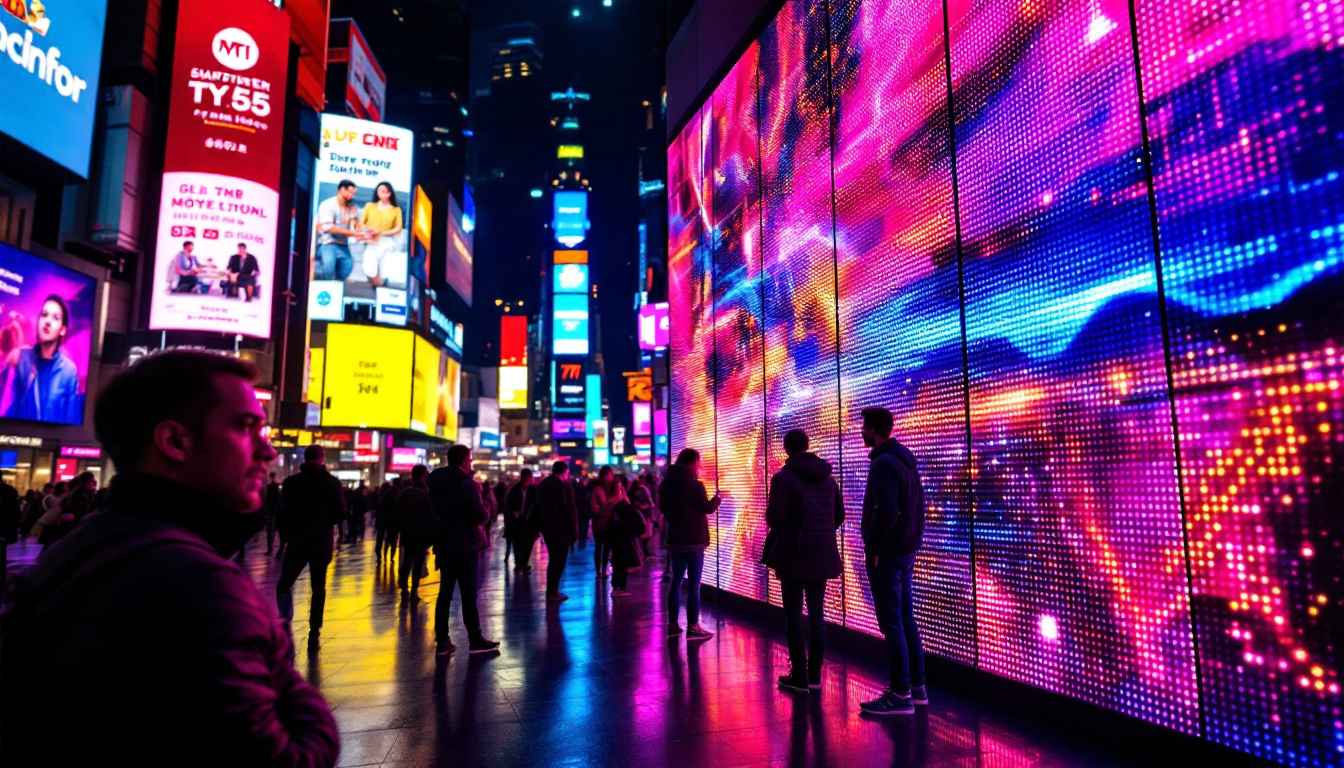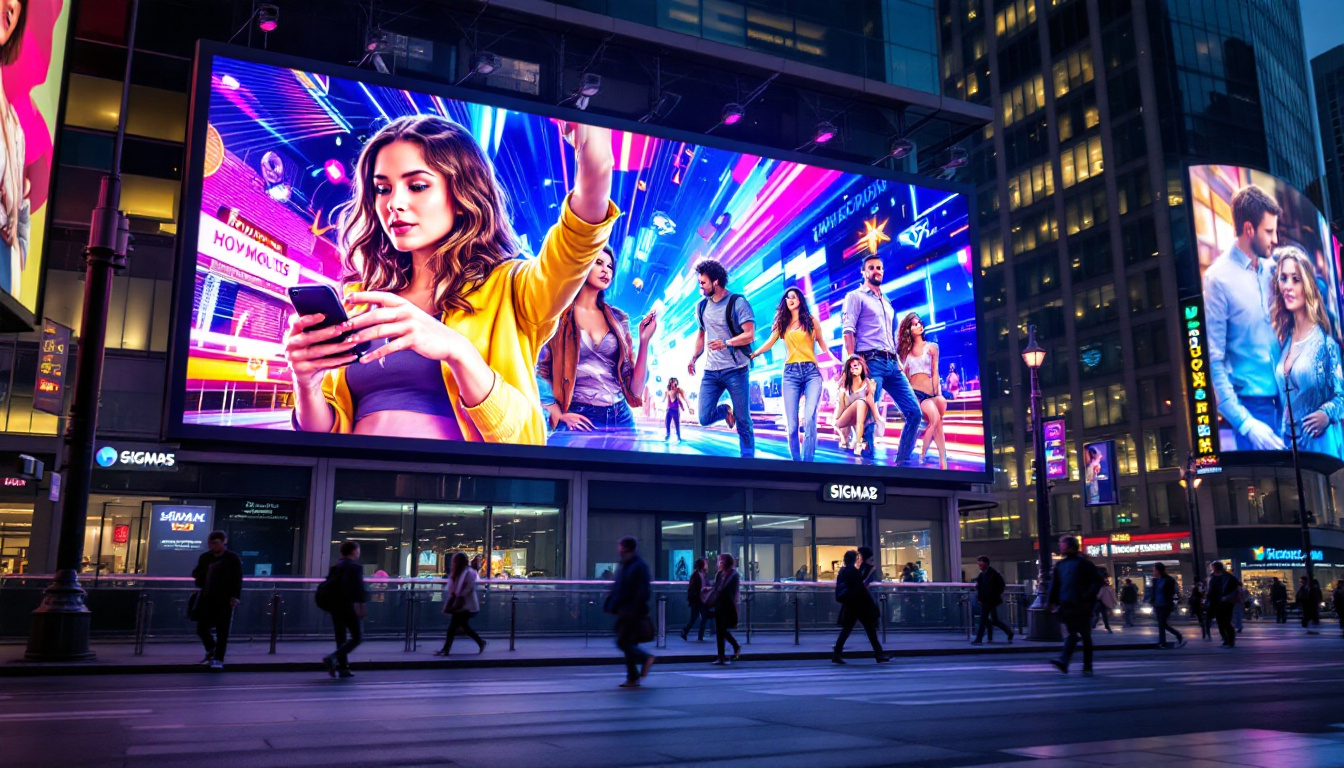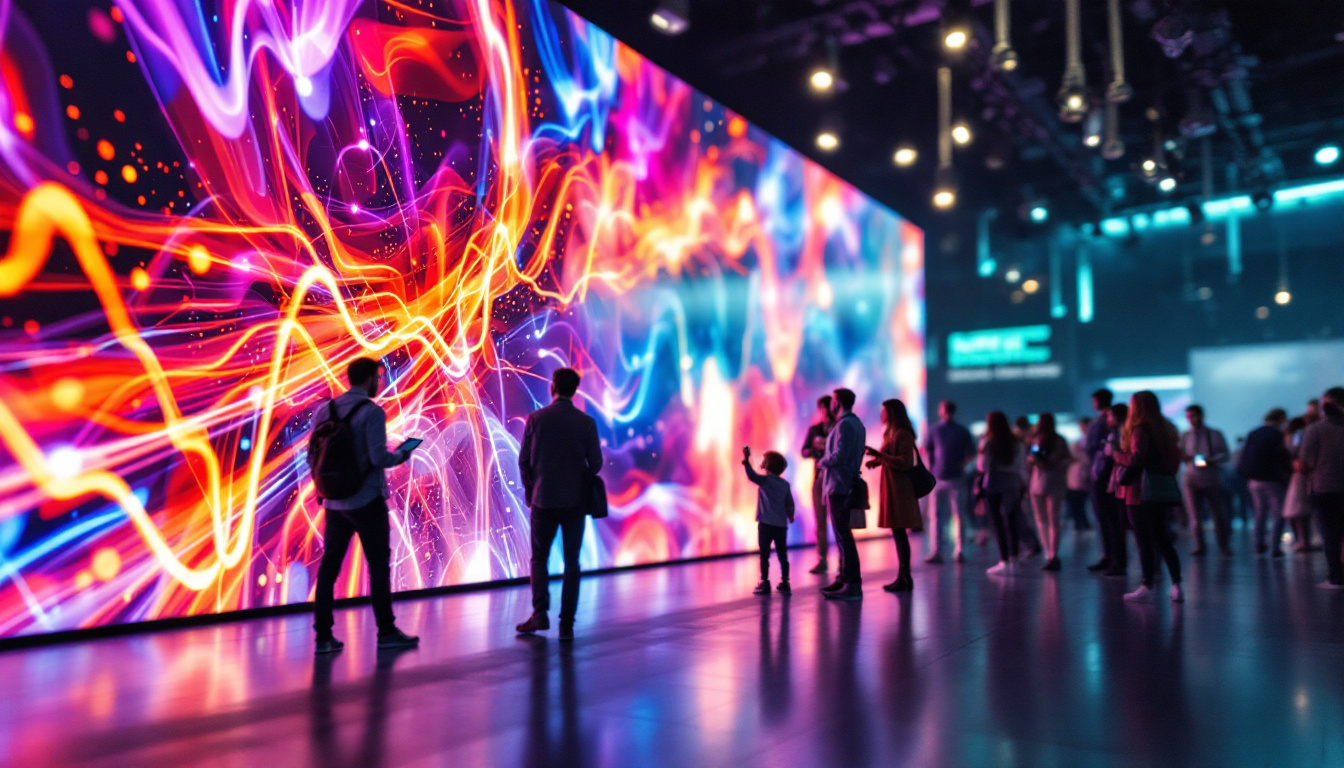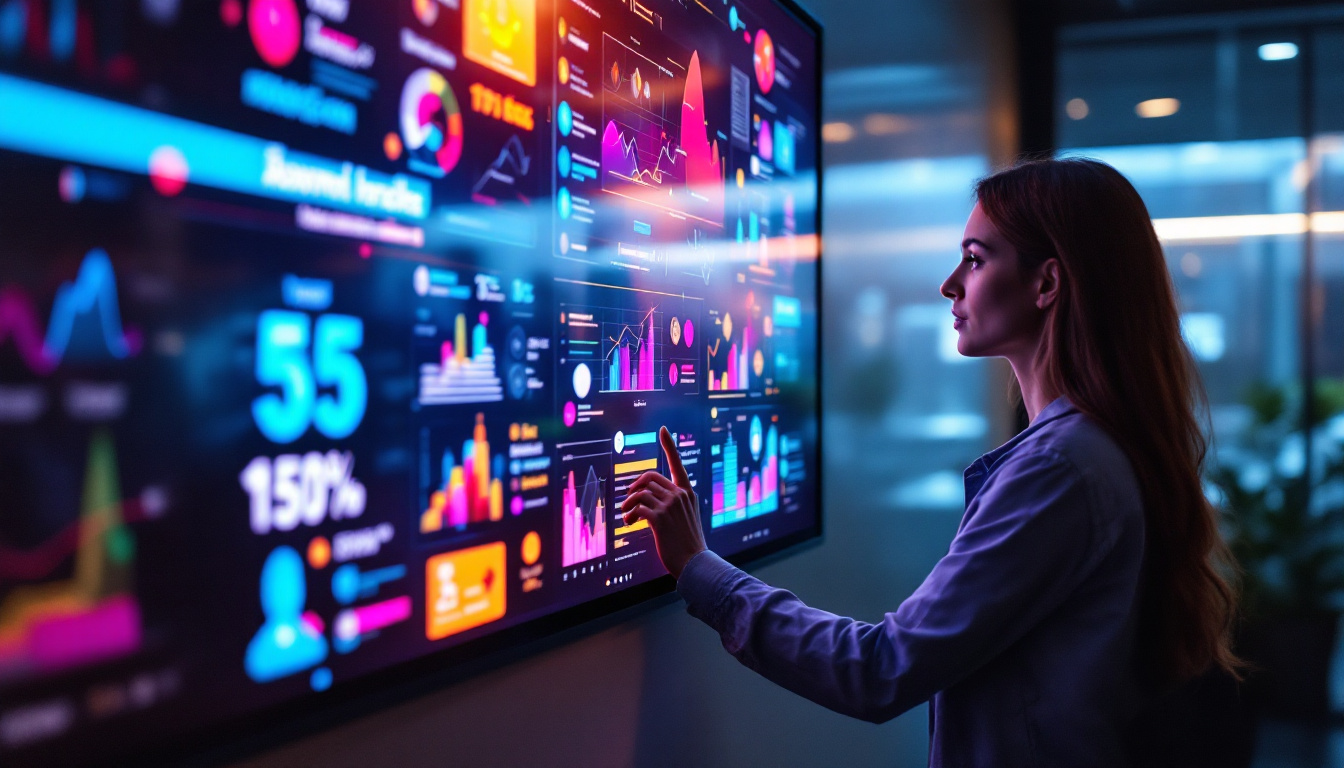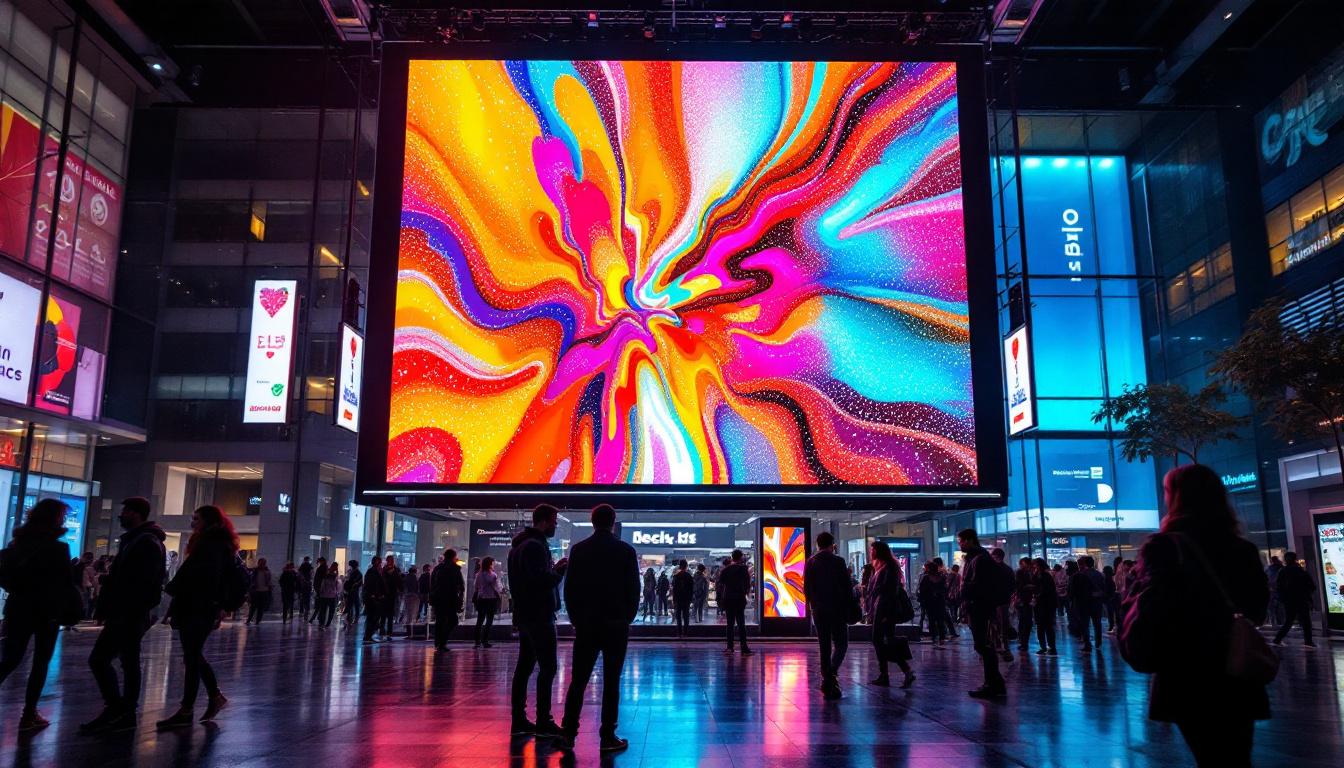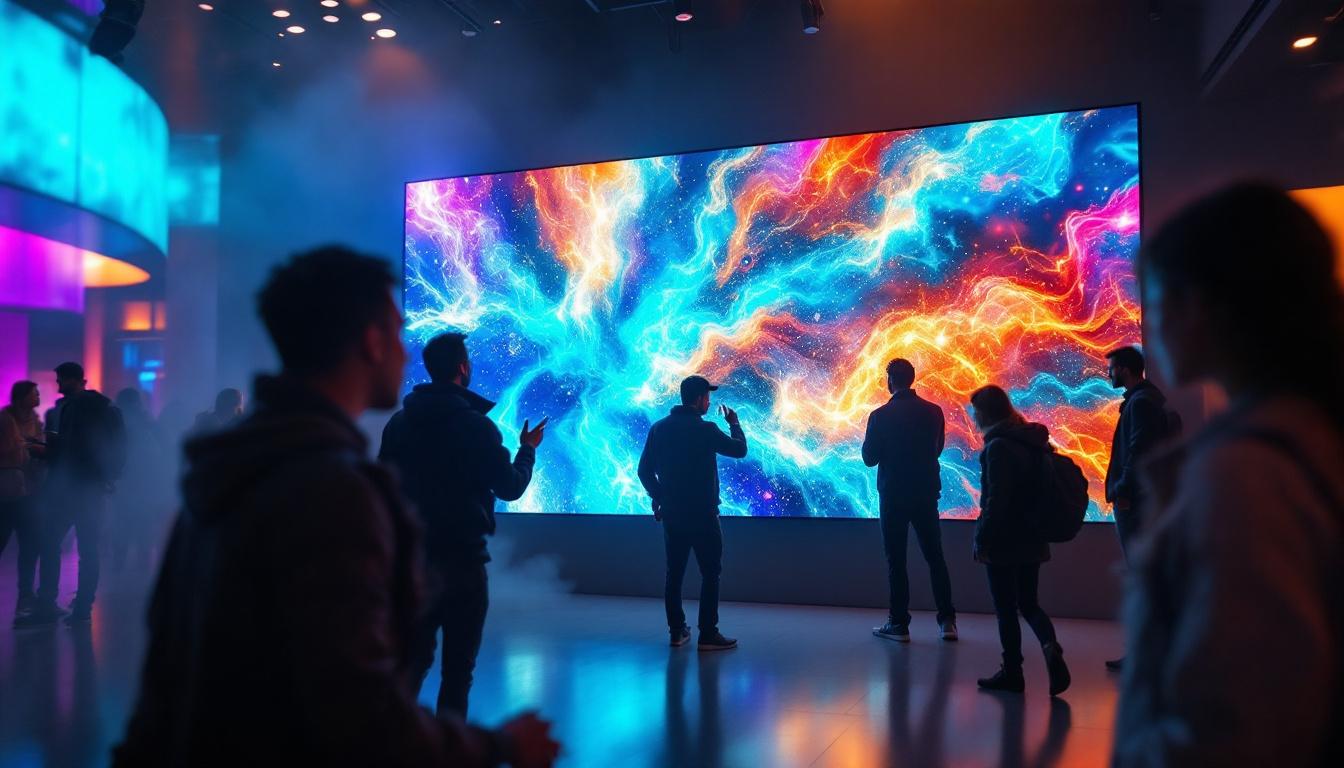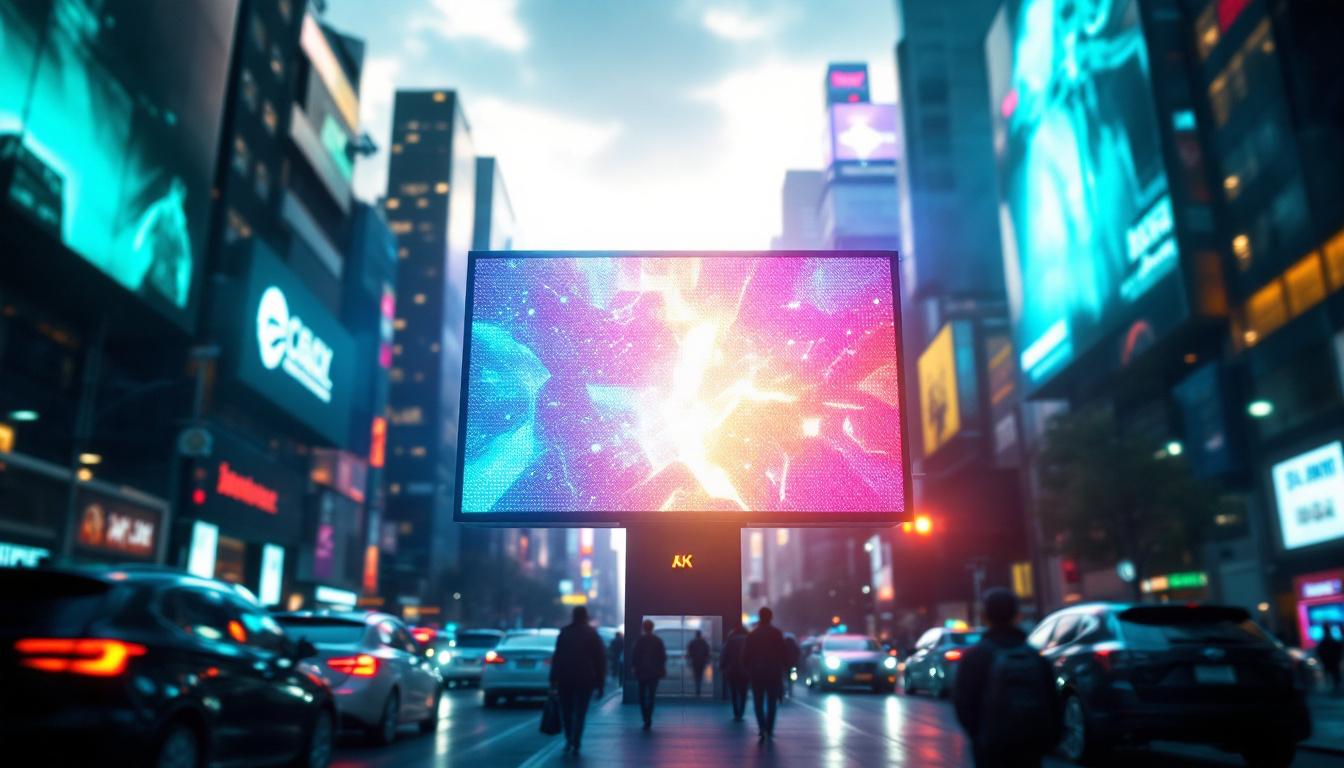
In the rapidly evolving world of digital signage and visual communication, LED displays have emerged as a dominant technology, transforming how businesses, advertisers, and event organizers engage with their audiences. From towering billboards in Times Square to dynamic video walls in corporate lobbies, LED displays offer unparalleled brightness, versatility, and impact. This article delves deep into the technology behind LED displays, their applications, and what makes them a preferred choice in modern visual solutions.
Understanding LED Display Technology
What is an LED Display?
LED stands for Light Emitting Diode, a semiconductor device that emits light when an electric current passes through it. An LED display is a flat panel display that uses an array of these tiny LEDs as pixels to create images, videos, or text. Unlike traditional LCD or projection screens, LED displays produce their own light, which results in higher brightness and better visibility, especially in outdoor or brightly lit environments.
LED displays are composed of thousands to millions of these LEDs arranged in a grid pattern. Each LED can emit red, green, or blue light, and by varying the intensity of each color, the display can produce a wide spectrum of colors. This capability allows for vivid, high-contrast images that are easily viewable from great distances. The technology has advanced significantly over the years, with innovations such as high dynamic range (HDR) imaging and improved color accuracy, making LED displays a popular choice not only for advertising but also for entertainment and information dissemination.
Moreover, LED displays are energy-efficient compared to traditional lighting methods, which translates to lower operational costs over time. This efficiency is particularly beneficial in large-scale installations, such as stadiums or concert venues, where the displays are in constant use. Additionally, the longevity of LED technology means that these displays can last for tens of thousands of hours, reducing the need for frequent replacements and maintenance.
Types of LED Displays
There are several types of LED displays, each designed for specific applications and environments:
- Indoor LED Displays: These are designed for use inside buildings, such as retail stores, conference rooms, or stadiums. They typically have a smaller pixel pitch (distance between LEDs), which means higher resolution and sharper images at close viewing distances. Indoor displays often utilize advanced technologies like video wall configurations, allowing for a seamless visual experience across multiple screens.
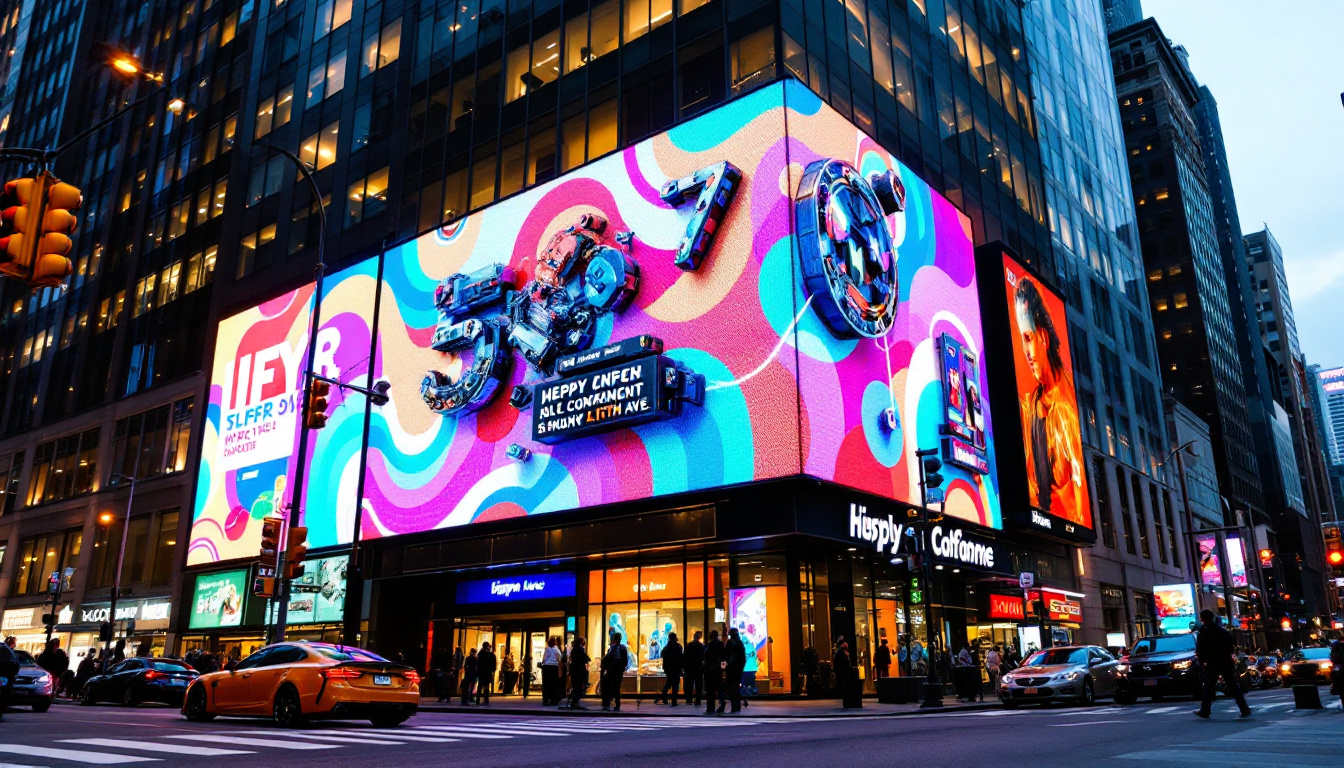
- Outdoor LED Displays: Built to withstand weather conditions, these displays have higher brightness levels to combat sunlight glare and usually feature larger pixel pitches since viewers are typically farther away. Outdoor displays are often used for billboards, public announcements, and event promotions, providing dynamic content that can be updated in real-time.
- Transparent LED Displays: These innovative screens allow light to pass through them, making them ideal for storefront windows or architectural installations where maintaining visibility through the glass is important. They offer a unique blend of advertising and aesthetics, allowing brands to showcase products while still allowing natural light into a space.
- Flexible and Curved LED Displays: Using flexible substrates, these displays can be bent or curved to fit unique spaces, enabling creative and immersive visual experiences. This flexibility opens up new possibilities for design in retail environments, museums, and exhibitions, where traditional flat screens may not suffice.
Additionally, advancements in LED technology have led to the development of high-resolution displays, often referred to as fine-pitch LED displays. These displays are capable of delivering exceptional image quality and are increasingly being used in high-end applications such as control rooms, broadcasting studios, and luxury retail environments. The ability to create large, high-resolution screens without the bezels that typically separate individual panels in traditional displays has made fine-pitch LED a game-changer in the visual display market.
As the demand for immersive experiences continues to grow, LED displays are also being integrated with other technologies, such as augmented reality (AR) and virtual reality (VR). This integration allows for interactive installations that engage audiences in new and exciting ways, pushing the boundaries of traditional display applications. The versatility and adaptability of LED technology ensure that it remains at the forefront of visual communication in a rapidly evolving digital landscape.
Key Components and How They Work
Pixel Pitch and Resolution
One of the most critical factors in LED display quality is the pixel pitch, which refers to the distance between the centers of two adjacent pixels. Measured in millimeters, pixel pitch directly affects the resolution and clarity of the display. A smaller pixel pitch means the LEDs are closer together, resulting in a higher resolution and sharper image, especially important for close viewing distances.
For example, an indoor LED display might have a pixel pitch of 1.5 mm to 3 mm, ideal for viewing distances of a few feet. In contrast, outdoor displays often have pixel pitches ranging from 6 mm to 20 mm, suitable for viewers standing tens of feet away.
Modules and Cabinets
LED displays are typically constructed from modular panels or “modules” that contain a matrix of LEDs. These modules are assembled into larger “cabinets,” which are then combined to form the complete display. This modular design allows for flexible sizing and easy maintenance, as individual modules can be replaced without dismantling the entire screen.
The quality and precision of the modules influence the overall performance, including color uniformity, brightness, and durability. Advanced manufacturing techniques ensure that LEDs within each module are calibrated for consistent output.
Control Systems and Software
Behind every LED display is a sophisticated control system that manages image processing, color calibration, and synchronization. This system receives input from various sources such as video players, computers, or live feeds and translates it into signals that drive the LEDs.
Modern LED control software offers features such as real-time content management, remote monitoring, and automatic brightness adjustment based on ambient light. These capabilities enhance the user experience and optimize the display’s performance and energy efficiency.
Advantages of LED Displays Over Other Technologies
Brightness and Visibility
LED displays are renowned for their exceptional brightness, often exceeding 5,000 nits for outdoor screens. This high luminance ensures that content remains vibrant and visible even under direct sunlight, a significant advantage over LCD or projection-based displays that struggle with glare and washed-out images.
Energy Efficiency and Longevity
Compared to traditional lighting and display technologies, LEDs consume significantly less power while delivering superior brightness. Advances in LED chip design and power management have further reduced energy consumption, making LED displays more sustainable and cost-effective over their lifespan.
Additionally, LED displays have a long operational life, often rated at 50,000 to 100,000 hours. This durability reduces maintenance costs and downtime, critical factors for commercial and public installations.
Design Flexibility and Scalability
The modular nature of LED displays allows for virtually unlimited screen sizes and shapes. Whether it’s a massive outdoor billboard, a curved video wall, or a transparent window display, LEDs can be configured to meet diverse design requirements.
This flexibility extends to content as well, with the ability to display dynamic video, animations, and real-time data feeds, enabling engaging and interactive experiences.
Applications of LED Displays
Advertising and Marketing
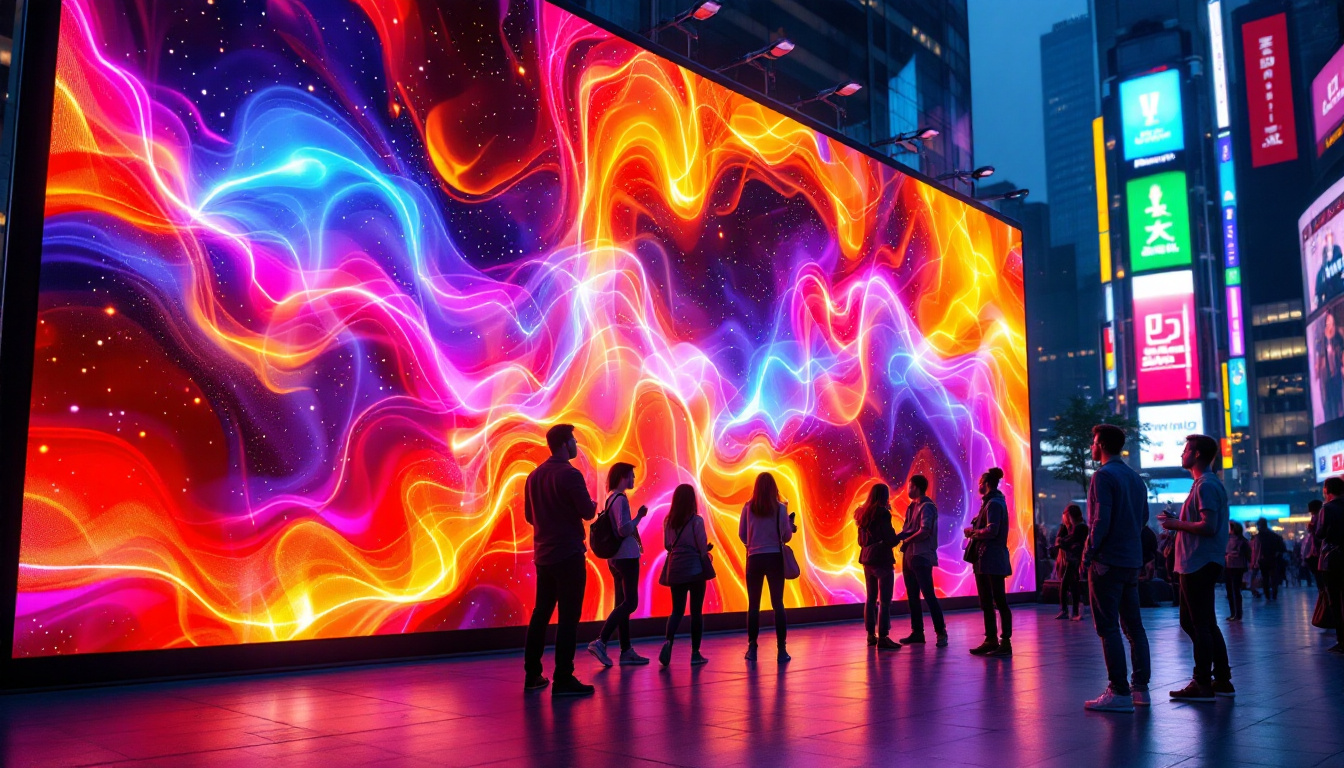
One of the most visible uses of LED displays is in advertising. Digital billboards equipped with LED technology dominate urban landscapes, offering advertisers the ability to update content instantly and target audiences with dynamic, eye-catching visuals. According to the Digital Signage Federation, digital out-of-home advertising revenue surpassed $4 billion in 2023, with LED displays playing a significant role in this growth.
Retailers also leverage indoor LED displays to enhance customer engagement, promote products, and create immersive brand experiences.
Entertainment and Events
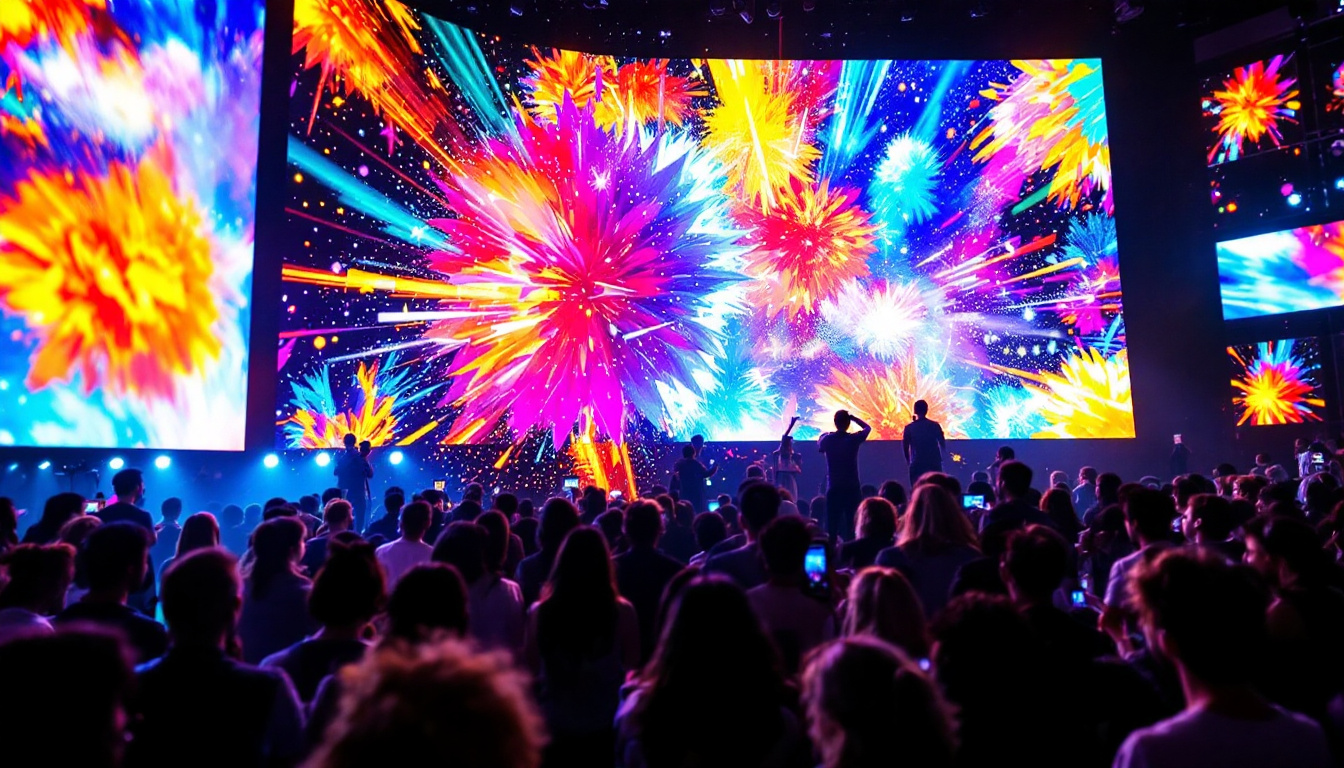
Concerts, sports arenas, and festivals rely heavily on LED screens to deliver high-quality visuals to large audiences. The ability to produce bright, clear images visible from hundreds of feet away makes LED displays ideal for live event broadcasting, instant replays, and interactive fan experiences.
Corporate and Public Spaces
In corporate environments, LED video walls serve as impressive backdrops for presentations, video conferencing, and digital art installations. Public spaces such as airports, train stations, and museums use LED displays for wayfinding, information dissemination, and advertising.
Transportation and Control Centers
LED displays are integral to traffic management centers, air traffic control towers, and emergency response hubs. Their reliability and clarity ensure critical information is communicated effectively to operators and the public.
Challenges and Considerations When Choosing an LED Display
Cost and Budgeting
While LED displays offer numerous benefits, they can involve significant upfront investment, especially for high-resolution indoor models or large-scale outdoor installations. It’s important to balance desired features with budget constraints and consider long-term operational costs such as maintenance and energy consumption.
Installation and Maintenance
Proper installation is crucial to ensure optimal performance and longevity. Factors such as structural support, ventilation, and access for maintenance must be planned carefully. Additionally, environmental conditions like humidity, temperature fluctuations, and exposure to dust or pollution can affect the display’s durability.
Content Strategy
To maximize the impact of an LED display, a well-thought-out content strategy is essential. This includes designing visuals that leverage the display’s capabilities, scheduling content for different times and audiences, and integrating interactive or real-time elements where appropriate.
The Future of LED Display Technology
Mini-LED and Micro-LED Innovations
Emerging technologies such as Mini-LED and Micro-LED are pushing the boundaries of display performance. Mini-LEDs use smaller diodes than traditional LEDs, enabling even higher resolution and better contrast. Micro-LEDs, which are microscopic LEDs, promise superior color accuracy, brightness, and energy efficiency, potentially revolutionizing both consumer electronics and large-scale displays.
Integration with AI and IoT
The integration of LED displays with artificial intelligence (AI) and the Internet of Things (IoT) is enabling smarter, more responsive signage solutions. For example, AI-powered analytics can tailor content based on audience demographics or environmental conditions, while IoT connectivity allows remote management and predictive maintenance.
Sustainability and Eco-Friendly Design
As environmental concerns grow, manufacturers are focusing on making LED displays more sustainable through recyclable materials, reduced power consumption, and longer lifespans. These advances align with corporate social responsibility goals and regulatory requirements worldwide.
Conclusion
LED displays have transformed the landscape of digital communication by offering bright, versatile, and durable visual solutions. Understanding the technology behind these displays, from pixel pitch to control systems, helps businesses and organizations make informed decisions when investing in digital signage. With ongoing innovations in Mini-LED, Micro-LED, and AI integration, the future of LED displays promises even more exciting possibilities for engaging and impactful visual experiences.
Whether for advertising, entertainment, corporate communication, or public information, LED displays continue to set the standard for dynamic, high-quality digital content delivery in an increasingly visual world.
Discover LumenMatrix’s Innovative LED Solutions
Ready to elevate your visual communication with cutting-edge LED technology? Explore LumenMatrix’s comprehensive range of LED display modules, designed to bring your brand to life and captivate your audience. From vibrant Indoor and Outdoor LED Wall Displays to versatile Vehicle and Sports LED Displays, our solutions are tailored to meet your unique needs. Experience the future of digital signage with our All-in-One LED Displays, LED Transparent Displays, and more. Check out LumenMatrix LED Display Solutions today and transform your space into a dynamic visual experience.