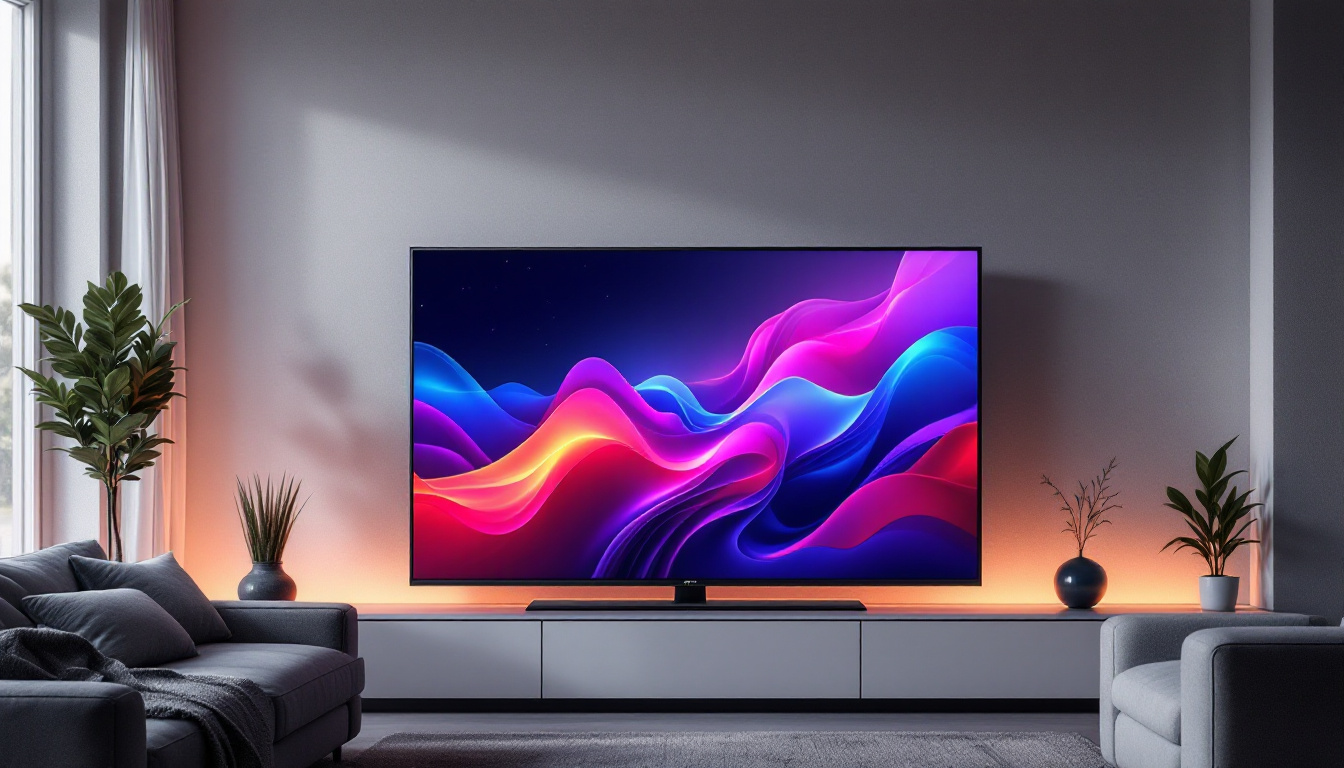
Choosing the right television can be a daunting task, especially with the myriad of technologies available in the market today. Two of the most commonly compared types are LCD and LED TVs. While the terms are often used interchangeably, there are important distinctions between them that affect picture quality, energy efficiency, lifespan, and price. This article delves into the differences between LCD and LED TVs, explaining LED display technology in detail and helping you make an informed decision when purchasing your next television.
Understanding the Basics: What Are LCD and LED TVs?
What is an LCD TV?
LCD stands for Liquid Crystal Display. An LCD TV uses a liquid crystal solution sandwiched between two sheets of polarized glass. When an electric current passes through the crystals, they align to allow varying amounts of light to pass through, creating images on the screen. However, LCD panels do not emit light on their own, so they require a backlight to illuminate the display.
Traditionally, LCD TVs used Cold Cathode Fluorescent Lamps (CCFLs) as the backlighting source. These CCFLs are fluorescent tubes that provide consistent, bright light behind the LCD panel. This technology was the standard for many years and is still found in some budget models. While CCFLs offer decent performance, they can sometimes struggle with color accuracy and contrast ratios compared to newer technologies. Additionally, the power consumption of CCFLs is higher than that of their LED counterparts, making them less efficient in terms of energy use.
As LCD technology has evolved, manufacturers have worked to improve the viewing experience by enhancing color reproduction and reducing motion blur. Some LCD TVs now incorporate advanced features such as local dimming, which allows specific areas of the screen to be dimmed or brightened independently, resulting in deeper blacks and improved overall contrast. This innovation has made LCD TVs more competitive against newer display technologies, ensuring they remain a popular choice for consumers.
What is an LED TV?
LED TVs are essentially LCD TVs that use Light Emitting Diodes (LEDs) for backlighting instead of CCFLs. This subtle but significant difference has a major impact on performance. LEDs are tiny semiconductor devices that emit light when an electric current passes through them. They can be arranged in various configurations behind or around the edges of the LCD panel.
Because LED TVs use LEDs for backlighting, they are sometimes referred to as LED-backlit LCD TVs. This means that technically, every LED TV is an LCD TV, but not every LCD TV is an LED TV. The term “LED TV” has become popular marketing shorthand for LCD TVs with LED backlighting. The advantages of LED technology include improved energy efficiency, longer lifespan, and the ability to produce brighter images with better contrast. Furthermore, LED TVs can achieve a wider color gamut, providing a more vibrant and lifelike viewing experience.
Additionally, there are two main types of LED backlighting: edge-lit and full-array. Edge-lit LED TVs have LEDs positioned around the perimeter of the screen, which allows for a thinner profile but can sometimes lead to uneven brightness. Full-array LED TVs, on the other hand, have a grid of LEDs behind the entire screen, enabling more precise control over brightness and contrast through local dimming. This results in a more immersive viewing experience, particularly in dark scenes, where the contrast between light and shadow can be more pronounced. As technology continues to advance, LED TVs are becoming increasingly popular among consumers seeking high-quality visual performance.
Key Differences Between LCD and LED TVs
Backlighting Technology
The most fundamental difference lies in the backlighting. CCFL backlights in traditional LCD TVs provide uniform lighting but are bulkier, consume more power, and have a shorter lifespan. LEDs, on the other hand, are more energy-efficient, compact, and longer-lasting.
LED backlighting can be implemented in two main ways: edge-lit and full-array. Edge-lit LED TVs place LEDs along the edges of the screen, allowing for thinner designs but sometimes uneven brightness. Full-array LED TVs have LEDs spread evenly behind the screen, enabling better local dimming and improved contrast.
Picture Quality
LED TVs generally offer better picture quality compared to CCFL-backlit LCD TVs. The use of LEDs allows for higher brightness levels and better contrast ratios. Full-array LED TVs with local dimming can turn off specific zones of LEDs to produce deeper blacks, enhancing the viewing experience in dark scenes.
Color accuracy and vibrancy are also improved with LED backlighting, especially when combined with advanced technologies like quantum dots, which expand the color gamut. This results in more lifelike and vivid images.
Energy Efficiency and Lifespan
LED TVs consume significantly less power than traditional LCD TVs with CCFL backlights. According to the U.S. Department of Energy, LED-backlit TVs use about 30-50% less energy, making them more environmentally friendly and cost-effective over time.
In terms of lifespan, LEDs tend to last longer and degrade more slowly than CCFLs. While CCFL backlights may dim or fail after several years, LED backlights generally maintain their brightness for a longer period, contributing to the TV’s overall longevity.
Design and Thickness
Because LEDs are smaller and can be arranged more flexibly than CCFL tubes, LED TVs can be made thinner and lighter. This allows for sleek, modern designs that are easier to mount on walls and fit into various living spaces.
Types of LED TVs: Edge-Lit vs. Full-Array
Edge-Lit LED TVs
Edge-lit LED TVs position LEDs around the perimeter of the screen. Light is then diffused across the display using light guides. This design enables ultra-thin TV panels and is generally more affordable.
However, edge-lit models can suffer from uneven brightness, especially in scenes with high contrast. Light bleeding or “halo” effects around bright objects on dark backgrounds are common issues. While some advanced edge-lit TVs incorporate local dimming zones to mitigate this, the effect is less precise than full-array models.
Full-Array LED TVs
Full-array LED TVs place LEDs directly behind the entire screen in a grid-like pattern. This setup allows for local dimming, where specific zones of LEDs can be dimmed or turned off independently, enhancing contrast and black levels.
Full-array models typically deliver superior picture quality, especially in dark scenes, and reduce issues like blooming and light bleed. However, they tend to be thicker and more expensive than edge-lit TVs.
Advanced LED Technologies: Quantum Dots and Mini-LED
Quantum Dot LED (QLED) TVs
Quantum dot technology enhances LED TVs by adding a layer of semiconductor nanocrystals that emit precise colors when illuminated by the LED backlight. This results in a wider color gamut, higher brightness, and improved color accuracy compared to standard LED TVs.
QLED TVs are particularly popular for HDR (High Dynamic Range) content, where vivid colors and bright highlights significantly improve the viewing experience. Brands like Samsung have championed QLED technology, positioning it as a premium alternative to OLED displays.
Mini-LED TVs
Mini-LED is a newer backlighting technology that uses thousands of tiny LEDs, much smaller than traditional LEDs, to provide more precise local dimming and better control over brightness. This allows Mini-LED TVs to achieve contrast ratios and black levels closer to OLED TVs, while maintaining the brightness advantages of LED technology.
Mini-LED TVs are gaining traction as a middle ground between conventional LED and OLED displays, offering excellent picture quality without the risk of burn-in associated with OLED panels.
Which is Better: LCD or LED TV?
Considering Picture Quality
If comparing traditional CCFL-backlit LCD TVs to LED-backlit LCD TVs, LED TVs clearly provide better picture quality, with higher brightness, better contrast, and improved color reproduction. Full-array LED TVs with local dimming outperform edge-lit models and traditional LCDs in delivering deep blacks and vibrant images.
However, it is important to note that LED TVs are fundamentally a subset of LCD TVs. The term “LCD TV” often refers to older models with CCFL backlighting, while “LED TV” refers to modern LCDs with LED backlighting. Therefore, when choosing between the two, opting for an LED TV is generally the better choice.
Energy Efficiency and Cost
LED TVs consume less power than older LCD TVs, which can reduce electricity bills over time. They also tend to have longer lifespans, reducing replacement frequency. While LED TVs can be more expensive upfront than traditional LCD models, the benefits in performance and efficiency justify the investment for most consumers.
Price Considerations
Basic LED TVs are now available at competitive prices, often comparable to older LCD models. However, advanced LED technologies such as QLED and Mini-LED come at a premium. Consumers should balance their budget with desired features and picture quality.
Other TV Technologies to Consider
OLED TVs
Organic Light Emitting Diode (OLED) TVs differ fundamentally from LCD and LED TVs. OLED panels emit their own light on a per-pixel basis, allowing for perfect black levels and infinite contrast ratios. This technology offers superior picture quality but tends to be more expensive and may have concerns about burn-in over time.
MicroLED TVs
MicroLED is an emerging technology that combines the self-emissive benefits of OLED with the brightness and longevity of LED. These TVs use microscopic LEDs as individual pixels, delivering exceptional picture quality and durability. However, MicroLED TVs are currently very expensive and primarily targeted at commercial or high-end markets.
How to Choose the Right TV for You
Assess Your Viewing Environment
Consider the lighting conditions in your room. LED TVs with high brightness levels perform better in bright rooms, while OLEDs excel in dark environments. Full-array LED TVs with local dimming are ideal for mixed lighting conditions.
Determine Your Usage Needs
If you watch a lot of HDR content, gaming, or movies, investing in an LED TV with advanced features like Quantum Dots or Mini-LED backlighting can enhance your experience. For casual viewing, a standard LED TV may suffice.
Set a Budget
Prices vary widely. Establishing a budget upfront helps narrow down options. Remember to factor in additional costs such as wall mounts, sound systems, or extended warranties.
Read Reviews and Compare Models
Consult professional reviews and user feedback to understand real-world performance. Pay attention to factors like input lag for gaming, smart TV features, and connectivity options.
Conclusion
In the ongoing debate of LCD vs. LED TVs, it is important to recognize that LED TVs are essentially an advanced form of LCD TVs with superior backlighting technology. The transition from CCFL to LED backlighting has brought significant improvements in picture quality, energy efficiency, design, and lifespan.
For most consumers, choosing an LED TV—especially one with full-array backlighting and local dimming—offers the best balance of performance and value. Advanced LED technologies like Quantum Dots and Mini-LED further enhance the viewing experience, making LED TVs a versatile choice for a wide range of budgets and preferences.
Ultimately, understanding the distinctions between these technologies empowers buyers to select a television that best fits their viewing habits, environment, and budget, ensuring satisfaction for years to come.
Discover the Future of Television with LumenMatrix
Ready to experience the pinnacle of LED display technology in your own home or business? LumenMatrix is at the forefront of innovation, offering a wide array of LED display solutions that bring your visual content to life. Whether you’re looking for an Indoor LED Wall Display to enhance your living space, an Outdoor LED Wall Display to capture the attention of passersby, or any of our specialized displays like Vehicle LED, Sports, or Floor LED Displays, LumenMatrix has the perfect solution to meet your needs. Elevate your viewing experience and make a statement with our Custom LED and All-in-One LED Displays. Don’t just watch TV—immerse yourself in it with LumenMatrix. Check out LumenMatrix LED Display Solutions today and transform the way you see the world.