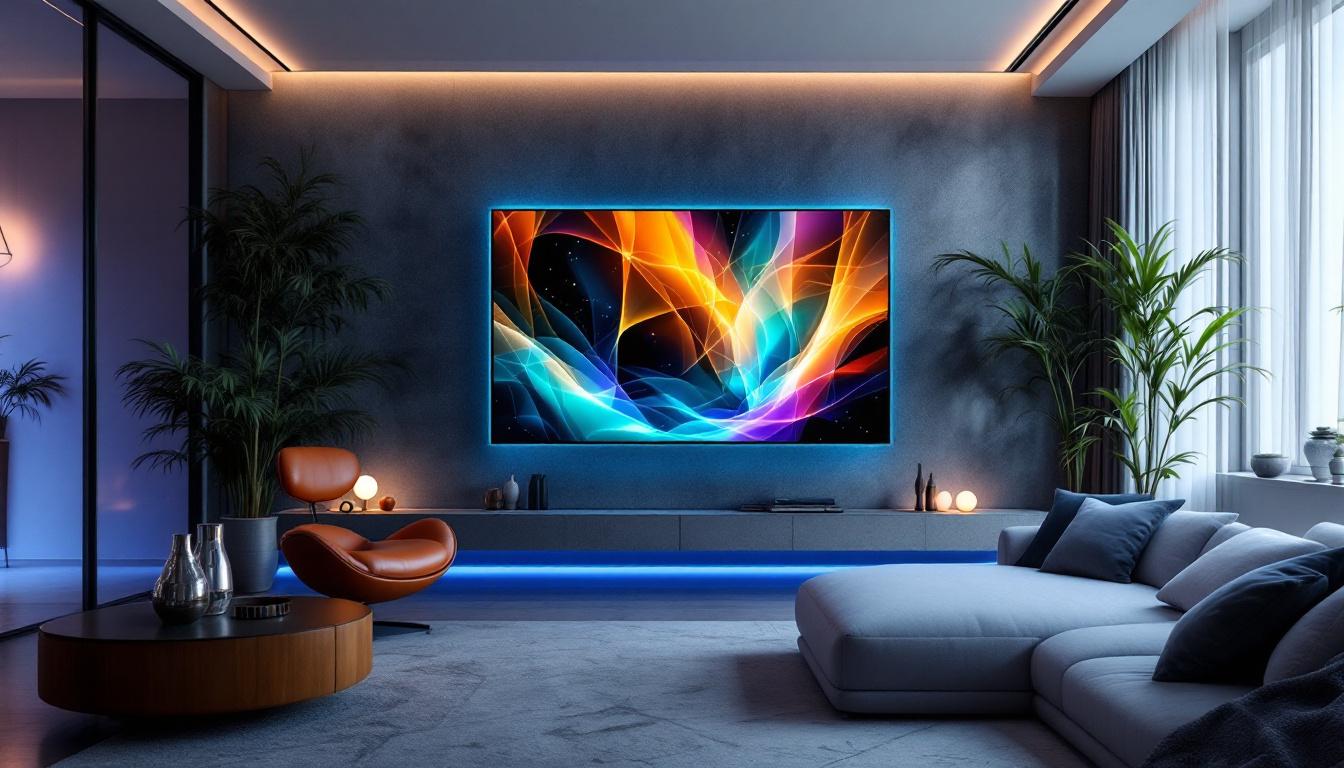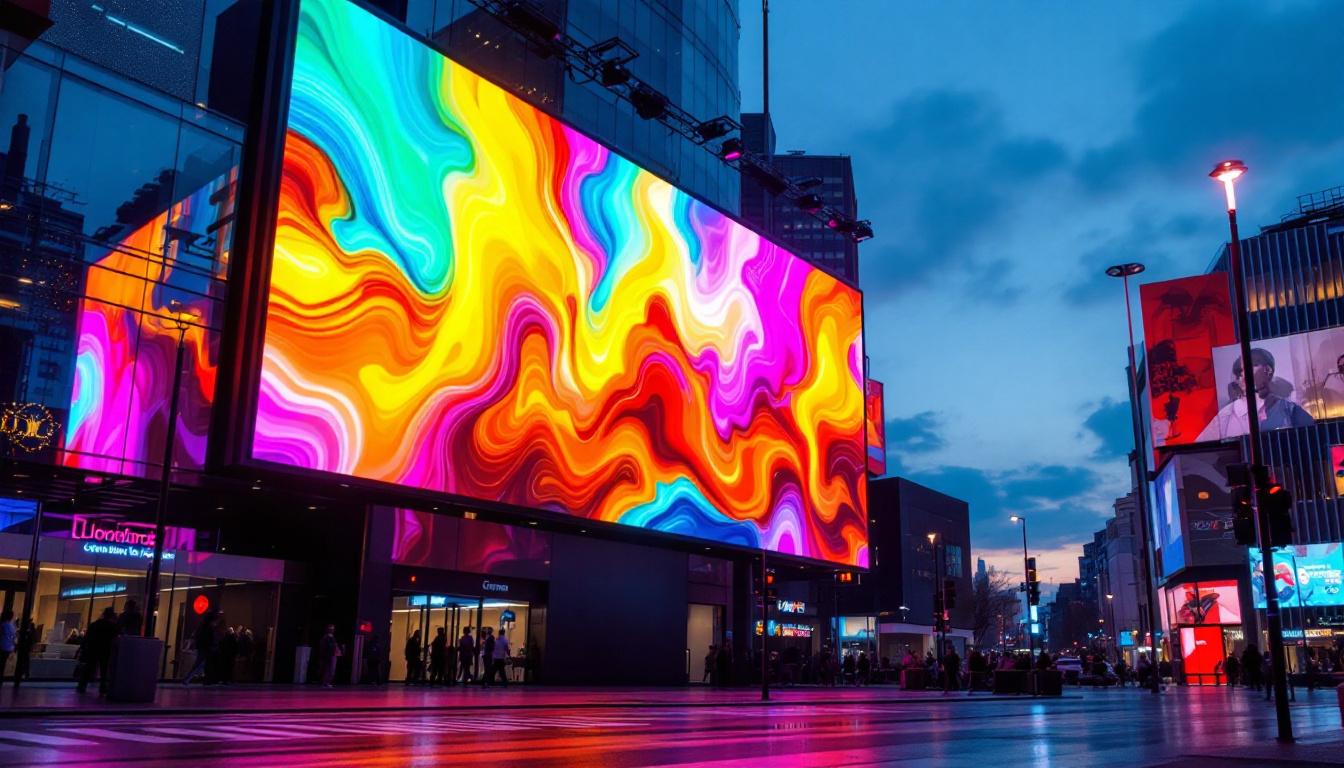
In today’s digital age, screens are everywhere—from smartphones and televisions to billboards and wearable devices. Among the various display technologies available, LED displays have become a dominant choice due to their brightness, energy efficiency, and versatility. But what exactly makes an LED display light up your screen, and why are they preferred over other technologies? This article dives deep into the world of LED displays, explaining their principles, types, advantages, and applications, helping you understand why your screen shines so brightly.
What is an LED Display?
LED stands for Light Emitting Diode, a semiconductor device that emits light when an electric current passes through it. An LED display is essentially a flat panel or screen that uses an array of these tiny LEDs to create images, videos, or text. Unlike traditional LCD screens that rely on backlighting, LED displays use these diodes as the light source themselves, which allows for greater brightness and contrast. This capability makes LED displays particularly suitable for environments with high ambient light, such as outdoor advertising or stadium screens, where visibility is crucial.
The concept of LED displays dates back several decades, but recent advances in LED technology have dramatically improved their performance and affordability. Today, LED displays are found in a wide range of devices, from small indicator lights to massive outdoor billboards. In addition to their widespread use in commercial applications, LED technology has also made its way into consumer electronics, such as televisions and smartphones, where users benefit from enhanced picture quality and energy efficiency.
How Do LED Displays Work?
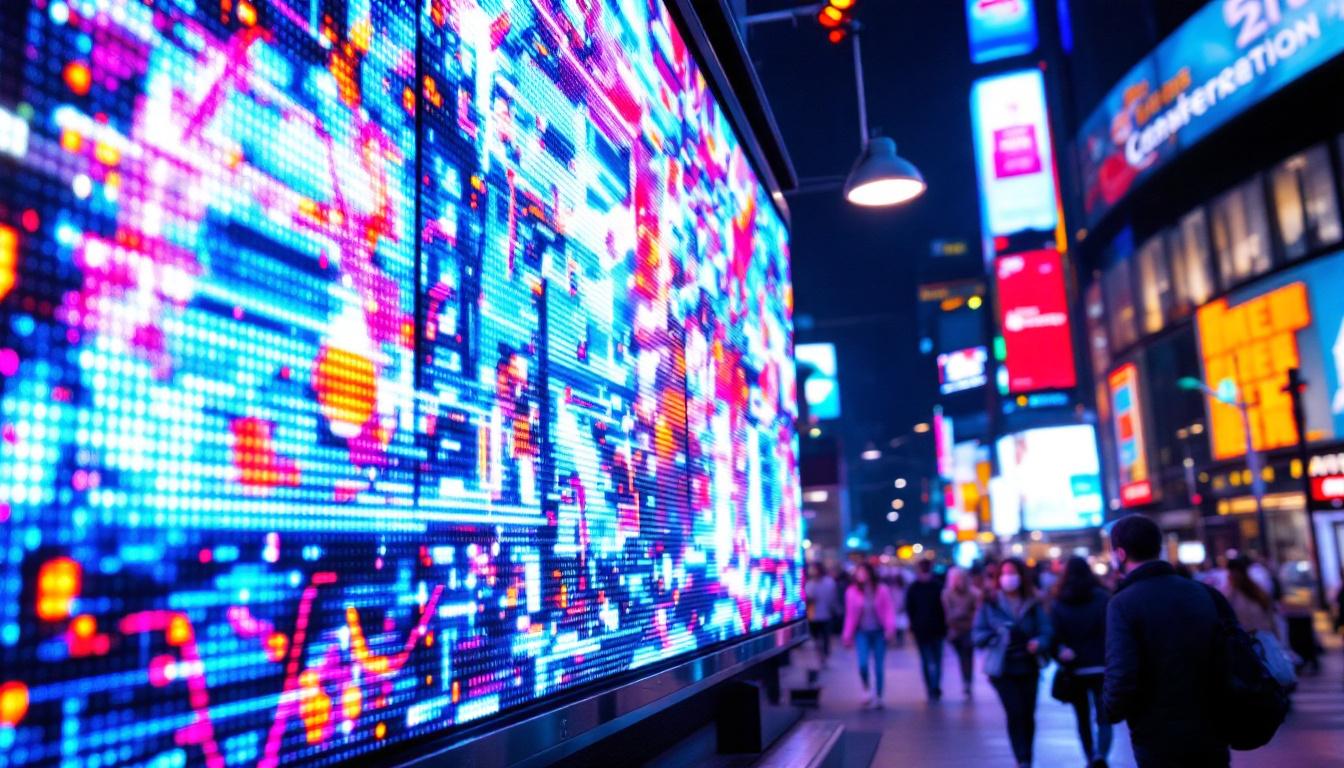
At the core of an LED display is a matrix of LEDs arranged in rows and columns. Each LED can be individually controlled to emit light at varying intensities and colors. By turning specific LEDs on or off and adjusting their brightness, the display can render images and videos pixel by pixel. This precise control allows for dynamic content that can change in real-time, making LED displays ideal for applications like digital signage, where advertisements can be updated instantly to reflect current promotions or events.
For color displays, LEDs are typically grouped into red, green, and blue sub-pixels. By mixing these primary colors at different intensities, the display can reproduce millions of colors, creating vibrant and lifelike images. This process is called additive color mixing. Furthermore, advancements in technology have led to the development of organic LEDs (OLEDs), which offer even greater flexibility in design and superior color accuracy. OLED displays can be made thinner and more flexible than traditional LED displays, opening up new possibilities for innovative applications, such as curved screens and wearable devices. The ongoing evolution of LED technology continues to push the boundaries of what is possible in visual display systems, making them an exciting area of development in both consumer and professional markets.
Types of LED Displays
LED displays come in various forms, each suited for different applications and environments. Understanding these types helps clarify why LED technology is so versatile and widely adopted.
1. Direct View LED Displays
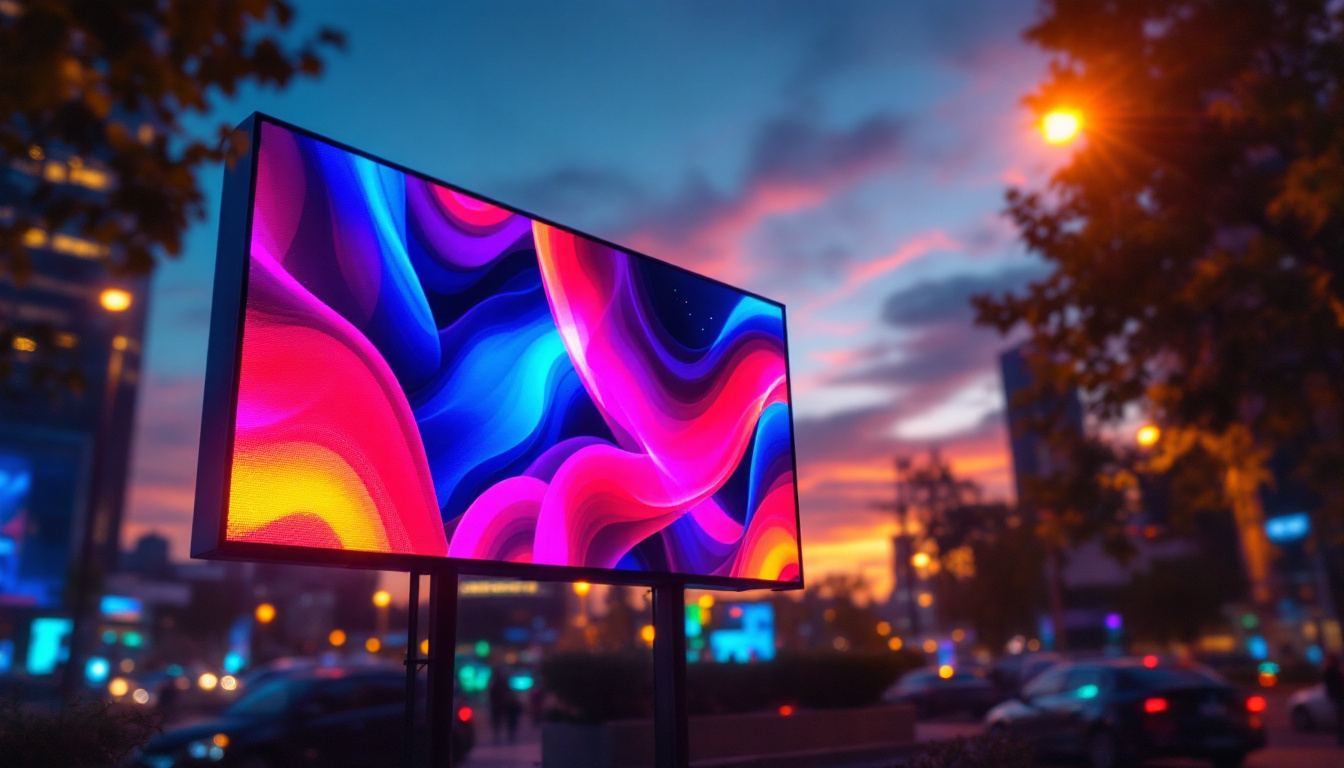
Direct View LED (DVLED) displays consist of LEDs arranged in a grid that directly emit light toward the viewer. These are commonly used in large-scale applications such as stadium screens, digital billboards, and public information displays. Because the light source is the LED itself, DVLED displays offer excellent brightness and visibility even in direct sunlight.
The pixel pitch—the distance between the centers of two adjacent LEDs—plays a crucial role in image clarity. Smaller pixel pitches mean higher resolution and sharper images, which is why indoor LED displays typically have pixel pitches as low as 0.9mm, while outdoor displays have larger pitches to accommodate viewing distances.
2. LED-Backlit LCD Displays
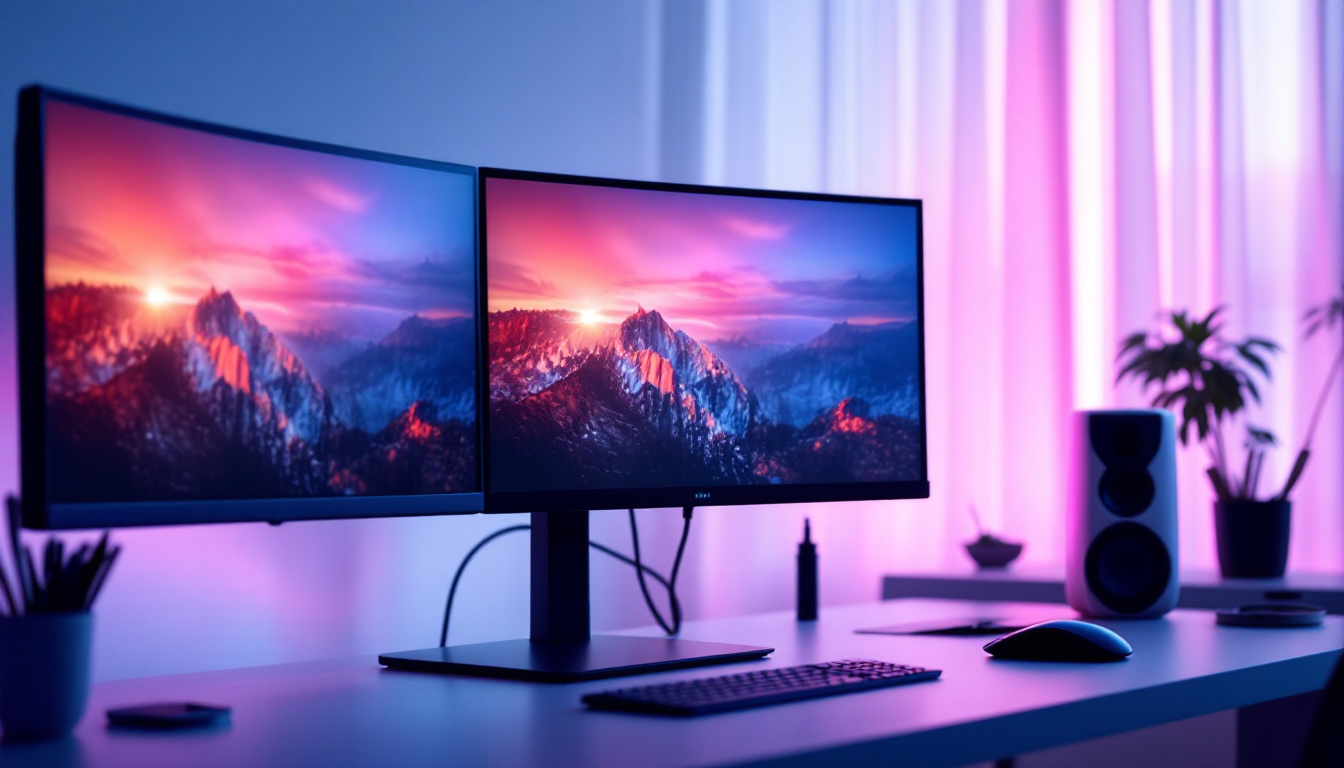
Many consumer electronics, including smartphones, laptops, and televisions, use LED-backlit LCD displays. In this design, the screen itself is an LCD panel that blocks or allows light to pass through, while a separate LED backlight provides the illumination. This differs from DVLED displays because the LEDs are not the pixels themselves but serve as a light source behind the LCD.
LED backlighting can be edge-lit or full-array. Edge-lit LED displays place LEDs around the edges of the screen, while full-array backlighting distributes LEDs evenly behind the panel, allowing for better local dimming and contrast.
3. OLED Displays: A Related Technology
While not technically LED displays, OLED (Organic Light Emitting Diode) technology is often discussed alongside LEDs. OLEDs use organic compounds that emit light when electrically stimulated, allowing each pixel to emit its own light without a backlight. This results in deeper blacks and thinner displays.
OLED displays are common in high-end smartphones and televisions, offering superior contrast and color accuracy. However, they tend to be more expensive and have different longevity characteristics compared to traditional LED displays.
Advantages of LED Displays
LED displays have surged in popularity due to a combination of technical and economic benefits. Here are some of the key advantages that make LED displays a preferred choice across industries.
Brightness and Visibility
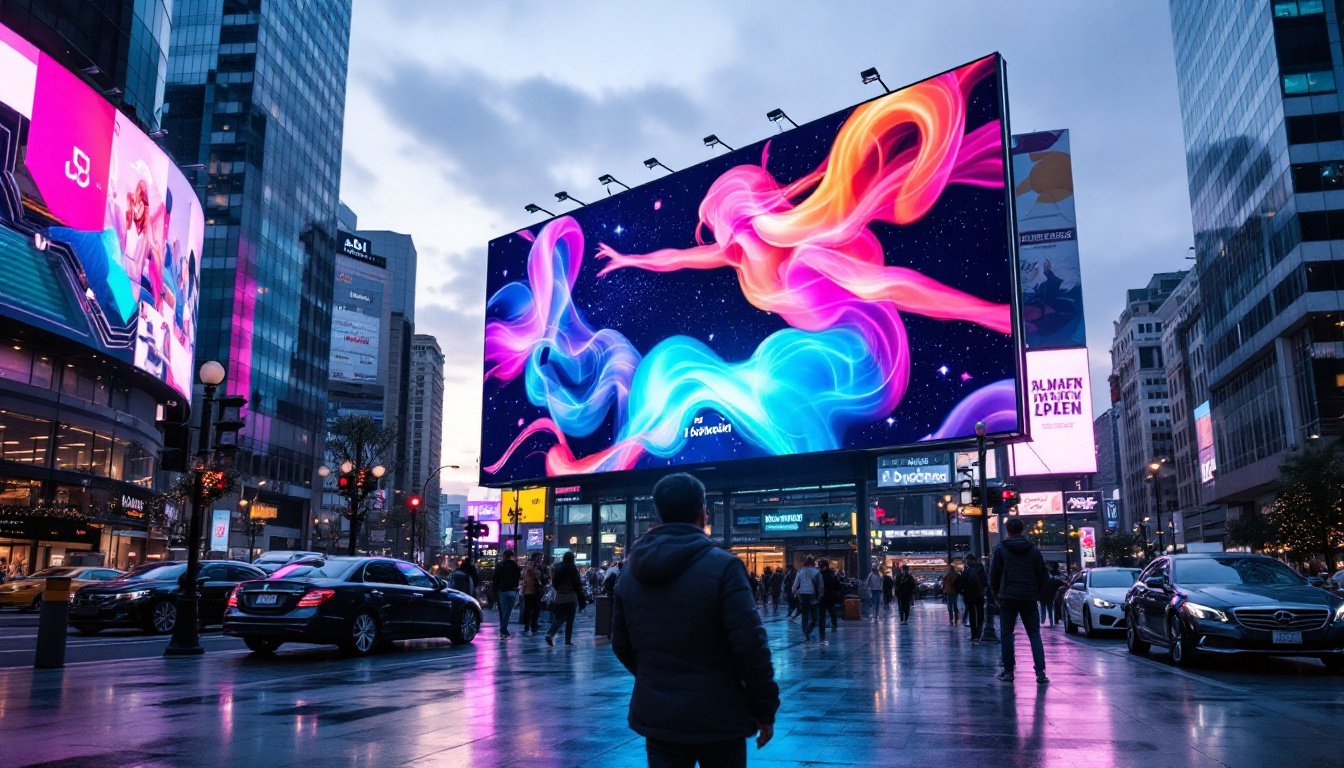
One of the most significant advantages of LED displays is their exceptional brightness. LEDs can produce intense light, making screens easily visible even in bright outdoor environments. This is why LED billboards and traffic signs are so effective—they remain clear and readable under direct sunlight.
Energy Efficiency
Compared to older technologies like incandescent bulbs or cold cathode fluorescent lamps (CCFLs) used in traditional LCD backlighting, LEDs consume significantly less power. This energy efficiency translates into longer battery life for portable devices and lower operating costs for large displays.
Longevity and Durability
LEDs have a longer lifespan than many other light sources, often rated for tens of thousands of hours of operation. They are also more robust, resistant to shock and vibration, and operate well across a wide temperature range, making them suitable for both indoor and outdoor use.
Color Accuracy and Contrast
With the ability to control each LED’s brightness precisely, LED displays can achieve high contrast ratios and vibrant colors. This results in more realistic and engaging images, enhancing the viewing experience for entertainment, advertising, and informational purposes.
Applications of LED Displays
The versatility of LED displays has led to their adoption across a broad spectrum of applications, from consumer electronics to industrial and commercial uses.
Consumer Electronics
Smartphones, tablets, laptops, and televisions commonly use LED-backlit LCD or OLED displays. The demand for thinner, brighter, and more energy-efficient screens drives continuous innovation in LED technology, enabling devices that are more immersive and portable.
Advertising and Public Information
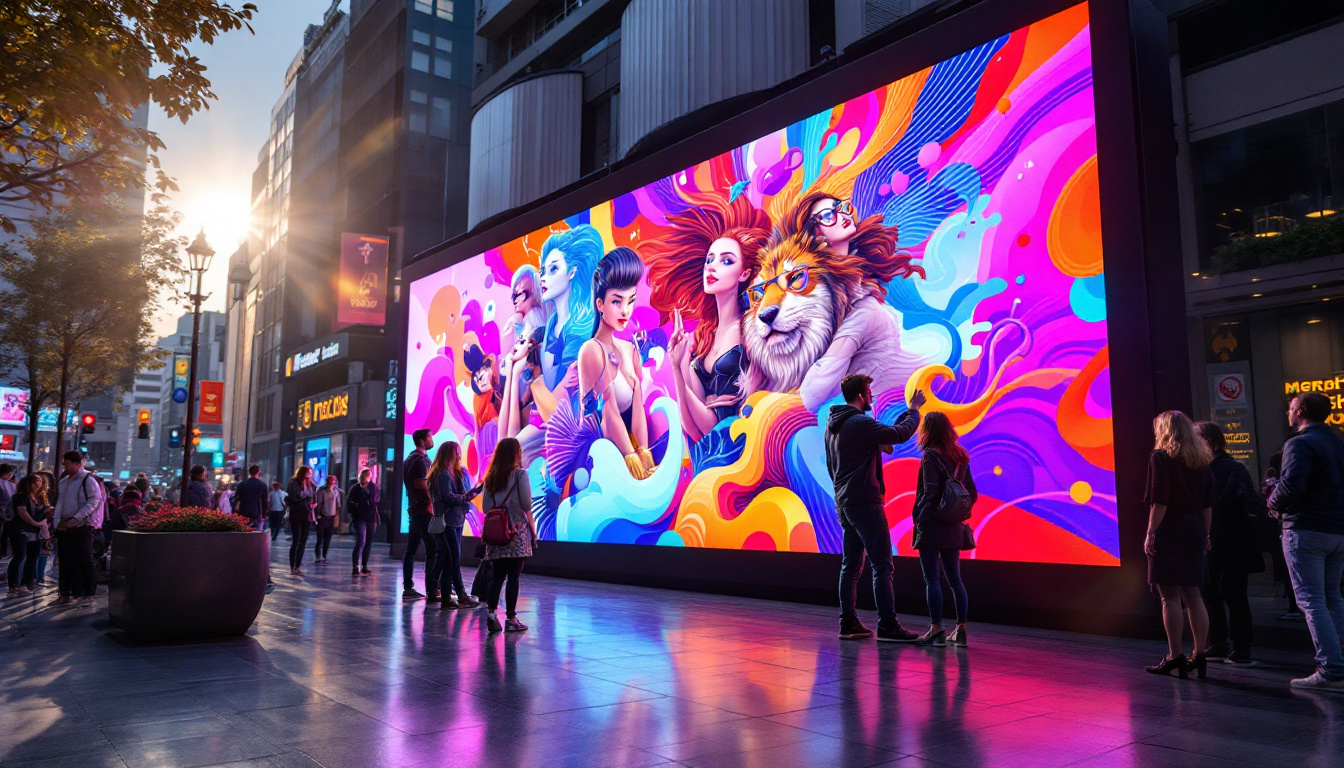
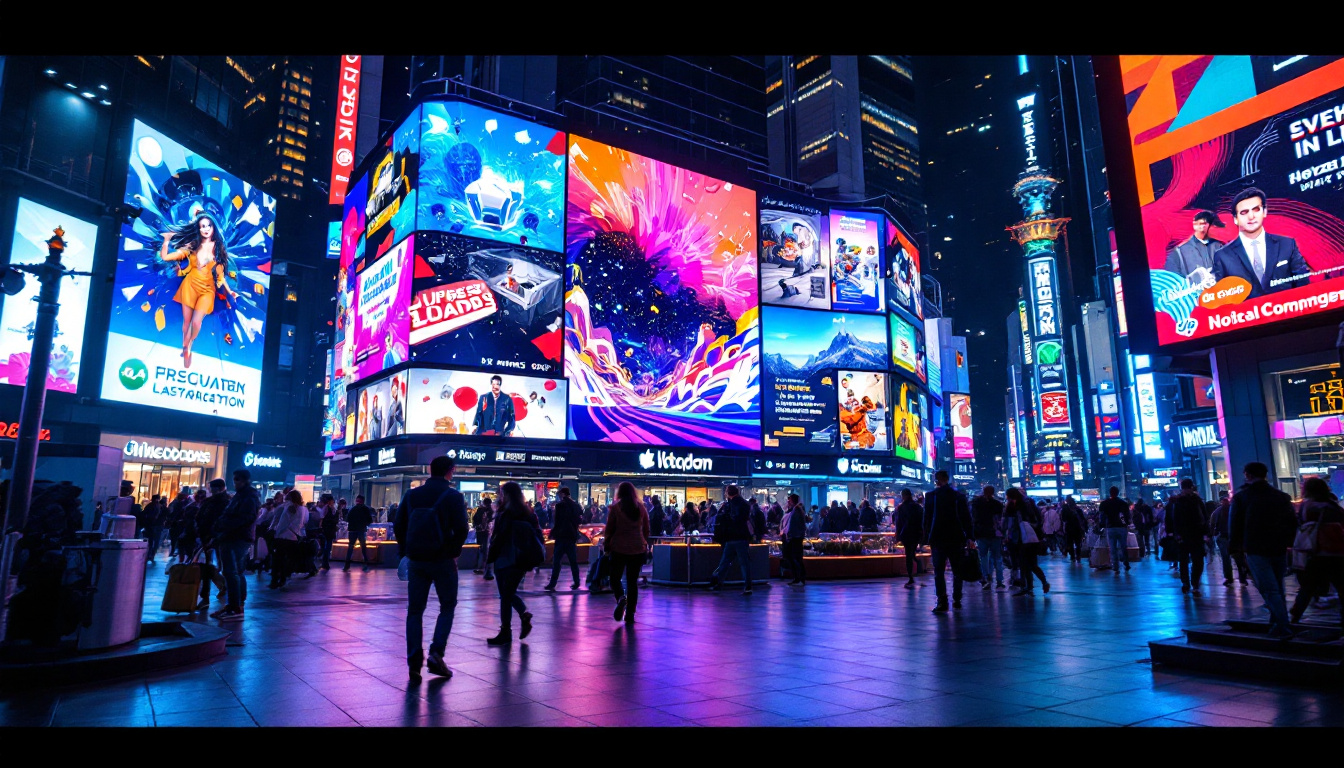
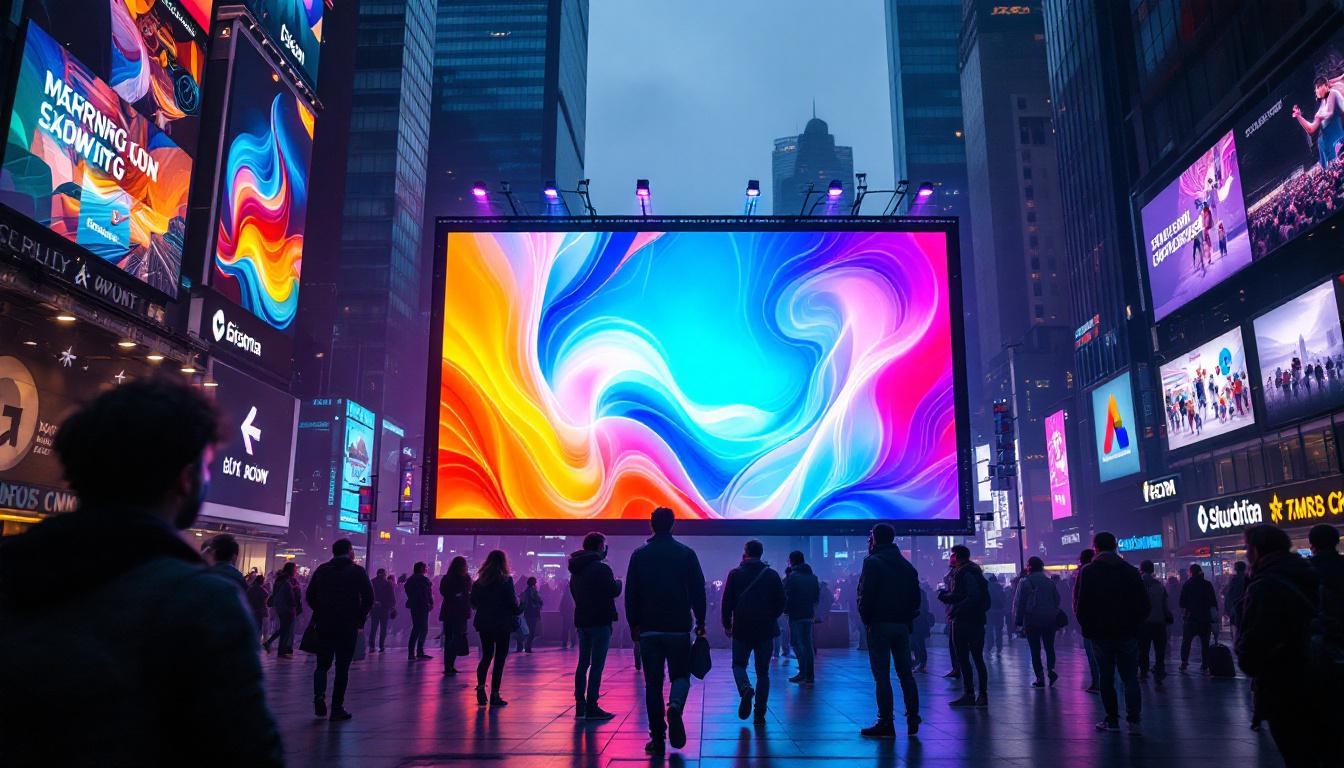
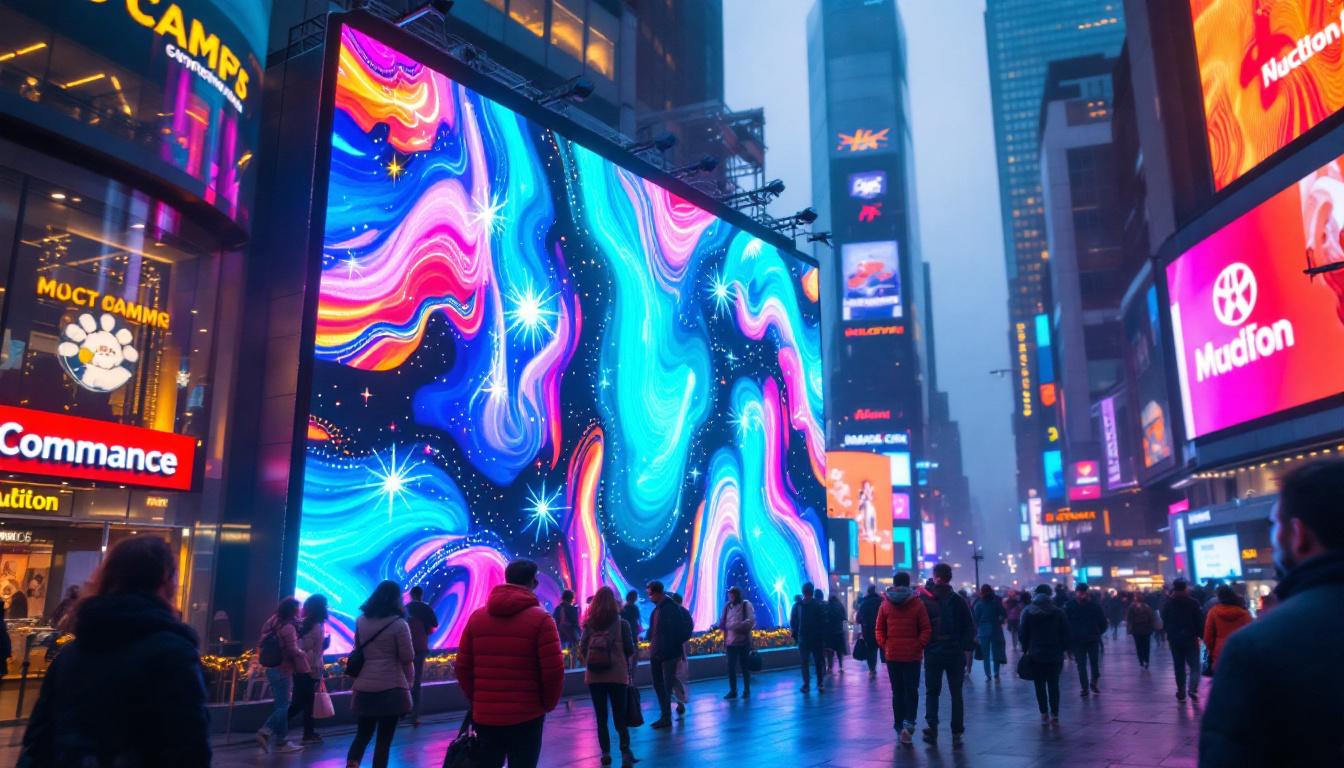
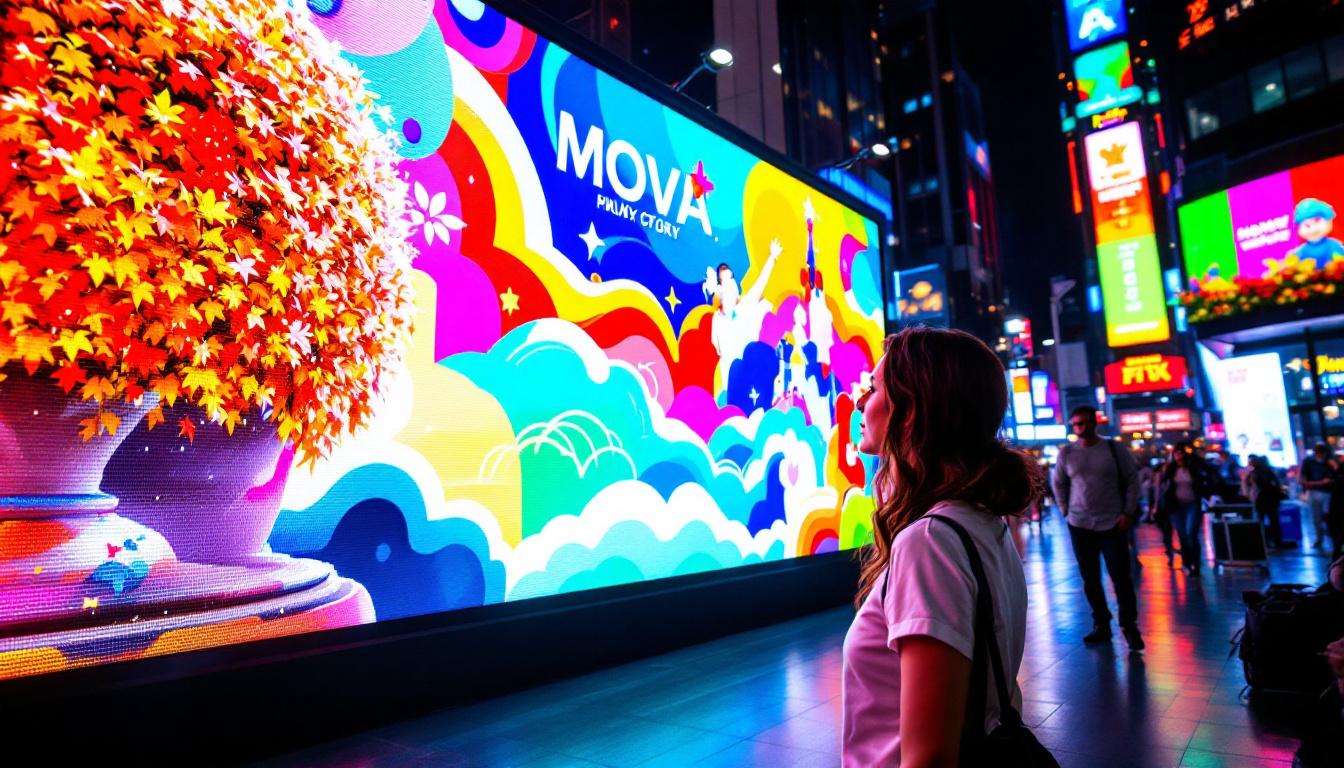
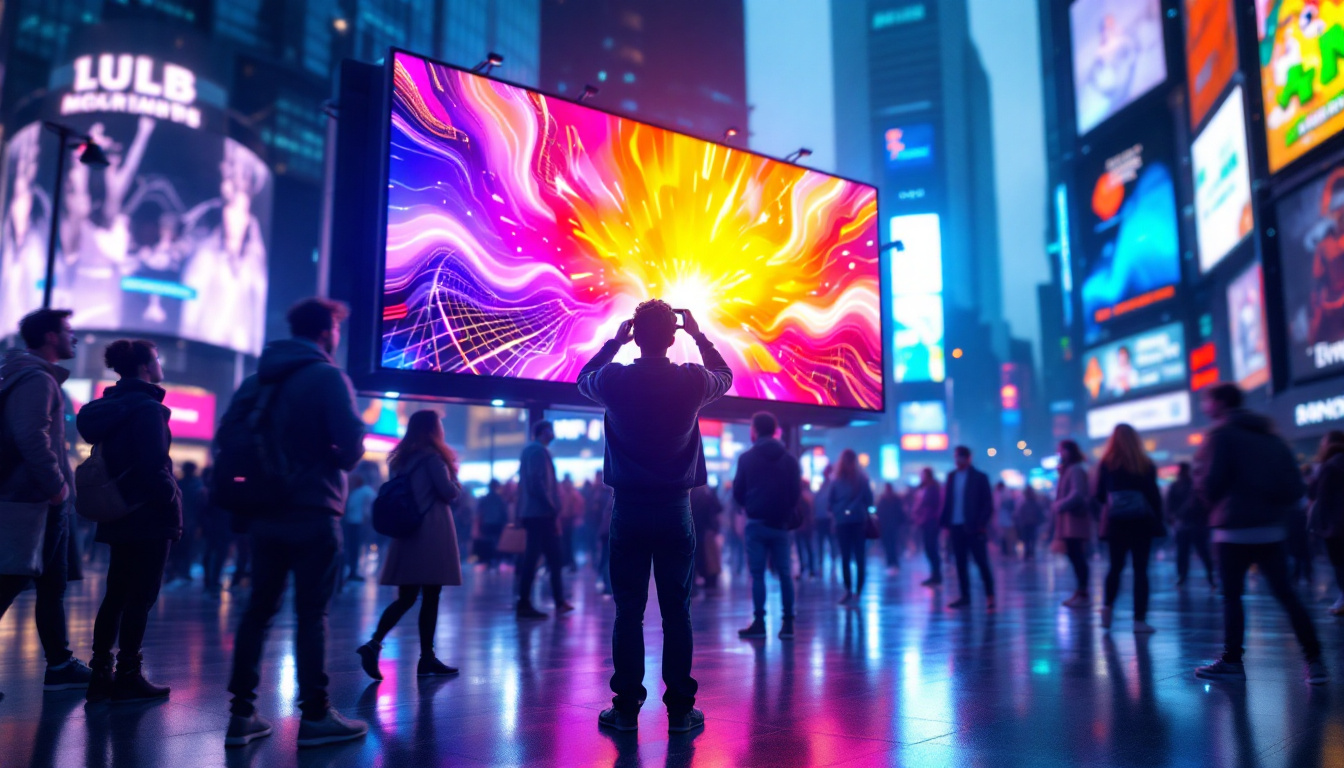
Outdoor LED billboards and digital signage are a staple of modern advertising. Their brightness and ability to display dynamic content make them more effective than traditional static signs. Cities also use LED displays for traffic management, emergency alerts, and public announcements.
Entertainment and Sports Venues
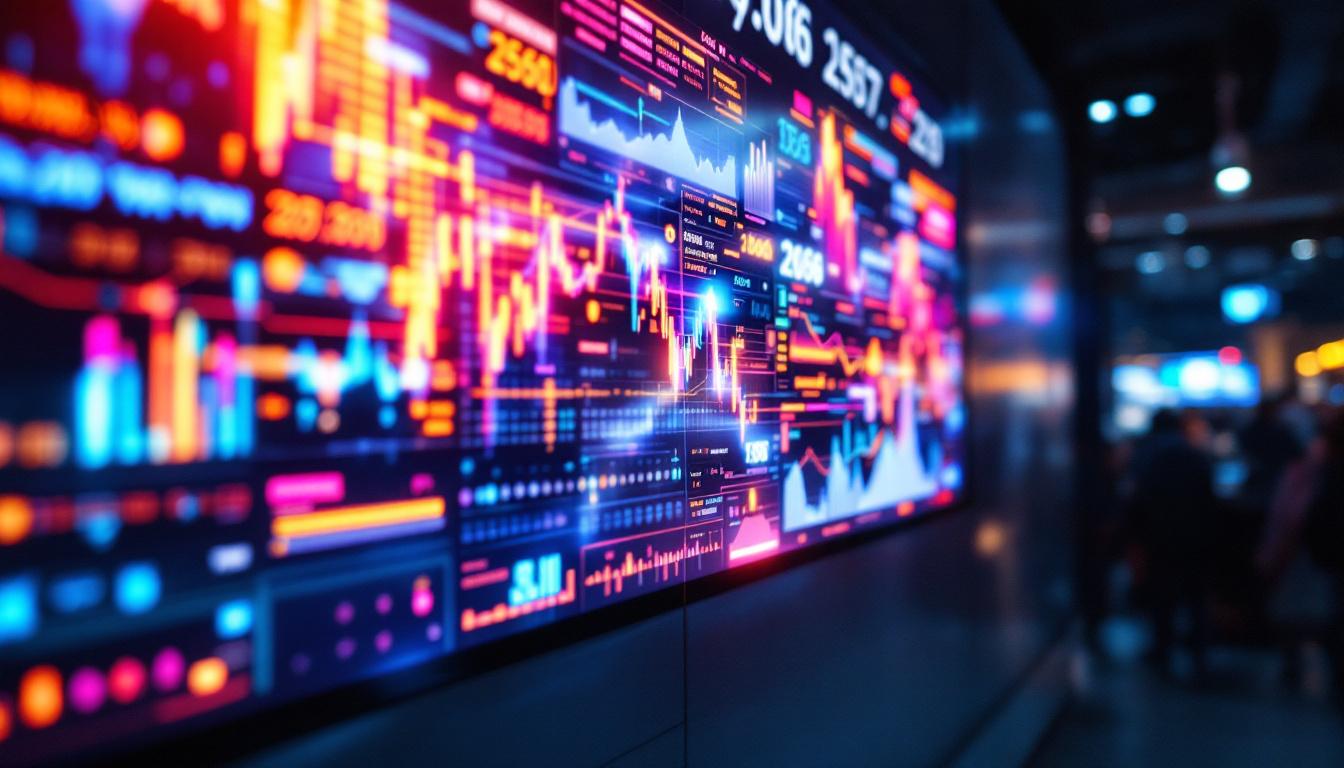
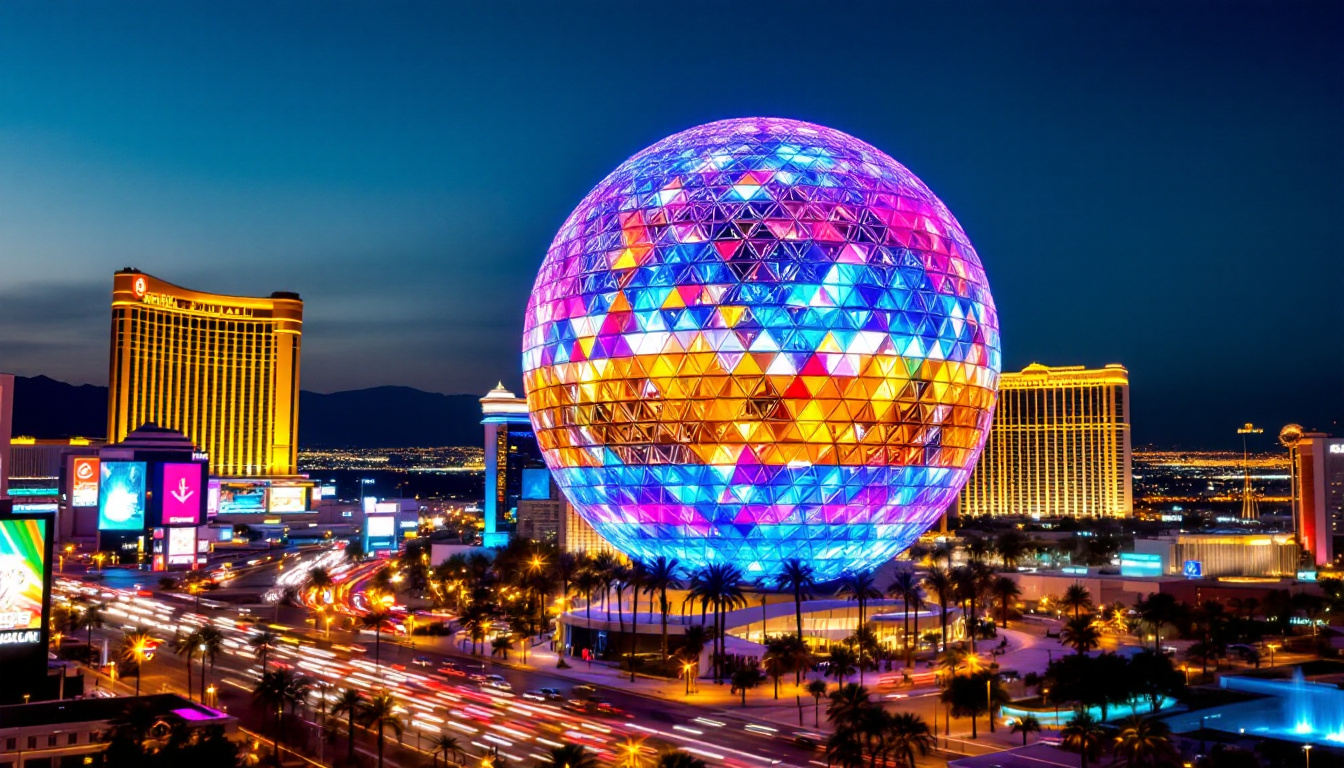
Large-scale LED video walls are integral to concerts, sports arenas, and theaters. These displays provide high-resolution visuals visible from great distances, enhancing the audience experience and enabling creative content presentation.
Automotive and Transportation
LED technology is used in vehicle dashboards, head-up displays, and exterior lighting. In public transportation, LED screens provide real-time information to passengers, improving communication and safety.
Future Trends in LED Display Technology
The LED display industry continues to evolve rapidly, driven by advances in materials science, manufacturing techniques, and user demand for better performance.
MicroLED Displays
MicroLED technology represents the next frontier in LED displays. These displays use microscopic LEDs to create pixels, combining the brightness and longevity of traditional LEDs with the pixel-level control of OLEDs. MicroLED displays promise higher brightness, improved energy efficiency, and longer lifespans without the burn-in issues associated with OLEDs.
Flexible and Transparent Displays
Innovations in LED materials have enabled flexible and transparent LED displays, opening new possibilities for wearable devices, automotive windows, and architectural applications. These displays can conform to curved surfaces or integrate seamlessly into glass, creating futuristic user interfaces.
Enhanced Resolution and Pixel Density
As manufacturing processes improve, LED displays are achieving higher pixel densities, allowing for ultra-high-definition screens that rival or surpass traditional LCD and OLED panels. This is particularly important for applications such as virtual reality and augmented reality, where pixel clarity is critical.
Choosing the Right LED Display
Whether you are selecting a display for a commercial project, consumer device, or public installation, understanding the key factors can help you make an informed decision.
Consider Viewing Distance and Environment
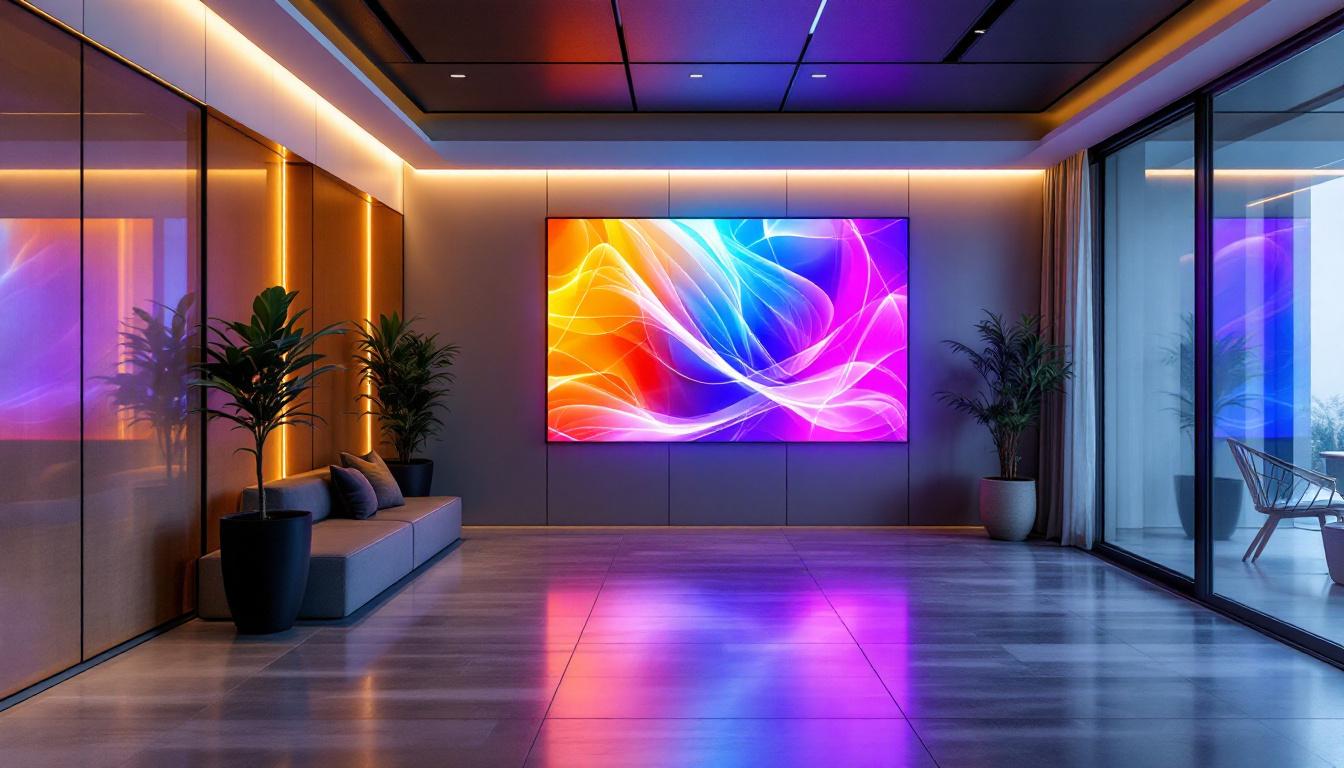
The pixel pitch and brightness requirements depend heavily on where and how the display will be used. Outdoor displays need higher brightness and larger pixel pitches for visibility at a distance, while indoor displays benefit from finer pixel pitches and controlled lighting conditions.
Evaluate Power Consumption and Lifespan
For battery-powered devices or installations with limited power availability, energy efficiency is paramount. Additionally, displays with longer lifespans reduce maintenance costs and downtime.
Assess Color Quality and Contrast Needs
Applications like digital signage or entertainment demand vivid colors and high contrast to capture attention and provide an immersive experience. In contrast, informational displays may prioritize readability and simplicity.
Conclusion
LED displays have revolutionized the way screens light up our world, offering unparalleled brightness, efficiency, and versatility. From the smartphones in our pockets to the massive billboards lighting up cityscapes, LED technology continues to advance, shaping the future of visual communication.
Understanding the fundamentals of how LED displays work, their types, and their applications empowers consumers and professionals alike to appreciate the technology behind the glowing screens we rely on daily. As innovations like MicroLED and flexible displays emerge, the future promises even more dazzling and dynamic ways to make screens light up our lives.
Illuminate Your Space with LumenMatrix
Ready to bring the brilliance of LED displays into your space? LumenMatrix is at the forefront of LED display innovation, offering a diverse range of solutions that cater to your unique needs. Whether you’re looking to enhance your brand’s visibility with an Indoor LED Wall Display, captivate passersby with an Outdoor LED Wall Display, or create a dynamic environment with our Custom LED and All-in-One LED Displays, we have the technology to transform your vision into reality. Don’t just light up your screen; revolutionize your visual communication with LumenMatrix. Check out LumenMatrix LED Display Solutions and see how we can make your message shine.