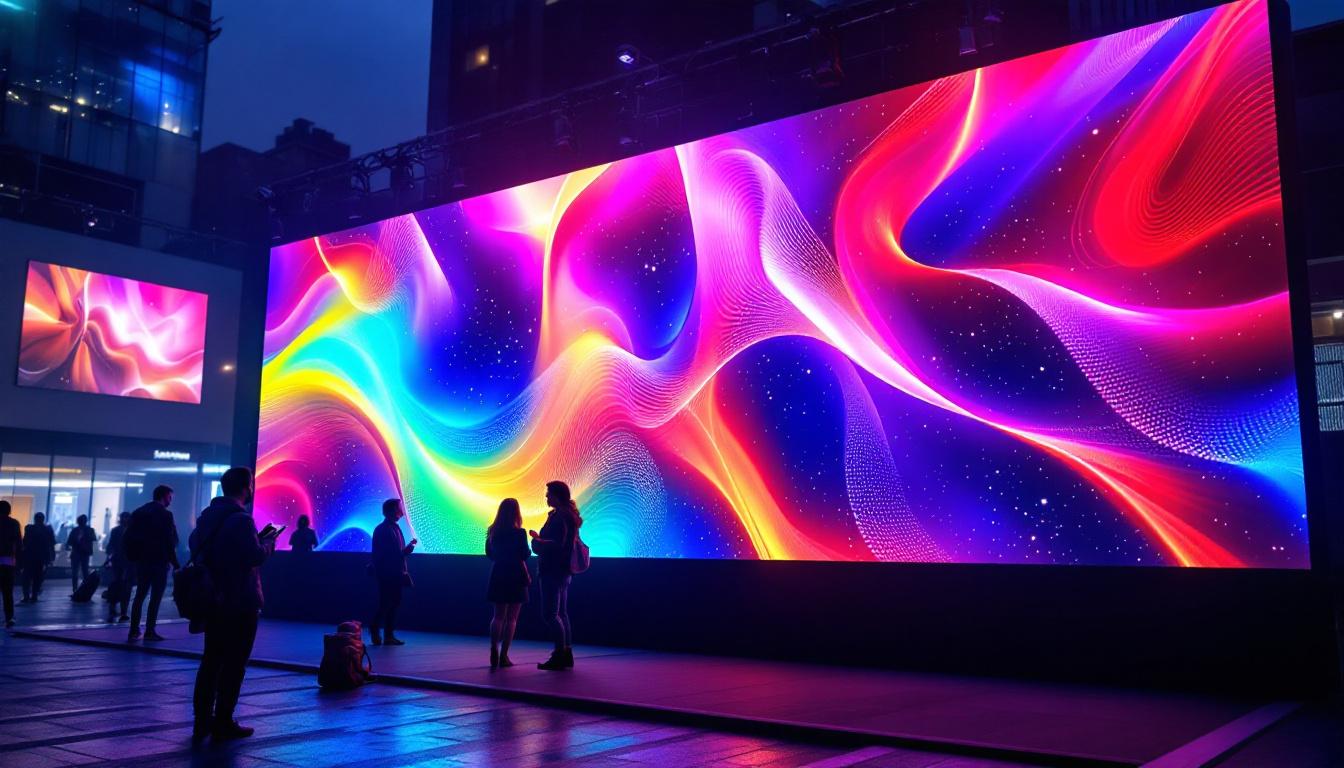
In the world of advertising and digital signage, LED displays have become a dominant force, offering vibrant visuals and dynamic content that capture attention like never before. Whether it’s for outdoor billboards, indoor promotional screens, or event backdrops, understanding the standard banner sizes in feet is crucial for businesses, designers, and marketers alike. This knowledge ensures that LED displays are not only visually impactful but also appropriately scaled for their intended environment.
Why Standard Banner Sizes Matter in LED Displays
When planning an LED display, size is more than just a number—it directly affects visibility, resolution, and overall effectiveness. Choosing a standard banner size helps streamline production, installation, and content creation. It also ensures compatibility with mounting hardware and viewing distances, which are critical for maximizing the display’s impact.
Standardization in banner sizes also benefits manufacturers and suppliers by simplifying inventory and reducing costs. For end-users, it means easier customization without compromising on quality or performance. In an industry where precision and clarity are paramount, knowing the common dimensions in feet can save time and resources.
The Role of Viewing Distance and Location
One of the primary considerations when selecting an LED banner size is the viewing distance. For example, a banner intended for a highway billboard will be much larger than one designed for a retail store window. The farther away the audience, the larger the display needs to be to remain legible and engaging.
Location also influences size choices. Indoor LED banners typically range from smaller, more intimate sizes to medium-sized panels, while outdoor banners often require larger dimensions to withstand environmental factors and maintain visibility in daylight. Additionally, the type of content being displayed can dictate size; for instance, detailed graphics or text-heavy messages may necessitate a larger format to ensure clarity and prevent overcrowding of information. This is particularly important in high-traffic areas where viewers may only have a few seconds to absorb the message.
Moreover, understanding the demographics of the target audience can further refine size selection. For instance, a display aimed at a younger audience in a bustling urban center might benefit from a more vibrant and larger format that captures attention quickly, while a more subdued and smaller display may work well in a corporate environment where professionalism is key. This nuanced approach to size selection not only enhances the effectiveness of the message but also aligns with the overall branding strategy, ensuring that the display resonates with its intended viewers.
Common Standard Banner Sizes in Feet for LED Displays
LED display banners come in a variety of sizes, but certain dimensions have become industry standards due to their versatility and effectiveness. Here’s a breakdown of the most common standard banner sizes in feet, along with their typical applications.
Small LED Banners: 3 x 6 Feet and 4 x 8 Feet
Small LED banners, such as 3 feet by 6 feet or 4 feet by 8 feet, are popular for indoor use. These sizes are ideal for retail displays, trade show booths, and event signage where space is limited but visual impact is still essential.
At these dimensions, the LED panels provide crisp images and clear text that can be viewed comfortably at close to medium range, usually between 3 to 15 feet. They are also easier to transport and install, making them a favorite for businesses that require mobility. Furthermore, their compact size allows for creative placement in high-traffic areas, ensuring that messages reach a wide audience without overwhelming the space.
In addition to retail and event settings, small LED banners can be effectively used in educational environments, such as schools or universities, to display announcements, schedules, or promotional materials. Their lightweight nature means they can be easily mounted on walls or stands, providing a dynamic way to communicate information to students and visitors alike.
Medium LED Banners: 6 x 12 Feet and 8 x 16 Feet
Medium-sized banners, such as 6 feet by 12 feet or 8 feet by 16 feet, strike a balance between visibility and practicality. These sizes are commonly used for storefront advertising, indoor arenas, and conference centers.
Medium banners offer greater flexibility in content display, allowing for more detailed graphics and longer messages without sacrificing legibility. They are also suitable for outdoor use in controlled environments, such as shopping malls or event venues. With the ability to showcase high-resolution images and vibrant colors, these banners can effectively capture the attention of passersby, making them an excellent choice for promotional campaigns.
Moreover, medium LED banners can serve as a powerful tool for brand storytelling. Businesses can utilize these displays to highlight their unique selling propositions or share customer testimonials, creating an engaging narrative that resonates with potential clients. The versatility of medium banners also extends to their use in corporate events, where they can be employed to enhance the overall atmosphere and provide essential information to attendees.
Large LED Banners: 12 x 24 Feet and Above
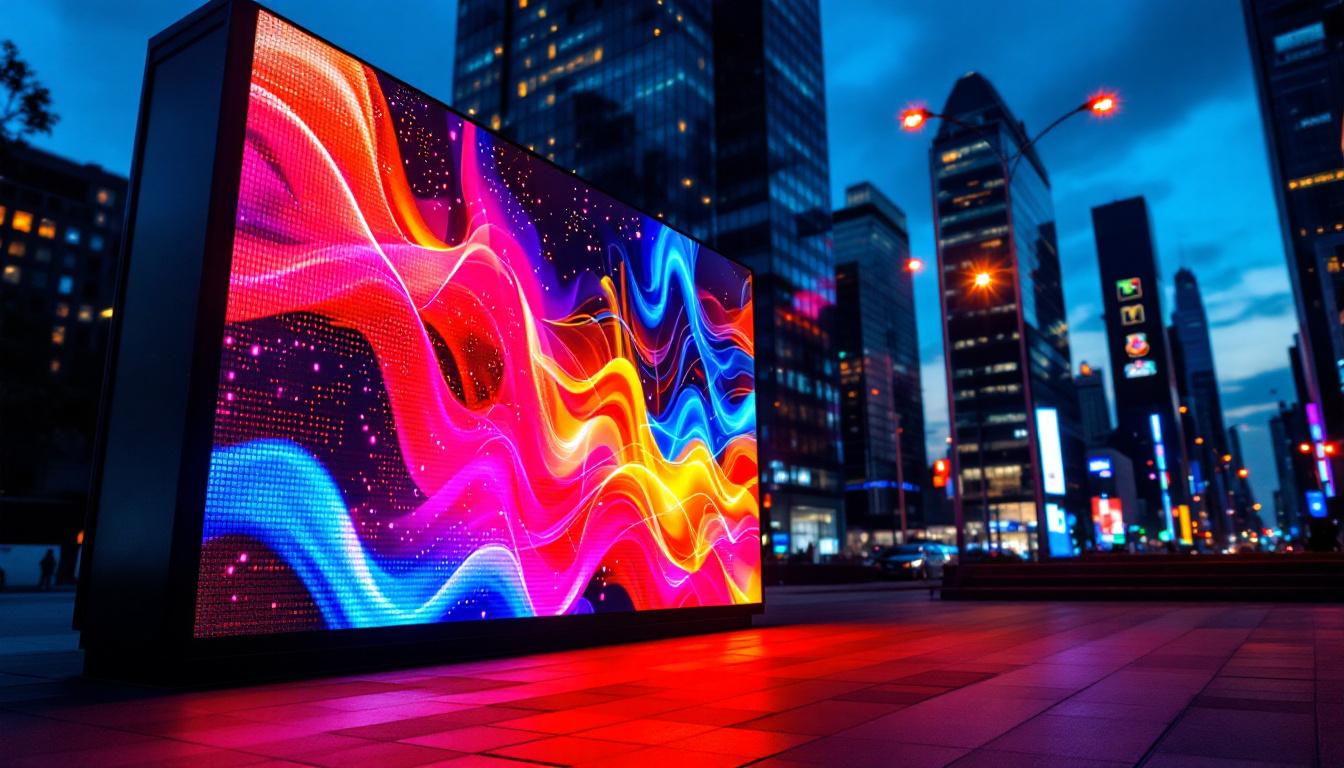
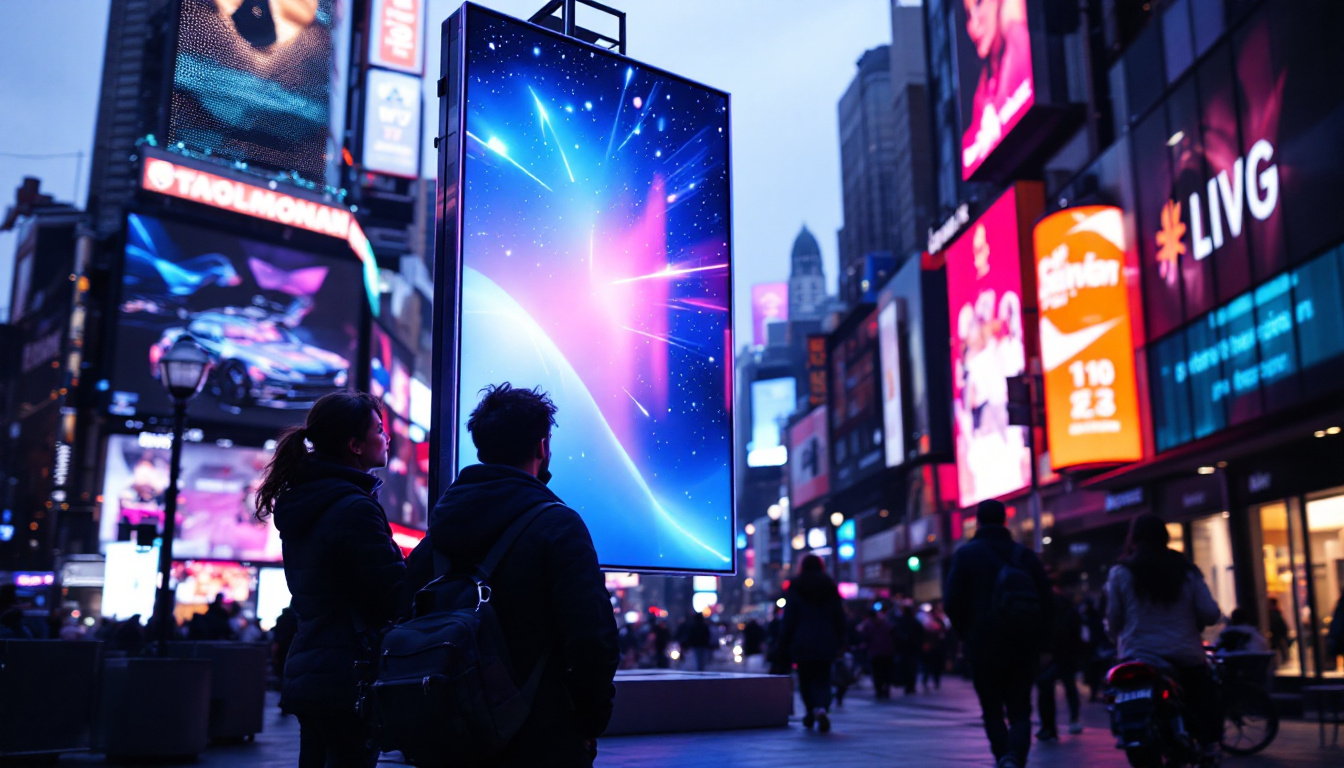
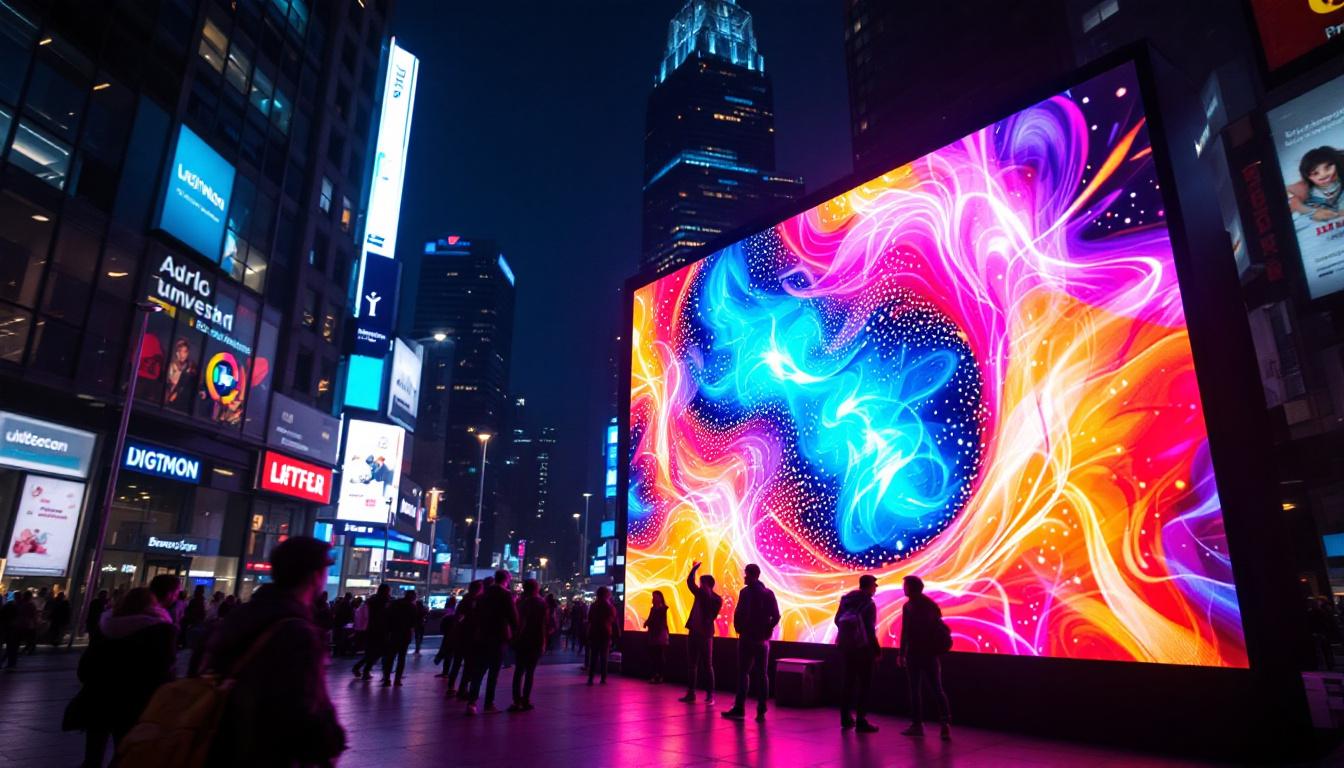
Large LED banners, starting at 12 feet by 24 feet and extending to much larger dimensions, are typically reserved for outdoor advertising like billboards, stadium screens, and highway signs. These massive displays are designed to be seen from great distances, often hundreds of feet away.
Their size allows for high-impact visuals that can include video, animations, and dynamic content. However, these banners require careful planning regarding pixel pitch, brightness, and structural support to ensure durability and optimal performance. The technology behind large LED displays has advanced significantly, allowing for stunning clarity and color vibrancy that can attract attention even in bright sunlight.
Additionally, large LED banners can be strategically placed in high-traffic areas, such as busy intersections or sporting events, maximizing visibility and engagement. They are often used for public service announcements, major brand campaigns, or event promotions, creating a buzz that can lead to increased foot traffic and sales. The ability to update content in real-time also allows advertisers to respond quickly to current events or trends, making large LED banners a dynamic component of modern advertising strategies.
Understanding Pixel Pitch and Its Impact on Banner Size
Pixel pitch is a key technical factor that influences the quality and size of an LED display. It refers to the distance between the centers of two adjacent pixels, usually measured in millimeters. The smaller the pixel pitch, the higher the resolution and clarity of the display.
For example, an LED banner with a pixel pitch of 2mm will have much finer detail than one with a 10mm pitch, making it suitable for close-up viewing. Conversely, larger pixel pitches are more cost-effective for bigger banners intended to be viewed from a distance.
Matching Pixel Pitch to Banner Size and Viewing Distance
Choosing the right pixel pitch in relation to banner size and viewing distance is essential. For small banners (3 x 6 feet), a pixel pitch between 1.5mm and 3mm is common, ensuring sharp images at close range. Medium banners (6 x 12 feet) often use pixel pitches ranging from 3mm to 6mm, balancing cost and clarity.
Large outdoor banners (12 x 24 feet and above) typically employ pixel pitches of 10mm or more, as the viewing distance is greater and ultra-high resolution is less critical. This approach optimizes budget while maintaining sufficient image quality for distant viewers.
Material and Structural Considerations for LED Banner Sizes
While size and resolution are paramount, the physical construction of LED banners also plays a vital role. The materials used must withstand environmental conditions such as wind, rain, and sunlight, especially for outdoor installations.
Aluminum frames, weatherproof casing, and high-grade LEDs are standard components that ensure longevity and performance. Additionally, the weight and mounting method must be compatible with the banner size to prevent structural failures.
Indoor vs. Outdoor LED Banner Materials
Indoor LED banners generally use lighter materials and less robust weatherproofing, as they are protected from the elements. Their design prioritizes ease of installation and maintenance, often featuring modular panels for quick assembly.
Outdoor LED banners require rugged construction, including sealed LED modules and corrosion-resistant frames. These banners also incorporate ventilation and drainage systems to prevent overheating and water damage, which become increasingly important as banner size grows.
Applications and Benefits of Standard LED Banner Sizes
Standard banner sizes in feet enable businesses to select the right LED display for their specific needs, maximizing return on investment. From small retail promotions to massive outdoor advertising, LED banners offer unparalleled flexibility and impact.
Some of the key benefits include:
- Enhanced Visibility: Standard sizes ensure optimal visibility for target audiences based on location and viewing distance.
- Cost Efficiency: Using standard dimensions reduces manufacturing and installation costs.
- Content Versatility: Standard sizes accommodate a wide range of content types, from static images to dynamic videos.
- Ease of Maintenance: Modular designs common in standard sizes simplify repairs and upgrades.
Case Study: Retail Chain LED Banner Implementation
A national retail chain recently upgraded its in-store advertising by deploying 4 x 8 feet LED banners across 150 locations. These medium-sized banners were chosen for their balance of size and clarity, fitting perfectly within store layouts without overwhelming the space.
The result was a 30% increase in customer engagement with promotional content, attributed to the bright, dynamic displays that stood out against traditional static signage. The standard size also enabled bulk purchasing and streamlined installation, reducing overall project costs by 20%.
Future Trends in LED Banner Sizes and Technology
The LED display industry continues to evolve rapidly, driven by technological advancements and changing consumer behaviors. Future trends are likely to influence standard banner sizes and their applications.
Flexible and curved LED displays are becoming more common, allowing for innovative banner shapes beyond traditional rectangles. Additionally, higher resolution panels with smaller pixel pitches will enable larger banners to deliver near-retina-quality visuals even at closer distances.
Integration with Smart Technologies
Smart LED banners equipped with sensors and AI-driven content management systems are on the rise. These displays can adjust brightness based on ambient light, change content dynamically based on audience demographics, and even interact with mobile devices.
Such capabilities will require new standards in banner sizing to accommodate additional hardware and optimize user experience. As a result, businesses must stay informed about emerging standards to maintain competitive advantages.
Conclusion
Understanding standard banner sizes in feet is fundamental for anyone involved in planning, designing, or deploying LED displays. From small indoor banners to massive outdoor billboards, size directly impacts visibility, resolution, and effectiveness.
By considering factors such as viewing distance, pixel pitch, material durability, and application context, businesses can select the optimal LED banner size to achieve their advertising goals. As LED technology advances, staying abreast of standard dimensions and emerging trends will ensure that displays remain impactful and future-proof.
Ultimately, the right LED banner size combined with high-quality materials and smart technology integration can transform any advertising strategy, delivering compelling visual experiences that engage audiences and drive results.
Discover LumenMatrix LED Display Solutions
Ready to elevate your advertising strategy with the perfect LED display solution? LumenMatrix is at the forefront of LED display technology, offering a wide array of innovative products designed to make your brand stand out. From captivating Indoor LED Wall Displays to dynamic Outdoor LED Wall Displays, and from versatile Vehicle LED Displays to engaging LED Sports Displays, we have the cutting-edge solutions to meet your needs. Experience the transformative power of our LED displays and let your message shine with unparalleled clarity and impact. Check out LumenMatrix LED Display Solutions today and take the first step towards revolutionizing your visual communication.