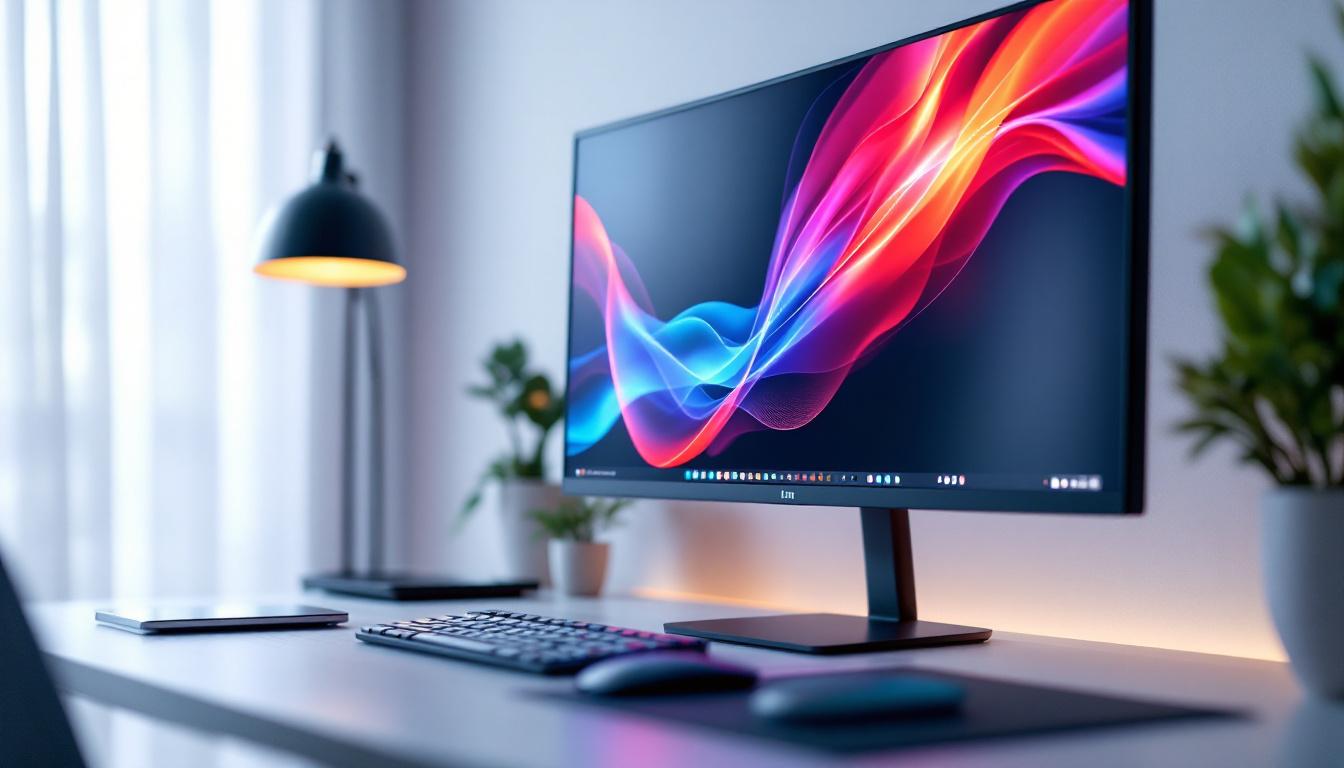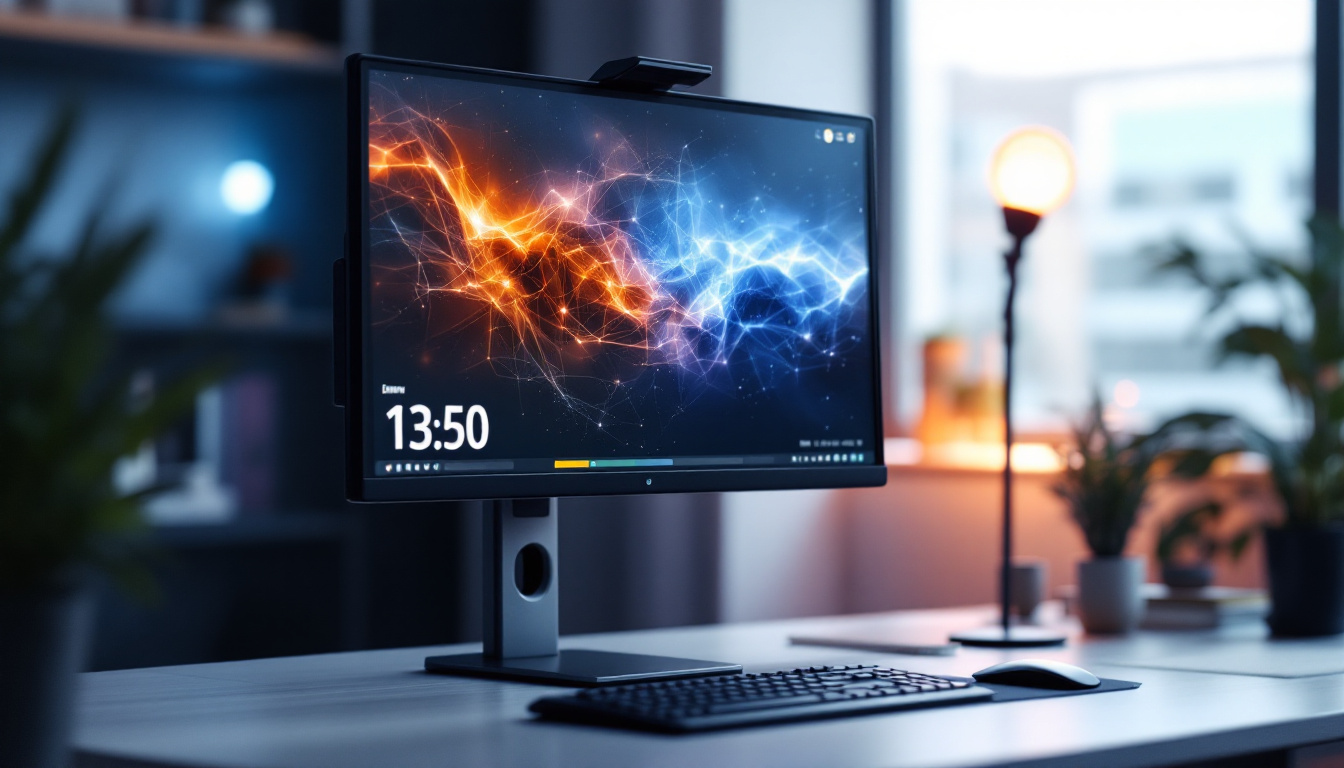
In today’s fast-evolving world of display technology, LED and LCD screens have become ubiquitous. From smartphones and televisions to digital billboards and computer monitors, these technologies power the vibrant visuals that define modern digital experiences. With the growing demand for high-quality displays, understanding the nuances between LED and LCD, as well as the benefits of LED displays, is essential—especially when considering a purchase during a sale event.
Understanding the Basics: What Are LED and LCD Displays?
Defining LCD Technology
LCD stands for Liquid Crystal Display. It is a flat-panel display technology that uses liquid crystals sandwiched between two layers of glass or plastic. These crystals do not emit light on their own; instead, they manipulate light passing through them to create images. To make the display visible, LCDs require a backlight, which traditionally has been a cold cathode fluorescent lamp (CCFL).
LCDs have been the dominant display technology for decades due to their relatively low cost, energy efficiency, and ability to produce sharp images. They are widely used in televisions, monitors, laptops, and handheld devices.
What Makes LED Displays Different?
LED stands for Light Emitting Diode. When people refer to LED displays, they often mean LCD screens that use LED backlighting instead of CCFL. This distinction is important because the core display technology remains liquid crystal, but the light source changes from fluorescent tubes to LEDs.
However, there are also true LED displays, which consist of arrays of tiny LEDs that create images directly without the need for liquid crystals. These are commonly used in large-format displays such as stadium screens and outdoor billboards. For consumer electronics, the term “LED display” usually refers to LED-backlit LCDs.
The Advantages of LED-Backlit LCD Displays
Improved Picture Quality and Brightness
One of the primary advantages of LED-backlit LCDs over traditional CCFL-backlit LCDs is enhanced picture quality. LEDs provide a brighter and more uniform light source, which translates to better contrast ratios and more vibrant colors. This is particularly noticeable in HDR (High Dynamic Range) content, where the difference between the darkest blacks and brightest whites is crucial.
According to a 2023 report by DisplayMate Technologies, LED-backlit LCDs can achieve up to 30% higher brightness levels compared to CCFL-backlit models, significantly improving viewing experiences in well-lit environments.
Energy Efficiency and Longevity
LEDs consume less power than fluorescent backlights, making LED-backlit LCDs more energy-efficient. This efficiency not only reduces electricity bills but also contributes to environmental sustainability by lowering carbon footprints. Additionally, LEDs have a longer lifespan, often exceeding 50,000 hours of use, which means devices last longer before backlight replacement is necessary.
Slimmer Designs and Flexibility
LEDs are smaller and more versatile than CCFL tubes, allowing manufacturers to produce thinner and lighter displays. This has led to the sleek, ultra-thin TVs and monitors that are popular today. Furthermore, LED backlighting can be arranged in various configurations, such as edge-lit or full-array local dimming, offering different trade-offs between cost, thickness, and picture quality.
True LED Displays: Beyond LED-Backlit LCDs
What Are Direct-View LED Displays?
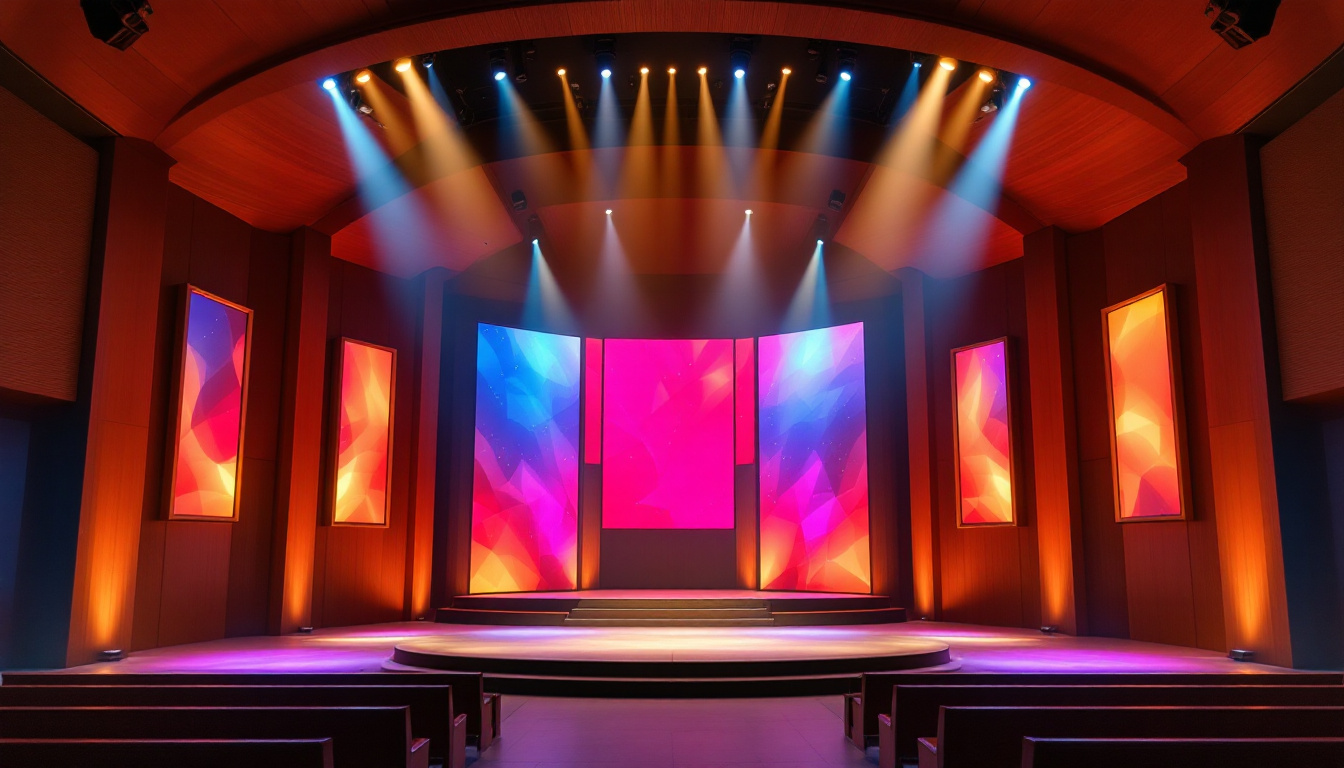
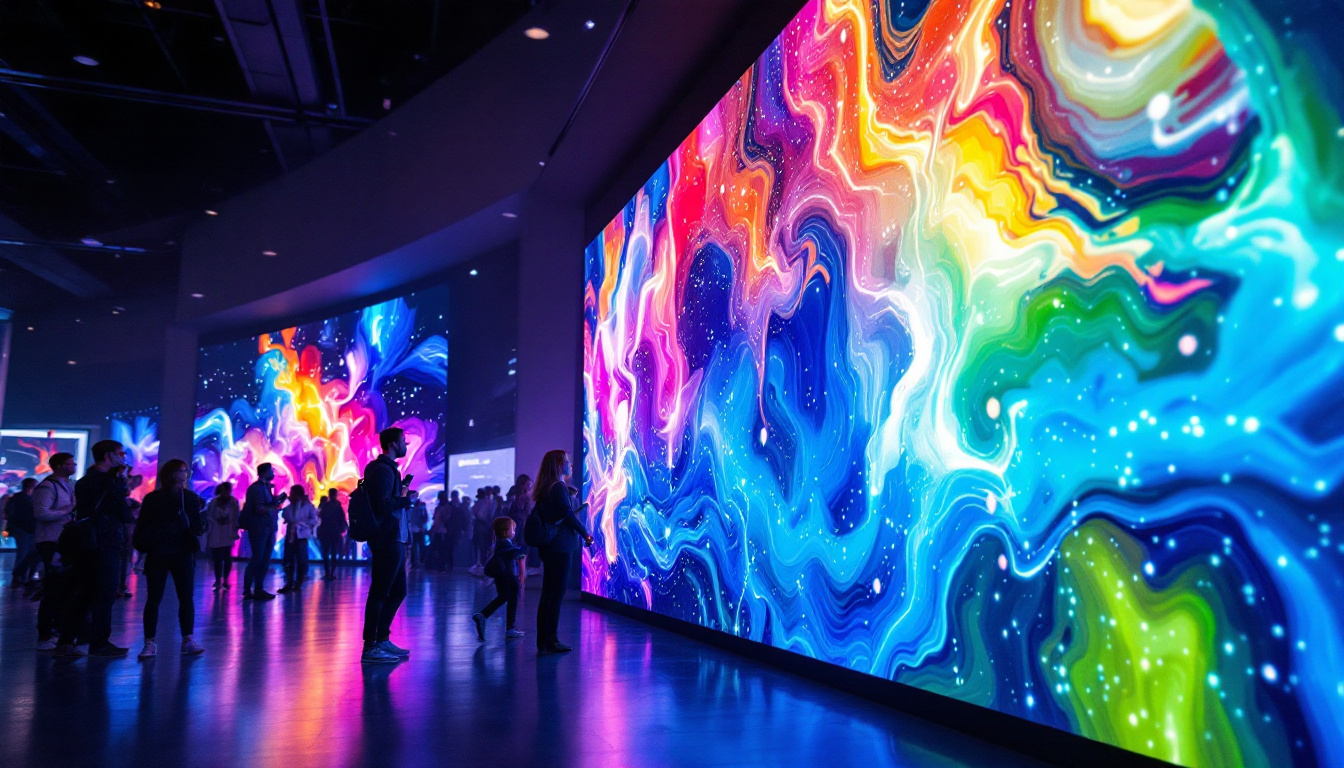
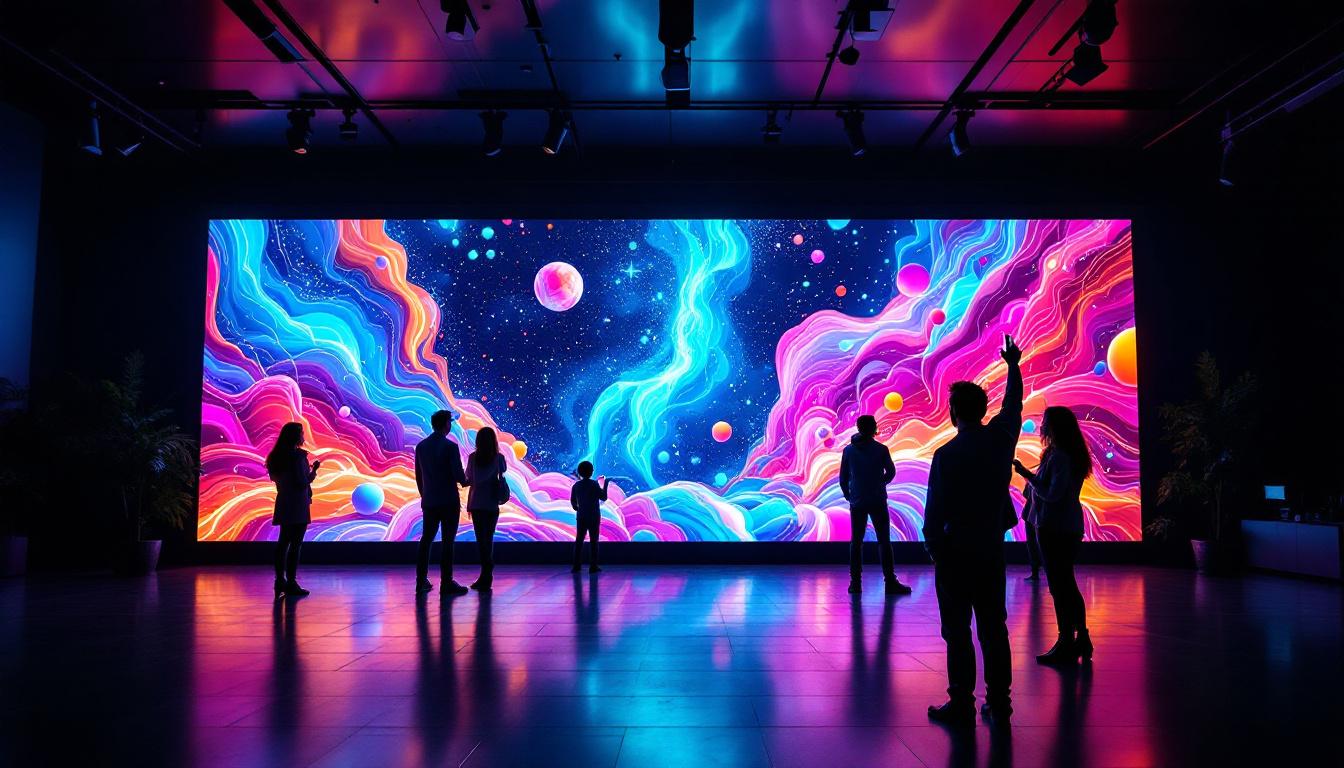
Direct-view LED displays consist of thousands or millions of tiny LEDs that emit their own light to form images. Unlike LCDs, they do not require a backlight or liquid crystals. This technology is prevalent in large-scale applications such as digital billboards, sports arenas, and concert stages because of its exceptional brightness and scalability.
For example, the massive LED screens used in Times Square or at major sporting events can reach brightness levels exceeding 5,000 nits, making them visible even in direct sunlight. These displays can also be curved or flexible, offering creative possibilities for advertising and entertainment.
Indoor vs. Outdoor LED Displays
LED displays are designed differently depending on their intended environment. Outdoor LED displays prioritize brightness and weather resistance, with higher brightness levels and protective coatings to withstand rain, dust, and temperature extremes. Indoor LED displays focus on higher pixel density for sharper images at close viewing distances, often featuring finer pitch LEDs (the distance between individual LEDs).
For instance, indoor LED displays may have a pixel pitch as low as 0.9mm, enabling crisp visuals in conference rooms or retail stores, while outdoor displays might have pixel pitches of 4mm or more to maintain visibility from afar.
Why LED LCD Sales Are a Great Opportunity
Access to Cutting-Edge Technology at Reduced Prices
LED LCD sales events offer consumers the chance to purchase advanced display technology at competitive prices. Given the rapid pace of innovation, newer models with improved features—such as 4K or 8K resolution, higher refresh rates, and enhanced HDR capabilities—are frequently released. Sales help clear inventory, making it an ideal time to invest in a high-quality display without paying full price.
Retailers often bundle LED LCDs with accessories or extended warranties during sales, adding further value for buyers. For example, during major shopping events like Black Friday or Cyber Monday, discounts of 20-40% on LED TVs and monitors are common.
Wide Range of Options for Different Needs
Whether the goal is upgrading a home entertainment system, enhancing a gaming setup, or equipping an office with professional monitors, LED LCD sales provide a broad spectrum of choices. Buyers can select from various sizes, resolutions, panel types (IPS, VA, TN), and smart features tailored to their specific requirements.
For gamers, LED LCDs with high refresh rates (120Hz or higher) and low input lag are often available at discounted prices during sales. Meanwhile, professionals might find color-accurate displays suitable for graphic design and video editing.
Environmental and Energy Savings Benefits
Purchasing an LED-backlit LCD during a sale also supports energy efficiency goals. Newer LED LCDs consume significantly less power than older CCFL-backlit models or plasma displays. This translates into long-term savings on electricity bills and contributes to reducing environmental impact.
According to the U.S. Department of Energy, LED-backlit LCD TVs use approximately 25-30% less energy than CCFL-backlit counterparts, making them a greener choice for consumers.
Key Considerations When Buying LED LCDs on Sale
Resolution and Screen Size
Choosing the right resolution and screen size depends on the intended use and viewing distance. For typical living rooms, 4K resolution has become the standard, offering sharp images on screens ranging from 43 to 75 inches. For smaller monitors or secondary screens, Full HD (1080p) may suffice.
It’s important to balance screen size with resolution to avoid pixelation or unnecessary expense. For example, a 32-inch screen at 1080p is ideal for desktop use, while a 65-inch 4K TV suits home theaters.
Panel Type and Viewing Angles
Different LCD panel types affect color accuracy, contrast, and viewing angles. IPS (In-Plane Switching) panels provide wide viewing angles and accurate colors, making them suitable for collaborative environments and professional work. VA (Vertical Alignment) panels offer higher contrast ratios but narrower viewing angles, often preferred for watching movies in dim rooms. TN (Twisted Nematic) panels are cheaper and have fast response times but suffer from poor color reproduction and limited viewing angles.
Smart Features and Connectivity
Modern LED LCDs often come equipped with smart capabilities, including built-in streaming apps, voice assistants, and wireless connectivity options such as Wi-Fi and Bluetooth. When shopping during sales, it’s wise to consider these features, as they can enhance user experience and reduce the need for additional devices.
Connectivity options like multiple HDMI ports, USB inputs, and support for HDMI ARC or eARC are also important for integrating the display with sound systems, gaming consoles, and other peripherals.
Warranty and After-Sales Support
Purchasing during a sale does not mean compromising on warranty and support. Checking the manufacturer’s warranty terms and the retailer’s return policy ensures peace of mind. Some sales include extended warranties or service plans, which can be valuable for protecting the investment over time.
The Future of LED and LCD Technology
Emerging Innovations
Display technology continues to advance rapidly. Mini-LED and Micro-LED are two emerging technologies that build upon traditional LED concepts. Mini-LED uses thousands of tiny LEDs for backlighting, allowing for more precise local dimming and better contrast. Micro-LED, on the other hand, involves microscopic LEDs that act as individual pixels, promising superior brightness, color accuracy, and energy efficiency without the need for liquid crystals.
These innovations are expected to become mainstream within the next few years, further enhancing the quality and capabilities of LED displays.
Impact on Consumer Choices
As new technologies become available, consumers will have even more options to choose from, potentially at competitive prices during future sales. Staying informed about these developments helps buyers make educated decisions that align with their needs and budgets.
Additionally, sustainability considerations are increasingly influencing display manufacturing, with companies focusing on recyclable materials and energy-saving designs.
Conclusion
LED and LED-backlit LCD displays represent a significant leap in display technology, offering superior brightness, energy efficiency, and design flexibility compared to older LCD models. Understanding the differences between LED-backlit LCDs and true LED displays is crucial for making informed purchasing decisions.
Taking advantage of LED LCD sales can provide access to cutting-edge technology at reduced prices, making it an excellent opportunity for consumers to upgrade their viewing experience. By considering factors such as resolution, panel type, smart features, and warranty, buyers can find the perfect display to meet their needs.
With ongoing innovations like Mini-LED and Micro-LED on the horizon, the future of LED displays promises even more exciting advancements, ensuring that consumers will continue to enjoy vibrant, energy-efficient, and immersive visual experiences for years to come.
Discover the Future of Visual Experience with LumenMatrix
Ready to elevate your visual experience with the latest in LED display technology? LumenMatrix is at the forefront of innovation, offering a wide array of LED display solutions tailored to your unique needs. From the immersive Indoor LED Wall Display to the dynamic Outdoor LED Wall Display, and from the versatile Vehicle LED Display to the sleek LED Poster Display, our products are designed to captivate and engage. Embrace the future with our LED Sports Display, Floor LED Display, Custom LED Display, All-in-One LED Display, and LED Transparent Display. Experience the revolution in visual communication and make your message resonate with unparalleled clarity. Check out LumenMatrix LED Display Solutions today and transform the way you share your brand’s story.