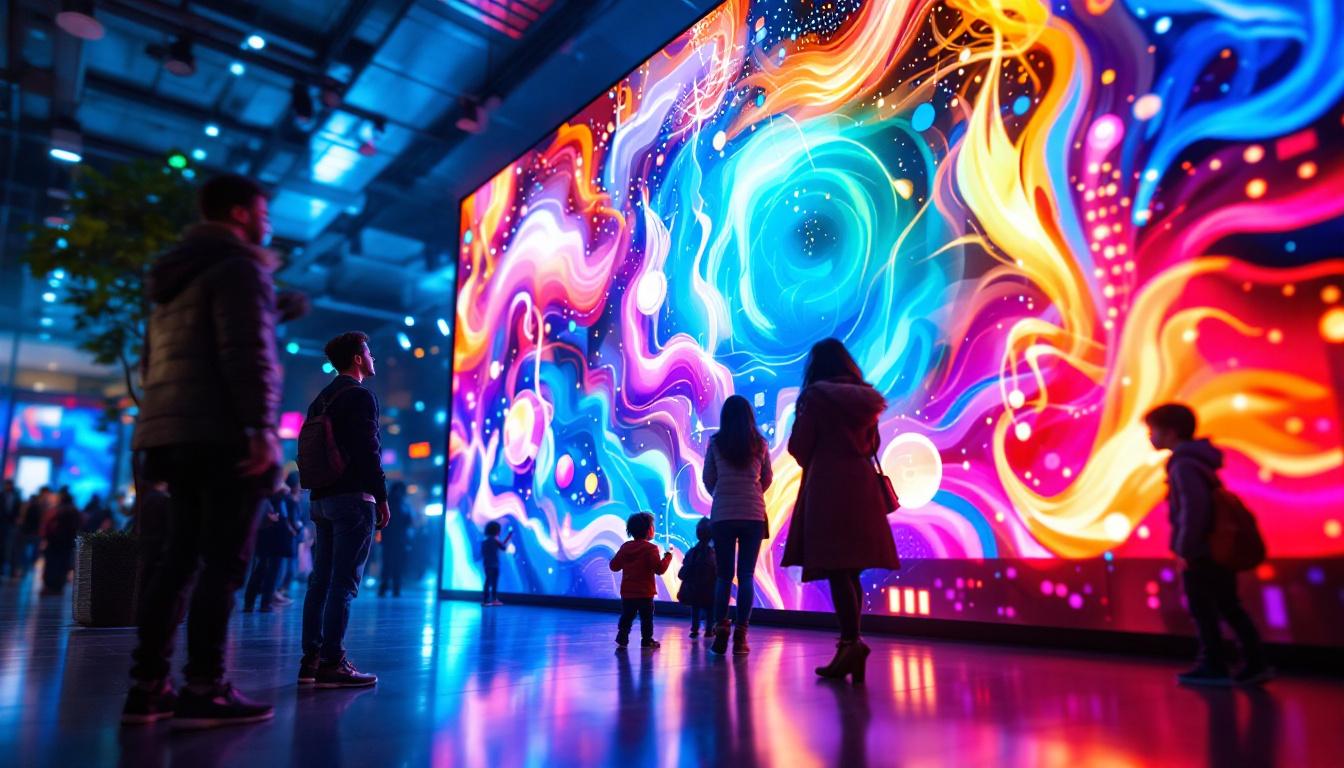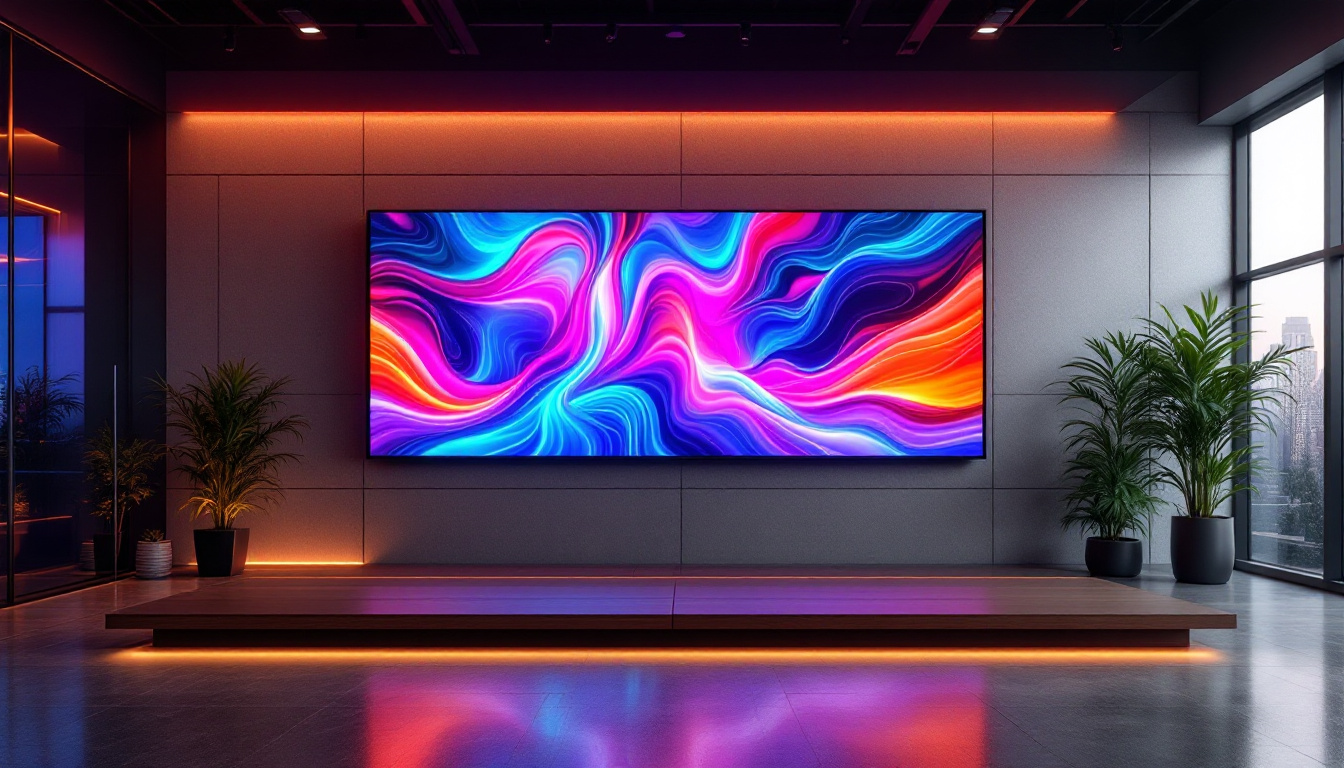
In the rapidly evolving world of digital signage and visual communication, LED board panels have emerged as a dominant technology. From vibrant advertising billboards to dynamic information displays in stadiums and transportation hubs, LED displays are everywhere, captivating audiences with their brightness, clarity, and versatility. But what exactly is an LED board panel, how does it work, and why has it become the preferred choice for so many applications? This article delves deep into the technology behind LED displays, their types, advantages, and practical uses, providing a comprehensive understanding for professionals and enthusiasts alike.
Understanding LED Board Panels: The Basics
What Is an LED Board Panel?
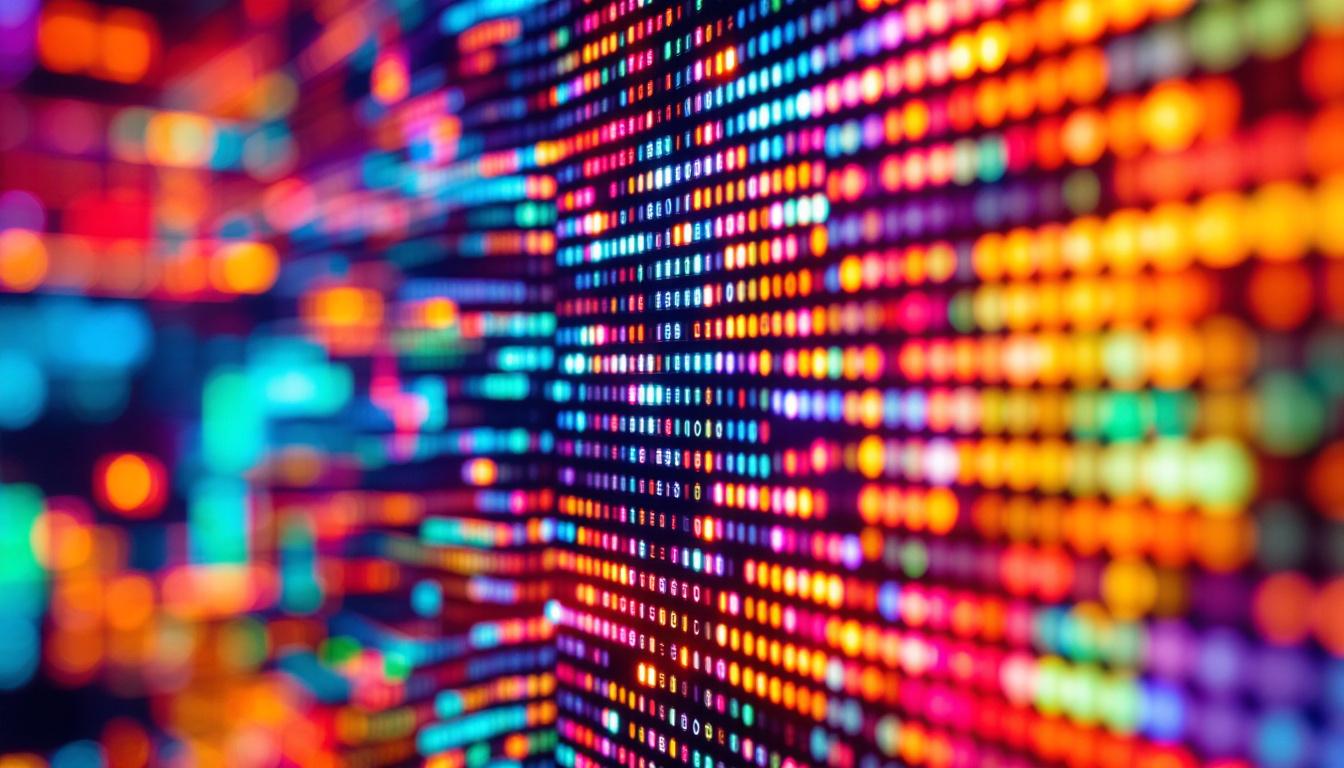
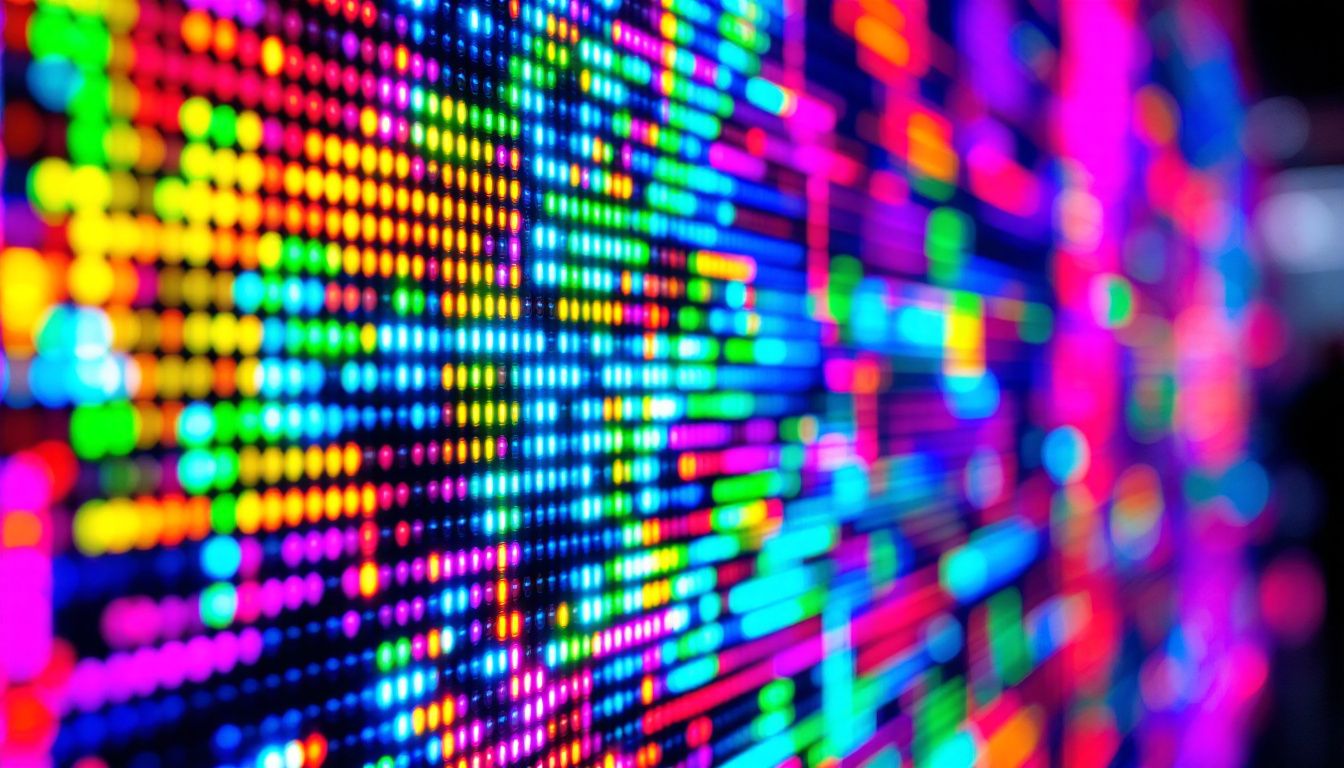
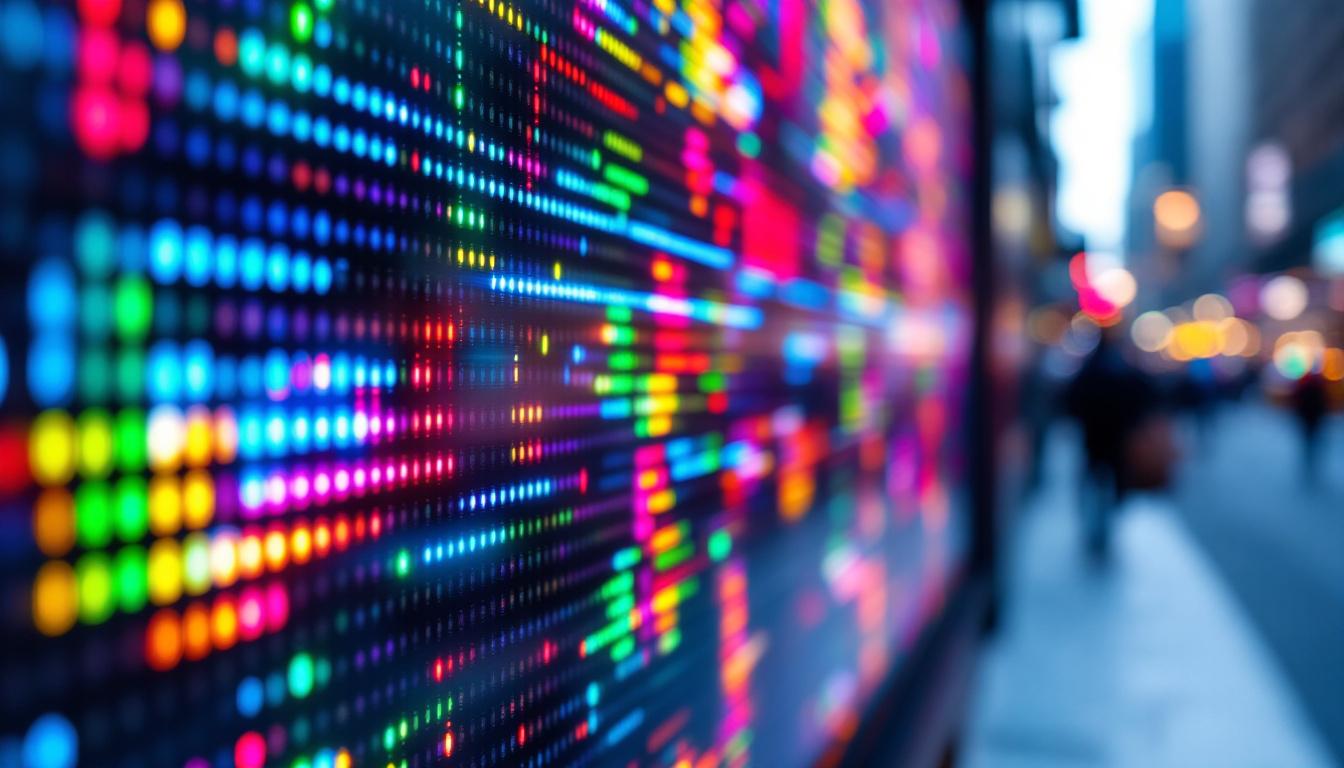
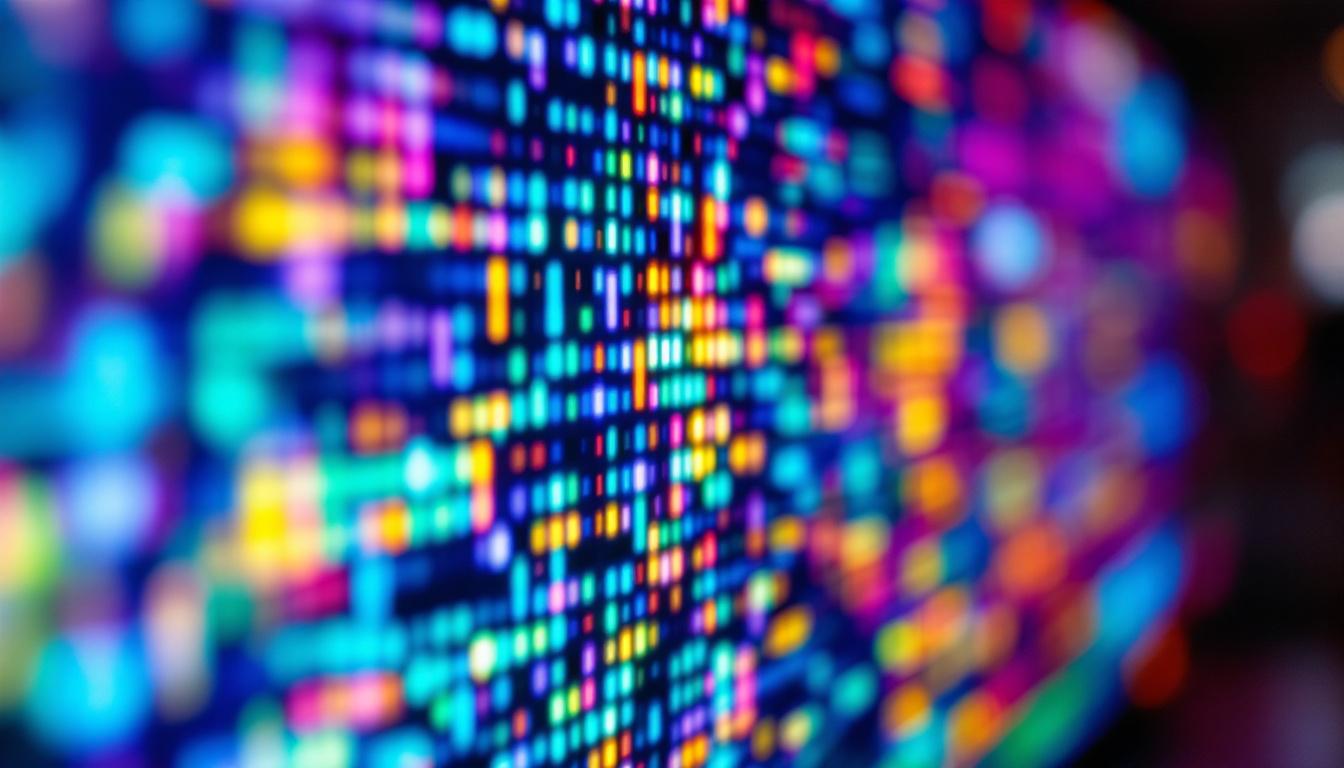
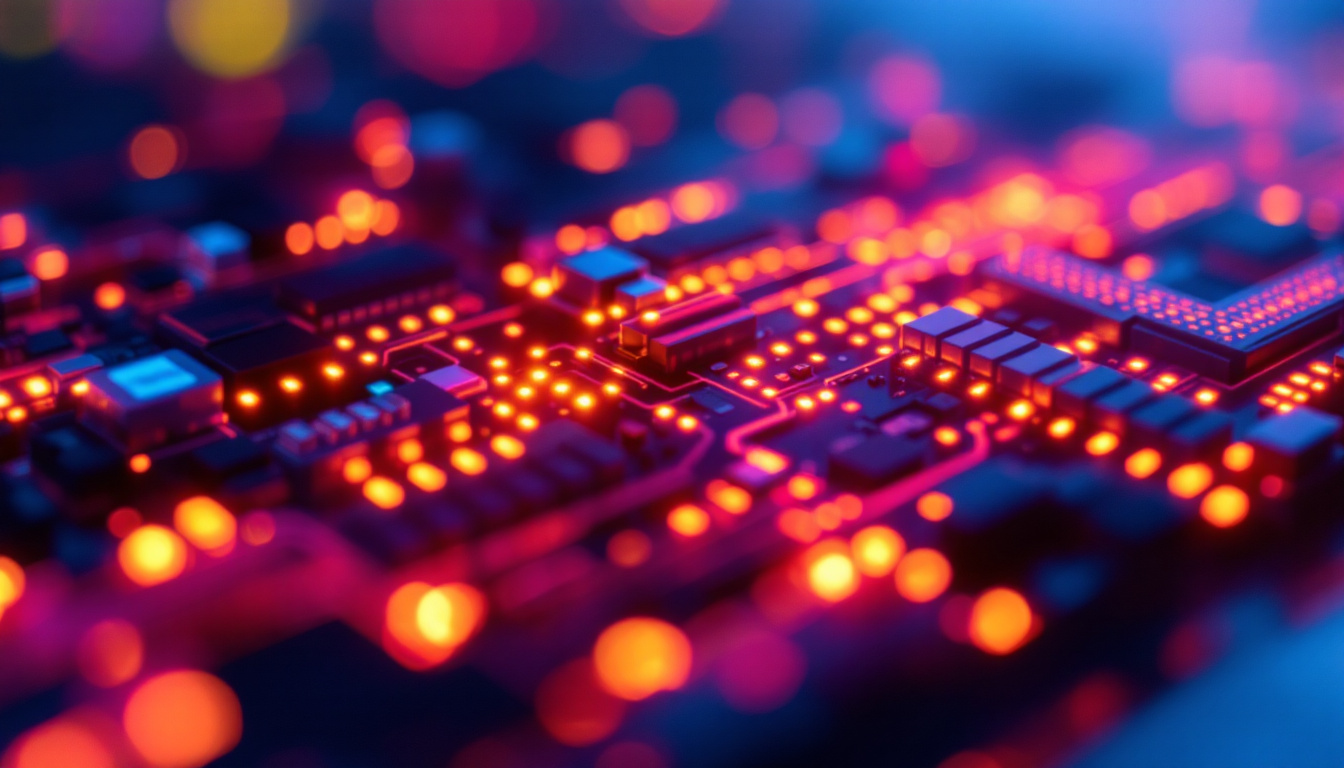
An LED board panel is a flat display unit composed of numerous tiny light-emitting diodes (LEDs) arranged in a matrix. Each LED acts as a pixel, illuminating in various colors and intensities to form images, text, and videos. Unlike traditional LCD or plasma screens, LED panels use direct light emission, which results in higher brightness and better contrast.
These panels are modular, meaning they consist of smaller units that can be combined to create larger screens of virtually any size. This modularity allows for scalable solutions, from small indoor displays to massive outdoor billboards spanning hundreds of square meters.
How Do LED Displays Work?
At the core of an LED display’s operation is the control of individual LEDs to produce the desired visual output. Each LED can emit red, green, or blue light, and by adjusting the intensity of these three colors, the panel can display millions of colors. This process is known as RGB color mixing.
The display is driven by a controller that sends data signals to the LEDs, determining which diodes light up and at what brightness. The refresh rate, or how often the image updates per second, is critical to ensuring smooth video playback and reducing flicker, especially for high-motion content.
Types of LED Board Panels
Indoor vs. Outdoor LED Panels
One of the primary distinctions in LED board panels is their intended environment: indoor or outdoor. Indoor LED panels are designed with higher pixel density, meaning the LEDs are packed closer together to provide sharp images at short viewing distances. They typically have lower brightness levels since they operate in controlled lighting conditions.
Outdoor LED panels, on the other hand, must contend with sunlight, weather, and other environmental factors. These panels have higher brightness levels—often exceeding 5,000 nits—to remain visible in direct sunlight. They are also built with robust, weatherproof enclosures to protect against rain, dust, and temperature extremes.
Fixed vs. Rental LED Panels
Fixed LED panels are installed permanently in a location and are commonly used for digital billboards, stadium screens, or retail signage. They are designed for long-term durability and often feature advanced cooling systems to maintain performance.
Rental LED panels are modular and portable, optimized for quick assembly and disassembly. These are popular in events, concerts, trade shows, and temporary installations. Rental panels are generally lighter and designed for easy transport, but still maintain high image quality and brightness.
Direct View vs. LED-Backlit LCD
It is important to differentiate between direct view LED displays and LED-backlit LCD screens. Direct view LED displays use LEDs as the actual pixels emitting light, whereas LED-backlit LCDs use LEDs only as a backlight behind an LCD panel. Direct view LED panels offer superior brightness, contrast, and viewing angles, making them ideal for large-format and outdoor applications.
Key Features and Specifications
Pixel Pitch and Resolution
Pixel pitch refers to the distance between the centers of two adjacent LEDs on a panel, usually measured in millimeters. It directly affects the resolution and viewing distance of the display. A smaller pixel pitch means higher resolution and better image clarity at close range.
For example, indoor LED displays often have pixel pitches ranging from 1.2mm to 4mm, suitable for close-up viewing in retail stores or conference rooms. Outdoor displays typically have larger pixel pitches, from 6mm to 20mm, because viewers are usually farther away.
Brightness and Contrast Ratio
Brightness is measured in nits (candelas per square meter) and indicates how luminous the display is. Typical indoor LED panels have brightness levels between 800 to 1,500 nits, while outdoor panels can reach 5,000 nits or more to combat sunlight glare.
The contrast ratio, which compares the luminance of the brightest white to the darkest black, is another critical factor. LED panels generally have excellent contrast ratios, often exceeding 5,000:1, resulting in vivid images with deep blacks and vibrant colors.
Viewing Angle and Color Accuracy
Viewing angle defines the maximum angle at which the display can be viewed without significant loss of image quality or color distortion. High-quality LED panels provide wide viewing angles, typically around 140 to 160 degrees horizontally and vertically, ensuring visibility from multiple perspectives.
Color accuracy is essential for applications like branding and broadcasting, where precise color reproduction is critical. Modern LED boards use advanced calibration techniques and high-quality LEDs to achieve accurate and consistent colors across the entire display.
Applications of LED Board Panels
Advertising and Marketing
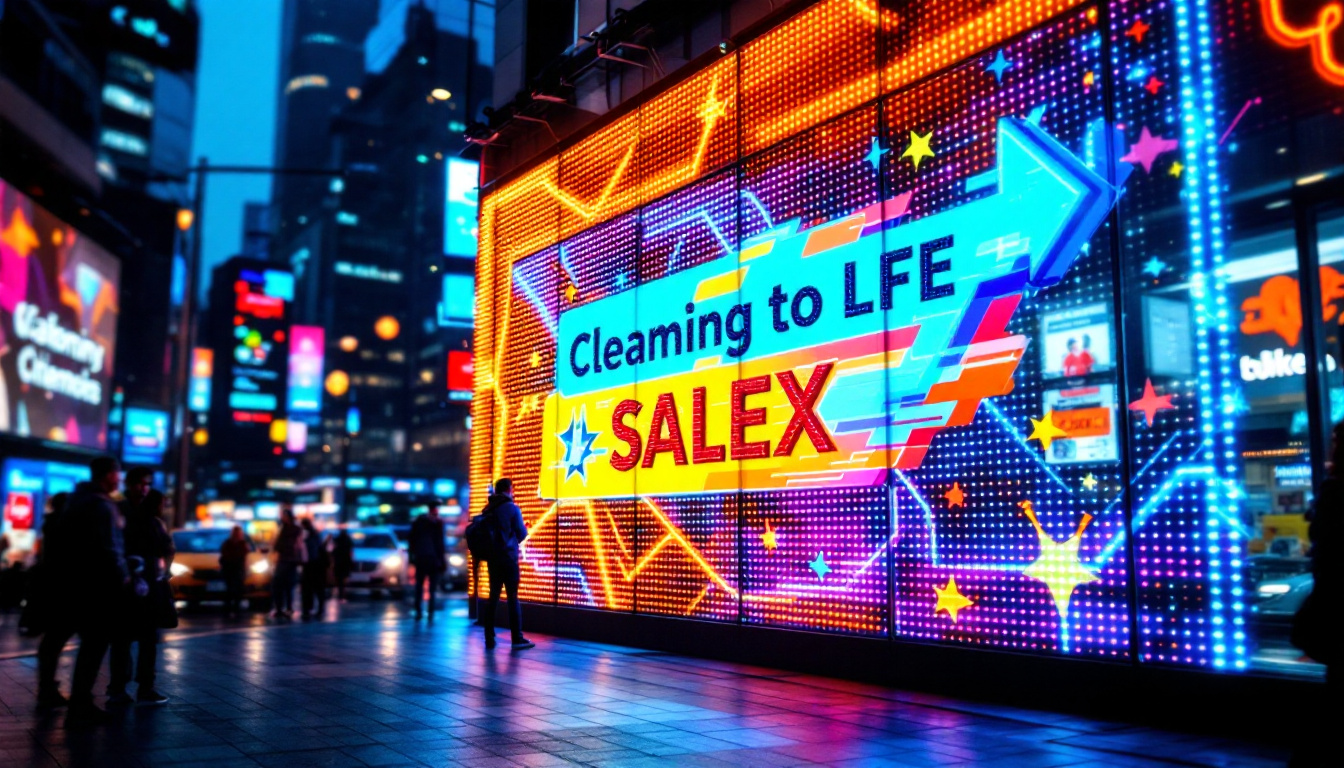
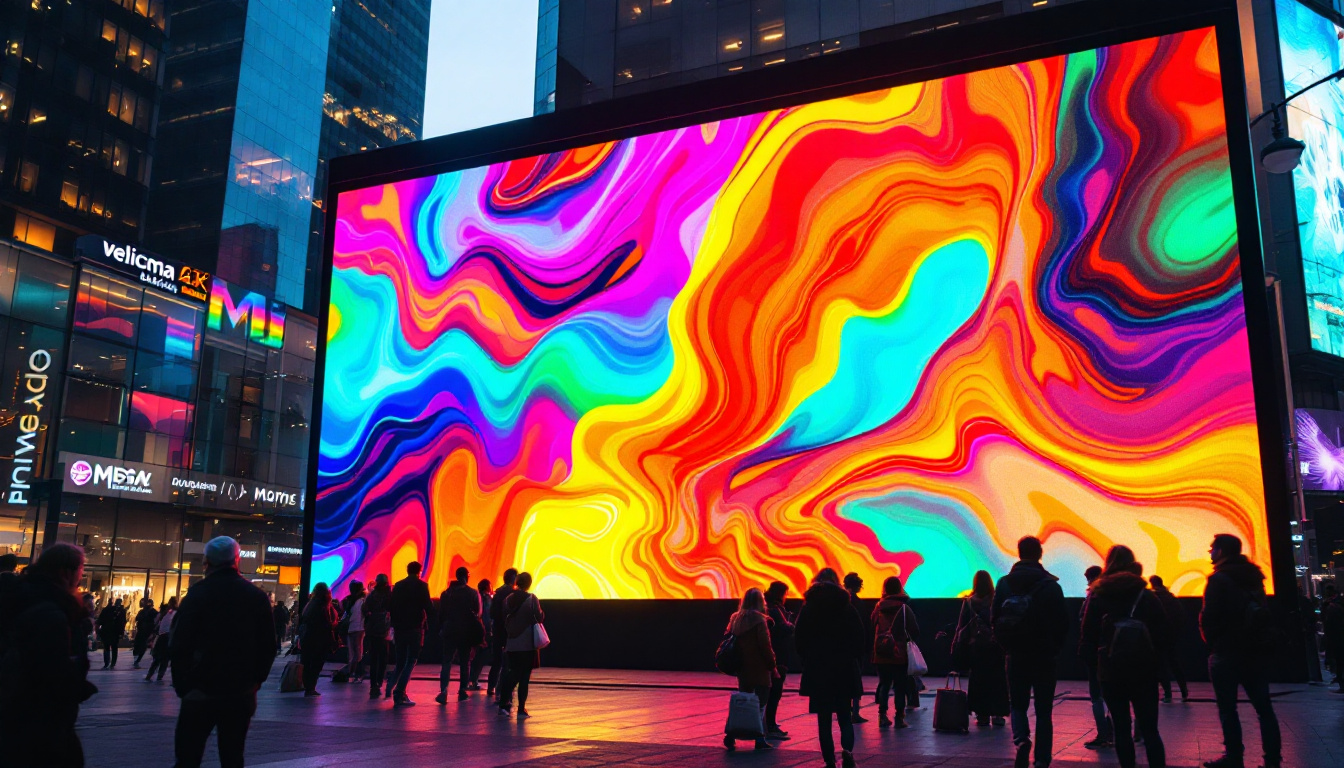
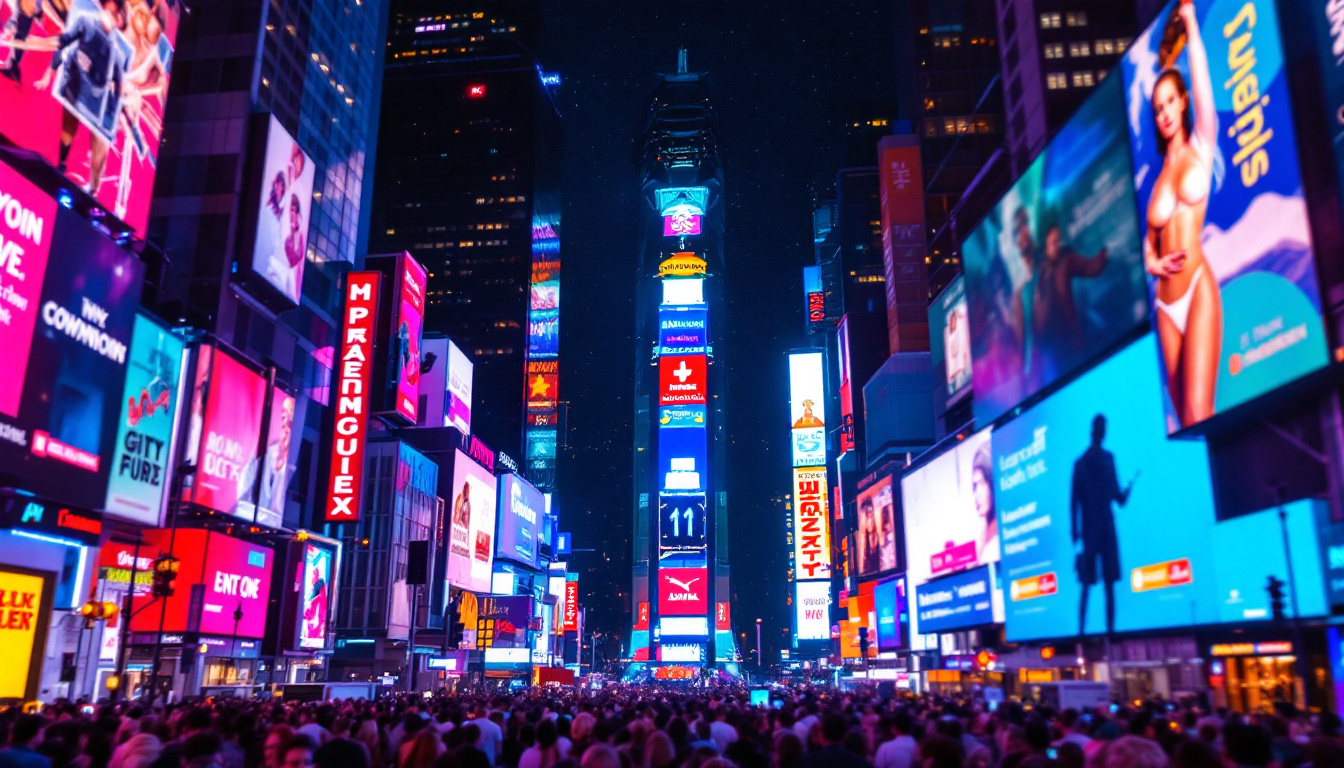
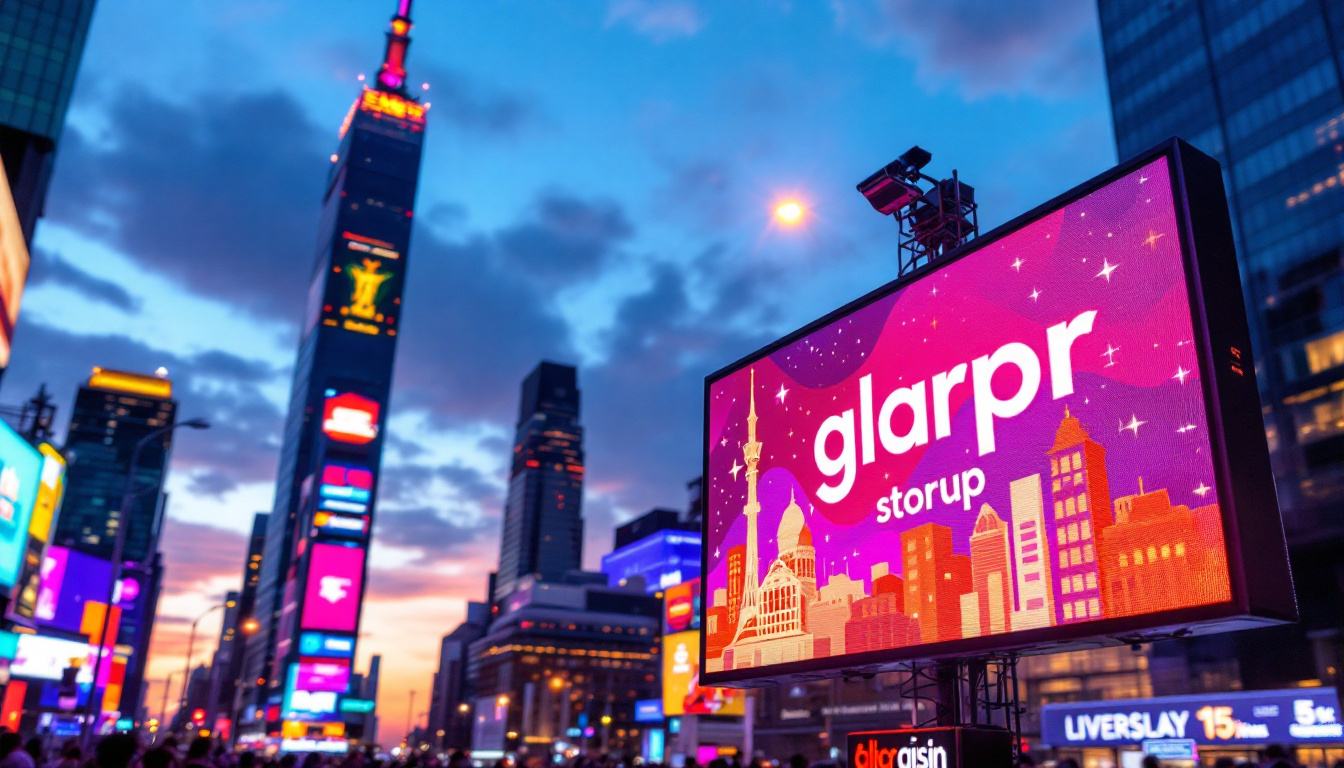
One of the most widespread uses of LED board panels is in advertising. Digital billboards equipped with LED displays offer dynamic content that can be updated in real-time, enabling advertisers to tailor messages based on time of day, audience demographics, or special events. This flexibility significantly enhances engagement and return on investment.
According to recent market research, the global digital signage market is expected to grow at a compound annual growth rate (CAGR) of over 7% through 2027, driven largely by the adoption of LED display technology in outdoor advertising.
Sports and Entertainment Venues
LED panels have revolutionized the spectator experience in stadiums and arenas. Large-scale LED screens provide instant replays, live scores, and interactive content, enhancing fan engagement. Their ability to display high-resolution video even under bright daylight conditions makes them indispensable for outdoor sports events.
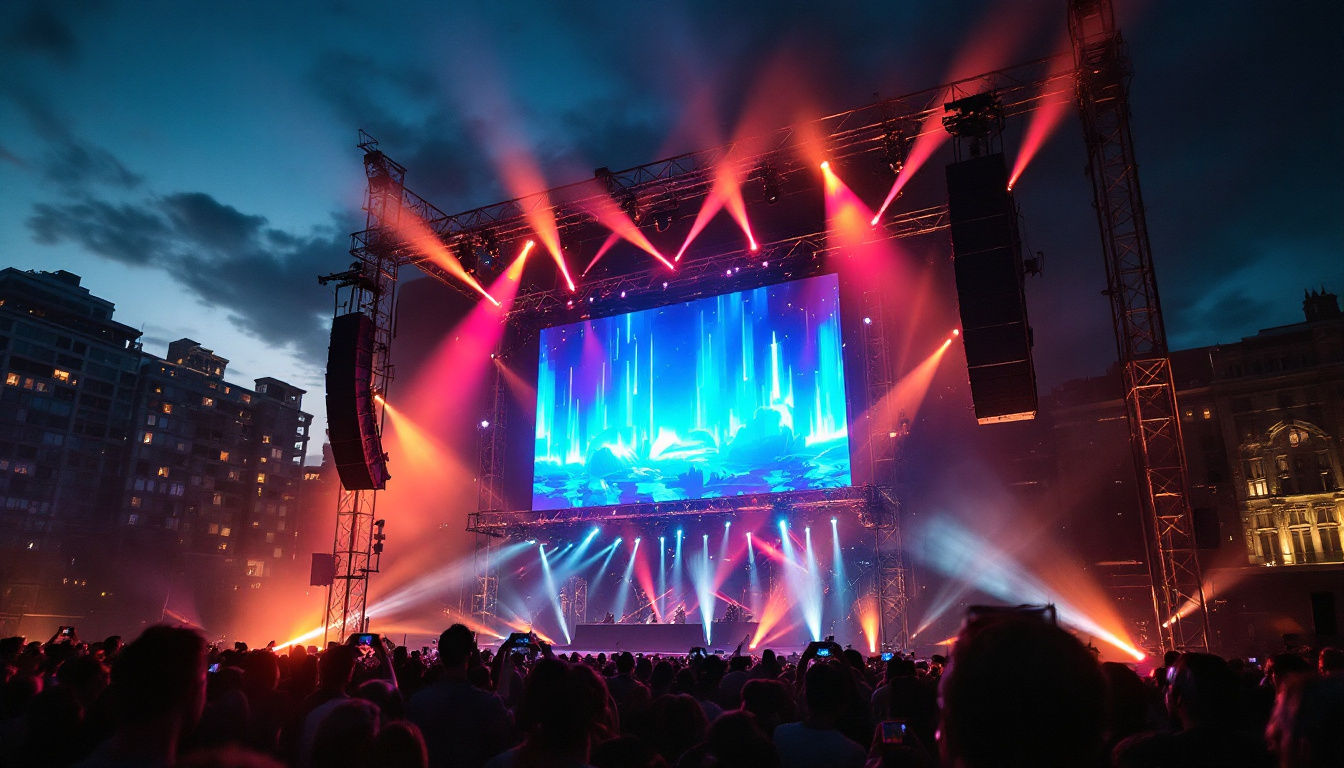
Beyond sports, LED displays are integral to concerts, festivals, and theaters, offering vivid backdrops and immersive visual effects that complement performances.
Transportation and Public Information
Airports, train stations, and bus terminals utilize LED board panels to deliver real-time information such as arrival and departure times, gate changes, and emergency alerts. The high visibility and reliability of LED displays ensure that travelers receive clear and timely updates.
Additionally, LED traffic signs and variable message signs improve road safety by providing drivers with critical information about road conditions, speed limits, and hazards.
Corporate and Retail Environments
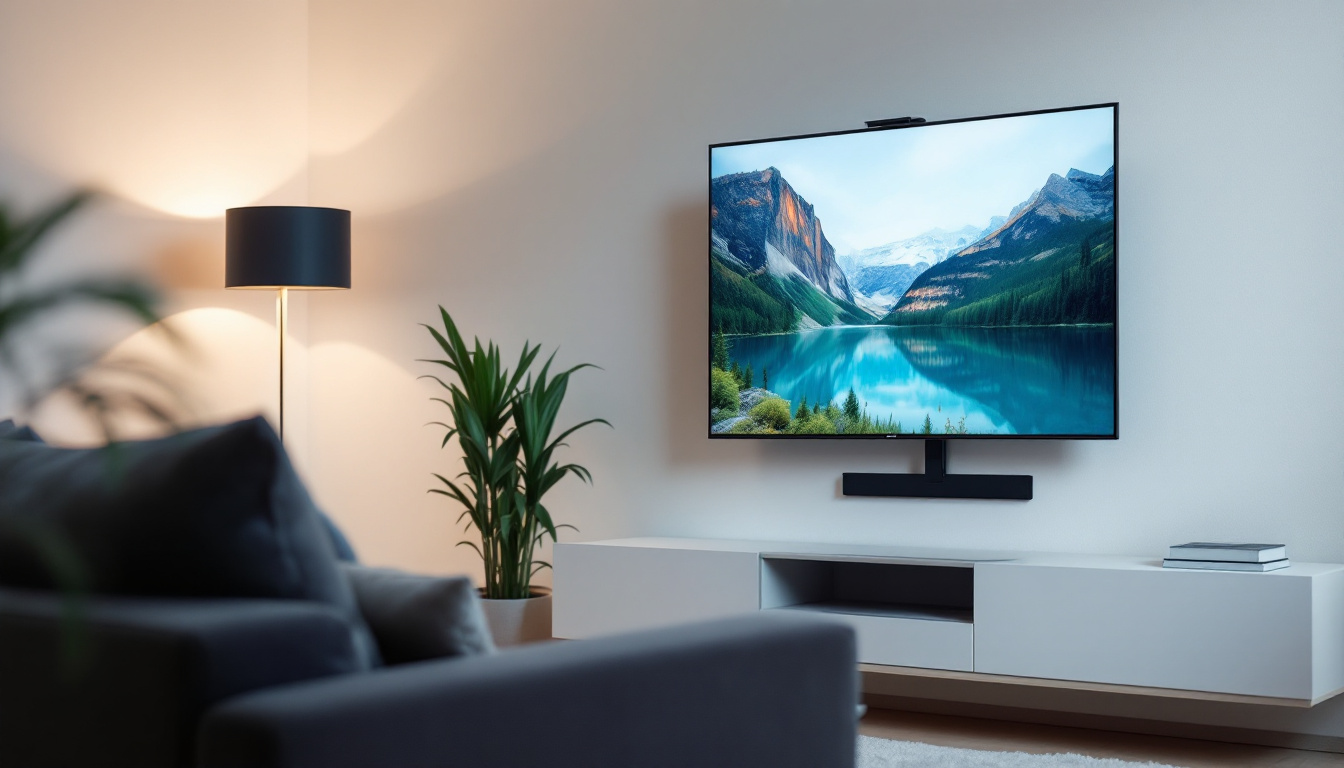
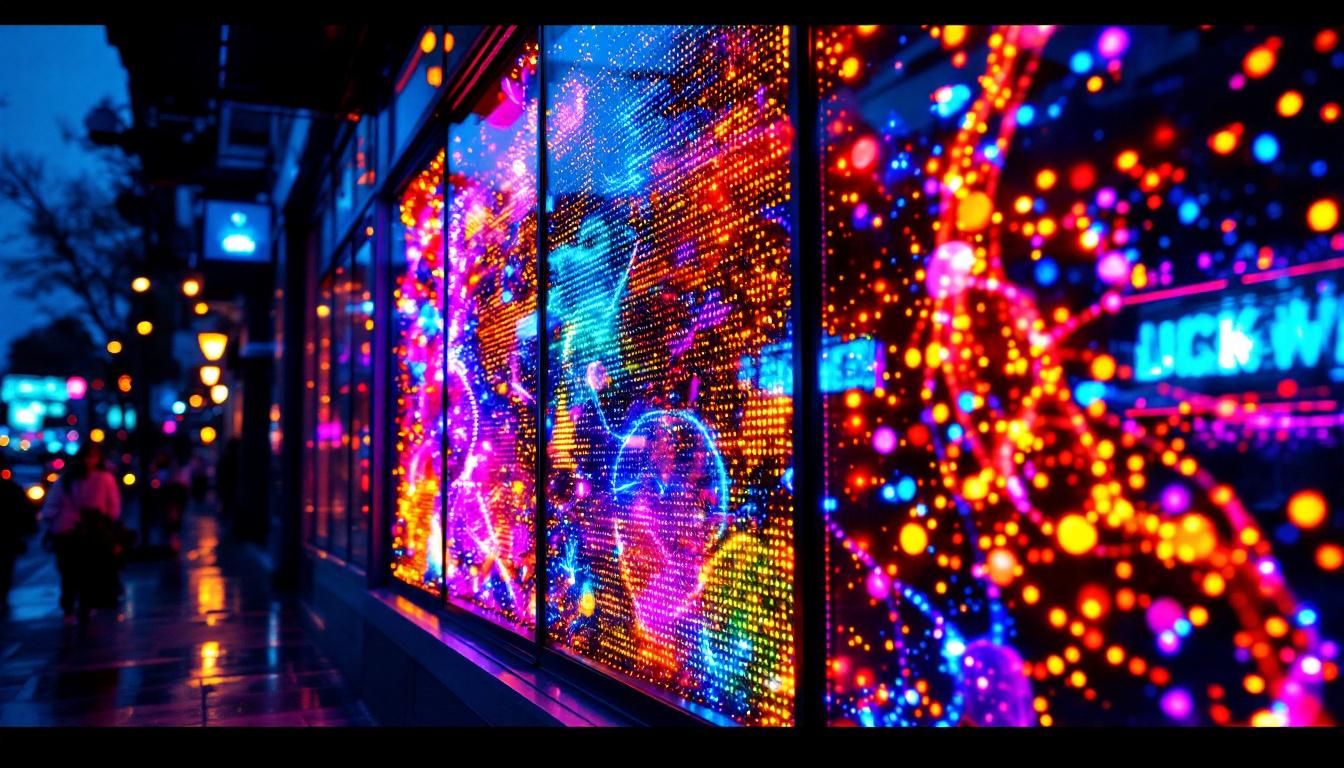
In corporate settings, LED displays are used for presentations, video conferencing, and digital signage in lobbies and meeting rooms. Retailers leverage LED panels to create eye-catching window displays and in-store promotions that attract customers and drive sales.
Advantages of LED Board Panels Over Other Technologies
Energy Efficiency and Longevity
LED technology is inherently energy-efficient, consuming significantly less power than traditional lighting and display technologies. This efficiency translates into lower operating costs, especially for large-scale installations that run continuously.
Moreover, LEDs have a long operational lifespan, often exceeding 100,000 hours. This durability reduces maintenance expenses and downtime, making LED panels a cost-effective investment over time.
Superior Visual Performance
LED displays offer unmatched brightness, contrast, and color vibrancy, ensuring content remains visible and engaging in various lighting conditions. Their fast refresh rates eliminate flicker and motion blur, which is particularly important for video content and live broadcasts.
Flexibility and Customization
The modular nature of LED panels allows for creative display shapes and sizes. Curved, cylindrical, and irregularly shaped screens are achievable, opening new possibilities for architectural integration and artistic expression.
Additionally, LED panels support dynamic content management, enabling users to schedule and update content remotely, enhancing operational flexibility.
Challenges and Considerations When Choosing LED Board Panels
Initial Investment and Installation
While LED displays offer long-term savings, the upfront cost can be substantial, especially for high-resolution and large-format panels. Installation requires careful planning, including structural support, power supply, and data connectivity.
Engaging experienced professionals for design and installation helps ensure optimal performance and longevity.
Maintenance and Calibration
Regular maintenance is necessary to preserve image quality and prevent failures. This includes cleaning, inspecting connections, and recalibrating color and brightness to compensate for LED aging.
Advanced LED panels often include built-in diagnostics and remote monitoring capabilities to streamline maintenance efforts.
Environmental Impact and Sustainability
As with any electronic device, LED panels have environmental considerations related to manufacturing, energy consumption, and end-of-life disposal. Choosing panels with energy-efficient certifications and recyclable components contributes to sustainability goals.
The Future of LED Board Panels
Advancements in LED technology continue to push the boundaries of what is possible in display performance and design. MicroLED, an emerging technology, promises even higher resolution, brightness, and energy efficiency by using microscopic LEDs as individual pixels.
Integration with artificial intelligence and IoT (Internet of Things) is also transforming LED displays into smart, interactive platforms capable of adapting content based on audience behavior and environmental conditions.
As urban environments become increasingly digital, LED board panels will play a pivotal role in shaping the future of communication, advertising, and entertainment.
Conclusion
LED board panels represent a powerful and versatile display technology that has transformed visual communication across numerous industries. Their superior brightness, color accuracy, energy efficiency, and adaptability make them the preferred choice for applications ranging from advertising and entertainment to public information and corporate use.
Understanding the technical aspects, types, and practical considerations of LED displays is essential for making informed decisions when selecting and deploying these panels. With ongoing innovations and expanding applications, LED board panels will continue to illuminate our world in increasingly dynamic and engaging ways.
Illuminate Your Space with LumenMatrix
Ready to elevate your visual communication with unparalleled brightness, precision, and efficiency? Discover LumenMatrix’s innovative LED display solutions, tailored to meet the diverse needs of any application. Whether you’re looking to captivate shoppers with an Indoor LED Wall Display, make a statement in the open air with an Outdoor LED Wall Display, or engage fans with a dynamic LED Sports Display, LumenMatrix has the technology to bring your vision to life. Embrace the future of digital signage with our comprehensive range of LED displays, including Vehicle LED Displays, LED Poster Displays, Floor LED Displays, Custom LED Displays, All-in-One LED Displays, and LED Transparent Displays. Check out LumenMatrix LED Display Solutions today and transform your space into a beacon of innovation and engagement.