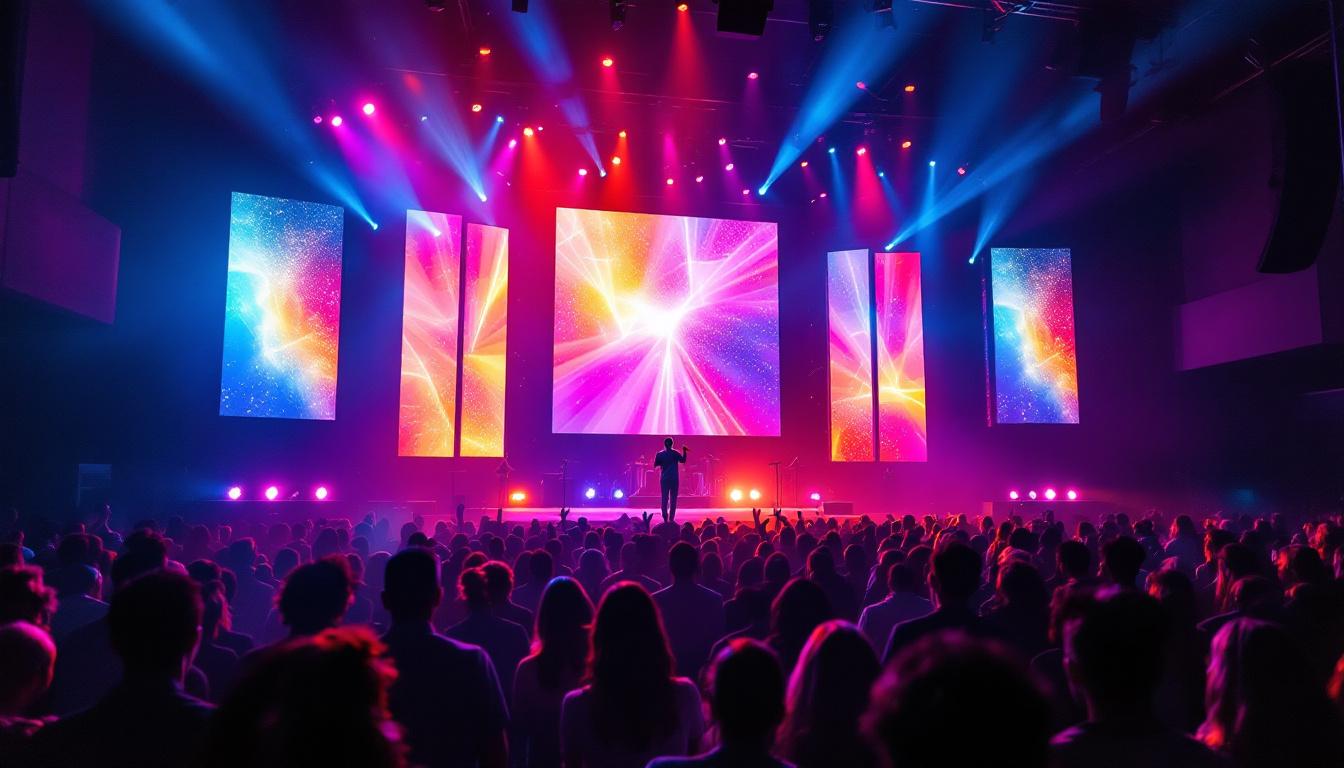
In recent years, churches around the world have embraced technology to enhance worship experiences, foster community engagement, and communicate messages more effectively. Among the most transformative innovations in stage design is the use of LED displays. These dynamic visual tools have revolutionized how churches present sermons, music, and multimedia content, creating immersive environments that inspire and connect congregations.
This article explores the role of LED displays in church stage design, breaking down their benefits, types, installation considerations, and best practices to help church leaders and technical teams make informed decisions.
Understanding LED Displays and Their Role in Church Stage Design
LED, or Light Emitting Diode, displays are screens composed of numerous tiny light sources that can produce vibrant images and videos. Unlike traditional projection systems or LCD screens, LED displays offer superior brightness, color accuracy, and flexibility, making them ideal for various lighting conditions and large venues.
In the context of church stage design, LED displays serve multiple purposes: they can display song lyrics, sermon notes, live video feeds, multimedia presentations, and even dynamic backgrounds that enhance the worship atmosphere. Their adaptability allows churches to tailor visual content to different services and events, creating a more engaging and memorable experience for attendees.
Why LED Displays Are Gaining Popularity in Churches
The adoption of LED technology in churches has surged due to several key advantages:
- Brightness and Visibility: LED displays are significantly brighter than projectors, ensuring clear visibility even in well-lit environments. This is crucial as many churches prefer natural or ambient lighting during services.
- Durability and Longevity: LEDs have a longer lifespan and are more resistant to damage compared to traditional screens or projectors, reducing maintenance costs over time.
- Flexibility in Size and Shape: LED panels can be configured into various shapes and sizes, allowing creative stage designs that complement the church’s architectural style.
- Energy Efficiency: LED technology consumes less power, aligning with many churches’ goals of sustainability and reduced operational costs.
- Seamless Integration: Modern LED displays can be integrated with lighting, sound, and control systems for synchronized multimedia presentations.
Additionally, the use of LED displays can significantly enhance the overall aesthetic of the worship space. By utilizing high-resolution screens, churches can project stunning visuals that resonate with the themes of their services, whether it be serene landscapes during contemplative moments or vibrant graphics during more energetic worship songs. This visual storytelling can deepen the congregation’s emotional connection to the message being conveyed, making the worship experience more impactful.
Moreover, LED displays can also facilitate community engagement beyond the Sunday services. Many churches use these displays to promote upcoming events, share testimonials, or highlight community outreach initiatives. This not only keeps the congregation informed but also fosters a sense of belonging and participation within the church community. As technology continues to evolve, the potential for interactive features, such as live polls or social media integration, could further enhance the role of LED displays in creating a dynamic and inclusive worship environment.
Types of LED Displays Suitable for Church Stages
Choosing the right type of LED display depends on the church’s size, budget, and specific needs. Here are the most common types used in church environments:
Indoor LED Video Walls
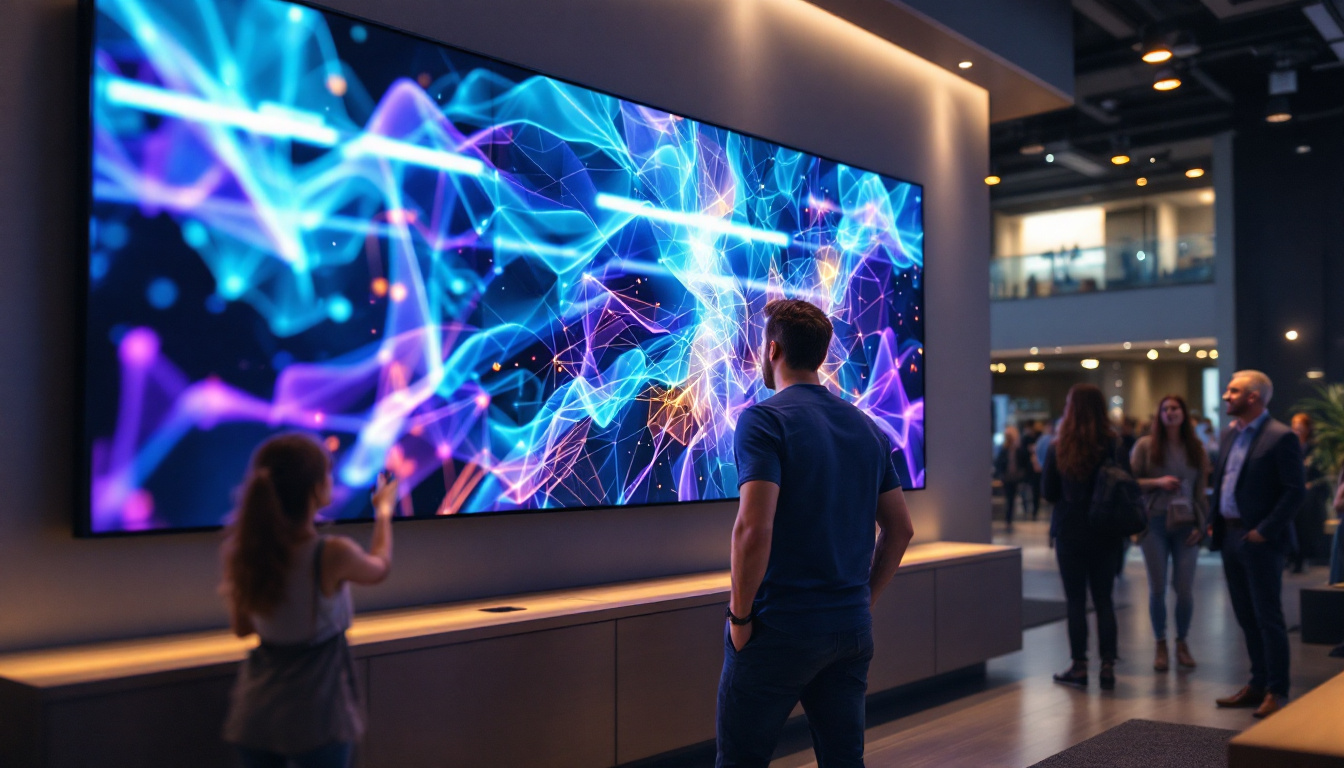
Indoor LED video walls are composed of modular panels that can be assembled to create large, high-resolution screens. These are ideal for churches with spacious sanctuaries or auditoriums. They offer excellent image quality and can be viewed clearly from all seating areas.
Many churches use indoor LED walls as backdrops behind the stage, displaying dynamic visuals that correspond with sermon themes or worship music. For example, a nature-themed background can enhance a message about creation, while abstract animations can add energy during musical performances.
Outdoor LED Displays
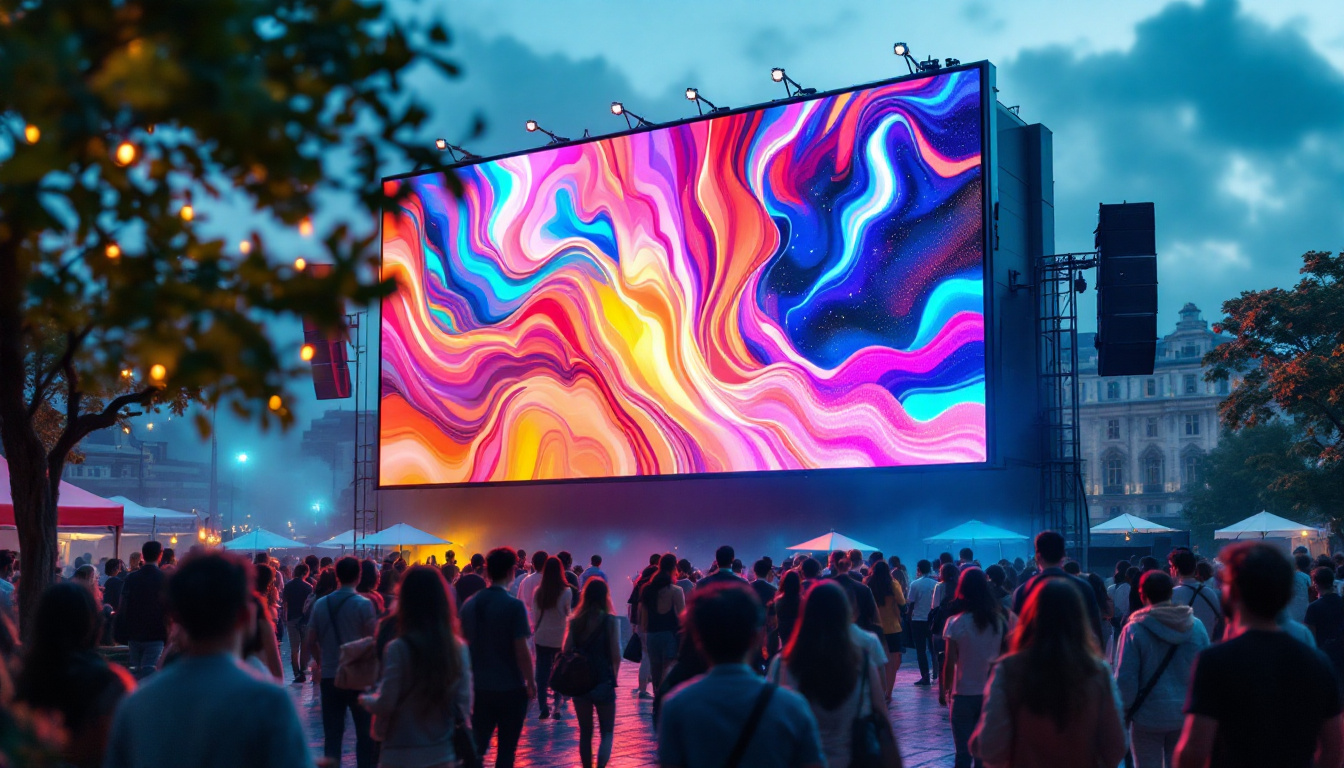
Some churches extend their reach beyond the sanctuary by installing outdoor LED displays. These are weather-resistant and designed to operate in various lighting conditions, including direct sunlight. Outdoor displays can be used to broadcast services in overflow areas, promote upcoming events, or share inspirational messages with the community.
Transparent LED Screens
Transparent LED displays are a newer innovation that allows light to pass through the screen, making them suitable for windows or glass walls. This technology enables churches to maintain natural light while incorporating digital visuals. Transparent screens can create a stunning visual effect, blending the digital content with the physical environment.
Curved and Flexible LED Panels
For churches seeking unique stage designs, curved or flexible LED panels offer creative freedom. These panels can be bent or shaped to form circular or wave-like displays, adding depth and dimension to the stage. Such designs can help focus attention on the speaker or create immersive worship experiences.
Key Considerations When Installing LED Displays in Churches
Proper planning and installation are critical to maximize the benefits of LED displays. Several factors should be considered to ensure the display meets the church’s functional and aesthetic requirements.
Resolution and Pixel Pitch
Resolution refers to the number of pixels on the display, which affects image clarity. Pixel pitch, the distance between individual LED pixels, is a crucial metric for determining viewing quality. A smaller pixel pitch means higher resolution and sharper images, especially important for close viewing distances common in church settings.
For indoor church stages, pixel pitches between 1.5mm and 3mm are typical, providing crisp visuals without excessive cost. Larger pixel pitches may be acceptable for displays viewed from a distance, such as outdoor screens.
Screen Size and Placement
The size of the LED display should be proportional to the sanctuary’s dimensions and seating layout. Oversized screens can overwhelm the space, while too small screens may be difficult to see. Placement should consider sightlines, ensuring all attendees have an unobstructed view.
Additionally, mounting options—such as wall-mounted, hanging, or freestanding—impact the stage design and must comply with safety standards.
Content Management Systems (CMS)
LED displays require software to manage and schedule content. Churches should select CMS platforms that are user-friendly and compatible with various media formats. Integration with live video feeds, presentation software, and lighting control systems enhances functionality.
Many CMS solutions offer remote access, allowing technical teams to update content easily and respond to service needs in real time.
Acoustic and Lighting Integration
LED displays should complement, not overpower, the sanctuary’s acoustics and lighting. Bright screens can create glare or distract if not properly calibrated. Coordinating with lighting designers ensures that the display enhances the atmosphere without compromising worship focus.
Budget and Maintenance
While LED displays offer long-term value, initial investment costs can be significant. Churches should consider total cost of ownership, including installation, software licenses, and ongoing maintenance. Partnering with experienced AV integrators can help optimize costs and ensure reliable performance.
Best Practices for Using LED Displays in Church Worship
Beyond technical specifications, how LED displays are used during services greatly influences their effectiveness. Thoughtful content and design choices can elevate the worship experience.
Enhancing Worship Through Visual Storytelling
LED screens provide a powerful medium for visual storytelling. Incorporating scripture verses, thematic imagery, and motion graphics can reinforce sermon points and engage congregants emotionally. For example, displaying a sunrise animation during a message about hope can create a memorable connection.
Supporting Music and Worship Teams
During worship music, LED displays can show lyrics, live video of musicians, or abstract visuals that match the mood. This helps congregants participate fully and creates an immersive environment. Synchronizing visuals with lighting and sound further enhances the experience.
Facilitating Accessibility and Inclusivity
LED displays aid accessibility by providing clear text for song lyrics and sermon notes, benefiting attendees with hearing impairments or those unfamiliar with the worship language. Multilingual content can also be displayed to serve diverse congregations.
Engaging the Community Beyond Sunday Services
LED displays are versatile tools for outreach. Churches can use them to promote events, share inspirational messages, or live-stream services to overflow areas or online platforms. This extends the church’s reach and fosters a sense of community.
Case Studies: Churches Successfully Implementing LED Displays
Examining real-world examples illustrates how LED displays can transform worship environments.
Grace Community Church, California
Grace Community Church installed a 20-foot-wide indoor LED video wall behind their main stage. The display features high-resolution visuals that complement sermons and worship music. The church reports increased engagement and positive feedback from attendees, noting that the display helps convey messages more effectively.
New Hope Church, Texas
New Hope Church integrated transparent LED screens into their sanctuary’s glass walls. This innovative design preserves natural light while providing dynamic backgrounds and scripture displays. The church highlights how this technology enhances the worship atmosphere without detracting from the sanctuary’s architectural beauty.
City Light Church, New York
City Light Church uses outdoor LED displays to broadcast services in their courtyard, accommodating overflow crowds and community members who prefer outdoor seating. The weather-resistant screens have enabled the church to expand its outreach and maintain engagement during large events.
Conclusion: Embracing LED Technology to Enrich Church Worship
LED displays have become indispensable tools in modern church stage design, offering unmatched brightness, flexibility, and visual impact. When thoughtfully selected and integrated, these displays can deepen worship engagement, support diverse ministries, and extend the church’s message beyond traditional boundaries.
As churches continue to explore innovative ways to connect with congregations, investing in LED technology represents a forward-thinking approach that honors both tradition and progress. By understanding the technical aspects, installation considerations, and creative possibilities, church leaders can harness the power of LED displays to inspire, inform, and unite their communities.
Discover LumenMatrix LED Solutions for Your Church
Ready to elevate your church’s worship experience with cutting-edge LED technology? LumenMatrix specializes in a wide array of LED display modules designed to captivate and engage your congregation. From vibrant Indoor and Outdoor LED Wall Displays to innovative Transparent and Custom LED solutions, our products are crafted to transform your worship environment and communicate your message with stunning clarity. Embrace the future of church stage design and check out LumenMatrix LED Display Solutions today to see how we can help you create unforgettable visual experiences.