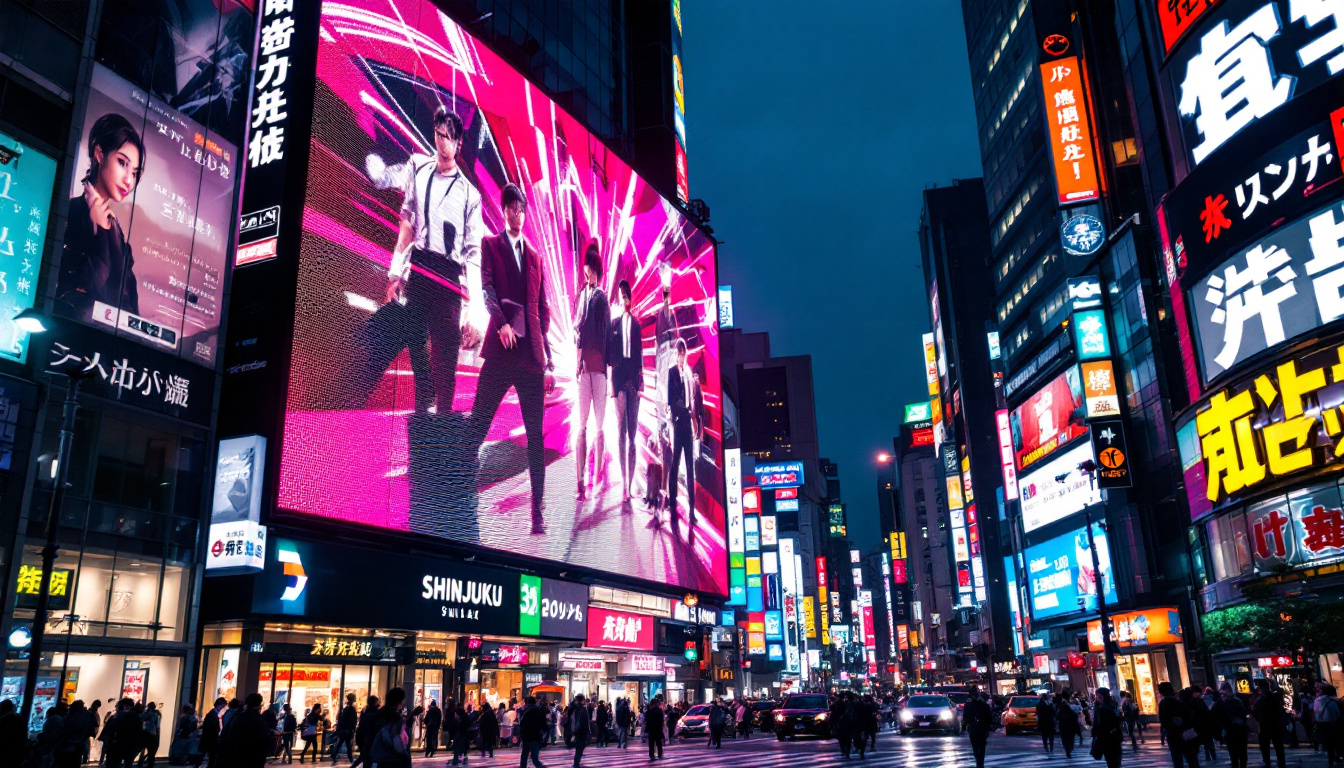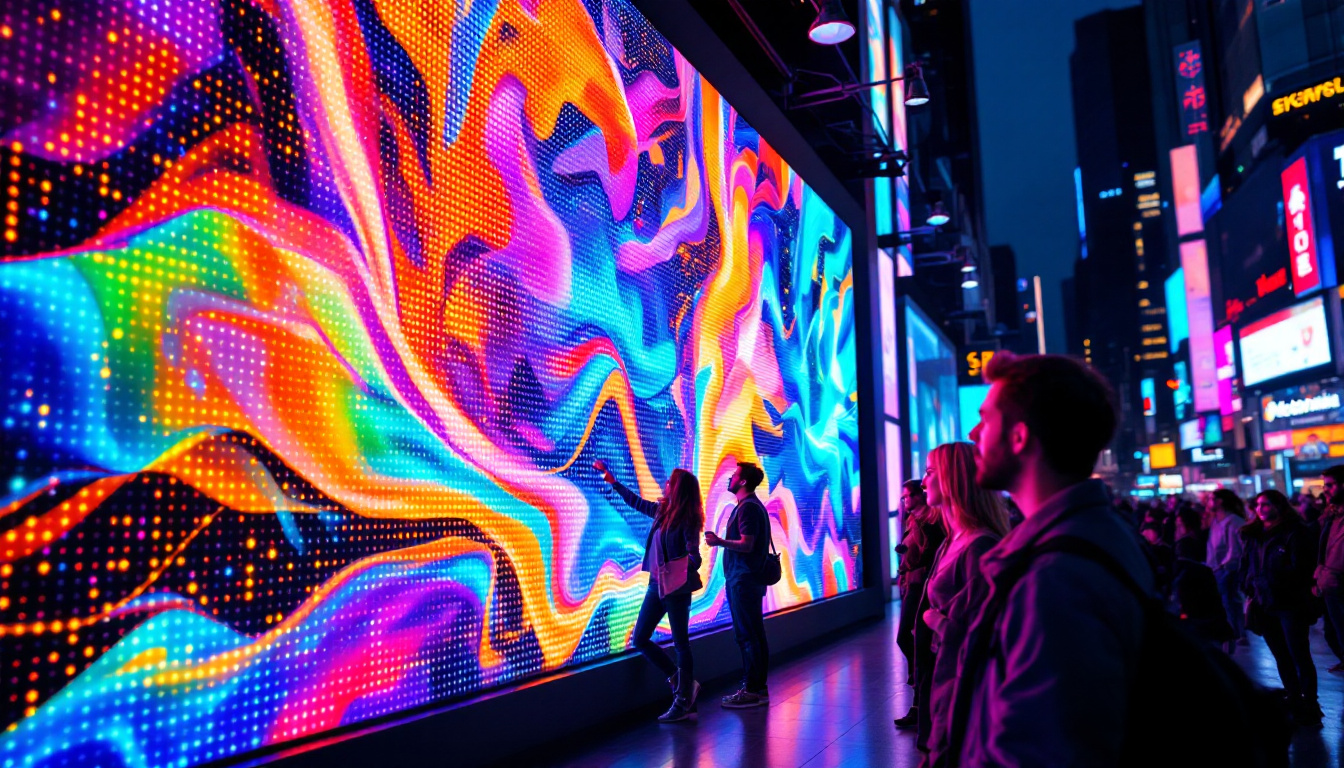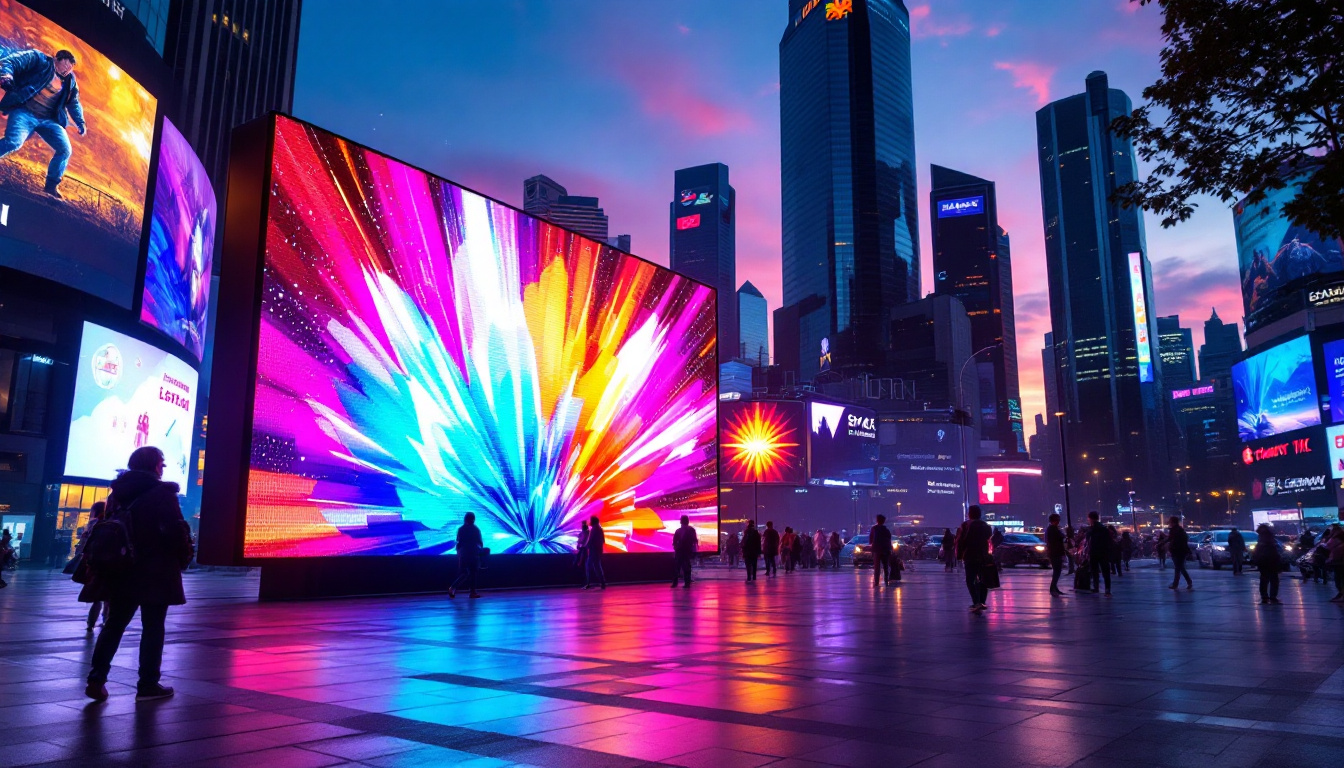
In an era where visual communication dominates marketing and public engagement, LED displays have become an essential tool for businesses and advertisers worldwide. From towering billboards in Times Square to dynamic signage in retail stores, LED technology offers vibrant, high-impact visuals that capture attention and convey messages effectively. This article delves into the world of pixel commercial LED displays, explaining their technology, benefits, applications, and what makes them a preferred choice for modern digital signage.
Understanding LED Display Technology
What is an LED Display?
LED stands for Light Emitting Diode, a semiconductor device that emits light when an electric current passes through it. LED displays are composed of numerous tiny LEDs arranged in a matrix to form pixels. Each pixel comprises one or more LEDs that emit red, green, and blue light, which combine to produce a full spectrum of colors. By controlling the brightness and color of each pixel, LED displays can render images, videos, and text with remarkable clarity and vibrancy.
Unlike traditional LCD or plasma screens that rely on backlighting, LED displays are self-illuminating. This characteristic allows them to produce higher contrast ratios and better visibility in bright environments, making them ideal for outdoor and commercial applications. The energy efficiency of LED technology also means that these displays consume less power compared to their predecessors, contributing to lower operational costs and a reduced carbon footprint. Additionally, the durability of LED displays, which are less prone to damage and have a longer lifespan, makes them a preferred choice for many businesses looking for reliable and long-lasting display solutions.
Pixel Pitch: The Heart of LED Display Resolution
One of the most critical factors defining the quality of an LED display is its pixel pitch. Pixel pitch refers to the distance between the centers of two adjacent pixels, usually measured in millimeters. A smaller pixel pitch means pixels are packed more tightly, resulting in higher resolution and sharper images.
For example, an LED display with a 2mm pixel pitch will have a much finer image quality than one with a 10mm pitch, making it suitable for close viewing distances such as indoor retail environments or corporate lobbies. Conversely, larger pixel pitches are common in outdoor billboards where viewers are typically farther away. The choice of pixel pitch is crucial for optimizing viewer experience; a well-calibrated display can enhance the effectiveness of advertising campaigns or presentations by ensuring that every detail is visible and engaging. Furthermore, advancements in technology continue to push the boundaries of pixel pitch, with ultra-fine pitch displays now available that can create stunning visuals even in compact spaces, revolutionizing how we think about digital signage and visual communication.
Types of Commercial LED Displays
Indoor vs. Outdoor LED Displays
Commercial LED displays come in two main categories: indoor and outdoor. Each type is designed to meet specific environmental and functional requirements.
Indoor LED Displays: These are optimized for viewing in controlled lighting conditions, such as shopping malls, airports, conference centers, and retail stores. They typically have smaller pixel pitches (ranging from 1.2mm to 4mm) to ensure crisp images at close range. Indoor LED panels are lightweight, have high refresh rates to prevent flickering, and often include features like anti-glare coatings.
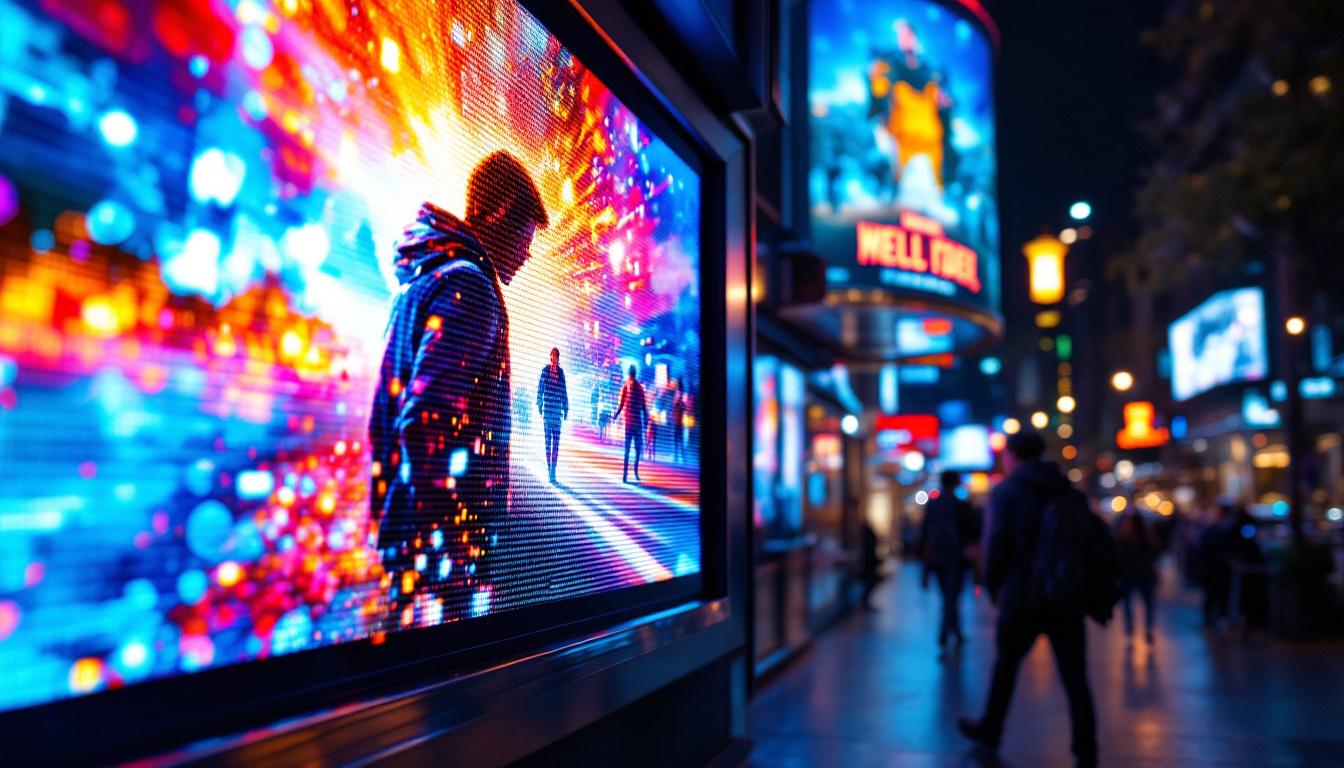
Outdoor LED Displays: Built to withstand harsh weather conditions, outdoor LED displays feature waterproof and dustproof enclosures with high brightness levels (often exceeding 5,000 nits) to combat sunlight glare. Their pixel pitch ranges from 4mm to 20mm or more, depending on the intended viewing distance. These displays are commonly used for billboards, stadium screens, and transportation hubs.
Flexible and Transparent LED Displays
Recent innovations have expanded the possibilities of LED technology beyond traditional flat panels. Flexible LED displays use bendable substrates that allow screens to curve around surfaces, opening up new creative opportunities for architects and advertisers. Transparent LED displays, on the other hand, integrate LEDs into glass panels, enabling see-through digital signage that can be used on storefront windows or glass walls without obstructing the view.
These cutting-edge designs are increasingly popular in high-end retail and experiential marketing, where immersive and interactive environments are key to engaging customers.
Advantages of Pixel Commercial LED Displays
Superior Visual Impact and Brightness
One of the primary reasons LED displays dominate commercial signage is their exceptional brightness and color accuracy. With brightness levels ranging from 1,000 to over 8,000 nits, LED displays remain visible even under direct sunlight, outperforming LCD and projection-based systems.
Moreover, LEDs offer a wide color gamut and high contrast ratios, producing vivid images that attract attention and enhance brand messaging. This visual impact is crucial in crowded urban environments where competing for consumer attention is challenging.
Energy Efficiency and Longevity
LED technology is inherently energy-efficient compared to other lighting and display solutions. LEDs consume less power while delivering brighter light, which translates to lower operational costs for businesses. For example, a commercial LED billboard can consume up to 80% less energy than a traditional neon sign.
Additionally, LED displays boast long lifespans, often exceeding 100,000 hours of operation. This durability reduces maintenance frequency and replacement costs, making LED displays a cost-effective investment over time.
Customization and Scalability
LED displays are highly modular, allowing businesses to customize screen sizes and shapes to fit unique spaces and branding needs. Panels can be seamlessly tiled to create massive video walls or scaled down for smaller installations. This flexibility supports a wide range of commercial applications, from small retail kiosks to large outdoor advertising towers.
Furthermore, modern LED displays support dynamic content management, enabling real-time updates and interactive features. This adaptability is invaluable for campaigns requiring timely messaging or audience engagement.
Applications of Pixel Commercial LED Displays
Outdoor Advertising and Billboards
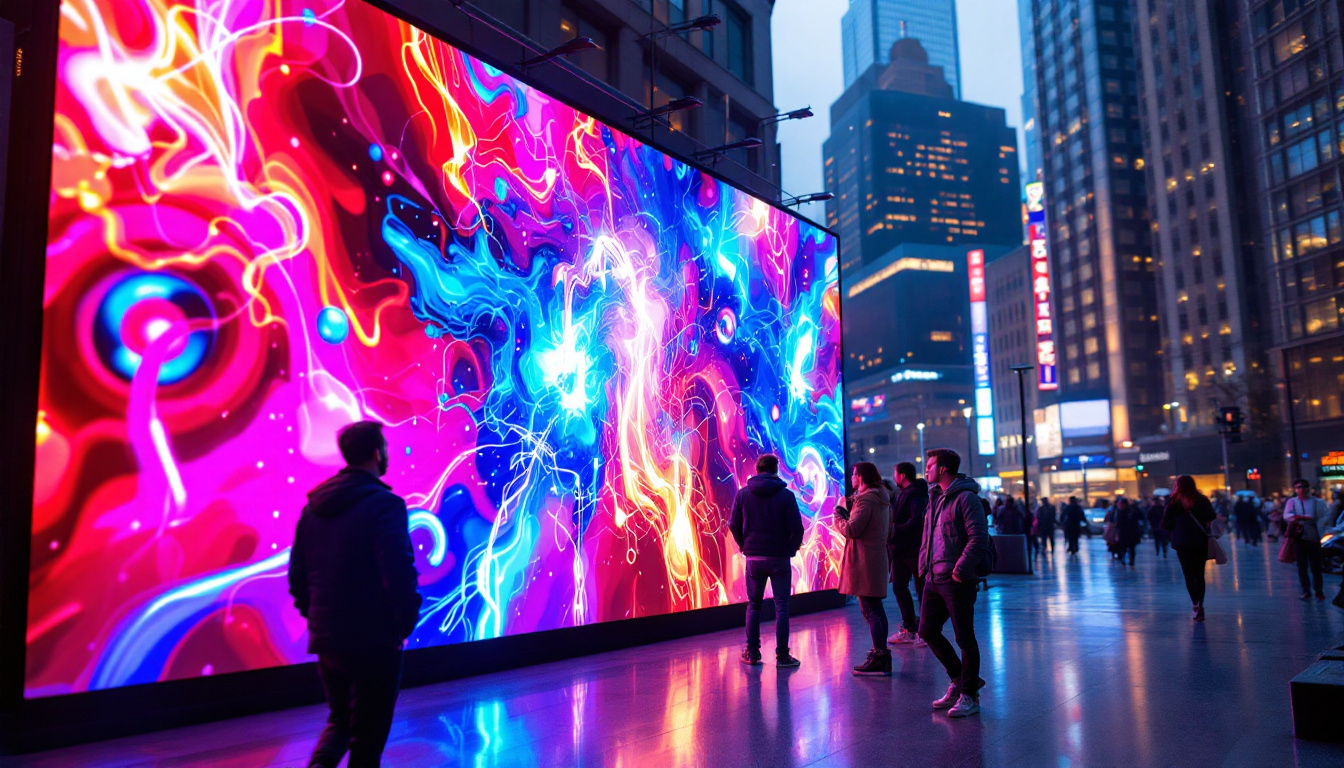
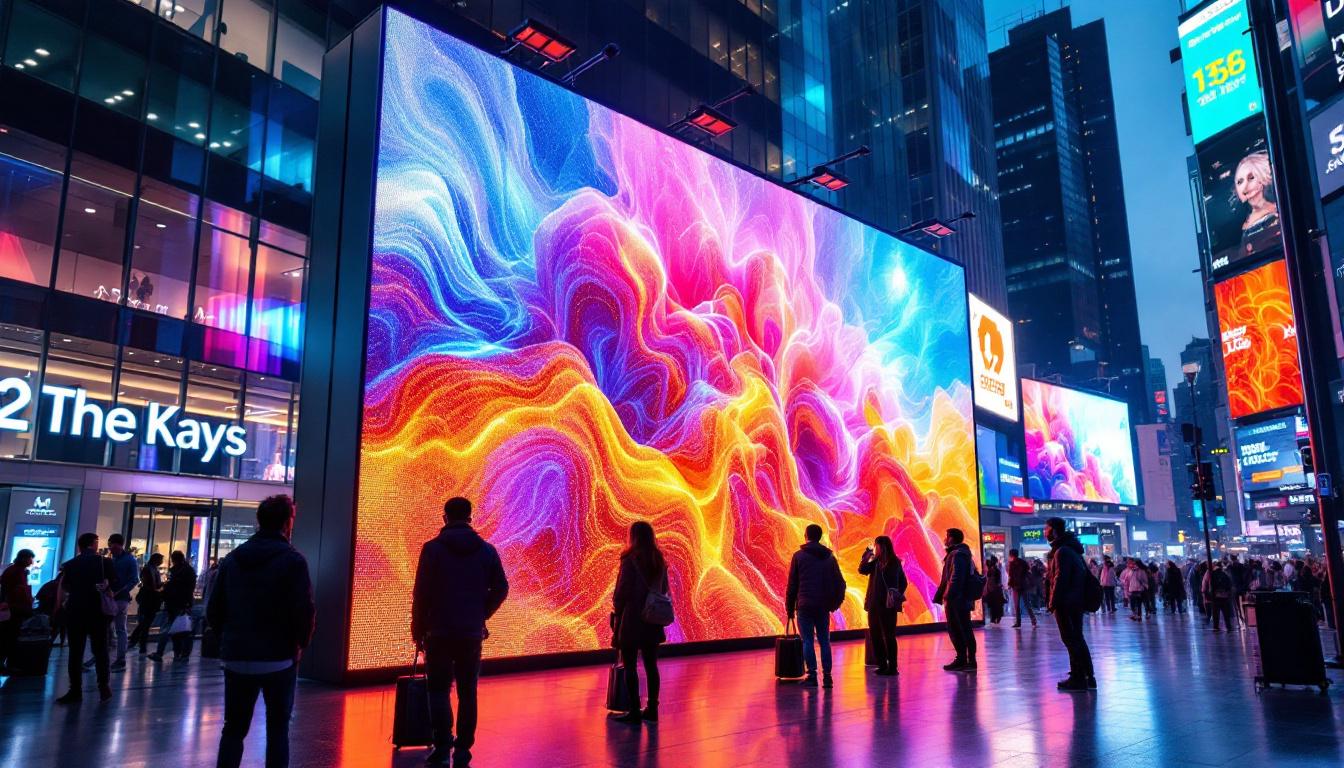
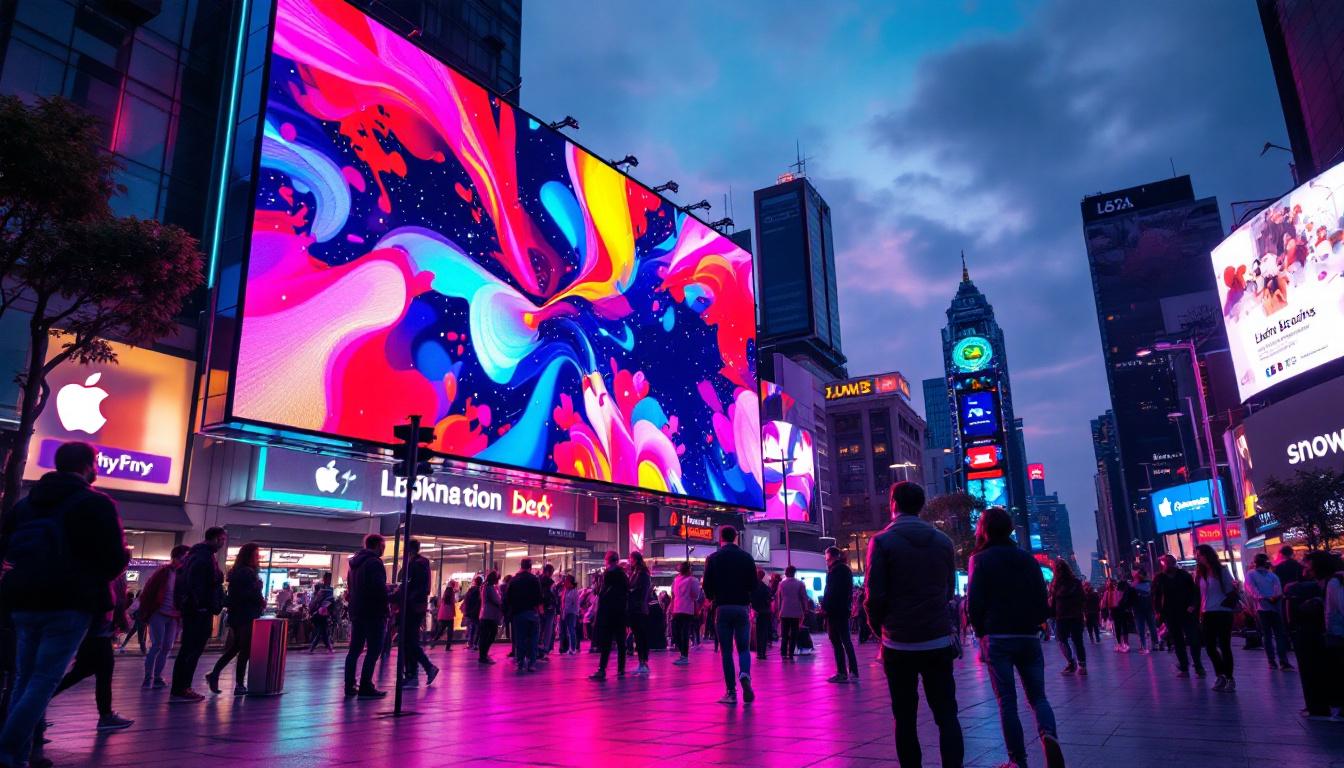
Outdoor LED billboards are among the most visible and effective forms of advertising. According to the Outdoor Advertising Association of America, digital billboards have increased consumer engagement by up to 30% compared to static signs. Their ability to display multiple ads in rotation and adapt content based on time of day or weather conditions enhances marketing efficiency.
Major cities worldwide have embraced LED billboards to revitalize urban spaces and provide advertisers with dynamic platforms. For instance, New York City’s Times Square features some of the largest and most technologically advanced LED displays, drawing millions of tourists and shoppers annually.
Retail and Hospitality Environments
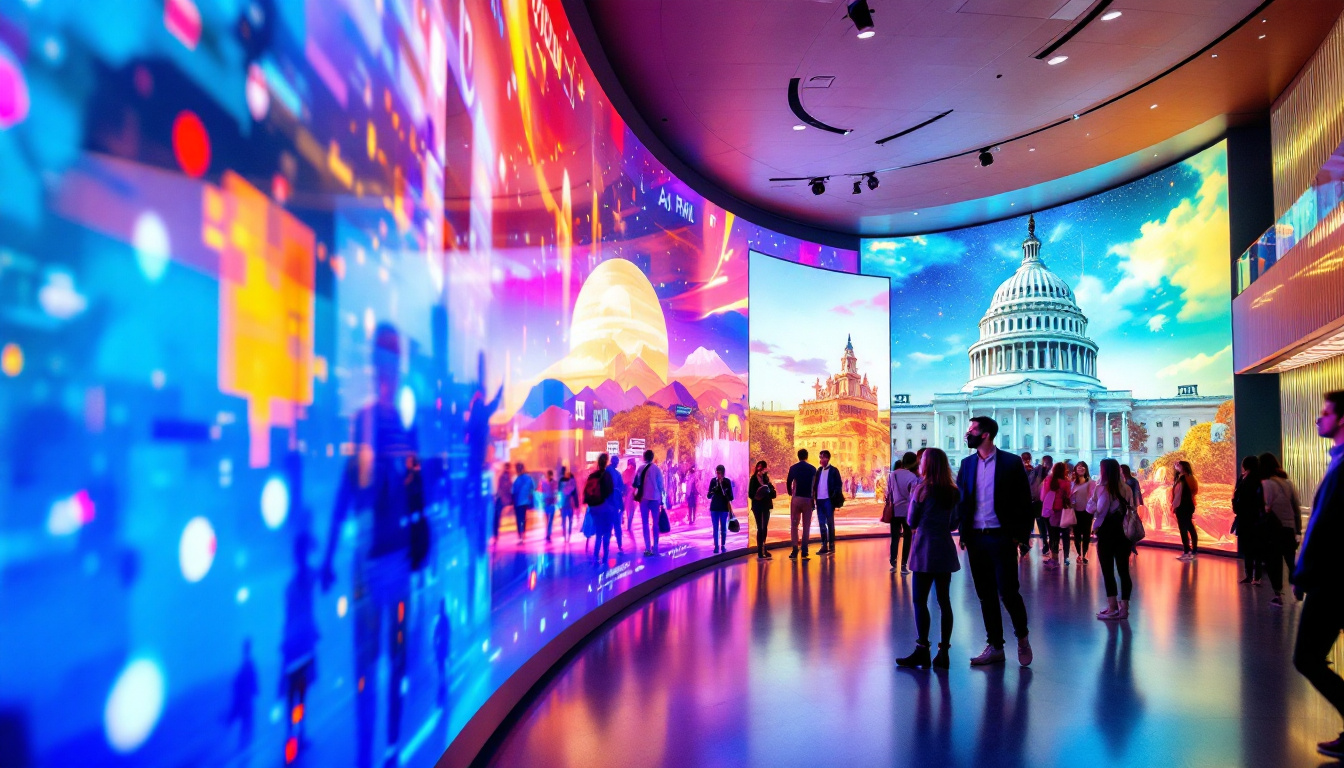
In retail, LED displays serve as powerful tools for brand storytelling and customer interaction. Stores use them to showcase promotions, product launches, and immersive brand experiences. The high resolution and brightness of indoor LED displays ensure that visuals remain crisp and captivating, even in brightly lit environments.
Hospitality venues, such as hotels and casinos, also leverage LED displays for wayfinding, event information, and entertainment. The ability to quickly update content allows these businesses to tailor messaging to different audiences and occasions.
Events, Sports, and Entertainment
Live events and sports arenas benefit immensely from LED display technology. Large-scale LED video walls provide spectators with close-up views of the action, replays, and interactive content. The flexibility of LED panels allows for creative stage designs and immersive experiences that enhance audience engagement.
Moreover, LED displays are used in concerts, exhibitions, and trade shows to create visually stunning backdrops and interactive installations, elevating the overall event atmosphere.
Choosing the Right Pixel Commercial LED Display
Assessing Viewing Distance and Environment
Selecting the appropriate LED display begins with understanding the typical viewing distance and environmental conditions. For close-range indoor applications, a smaller pixel pitch ensures image clarity. For outdoor or large venue installations, a larger pixel pitch balances resolution with cost-effectiveness.
Environmental factors such as ambient light, weather exposure, and installation location also influence the choice of display type and protective features.
Evaluating Brightness and Refresh Rate
Brightness levels must be sufficient to maintain visibility under prevailing lighting conditions. For outdoor displays, a minimum brightness of 5,000 nits is generally recommended. Indoor displays typically require lower brightness but benefit from higher refresh rates to avoid flickering, especially when filming or streaming content.
Considering Maintenance and Support
Reliable technical support and ease of maintenance are vital for commercial LED displays to ensure continuous operation. Choosing displays with modular components allows for quick repairs and replacements. Additionally, partnering with reputable manufacturers and installers guarantees access to warranties and service agreements.
The Future of Pixel Commercial LED Displays
Advancements in MicroLED and MiniLED Technology
Emerging technologies such as MicroLED and MiniLED promise to revolutionize commercial displays further. MicroLEDs are significantly smaller than traditional LEDs, enabling even higher resolutions and thinner, more energy-efficient panels. These advancements will push the boundaries of image quality and design flexibility.
Integration with Smart Technologies
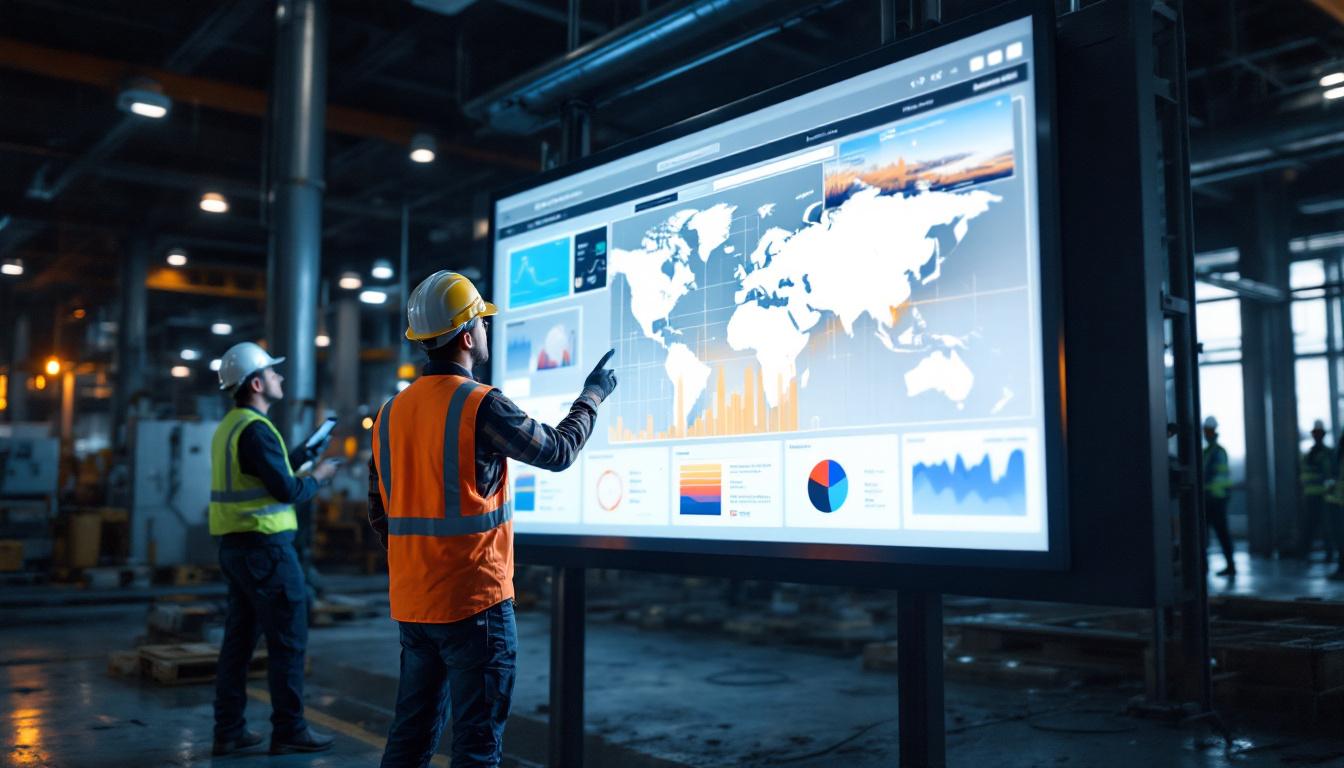
Integration with Internet of Things (IoT) and Artificial Intelligence (AI) is transforming LED displays into intelligent communication hubs. Smart LED displays can analyze audience demographics, adjust content dynamically, and interact with mobile devices to deliver personalized experiences.
Such innovations are expected to enhance the effectiveness of digital signage, making it an indispensable component of future marketing and communication strategies.
Conclusion
Pixel commercial LED displays represent a powerful convergence of technology, creativity, and communication. Their ability to deliver bright, vibrant, and customizable visual content makes them invaluable for businesses seeking to engage audiences effectively. By understanding the fundamentals of LED technology, pixel pitch, and application-specific requirements, organizations can harness the full potential of LED displays to elevate their brand presence and captivate viewers in an increasingly digital world.
Discover LumenMatrix’s Innovative LED Solutions
Ready to transform your space with the vibrant, high-resolution imagery of LED displays? LumenMatrix is at the forefront of LED display technology, offering a wide array of solutions tailored to your unique needs. Whether you’re looking for an Indoor LED Wall Display, a robust Outdoor LED Wall Display, or specialized options like Vehicle LED Displays and LED Sports Displays, LumenMatrix has the expertise to bring your vision to life. Experience the future of visual communication with our Custom LED Displays, All-in-One LED Displays, and LED Transparent Displays. Elevate your brand’s presence and captivate your audience with unparalleled clarity and impact. Check out LumenMatrix LED Display Solutions and see how we can help you share your message with the world.