In recent years, LED display technology has transformed the way information and visuals are presented across various industries. From vibrant advertising billboards to dynamic stadium screens and even home entertainment systems, LED displays have become an integral part of modern communication and entertainment. This article delves into the world of smart LED screens, explaining their technology, applications, benefits, and future trends.
Understanding LED Display Technology
What is an LED Screen?
LED stands for Light Emitting Diode, a semiconductor device that emits light when an electric current passes through it. An LED screen is a flat panel display that uses an array of these tiny LEDs as pixels to produce images, videos, and text. Unlike traditional LCD or plasma displays, LED screens offer superior brightness, contrast, and energy efficiency.
LED screens come in various forms, including indoor and outdoor displays, flexible panels, and transparent screens. Each type is designed to meet specific environmental and usage requirements, making LED technology highly versatile.
How Do LED Displays Work?
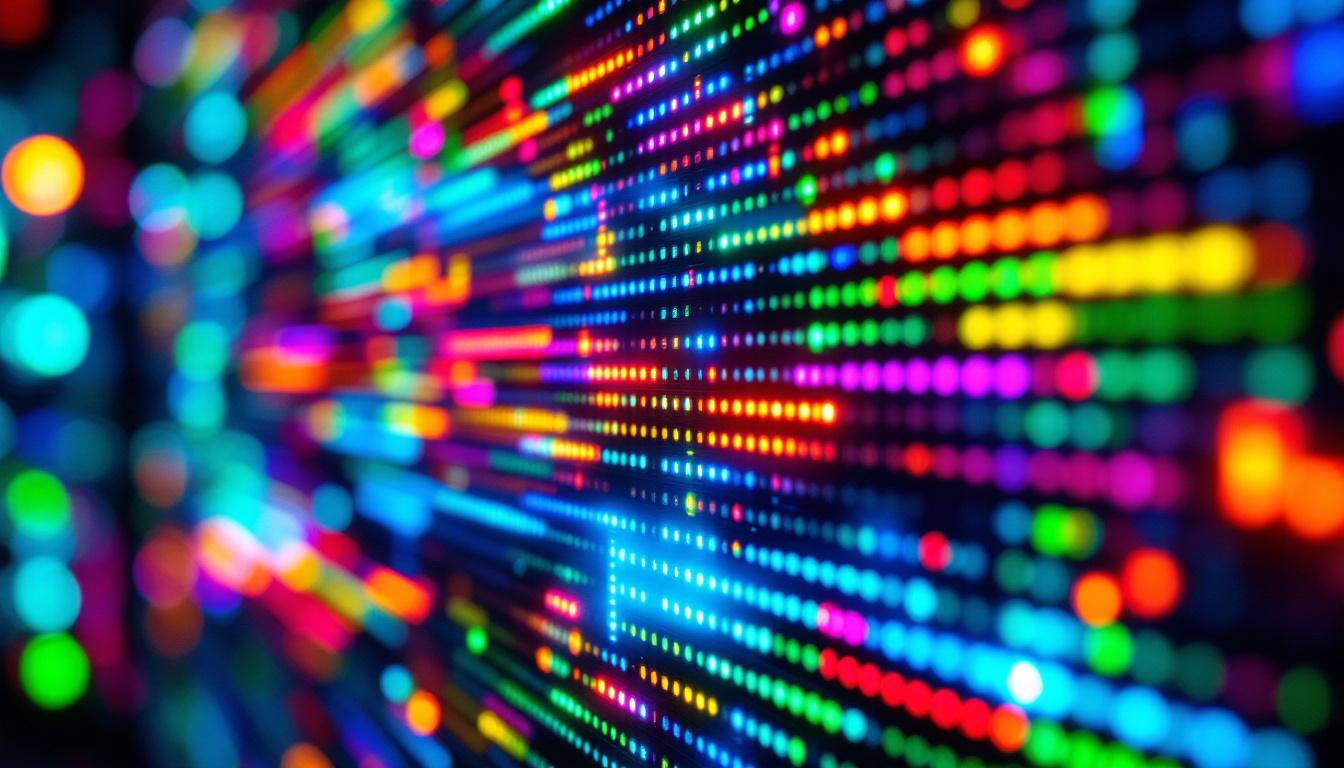
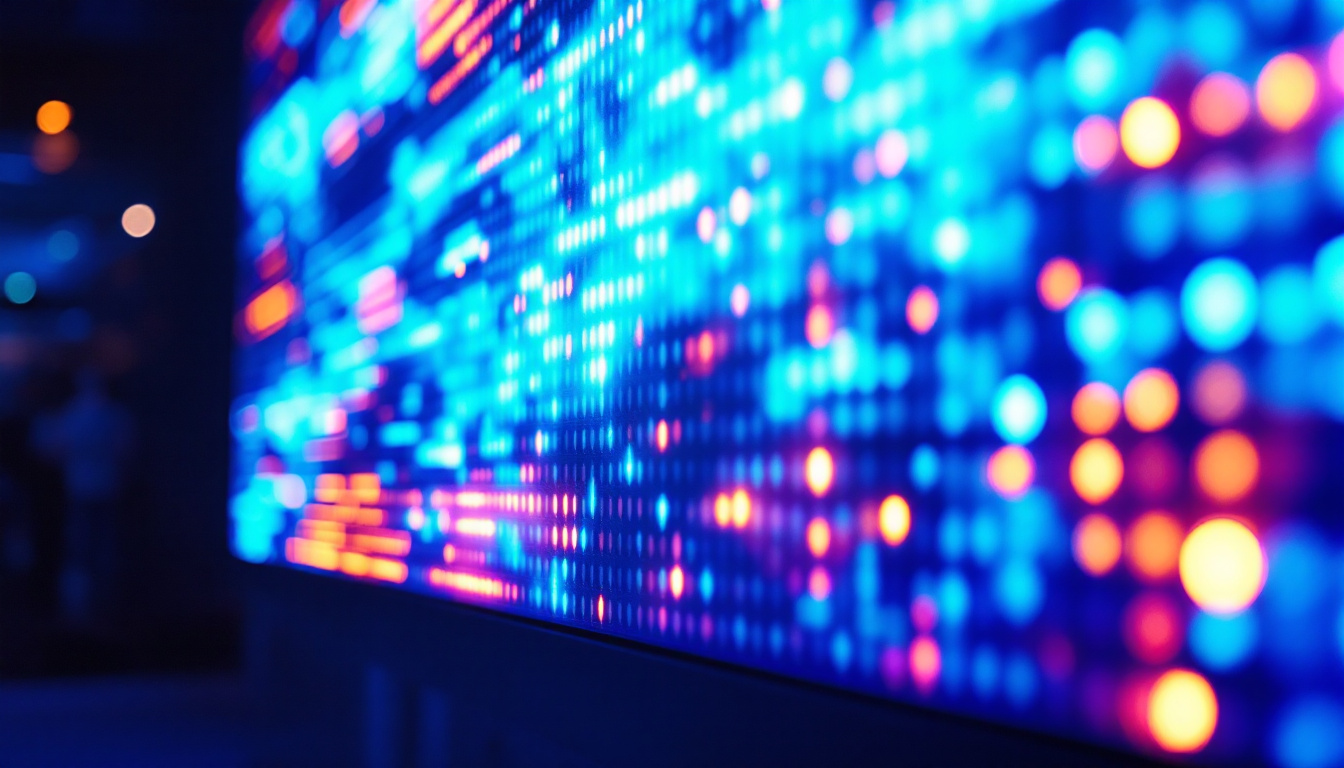
At the core of an LED display are thousands to millions of individual LEDs arranged in a matrix. Each LED acts as a pixel or part of a pixel, and by controlling the intensity and color of each LED, the screen can render images with remarkable clarity and color accuracy.
There are two primary types of LEDs used in displays: RGB LEDs and white LEDs with color filters. RGB LEDs combine red, green, and blue diodes to create a full spectrum of colors, while white LEDs rely on filters to produce different hues. Modern smart LED screens typically use RGB LEDs for richer and more vibrant color reproduction.
Pixel Pitch and Resolution
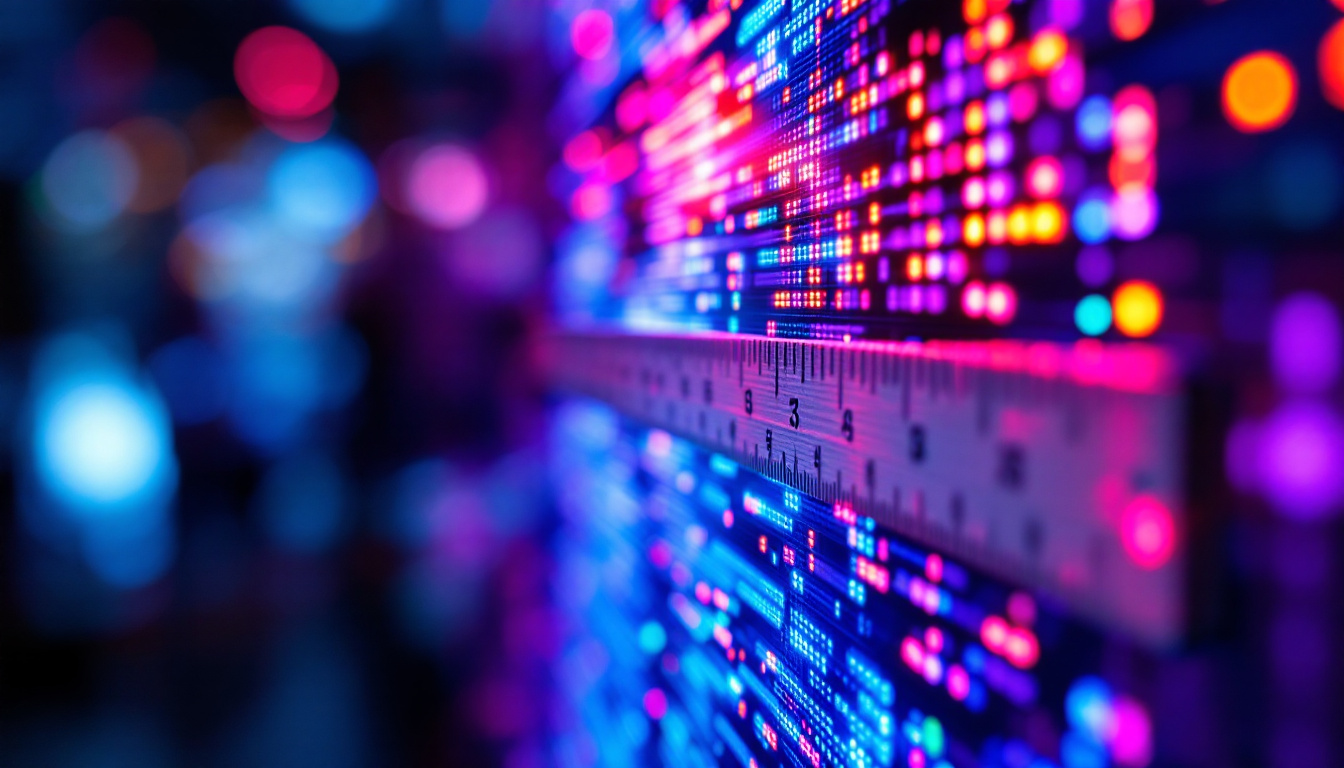
Pixel pitch is a critical specification in LED displays, referring to the distance between the centers of two adjacent pixels. It is usually measured in millimeters. A smaller pixel pitch means higher pixel density, resulting in sharper images and higher resolution. For example, an indoor LED screen might have a pixel pitch of 1.5mm to 3mm, ideal for close viewing distances, whereas outdoor screens often have a pitch of 10mm or more to accommodate longer viewing distances.
The resolution of an LED screen depends on both its physical size and pixel pitch. High-resolution LED displays are essential in applications requiring detailed visuals, such as control rooms, studios, and retail environments.
Applications of Smart LED Screens
Advertising and Digital Signage
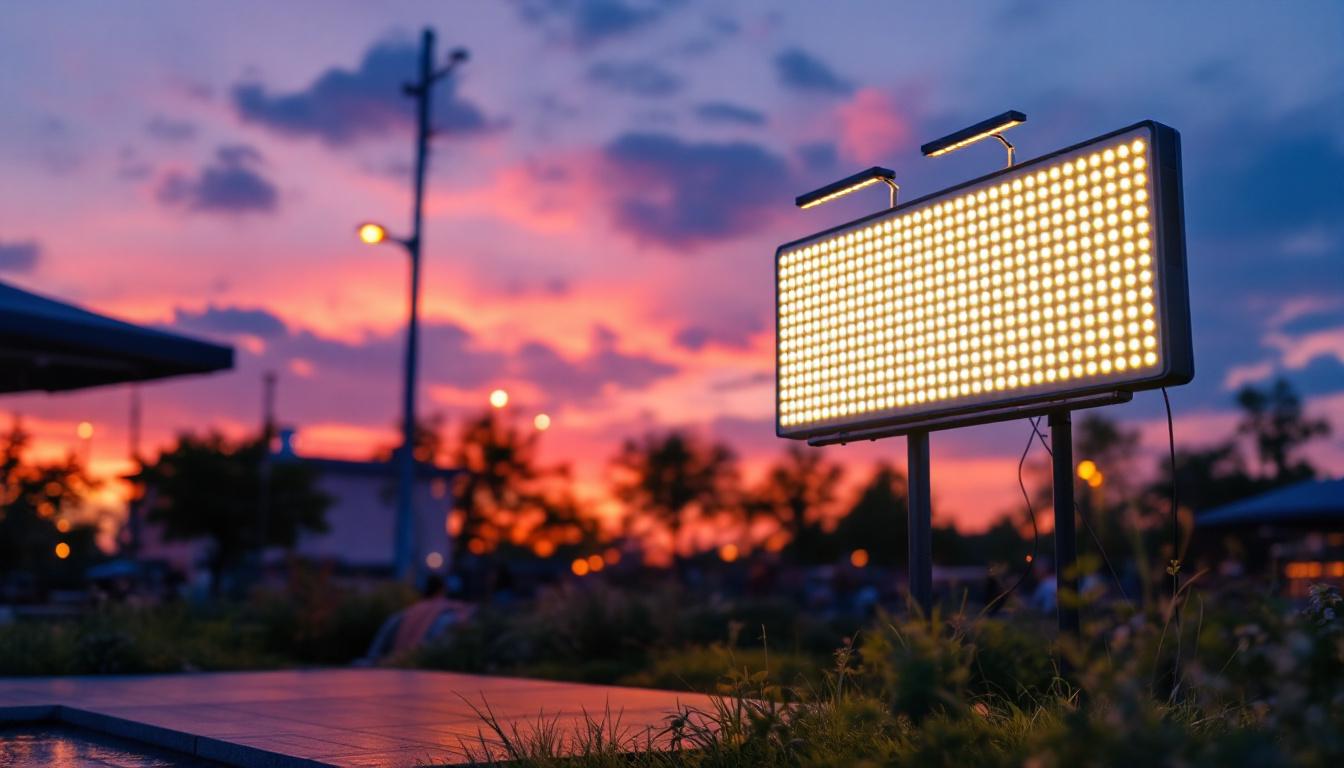
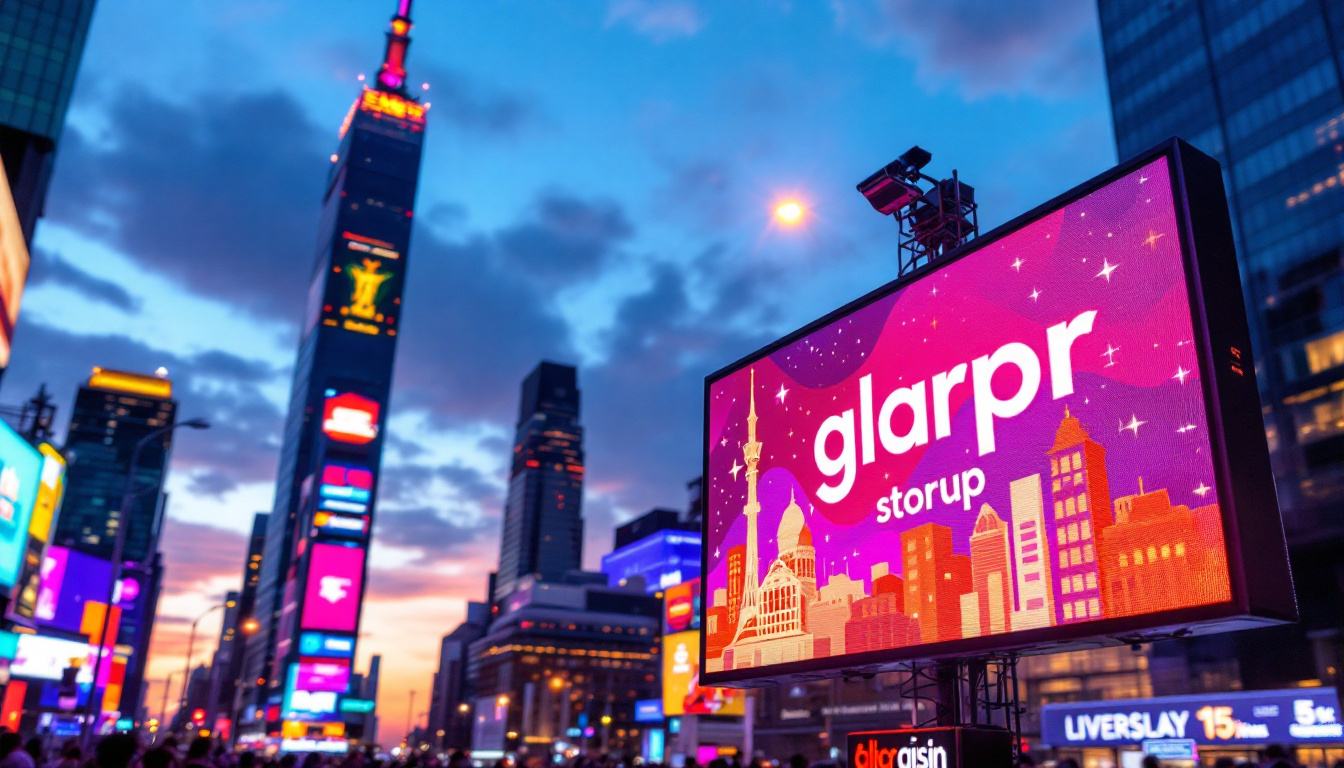
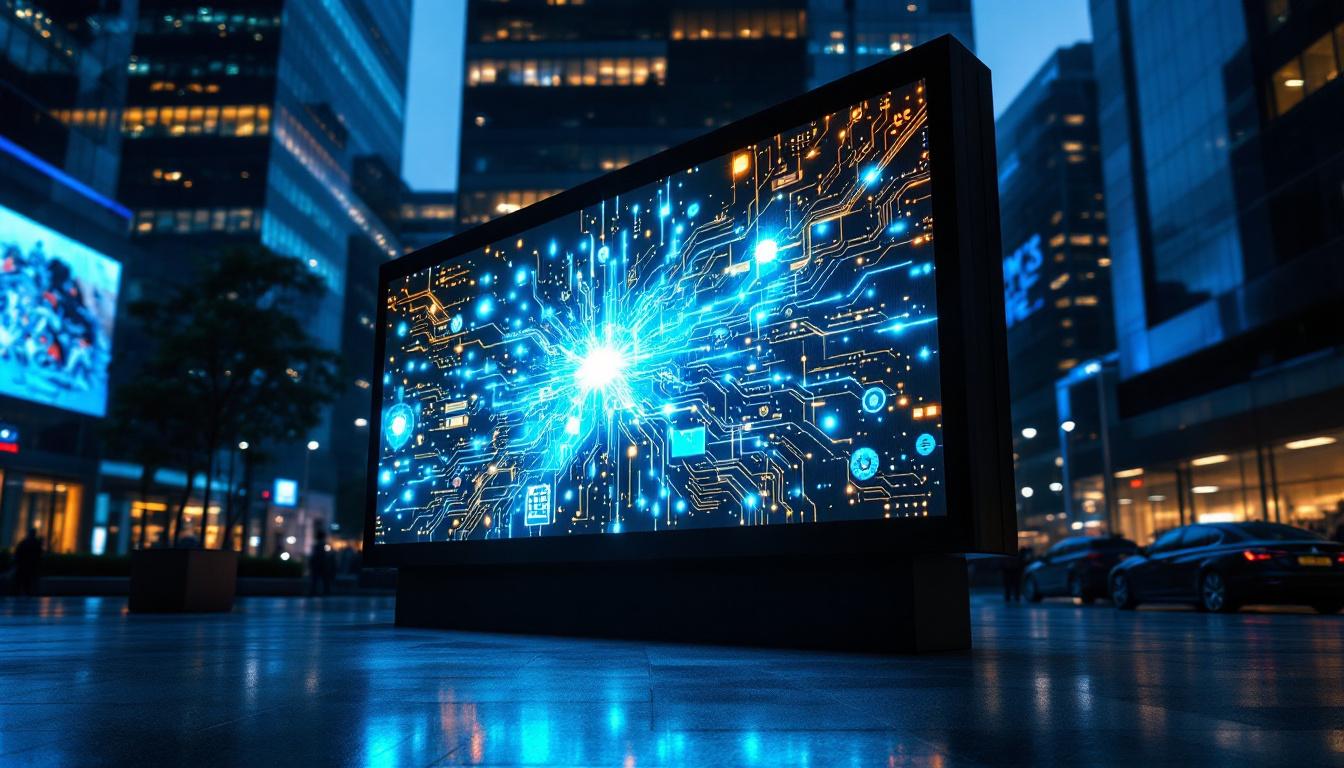
One of the most common uses of smart LED screens is in advertising and digital signage. LED billboards and signage have revolutionized outdoor advertising by offering dynamic, eye-catching content that can be updated in real-time. According to a report by Grand View Research, the global digital signage market size was valued at over $21 billion in 2023 and is expected to grow at a compound annual growth rate (CAGR) of 7.5% from 2024 to 2030, driven largely by LED display adoption.
LED displays enable advertisers to deliver targeted messages, promotions, and interactive content, enhancing customer engagement and brand visibility. Their high brightness ensures visibility even in direct sunlight, making them ideal for busy urban environments.
Entertainment and Events
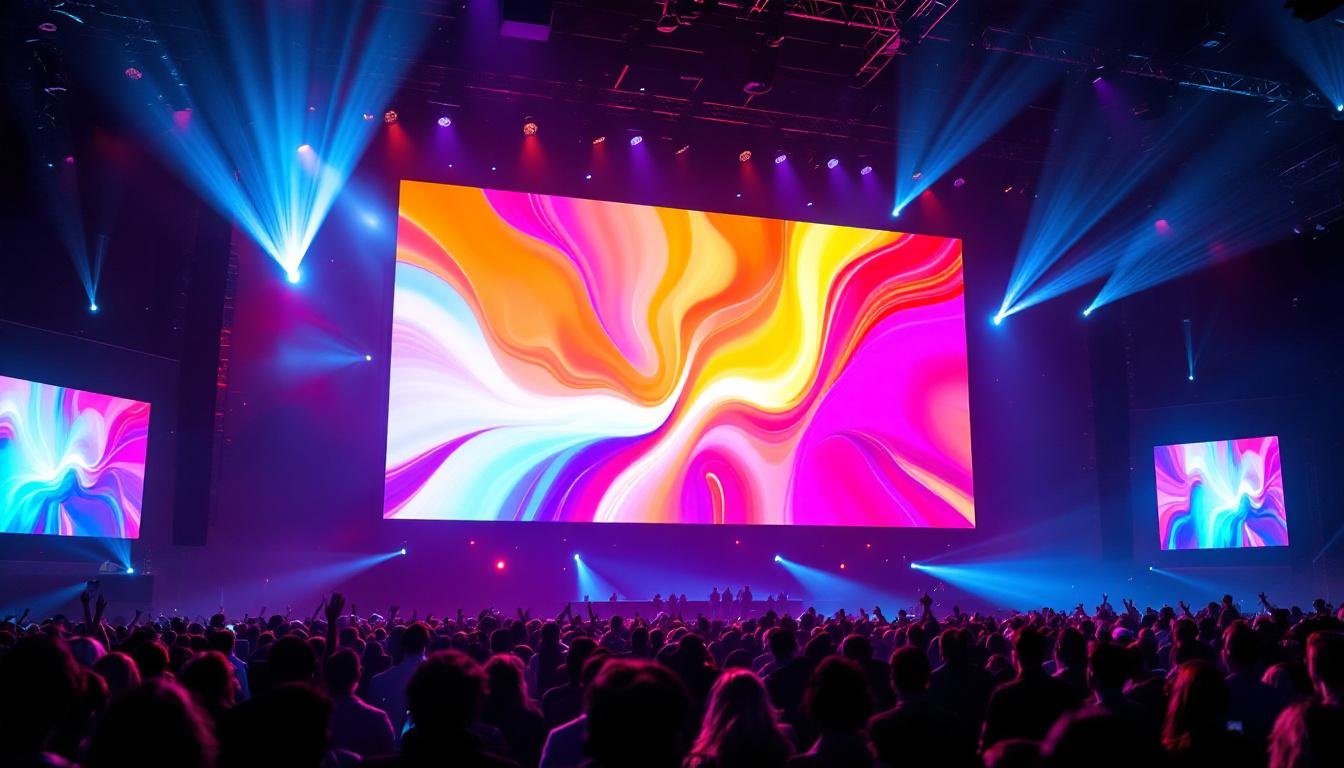
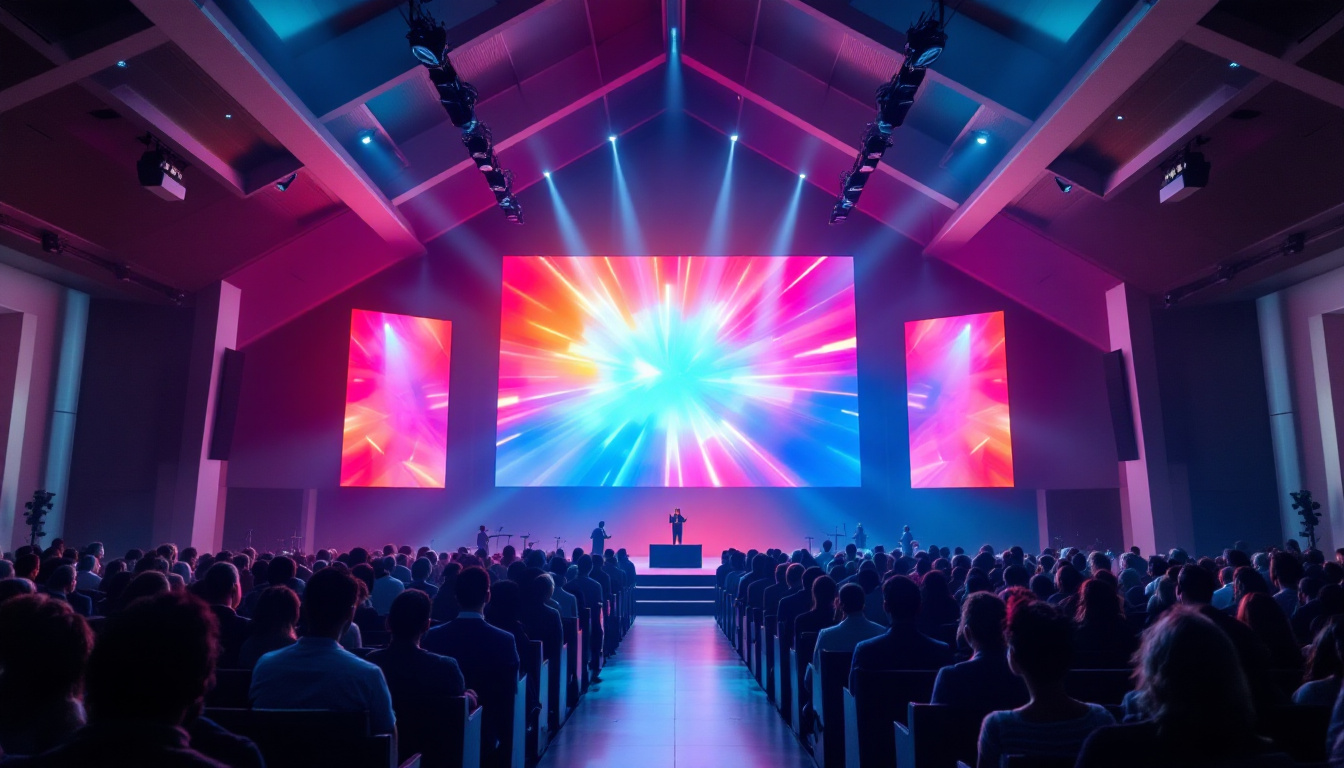
Smart LED screens are extensively used in concerts, sports arenas, theaters, and exhibitions to create immersive visual experiences. Large-scale LED walls can display high-definition video content, live feeds, and special effects that captivate audiences. For example, the LED video wall at the Super Bowl halftime show is a technological marvel that combines thousands of LEDs to deliver stunning visuals to millions of viewers.
Additionally, LED screens are used in stage backdrops, DJ performances, and festivals, offering flexibility in size and shape to suit creative designs. Their durability and weather resistance make them suitable for both indoor and outdoor events.
Corporate and Educational Uses
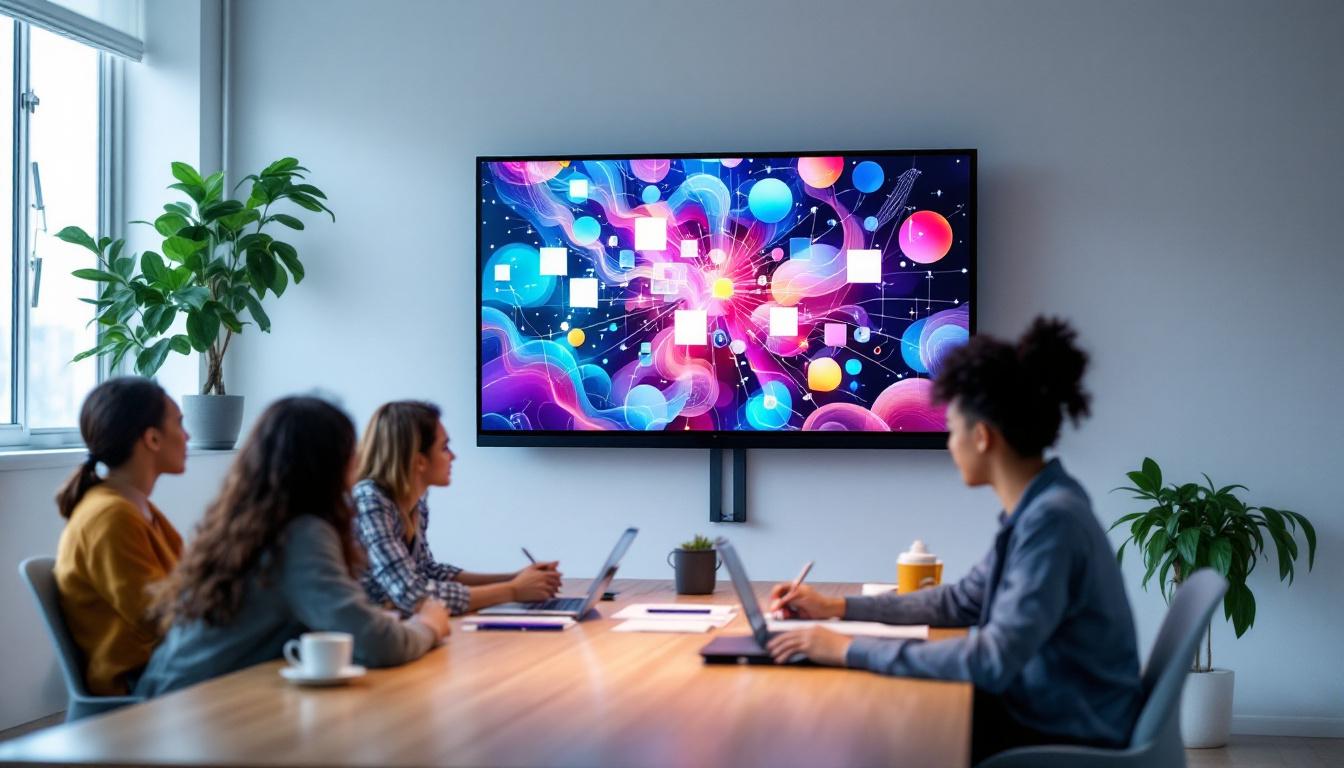
In corporate environments, smart LED screens are used for presentations, video conferencing, and digital whiteboards. Their superior image quality and large display sizes facilitate effective communication and collaboration. Many modern conference rooms integrate LED video walls to replace traditional projectors, providing clearer visuals and reducing maintenance issues.
Educational institutions also benefit from LED technology by using interactive LED displays in classrooms and auditoriums. These screens enhance learning experiences by supporting multimedia content, live demonstrations, and remote teaching.
Transportation and Public Information Displays
LED displays are widely deployed in transportation hubs such as airports, train stations, and bus terminals. They provide real-time information on schedules, delays, and safety announcements. Their high visibility and reliability are crucial in environments where timely information dissemination is essential.
Smart LED screens also serve as dynamic wayfinding tools in malls, hospitals, and city centers, guiding visitors efficiently and improving overall user experience.
Advantages of Smart LED Screens
Energy Efficiency and Longevity
Compared to traditional lighting and display technologies, LEDs consume significantly less power. This energy efficiency translates into lower operating costs, especially for large-scale installations that run continuously. Many LED screens are designed to last up to 100,000 hours, far exceeding the lifespan of LCD or plasma displays.
Energy savings are not only cost-effective but also environmentally beneficial, reducing the carbon footprint of digital signage and display systems.
Brightness and Visibility
One of the standout features of LED displays is their exceptional brightness, often reaching up to 5,000 nits or more. This level of brightness ensures that content remains clear and vibrant even under direct sunlight or in brightly lit indoor environments.
High brightness combined with excellent contrast ratios enhances readability and visual impact, making LED screens ideal for outdoor advertising and critical information displays.
Flexibility and Customization
Smart LED screens offer remarkable flexibility in terms of size, shape, and configuration. Modular designs allow screens to be assembled in virtually any dimension, from small retail displays to massive stadium walls. Flexible LED panels can be curved or bent to fit unique architectural features, opening new possibilities for creative installations.
Customization extends to software integration, enabling content scheduling, remote management, and interactive features such as touch sensitivity and sensor-based adjustments.
Durability and Weather Resistance
LED displays are built to withstand harsh environmental conditions, including rain, wind, dust, and temperature fluctuations. Outdoor LED screens typically have an Ingress Protection (IP) rating of IP65 or higher, ensuring they are dust-tight and protected against water jets.
This durability reduces maintenance requirements and downtime, providing reliable performance in demanding settings.
How Smart LED Screens Enhance User Experience
Interactivity and Smart Features
Modern smart LED screens incorporate interactive technologies such as touch sensors, gesture recognition, and integration with mobile devices. These features transform passive displays into engaging platforms that invite user participation.
For example, retail stores use interactive LED walls to allow customers to browse products, customize options, or access additional information. Museums and exhibitions employ interactive LED screens to create immersive educational experiences.
Content Management and Real-Time Updates
Smart LED screens are often connected to cloud-based content management systems (CMS), enabling operators to update content remotely and in real-time. This capability is crucial for dynamic advertising campaigns, emergency notifications, and event programming.
Advanced CMS platforms support scheduling, audience analytics, and integration with social media, providing valuable insights and maximizing the impact of displayed content.
Adaptive Brightness and Energy Saving
Many smart LED screens feature ambient light sensors that automatically adjust brightness levels based on surrounding conditions. This not only improves visibility and reduces eye strain but also conserves energy by lowering brightness when full intensity is unnecessary.
Adaptive technology extends the lifespan of the LEDs and enhances overall user comfort.
Future Trends in LED Display Technology
MicroLED and MiniLED Innovations
Emerging technologies such as MicroLED and MiniLED are poised to revolutionize the LED display market. MicroLEDs are tiny LEDs, often smaller than 100 micrometers, that offer superior brightness, contrast, and color accuracy compared to traditional LEDs. They also provide faster response times and longer lifespans.
MiniLED technology uses smaller LEDs as backlighting for LCD panels, improving contrast ratios and color performance. Both technologies are gaining traction in consumer electronics, including smartphones, TVs, and wearable devices.
Integration with Artificial Intelligence
Artificial intelligence (AI) is increasingly integrated into smart LED screens to optimize content delivery and user engagement. AI algorithms can analyze audience demographics, behavior, and environmental factors to tailor displayed content dynamically.
For instance, AI-powered digital signage can change advertisements based on the time of day, weather conditions, or the presence of specific demographics, enhancing relevance and effectiveness.
Flexible and Transparent LED Displays
Advancements in materials science have led to the development of flexible and transparent LED displays. Flexible LED panels can be bent, rolled, or shaped to fit unconventional surfaces, enabling innovative design possibilities in architecture and product design.
Transparent LED screens allow viewers to see through the display while still projecting vibrant images, making them ideal for retail windows, automotive applications, and augmented reality experiences.
Choosing the Right Smart LED Screen
Assessing Application Needs
Selecting the appropriate LED display begins with understanding the specific requirements of the intended application. Factors such as viewing distance, ambient lighting, content type, and installation environment influence the choice of pixel pitch, brightness, and screen size.
For example, an indoor retail display viewed up close demands a fine pixel pitch for sharp images, while an outdoor billboard requires high brightness and weather resistance.
Evaluating Technical Specifications
Important technical considerations include resolution, refresh rate, color accuracy, and contrast ratio. High refresh rates (typically 1920Hz or above) are essential for smooth video playback and reducing flicker, especially in broadcast environments.
Color accuracy ensures that brand colors and visuals are represented faithfully, which is crucial for marketing and creative applications.
Budget and Maintenance
While LED displays can represent a significant investment, their long-term benefits in durability and energy savings often justify the initial cost. It is also important to consider maintenance requirements, warranty terms, and the availability of technical support when making a purchase decision.
Partnering with reputable manufacturers and service providers ensures reliable performance and peace of mind.
Conclusion
Smart LED screens have become a cornerstone of modern visual communication, offering unparalleled brightness, flexibility, and interactivity. Their applications span advertising, entertainment, corporate communication, transportation, and beyond. As technology continues to advance with innovations like MicroLED, AI integration, and flexible displays, the potential for LED screens to enhance user experiences and business outcomes will only grow.
Understanding the fundamentals of LED display technology, along with careful consideration of application needs and technical specifications, is essential for selecting the right smart LED screen. Whether for captivating advertising campaigns or immersive event experiences, LED displays provide a powerful platform to engage audiences and convey messages with impact.
Discover LumenMatrix’s Innovative LED Solutions
Ready to elevate your visual communication with cutting-edge LED technology? LumenMatrix is at the forefront of LED display innovation, offering a wide range of solutions tailored to your needs. From Indoor and Outdoor LED Walls to specialized displays for vehicles, sports, and even transparent screens, our products are designed to captivate and engage. Experience the transformative power of LED displays and join the revolution in digital signage with LumenMatrix. Check out LumenMatrix LED Display Solutions today and see your vision come to life.