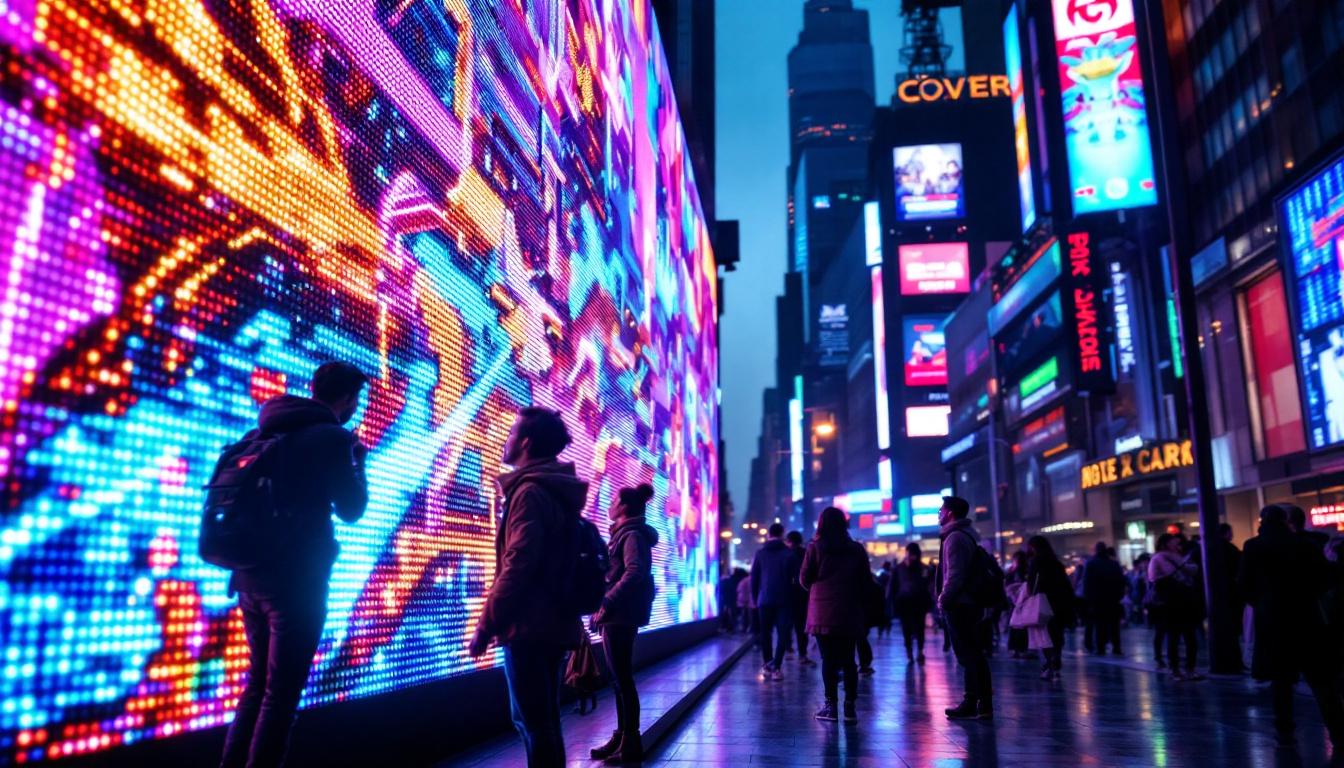
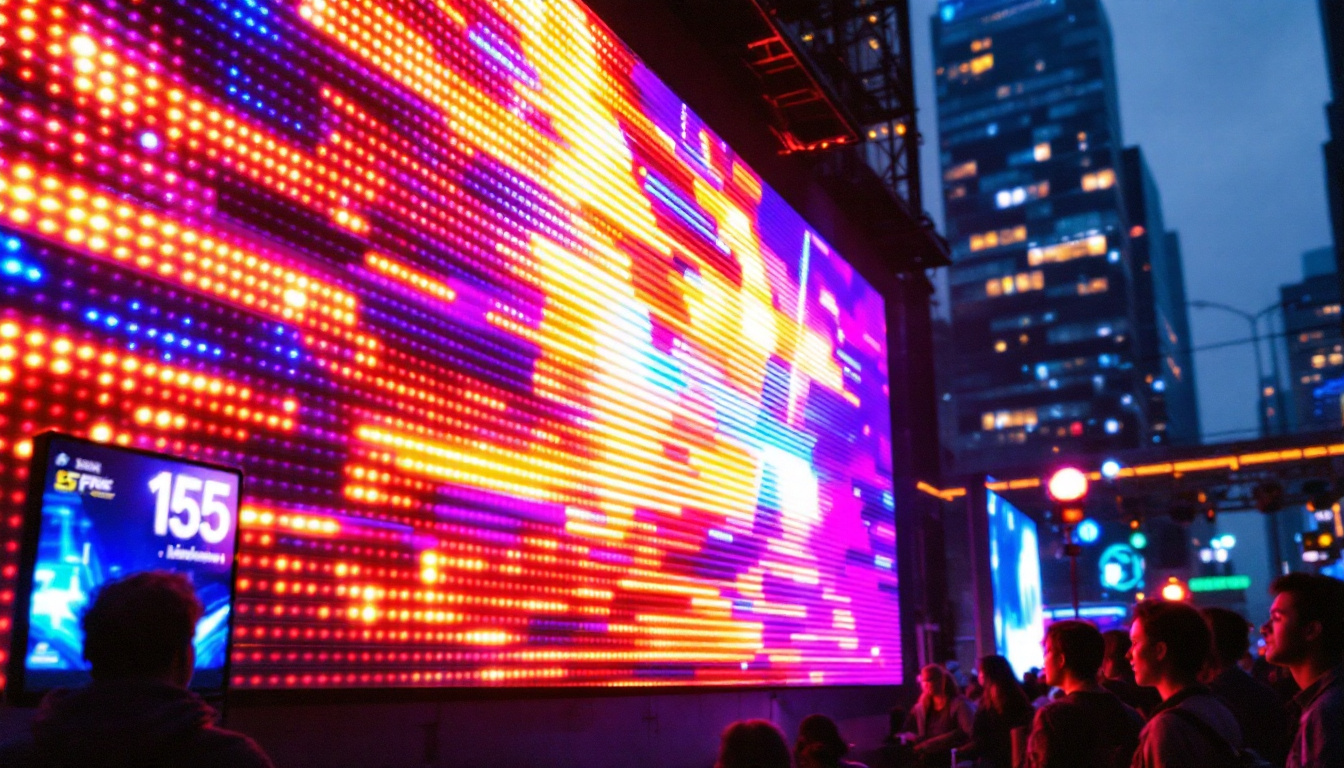
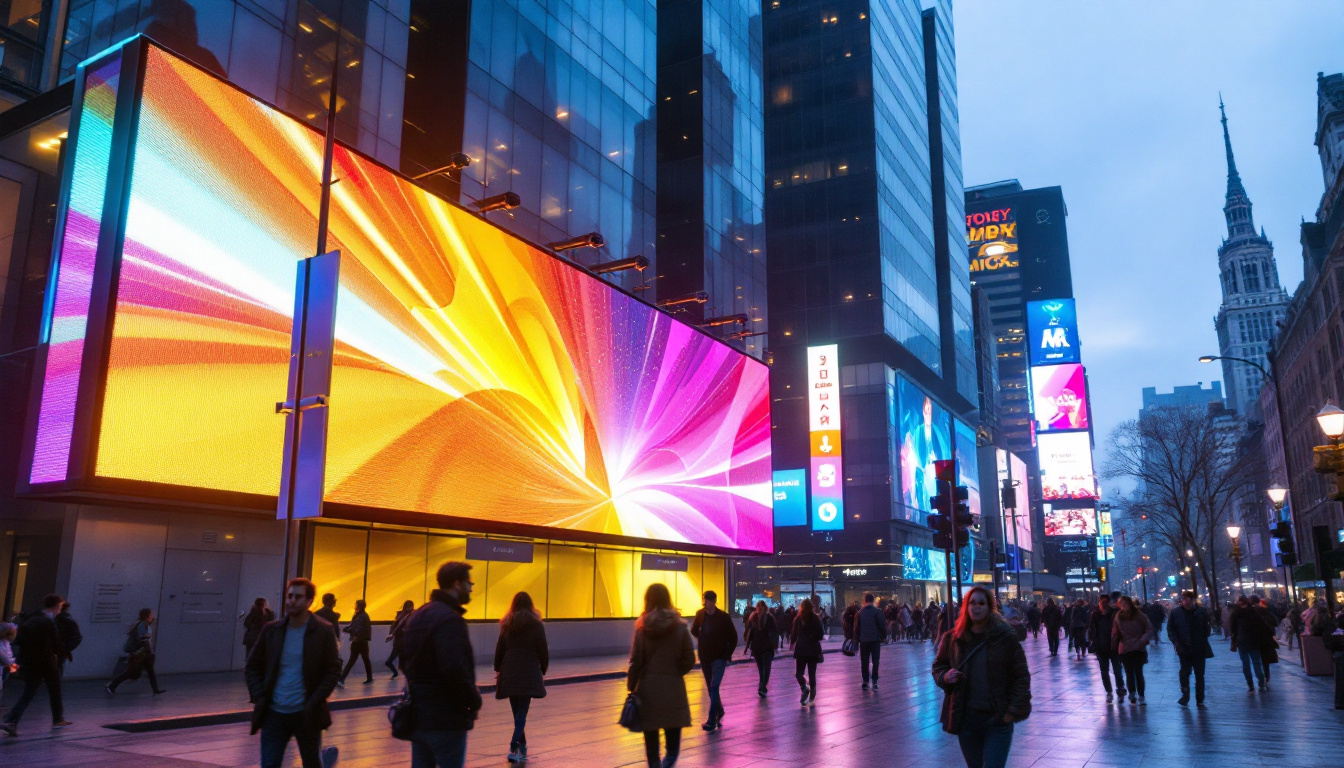
Times Square in New York City is one of the most iconic advertising hubs in the world, renowned for its dazzling, larger-than-life LED displays. These vibrant screens not only captivate millions of visitors annually but also serve as a critical platform for brands looking to make a powerful visual impact. Understanding the technology behind these LED displays, their significance, and the evolving trends in digital advertising can provide valuable insights into why Times Square remains a global beacon for marketers.
The Evolution of Times Square Advertising
Times Square’s advertising history dates back to the early 1900s, with static billboards and neon signs dominating the landscape. However, the transformation to digital LED displays began in earnest in the late 1990s and early 2000s, revolutionizing how brands communicate with audiences in this bustling urban environment.
LED (Light Emitting Diode) technology offered advertisers a dynamic, bright, and energy-efficient alternative to traditional signage. This shift enabled the creation of vivid, animated content that could be updated in real-time, enhancing engagement and allowing for more creative freedom. By 2010, LED displays had become the standard for Times Square, with some of the largest screens spanning entire building facades.
From Neon to LEDs: A Technological Leap
Neon signs were once the hallmark of Times Square’s nighttime allure, but they had limitations in brightness, color range, and flexibility. LEDs, in contrast, provide superior luminosity and can display millions of colors with high resolution. Additionally, LEDs consume less power and have longer lifespans, making them economically and environmentally advantageous for large-scale installations.
The transition also allowed for interactive and multimedia content, integrating video, animation, and even live feeds. This evolution has made Times Square a living canvas for advertisers and artists alike. The ability to showcase real-time events, such as sports scores or social media feeds, has transformed the way brands engage with their audience, creating a two-way communication channel that was previously unimaginable. As a result, the advertising experience in Times Square has become more immersive, drawing in millions of visitors who are not just passive observers but active participants in the vibrant tapestry of urban life.
Moreover, the rise of digital advertising in Times Square has paved the way for innovative marketing strategies, such as programmatic advertising, where ads can be targeted based on real-time data and audience demographics. This capability allows brands to tailor their messages to specific groups, maximizing impact and relevance. As technology continues to advance, we can expect even more groundbreaking developments in how advertising is presented in this iconic location, further blurring the lines between art, commerce, and technology.
How LED Displays Work: The Technology Behind the Glow
LED displays are composed of thousands to millions of tiny light-emitting diodes arranged in a grid. Each diode acts as a pixel, emitting light in specific colors—red, green, and blue (RGB)—which combine to produce a full spectrum of colors. The intensity of each diode can be adjusted to create detailed images and videos. This technology not only allows for vibrant visuals but also enables energy efficiency, as LEDs consume significantly less power compared to traditional display technologies like LCD or plasma screens.
Pixel Pitch and Resolution
One of the key technical specifications of LED displays is pixel pitch, which refers to the distance between the centers of two adjacent pixels. A smaller pixel pitch means higher resolution and sharper images, which is crucial for large displays viewed from varying distances. Times Square’s LED billboards often feature pixel pitches ranging from 6mm to 20mm, balancing clarity and visibility for pedestrians and drivers alike. This precision in pixel arrangement allows for stunning visual effects, making it possible to display intricate animations and advertisements that capture the attention of millions of visitors each year.
Brightness and Visibility
Brightness is another critical factor, measured in nits (candelas per square meter). Times Square LED displays typically operate at brightness levels between 5,000 and 10,000 nits, ensuring visibility even in direct sunlight. This high brightness, combined with anti-glare coatings and advanced sensors that adjust screen luminosity based on ambient light, guarantees optimal viewing experiences day and night. Furthermore, the ability to dynamically adjust brightness not only enhances visibility but also contributes to energy savings, as the displays can reduce power consumption during low-light conditions.
Durability and Maintenance
Given the outdoor environment of Times Square, LED displays must withstand weather extremes, pollution, and continuous operation. Modern LED panels are designed with robust waterproof and dustproof enclosures, often rated at IP65 or higher. Regular maintenance includes pixel replacement, cleaning, and software updates to keep the displays performing flawlessly. Additionally, many of these displays are equipped with self-diagnostic systems that monitor performance and alert technicians to potential issues before they escalate, ensuring minimal downtime and uninterrupted service for advertisers and audiences alike. This proactive approach to maintenance not only extends the lifespan of the displays but also enhances the overall reliability of the technology in one of the busiest urban environments in the world.
Why Brands Choose Times Square LED Advertising
Advertising in Times Square offers unparalleled exposure. With over 330,000 pedestrians passing through daily and millions more viewing via media coverage and social platforms, the potential reach is staggering. But beyond sheer numbers, the unique characteristics of Times Square advertising amplify brand impact in several ways.
High Foot Traffic and Diverse Audiences
Times Square attracts a diverse mix of tourists, commuters, locals, and business professionals. This demographic variety allows brands to engage multiple target audiences simultaneously. Furthermore, the area’s status as a cultural and entertainment hub means that ads are often associated with excitement, innovation, and prestige. The constant influx of visitors from around the globe creates a melting pot of cultures and preferences, giving brands the opportunity to tailor their messages to resonate with a wide array of consumers. This diversity not only enhances the effectiveness of campaigns but also fosters a sense of inclusivity that many modern brands strive to embody.
Dynamic Content and Real-Time Updates
Unlike traditional billboards, LED displays enable brands to deliver dynamic content that can change throughout the day or in response to events. For example, during the holiday season, advertisers can showcase festive animations, while during major sports events, brands can update messaging in real time to align with game outcomes or fan reactions. This flexibility allows brands to stay relevant and engage audiences in a way that static ads simply cannot. Moreover, the ability to incorporate live feeds, countdowns, or interactive elements can create a more immersive experience for passersby, turning a simple advertisement into an engaging spectacle that captures attention and drives conversation.
Social Media Amplification
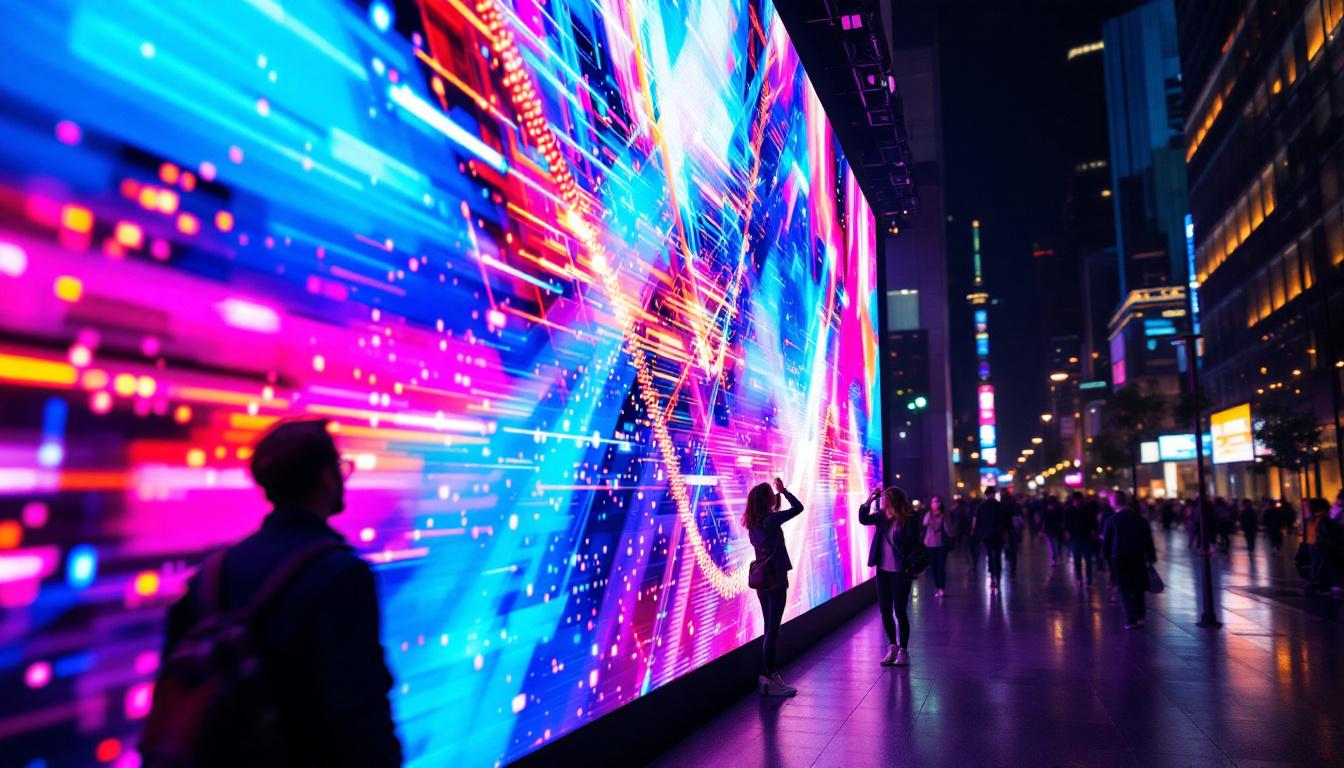
Times Square’s LED displays often serve as backdrops for social media content, from selfies to live streams. This organic sharing extends the reach of advertisements far beyond the physical location. Brands that create visually striking and interactive content can leverage this phenomenon to generate viral buzz and increase engagement. The synergy between the digital and physical realms is particularly powerful in Times Square, where the vibrant atmosphere encourages visitors to document their experiences. Additionally, many brands are now incorporating hashtags or QR codes into their displays, prompting viewers to engage with their campaigns online, thus creating a seamless transition from the real world to the digital landscape. This not only enhances brand visibility but also fosters a community of followers eager to share their experiences with others.
Notable Examples of Times Square LED Campaigns
Several high-profile campaigns have demonstrated the power of Times Square LED advertising. These examples highlight the creativity and technological sophistication that brands bring to this iconic venue.
Nike’s Interactive “You Can’t Stop Us” Campaign
In 2020, Nike launched an LED campaign in Times Square featuring a split-screen video montage celebrating resilience and unity during the pandemic. The display used high-resolution LED panels to deliver seamless, emotionally charged visuals that resonated with viewers worldwide. The campaign was praised for its timely message and innovative use of digital technology.
Samsung’s 3D LED Display
Samsung installed one of the world’s first 3D LED billboards in Times Square in 2018. This display created the illusion of objects popping out of the screen, captivating audiences with its immersive experience. The campaign demonstrated the potential of LED technology to push creative boundaries and engage viewers in novel ways.
Disney’s “Frozen 2” Launch
To promote the release of “Frozen 2,” Disney utilized Times Square’s LED displays to showcase vibrant, animated scenes from the film. The campaign included synchronized lighting effects and interactive elements that invited passersby to participate, enhancing the overall impact and excitement around the movie premiere.
The Future of Times Square LED Advertising
As technology continues to advance, the future of LED advertising in Times Square promises even greater innovation and engagement opportunities.
Integration of AI and Data Analytics
Artificial intelligence is beginning to play a role in optimizing content delivery on LED displays. By analyzing real-time data such as weather, traffic, and audience demographics, AI can tailor advertisements to maximize relevance and effectiveness. This personalized approach could revolutionize how brands connect with audiences in public spaces.
Augmented Reality and Interactive Experiences
Augmented reality (AR) integration is poised to enhance Times Square advertising by blending physical and digital worlds. Future LED displays may incorporate AR features accessible via smartphones, allowing viewers to interact with ads in immersive ways. This convergence of technologies will create more memorable and engaging brand experiences.
Sustainability and Energy Efficiency
With growing emphasis on environmental responsibility, LED technology will continue to evolve toward greater energy efficiency and sustainability. Innovations such as recyclable materials, solar-powered installations, and smart energy management systems will help reduce the ecological footprint of Times Square’s iconic displays.
Conclusion
Times Square’s LED displays are much more than bright lights; they represent a sophisticated blend of technology, creativity, and strategic marketing. The evolution from neon signs to cutting-edge LED screens has transformed the area into a global advertising powerhouse, offering brands unmatched visibility and engagement. As LED technology advances and integrates with AI, AR, and sustainable practices, Times Square will remain at the forefront of digital advertising innovation, continuing to captivate audiences around the world.
Illuminate Your Brand with LumenMatrix
Ready to make your brand shine in the heart of Times Square or any bustling urban space? LumenMatrix is at the forefront of LED display innovation, offering a diverse range of solutions from Indoor and Outdoor LED Wall Displays to specialized options like Vehicle, Sports, and Floor LED Displays. Our mission is to transform your visual communication with displays that not only grab attention but create immersive experiences for your audience. Don’t just advertise; inspire with LumenMatrix’s Custom, All-in-One, and Transparent LED Displays. Check out LumenMatrix LED Display Solutions and elevate your advertising to new heights.