In the rapidly evolving world of display technology, LED screens have become a cornerstone for everything from smartphones and televisions to large-scale digital billboards and stadium screens. Among the many technical specifications that define LED displays, the concept of the dynamic ratio plays a crucial role in determining image quality and viewer experience. This article delves into what dynamic ratio means in the context of LED displays, why it matters, and how it influences the performance and applications of LED technology.
Understanding the Basics: What Is Dynamic Ratio?
Dynamic ratio, often referred to as dynamic contrast ratio in display technology, is a measure of the difference between the brightest whites and the darkest blacks that a display can produce in real time. Unlike static contrast ratio, which measures this difference under fixed conditions, dynamic ratio accounts for the display’s ability to adjust brightness levels dynamically based on the content being shown.
For LED displays, dynamic ratio is particularly important because of their inherent ability to modulate light output at the pixel or module level. This capability allows LED screens to produce deeper blacks and brighter highlights simultaneously, enhancing the overall picture quality and making images appear more vibrant and lifelike. The technology behind dynamic ratio often involves advanced algorithms that analyze the content being displayed and adjust the backlighting accordingly, ensuring that viewers experience the full spectrum of colors and contrasts that the content creator intended.
Moreover, the dynamic ratio can significantly impact the viewing experience in various applications, from gaming to cinematic presentations. In gaming, for instance, a higher dynamic ratio can provide players with a competitive edge, as they can discern details in shadowy areas while still enjoying the brilliance of bright explosions or sunlight. In cinematic contexts, filmmakers often rely on the dynamic range of displays to convey mood and emotion, using stark contrasts to draw viewers into the narrative.
Static vs. Dynamic Ratio: Key Differences
Static contrast ratio is measured by displaying a full white screen and a full black screen separately and comparing the luminance values. This method provides a baseline understanding of a display’s contrast capabilities but does not reflect real-world viewing conditions where brightness varies across different parts of the screen. It is important to note that while static contrast ratios can give a rough estimate of a display’s performance, they often fail to capture the nuances that dynamic content introduces.
Dynamic ratio, on the other hand, measures contrast in scenarios where brightness changes dynamically within the content. For example, a scene in a movie might have a bright explosion in one corner and a dark shadow in another. The display’s ability to adjust brightness levels simultaneously in these areas defines its dynamic ratio. This adaptability is crucial for modern content, which often features a wide range of lighting conditions, from the dimly lit corners of a suspenseful thriller to the bright, vibrant colors of an animated feature. As technology continues to evolve, the importance of dynamic ratio becomes increasingly evident, pushing manufacturers to innovate and enhance the viewing experience for consumers.
Why Dynamic Ratio Matters for LED Displays
The dynamic ratio significantly impacts the visual experience offered by LED displays, influencing factors such as image depth, color accuracy, and viewer immersion. Understanding why this metric matters can help businesses and consumers make informed decisions when selecting LED display solutions.
Enhancing Image Depth and Realism
High dynamic ratio enables LED displays to produce images with greater depth by preserving detail in both bright and dark areas. This capability is essential for applications like digital cinema, where realistic rendering of shadows and highlights can dramatically improve storytelling and emotional impact.
For instance, in a sports broadcast, the ability to see the texture of a player’s jersey in bright sunlight alongside the dark shadows of the stadium adds to the immersive experience for viewers. Without a sufficient dynamic ratio, these details might be lost, resulting in a flatter, less engaging image.
Improving Color Accuracy and Vibrancy
Dynamic ratio also affects color reproduction. Displays with higher dynamic ratios can maintain color saturation in bright areas without washing out the image, while still delivering rich, deep colors in darker regions. This balance is crucial for applications such as digital advertising, where eye-catching visuals need to stand out in a variety of lighting conditions.
Reducing Eye Strain and Enhancing Comfort
For users spending extended periods viewing LED screens, such as in control rooms or command centers, a higher dynamic ratio can reduce eye strain by providing more natural contrast levels. This improvement in visual comfort can lead to increased productivity and reduced fatigue.
How Dynamic Ratio Is Achieved in LED Displays
Achieving a high dynamic ratio in LED displays involves a combination of hardware design, software processing, and advanced control techniques. The following sections explore the key technologies and methods used to optimize dynamic ratio performance.
Local Dimming and Pixel-Level Control
One of the primary methods for enhancing dynamic ratio in LED displays is local dimming. This technique involves selectively dimming or brightening specific zones or individual pixels on the screen to match the content’s brightness requirements. By reducing light output in dark areas and boosting it in bright areas, local dimming significantly increases contrast.
In direct-view LED panels, each LED or cluster of LEDs can be controlled independently, allowing for precise adjustments. This pixel-level control is a major advantage over traditional LCD displays, which rely on backlighting and cannot achieve the same level of contrast.
High-Quality LED Modules and Materials
The quality of the LED modules themselves also plays a critical role. Advances in LED chip technology have led to higher peak brightness levels and improved energy efficiency, which contribute to a wider dynamic range. Additionally, innovations in phosphor materials and encapsulation techniques help maintain color purity and brightness consistency across the display.
Advanced Image Processing Algorithms
Modern LED displays incorporate sophisticated image processing algorithms that analyze the content in real time to optimize brightness and contrast. These algorithms dynamically adjust the luminance of different screen areas, enhance shadow details, and prevent blooming effects where bright areas bleed into darker ones.
Such processing is particularly important for large-format LED displays used in outdoor environments, where ambient light conditions can vary dramatically throughout the day.
Applications and Implications of Dynamic Ratio in LED Displays
Understanding dynamic ratio is essential for selecting the right LED display for specific applications. The importance of this metric varies depending on the environment, content type, and viewer expectations.
Digital Signage and Advertising
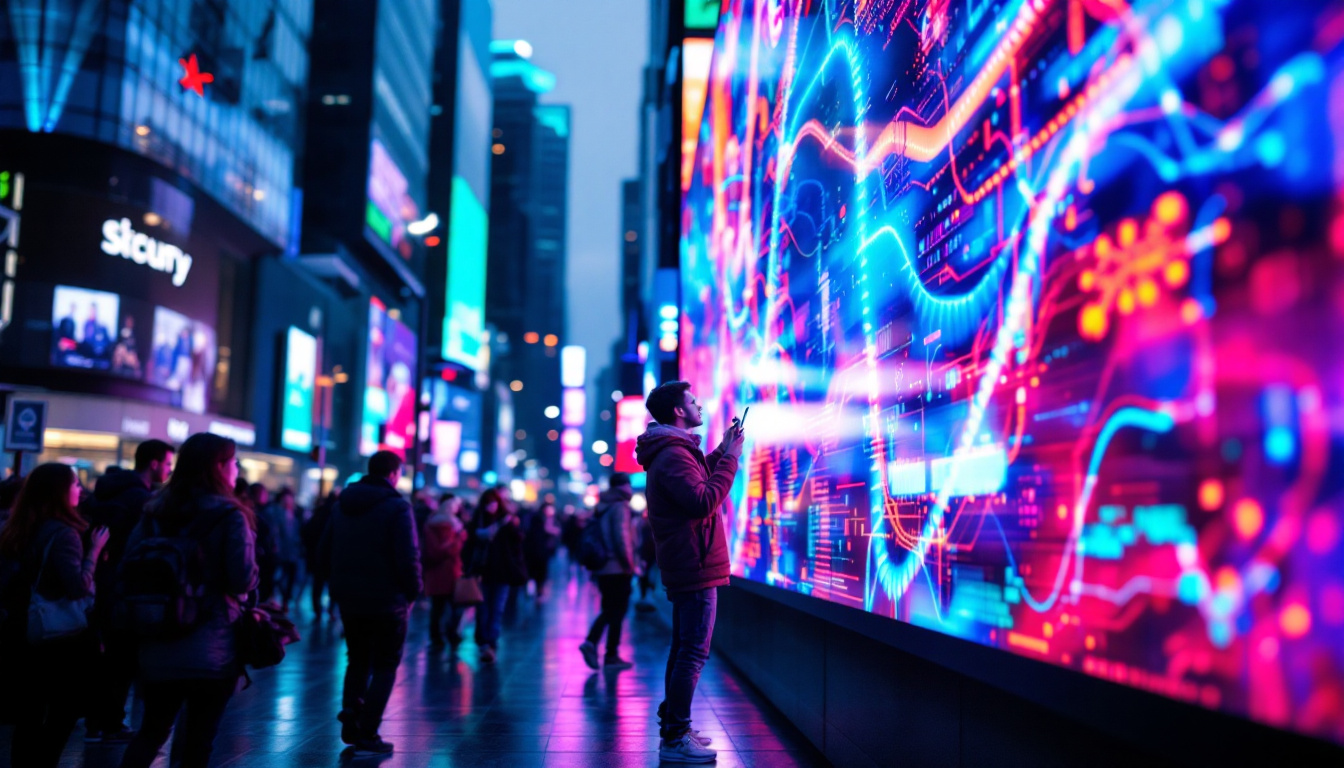
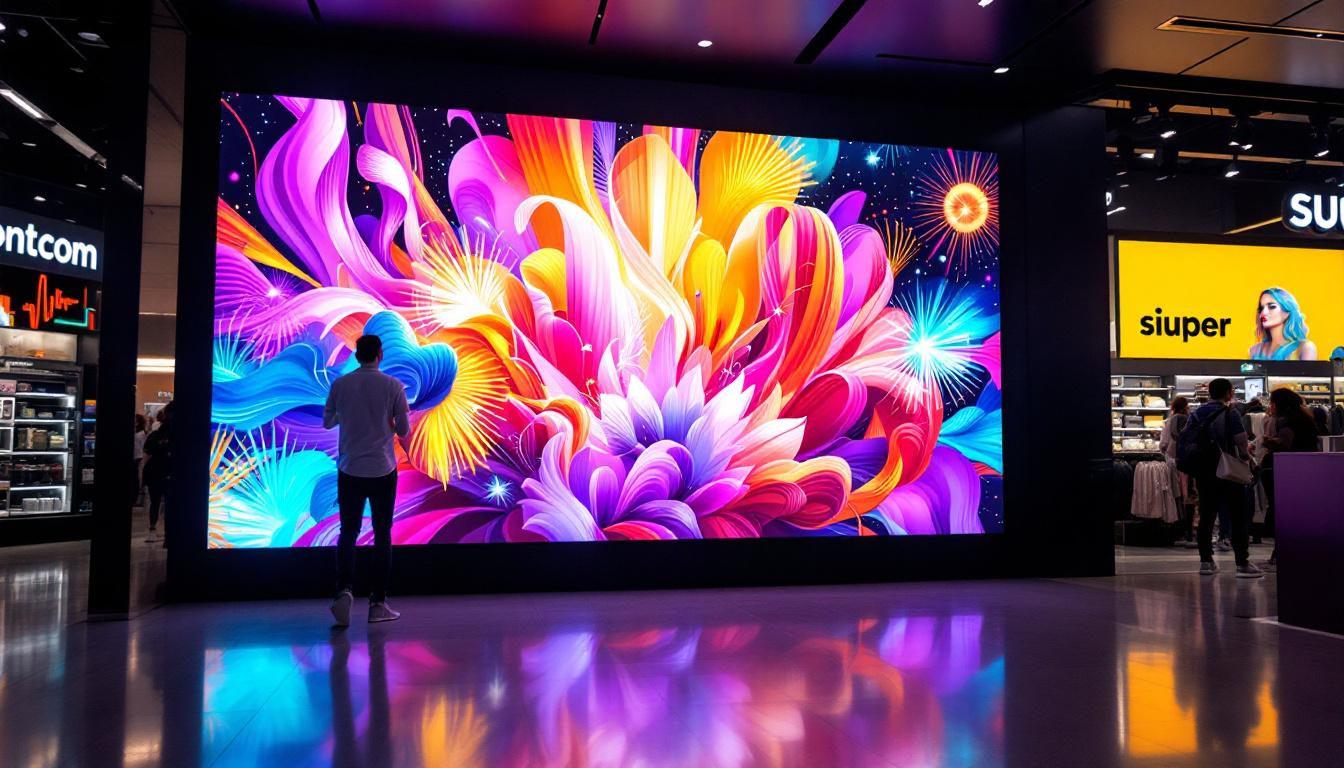
In digital signage, especially in outdoor or brightly lit environments, a high dynamic ratio ensures that advertisements remain visible and vibrant regardless of ambient lighting. For example, retail stores and shopping malls rely on LED displays with excellent dynamic contrast to attract customers and communicate messages clearly.
Moreover, dynamic ratio influences energy consumption. Displays that can intelligently adjust brightness based on content and surroundings use power more efficiently, reducing operational costs.
Broadcast and Entertainment
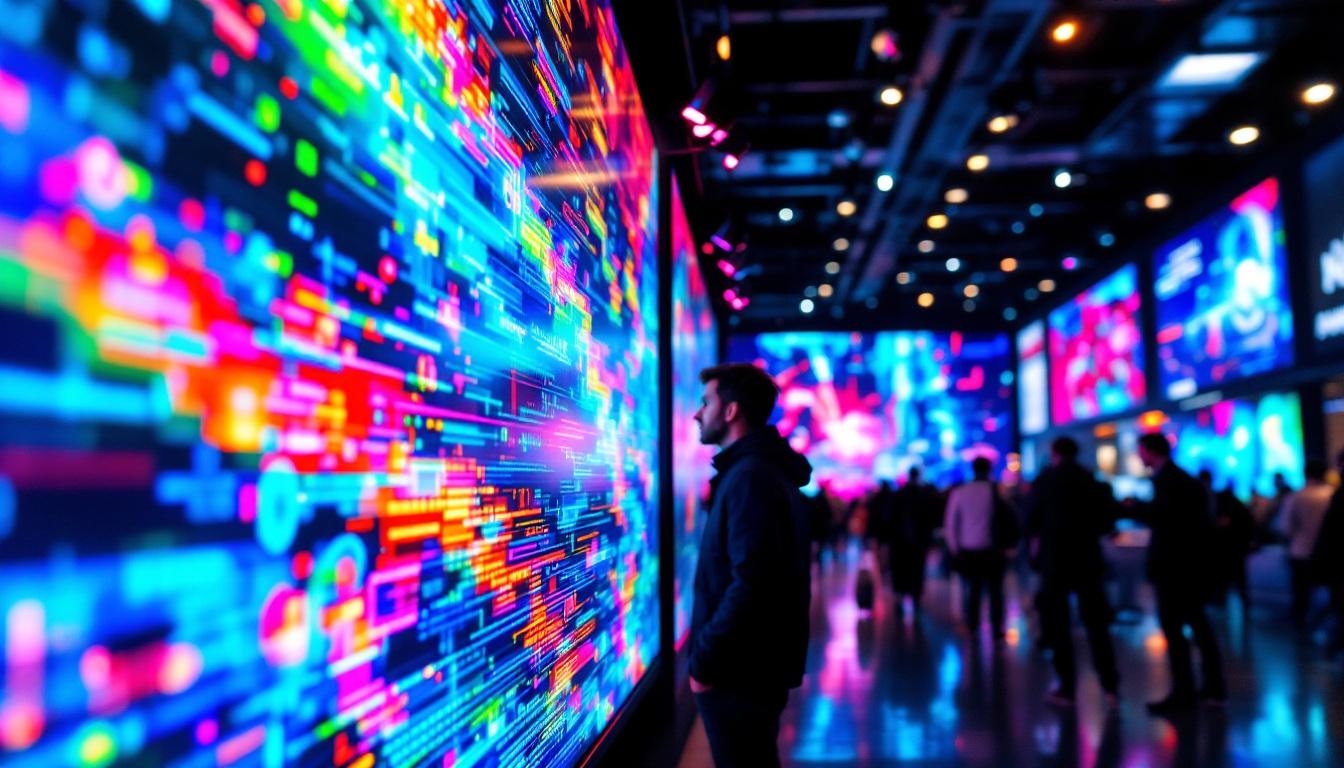
Broadcast studios and entertainment venues demand LED displays that can deliver cinematic quality images. High dynamic ratio is crucial for rendering complex scenes with mixed lighting, such as concerts or theatrical productions. It enhances the audience’s visual experience by preserving detail and color fidelity.
Control Rooms and Command Centers
In mission-critical environments like control rooms, where operators monitor multiple data streams, a high dynamic ratio helps distinguish subtle differences in visual information. This clarity can improve decision-making and response times, making dynamic ratio a key factor in display selection.
Consumer Electronics
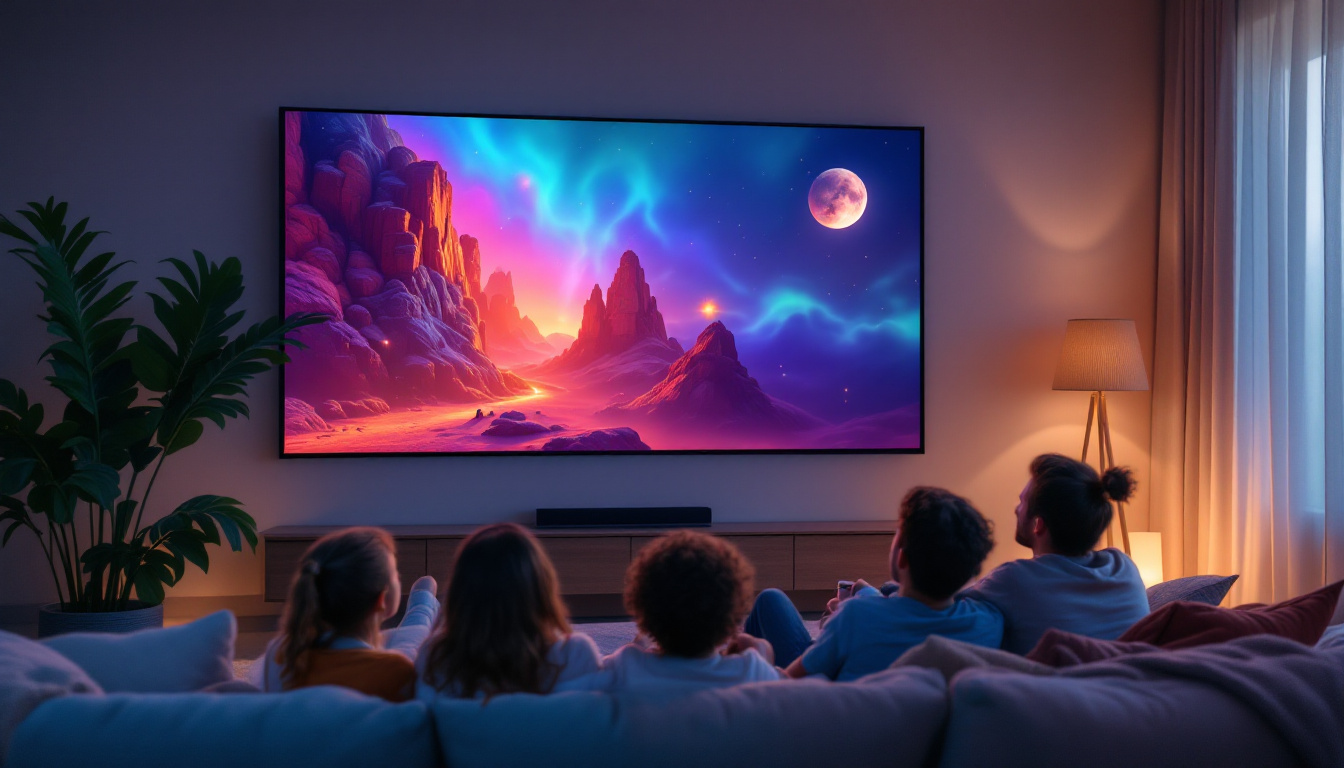
For consumer devices such as TVs and monitors, dynamic ratio contributes to overall picture quality and user satisfaction. The rise of HDR (High Dynamic Range) content has pushed manufacturers to focus on improving dynamic contrast capabilities to meet new standards and consumer expectations.
Measuring Dynamic Ratio: Challenges and Standards
While dynamic ratio is a valuable metric, measuring it accurately presents challenges. Unlike static contrast, which is straightforward to quantify, dynamic ratio depends on content and display behavior, making standardized measurement complex.
Measurement Techniques
Testing dynamic ratio typically involves displaying test patterns that simulate real-world scenes with varying brightness levels. Specialized equipment measures luminance in bright and dark areas simultaneously to calculate the ratio. However, results can vary depending on the test content and measurement conditions.
Industry Standards and Guidelines
Several industry bodies, such as the International Electrotechnical Commission (IEC) and the Video Electronics Standards Association (VESA), have developed guidelines for contrast measurement. However, no universally accepted standard exists specifically for dynamic ratio in LED displays, leading to discrepancies in reported specifications.
Consumers and professionals are advised to consider dynamic ratio alongside other performance metrics and real-world demonstrations when evaluating LED displays.
The Future of Dynamic Ratio in LED Technology
As LED technology continues to advance, dynamic ratio is expected to improve further, driven by innovations in materials, electronics, and software. Emerging trends and research offer promising directions for the future.
MicroLED and MiniLED Innovations
MicroLED and MiniLED technologies represent the next generation of LED displays, offering even greater control over brightness and contrast. MicroLEDs, in particular, enable individual pixel-level light emission with exceptional efficiency and color accuracy, potentially delivering unprecedented dynamic ratios.
Artificial Intelligence and Machine Learning
Integrating AI and machine learning algorithms into display processing can optimize dynamic ratio by predicting and adapting to content characteristics and ambient lighting conditions in real time. This approach could lead to smarter displays that deliver optimal contrast in any environment.
Sustainability and Energy Efficiency
Improving dynamic ratio also aligns with sustainability goals. Displays that achieve high contrast with lower power consumption contribute to reducing the environmental impact of digital signage and consumer electronics.
Conclusion
The dynamic ratio is a fundamental aspect of LED display performance that directly influences image quality, viewer experience, and application suitability. By understanding the principles behind dynamic ratio, the technologies that enable it, and its practical implications, businesses and consumers can make better-informed decisions when selecting LED displays.
As LED technology progresses, the dynamic ratio will continue to be a key metric driving innovation and enhancing the visual richness of digital content across industries. Whether for advertising, entertainment, control centers, or consumer devices, the dynamic ratio remains central to delivering compelling and immersive visual experiences.
Explore the Future of Visual Experience with LumenMatrix
As you consider the importance of dynamic ratio in LED displays, LumenMatrix stands at the forefront of this technological evolution. Our commitment to innovation ensures that each of our LED display solutions, from Indoor and Outdoor LED Walls to specialized displays like Vehicle, Sports, and Floor LED, is designed to deliver the ultimate visual experience. With LumenMatrix, you can transform your space into a vibrant canvas of communication, capturing attention and conveying your message with unparalleled clarity. Check out LumenMatrix LED Display Solutions today and see how we can enhance your brand visibility and audience engagement.