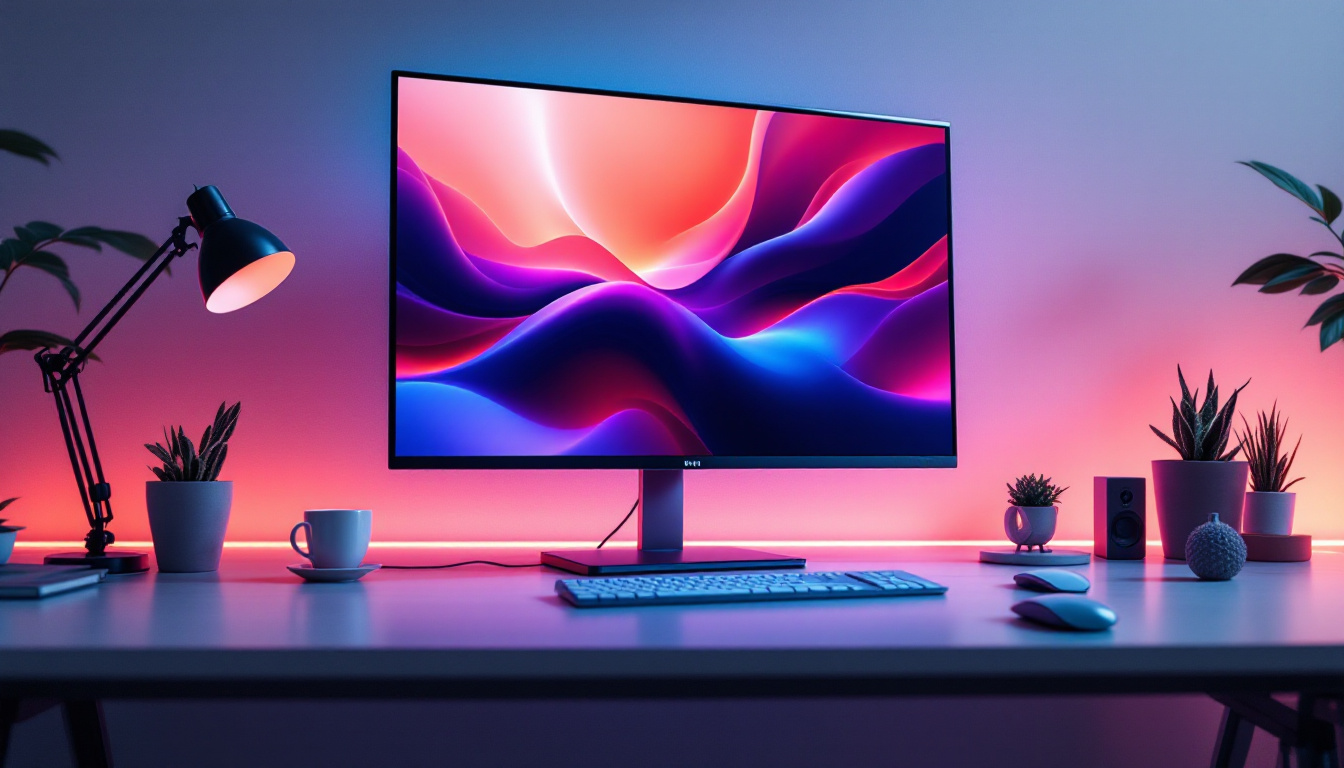
In the realm of display technology, contrast ratio stands as one of the most critical metrics defining image quality. Whether for televisions, computer monitors, or digital signage, understanding contrast ratio helps users gauge how well a display can differentiate between the darkest blacks and the brightest whites. This capability directly influences the clarity, vibrancy, and overall viewing experience.
LED displays, widely adopted for their brightness and energy efficiency, present unique characteristics when it comes to contrast ratio. This article delves into the concept of contrast ratio, how it applies to LED displays, and the tools available to measure and optimize it effectively.
Understanding Contrast Ratio: The Basics
What Is Contrast Ratio?
Contrast ratio is the numerical comparison between the luminance of the brightest white and the darkest black a display can produce. Expressed as a ratio (e.g., 1000:1), it indicates how many times brighter the white is compared to the black. A higher contrast ratio generally means deeper blacks and more vivid colors, contributing to a more immersive and realistic image.
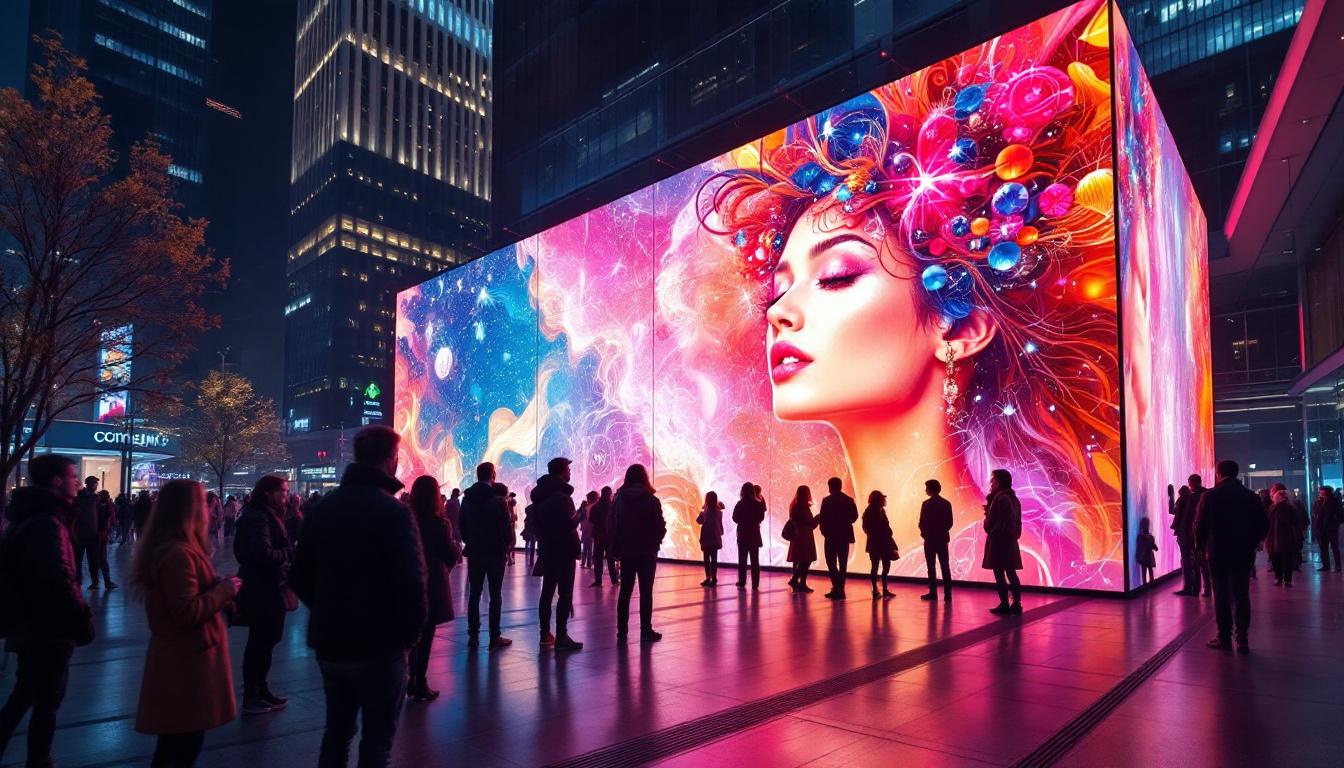
For instance, a display with a contrast ratio of 3000:1 can produce whites that are 3000 times brighter than its blacks. This difference is essential for distinguishing fine details, especially in scenes with shadowy or bright elements. The ability to perceive subtle gradations in color and brightness can significantly enhance the viewing experience, making it particularly important for applications like digital art, where nuances in shading can define the overall impact of a piece.
Why Contrast Ratio Matters
Contrast ratio directly impacts visual comfort and image quality. Displays with low contrast ratios tend to produce washed-out images with muted colors and poor detail in dark scenes. Conversely, high contrast ratios enhance depth perception and make content easier to view in various lighting conditions. This is particularly relevant in environments where ambient light can interfere with screen visibility, such as bright offices or outdoor settings. A display with a high contrast ratio can maintain clarity and vibrancy, allowing users to engage with content without straining their eyes.
For professionals in photography, video editing, and graphic design, accurate contrast representation is crucial for color grading and image manipulation. Similarly, gamers and movie enthusiasts benefit from higher contrast ratios for more engaging and lifelike visuals. In fact, many high-end monitors and televisions are specifically designed to achieve superior contrast ratios to cater to these audiences. Moreover, advancements in display technology, such as OLED and HDR (High Dynamic Range), have made it possible to achieve unprecedented levels of contrast, further blurring the lines between reality and digital representation. As a result, the demand for displays that can deliver exceptional contrast continues to rise, influencing the development of new technologies in the industry.
LED Displays and Their Contrast Characteristics
How LED Displays Work
LED (Light Emitting Diode) displays use an array of LEDs as a backlight behind an LCD panel. Unlike older CCFL (Cold Cathode Fluorescent Lamp) backlights, LEDs offer better energy efficiency, brightness, and thinner designs. However, the LCD layer remains responsible for controlling pixel-level light transmission, which influences contrast.
There are different types of LED backlighting methods, such as edge-lit and full-array local dimming (FALD). Full-array local dimming allows for more precise control of backlight zones, enabling higher contrast ratios by dimming dark areas while keeping bright areas illuminated. This technology has revolutionized the viewing experience, particularly in darker environments where the depth of blacks can significantly enhance the overall image quality. Moreover, advancements in LED technology have led to the development of mini-LEDs, which are smaller and allow for even more granular control over backlighting, further improving contrast and color accuracy.
Contrast Ratio in LED Displays: Native vs. Dynamic
LED displays often advertise two types of contrast ratios: native (static) and dynamic. Native contrast ratio measures the difference between the brightest white and darkest black the panel can produce at a single point in time, without adjusting backlight settings.
Dynamic contrast ratio, on the other hand, involves adjusting the backlight intensity dynamically based on the content displayed. This can significantly increase the perceived contrast ratio, sometimes into the millions to one, but it may also introduce artifacts like blooming or halo effects around bright objects on dark backgrounds. It’s essential for consumers to understand that while dynamic contrast ratios can be impressive on paper, they may not always reflect real-world performance, especially in fast-moving scenes or when viewing static images. This discrepancy can be particularly noticeable in gaming or cinematic experiences where motion clarity is crucial.
Typical Contrast Ratios for LED Displays
Modern LED LCD displays typically have native contrast ratios ranging from 1000:1 to 3000:1. High-end models with advanced local dimming can achieve effective dynamic contrast ratios exceeding 1,000,000:1. OLED displays, which use self-emissive pixels, outperform LED LCDs with near-infinite contrast ratios due to their ability to turn off pixels completely. The stark difference in contrast performance between LED and OLED technologies has led many consumers to weigh their options carefully, particularly for applications like home theater setups where picture quality is paramount.
Understanding these distinctions helps consumers and professionals set realistic expectations and choose the right display technology for their needs. Additionally, factors such as ambient lighting conditions, viewing angles, and personal preferences play a significant role in the perceived quality of contrast. For instance, a display with a high native contrast ratio may still perform poorly in brightly lit rooms, where reflections and glare can wash out the image. Therefore, when selecting a display, it’s crucial to consider not only the specifications but also the intended use case and environment to ensure an optimal viewing experience.
Measuring Contrast Ratio: Tools and Techniques
Why Use a Contrast Ratio Checker?
While manufacturers provide contrast ratio specifications, real-world performance can vary due to factors like panel quality, calibration, ambient lighting, and manufacturing tolerances. A contrast ratio checker allows users to measure the actual contrast ratio of their LED display, ensuring it meets their requirements.
Accurate measurement is especially important for professionals who rely on precise color and contrast reproduction, such as photographers, video editors, and digital artists.
How Contrast Ratio Is Measured
Measuring contrast ratio involves determining the luminance of a pure white screen and a pure black screen under controlled conditions. The ratio of these two luminance values gives the contrast ratio. This process requires a luminance meter or colorimeter capable of precise light measurement.
Measurements are ideally taken in a dark room to minimize ambient light interference. Additionally, the display should be warmed up to its normal operating temperature to ensure consistent results.
Popular Contrast Ratio Checking Tools
Several hardware and software tools are available for measuring contrast ratios:
- Luminance Meters: Devices like the Konica Minolta LS-150 or X-Rite i1Display Pro measure light intensity with high accuracy and are widely used in calibration labs.
- Colorimeters: Instruments such as the Datacolor SpyderX combine color and luminance measurement, helping assess contrast alongside color accuracy.
- Software Solutions: Applications like DisplayCAL or HCFR can assist in measuring contrast ratios when paired with compatible hardware, providing detailed reports and calibration options.
Choosing the right tool depends on the required precision, budget, and application.
Optimizing Contrast Ratio on LED Displays
Calibration and Settings Adjustment
Proper calibration can significantly improve a display’s contrast ratio. Adjusting settings such as brightness, contrast, gamma, and local dimming zones helps achieve the best balance between dark and bright areas.
Professional calibration often involves using calibration tools and software to create custom profiles tailored to specific lighting environments and usage scenarios.
Ambient Lighting Considerations
Ambient light can drastically affect perceived contrast. Bright environments reduce the visibility of dark details, making contrast ratio less impactful. Using LED displays in controlled lighting conditions or employing anti-reflective coatings can help maintain image quality.
For environments with variable lighting, displays with higher brightness and adaptive contrast technologies provide better performance.
Advancements in LED Display Technology
Recent innovations such as mini-LED and micro-LED backlighting have pushed contrast ratio capabilities further. Mini-LED displays use thousands of tiny LEDs for more precise local dimming, resulting in deeper blacks and brighter highlights.
Micro-LED technology, still emerging, promises self-emissive pixels similar to OLED but with higher brightness and longevity, potentially delivering even superior contrast ratios without the drawbacks of traditional LED LCDs.
Practical Applications and Considerations
Choosing the Right Display for Your Needs
Understanding contrast ratio helps consumers select displays that match their intended use. For general office work, a moderate contrast ratio may suffice, while creative professionals require displays with high native contrast and accurate color reproduction.
Gamers often prioritize dynamic contrast and fast response times, whereas home theater enthusiasts look for deep blacks and high dynamic contrast for cinematic experiences.
Limitations of Contrast Ratio as a Sole Metric
While contrast ratio is important, it should not be the only factor considered. Color accuracy, resolution, refresh rate, viewing angles, and response times also influence overall display quality.
Moreover, manufacturers’ contrast ratio claims can be misleading if based solely on dynamic contrast, which may not reflect real-world performance. Independent testing and reviews provide more reliable insights.
Future Trends in Contrast Ratio Measurement
As display technologies evolve, so do measurement techniques. Emerging standards aim to provide more consistent and meaningful contrast ratio reporting, incorporating factors like HDR (High Dynamic Range) capabilities and ambient light adaptation.
Artificial intelligence and machine learning are also being explored to optimize contrast dynamically based on content and environment, enhancing user experience without manual adjustments.
Conclusion
Contrast ratio remains a fundamental aspect of display quality, particularly for LED displays where backlighting technology plays a pivotal role. Understanding the difference between native and dynamic contrast, the methods for measuring contrast ratio, and ways to optimize it ensures users can make informed decisions when selecting or calibrating displays.
With ongoing advancements in LED technology and measurement tools, the future promises even more impressive contrast performance, delivering richer, more immersive visual experiences across diverse applications.
Discover the Future of LED Displays with LumenMatrix
Ready to experience the ultimate in contrast and clarity? LumenMatrix is at the forefront of LED display innovation, offering a wide range of solutions tailored to meet your visual communication needs. From breathtaking Indoor LED Walls to dynamic Outdoor LED Displays, and from versatile Vehicle LED Displays to sleek LED Poster Displays, our technology is designed to captivate and engage. Explore our cutting-edge LED Sports Displays, interactive Floor LED Displays, and the revolutionary All-in-One and Transparent LED Displays. Elevate your brand and create unforgettable visual experiences with LumenMatrix. Check out LumenMatrix LED Display Solutions today and transform the way you share your message.