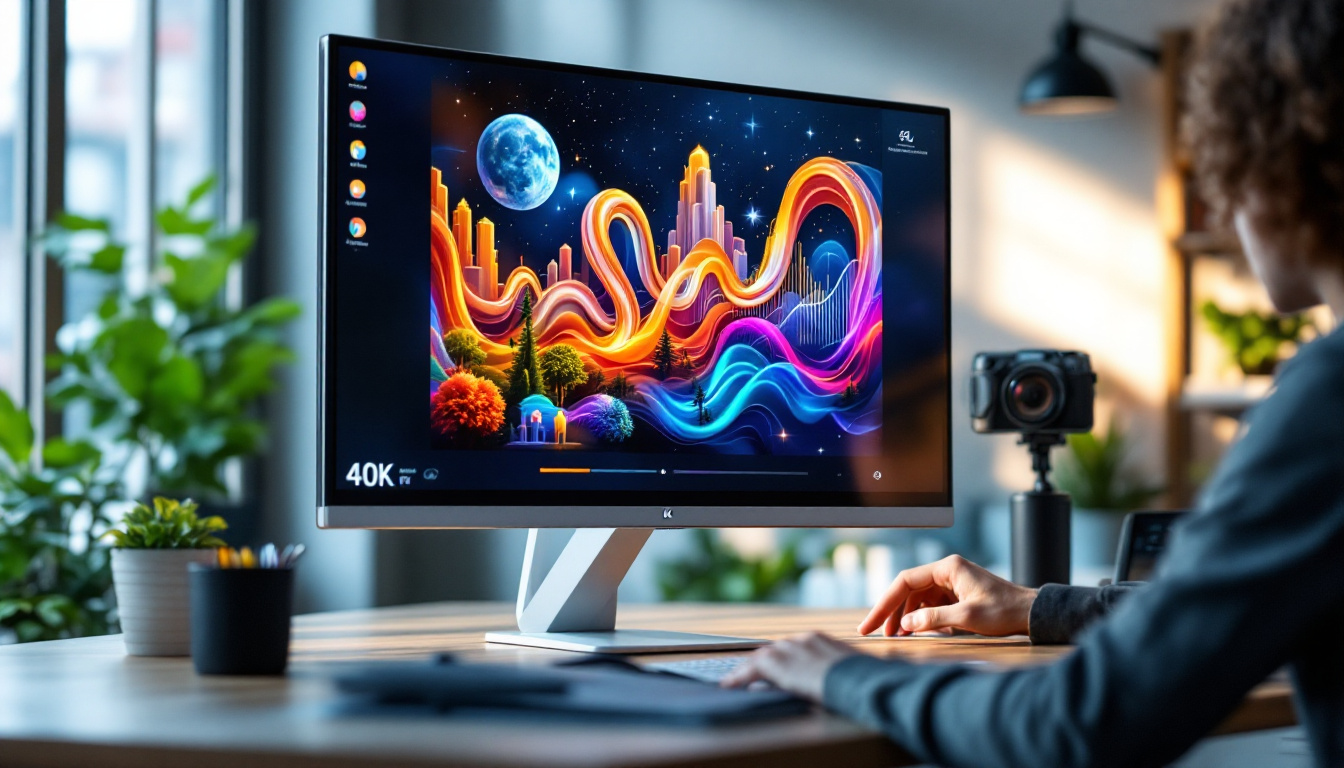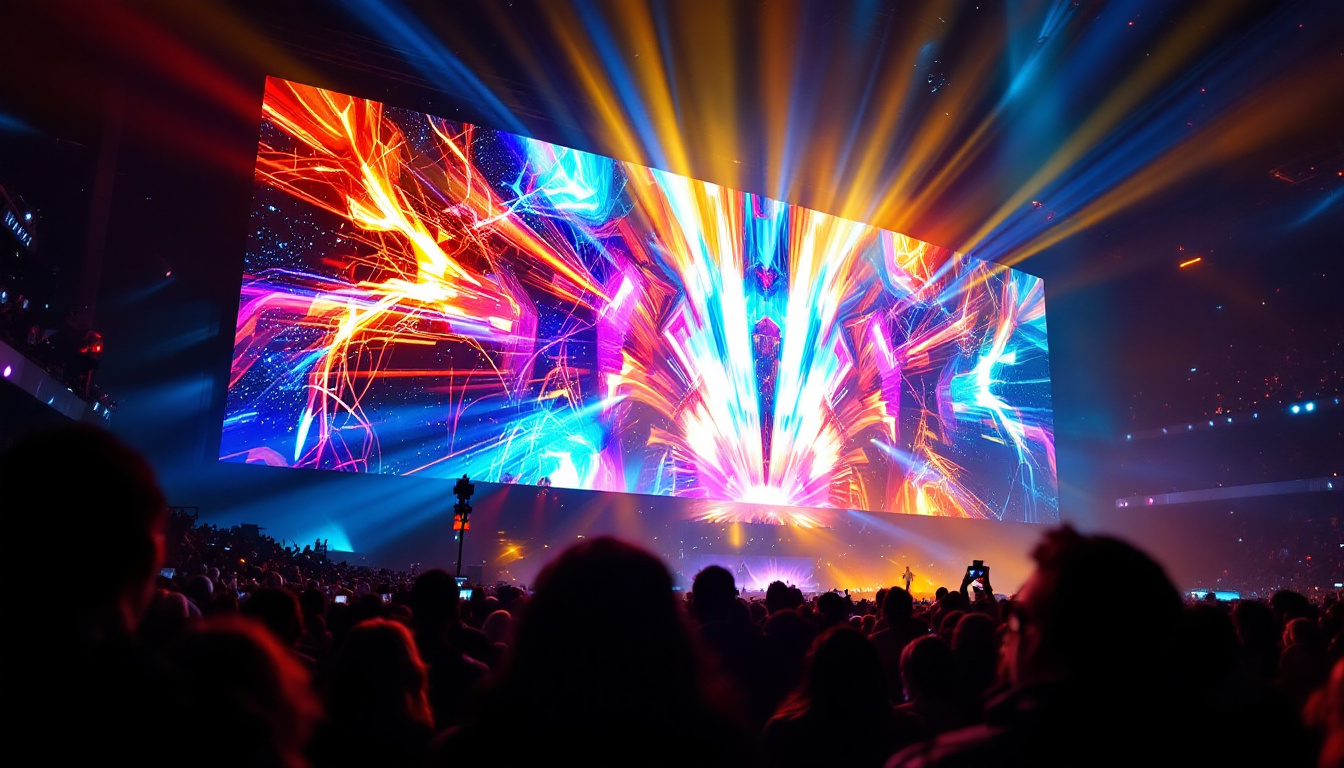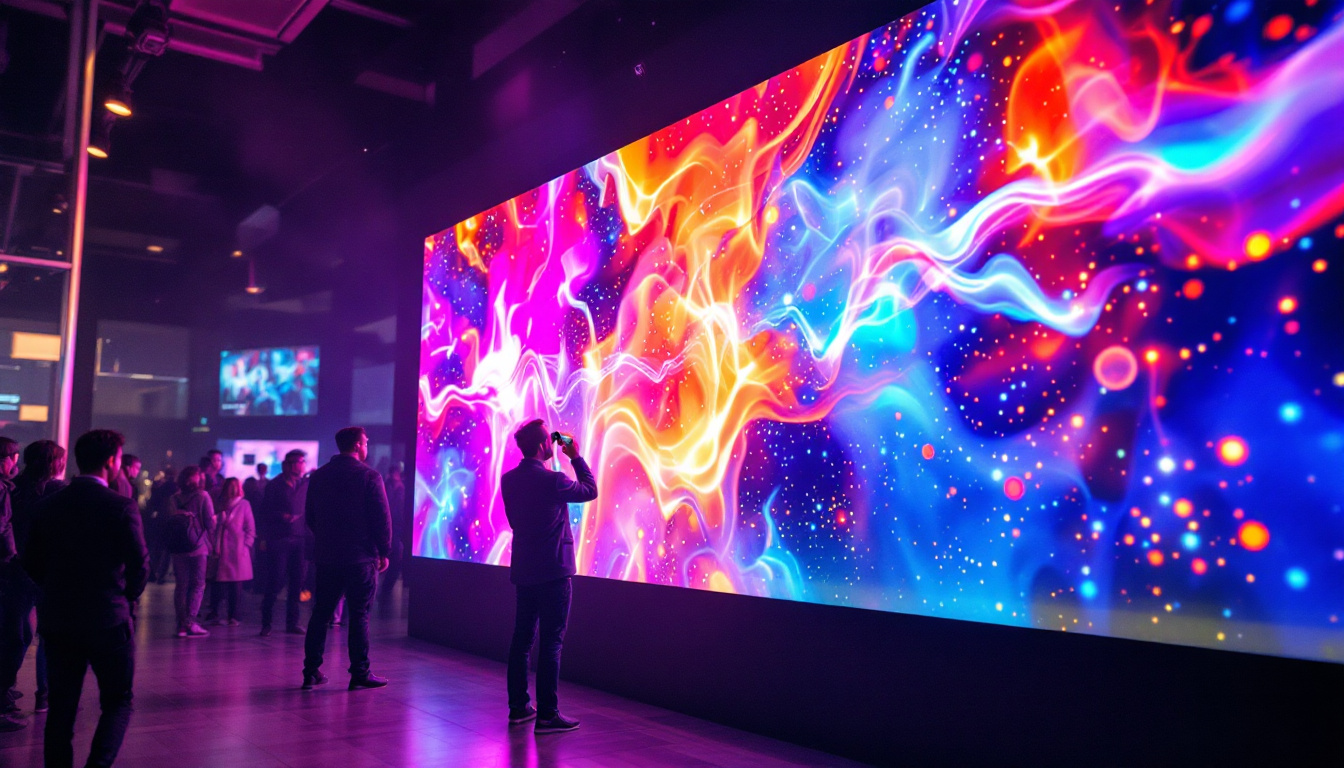
In the world of large-scale visual displays, the jumbotron has become a staple for delivering vibrant, eye-catching images in stadiums, concert venues, public spaces, and corporate events. Central to the effectiveness of these massive screens is the technology behind them—LED displays. Understanding how images are rendered on jumbotrons, the technology that drives them, and the best practices for optimizing content can greatly enhance the viewer experience and maximize the impact of your messaging.
What is a Jumbotron and How Does an LED Display Work?
The Evolution of the Jumbotron
The term “jumbotron” originated in the 1980s when Sony introduced one of the first large-scale video screens designed for stadiums and arenas. These early models used cathode ray tube (CRT) technology, which was bulky, power-hungry, and limited in resolution. Over time, advancements in display technology led to the adoption of LED (Light Emitting Diode) panels, which revolutionized the industry by offering brighter images, better color accuracy, and greater flexibility in screen size and shape.
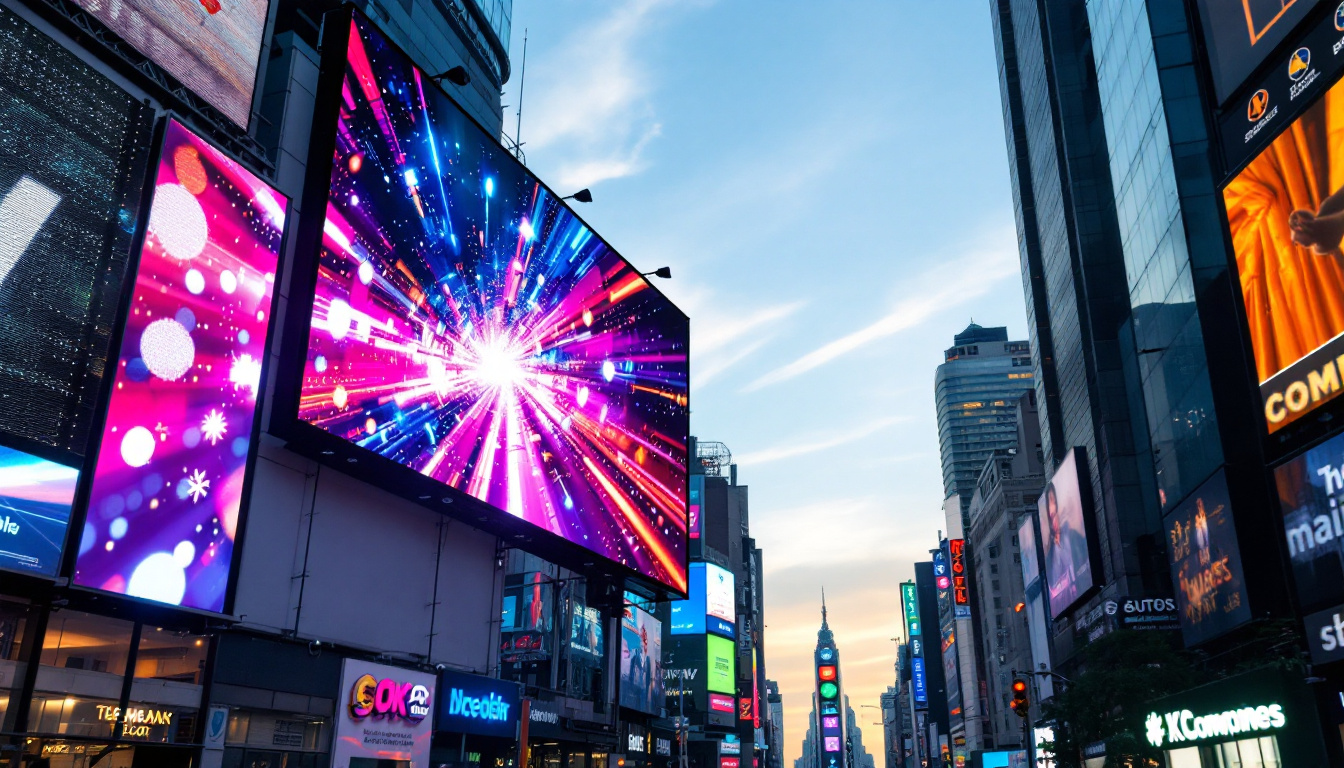
Today, jumbotrons are synonymous with LED displays, which dominate the market due to their superior performance and versatility. Whether it’s a sports event showing live action replays or a music festival projecting dynamic visuals, LED jumbotrons deliver crisp, vivid images that can be seen clearly even in bright daylight. The evolution of jumbotrons has also seen them become integral to urban landscapes, often serving as digital billboards that engage passersby with advertisements, news, and entertainment. Their ability to convey information quickly and attractively has made them a staple in both public and private spaces, enhancing the overall experience of events and gatherings.
How LED Displays Produce Images
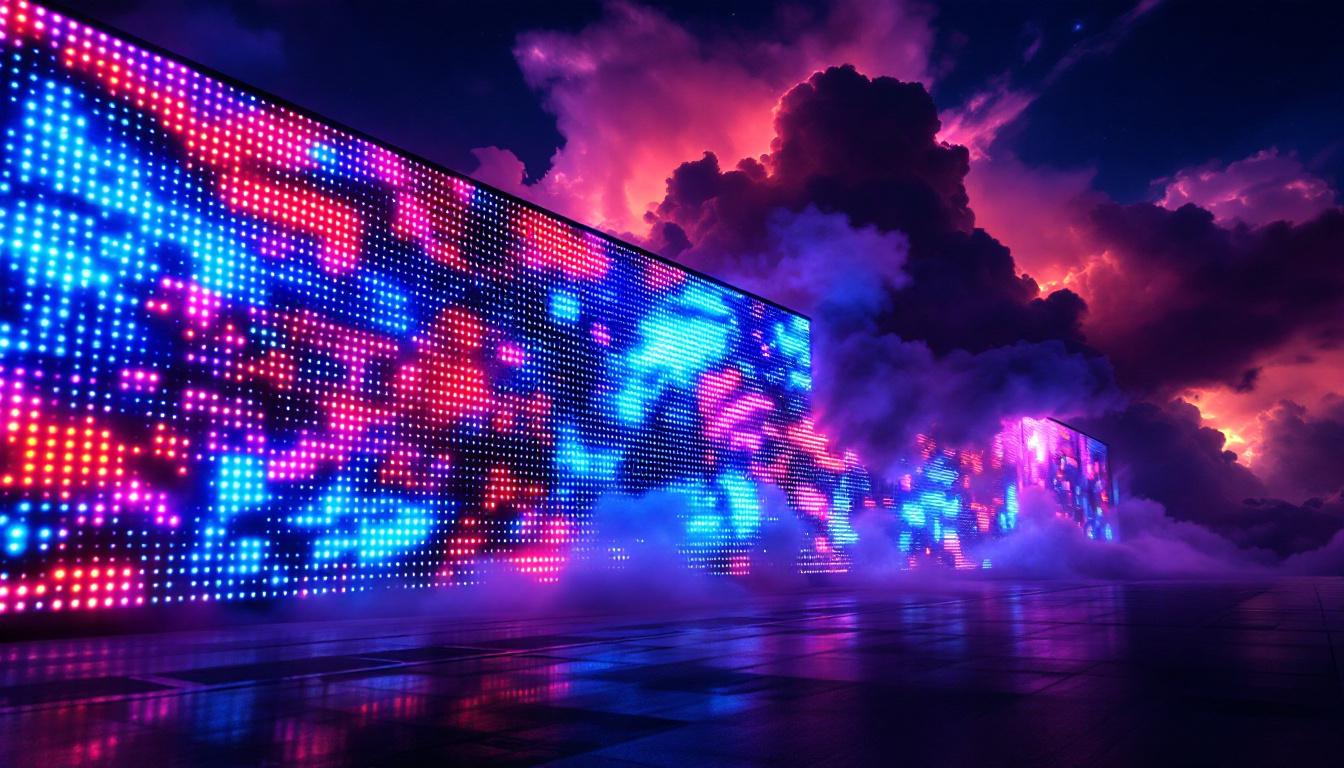
At the core of an LED jumbotron are thousands to millions of tiny LED modules arranged in a grid. Each module contains multiple LEDs that emit red, green, and blue light. By varying the intensity of these three colors, the display can produce a full spectrum of colors, rendering detailed images and videos. The technology behind these displays has advanced significantly, with innovations such as pixel-level brightness control and dynamic color calibration, ensuring that images remain vibrant and true to life regardless of environmental conditions.
These LEDs are controlled by sophisticated electronics that receive video signals from media players or live feeds. The control system processes the input, converts it into pixel data, and adjusts the brightness of each LED accordingly. This process happens continuously and rapidly, allowing for smooth motion and real-time updates. Additionally, many modern jumbotrons incorporate features like high refresh rates and low latency, making them ideal for fast-paced events where timing is crucial, such as live sports broadcasts or gaming competitions. The integration of artificial intelligence and machine learning technologies is also beginning to play a role in optimizing display performance, further enhancing the viewer experience.
Pixel Pitch and Resolution
A critical factor in LED jumbotron image quality is pixel pitch—the distance between the centers of two adjacent pixels. Smaller pixel pitches mean higher resolution and sharper images, especially important for close viewing distances. For example, a jumbotron with a 4mm pixel pitch will display much finer detail than one with a 16mm pitch. This precision allows for the display of intricate graphics and text, making it an invaluable tool for marketing and branding during events.
Choosing the right pixel pitch depends on the viewing environment. Stadiums with large audiences viewing from far away can use larger pixel pitches without sacrificing perceived image quality, while indoor venues or event spaces with closer audiences require smaller pitches for crisp visuals. Furthermore, advancements in technology have led to the development of flexible LED displays that can be curved or shaped to fit unique architectural designs, allowing for creative installations that enhance the aesthetic appeal of venues. As the demand for immersive experiences grows, the versatility of pixel pitch and display design continues to push the boundaries of what is possible in visual communication.
Designing and Optimizing Images for LED Jumbotrons
Understanding Image Resolution and Aspect Ratio
When creating images for LED jumbotrons, it’s essential to match the resolution and aspect ratio to the display’s specifications. Unlike standard computer monitors or TVs, jumbotrons vary widely in size and pixel configuration, so content must be tailored to fit perfectly.
For example, if a jumbotron is 1920 pixels wide by 1080 pixels tall (Full HD), images should be created at that exact resolution to avoid distortion or pixelation. However, many LED displays have custom resolutions, such as 3840×2160 or even wider formats, depending on their physical dimensions and pixel pitch.
Color Management and Brightness Considerations
LED displays are known for their high brightness levels, often exceeding 5,000 nits, which is far brighter than typical LCD screens. This brightness ensures visibility in daylight but also requires careful color management to prevent images from appearing washed out or overly saturated.
Designers should use color profiles optimized for LED displays and test images under various lighting conditions. High contrast and bold colors tend to perform better on jumbotrons, while subtle gradients and low-contrast elements may lose detail.
File Formats and Compression
Due to the large size of jumbotron images and videos, efficient file formats and compression techniques are vital. Common formats include JPEG and PNG for still images, and H.264 or H.265 encoded MP4 files for videos.
Compression should balance file size with image quality to ensure smooth playback without taxing the display’s processing capabilities. Avoid excessive compression artifacts, which can degrade the visual experience, especially on large screens.
Content Layout and Typography
Text and graphics on jumbotrons must be legible from considerable distances. This means using large, bold fonts and simple, clear layouts. Avoid intricate details or small text that can become unreadable when scaled up.
Additionally, consider the viewing angle and ambient lighting. High contrast between text and background enhances readability, and animations or transitions should be smooth but not distracting.
Applications and Benefits of LED Jumbotron Displays
Sports and Entertainment Venues
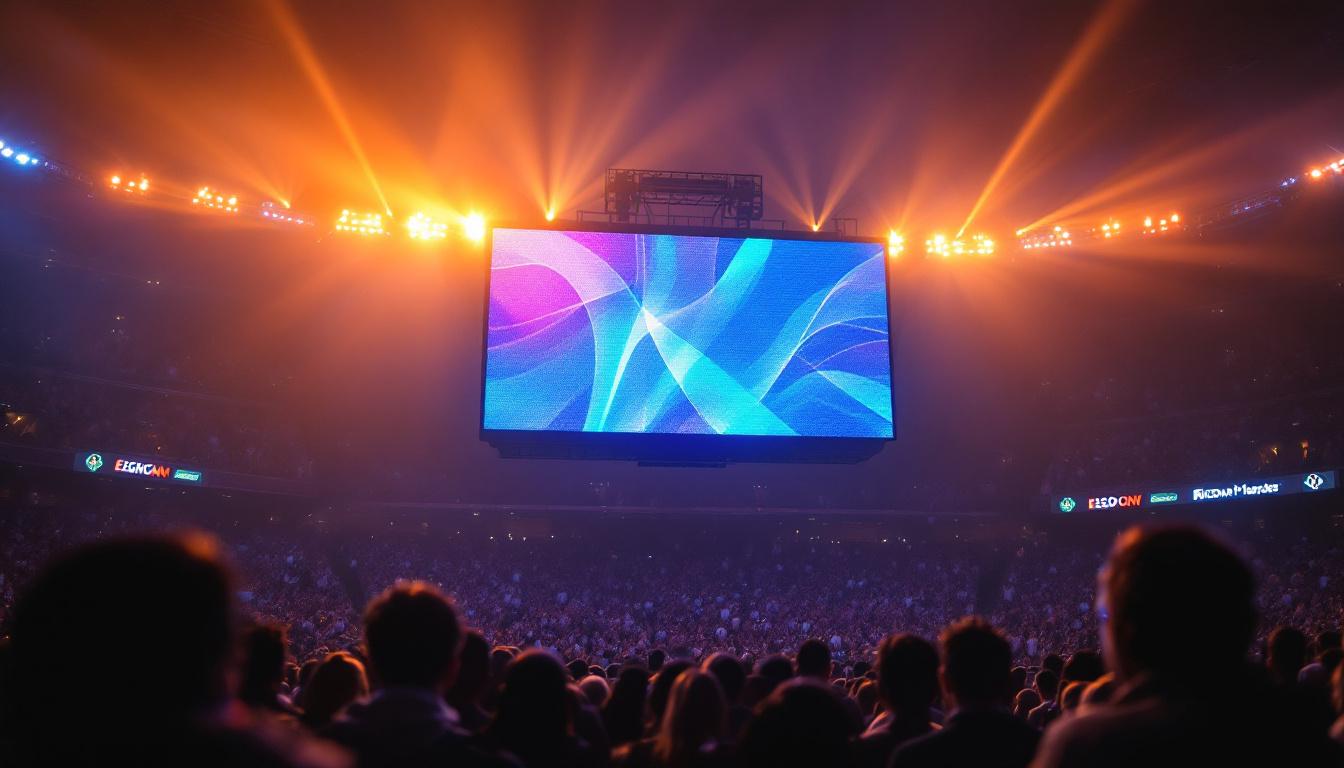
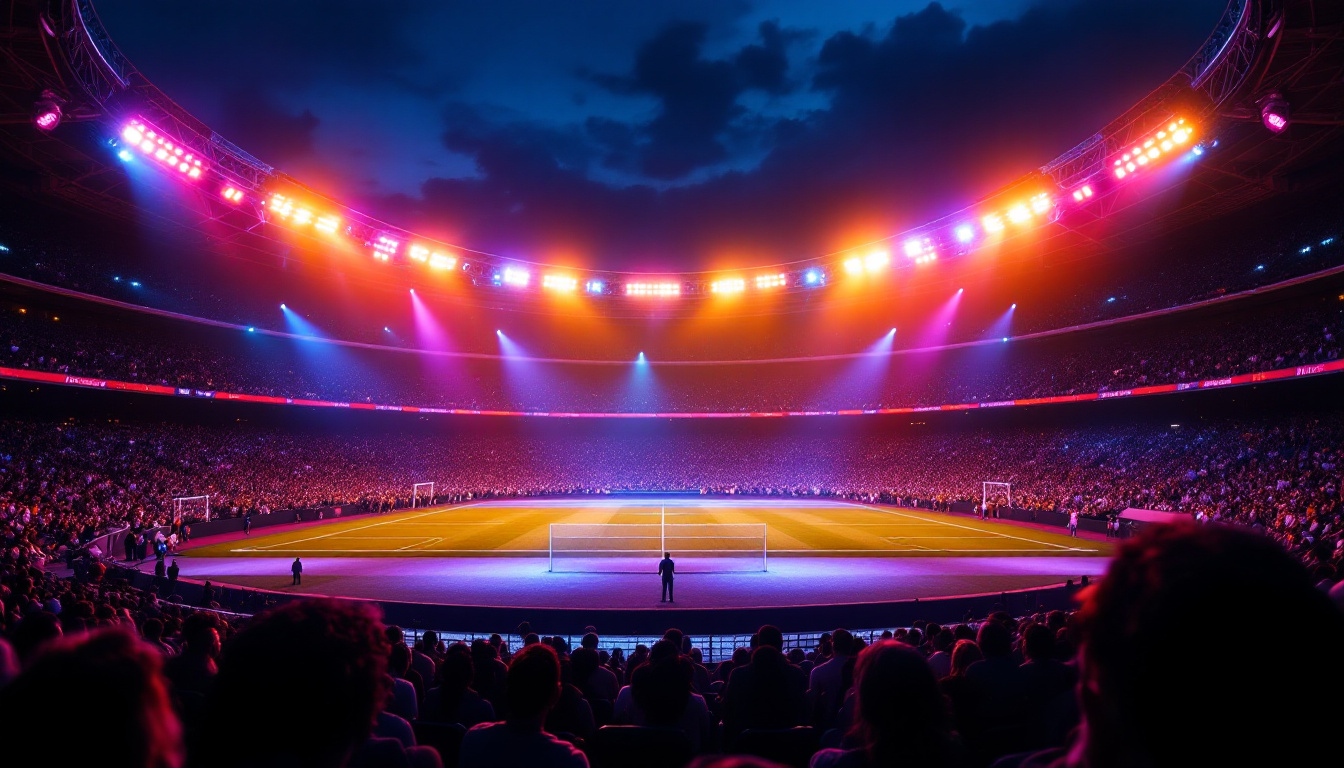
One of the most common uses for LED jumbotrons is in sports arenas and concert venues. These displays provide live game footage, instant replays, advertisements, and interactive content that engage audiences and enhance the event atmosphere.
Modern jumbotrons can integrate with real-time data feeds, social media, and augmented reality effects, creating immersive experiences that keep spectators entertained during breaks and downtime.
Advertising and Public Information
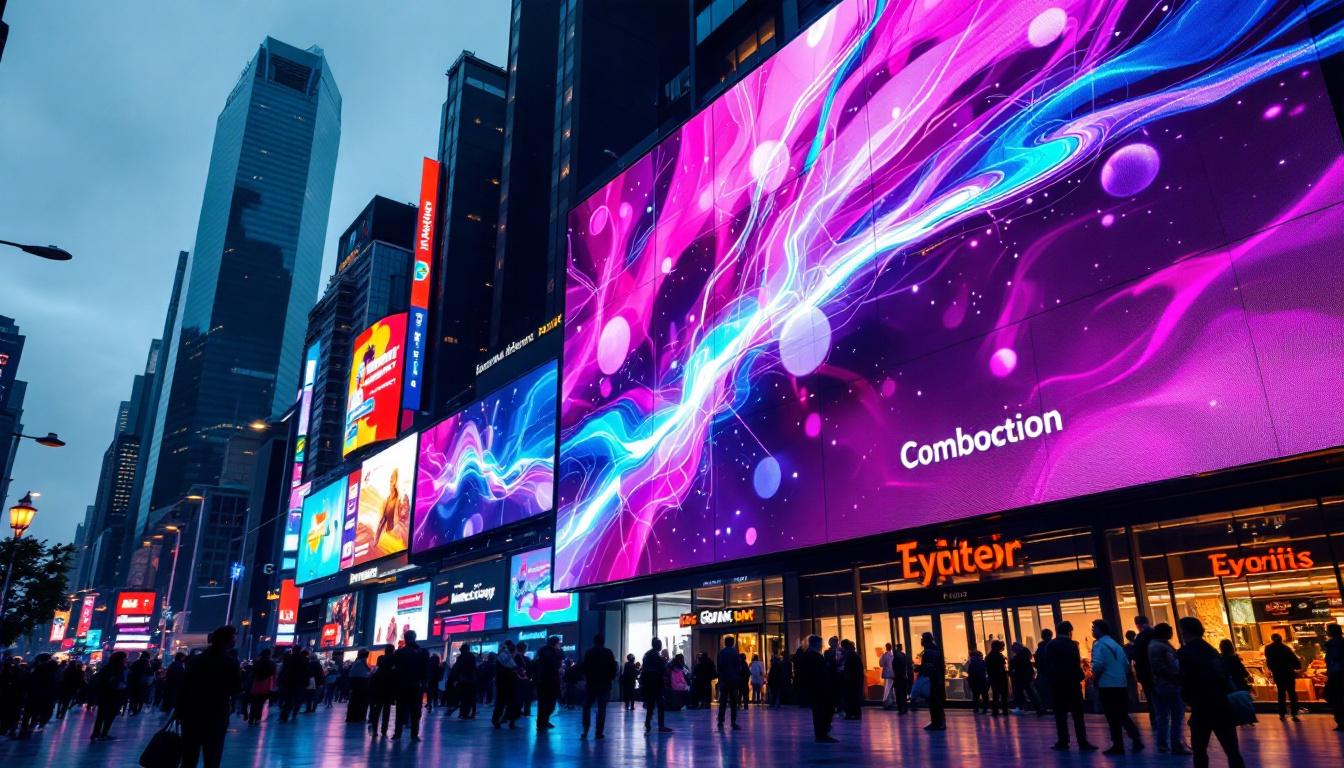
Outdoor LED jumbotrons in urban centers serve as powerful advertising platforms. Their brightness and size capture attention, making them ideal for brand promotions, public announcements, and emergency alerts.
According to a 2023 report by the Digital Signage Federation, LED billboards and jumbotrons have shown a 30% higher engagement rate compared to traditional static billboards, highlighting their effectiveness in delivering messages to large audiences.
Corporate and Event Use
Businesses utilize LED jumbotrons for conferences, trade shows, and product launches. The ability to display high-resolution images, videos, and live feeds makes these screens invaluable for conveying complex information and creating memorable presentations.
Furthermore, the modular nature of LED displays allows for custom shapes and sizes, enabling unique branding opportunities and creative visual storytelling.
Challenges and Considerations When Using LED Jumbotrons
Installation and Maintenance
Installing a jumbotron requires careful planning, including structural support, power supply, and data connectivity. The weight and size of LED panels necessitate professional handling to ensure safety and optimal performance.
Regular maintenance is also crucial. LEDs have a long lifespan—often exceeding 100,000 hours—but environmental factors like weather, dust, and temperature fluctuations can affect performance. Routine cleaning and calibration help maintain image quality over time.
Cost Factors
While prices for LED technology have decreased in recent years, high-quality jumbotrons remain a significant investment. Costs depend on screen size, resolution, pixel pitch, and additional features such as weatherproofing and control systems.
However, the return on investment can be substantial, especially for advertising and event applications where audience engagement translates directly into revenue or brand value.
Environmental Impact and Energy Consumption
LED displays are more energy-efficient than older technologies like CRT or plasma, but large jumbotrons still consume considerable power. Advances in LED efficiency and intelligent brightness control systems help reduce energy usage.
Additionally, many manufacturers now offer recycling programs for LED modules and components, supporting sustainability efforts in the digital signage industry.
Future Trends in LED Jumbotron Technology
Higher Resolution and Pixel Density
As LED manufacturing improves, pixel pitches continue to shrink, enabling ultra-high-resolution jumbotrons that rival or exceed traditional broadcast screens. This trend will allow for even more detailed and immersive content, suitable for closer viewing distances and diverse applications.
Flexible and Transparent LED Displays
Innovations in flexible and transparent LED technology are opening new possibilities for jumbotron design. Flexible panels can conform to curved surfaces, while transparent LEDs enable displays that don’t obstruct views, ideal for architectural integration and creative installations.
Integration with AI and Interactive Technologies
Artificial intelligence and interactive features are becoming increasingly common in LED jumbotrons. These capabilities allow for personalized content delivery, audience analytics, and real-time interaction, transforming static displays into dynamic communication platforms.
Conclusion
LED jumbotrons represent a pinnacle of large-scale digital display technology, combining brightness, color fidelity, and versatility to deliver compelling visual experiences. Understanding the technical aspects of LED displays, from pixel pitch to color management, is essential for creating impactful images that maximize the potential of these impressive screens.
Whether for sports, entertainment, advertising, or corporate events, optimizing images for jumbotrons ensures that content is not only visually stunning but also effective in engaging audiences. As technology continues to evolve, LED jumbotrons will become even more integral to how information and entertainment are shared in public spaces worldwide.
Discover the Future of Visual Experience with LumenMatrix
Ready to elevate your visual displays to the next level? LumenMatrix is at the forefront of LED display innovation, offering a wide range of solutions tailored to your needs. From Indoor and Outdoor LED Walls to specialized displays for vehicles, sports, and even transparent LED options, we have the technology to bring your vision to life. Embrace the power of LED displays and transform how you connect with your audience. Check out LumenMatrix LED Display Solutions today and start creating unforgettable experiences.