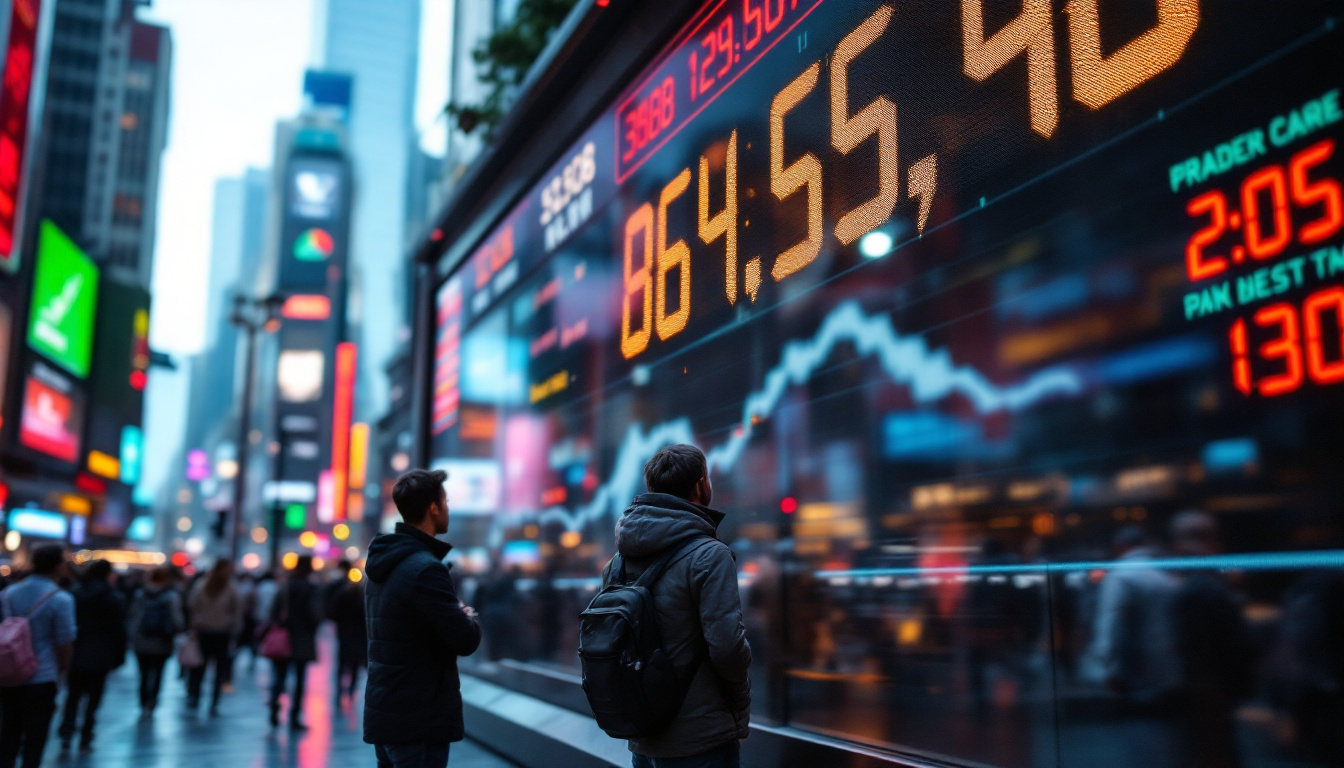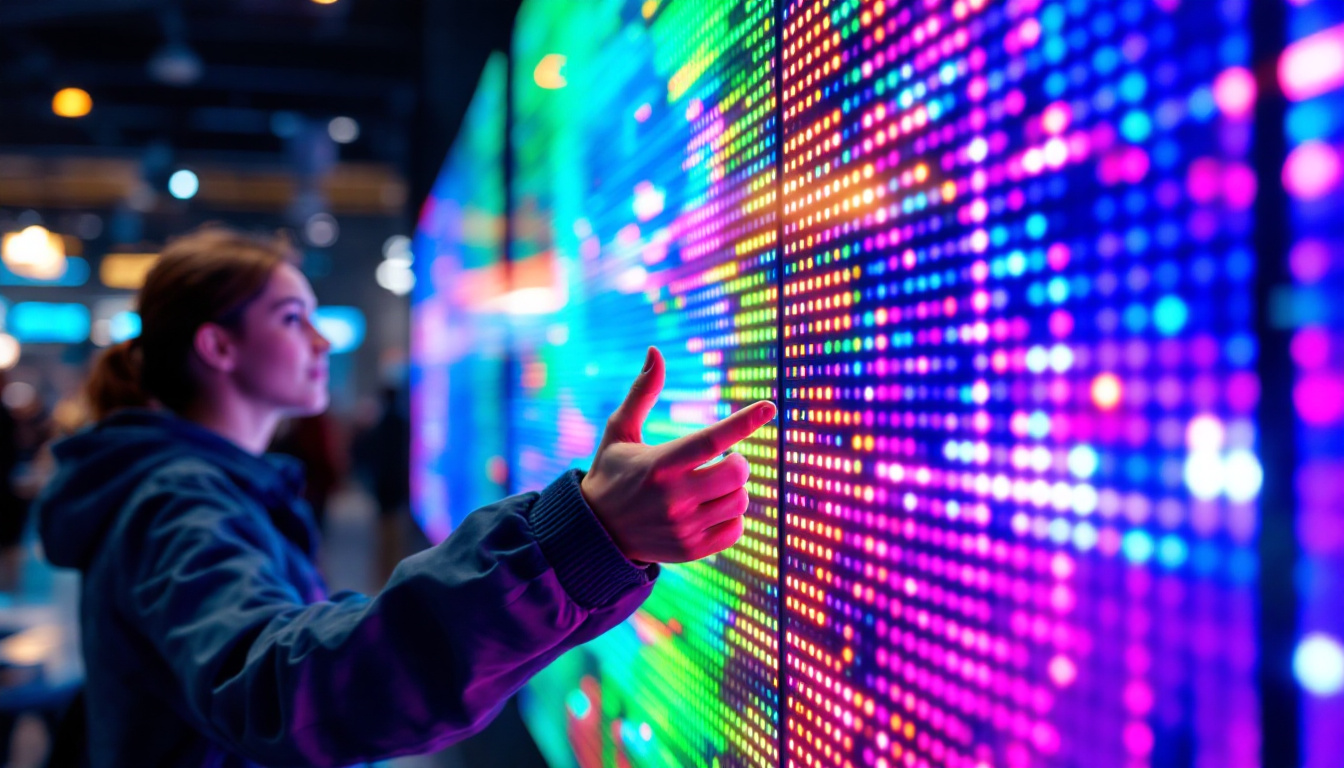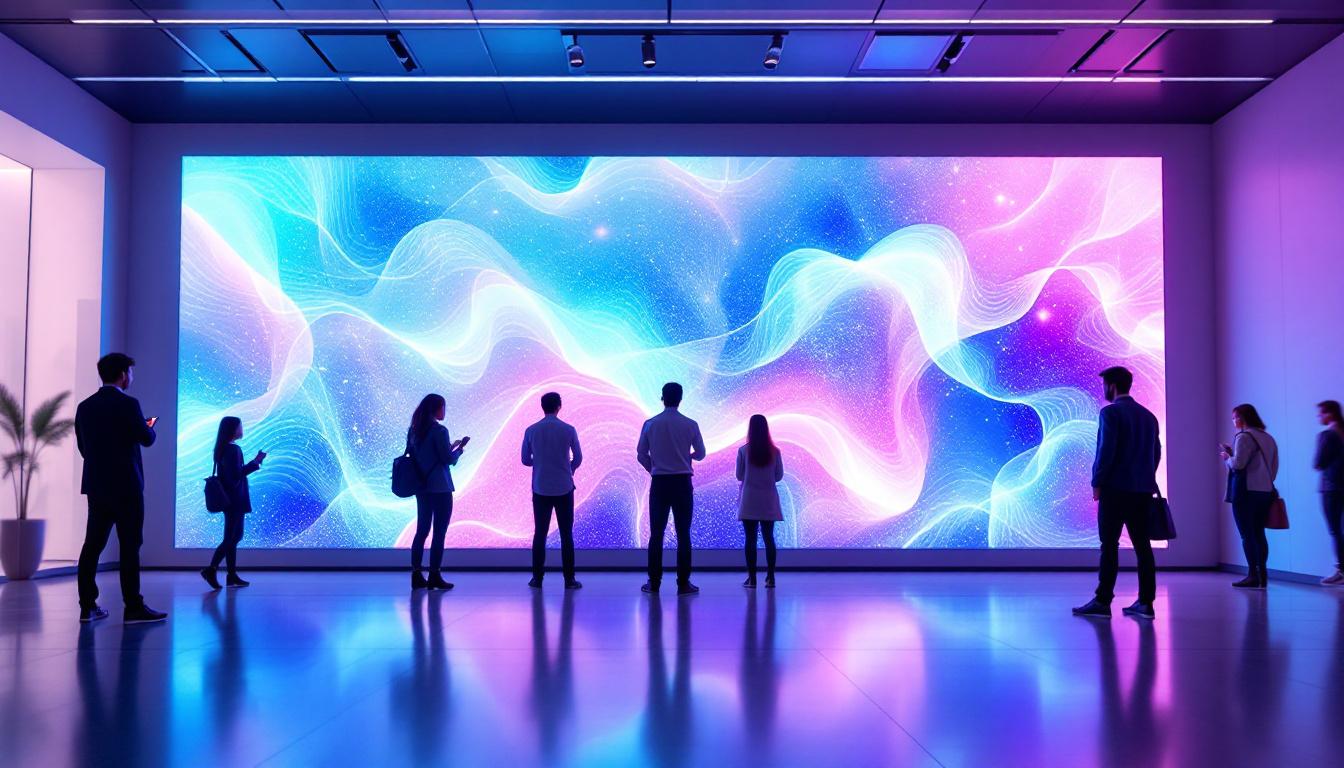
In recent years, transparent LED displays—often referred to as “wall transparent” LED screens—have revolutionized the way businesses and designers approach digital signage and architectural integration. These innovative displays combine cutting-edge technology with aesthetic versatility, enabling vivid visuals without obstructing the view behind the screen. This article delves into the technology behind transparent LED displays, their applications, benefits, and what the future holds for this exciting medium.
What Is a Transparent LED Display?
A transparent LED display is a type of digital screen that allows light to pass through it, making the display see-through while still showing vibrant images and videos. Unlike traditional LED screens, which are opaque and block the view behind them, transparent LED panels use a specialized design to maintain transparency without compromising brightness or image quality.
These displays are typically composed of a grid of LED lights embedded in a transparent substrate such as glass or acrylic. The LEDs are spaced apart at regular intervals, allowing a significant portion of the background to remain visible. This spacing is often referred to as the “pixel pitch,” and it plays a crucial role in balancing transparency and image resolution.
How Transparent LED Technology Works
At the core of transparent LED displays are micro-LEDs mounted on a clear panel. The LEDs emit light when electrically powered, forming the image or video content. Because the LEDs are spaced apart, ambient light can pass through the gaps, preserving the see-through effect. The transparency level typically ranges between 40% and 90%, depending on the pixel pitch and design.
Modern transparent LED displays often use SMD (Surface-Mounted Device) technology, which allows LEDs to be smaller and more precisely placed. This enhances image clarity while maintaining high transparency. Additionally, some displays incorporate advanced driver ICs and calibration tools to optimize color accuracy and brightness, even in bright ambient environments.
These displays are increasingly popular in various applications, from retail environments to art installations and architectural designs. In retail, for instance, transparent LED displays can be used to showcase products while allowing customers to see through to the store’s interior, creating an engaging shopping experience. Furthermore, they can be integrated into windows or glass walls, transforming ordinary spaces into dynamic advertising platforms that capture attention without obstructing views.
Moreover, transparent LED technology is also being explored for use in smart cities and public transportation systems. Imagine bus stops or train stations equipped with transparent displays that provide real-time information while maintaining visibility of the surroundings. This innovative approach not only enhances the aesthetic appeal of urban environments but also contributes to a more interactive and informative experience for commuters. As technology continues to evolve, the potential applications for transparent LED displays seem limitless, paving the way for a new era of visual communication.
Key Advantages of Transparent LED Displays
Transparent LED technology offers several compelling benefits that make it an attractive choice for a variety of applications:
1. Seamless Integration with Architecture
One of the standout features of transparent LED displays is their ability to blend into architectural elements without obstructing natural light or views. This makes them ideal for installation on glass facades, windows, and storefronts, where maintaining visibility is essential. For example, retail stores can display dynamic advertisements on their windows while still allowing passersby to see inside.
2. Energy Efficiency and Lightweight Design
Compared to traditional LED screens, transparent LED panels are generally lighter and consume less power. Their design requires fewer LEDs per square meter due to the spacing, which contributes to lower energy consumption. This makes them more sustainable and cost-effective to operate, especially for large-scale installations.
3. Enhanced Visual Impact
Transparent LED displays offer high brightness levels, often exceeding 3,000 nits, which ensures visibility even in direct sunlight. The combination of transparency and vivid color reproduction creates a striking visual effect that captures attention without overwhelming the environment. This balance is particularly valuable in retail, hospitality, and public spaces.
4. Versatility and Customization
These displays can be customized in various sizes and shapes to fit specific architectural requirements. They can be curved, segmented, or tiled to create unique visual installations. Furthermore, transparent LED walls can support interactive features when integrated with sensors or touch technology, expanding their potential use cases.
Applications of Transparent LED Displays
The versatility of transparent LED technology has led to its adoption across multiple industries. Below are some of the most prominent applications:
Retail and Advertising
Retailers use transparent LED displays to create eye-catching window displays that attract customers while maintaining a clear view into the store. This dual functionality enhances brand visibility and customer engagement. For example, luxury brands often utilize these displays to showcase promotional content without compromising the aesthetic appeal of their storefronts.
Corporate and Office Environments
In corporate settings, transparent LED walls serve as dynamic partitions or presentation screens that do not block natural light. They can display company information, announcements, or branding elements while maintaining an open and airy office atmosphere. This contributes to a modern and innovative workspace design.
Transportation Hubs and Public Spaces
Airports, train stations, and shopping malls benefit from transparent LED displays by delivering real-time information, advertisements, and wayfinding content. The transparency ensures that these displays do not obstruct architectural features or natural light, preserving the overall spatial experience for visitors.
Entertainment and Events
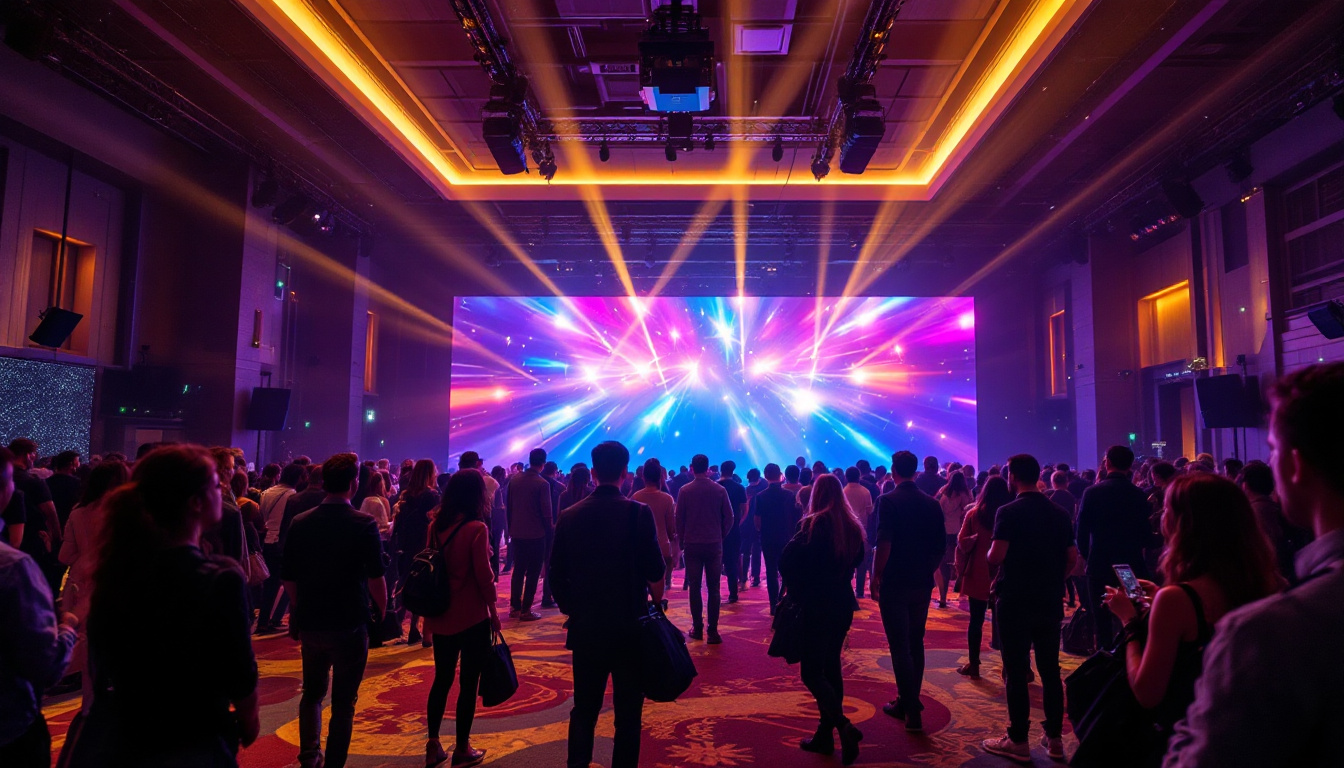
Concerts, exhibitions, and trade shows utilize transparent LED walls to create immersive visual experiences. The ability to layer digital content over physical backdrops or performers adds depth and creativity to presentations, enhancing audience engagement.
Technical Considerations When Choosing Transparent LED Displays
While transparent LED displays offer numerous advantages, selecting the right product requires careful consideration of several technical factors to ensure optimal performance and longevity.
Pixel Pitch and Resolution
Pixel pitch, the distance between individual LEDs, directly affects both transparency and image resolution. A smaller pixel pitch yields higher resolution but reduces transparency, while a larger pitch increases transparency at the cost of image detail. For applications requiring close viewing distances, a finer pixel pitch is preferable, whereas larger pixel pitches suit installations viewed from afar.
Brightness and Contrast Ratio
Brightness is critical for visibility, especially in outdoor or brightly lit indoor environments. Transparent LED displays typically feature high brightness levels, but it is important to verify specifications to match the ambient lighting conditions. Contrast ratio also impacts image quality, with higher ratios producing more vivid and distinguishable visuals.
Installation and Maintenance
Transparent LED panels are often modular, allowing for flexible installation and easy maintenance. However, factors such as mounting structure, power supply, and data connectivity must be carefully planned. Additionally, cleaning transparent panels requires gentle methods to avoid damaging the delicate LEDs or substrate.
Viewing Angle and Color Uniformity
Wide viewing angles ensure that the displayed content remains clear and vibrant from different perspectives. Color uniformity across the entire display is essential to avoid visual inconsistencies, which can detract from the overall impact.
Challenges and Limitations
Despite their many benefits, transparent LED displays also face some challenges that users should be aware of:
Cost Considerations
Transparent LED technology tends to be more expensive than conventional LED screens due to its specialized components and manufacturing processes. While prices have decreased over the past few years, budget constraints may limit adoption for some projects.
Image Quality Trade-offs
The inherent spacing between LEDs means that transparent displays may not achieve the same resolution and image density as fully opaque LED walls. This can affect the sharpness of detailed content, especially when viewed up close.
Environmental Factors
Outdoor installations must account for weather resistance, temperature fluctuations, and potential damage from dust or moisture. Although many transparent LED panels are designed for outdoor use, proper sealing and protective measures are essential for durability.
The Future of Transparent LED Displays
Advancements in LED technology and materials science continue to push the boundaries of what transparent LED displays can achieve. Emerging trends include:
Higher Transparency with Improved Resolution
Research into micro-LEDs and novel substrates aims to increase transparency levels beyond 90% while maintaining or enhancing resolution. This will enable even more seamless integration into glass architecture without compromising visual quality.
Integration with Smart Building Systems
Transparent LED displays are increasingly being integrated into smart building ecosystems, interacting with sensors, lighting controls, and data analytics platforms. This connectivity allows for dynamic content that adapts to environmental conditions and user behavior.
Flexible and Curved Displays
Developments in flexible LED technology are enabling transparent displays that can bend and conform to complex surfaces. This opens new creative possibilities for designers and architects seeking unique visual installations.
Augmented Reality (AR) and Interactive Features
Combining transparent LED displays with AR and interactive technologies promises immersive experiences where digital content overlays the physical world in real time. This fusion has potential applications in retail, education, entertainment, and beyond.
Conclusion
Transparent LED displays represent a significant leap forward in digital signage and architectural design, offering a harmonious blend of functionality and aesthetics. Their ability to deliver vibrant, high-brightness content without obstructing views makes them ideal for a wide range of applications, from retail storefronts to corporate environments and public spaces.
While challenges such as cost and image resolution trade-offs remain, ongoing technological advancements continue to enhance the capabilities and affordability of transparent LED technology. As these displays become more integrated with smart systems and interactive features, they are poised to transform how digital content is experienced in both commercial and public settings.
For businesses and designers looking to create impactful visual experiences without sacrificing transparency and natural light, transparent LED displays offer an innovative and compelling solution.
Discover the Future of Visual Display with LumenMatrix
Ready to elevate your space with the cutting-edge technology of transparent LED displays? LumenMatrix is at the forefront of LED innovation, offering a wide array of solutions that transform environments and captivate audiences. From dynamic retail storefronts to interactive corporate settings, our LED display modules are designed to deliver unparalleled brand visibility and engaging visual experiences. Explore our Indoor and Outdoor LED Wall Displays, Vehicle LED Displays, and more to find the perfect fit for your needs. Check out LumenMatrix LED Display Solutions and join the revolution in visual communication.