In today’s fast-paced retail environment, capturing customer attention is more challenging than ever. With the rise of digital technology, retailers are constantly seeking innovative ways to engage shoppers and enhance the in-store experience. One of the most effective tools in this digital transformation is the LED display. From vibrant signage to dynamic product showcases, LED displays have revolutionized how retailers communicate with their audience. This article delves into the world of LED displays in retail, explaining their technology, benefits, applications, and future trends.
Understanding LED Display Technology
What is an LED Display?
LED stands for Light Emitting Diode, a semiconductor device that emits light when an electric current passes through it. An LED display is a flat panel display that uses an array of these tiny LEDs to produce images, videos, or text. Unlike traditional LCD or plasma screens, LED displays can be much brighter, more energy-efficient, and offer superior color accuracy and contrast.
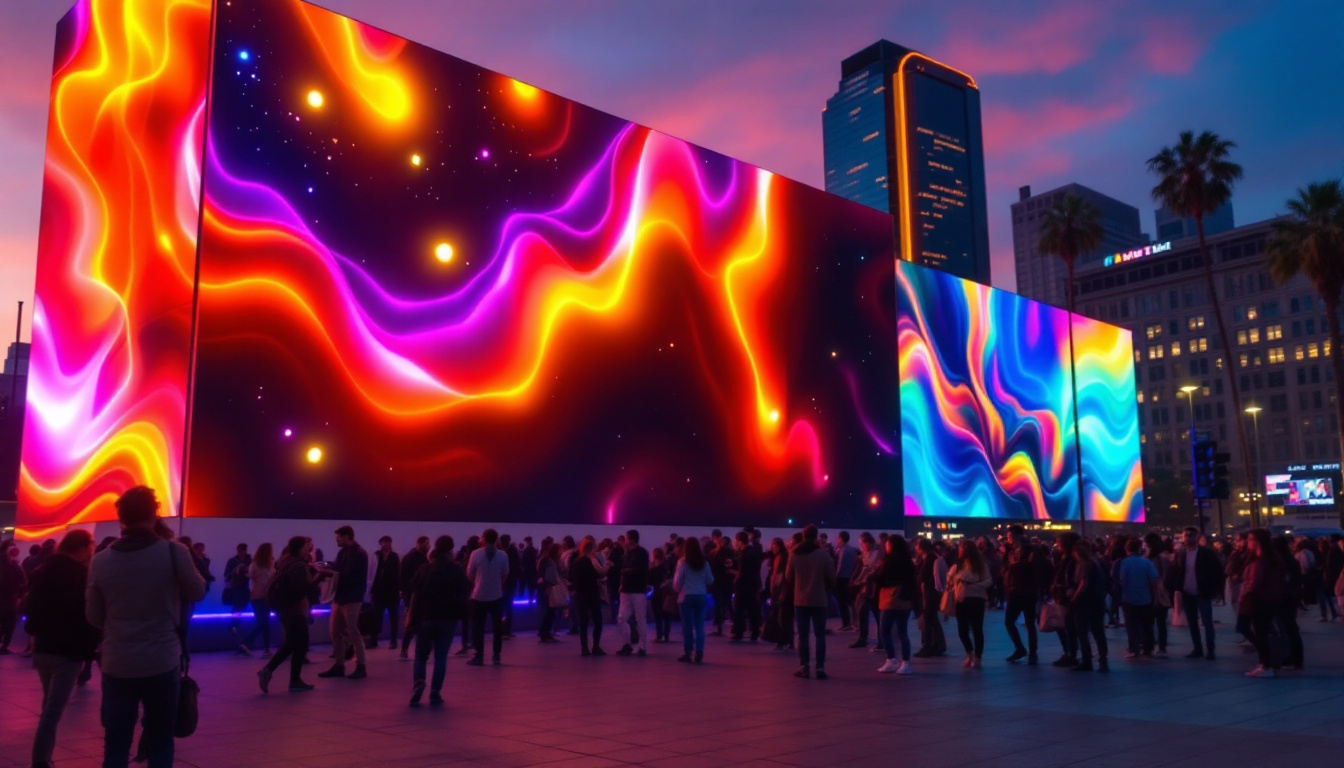
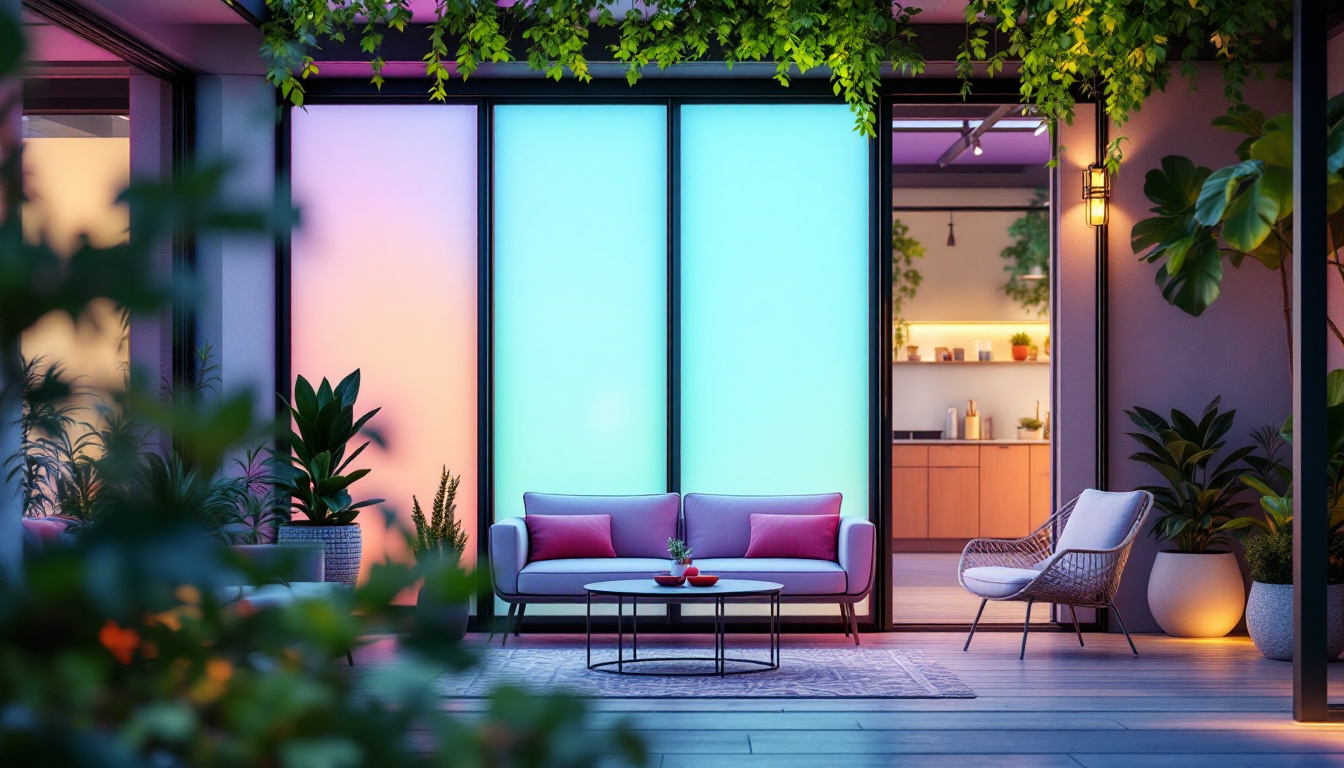
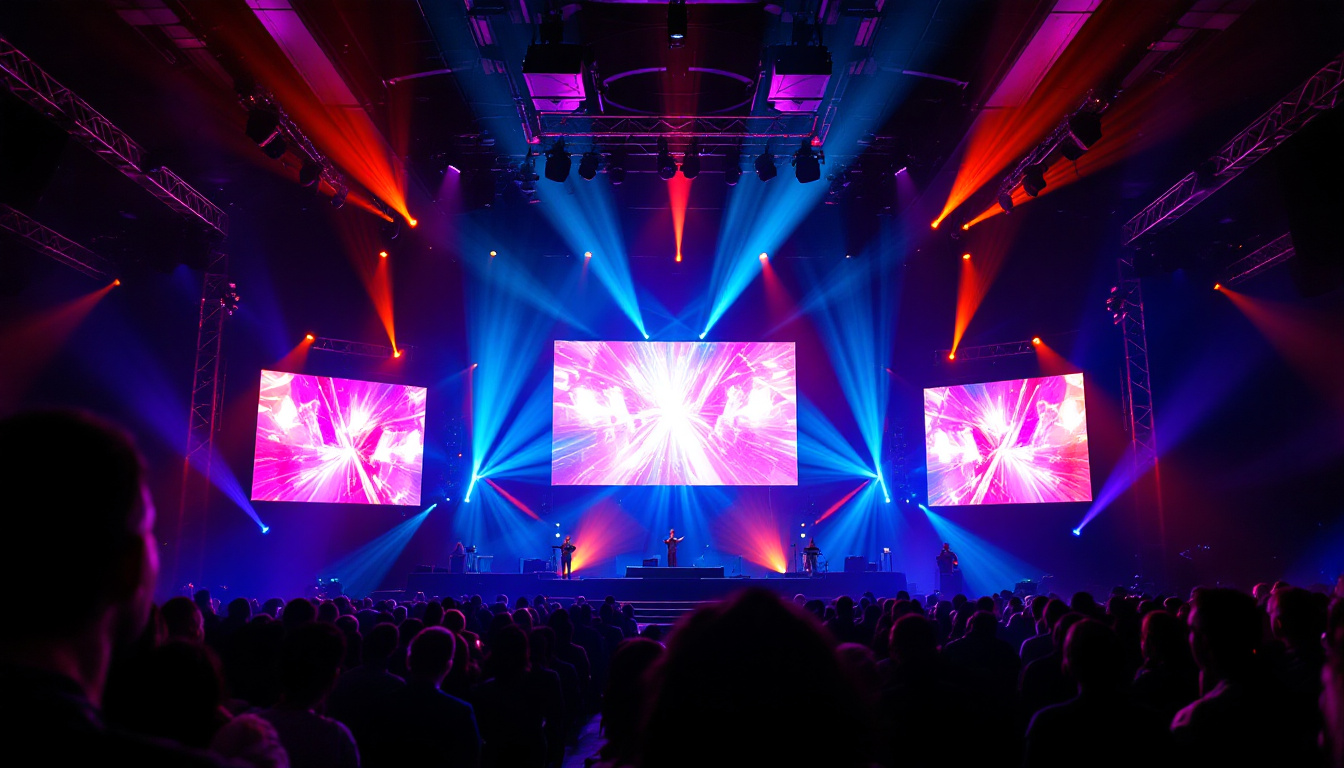
LED displays come in various forms, including indoor and outdoor screens, flexible panels, and transparent displays. The technology can be further categorized into direct-view LED and LED-backlit LCD displays, but in retail, direct-view LED displays are most common due to their vivid brightness and scalability. These displays are particularly popular in advertising and public information systems, where visibility in bright sunlight is crucial. The ability to create large, eye-catching visuals makes LED displays an ideal choice for events, concerts, and sports arenas, where they can engage audiences effectively.
How Do LED Displays Work?
Each pixel on an LED display consists of red, green, and blue LEDs. By adjusting the intensity of these LEDs, the display can produce a wide spectrum of colors. The pixels are arranged in a grid, and the display’s resolution depends on the density of these pixels, known as pixel pitch. A smaller pixel pitch means more pixels per square inch, resulting in sharper images. This is particularly important in applications where viewers are close to the display, such as in retail environments or during live performances, where detail and clarity can significantly enhance the viewer’s experience.
LED displays are driven by sophisticated control systems that process input signals from computers or media players. These systems manage color calibration, brightness, and refresh rates to ensure smooth and vibrant visuals. Additionally, modern LED displays incorporate sensors to adjust brightness automatically based on ambient lighting, optimizing visibility and energy consumption. Some advanced models even feature smart technology that allows for remote monitoring and control, enabling operators to update content in real-time, schedule advertisements, or troubleshoot issues from afar. This level of interactivity and adaptability makes LED displays not only a powerful tool for communication but also a dynamic medium for artistic expression, allowing creators to push the boundaries of visual storytelling.
The Benefits of LED Displays in Retail
Enhanced Visual Impact and Engagement
One of the most significant advantages of LED displays in retail is their ability to create visually striking content that grabs customer attention. Bright, dynamic visuals are more likely to draw shoppers into a store or highlight specific products. Studies show that digital signage can increase customer dwell time by up to 30%, which often translates into higher sales.
LED displays support high-definition video, animations, and interactive content, enabling retailers to tell compelling brand stories. Whether it’s showcasing a new product launch or promoting a limited-time offer, LED displays help retailers communicate messages more effectively than static signs. Additionally, the use of vibrant colors and high contrast can evoke emotions and create a memorable shopping experience, encouraging customers to share their experiences on social media, further amplifying the brand’s reach.
Energy Efficiency and Longevity
Compared to traditional lighting and display technologies, LED displays consume significantly less energy. This efficiency not only reduces operational costs but also aligns with growing consumer demand for sustainable retail practices. According to the U.S. Department of Energy, LEDs use at least 75% less energy than incandescent lighting.
Moreover, LED displays have a longer lifespan—often exceeding 50,000 hours of operation—meaning retailers face lower maintenance and replacement costs. This durability makes LED displays a cost-effective investment over the long term. Furthermore, their lower heat output reduces the need for additional cooling systems in stores, leading to even greater energy savings and a more comfortable shopping environment for customers.
Flexibility and Customization
LED displays offer unparalleled flexibility in size, shape, and installation. Retailers can choose from large video walls, curved displays, or even transparent panels integrated into windows. This versatility allows for creative store designs that enhance the shopping experience. For instance, a clothing retailer might use a large LED screen to showcase a runway show, providing an immersive experience that captivates shoppers and encourages them to explore the latest fashion trends.
Content on LED displays can be updated instantly and remotely, enabling retailers to tailor promotions based on time of day, customer demographics, or inventory levels. This dynamic capability helps retailers stay relevant and responsive in a competitive market. Additionally, the ability to integrate social media feeds or user-generated content can foster a sense of community and engagement, allowing customers to feel more connected to the brand. This not only enhances the shopping experience but also encourages repeat visits as customers look forward to new and exciting content each time they enter the store.
Applications of LED Displays in Retail Environments
Window Displays and Storefronts
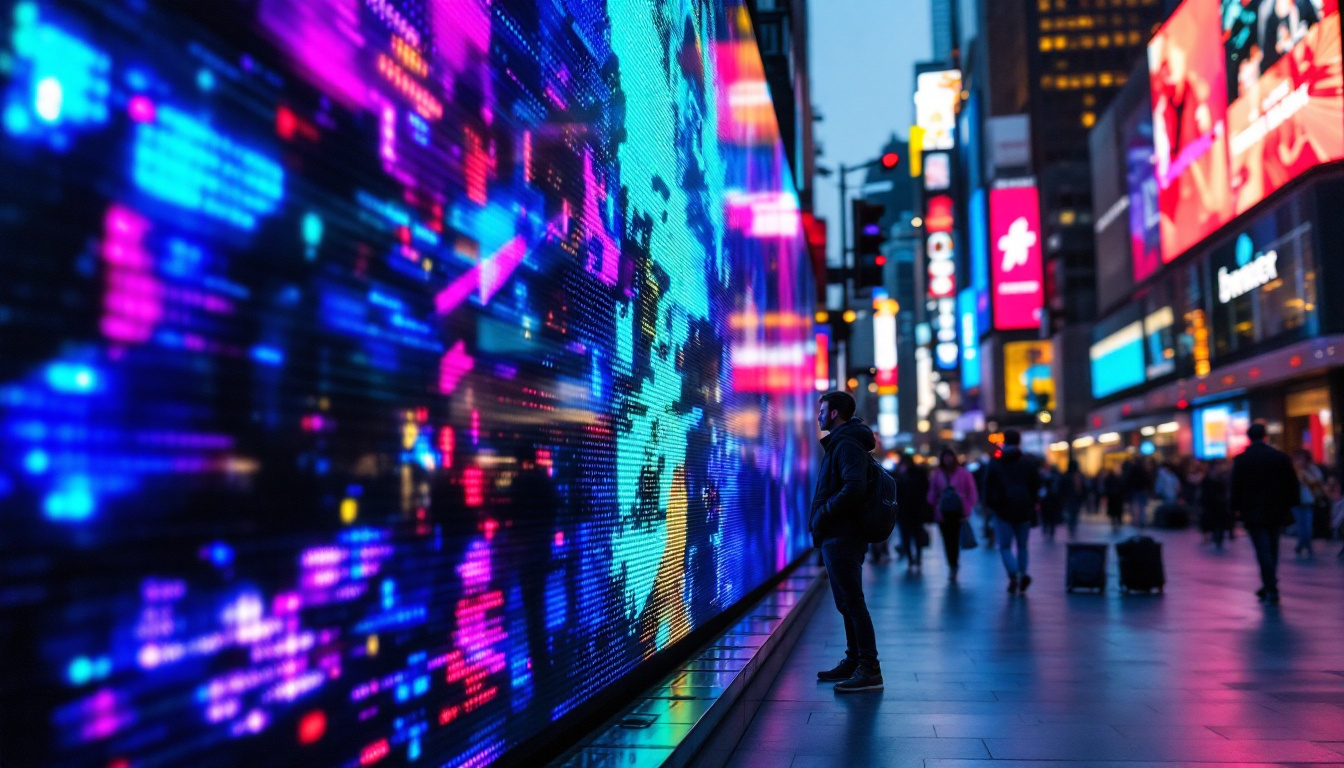
Retail window displays are the first point of contact with potential customers. LED displays transform these spaces into captivating digital canvases that showcase products, promotions, or brand stories. Bright and colorful LED signage can attract foot traffic even in busy urban settings or during nighttime hours.
For example, luxury brands often use high-resolution LED video walls to display artistic visuals that reinforce brand identity, while fast-fashion retailers might highlight flash sales or new arrivals. The ability to change content frequently keeps the storefront fresh and engaging.
In-Store Digital Signage
Inside the store, LED displays serve multiple purposes—from guiding customers to specific departments to promoting cross-selling opportunities at checkout counters. Interactive LED kiosks can provide product information, reviews, or personalized recommendations, enhancing customer service without additional staffing.
Retailers like electronics stores and supermarkets use LED displays to communicate real-time information such as pricing updates, stock availability, or loyalty program offers. This immediacy helps improve the shopping experience and encourages impulse purchases.
Event and Promotional Displays
During special events, sales, or product launches, LED displays create immersive environments that build excitement and urgency. Pop-up shops and trade shows frequently utilize LED walls to create memorable brand activations that stand out in crowded venues.
For instance, a cosmetics brand might use LED displays to simulate virtual try-ons or showcase makeup tutorials, engaging customers in a multisensory experience. These interactive elements drive deeper engagement and foster brand loyalty.
Choosing the Right LED Display for Retail
Considerations for Pixel Pitch and Resolution
The choice of pixel pitch is crucial in retail settings. For close viewing distances, such as in-store signage, a smaller pixel pitch (1.2mm to 2.5mm) ensures crisp, detailed images. For window displays or outdoor signage viewed from afar, a larger pixel pitch (4mm to 10mm) is more cost-effective and still delivers excellent visibility.
Resolution should match the display’s size and intended content. High-resolution displays are essential for video content and detailed graphics, while simpler text-based messages may require less pixel density.
Brightness and Viewing Angles
Retail LED displays must be bright enough to overcome ambient lighting conditions, especially for outdoor or window installations exposed to sunlight. Typical brightness levels range from 1,000 to 5,000 nits, with higher values needed for outdoor use.
Wide viewing angles ensure that images remain clear and vibrant regardless of where customers stand. This is particularly important in busy retail environments where shoppers move around constantly.
Durability and Weather Resistance
For outdoor retail displays, durability and weatherproofing are essential. LED panels designed for outdoor use feature IP65 or higher ratings, protecting against dust, rain, and temperature fluctuations. Indoor displays may not require such stringent protections but should be robust enough to handle daily wear and tear.
Future Trends in Retail LED Displays
Integration with Artificial Intelligence and Data Analytics
Emerging technologies are enhancing the capabilities of LED displays in retail. Artificial intelligence (AI) enables personalized content delivery by analyzing shopper behavior, demographics, and preferences in real time. For example, facial recognition and heat mapping can help retailers tailor promotions displayed on LED screens to specific customer segments.
Data analytics also allows retailers to measure the effectiveness of digital signage campaigns, optimizing content for maximum impact. This data-driven approach ensures that LED displays contribute directly to sales and customer satisfaction.
Interactive and Immersive Experiences
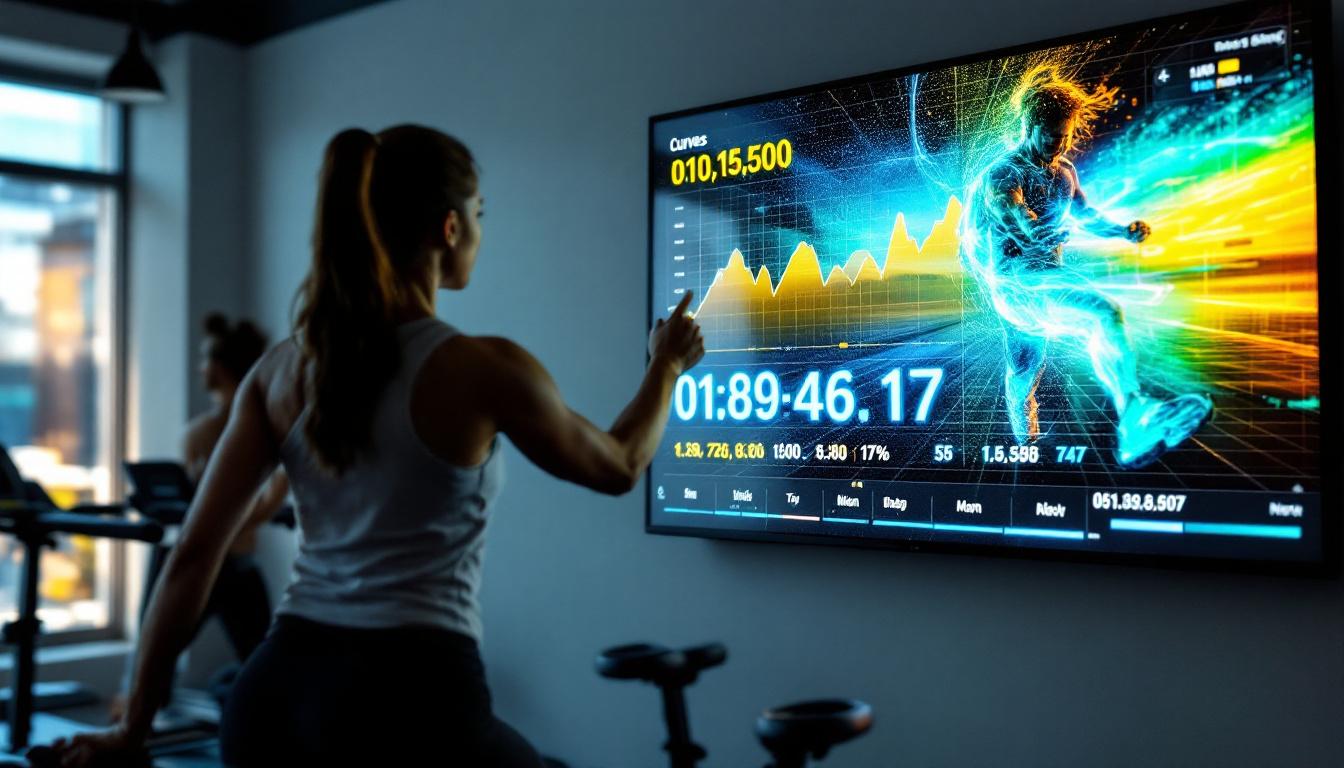
Touchscreen LED displays and augmented reality (AR) integrations are creating new ways for customers to interact with products. Virtual fitting rooms, interactive catalogs, and gamified experiences are becoming increasingly popular, blending physical and digital retail seamlessly.
These innovations not only enhance engagement but also provide valuable insights into customer preferences and behavior, enabling retailers to refine their strategies continuously.
Sustainability and Energy Management
As sustainability becomes a priority for both retailers and consumers, LED display manufacturers are focusing on eco-friendly designs. Advances in energy-efficient components, recyclable materials, and smart power management systems are reducing the environmental footprint of digital signage.
Retailers adopting these sustainable LED solutions can enhance their brand reputation and meet regulatory requirements while benefiting from lower operating costs.
Conclusion
LED displays have become an indispensable asset in the retail sector, offering unmatched visual impact, flexibility, and efficiency. From attracting customers at storefronts to enhancing in-store experiences and supporting promotional events, LED technology empowers retailers to communicate more effectively and adapt quickly to changing market demands.
Choosing the right LED display involves careful consideration of factors such as pixel pitch, brightness, durability, and integration with emerging technologies. As AI, interactivity, and sustainability continue to shape the future of retail, LED displays will remain at the forefront of innovation, helping retailers deliver memorable and meaningful customer experiences.
For retailers looking to stay competitive and relevant, investing in LED display technology is not just an option—it’s a strategic imperative.
Explore Cutting-Edge LED Solutions with LumenMatrix
Ready to elevate your retail space with the latest in LED display technology? LumenMatrix is at the forefront of creating immersive and dynamic visual experiences that captivate customers and drive engagement. From Indoor and Outdoor LED Wall Displays to innovative solutions like Vehicle LED Displays, LED Posters, and even Custom LED Displays, we have the tools to transform your retail environment. Discover the power of our LED Sports Displays, Floor LEDs, All-in-One solutions, and LED Transparent Displays. Embrace the future of retail with LumenMatrix’s advanced digital signage solutions. Check out LumenMatrix LED Display Solutions today and start crafting unforgettable shopping experiences that resonate with your audience.