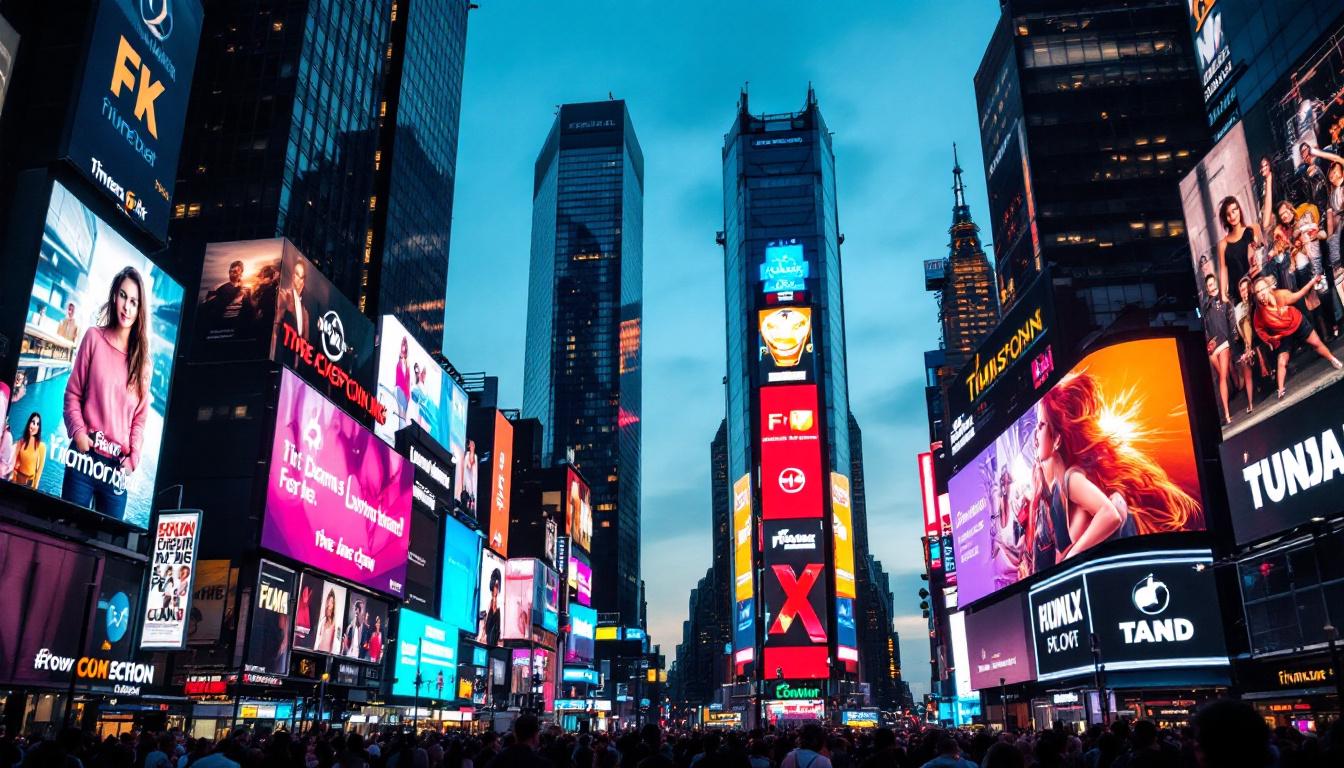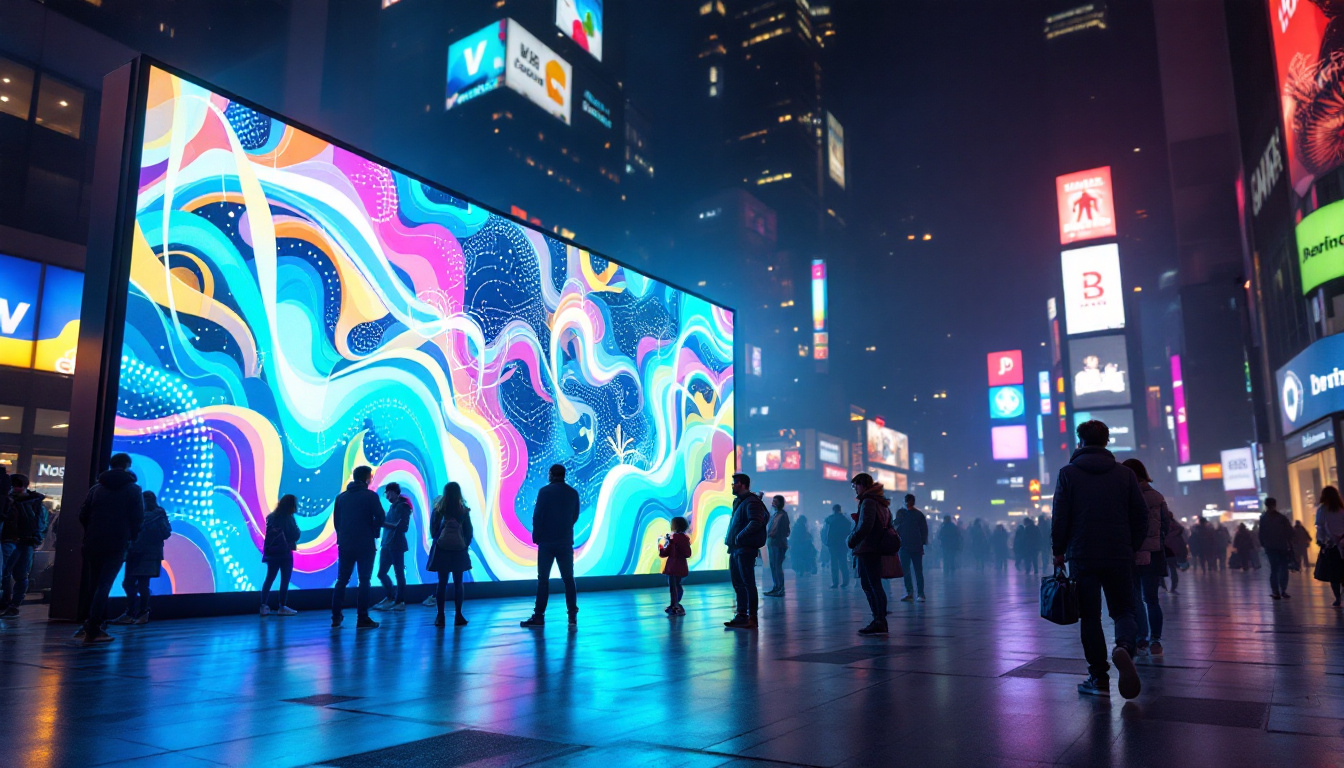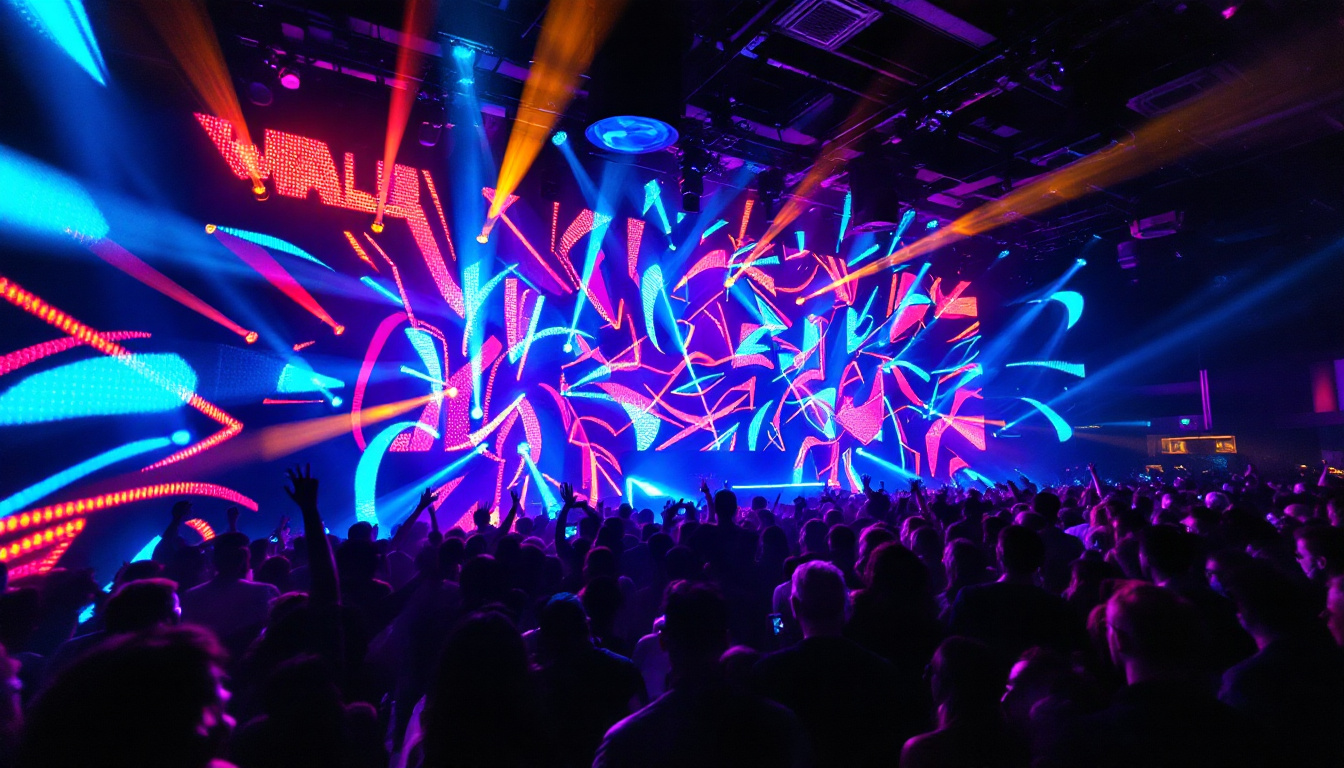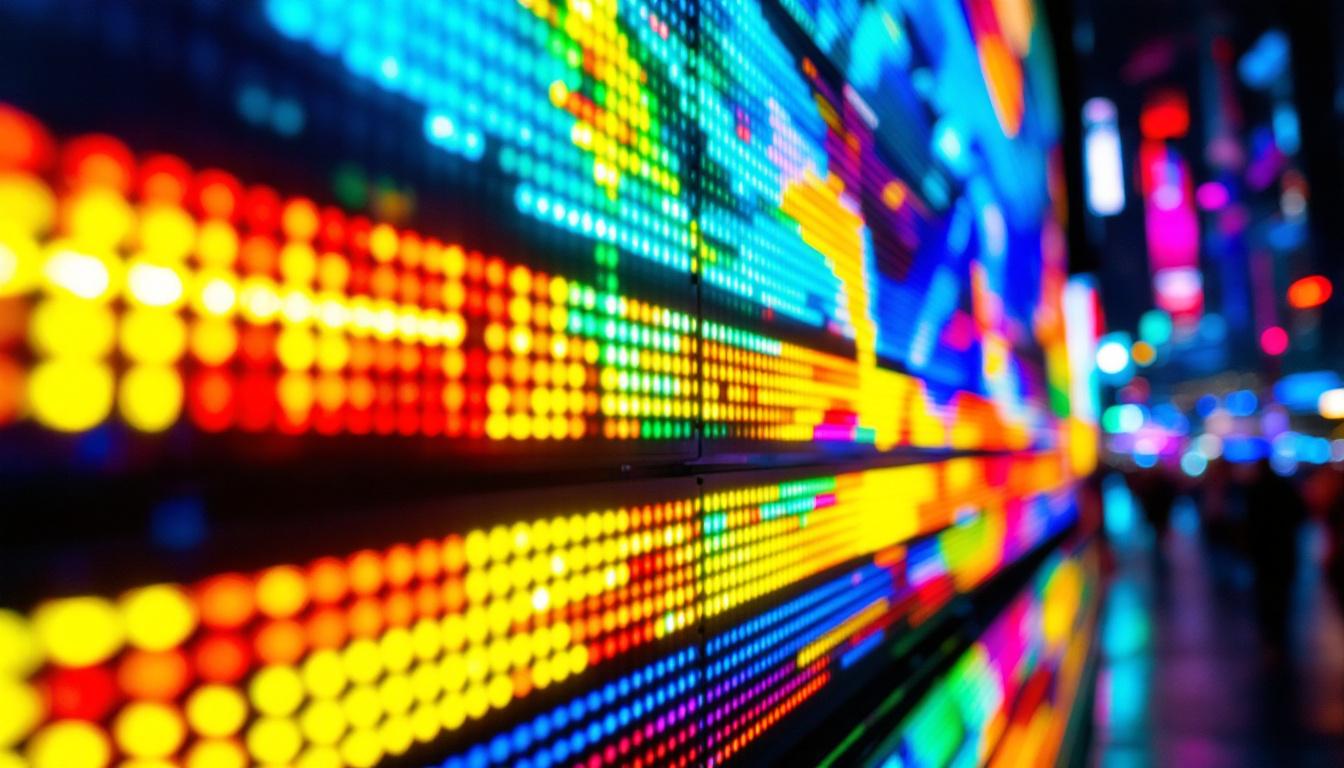
In an era where digital visuals dominate advertising, entertainment, and communication, LED displays have become the cornerstone of high-quality, vibrant visual experiences. From towering billboards in Times Square to the sleek screens in conference rooms, LED technology is everywhere. But what exactly makes LED displays so special? This comprehensive guide dives deep into the world of LED displays, exploring their technology, advantages, applications, and what sets quality LED screens apart from the rest.
Understanding LED Display Technology
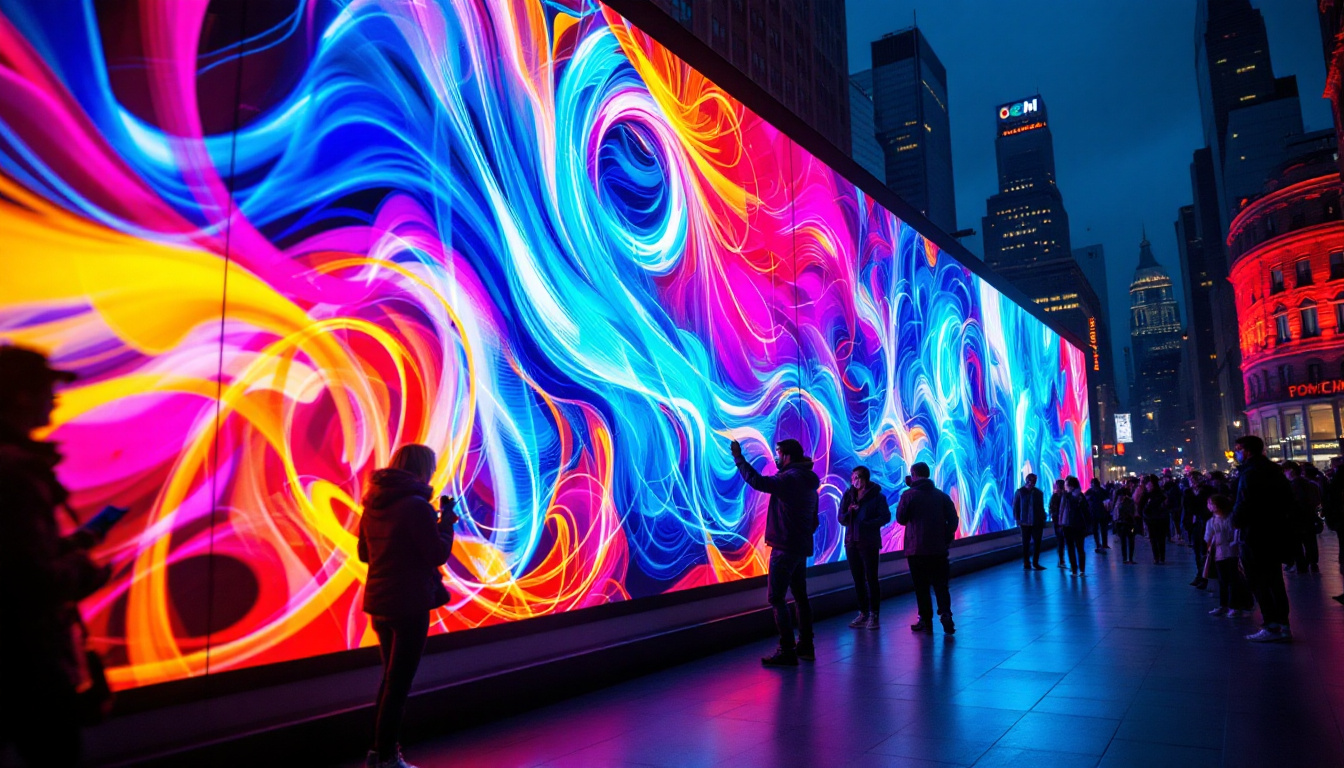
At its core, an LED display is a flat panel screen that uses light-emitting diodes (LEDs) as pixels to create images and videos. Unlike traditional LCD screens that rely on backlighting, LED displays generate their own light, resulting in brighter images and better contrast. This self-illuminating capability allows for deeper blacks and more vivid colors, making LED displays particularly popular in settings where visual impact is crucial, such as concerts, sporting events, and advertising.
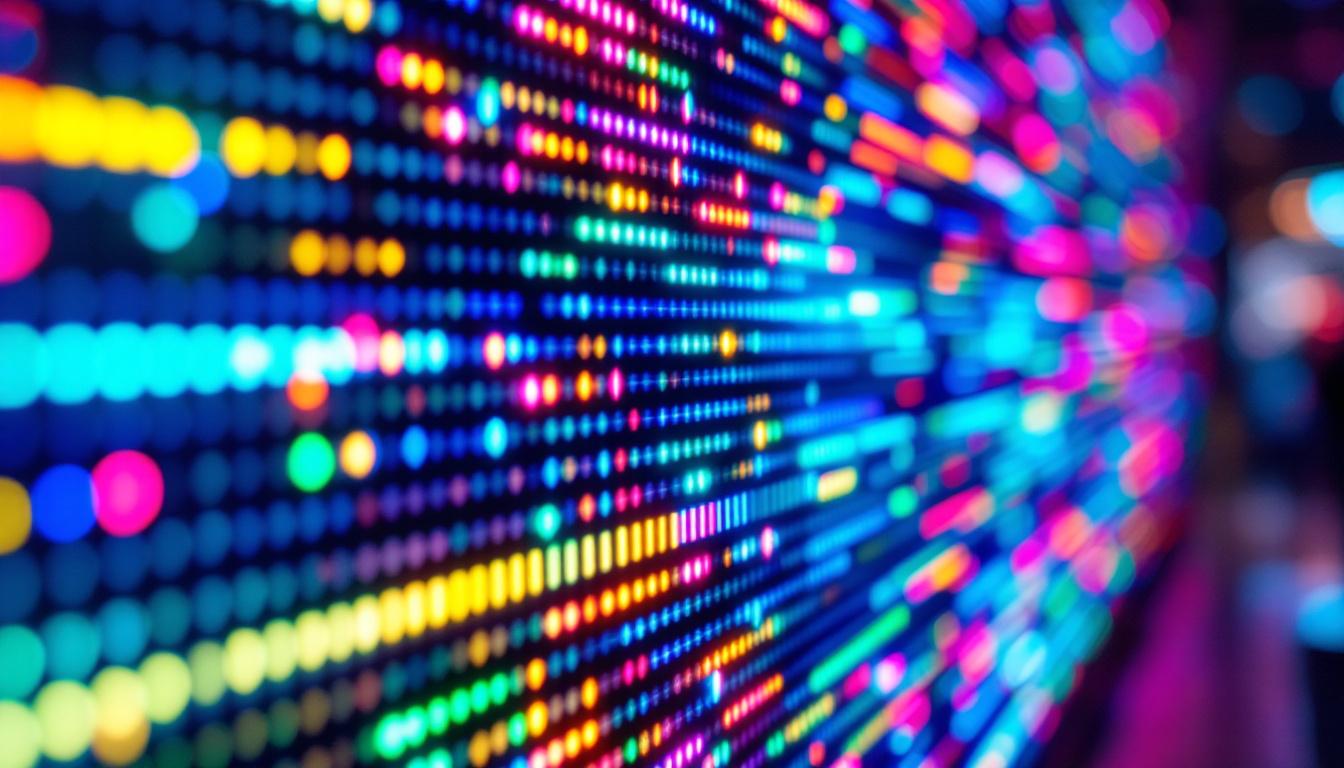
The basic building block of an LED display is the LED pixel, which typically consists of red, green, and blue diodes. By adjusting the intensity of each diode, millions of colors can be produced, enabling rich and vibrant visuals. This color mixing technique is fundamental to creating the lifelike images that audiences have come to expect from modern displays, whether in a cinema, a digital billboard, or a high-end television.
Types of LED Displays
LED displays come in several forms, each suited to different environments and purposes:
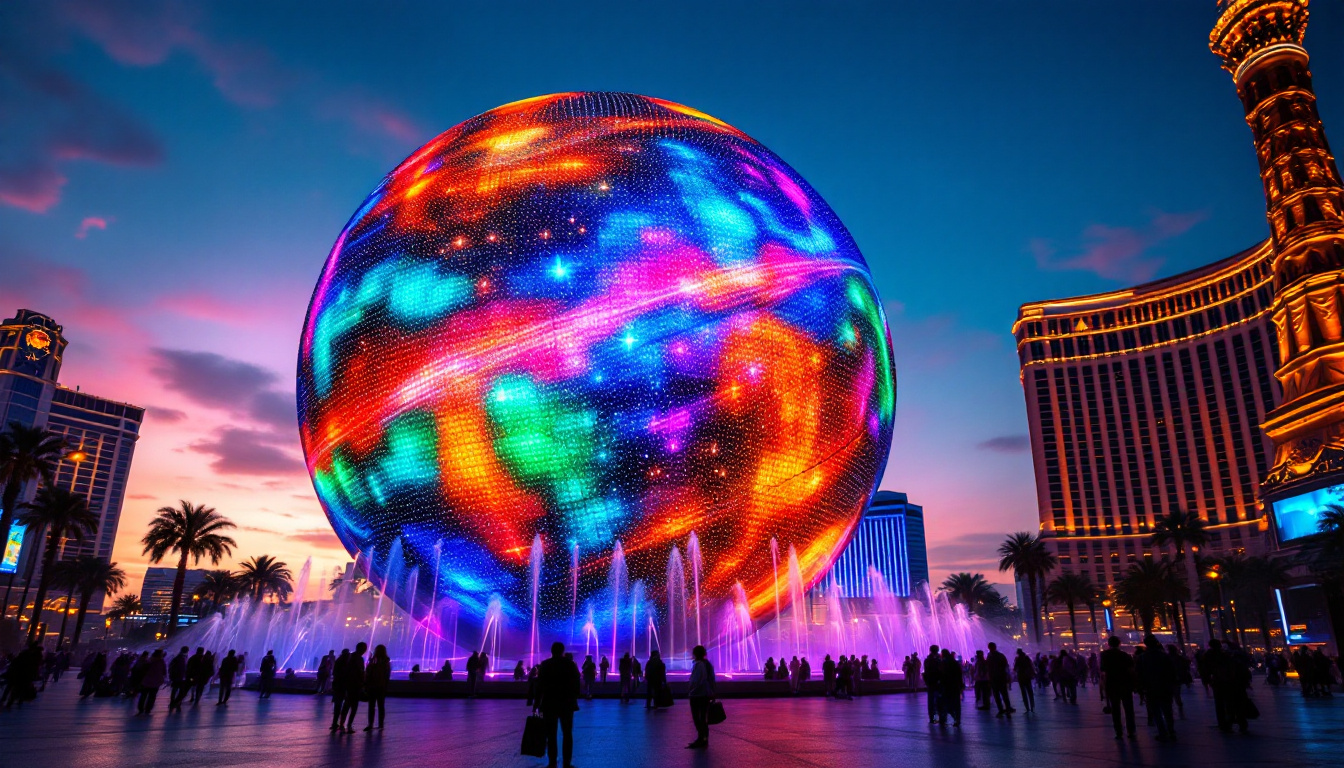
- Direct View LED (DVLED): These are large-scale displays where the LEDs themselves form the image. They are commonly used for outdoor billboards, stadium screens, and large indoor video walls. Their modular design allows for flexibility in size and shape, making them ideal for custom installations that can fit various architectural designs.
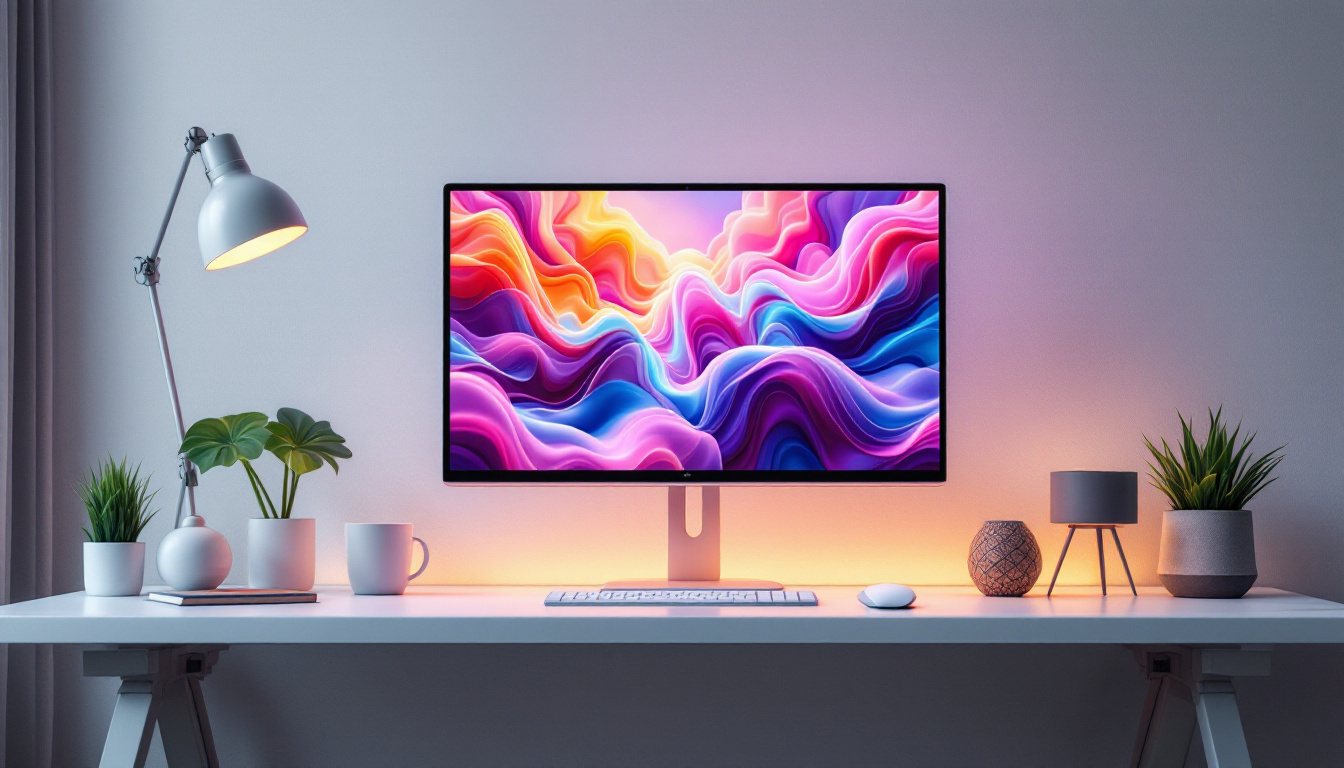
- LED-backlit LCD: This technology uses LEDs to backlight an LCD panel, improving brightness and energy efficiency compared to traditional fluorescent backlighting. It is prevalent in televisions and computer monitors. The combination of LCD technology with LED backlighting has led to thinner screens and enhanced color accuracy, making it a popular choice for consumers seeking high-quality viewing experiences.
- MicroLED: An emerging technology that uses microscopic LEDs as individual pixels, offering superior brightness, contrast, and energy efficiency. Although still in development for consumer markets, MicroLED promises to revolutionize display technology. Its potential for seamless integration into flexible surfaces opens up exciting possibilities for future applications, including wearable technology and immersive environments.
Pixel Pitch and Resolution
One of the critical factors defining LED display quality is pixel pitch—the distance between the centers of two adjacent pixels, usually measured in millimeters. A smaller pixel pitch means higher resolution and sharper images, especially when viewed up close. This granularity is essential for applications where detail is paramount, such as in medical imaging or high-definition broadcasting.
For example, a 1.2mm pixel pitch LED display is ideal for indoor environments where viewers are close to the screen, such as control rooms or retail stores. Conversely, outdoor billboards often have pixel pitches of 10mm or more, as viewers are typically farther away. Additionally, advancements in technology are leading to the development of displays with variable pixel pitch options, allowing for greater customization based on specific viewing distances and content types. This adaptability enhances the versatility of LED displays, making them suitable for a wide range of applications from corporate presentations to immersive art installations.
Advantages of LED Displays Over Other Technologies
LED displays offer several significant advantages compared to other display technologies like LCD, OLED, and projection systems. These benefits explain why LEDs have become the preferred choice for many professional and consumer applications.
Brightness and Visibility
One of the standout features of LED displays is their exceptional brightness. Outdoor LED displays can reach brightness levels of up to 10,000 nits, making them clearly visible even under direct sunlight. In contrast, typical LCD screens max out around 500-700 nits.
This brightness advantage ensures that LED displays maintain image clarity and color vibrancy in various lighting conditions, making them ideal for outdoor advertising, sports arenas, and transportation hubs.
Energy Efficiency and Longevity
LEDs are inherently energy-efficient, converting a higher percentage of electrical energy into light compared to other display technologies. This efficiency translates into lower operating costs and a reduced environmental footprint.
Moreover, LED displays boast impressive lifespans, often exceeding 100,000 hours of operation. This durability reduces maintenance costs and downtime, which is crucial for commercial applications where displays run continuously.
Color Accuracy and Contrast
Because each LED emits its own light, LED displays can achieve true blacks by turning off individual pixels completely. This capability results in a much higher contrast ratio than LCDs, which rely on backlighting and struggle to produce deep blacks.
Additionally, the precise control over red, green, and blue diodes allows LED displays to render colors with high fidelity, making them suitable for applications demanding accurate color reproduction, such as digital art galleries and broadcast studios.
Flexibility and Customization
LED displays are highly versatile. They can be manufactured in virtually any size and shape, from small digital signs to massive video walls spanning hundreds of square meters. Curved and flexible LED panels are also available, enabling innovative architectural designs.
This adaptability makes LED technology a favorite for creative installations, exhibitions, and experiential marketing campaigns.
Applications of LED Displays Across Industries
The versatility and performance of LED displays have led to widespread adoption across a variety of sectors. Understanding these applications helps businesses and consumers appreciate the technology’s impact.
Advertising and Outdoor Signage
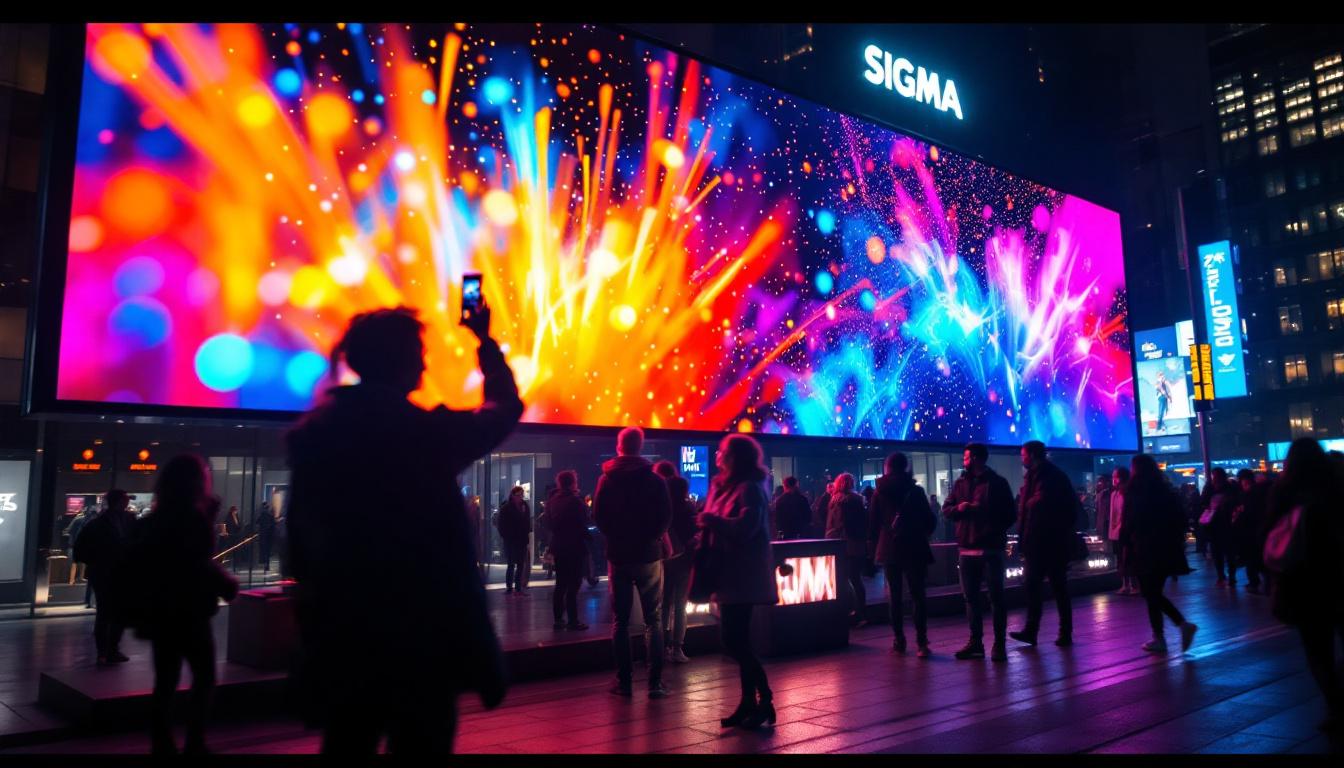
Outdoor LED billboards are among the most visible and effective advertising mediums today. Their brightness, dynamic content capabilities, and durability make them perfect for capturing the attention of passersby in busy urban environments.
According to a 2023 report by the Digital Signage Federation, LED billboards have increased advertising engagement rates by over 30% compared to static signs, highlighting their effectiveness.
Sports and Entertainment Venues
Stadiums and arenas use large LED screens to enhance the spectator experience by displaying live game footage, replays, and interactive content. These displays must be bright enough to compete with daylight and large enough to be seen from any seat.
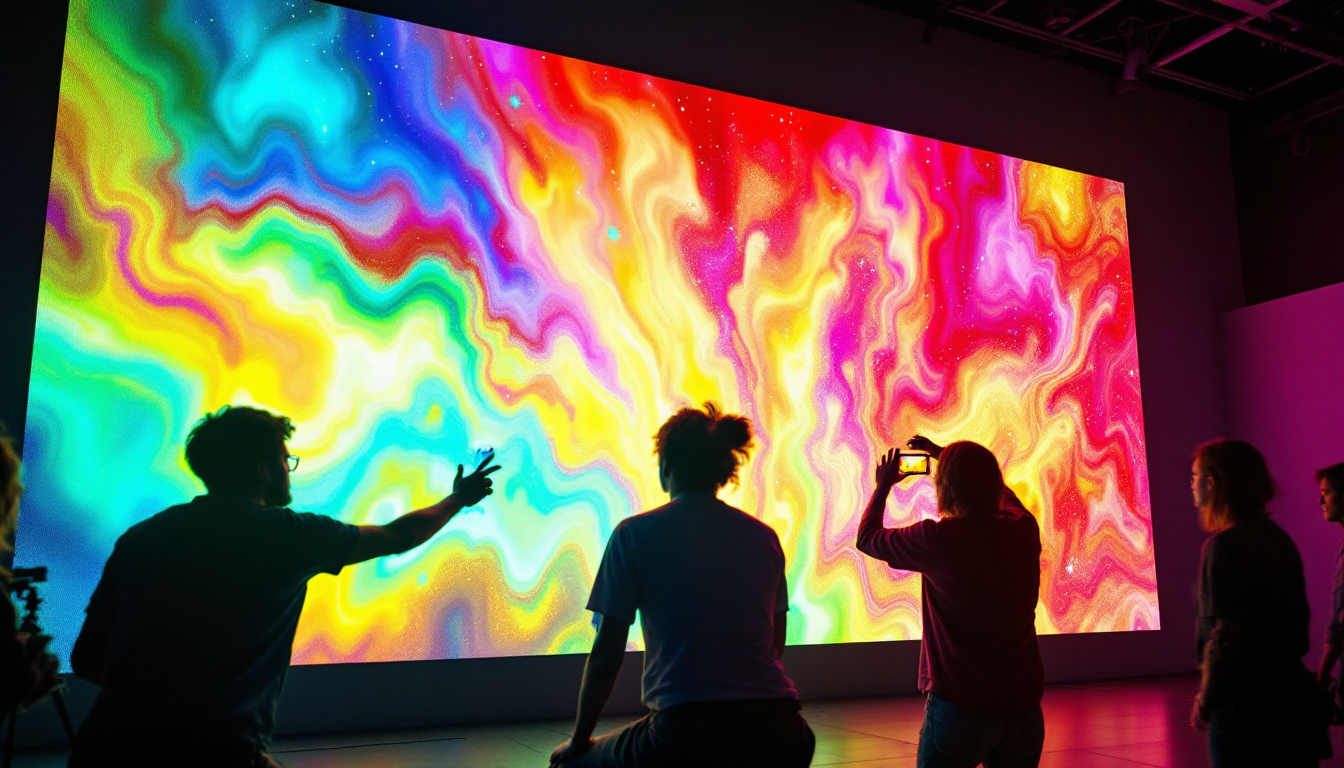
In entertainment, LED walls are used in concerts, theater productions, and film sets to create immersive backdrops and dynamic lighting effects.
Corporate and Control Room Environments
In corporate settings, LED video walls are used for presentations, video conferencing, and digital signage. Their high resolution and color accuracy ensure professional and impactful communication.
Control rooms in industries such as transportation, utilities, and security rely on LED displays for real-time monitoring of critical data, benefiting from their clarity and reliability.
Retail and Hospitality
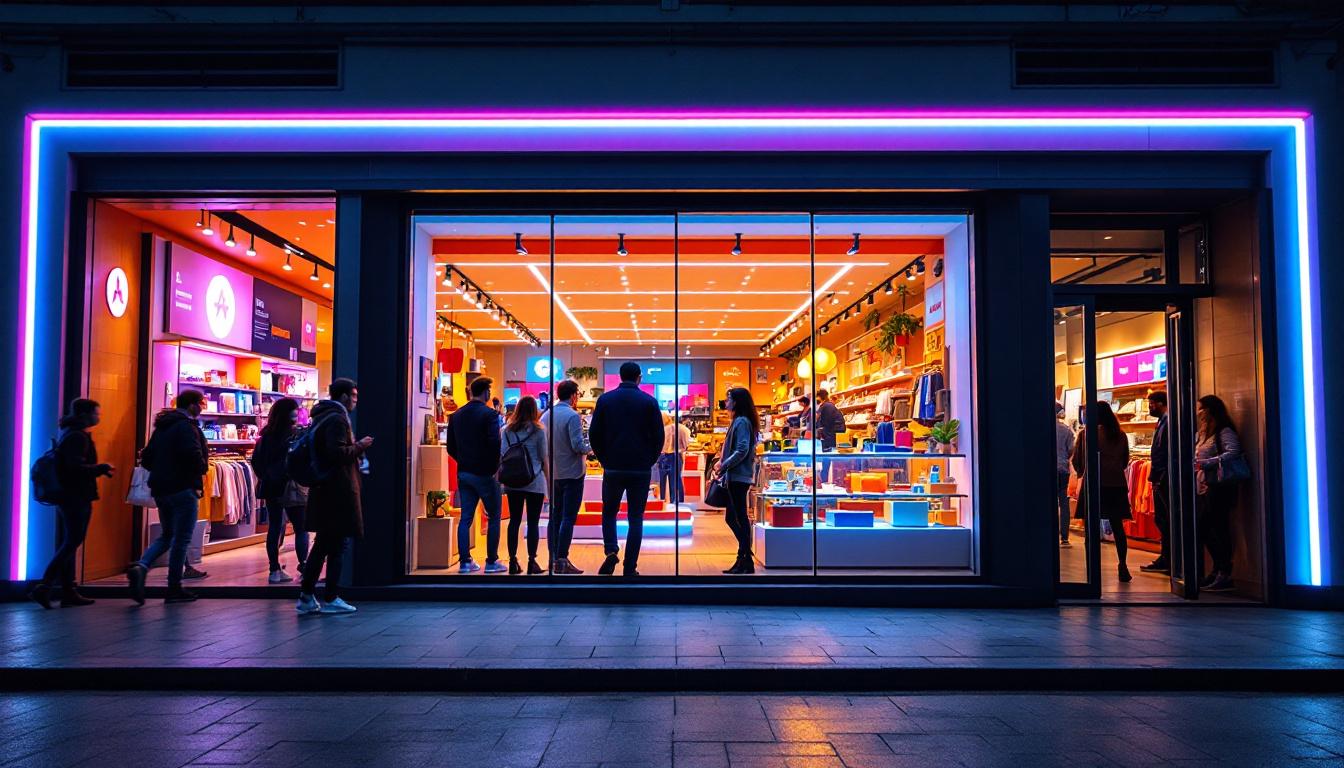
Retailers leverage LED displays to attract customers with dynamic promotions and interactive content. In hospitality, hotels and casinos use LED walls to create engaging environments and convey information to guests.
What Defines a Quality LED Display?
Not all LED displays are created equal. Several factors determine the quality and performance of an LED screen, influencing its suitability for specific applications and environments.
LED Chip Quality and Brand
The quality of the individual LED chips significantly affects the display’s brightness, color consistency, and lifespan. Premium brands invest in advanced manufacturing processes and rigorous testing to ensure reliability.
Lower-quality chips may degrade faster, leading to uneven brightness and color shifts over time.
Calibration and Color Uniformity
High-quality LED displays undergo meticulous calibration to ensure color uniformity across the entire screen. This process involves adjusting the intensity of each LED to prevent color discrepancies and maintain a seamless image.
Professional calibration tools and software are essential, especially for large video walls where inconsistencies are more noticeable.
Refresh Rate and Response Time
The refresh rate, measured in Hertz (Hz), indicates how many times per second the display updates its image. Higher refresh rates reduce flicker and motion blur, resulting in smoother visuals, particularly important for video playback and live broadcasts.
Response time, or how quickly an LED can change states, also impacts image clarity during fast-moving scenes.
Build Quality and Weather Resistance
For outdoor LED displays, build quality is critical. High-quality cabinets are sealed against dust and moisture, meeting IP65 or higher ratings to withstand harsh weather conditions.
Robust mechanical design ensures stability and ease of maintenance, which are vital for long-term operation.
Energy Consumption and Heat Management
Efficient energy use not only reduces operational costs but also minimizes heat generation, which can affect performance and longevity. Quality LED displays integrate advanced cooling systems and power management technologies to maintain optimal operating temperatures.
Emerging Trends and Future Outlook
LED display technology continues to evolve rapidly, driven by innovations that enhance performance and open new possibilities.
MicroLED and MiniLED Technologies
MicroLED displays, composed of microscopic LEDs, promise unparalleled brightness, contrast, and energy efficiency. While still expensive and complex to manufacture, they are expected to disrupt premium television and mobile device markets within the next few years.
MiniLED technology, which uses smaller LEDs for backlighting LCDs, offers improved contrast and local dimming capabilities at a more accessible price point, already gaining traction in high-end laptops and monitors.
Flexible and Transparent LED Displays
Flexible LED panels enable curved and foldable screens, expanding design possibilities for automotive, wearable, and architectural applications.
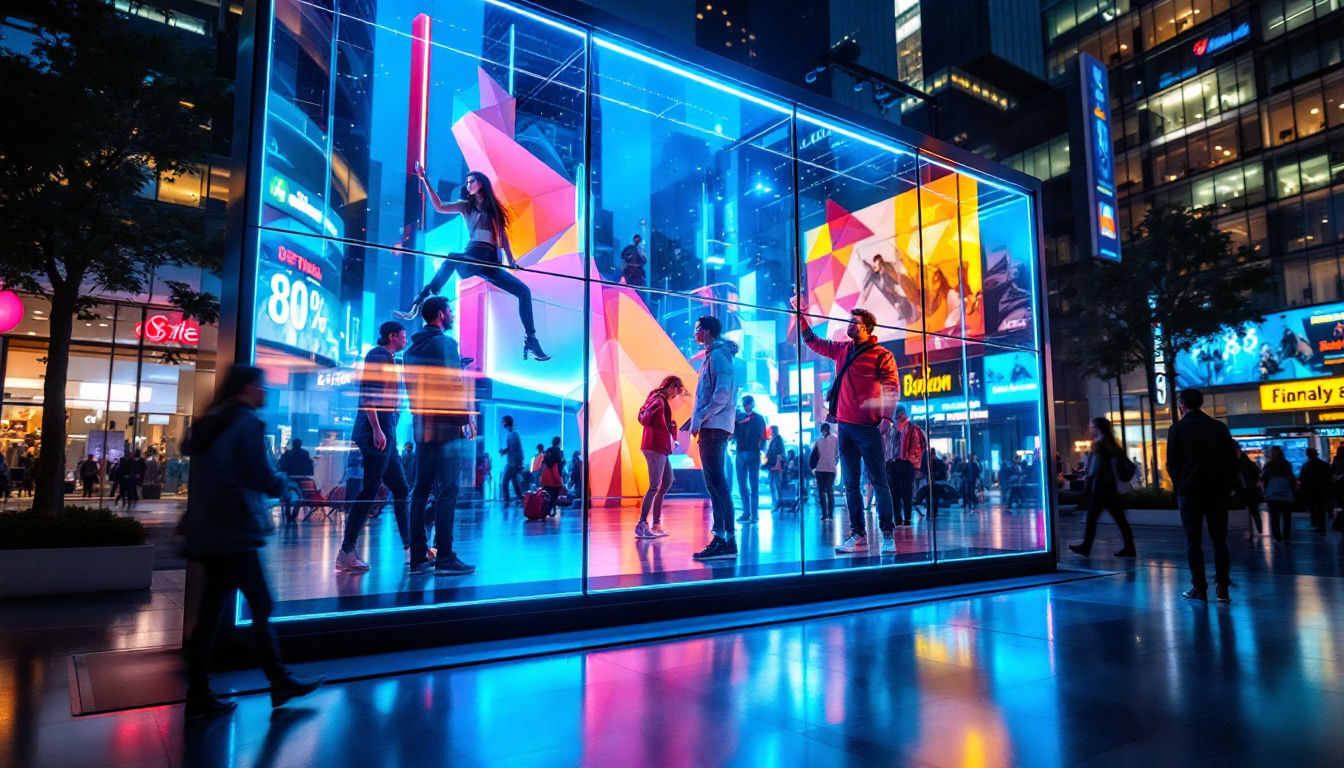
Transparent LED displays allow images to be projected on glass surfaces without obstructing views, ideal for retail windows and augmented reality experiences.
Integration with IoT and AI
Smart LED displays integrated with Internet of Things (IoT) sensors and artificial intelligence (AI) can adapt content dynamically based on audience demographics, weather, or time of day, enhancing engagement and efficiency.
Conclusion
LED displays have transformed the way information and entertainment are delivered across industries. Their superior brightness, color accuracy, energy efficiency, and adaptability make them the preferred choice for everything from massive outdoor billboards to intimate corporate video walls.
Understanding the underlying technology, key quality factors, and emerging trends empowers businesses and consumers to make informed decisions when selecting LED displays. As innovations like MicroLED and flexible panels mature, the future promises even more vibrant, immersive, and efficient visual experiences.
Investing in a quality LED display is not just about purchasing a screen; it’s about embracing a technology that elevates communication and engagement to new heights.
Discover LumenMatrix LED Display Solutions
Ready to elevate your visual experience with the latest in LED display technology? Look no further than LumenMatrix, where innovation meets excellence. Our diverse range of LED display modules, from Indoor and Outdoor LED Walls to specialized solutions like Vehicle and Sports Displays, is designed to captivate and engage your audience. Whether you’re looking to enhance brand visibility or create immersive environments, LumenMatrix is your partner in revolutionizing visual communication. Check out LumenMatrix LED Display Solutions today and transform your space with clarity and impact.