When shopping for large LED displays or televisions, size is often the first specification that catches the eye. A 75-inch LED display, for instance, is a popular choice for both home entertainment and professional use. But what does 75 inches actually mean in millimeters, and why is this conversion important? Understanding the dimensions and technology behind LED displays can help consumers and professionals make informed decisions about their purchases and installations.
Converting 75 Inches to Millimeters
To grasp the size of a 75-inch LED display, it’s essential to understand the conversion between inches and millimeters. Inches are a common unit of measurement in the United States and some other countries, while millimeters are part of the metric system used globally.
One inch is exactly 25.4 millimeters. Therefore, converting 75 inches to millimeters involves a simple multiplication:
75 inches × 25.4 mm/inch = 1905 mm
This means a 75-inch display has a diagonal measurement of approximately 1905 millimeters. This precise measurement is crucial for manufacturers, installers, and consumers who need to understand the physical size of the screen in metric terms.
Why Use Millimeters?
Millimeters provide a more granular and precise measurement compared to inches, which is especially useful in manufacturing and design. For example, when designing mounting brackets, wall mounts, or custom cabinetry, knowing the exact millimeter dimensions ensures a perfect fit. Additionally, many countries and industries standardize measurements in millimeters, making it the preferred unit for technical specifications.
Moreover, the use of millimeters can help avoid confusion that sometimes arises with inches, particularly in international contexts where both systems are in use. For instance, a 75-inch display might be specified in various documents, but when translated to millimeters, it eliminates ambiguity and enhances clarity. This is particularly important in industries such as automotive, aerospace, and electronics, where precision is paramount and even the smallest discrepancy can lead to significant issues in functionality or safety.
Furthermore, when discussing the specifications of a display, it’s not just the diagonal measurement that matters. The width and height of the screen, which can also be converted into millimeters, play a crucial role in determining how the display will fit into a designated space. For instance, a 75-inch screen typically has a width of about 66 inches (or approximately 1676 mm) and a height of about 37 inches (or roughly 940 mm). These dimensions are vital for ensuring that the display can be accommodated properly in a room, whether it’s for a home theater setup or a professional presentation space.
Understanding LED Display Sizes and Aspect Ratios
When referring to a 75-inch LED display, the measurement refers to the diagonal length of the screen, not the width or height. The actual width and height depend on the aspect ratio, which is the ratio of the width to the height of the display.
Common Aspect Ratios for LED Displays
The most common aspect ratio for modern LED TVs and monitors is 16:9. This widescreen format is standard for HDTVs, computer monitors, and many digital displays. However, other aspect ratios are also prevalent in different contexts. For example, the 4:3 aspect ratio was once the standard for older televisions and computer monitors, while the 21:9 ratio is increasingly popular for cinematic experiences and gaming, providing a more immersive field of view.
To calculate the width and height of a 75-inch 16:9 display in millimeters, the following formulas apply:
- Width = Diagonal × (16 / √(16² + 9²))
- Height = Diagonal × (9 / √(16² + 9²))
Using the diagonal in millimeters (1905 mm):
Calculate the denominator: √(16² + 9²) = √(256 + 81) = √337 ≈ 18.36
Width = 1905 × (16 / 18.36) ≈ 1905 × 0.8716 ≈ 1660 mm
Height = 1905 × (9 / 18.36) ≈ 1905 × 0.4903 ≈ 934 mm
So, a 75-inch LED display with a 16:9 aspect ratio measures approximately 1660 mm wide by 934 mm high.
Why Aspect Ratio Matters
The aspect ratio impacts how content is displayed. For instance, movies shot in 21:9 widescreen will show black bars on a 16:9 screen, while older 4:3 content may appear stretched or letterboxed. Understanding the physical dimensions helps in planning room layouts, seating distances, and mounting options to optimize viewing experience. Additionally, the choice of aspect ratio can influence the overall aesthetic of a space; a wider screen may create a more cinematic feel, while a taller screen could be more suitable for presentations or gaming, where vertical space is advantageous.
Moreover, the aspect ratio can also affect how we interact with digital content. For instance, in web design, a responsive layout must consider various screen sizes and aspect ratios to ensure that content is displayed correctly across devices. This adaptability is crucial in today’s multi-device world, where users may switch from a smartphone to a tablet or a large-screen TV, requiring seamless transitions in how information is presented. Thus, understanding aspect ratios not only enhances viewing pleasure but also informs design choices across various mediums.
LED Display Technology: What Makes a 75-Inch Screen Special?
LED displays have become the standard for large screens due to their brightness, energy efficiency, and slim design. A 75-inch LED display offers a balance between immersive viewing and manageable size for most living rooms, conference rooms, or commercial spaces. This size is particularly appealing for those who want a cinematic experience at home without overwhelming the room. The large screen allows for a more engaging viewing experience, whether you’re watching movies, playing video games, or giving presentations.
LED vs. Other Display Technologies
LED (Light Emitting Diode) displays use an array of LEDs as a backlight behind an LCD panel. This is different from OLED (Organic LED) displays, where each pixel emits its own light. Compared to older technologies like plasma or CCFL-backlit LCDs, LED displays provide better energy efficiency and longer lifespan. The advancements in LED technology have also led to improvements in color accuracy and contrast ratios, making it easier to enjoy vibrant images and deep blacks.
For large screens like 75 inches, LED technology allows for thinner panels and brighter images, making them suitable for both dark home theaters and well-lit office environments. Additionally, many modern LED displays come equipped with features like HDR (High Dynamic Range), which enhances the color and contrast even further, providing a more lifelike viewing experience. This versatility makes LED displays a popular choice across various settings, from casual home entertainment to professional presentations.
Resolution and Pixel Density
While size matters, resolution is equally important in determining image quality. A 75-inch display can come in various resolutions, such as Full HD (1920×1080), 4K Ultra HD (3840×2160), or even 8K (7680×4320). The choice of resolution can significantly impact the viewing experience, especially when it comes to detail and clarity. For instance, 4K resolution offers four times the pixel count of Full HD, allowing for more intricate details to be displayed, which is particularly beneficial for high-definition content.
Pixel density, measured in pixels per inch (PPI), affects the sharpness of the image. Larger screens with low resolution can appear pixelated when viewed up close. For a 75-inch display, 4K resolution is generally recommended to maintain crisp image quality at typical viewing distances. Moreover, as streaming services and gaming consoles increasingly support higher resolutions, investing in a 4K or even 8K display ensures that users can take full advantage of the latest content available. This not only enhances the viewing experience but also future-proofs the investment for years to come, making it a wise choice for tech-savvy consumers.
Practical Applications of 75-Inch LED Displays
The popularity of 75-inch LED displays spans various sectors, from home entertainment to professional use. Understanding their size in millimeters and technical specifications helps in selecting the right display for specific needs.
Home Entertainment
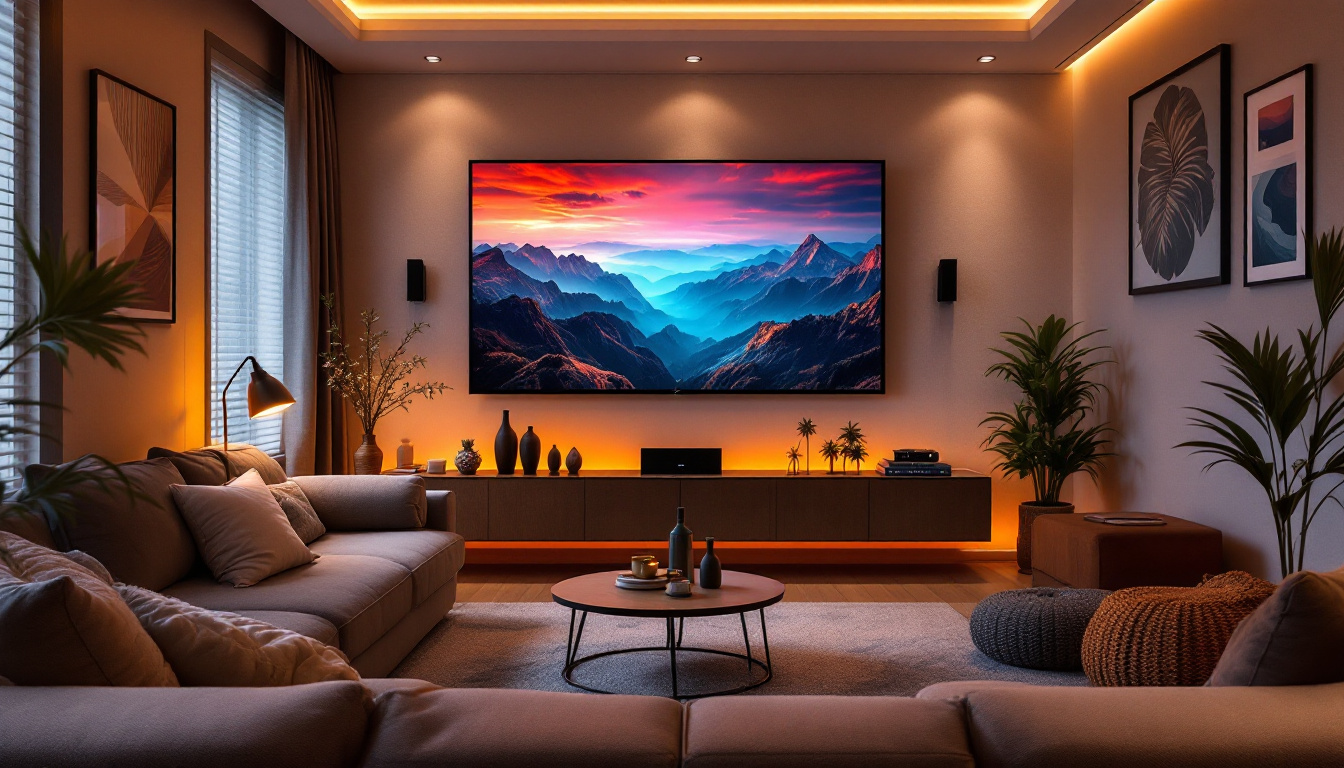
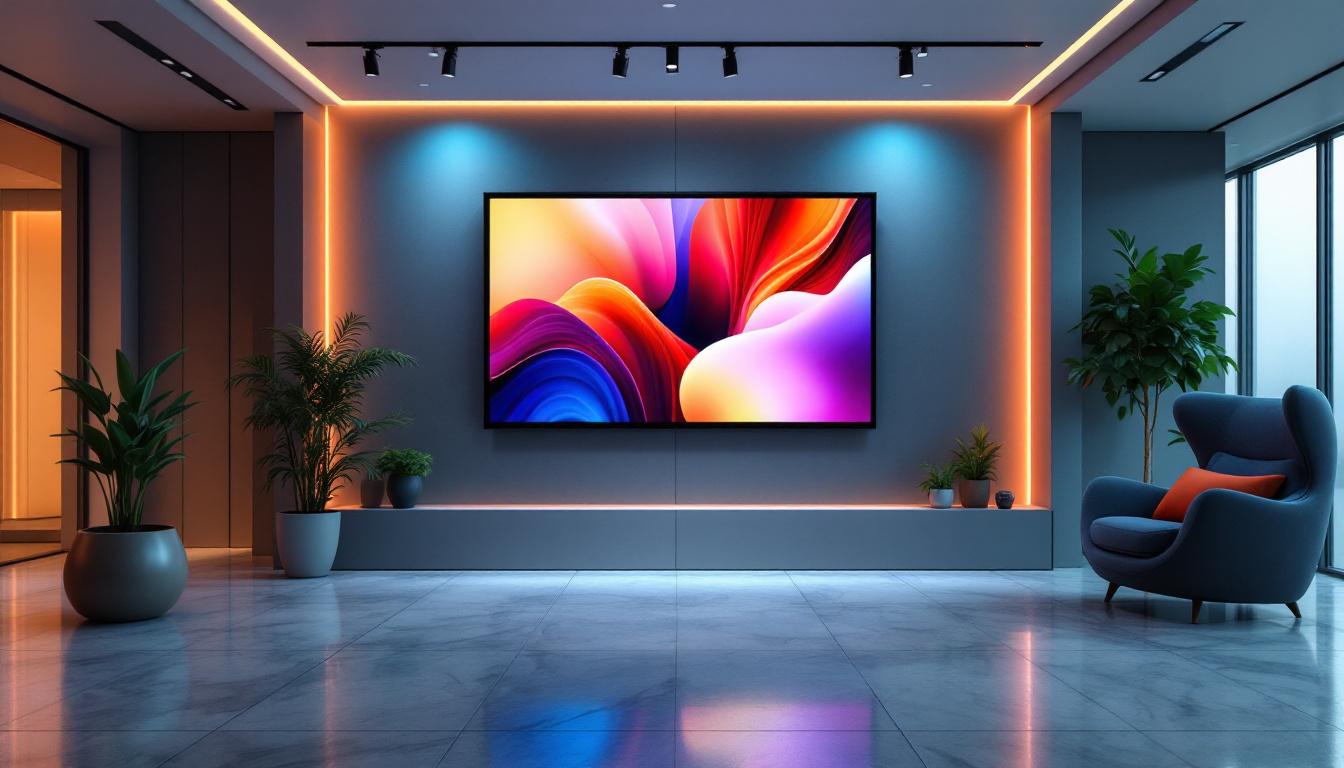
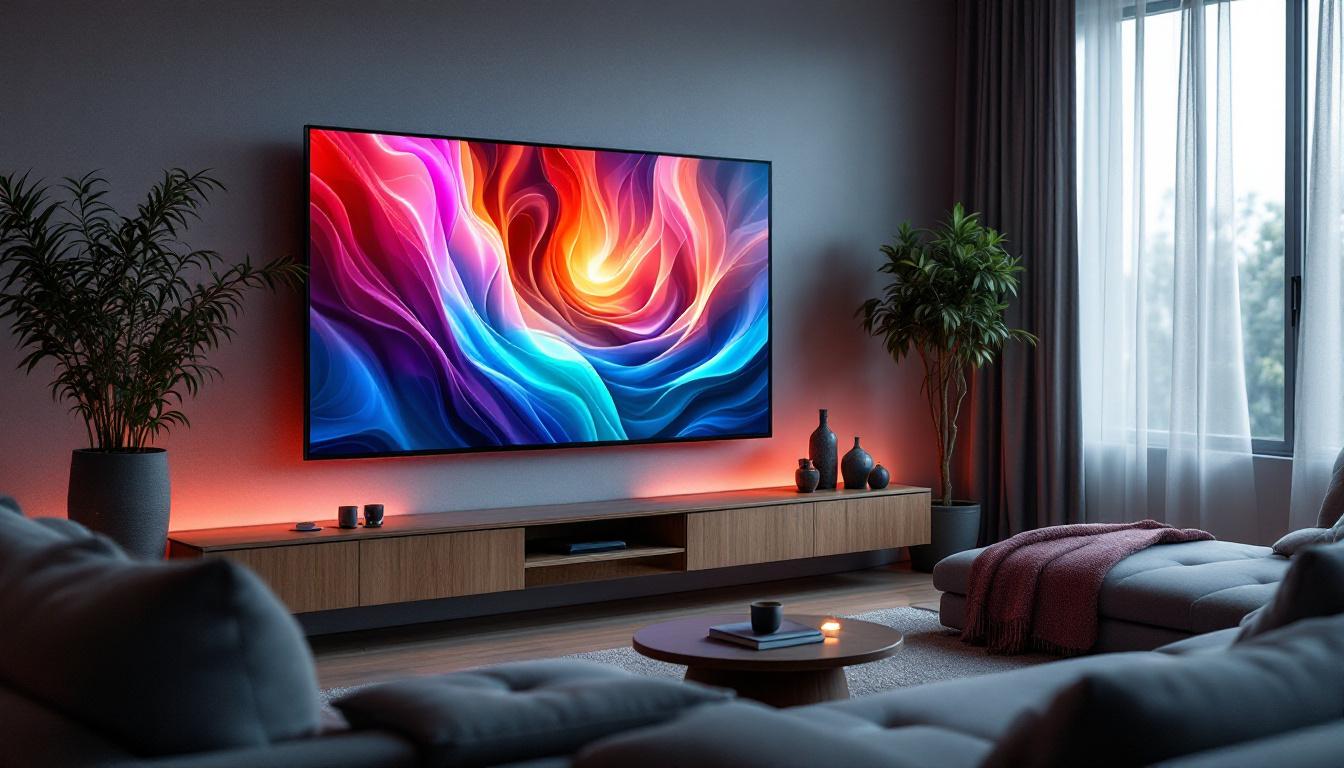
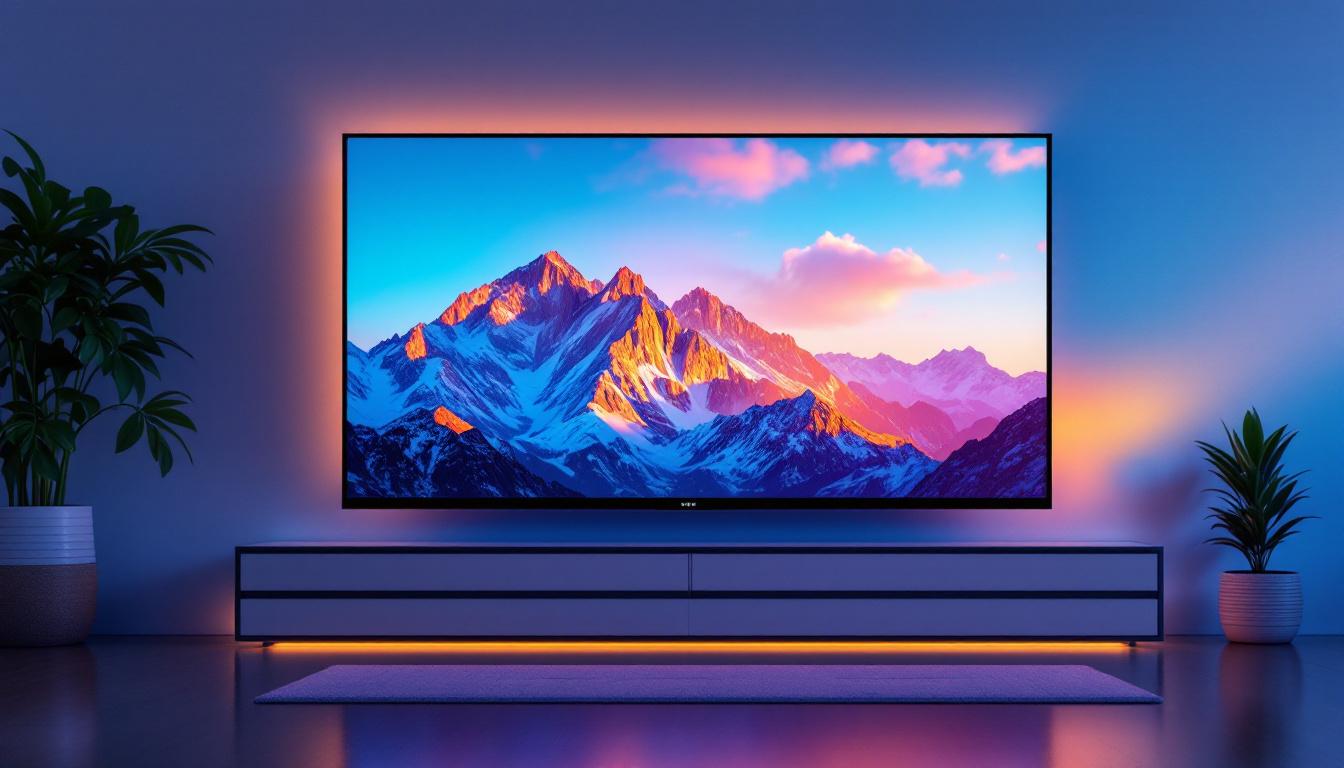
A 75-inch TV is ideal for large living rooms or dedicated home theater rooms. The size provides an immersive experience for watching movies, sports, and gaming. When combined with 4K resolution and HDR (High Dynamic Range), these displays deliver stunning picture quality.
Knowing the exact millimeter dimensions assists homeowners in planning furniture placement and ensuring the TV fits the available wall space or media console.
Corporate and Educational Settings
In offices and classrooms, 75-inch LED displays serve as digital whiteboards, presentation screens, or video conferencing monitors. Their large size ensures visibility for audiences even in large rooms.
Accurate size measurements in millimeters are critical for mounting equipment, integrating with other AV components, and meeting ergonomic standards.
Retail and Public Displays
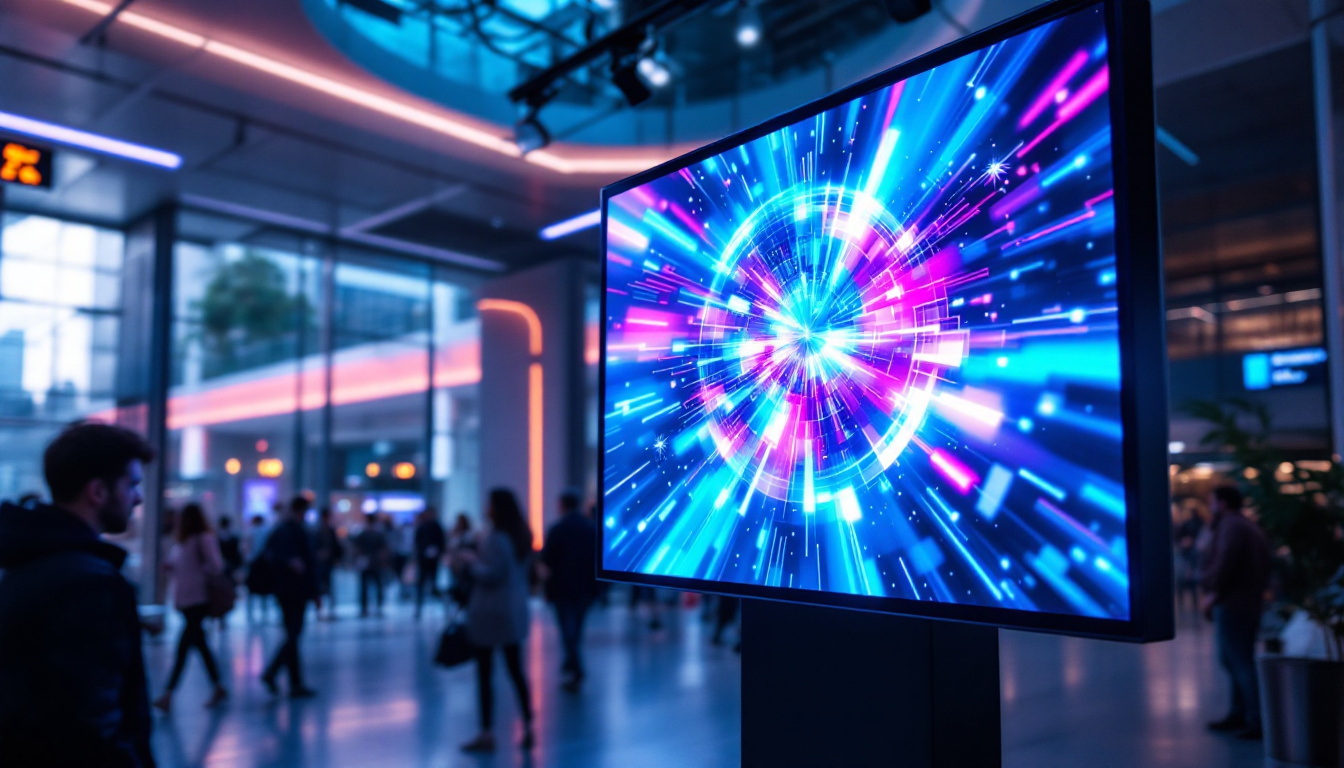
Retailers and event organizers use large LED displays for advertising, digital signage, and interactive kiosks. A 75-inch screen offers a balance between visibility and portability.
Millimeter precision is essential when designing display stands, enclosures, or multi-screen video walls to ensure seamless integration and aesthetic appeal.
Installation Considerations for 75-Inch LED Displays
Installing a 75-inch LED display requires careful planning, especially regarding space, mounting hardware, and viewing angles.
Wall Mounting and Space Requirements
Given the dimensions—approximately 1660 mm wide by 934 mm high—wall mounts must support the weight and size safely. Many manufacturers provide VESA (Video Electronics Standards Association) mounting patterns in millimeters, which specify the distance between mounting holes on the back of the display.
Ensuring compatibility between the wall mount and the display’s VESA pattern is crucial. Additionally, leaving adequate clearance around the display for ventilation and cable management is important to maintain performance and longevity.
Viewing Distance and Ergonomics
The ideal viewing distance for a 75-inch 4K display is generally between 1.5 to 3 meters (approximately 1500 to 3000 mm). Sitting too close can cause eye strain, while sitting too far reduces the immersive effect.
Understanding the millimeter dimensions helps in setting up seating arrangements and room layouts that maximize comfort and viewing quality.
Conclusion: The Importance of Understanding 75 Inches in Millimeters for LED Displays
Converting 75 inches to millimeters (1905 mm) provides a clearer understanding of the physical size of LED displays, which is essential for installation, design, and usage planning. Knowing the width and height based on aspect ratios further refines this understanding, enabling better decision-making for consumers and professionals alike.
LED technology continues to evolve, offering larger screens with higher resolutions and improved features. A 75-inch LED display strikes a practical balance between immersive size and manageable installation, making it a versatile choice across various applications.
By appreciating both the technical and practical aspects of 75-inch LED displays, users can ensure optimal viewing experiences and efficient integration into their environments.
Explore Cutting-Edge LED Displays with LumenMatrix
Ready to elevate your visual experience with the precision and clarity of a 75-inch LED display? Discover LumenMatrix’s innovative solutions tailored to your needs. From immersive Indoor LED Wall Displays to dynamic Outdoor LED Wall Displays, and from versatile Vehicle LED Displays to sleek LED Poster Displays, LumenMatrix is at the forefront of LED technology. Whether you’re looking to captivate audiences with LED Sports Displays, engage customers with Floor LED Displays, or customize your message with Custom LED Displays, LumenMatrix has the state-of-the-art technology to revolutionize your visual communication. Don’t miss out on the opportunity to transform your space with an All-in-One LED Display or LED Transparent Display. Check out LumenMatrix LED Display Solutions today and share your message with impact and clarity.