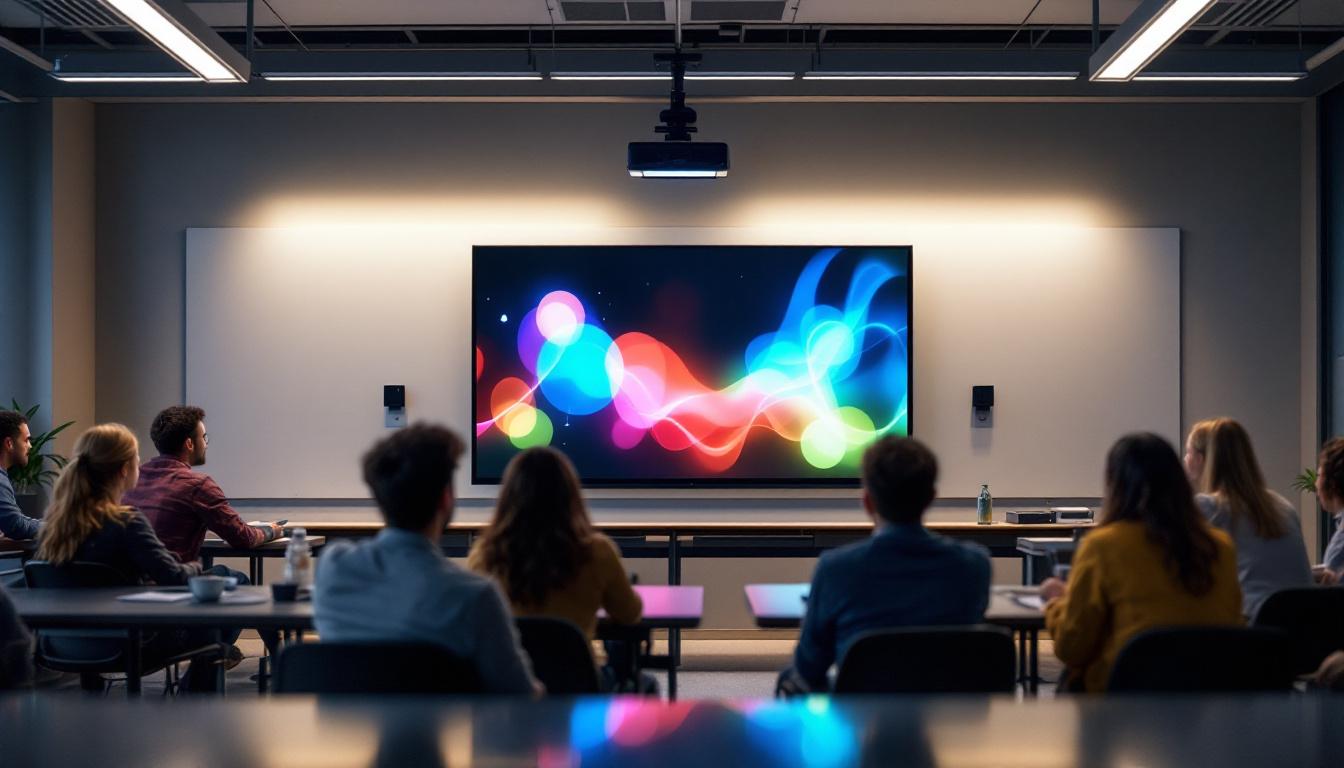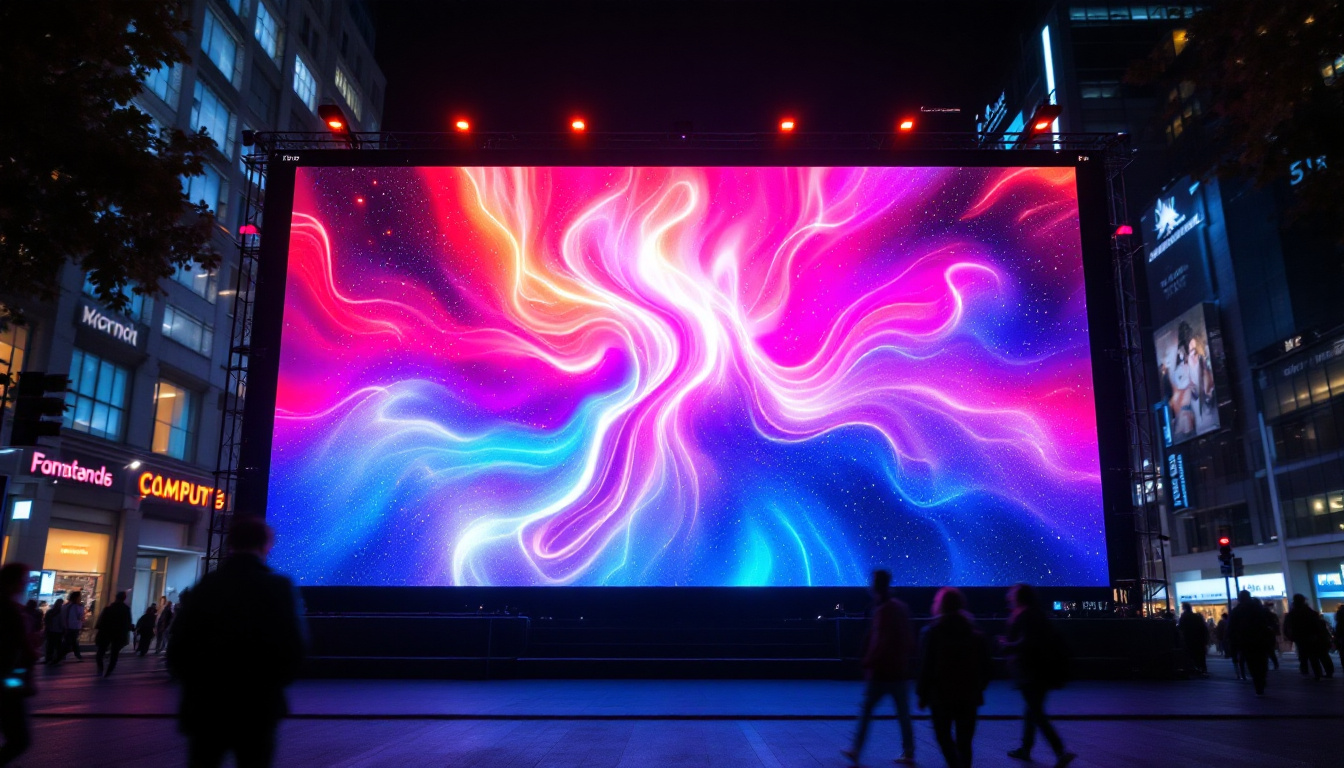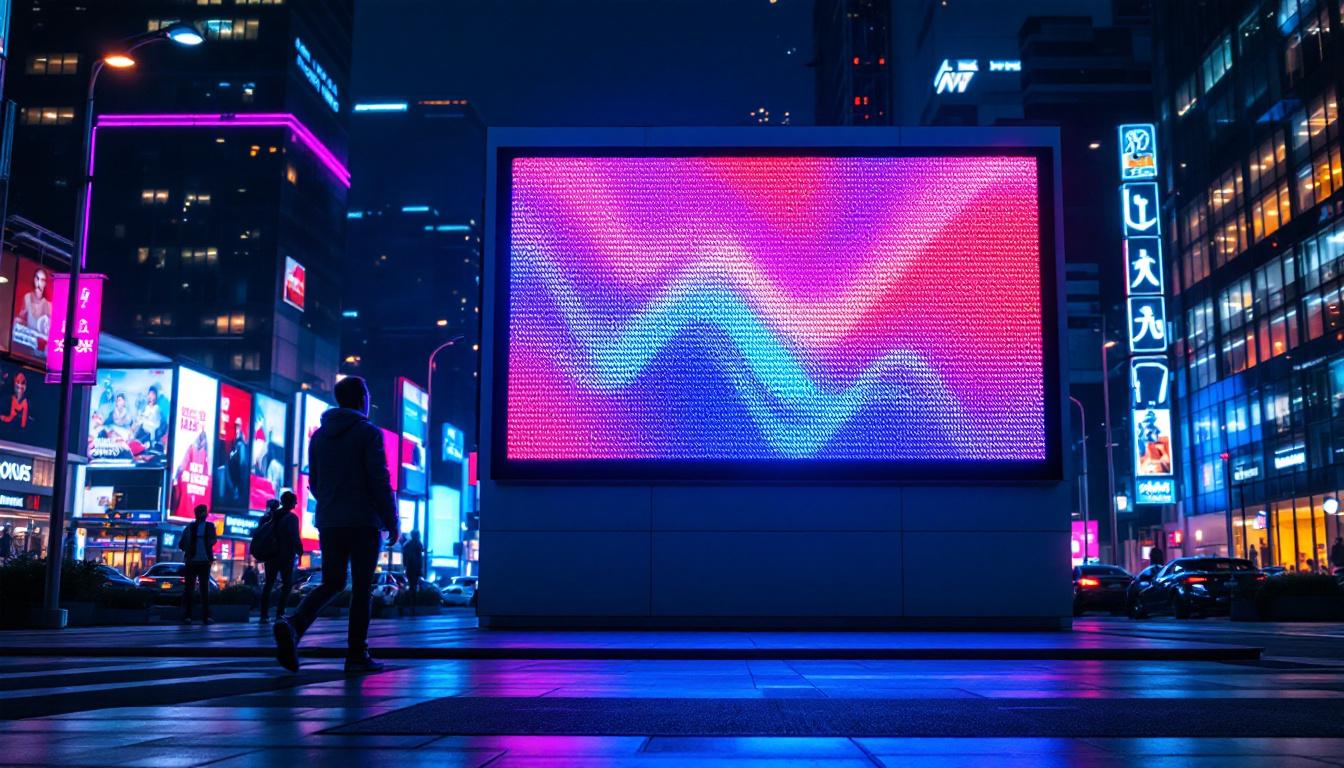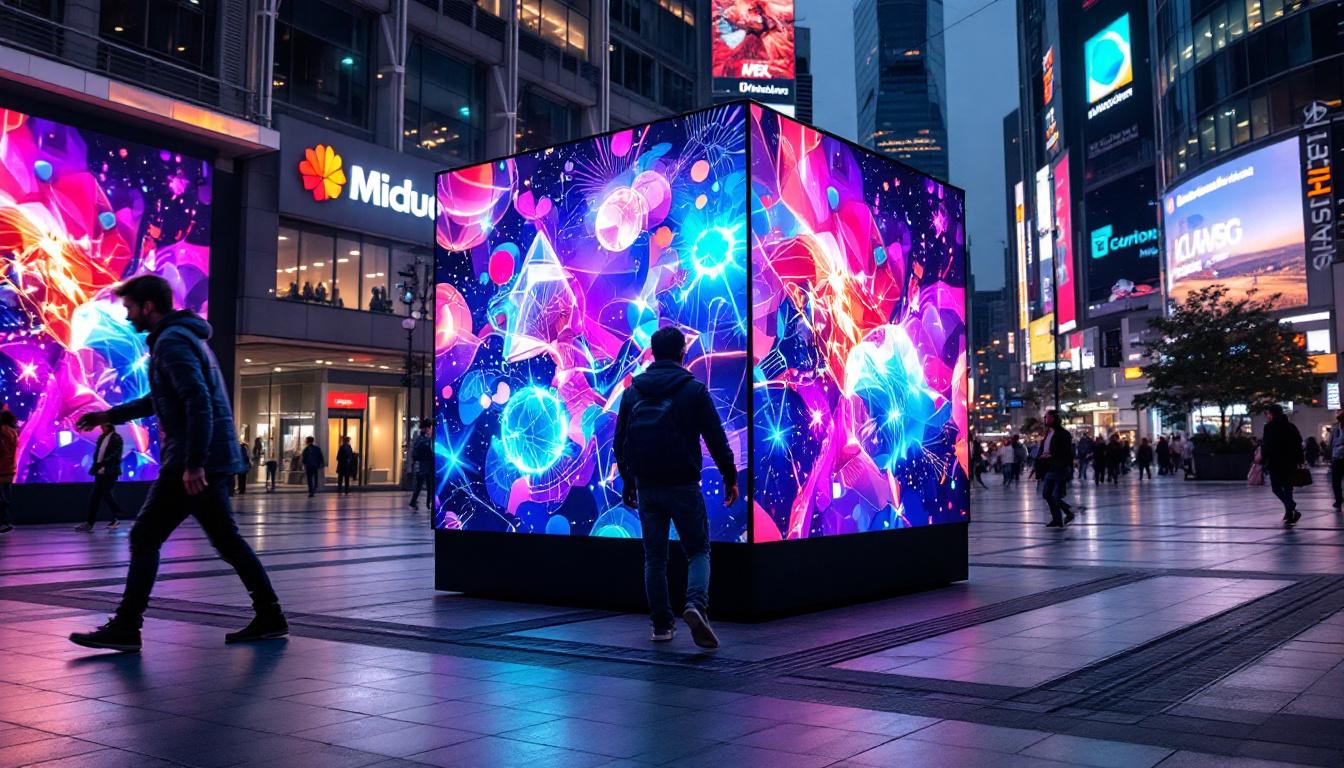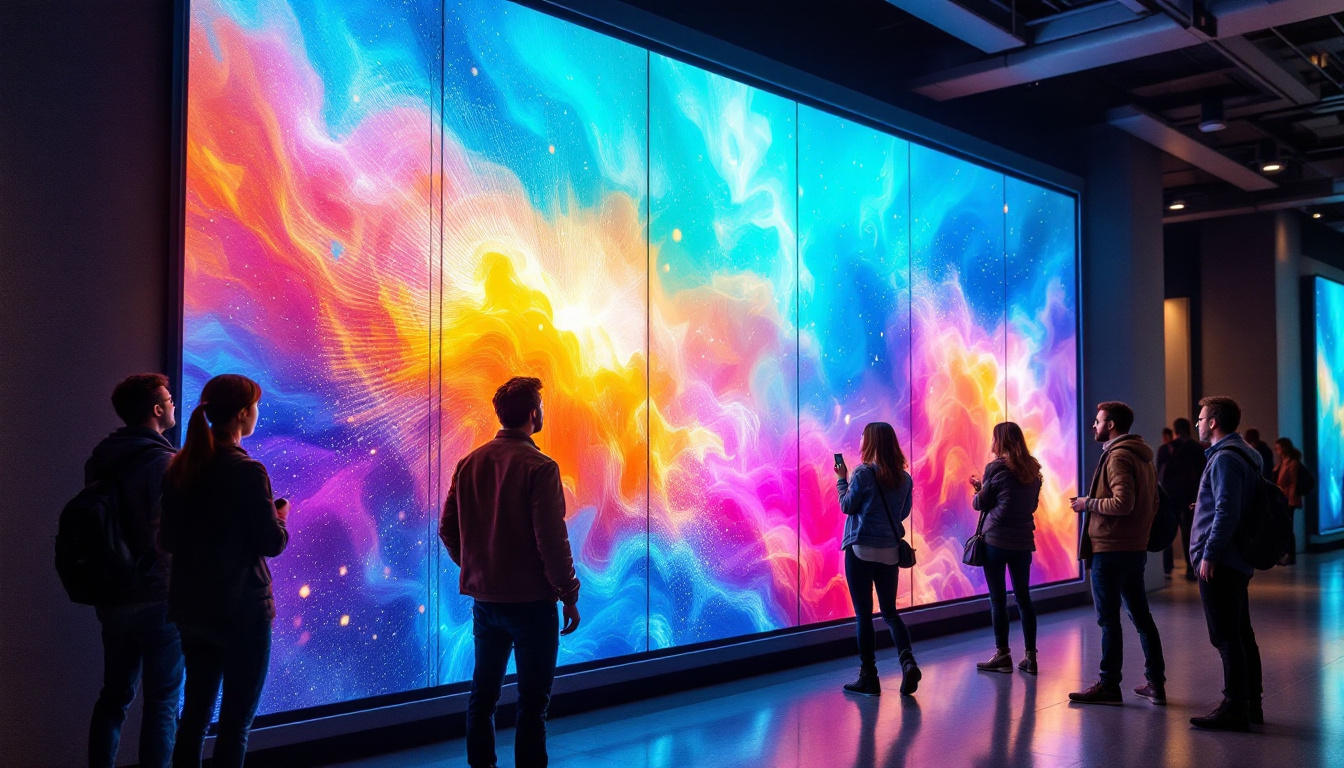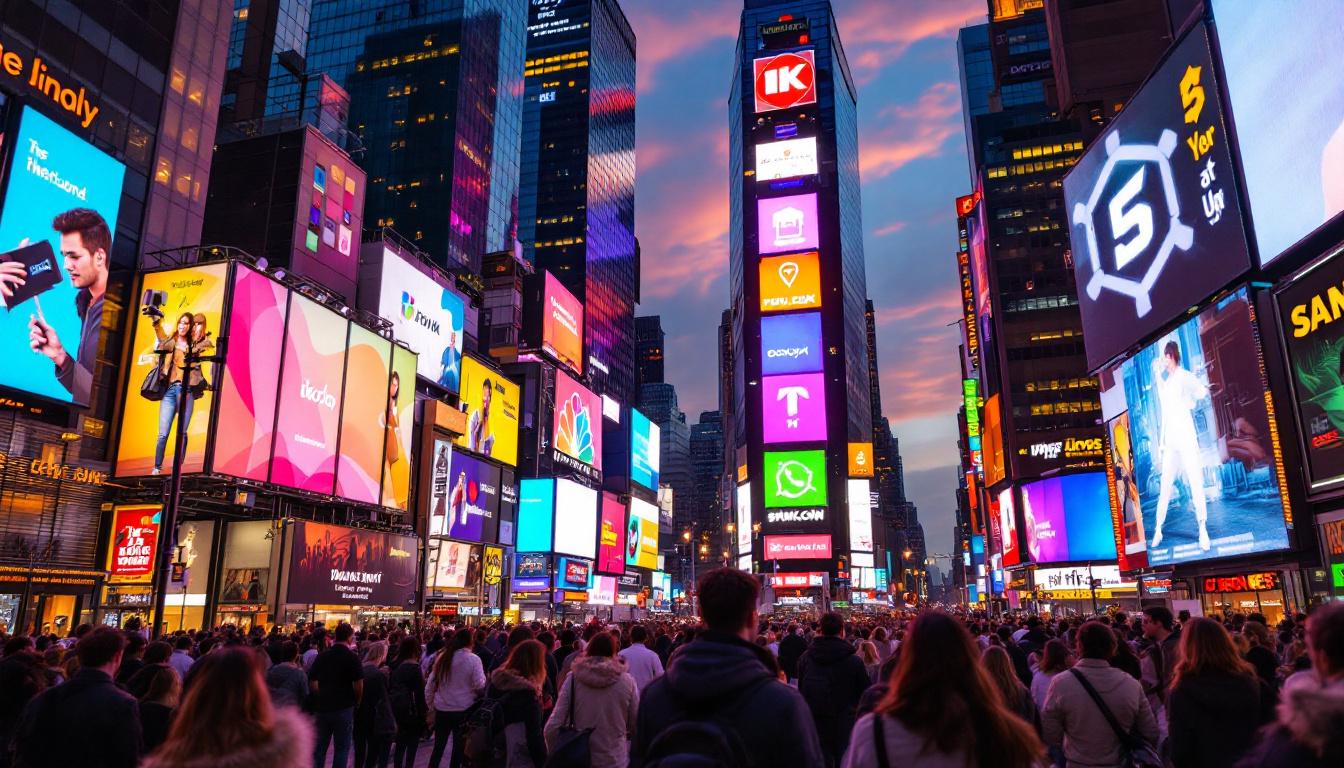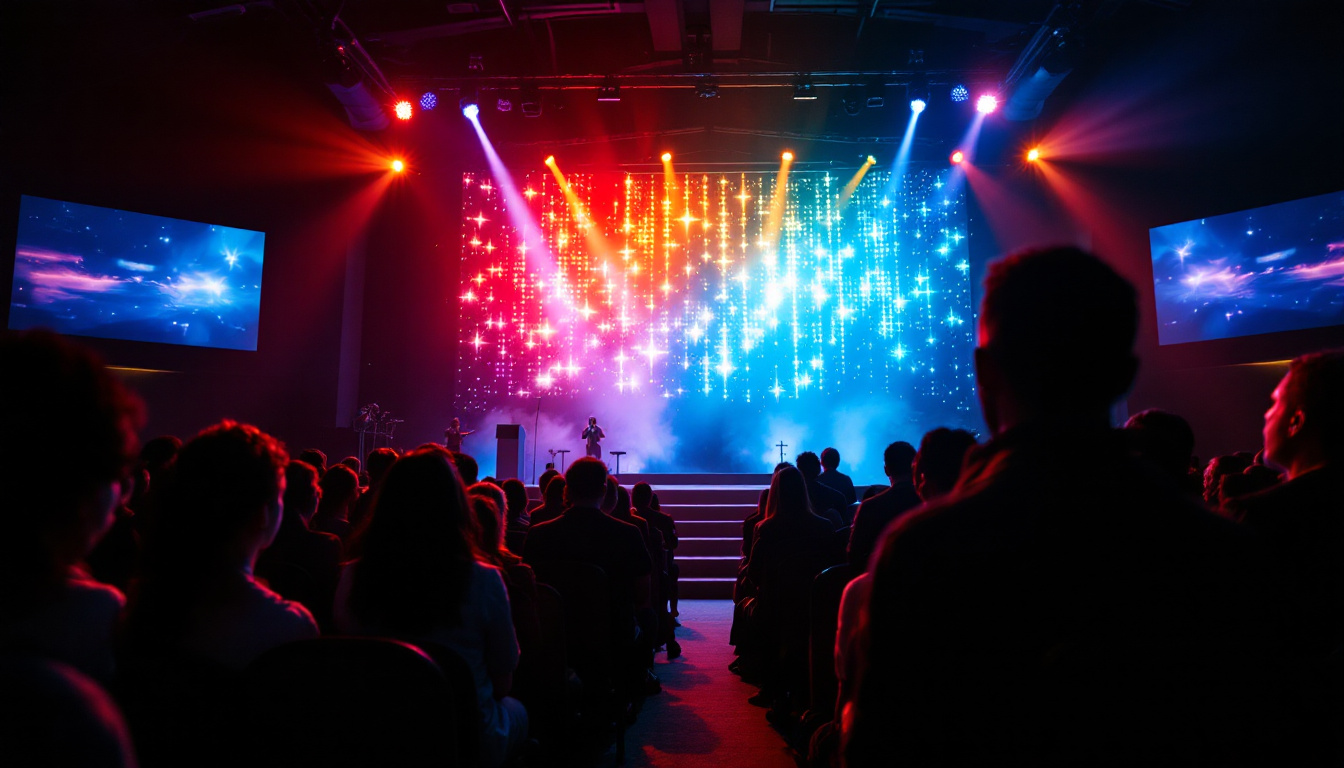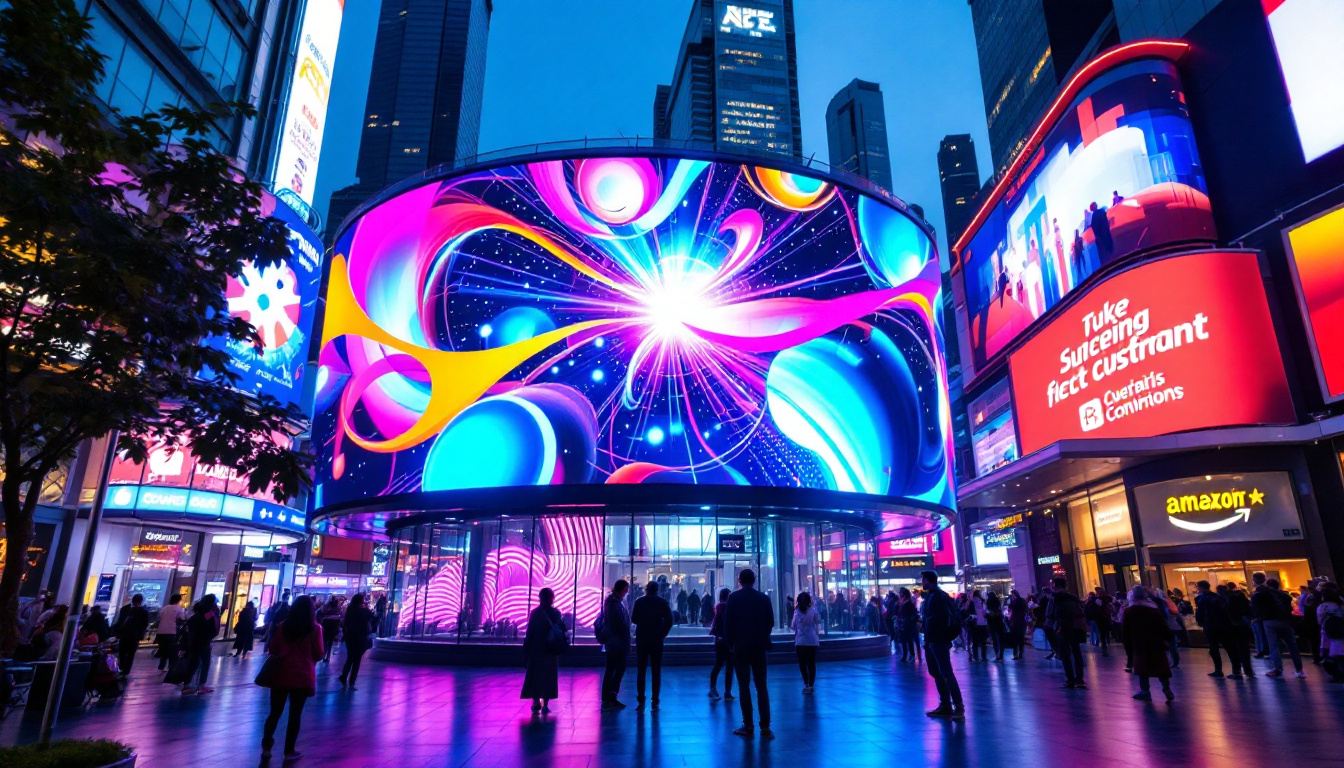
In today’s digital age, large-scale LED displays, commonly known as Jumbo Trons, have become iconic fixtures in sports arenas, concert venues, public squares, and advertising billboards worldwide. These massive screens captivate audiences with vibrant visuals and dynamic content, transforming the way information and entertainment are delivered in public spaces. However, for businesses, event organizers, and municipalities considering the installation of a Jumbo Tron, understanding the pricing structure and the technology behind LED displays is crucial.
This article delves into the factors influencing Jumbo Tron prices, the technology that powers these LED displays, and the considerations that impact investment decisions. Whether you are planning to purchase a Jumbo Tron for a stadium, retail environment, or outdoor advertising, this comprehensive guide will provide clarity on what to expect and how to make an informed choice.
Understanding Jumbo Tron Technology
What is a Jumbo Tron?
The term “Jumbo Tron” originally referred to the large video screens installed in sports stadiums, first popularized by Sony in the mid-1980s. Today, it broadly describes any large LED display screen used to show video, images, or live broadcasts in public venues. These screens have become a staple in various settings, from concert arenas to corporate events, enhancing the visual experience for audiences and providing dynamic content that can be updated in real-time.
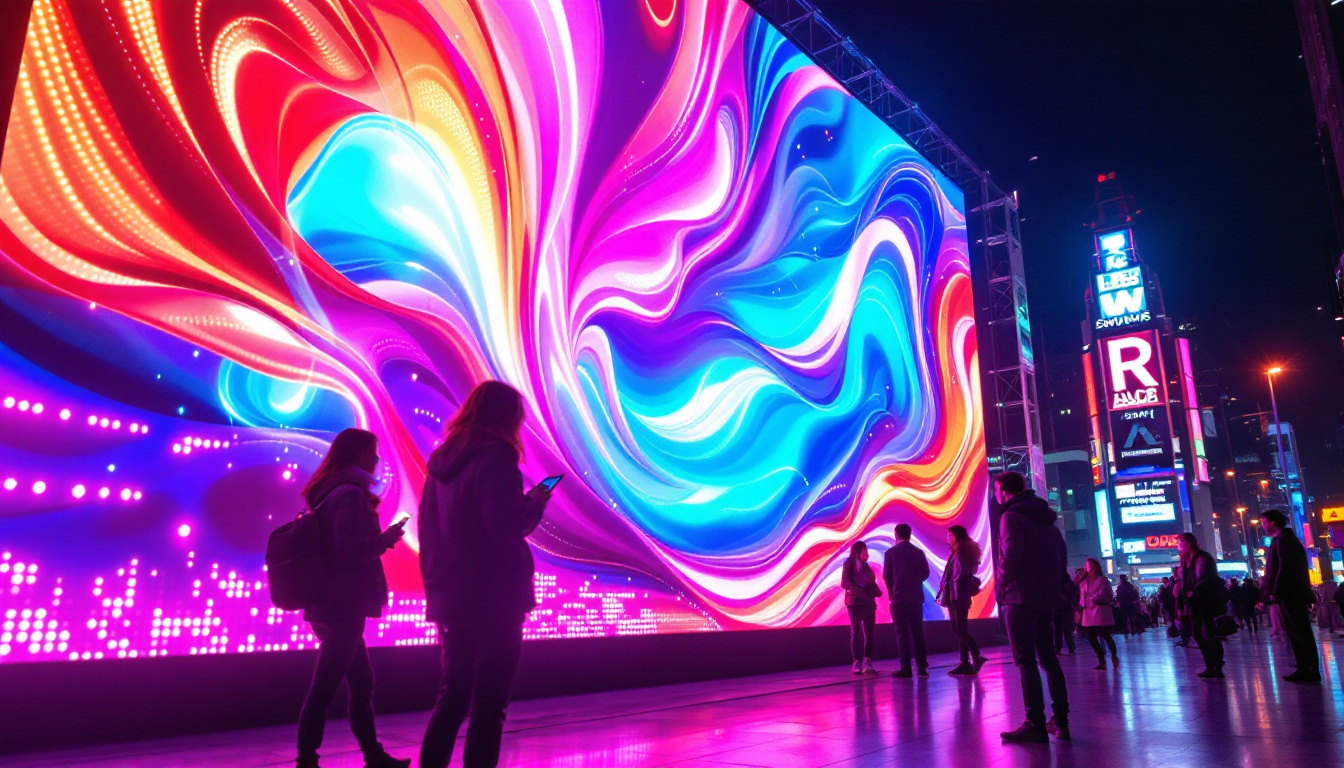
Unlike traditional projection screens or LCD panels, Jumbo Trons utilize LED (Light Emitting Diode) technology, which allows for bright, high-contrast images visible even in direct sunlight. This makes them ideal for outdoor use and large-scale indoor venues. The versatility of Jumbo Trons means they can be used for anything from displaying live sports scores to showcasing advertisements, making them a popular choice for advertisers looking to capture the attention of large crowds.
How LED Displays Work
LED displays consist of thousands to millions of tiny light-emitting diodes arranged in a grid. Each diode can emit red, green, or blue light, and by varying the intensity of each color, the display can produce a full spectrum of colors. The resolution and image quality depend on the pixel pitch—the distance between the centers of two adjacent pixels. This technology not only allows for vibrant visuals but also supports video playback at high frame rates, ensuring smooth motion that is crucial for sports and live events.
Smaller pixel pitches mean higher resolution and sharper images, suitable for close viewing distances, while larger pixel pitches are more cost-effective for displays viewed from afar. For example, a Jumbo Tron in a stadium might have a pixel pitch of 10mm to 20mm, whereas a billboard might use 20mm or larger. Furthermore, advancements in LED technology have led to the development of flexible and curved displays, allowing for creative installations that can fit various architectural designs and enhance the overall aesthetic of a venue.
Additionally, the integration of smart technology into Jumbo Trons has transformed how content is delivered. With the ability to connect to the internet, these displays can showcase real-time data, social media feeds, and interactive content, engaging audiences in new ways. For instance, during live events, viewers can participate in polls or contests displayed on the Jumbo Tron, creating a more immersive experience. This interactivity not only captivates the audience but also provides valuable analytics for event organizers and advertisers, making Jumbo Trons a powerful tool in modern communication and marketing strategies.
Factors Influencing Jumbo Tron Price
Size and Resolution
The most significant factor affecting the price of a Jumbo Tron is its size. Larger screens require more LED modules, controllers, and structural support, directly increasing costs. For instance, a 20-foot by 40-foot screen can cost several hundred thousand dollars, while smaller displays may be priced in the tens of thousands.
Resolution also plays a critical role. Higher resolution displays with smaller pixel pitches offer better image quality but come at a premium. A 4mm pixel pitch display will cost substantially more than a 20mm pitch display of the same size due to the increased number of LEDs and more complex manufacturing requirements. The clarity and detail provided by high-resolution screens make them particularly appealing for high-profile events, such as concerts and sports games, where visual impact is paramount. This demand for superior image quality can drive prices even higher, as event organizers seek to create memorable experiences for their audiences.
Indoor vs. Outdoor Displays
Outdoor Jumbo Trons are generally more expensive than indoor models because they must be weatherproof and durable against elements such as rain, wind, dust, and temperature fluctuations. They often include additional features like waterproof enclosures, cooling systems, and anti-glare coatings. These enhancements not only increase the initial cost but also contribute to the longevity and reliability of the display, making them a worthwhile investment for businesses and venues that rely on outdoor advertising or entertainment.
Indoor displays, while less expensive, require careful consideration of ambient lighting and viewing angles. They typically have higher resolution but do not need the ruggedness of outdoor units. The design of indoor Jumbo Trons can also vary significantly, with options for curved screens or modular designs that allow for creative configurations in unique spaces. This versatility can add to the overall cost, as custom solutions often require specialized engineering and installation services to achieve the desired aesthetic and functionality.
Brightness and Viewing Distance
Brightness is measured in nits, and outdoor Jumbo Trons usually require brightness levels between 5,000 to 7,000 nits to remain visible in direct sunlight. Higher brightness levels increase power consumption and cost but are essential for clear visibility in bright environments. In contrast, indoor displays may operate effectively at lower brightness levels, allowing for cost savings while still providing vibrant visuals in controlled lighting conditions. The choice of brightness also impacts the overall energy efficiency of the display, which can be an important consideration for environmentally conscious organizations.
The intended viewing distance also influences pricing. Displays designed to be viewed from hundreds of feet can afford a larger pixel pitch, reducing cost, while displays meant for close-up viewing need higher resolution and thus higher prices. This relationship between pixel pitch and viewing distance is crucial for ensuring that the audience can appreciate the content being displayed without distortion or pixelation. As technology advances, new innovations in pixel density and display technology are continually reshaping the landscape, offering more options for consumers and businesses alike.
Installation and Structural Costs
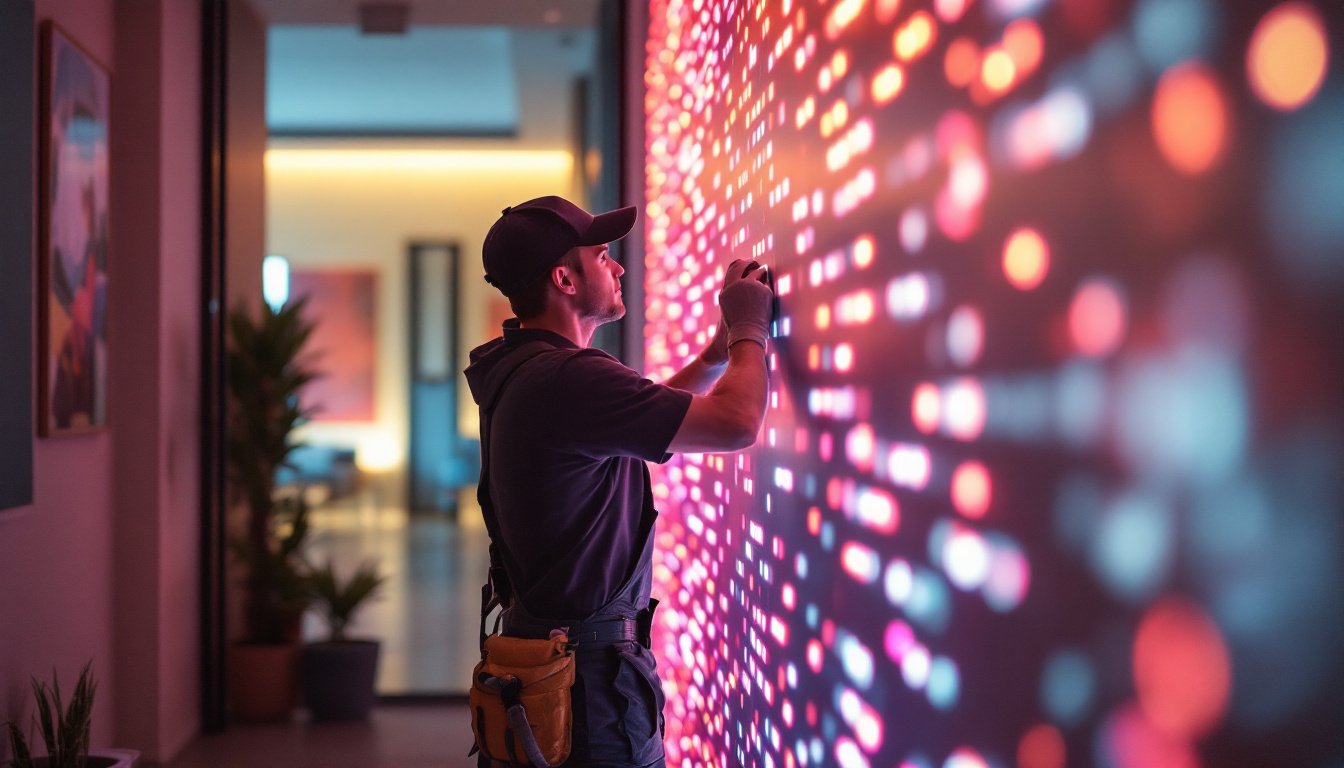
Beyond the screen itself, installation costs can be substantial. This includes mounting structures, electrical wiring, video processing equipment, and labor. For very large Jumbo Trons, custom engineering may be necessary to ensure the structure can support the weight and withstand environmental forces. The complexity of the installation process can vary significantly based on the location and intended use of the display, with some installations requiring extensive planning and coordination with local authorities to meet safety regulations.
Additionally, ongoing maintenance and operational costs should be factored into the total investment. LED modules may require replacement over time, and software updates or content management systems might incur additional fees. Regular maintenance is essential to ensure optimal performance and longevity, as neglecting these aspects can lead to costly repairs or diminished visual quality. Furthermore, many companies are now offering service contracts that include routine checks and emergency repairs, which can provide peace of mind for owners and operators who rely on these displays for their daily operations and marketing efforts.
Typical Price Ranges for Jumbo Trons
Small to Medium-Sized Displays
For businesses or venues looking for smaller Jumbo Trons, such as those measuring around 10 feet by 20 feet, prices typically range from $50,000 to $150,000. These displays are suitable for indoor arenas, retail spaces, or small outdoor advertising.
They often feature pixel pitches between 4mm and 10mm, balancing resolution and cost. Installation expenses for these sizes are generally moderate but vary depending on site conditions.
Large-Scale Stadium and Outdoor Screens
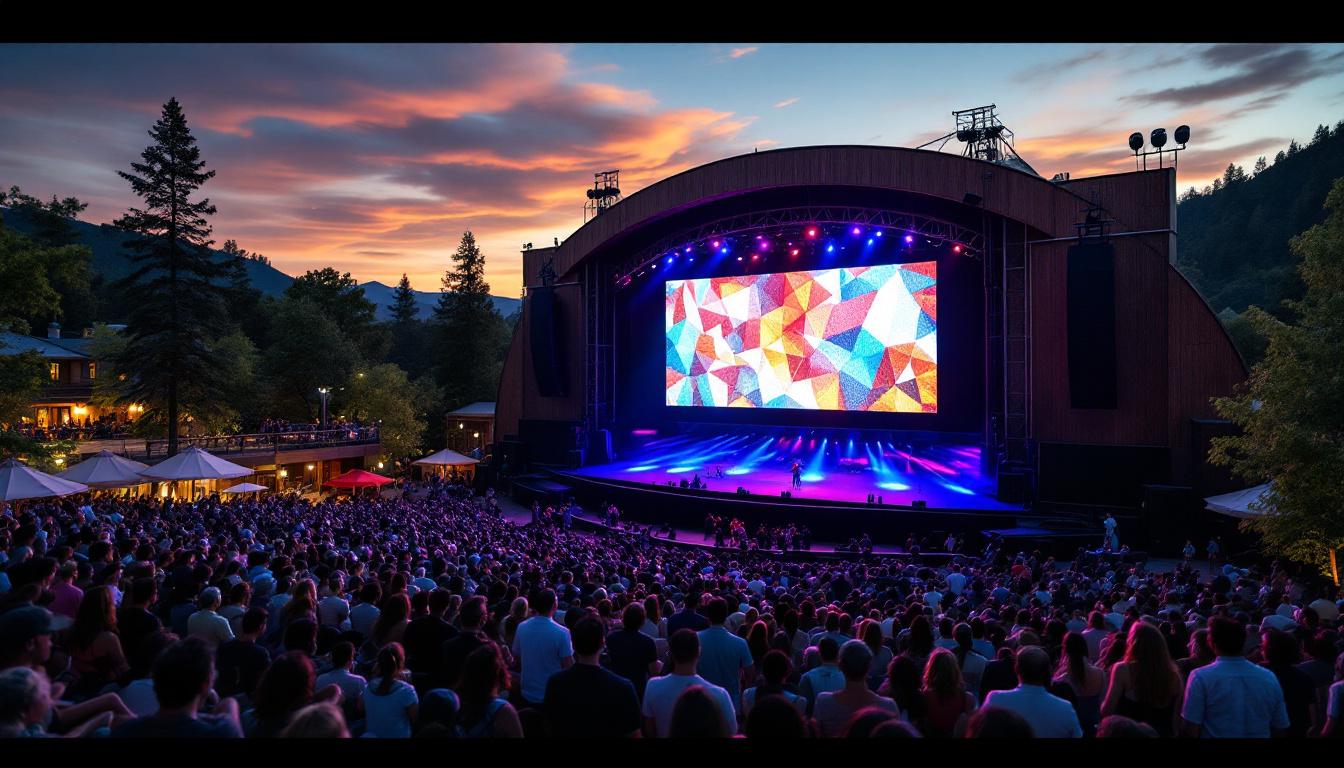
Large stadium screens, often exceeding 20 feet by 40 feet, can cost anywhere from $250,000 to over $1 million. The exact price depends on pixel pitch, brightness, and additional features such as 3D capabilities or interactive touch technology.
For example, the massive LED display at a major sports stadium might feature a 10mm pixel pitch, 7,000 nits brightness, and advanced control systems, pushing the price toward the higher end of the spectrum.
Custom and Specialty Jumbo Trons
Some projects require custom-shaped or curved Jumbo Trons, integration with architectural elements, or ultra-high resolution for close viewing. These specialty displays can exceed $2 million, including design, manufacturing, and installation.
Such investments are common in flagship retail locations, high-profile event venues, or landmark public installations where visual impact and uniqueness are paramount.
Additional Considerations When Purchasing a Jumbo Tron
Content Management and Software
Owning a Jumbo Tron is not just about the hardware. Content management systems (CMS) enable operators to schedule, update, and control the displayed content remotely. Some CMS platforms are included with the purchase, while others require subscription fees or licensing.
Choosing a user-friendly and flexible CMS is vital for maximizing the value of the display, especially for advertising or event-driven content that changes frequently.
Energy Consumption and Sustainability
LED displays consume significant power, especially large outdoor units with high brightness. Energy-efficient models and smart power management can reduce operational costs and environmental impact. Some manufacturers offer eco-friendly options or certifications that may align with corporate sustainability goals.
Warranty and Support Services
Given the high cost and technical complexity of Jumbo Trons, warranty coverage and after-sales support are critical. Typical warranties range from 1 to 3 years, covering parts and labor. Extended warranties and service contracts can provide peace of mind and protect the investment over time.
It is advisable to work with reputable manufacturers and installers who offer comprehensive support and have proven track records.
Conclusion: Making an Informed Investment
Jumbo Trons represent a significant investment with the potential to transform audience engagement, brand visibility, and event experiences. Understanding the technology, pricing factors, and operational considerations is essential for making a smart purchase decision.
By carefully evaluating size, resolution, location, brightness, and installation requirements, stakeholders can select a Jumbo Tron that meets their needs and budget. Additionally, factoring in content management, energy use, and support services will ensure the display remains a valuable asset for years to come.
Whether for a sports arena, commercial advertising, or public information display, Jumbo Trons continue to redefine how large-format visual communication captivates and informs audiences worldwide.
Discover LumenMatrix’s Advanced LED Solutions
Ready to elevate your space with a cutting-edge Jumbo Tron that meets your specific needs? LumenMatrix, a pioneer in LED display technology, offers a wide array of solutions tailored to create unforgettable visual experiences. From vibrant Indoor and Outdoor LED Wall Displays to dynamic Vehicle and Sports LED Displays, our innovative products are designed to captivate your audience and amplify your message. Explore our versatile range, including LED Poster Displays, Floor LED Displays, Custom LED Solutions, All-in-One LED Displays, and LED Transparent Displays. Embrace the future of visual communication with LumenMatrix and Check out LumenMatrix LED Display Solutions today.