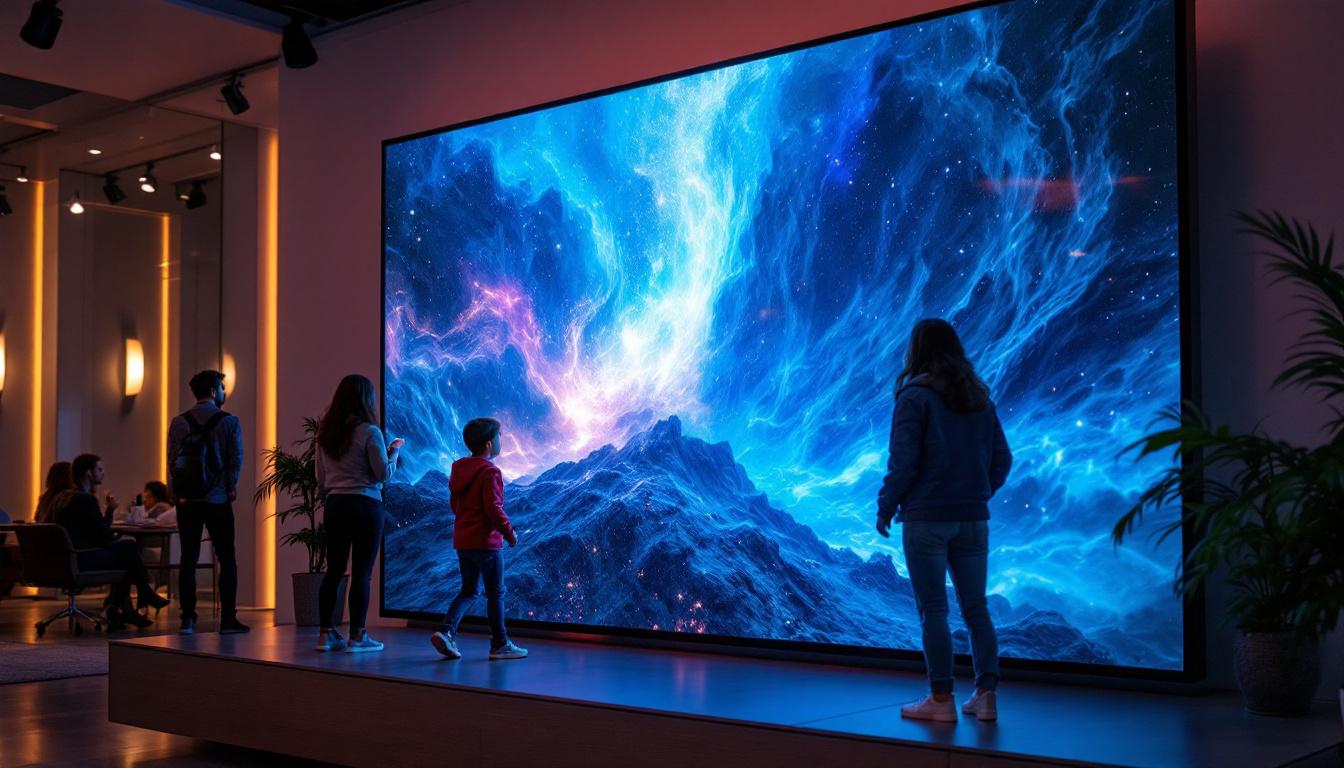
In recent years, the term “4K” has become synonymous with high-quality visual experiences, especially in televisions, monitors, and digital signage. However, when it comes to LED displays, understanding what 4K ratio truly means and how it impacts image quality can be somewhat complex. This article aims to demystify the 4K ratio in LED displays by exploring its technical foundations, practical applications, and why it matters for consumers and professionals alike.
Understanding 4K Resolution and Aspect Ratio
What Does 4K Mean?
4K resolution refers to a display resolution with approximately 4,000 pixels across the horizontal axis. The most common 4K standard in consumer electronics is 3840 x 2160 pixels, which is exactly twice the 1080p Full HD resolution in both width and height, resulting in four times the total pixel count. This higher pixel density allows for sharper images, finer details, and more immersive viewing experiences. The leap from 1080p to 4K is not just about the number of pixels; it also enhances color depth and contrast, offering a more vibrant and lifelike image. This is particularly noticeable in high-definition content, where the subtleties of shadows and highlights can be rendered with greater precision.
It’s important to note that 4K is not a single fixed resolution but rather a category encompassing various standards. For example, Digital Cinema Initiatives (DCI) specifies a 4K resolution of 4096 x 2160 pixels, which is slightly wider than the consumer 4K standard. These variations are often referred to as “Ultra HD” (UHD) for consumer devices and “True 4K” for cinema-grade displays. The distinction between these resolutions is particularly relevant for filmmakers and content creators, as the choice of resolution can impact the final output quality and the viewing experience in theaters versus home environments. As 4K technology continues to evolve, we can expect even higher resolutions, such as 8K, to emerge, pushing the boundaries of visual fidelity even further.
The Role of Aspect Ratio in 4K Displays
Aspect ratio is the proportional relationship between a display’s width and height. The most common aspect ratio for 4K displays is 16:9, which corresponds to the 3840 x 2160 resolution. This ratio has become the industry standard for televisions, computer monitors, and streaming content. However, other aspect ratios such as 21:9 (ultrawide) and 4:3 (classic TV and some professional monitors) exist and influence how 4K content is displayed. The choice of aspect ratio can significantly affect the cinematic experience, especially in genres like action and drama, where wider frames can enhance the storytelling by providing a more expansive view of the scene.
Understanding the aspect ratio is crucial because it affects how content fits on the screen. For example, displaying a movie shot in 21:9 on a 16:9 4K display will result in black bars (letterboxing) to preserve the original image without distortion. Conversely, stretching content to fit an incompatible aspect ratio can degrade image quality and viewer experience. Additionally, as more content is produced in various formats, consumers are increasingly seeking displays that can adapt to multiple aspect ratios seamlessly. This adaptability is especially important for gamers and streamers, who often switch between different types of media and want to maintain the integrity of the visuals without compromising on quality. Understanding these nuances can greatly enhance the enjoyment of 4K content, ensuring that viewers get the most out of their high-definition displays.
How LED Displays Utilize 4K Resolution
LED Technology Basics
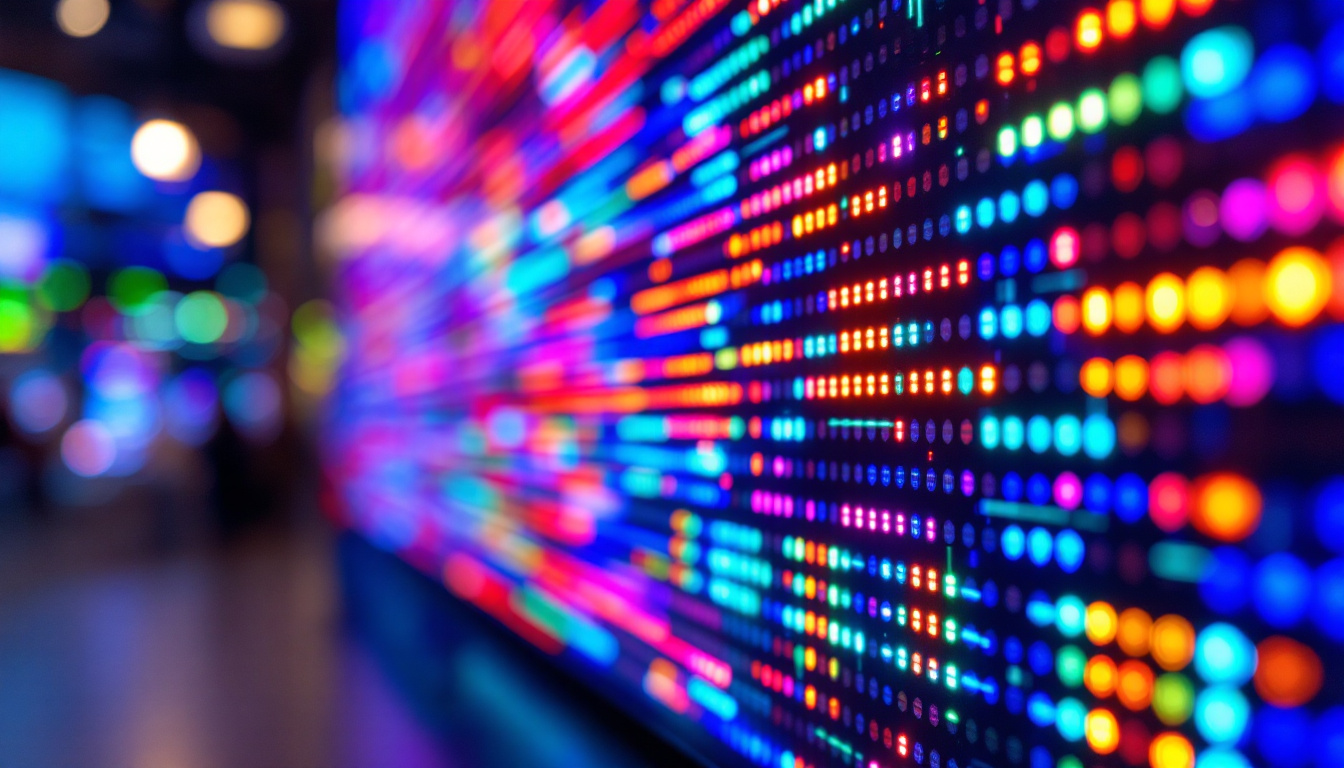
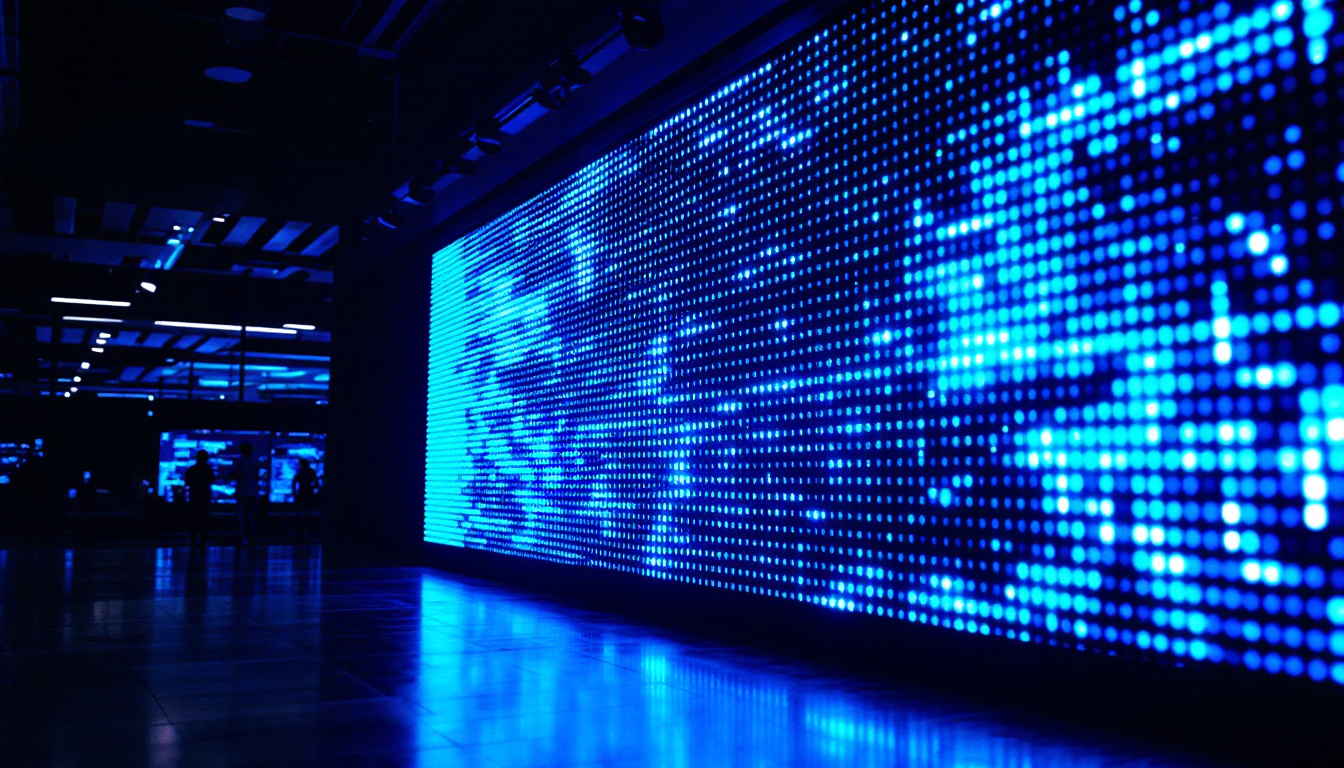
LED (Light Emitting Diode) displays use an array of tiny LEDs to produce light and color. Unlike traditional LCDs that rely on backlighting, LED displays can be direct-view or use LED backlighting for LCD panels. Direct-view LED displays, often used in large-scale digital signage and video walls, consist of millions of individual LEDs that act as pixels themselves.
In direct-view LED displays, achieving 4K resolution means arranging enough LEDs in a grid to match or exceed the 3840 x 2160 pixel count. This can be challenging for very large screens because each LED must be precisely controlled to maintain image clarity and color accuracy.
Pixel Pitch and Its Impact on 4K LED Displays
Pixel pitch, the distance between the centers of two adjacent LEDs, is a critical factor in LED display quality. Smaller pixel pitch means more LEDs per square meter, enabling higher resolution and finer detail. For a 4K LED display, the pixel pitch must be small enough to fit all 8.3 million pixels (3840 x 2160) within the physical dimensions of the screen.
For example, a 4K LED display designed for indoor use might have a pixel pitch of 1.2mm or less, providing crisp images even at close viewing distances. Outdoor LED displays typically have larger pixel pitches (3mm or more) due to the need for higher brightness and durability, which can limit the feasibility of true 4K resolution on very large screens.
Challenges in Scaling 4K to Large LED Displays
While 4K resolution is standard for consumer TVs and monitors, applying it to large LED displays presents unique challenges. The sheer number of LEDs required increases manufacturing complexity and cost. Additionally, power consumption and heat dissipation become significant concerns as pixel density rises.
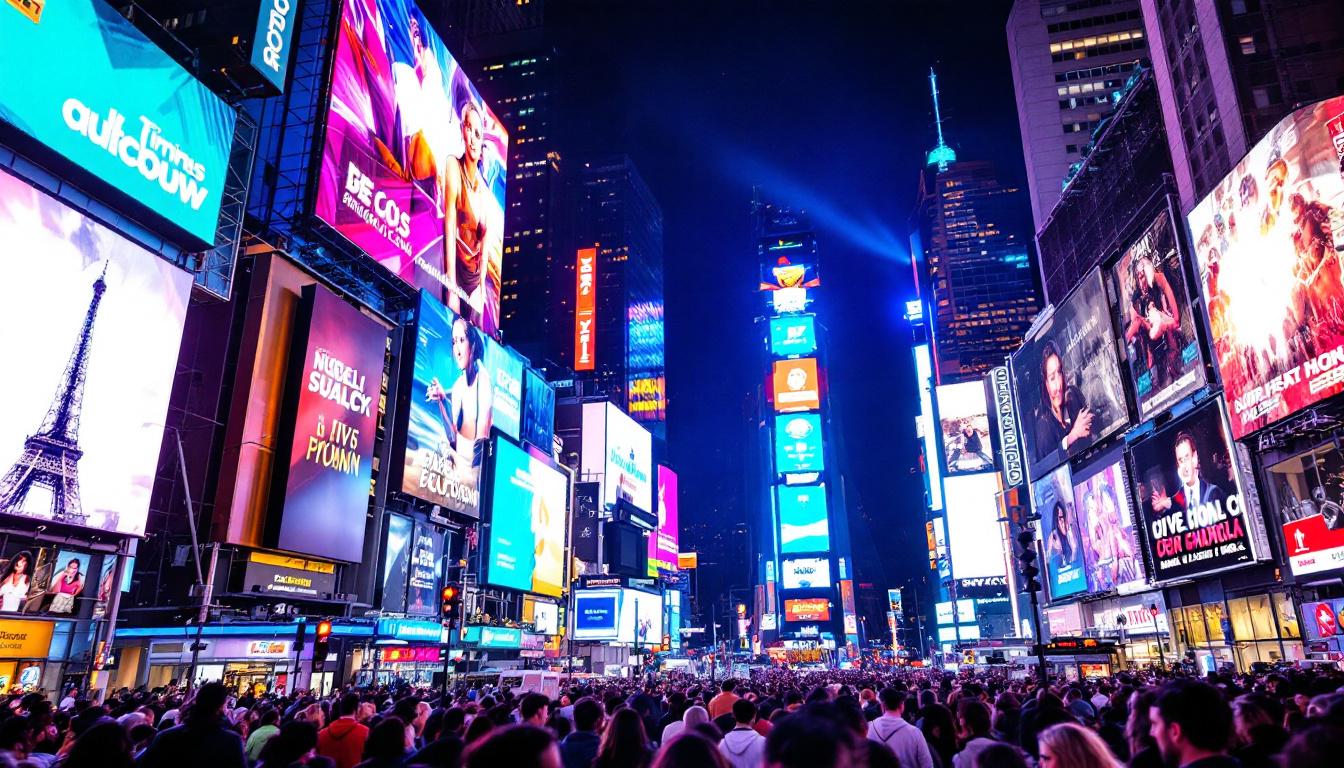
Another consideration is viewing distance. For very large LED screens, such as stadium displays or outdoor billboards, viewers typically stand far away, making ultra-high resolution less critical. In these cases, a lower resolution with a larger pixel pitch can still deliver a visually impactful experience without the expense of 4K pixel density.
Applications of 4K LED Displays Across Industries
Consumer Electronics and Home Entertainment
In the consumer market, 4K LED displays have revolutionized home entertainment. Televisions with 4K LED panels offer stunning picture quality with vibrant colors and deep contrast, thanks to advancements in LED backlighting and local dimming technologies. Streaming platforms, gaming consoles, and Blu-ray players now commonly support 4K content, making it a mainstream standard.
Moreover, the rise of HDR (High Dynamic Range) in conjunction with 4K resolution enhances the viewing experience by expanding color gamut and brightness range. This combination allows LED displays to render more lifelike images, appealing to both casual viewers and cinephiles.
Professional and Commercial Use Cases
In professional environments, 4K LED displays are increasingly popular for digital signage, control rooms, and broadcast studios. Their ability to present detailed, high-resolution images makes them ideal for applications requiring precise visual information, such as medical imaging, financial trading floors, and command centers.
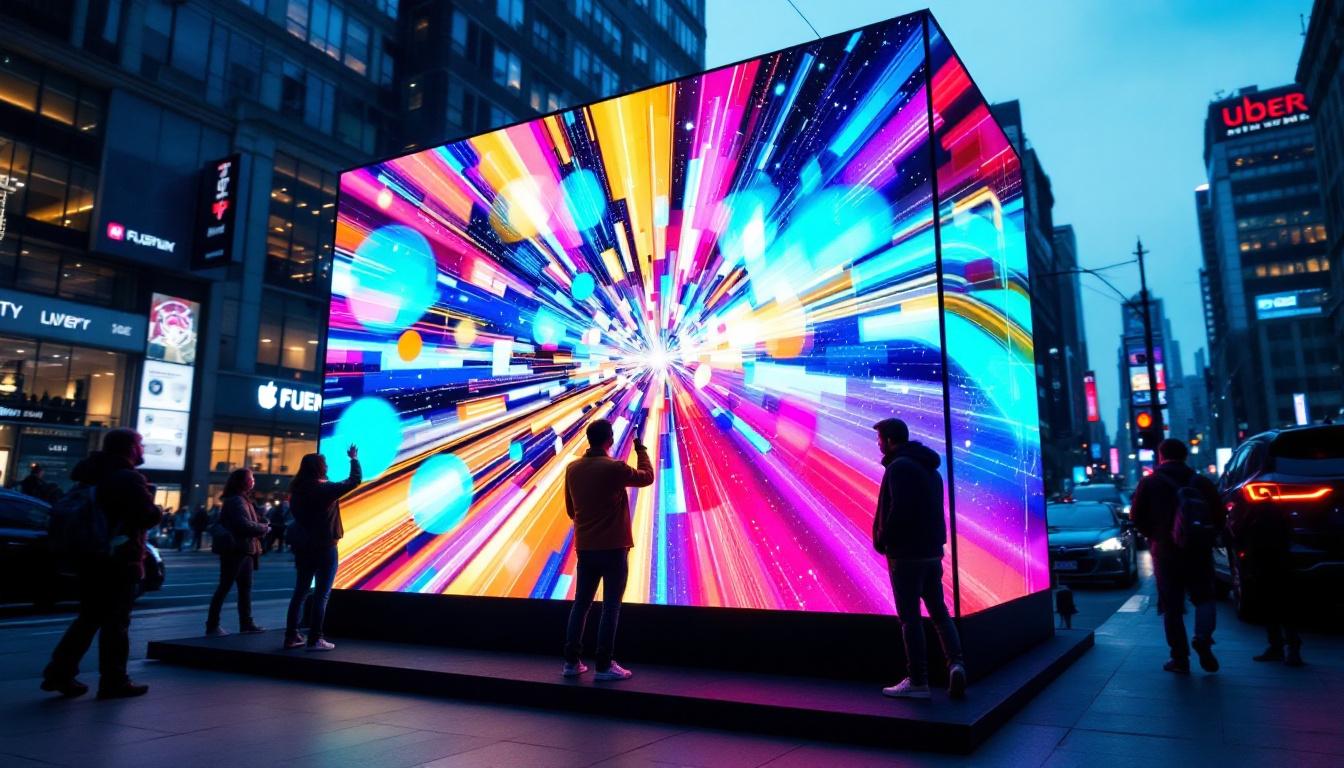
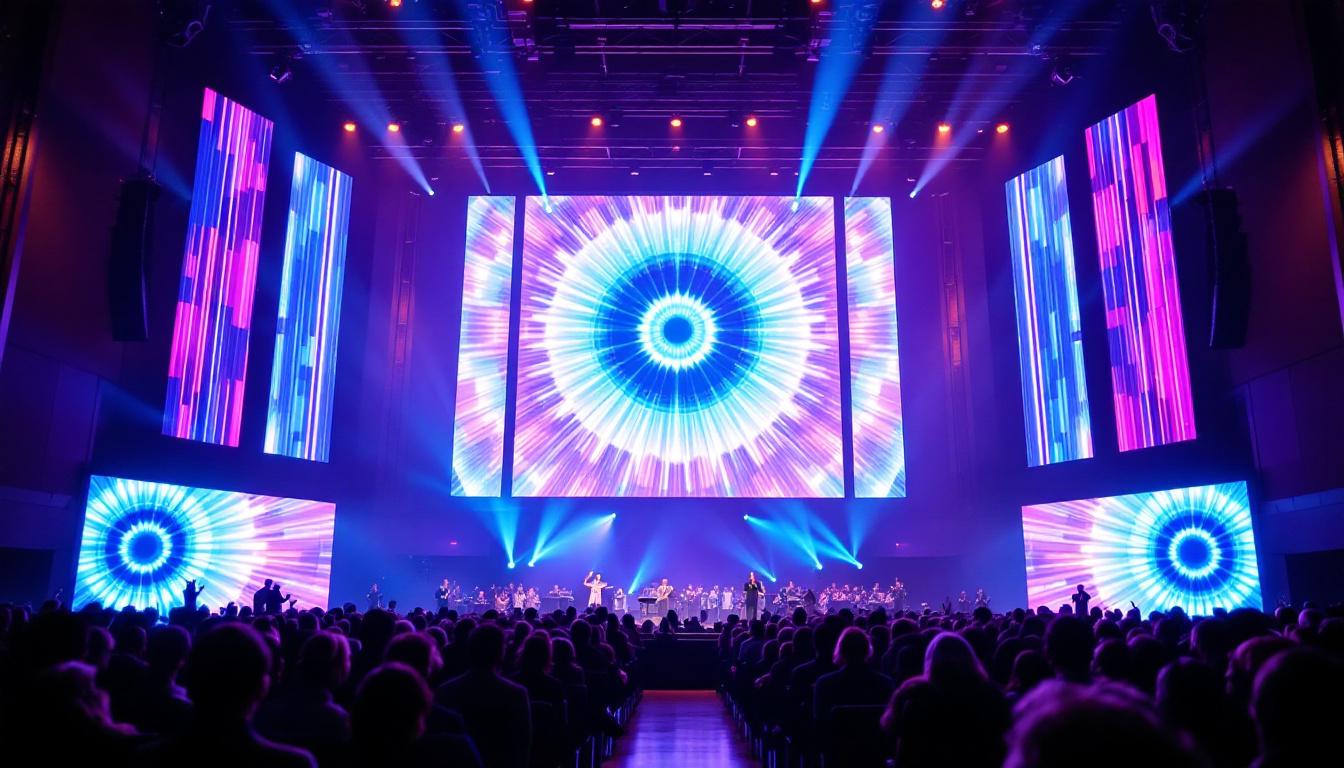
Retailers and advertisers leverage 4K LED video walls to captivate audiences with dynamic content. The high resolution ensures that images remain sharp and legible even at close range, enhancing brand messaging and customer engagement. Additionally, event venues and concert halls use large-scale 4K LED displays to provide immersive experiences for attendees.
Emerging Trends: MicroLED and Beyond
MicroLED technology represents the next evolution in LED displays, promising even higher resolution, brightness, and energy efficiency. MicroLEDs are much smaller than traditional LEDs, enabling pixel pitches below 1mm and facilitating true 4K and even 8K resolutions on large-format displays without compromising image quality.
While still emerging, MicroLED displays are poised to transform both consumer and professional markets by combining the best attributes of OLED and LED technologies—offering perfect blacks, high brightness, and long lifespan. As costs decrease and manufacturing scales, MicroLED could become the new standard for 4K and higher-resolution LED displays.
Why 4K Ratio Matters: Benefits and Considerations
Enhanced Visual Clarity and Detail
The primary advantage of a 4K ratio in LED displays is the substantial increase in pixel count, which translates to sharper images and finer detail. This improvement is especially noticeable on larger screens where lower resolutions can appear pixelated or blurry. For professionals working with high-resolution content, such as graphic designers and video editors, 4K displays provide the precision necessary for accurate work.
For everyday consumers, the enhanced clarity improves the enjoyment of movies, games, and sports broadcasts. The ability to display more detail also benefits educational and training applications, where visual information is critical.
Future-Proofing and Content Compatibility
As 4K content becomes more prevalent, owning a 4K LED display ensures compatibility with the latest media formats and streaming services. This future-proofing protects investments by extending the useful life of display hardware. Additionally, 4K displays are often backward compatible with lower-resolution content, upscaling it to fit the higher pixel count.
However, it is important to recognize that not all content is available in 4K, and streaming 4K video requires higher bandwidth internet connections. Consumers should consider their content sources and viewing habits when deciding whether a 4K LED display is the right choice.
Cost and Technical Trade-Offs
While 4K LED displays offer significant benefits, they also come with higher costs compared to lower-resolution alternatives. The increased number of LEDs, more advanced processing hardware, and greater power requirements contribute to this premium. For large-format displays, these costs can be substantial.
Additionally, achieving optimal performance with 4K LED displays requires careful calibration and maintenance. Poor installation or inadequate content optimization can diminish the advantages of 4K resolution. Therefore, buyers should weigh the benefits against budget and application needs to make informed decisions.
Conclusion: Navigating the 4K LED Display Landscape
The 4K ratio in LED displays represents a significant leap forward in visual technology, offering unparalleled image clarity and detail. Understanding the interplay between resolution, aspect ratio, pixel pitch, and viewing distance is essential to appreciating how 4K LED displays deliver their impressive performance.
Whether for home entertainment, professional use, or commercial applications, 4K LED displays provide a versatile platform for high-quality visual content. As technology continues to evolve with innovations like MicroLED, the future of 4K and beyond promises even more immersive and vibrant experiences.
Ultimately, selecting the right 4K LED display involves balancing technical specifications, intended use, and budget considerations. Armed with a clear understanding of what 4K ratio entails and how LED technology harnesses it, consumers and professionals can make choices that best suit their needs and enjoy the full benefits of this cutting-edge display technology.
Discover the Future of Visual Experience with LumenMatrix
Ready to elevate your visual experience with the clarity and detail of 4K LED displays? LumenMatrix, a leader in LED display technology, offers a vast array of innovative solutions designed to bring your content to life. From Indoor and Outdoor LED Wall Displays to specialized options like Vehicle, Sports, and Floor LED Displays, LumenMatrix tailors to every need. Embrace the revolution in visual communication with our Custom, All-in-One, and Transparent LED Displays. Check out LumenMatrix LED Display Solutions today and transform your space into a captivating visual journey.