In today’s fast-paced digital world, LED displays have become an integral part of how information is conveyed, from vibrant billboards in city centers to the sleek screens on smartphones and laptops. But what exactly makes LED displays so smart, efficient, and versatile? This article delves into the technology behind LED displays, exploring their types, applications, and the innovations that are shaping their future.
Understanding LED Display Technology
What Is an LED Display?
LED stands for Light Emitting Diode, a semiconductor device that emits light when an electric current passes through it. An LED display is essentially a flat panel that uses an array of these tiny LEDs to create images, videos, or text. Unlike traditional displays that rely on backlighting, LED displays produce their own light, resulting in brighter, more vibrant visuals with better contrast.
LED displays come in various forms, from small indicator lights to massive outdoor screens. The core technology involves controlling individual LEDs or groups of LEDs to form pixels, which collectively render the desired content. This direct emission of light makes LED displays highly energy-efficient and capable of delivering superior image quality compared to older technologies like LCD or plasma. Additionally, the durability of LED technology contributes to its widespread adoption, as these displays can withstand harsh environmental conditions, making them ideal for both indoor and outdoor applications.
Moreover, the versatility of LED displays extends beyond mere visual output. They can be programmed to display dynamic content, such as real-time information, advertisements, or interactive elements, which enhances user engagement. This adaptability has led to their integration in various sectors, including retail, transportation, and entertainment, where captivating visuals are essential for attracting attention and conveying messages effectively.
Types of LED Displays
There are several types of LED displays, each tailored for specific applications and environments. The most common categories include:
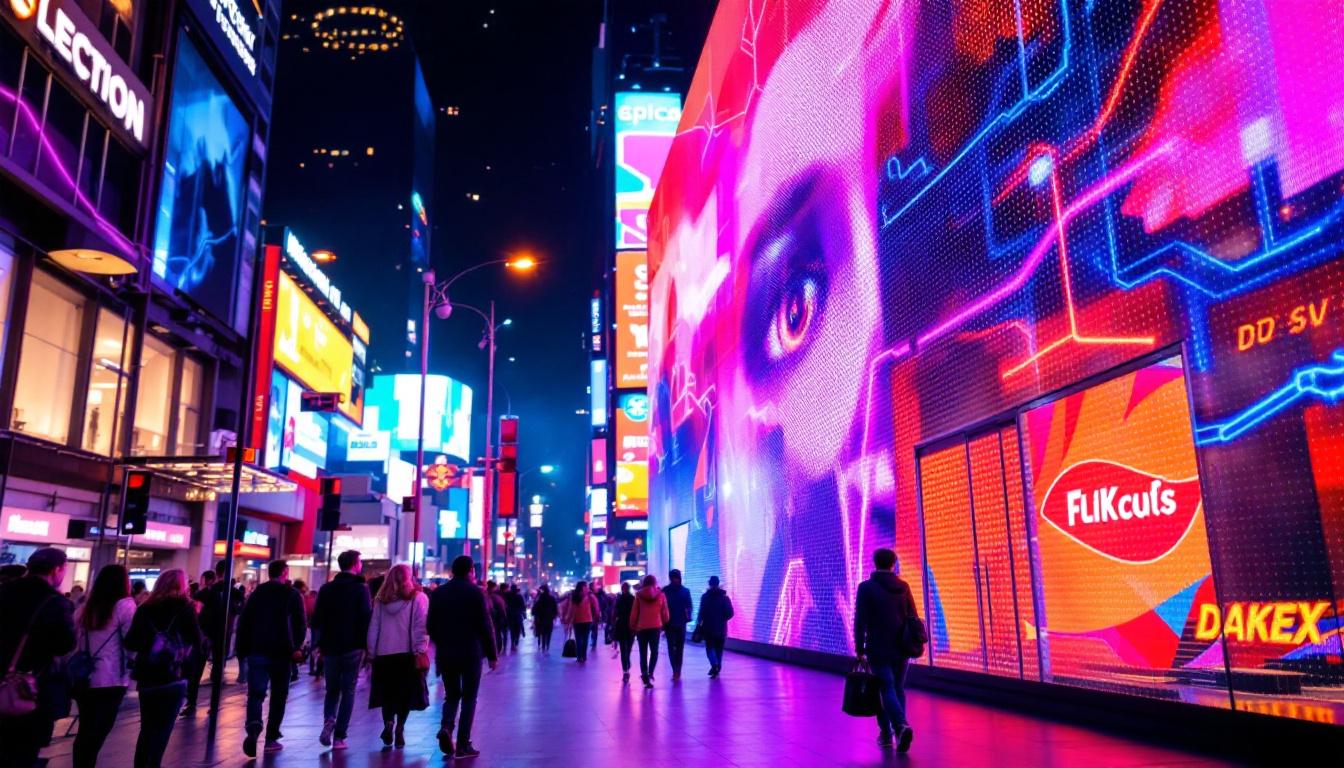
- Direct View LED Displays: These are composed of thousands of tiny LEDs arranged in a grid, visible directly to the viewer without the need for a backlight. They are widely used in large outdoor screens, stadium displays, and digital billboards. Their ability to deliver high brightness levels ensures that the content remains visible even in bright sunlight, making them a popular choice for advertising and public announcements.
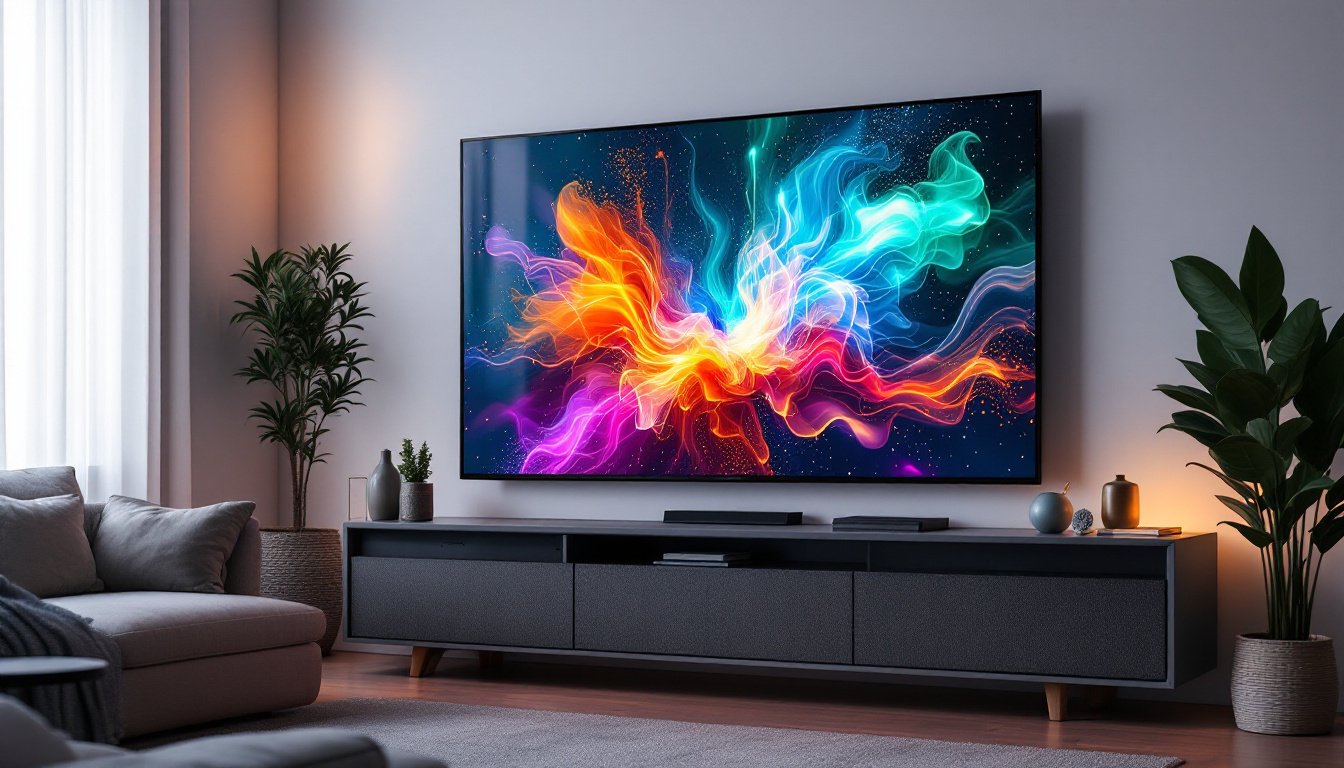
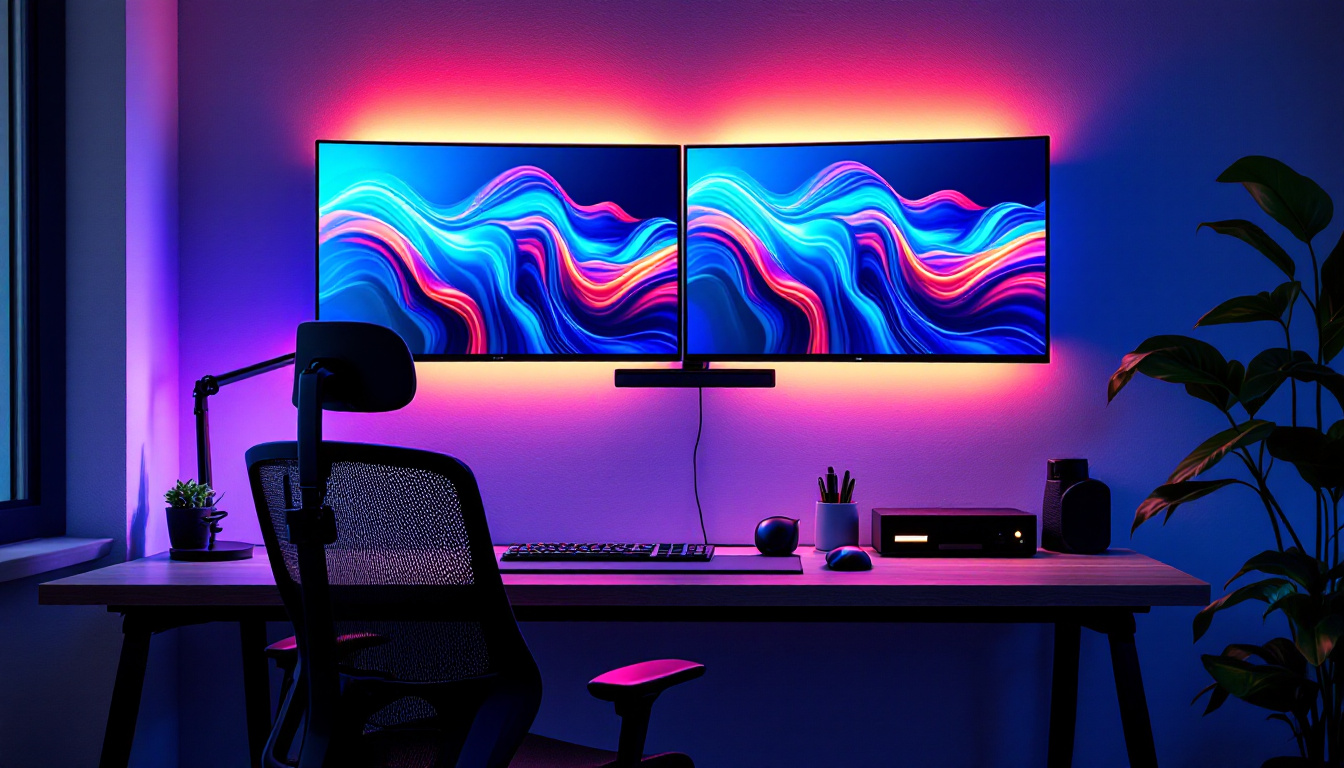
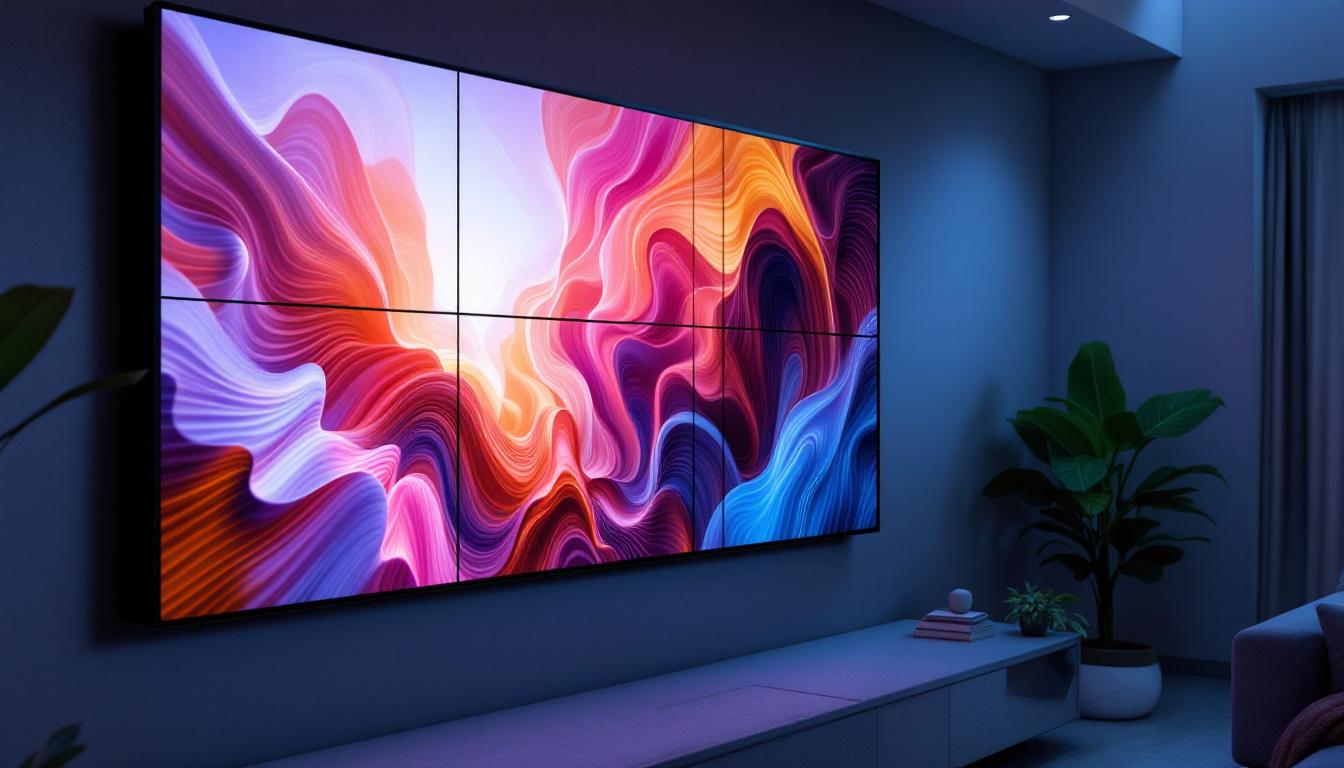
- LED-backlit LCD Displays: These combine traditional liquid crystal display technology with LED backlighting to enhance brightness and color accuracy. This type is prevalent in televisions, monitors, and smartphones. The integration of LED backlighting allows for thinner screens and improved energy efficiency, which is particularly beneficial for mobile devices that rely on battery power.
- MicroLED Displays: An emerging technology where microscopic LEDs form each pixel. MicroLEDs promise higher brightness, better energy efficiency, and longer lifespan than OLED or LCD screens, making them ideal for future high-end devices. As this technology matures, it is expected to revolutionize the display industry by enabling ultra-thin screens with exceptional color fidelity and contrast ratios.
Each type has its advantages and limitations, influencing where and how they are deployed. For instance, while Direct View LED displays excel in outdoor environments due to their brightness and visibility, LED-backlit LCD displays are often favored in home entertainment systems for their ability to produce rich colors and deep blacks. MicroLED technology, still in its infancy, holds the potential to redefine the standards of display quality, paving the way for innovations in virtual reality and augmented reality applications.
The Advantages of LED Displays
Energy Efficiency and Longevity
One of the most significant benefits of LED displays is their energy efficiency. LEDs consume substantially less power than traditional lighting and display technologies. According to the U.S. Department of Energy, LED lighting uses at least 75% less energy and lasts 25 times longer than incandescent lighting. This efficiency translates to lower operating costs for businesses and reduced environmental impact.
Moreover, LEDs have a longer operational lifespan, often exceeding 50,000 hours of use. This durability minimizes maintenance and replacement expenses, making LED displays a cost-effective choice for both indoor and outdoor applications.
Superior Visual Quality
LED displays offer exceptional brightness and contrast ratios, enabling clear visibility even in direct sunlight. This makes them ideal for outdoor advertising and public information systems where ambient light conditions can vary dramatically. The ability to produce deep blacks and vibrant colors also enhances the viewing experience, especially for high-definition video content.
Furthermore, LED technology supports high refresh rates and wide viewing angles, ensuring smooth motion and consistent image quality from different perspectives. These features are particularly important in environments like sports arenas and transportation hubs, where large audiences view the screen simultaneously.
Flexibility and Scalability
LED displays are highly customizable in size and shape, allowing for creative installations that traditional screens cannot match. Modular LED panels can be combined to form massive displays or curved screens, adapting to architectural constraints and design preferences.
This scalability extends to resolution as well. Advances in LED miniaturization have enabled ultra-high-definition displays with pixel pitches as low as 0.5 millimeters, suitable for close-up viewing in retail environments or control rooms. Conversely, larger pixel pitches are used for distant viewing, such as on highway billboards.
Applications of LED Displays Across Industries
Advertising and Digital Signage
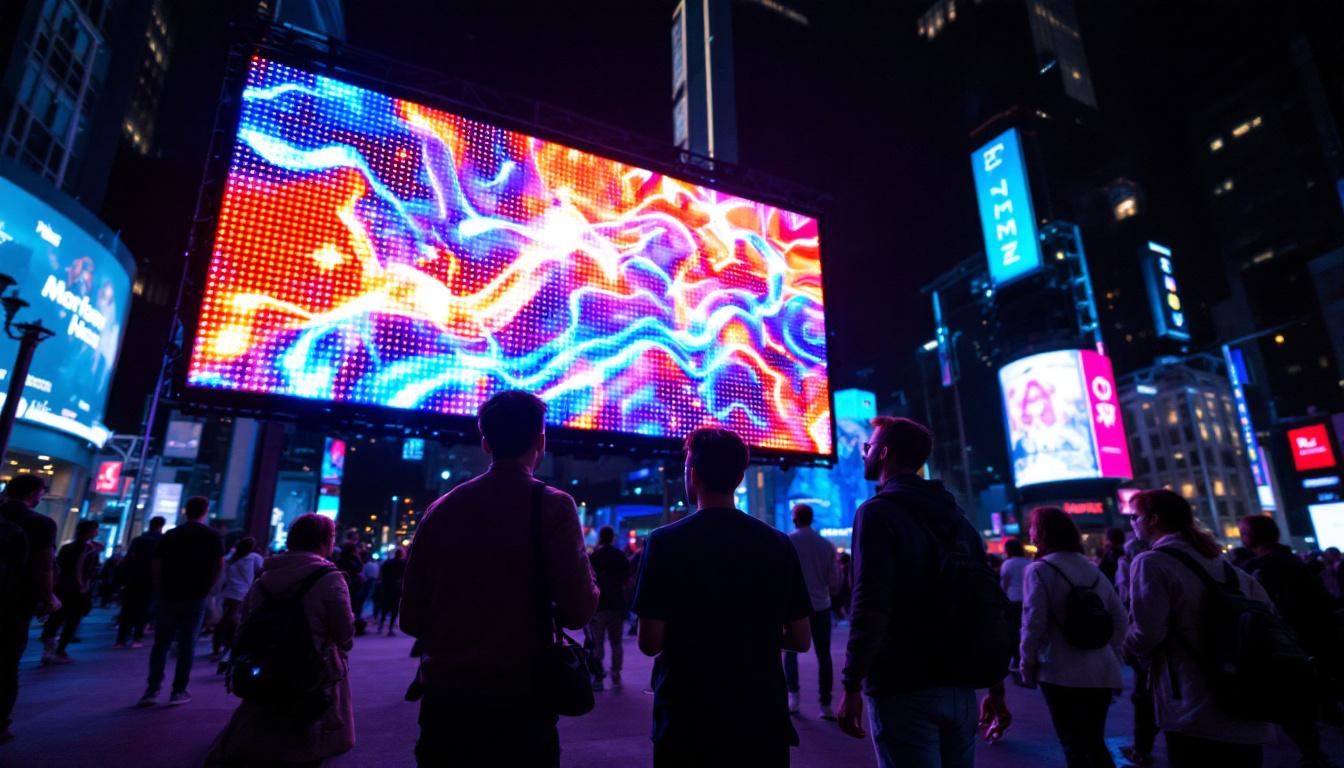
LED displays have revolutionized the advertising industry by enabling dynamic, eye-catching content that can be updated in real time. Digital billboards equipped with LED technology are now ubiquitous in urban centers, airports, and shopping malls. Their brightness and color fidelity attract attention more effectively than static posters, boosting advertising impact.
Moreover, LED signage supports interactive and targeted advertising. For example, some displays use sensors and AI algorithms to tailor content based on the audience’s demographics or behavior, enhancing engagement and conversion rates.
Entertainment and Sports Venues
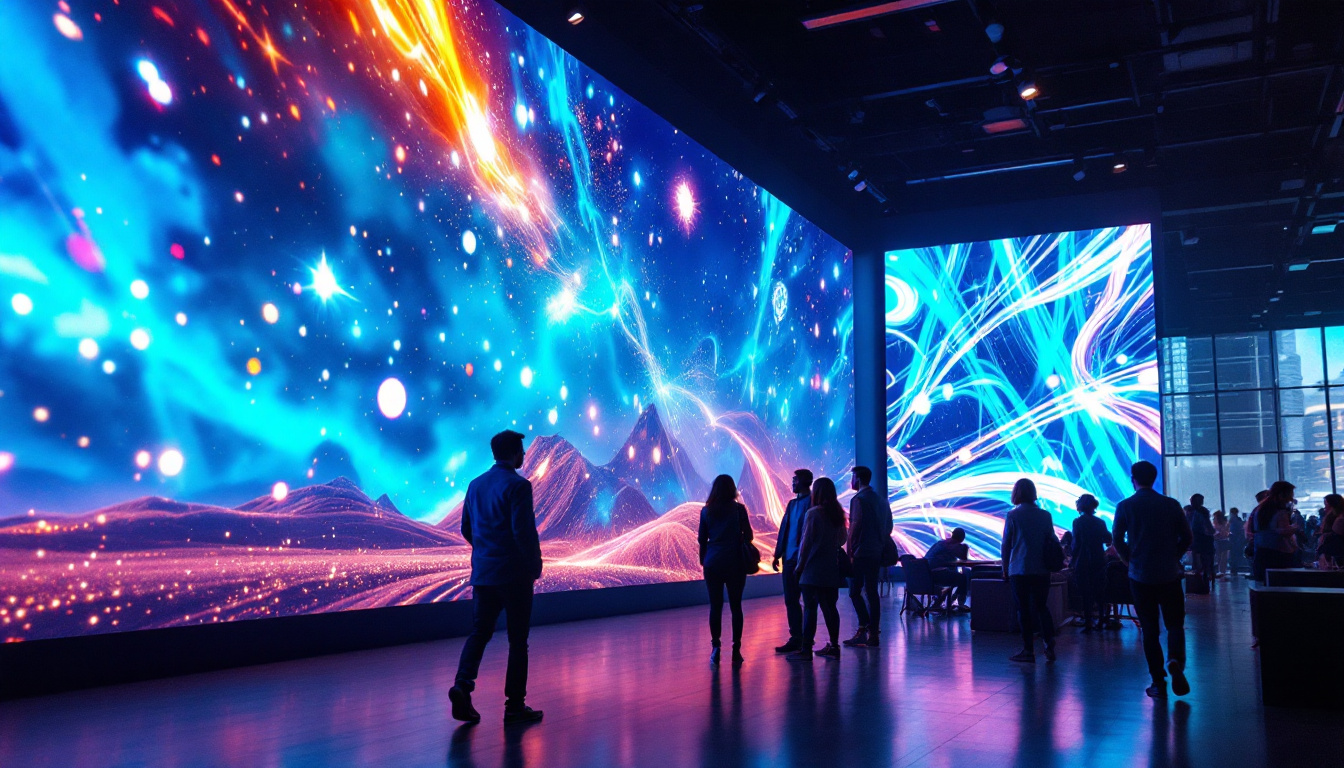
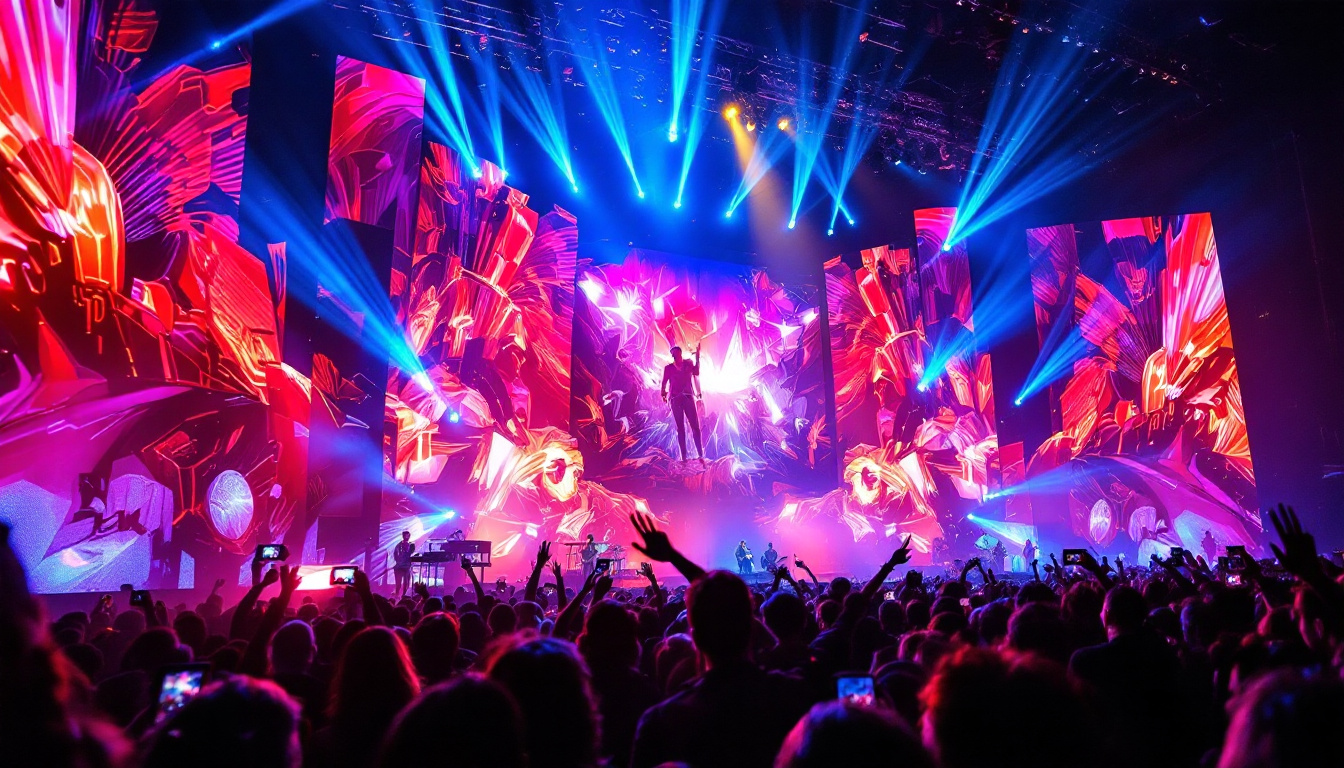
In stadiums and concert halls, LED displays serve multiple purposes: from showing live action and replays to providing scores, advertisements, and interactive fan experiences. The large-scale, high-brightness capabilities of direct view LED displays make them indispensable for these venues.
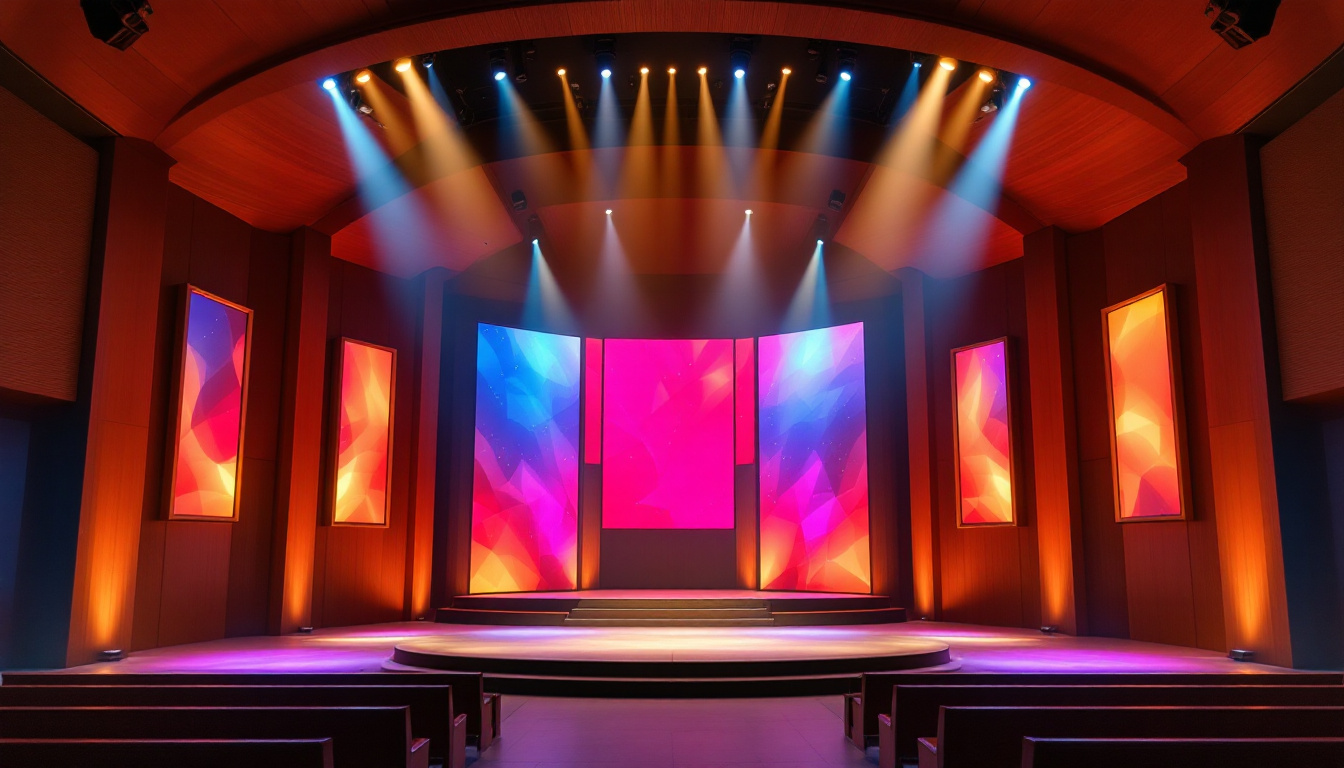
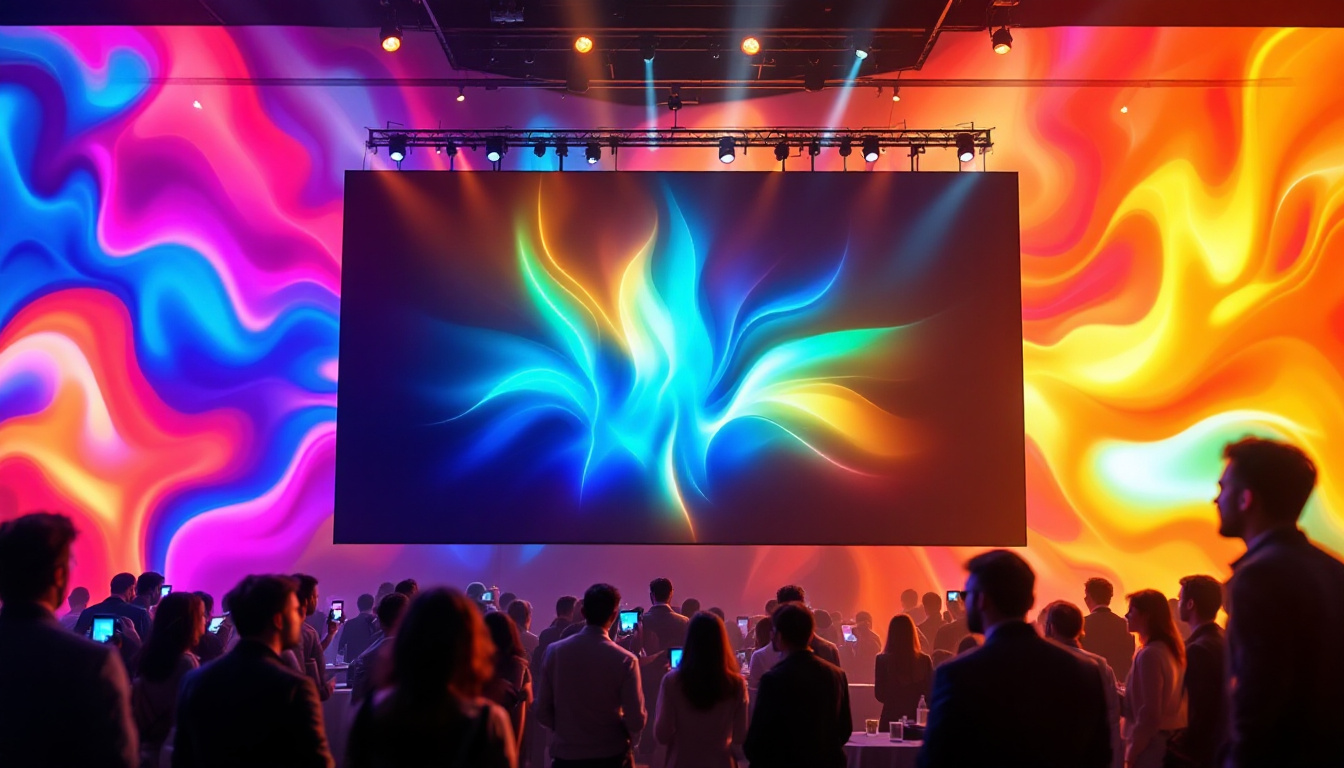
LED walls also enable immersive stage designs and special effects, contributing to the overall spectacle. The technology’s flexibility allows for creative layouts, including curved and 3D configurations that enhance audience immersion.
Transportation and Public Information
LED displays are widely used in transportation hubs such as airports, train stations, and bus terminals to provide real-time information on schedules, delays, and safety announcements. Their high visibility and reliability ensure that travelers receive timely updates, improving overall efficiency and safety.
Additionally, LED traffic signs and variable message signs on highways help manage traffic flow and communicate important alerts, contributing to road safety and congestion reduction.
Retail and Corporate Environments
Retailers leverage LED displays to create engaging in-store experiences, showcasing promotions, product information, and interactive content. The bright, vivid visuals help attract customers and influence purchasing decisions.
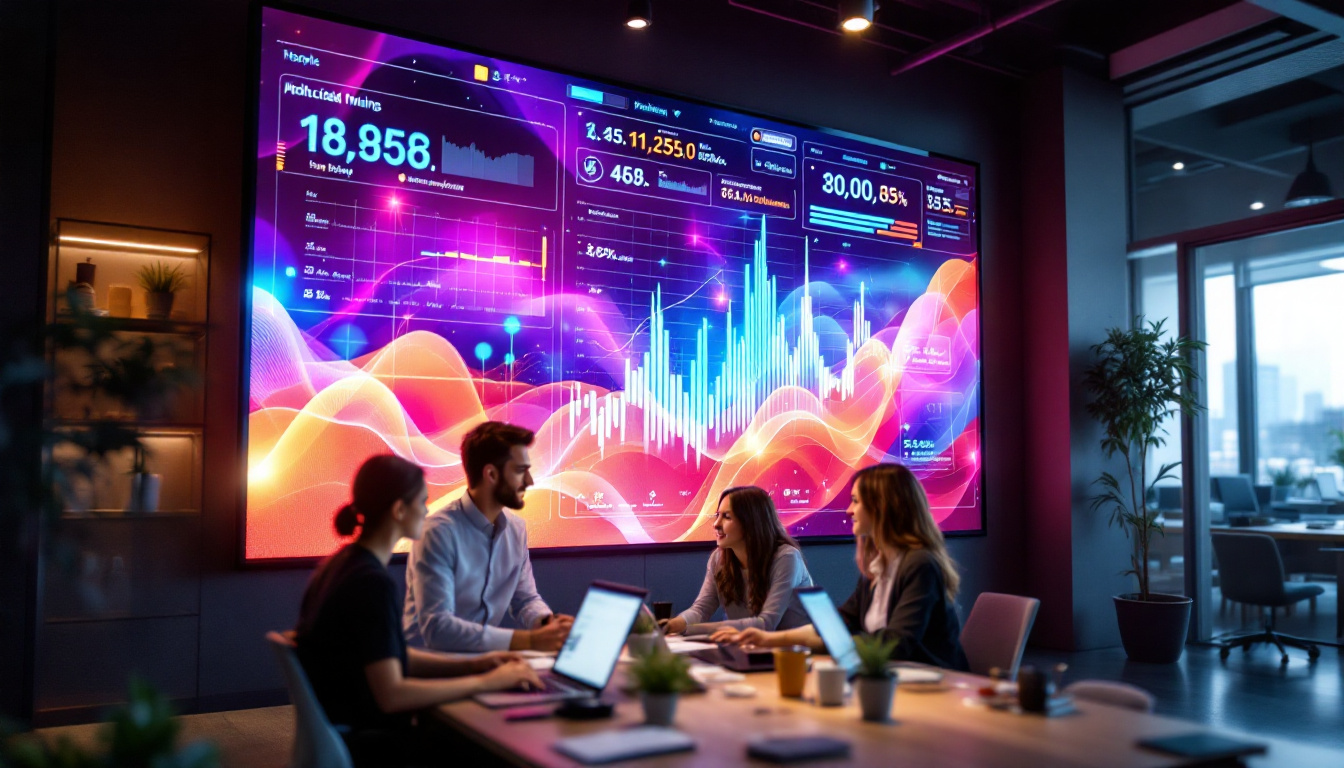
In corporate settings, LED video walls are used for presentations, video conferencing, and digital branding. Their ability to display high-resolution content in large formats enhances communication and collaboration among teams.
Innovations Driving the Future of LED Displays
MicroLED and MiniLED Technologies
MicroLED technology represents a significant leap forward, offering the benefits of OLED displays—such as perfect blacks and wide color gamut—without the drawbacks like burn-in or limited brightness. MicroLEDs are self-emissive, meaning each pixel emits its own light, resulting in superior contrast and energy efficiency.
MiniLEDs, meanwhile, are smaller LEDs used to create more precise backlighting in LCD panels. This technology improves local dimming capabilities, enhancing contrast ratios and color accuracy in high-end TVs and monitors.
Integration with Touch and Smart Features
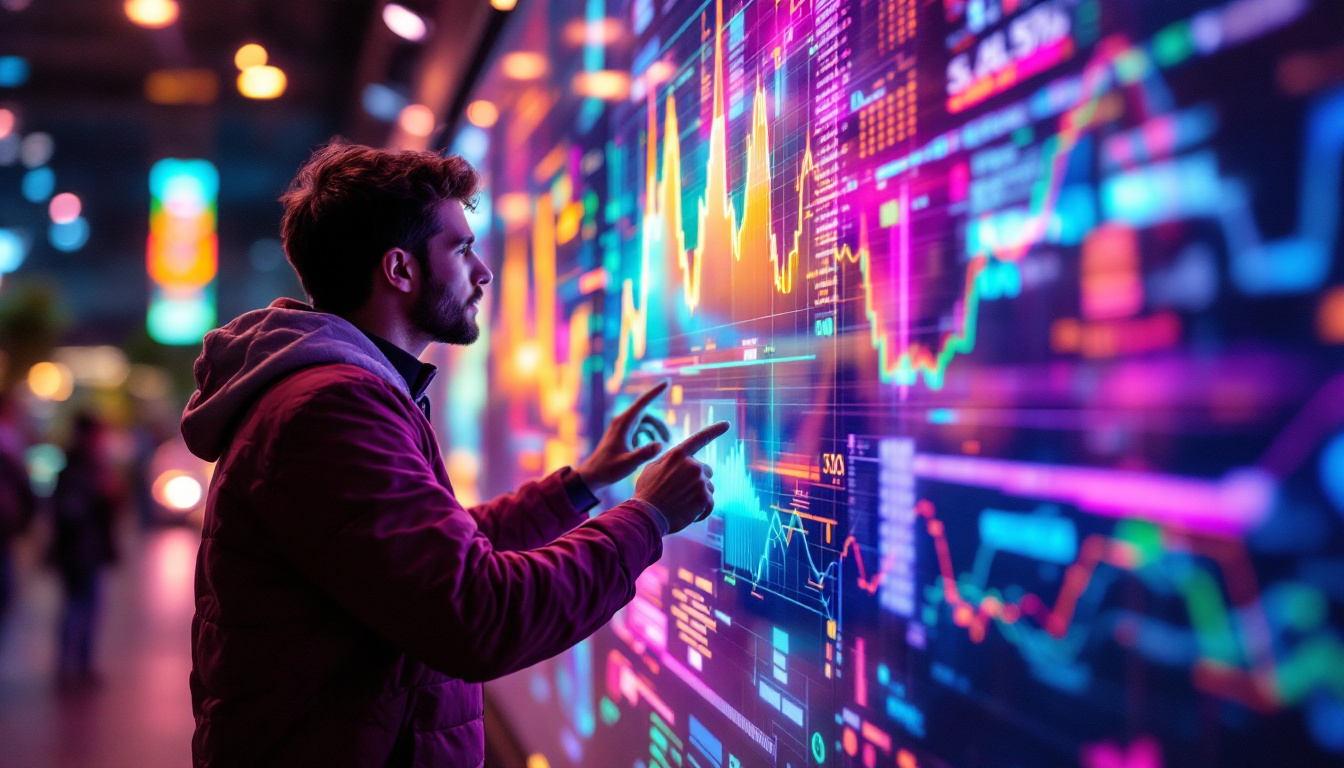
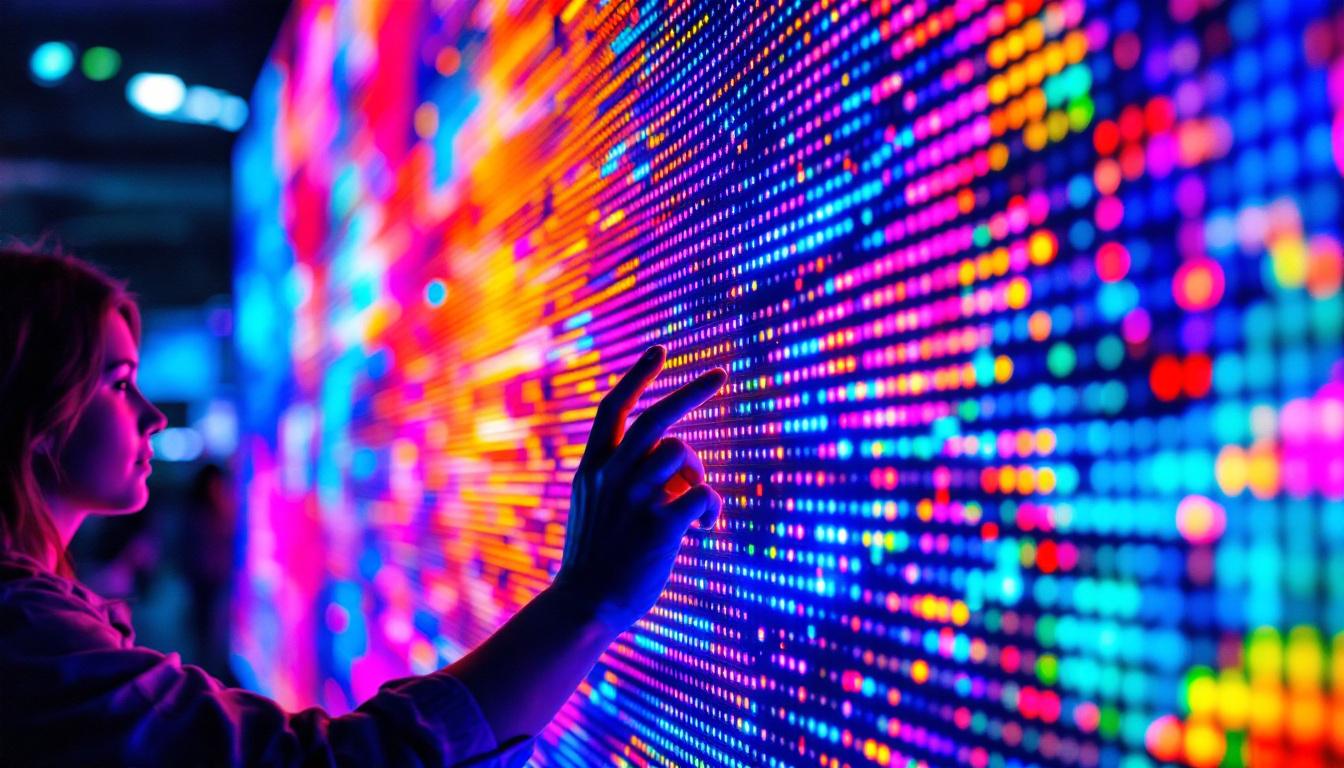
Modern LED displays increasingly incorporate touch capabilities, enabling interactive experiences in public spaces, retail, and education. Capacitive and infrared touch technologies are commonly integrated with LED screens to support multi-touch gestures and responsive controls.
Smart LED displays also connect to the Internet of Things (IoT), allowing remote content management, data analytics, and adaptive brightness control based on ambient conditions. These features optimize user engagement and operational efficiency.
Environmental Sustainability
As sustainability becomes a priority, LED manufacturers focus on reducing the environmental footprint of their products. Innovations include the use of eco-friendly materials, improved energy efficiency, and designs that facilitate recycling and longer product life cycles.
LED displays also contribute to sustainability by enabling digital signage that reduces paper waste and supports dynamic content updates without physical replacements.
Choosing the Right LED Display: Key Considerations
Resolution and Pixel Pitch
When selecting an LED display, resolution and pixel pitch are critical factors. Pixel pitch refers to the distance between the centers of adjacent LEDs, typically measured in millimeters. A smaller pixel pitch means higher resolution and better image clarity, especially for close viewing distances.
For example, a retail store’s indoor display might require a pixel pitch of 1.5 mm or less to ensure crisp visuals, while a large outdoor billboard viewed from afar can function well with a pixel pitch of 10 mm or more.
Brightness and Contrast
Brightness is measured in nits (cd/m²) and determines how well a display performs under various lighting conditions. Outdoor LED displays often require brightness levels exceeding 5,000 nits to remain visible in direct sunlight, whereas indoor displays typically operate between 300 and 1,000 nits.
Contrast ratio—the difference between the darkest black and the brightest white—is equally important for image quality. High contrast ratios enhance depth perception and color vibrancy.
Durability and Environmental Resistance
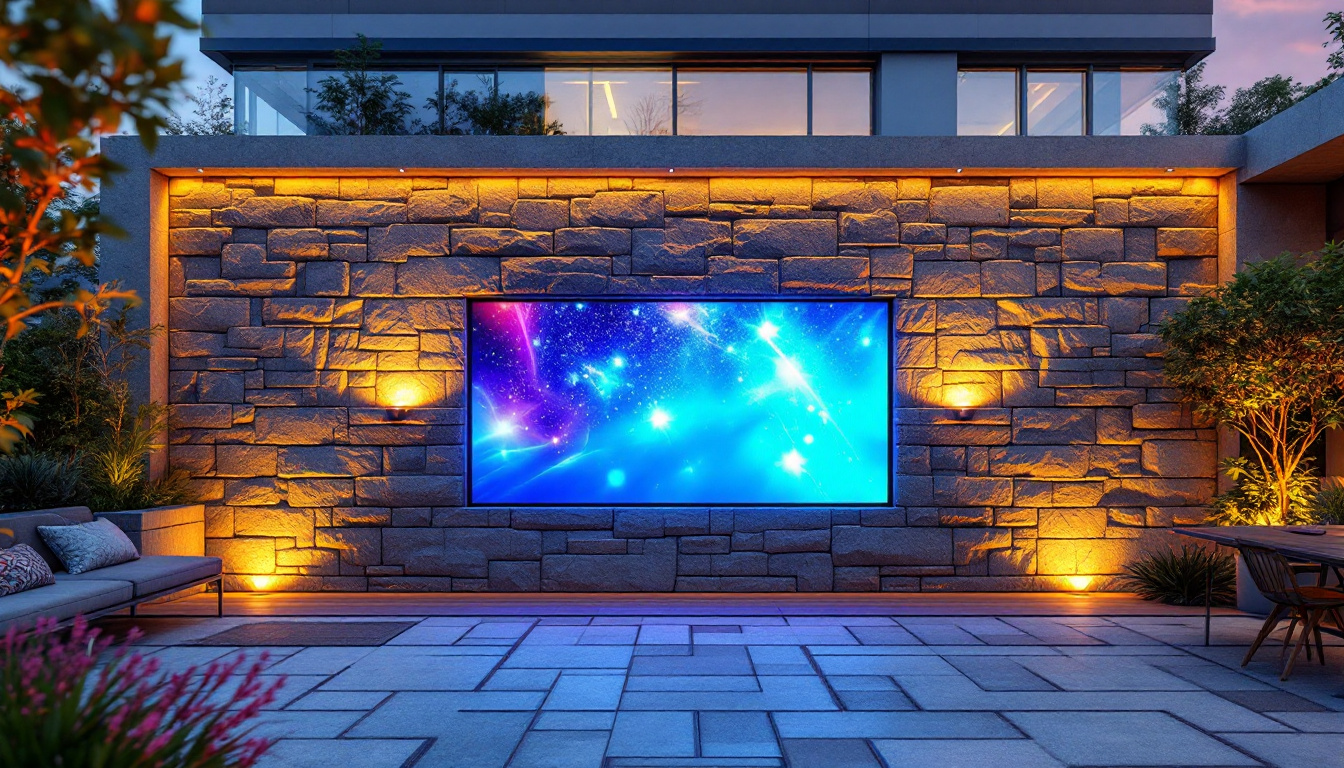
For outdoor applications, LED displays must withstand harsh weather conditions, including rain, dust, extreme temperatures, and UV exposure. Look for displays with appropriate IP (Ingress Protection) ratings, such as IP65 or higher, indicating resistance to water and dust ingress.
Indoor displays should also be robust enough to handle frequent use and potential physical contact, especially in interactive or public environments.
Maintenance and Support
LED displays require periodic maintenance to ensure optimal performance. Modular designs simplify repairs by allowing individual panels or LEDs to be replaced without dismantling the entire display. Additionally, working with reputable manufacturers and service providers ensures access to technical support and warranty coverage.
Conclusion: The Bright Future of LED Displays
LED display technology continues to evolve rapidly, driven by advancements in materials science, semiconductor engineering, and digital integration. Their unmatched brightness, energy efficiency, and versatility make LED displays indispensable across a wide range of industries—from advertising and entertainment to transportation and corporate communications.
As innovations like MicroLED and smart connectivity mature, LED displays will become even more immersive, interactive, and sustainable. Understanding the fundamentals of LED technology and its practical applications empowers businesses and consumers to make informed decisions, harnessing the full potential of this transformative display technology.
Whether illuminating a bustling city square or enhancing a corporate boardroom, LED displays are truly the smarter touch of modern visual communication.
Illuminate Your Space with LumenMatrix
Ready to elevate your visual communication with the latest in LED display technology? LumenMatrix is at the forefront of innovation, offering a diverse range of LED display solutions tailored to your needs. From mesmerizing Indoor LED Walls to dynamic Outdoor Displays and beyond, our products are designed to captivate and engage your audience. Discover how LumenMatrix can transform your space and bring your vision to life. Check out LumenMatrix LED Display Solutions and step into the future of digital signage.