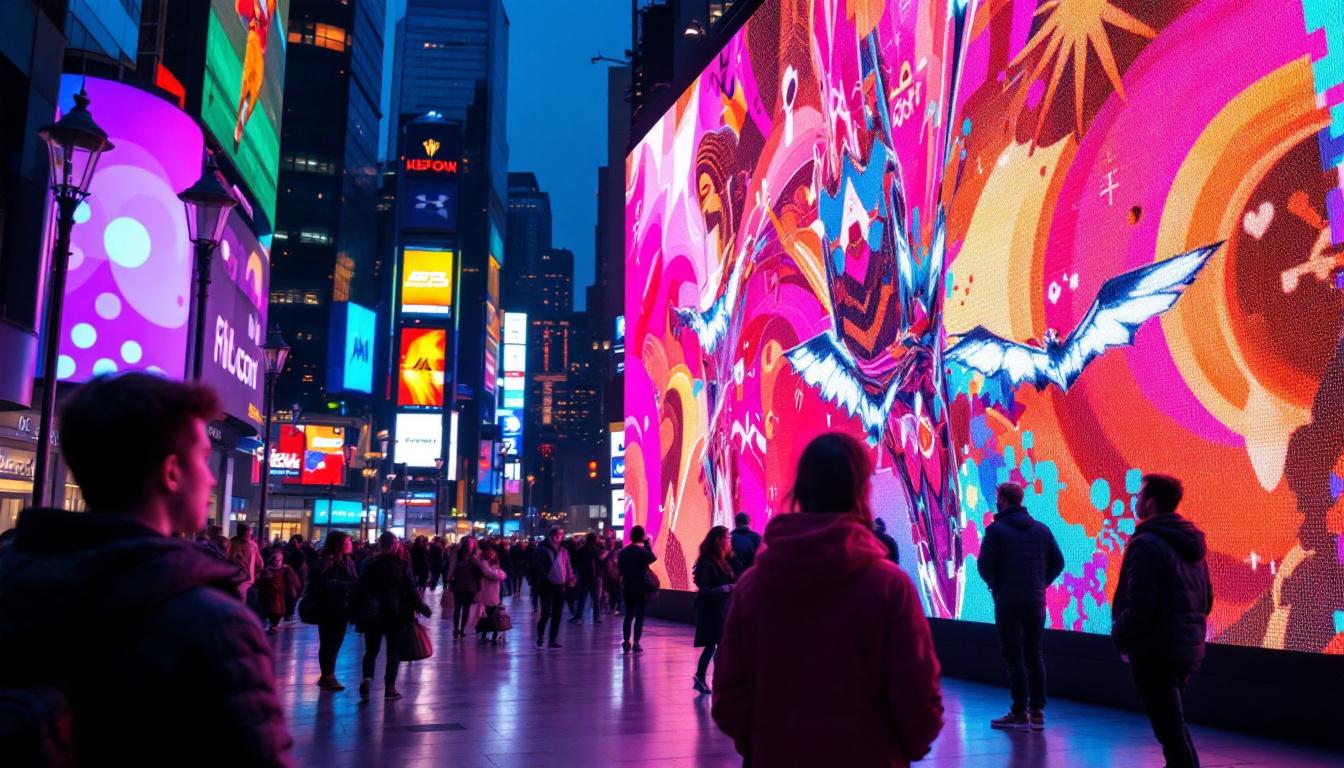
In today’s digital age, LED displays have become an integral part of how we communicate, advertise, and entertain. From the giant screens in Times Square to the small indicators on household appliances, LEDs are everywhere. But what exactly is an LED display? How does it work, and why has it become the preferred choice over other display technologies? This article delves deep into the world of LED displays, breaking down the technology, applications, advantages, and future trends.
Understanding LED: The Basics
What is an LED?
LED stands for Light Emitting Diode, a semiconductor device that emits light when an electric current passes through it. Unlike traditional incandescent bulbs, LEDs do not rely on heating a filament to produce light, which makes them more energy-efficient and longer-lasting. The first visible-spectrum LED was invented in the early 1960s, and since then, the technology has advanced rapidly, enabling a wide range of applications. Today, LEDs are found in everything from household lighting to traffic signals and even large-scale displays, showcasing their versatility and adaptability in various environments.
One of the most significant advantages of LEDs is their environmental impact. They consume significantly less energy compared to incandescent and fluorescent bulbs, which translates to lower electricity bills and reduced carbon footprints. Additionally, LEDs have a much longer lifespan, often lasting up to 25,000 hours or more, which means fewer bulbs end up in landfills. This longevity, coupled with their energy efficiency, positions LEDs as a sustainable lighting solution that aligns with modern ecological standards.
How Does an LED Work?
At the core, an LED consists of a chip of semiconducting material doped with impurities to create a p-n junction. When voltage is applied, electrons recombine with holes within the device, releasing energy in the form of photons — the basic units of light. The color of the light depends on the energy band gap of the semiconductor material used. This fundamental principle allows LEDs to produce various colors without the need for filters, unlike older display technologies. As a result, LEDs can be engineered to emit a wide spectrum of colors, making them ideal for applications ranging from decorative lighting to sophisticated displays in electronics.
Moreover, the efficiency of LEDs continues to improve with advancements in technology. Innovations such as quantum dot technology and phosphor conversion methods are enhancing the color accuracy and brightness of LEDs, making them even more appealing for both consumers and manufacturers. These developments not only improve the aesthetic quality of LED lighting but also expand their usability in specialized fields, such as horticultural lighting and medical applications, where precise light wavelengths can significantly influence outcomes.
What is an LED Display?
Defining LED Displays
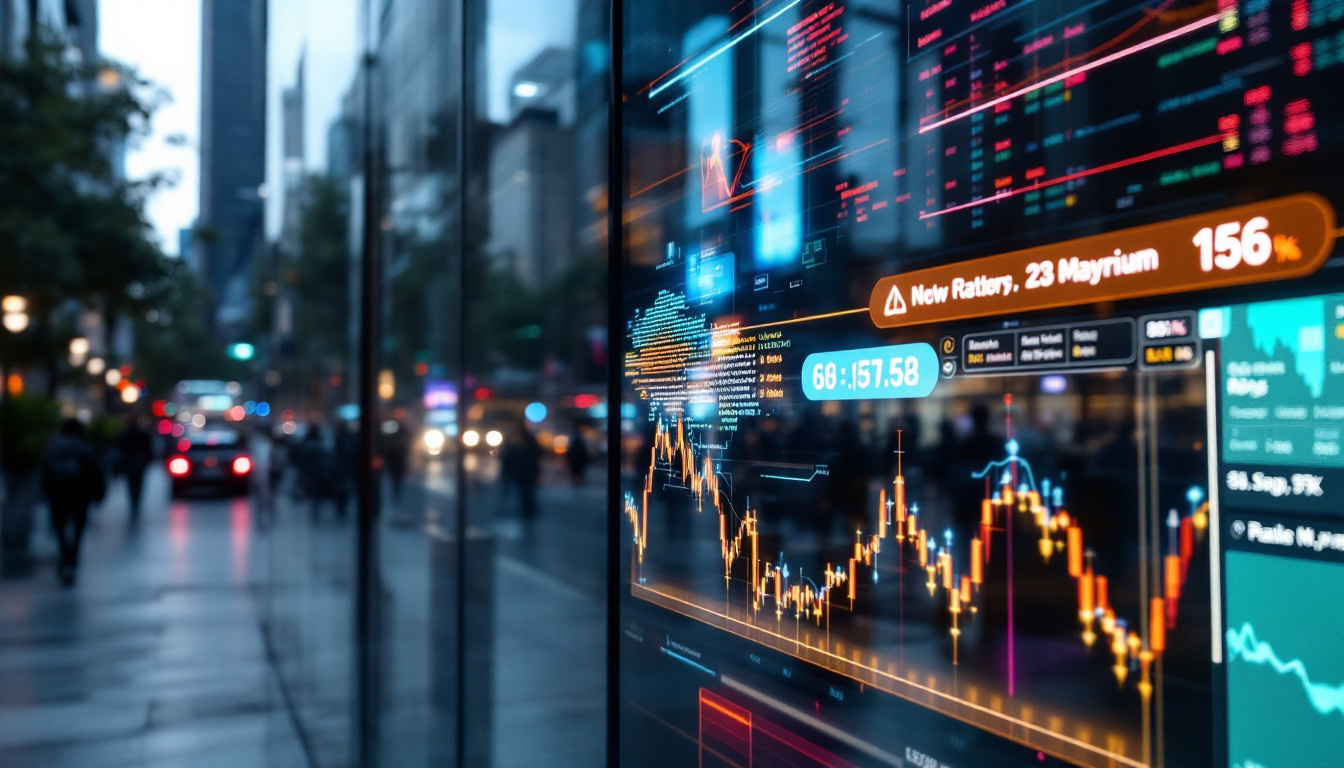
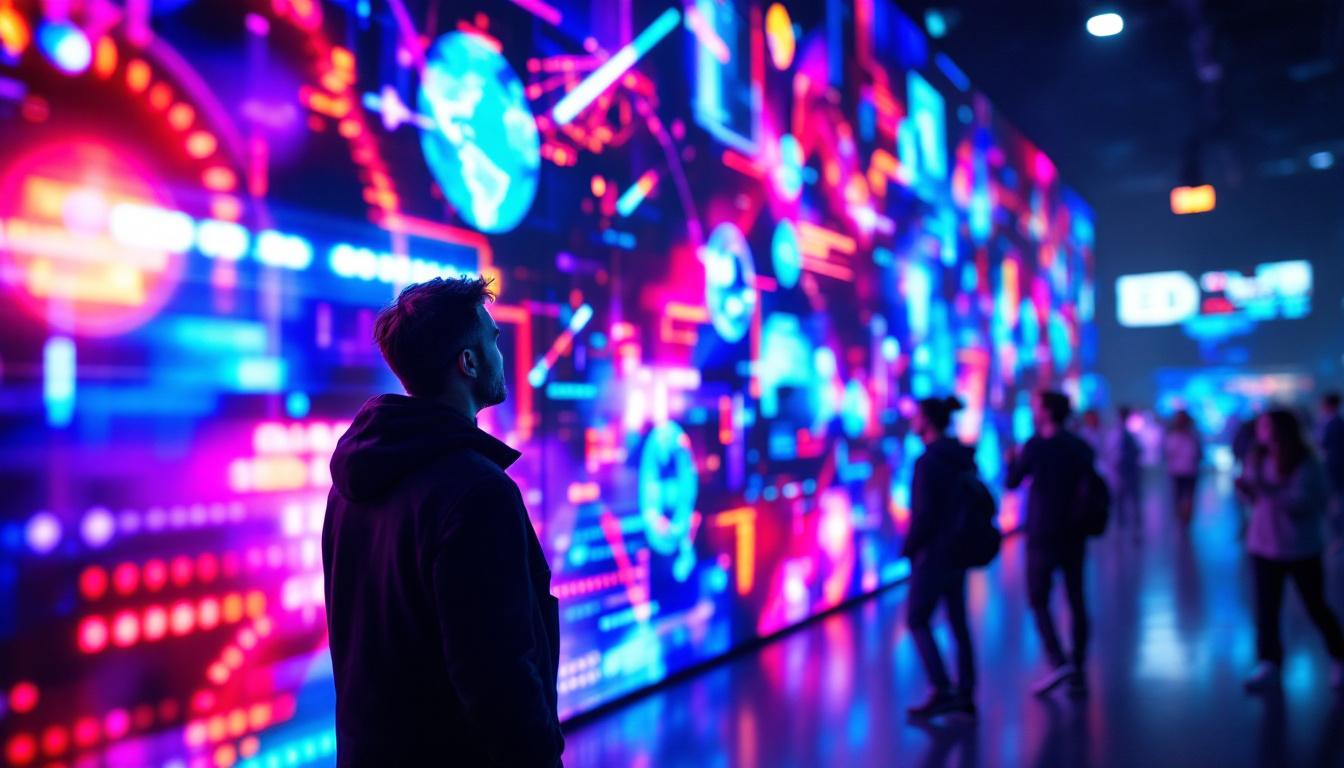
An LED display is a flat panel display that uses an array of light-emitting diodes as pixels to create images, videos, or text. These displays can be found in a variety of sizes, from small indicator panels on electronic devices to massive outdoor billboards. The LEDs can be arranged in different configurations, including monochrome (single color), bi-color, or full-color displays, depending on the application. The versatility of LED displays makes them ideal for various environments, from retail spaces to concert venues, where vibrant visuals are essential for capturing audience attention.
One of the key advantages of LED displays is their ability to produce bright, vivid colors while maintaining energy efficiency. This is particularly important in outdoor settings, where sunlight can wash out the visibility of traditional displays. Additionally, LED technology has evolved to include features such as high refresh rates and wide viewing angles, which enhance the overall viewing experience. As a result, LED displays have become a staple in modern advertising and entertainment, transforming how information is conveyed in public spaces.
Types of LED Displays
There are several main types of LED displays, each tailored for specific uses:
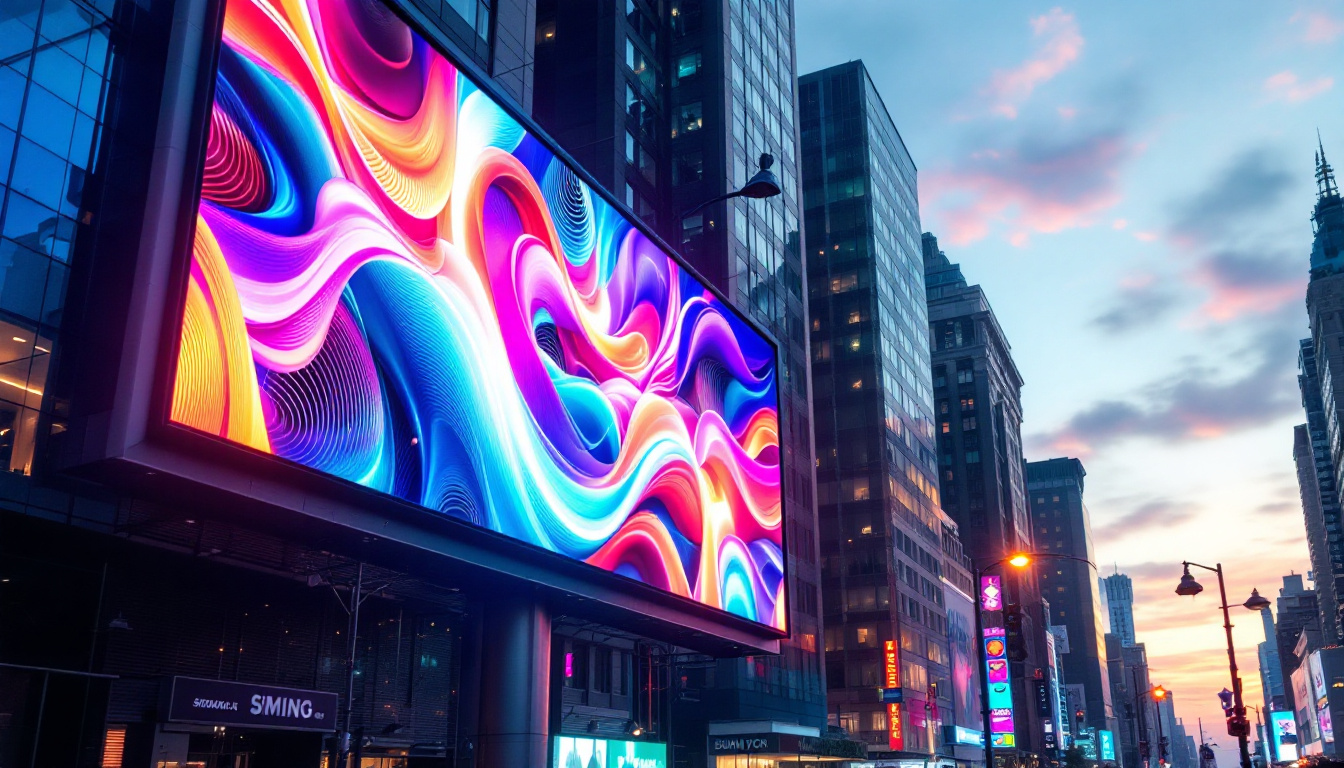
- Direct View LED Displays: These are composed of individual LEDs that form the image directly. They are often used in large outdoor screens, stadium displays, and digital billboards due to their brightness and visibility over long distances. Direct view displays are particularly effective for live events, where real-time updates and dynamic content are crucial for engaging the audience.
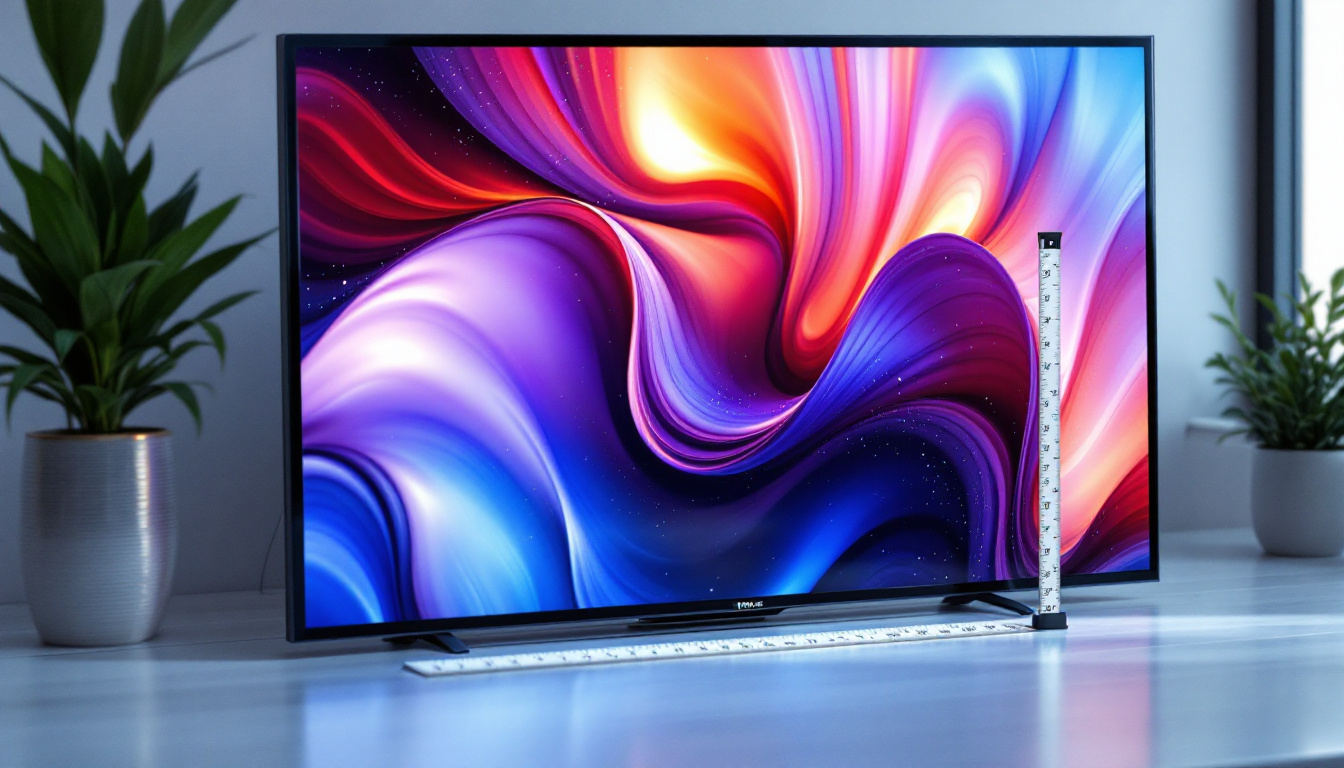
- LED-backlit LCD Displays: These combine liquid crystal displays (LCDs) with LED backlighting. This technology is common in televisions, computer monitors, and smartphones, offering improved brightness and energy efficiency compared to older CCFL backlit LCDs. The integration of LED backlighting allows for thinner designs and better color reproduction, making these displays a popular choice for consumer electronics.
- OLED Displays: Organic Light Emitting Diode (OLED) displays use organic compounds that emit light when an electric current is applied. While not traditional LEDs, OLEDs are considered part of the LED family and are widely used in high-end smartphones and TVs for their superior contrast and color accuracy. The ability of OLED displays to achieve true blacks and vibrant colors has revolutionized the viewing experience, especially in dark environments.
In addition to these primary types, there are also specialized LED displays designed for niche applications. For instance, transparent LED displays are gaining popularity in retail environments, allowing products to be showcased behind the screen while still displaying dynamic content. Furthermore, flexible LED displays are emerging, enabling creative installations that can bend and shape to fit various architectural designs. These innovations highlight the ongoing advancements in LED technology, catering to the diverse needs of modern consumers and businesses alike.
How LED Displays Work: Technical Insights
Pixel Composition and Color Generation
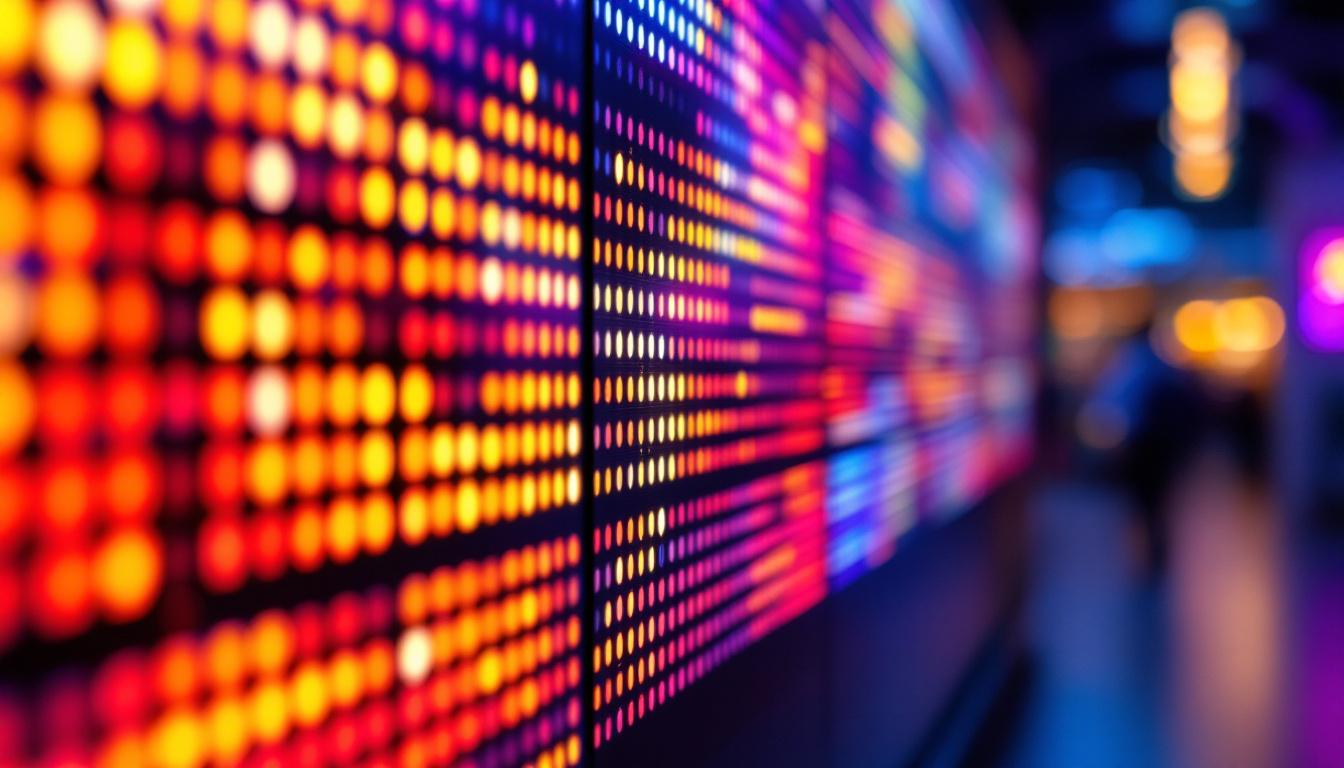
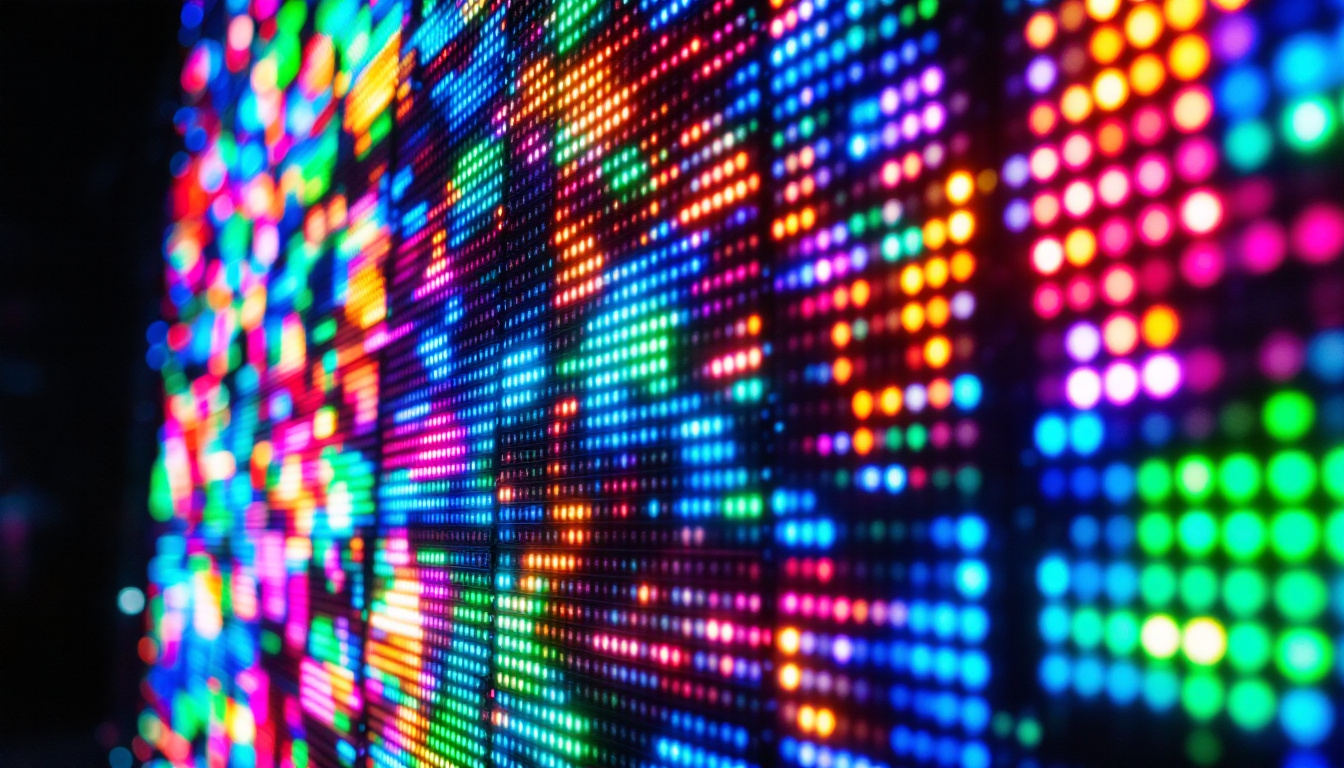
In LED displays, each pixel typically consists of three sub-pixels: red, green, and blue (RGB). By varying the intensity of each sub-pixel, the display can produce a wide spectrum of colors through additive color mixing. This RGB model is fundamental to most digital displays and allows for vibrant, true-to-life images.
Resolution and Pixel Pitch
Resolution refers to the number of pixels displayed on the screen, while pixel pitch is the distance between the centers of two adjacent pixels, usually measured in millimeters. A smaller pixel pitch means higher resolution and sharper images, which is especially important for close-viewing applications like smartphones or indoor displays. Conversely, larger pixel pitches are acceptable for large outdoor screens viewed from a distance.
Brightness and Contrast
One of the standout features of LED displays is their brightness. Outdoor LED displays can reach brightness levels exceeding 5,000 nits, making them visible even in direct sunlight. Additionally, LEDs offer excellent contrast ratios because they can turn off individual pixels completely, producing true blacks and enhancing image depth.
Applications of LED Displays
Advertising and Public Information
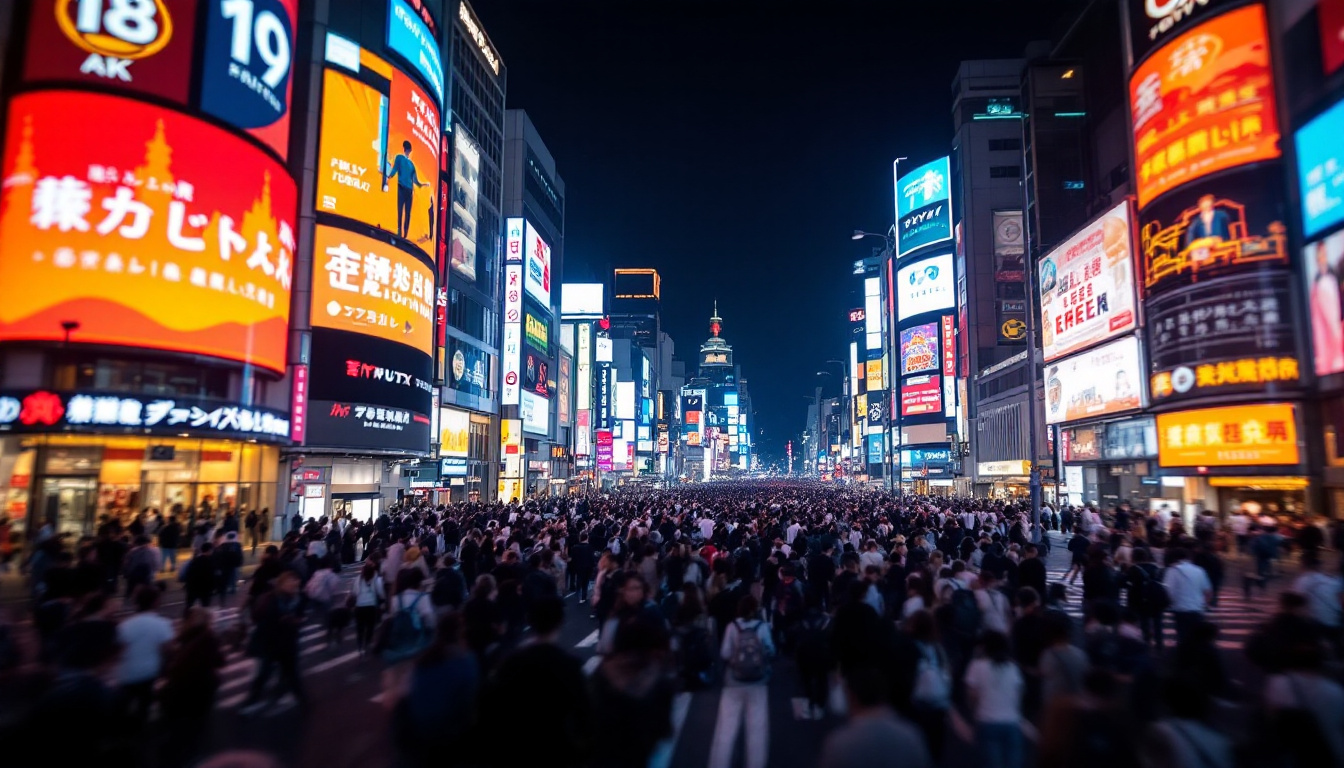
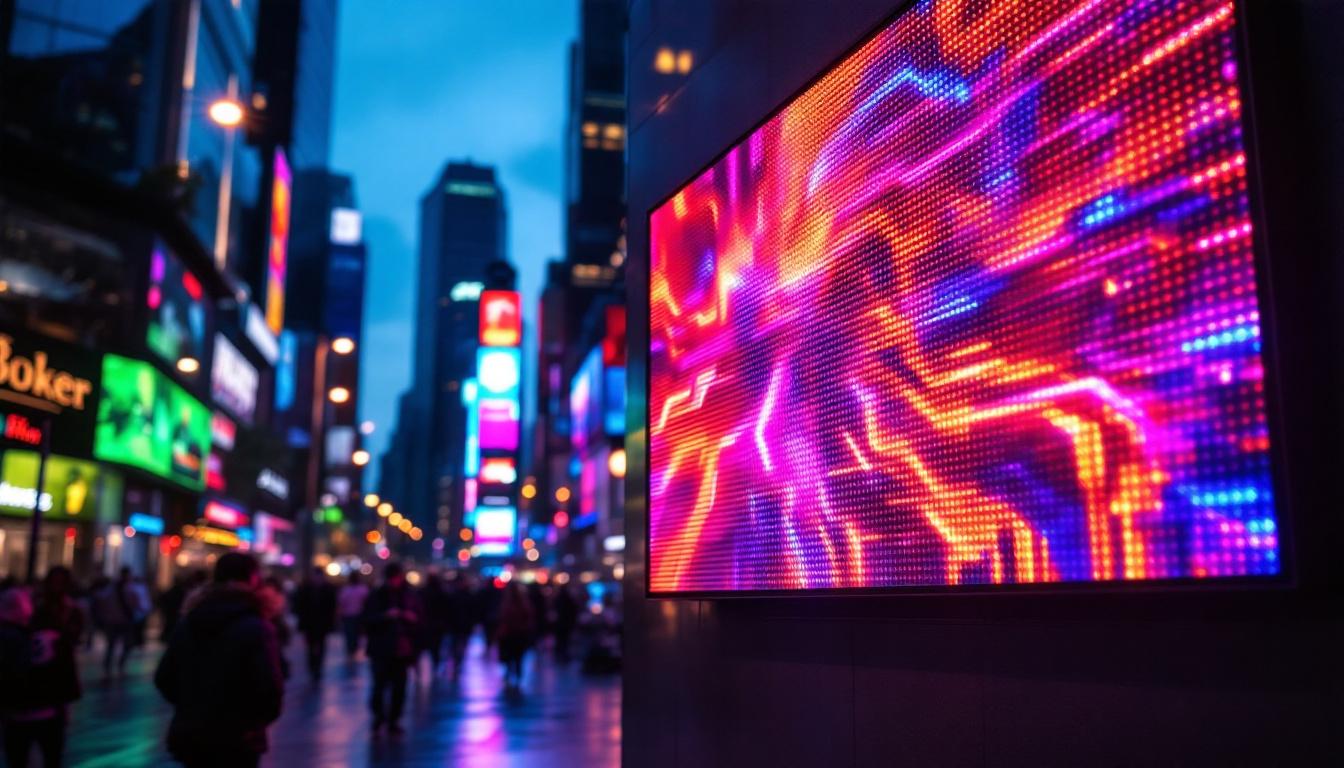
LED displays have revolutionized the advertising industry. Digital billboards equipped with LED technology allow advertisers to display dynamic content that can be updated in real-time. According to a 2023 report by the Digital Signage Federation, LED billboards have increased engagement rates by up to 30% compared to static signs. Cities also use LED displays for public information, such as traffic updates, emergency alerts, and event announcements.
Entertainment and Events
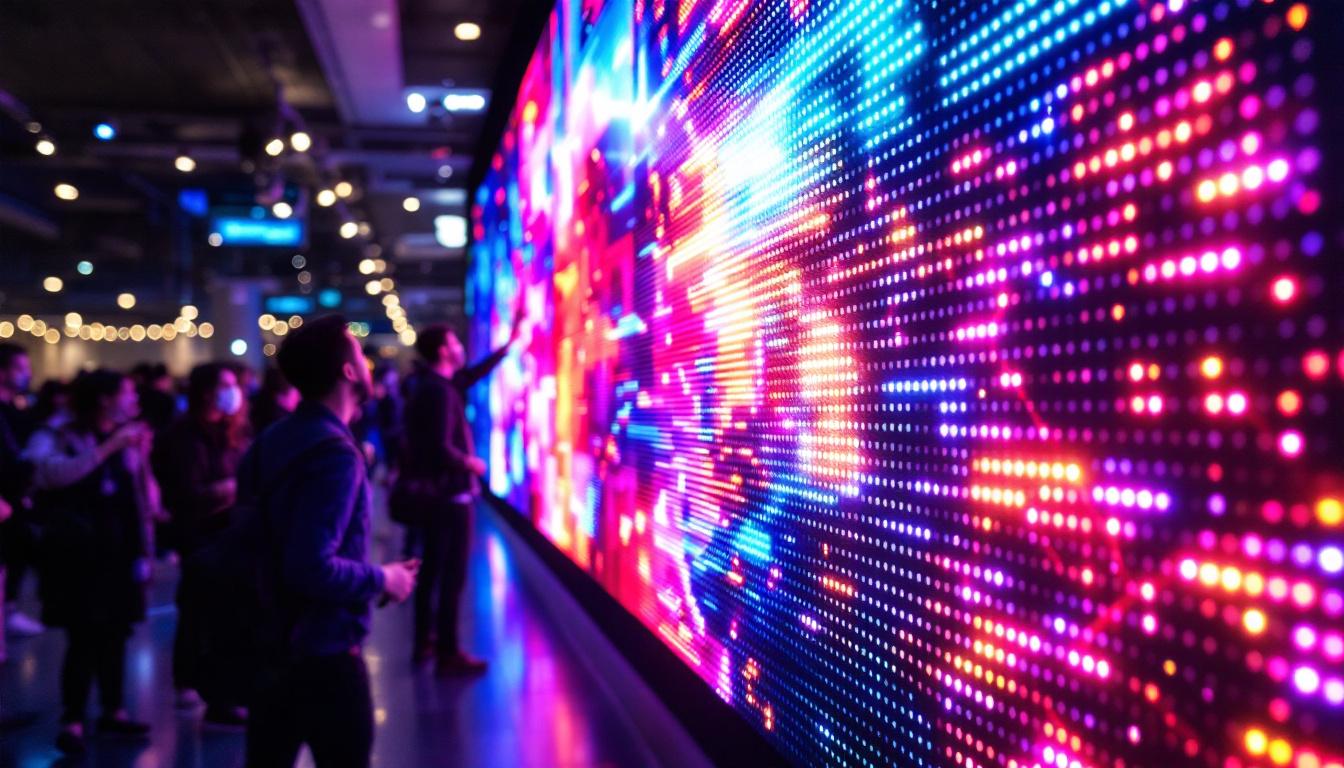
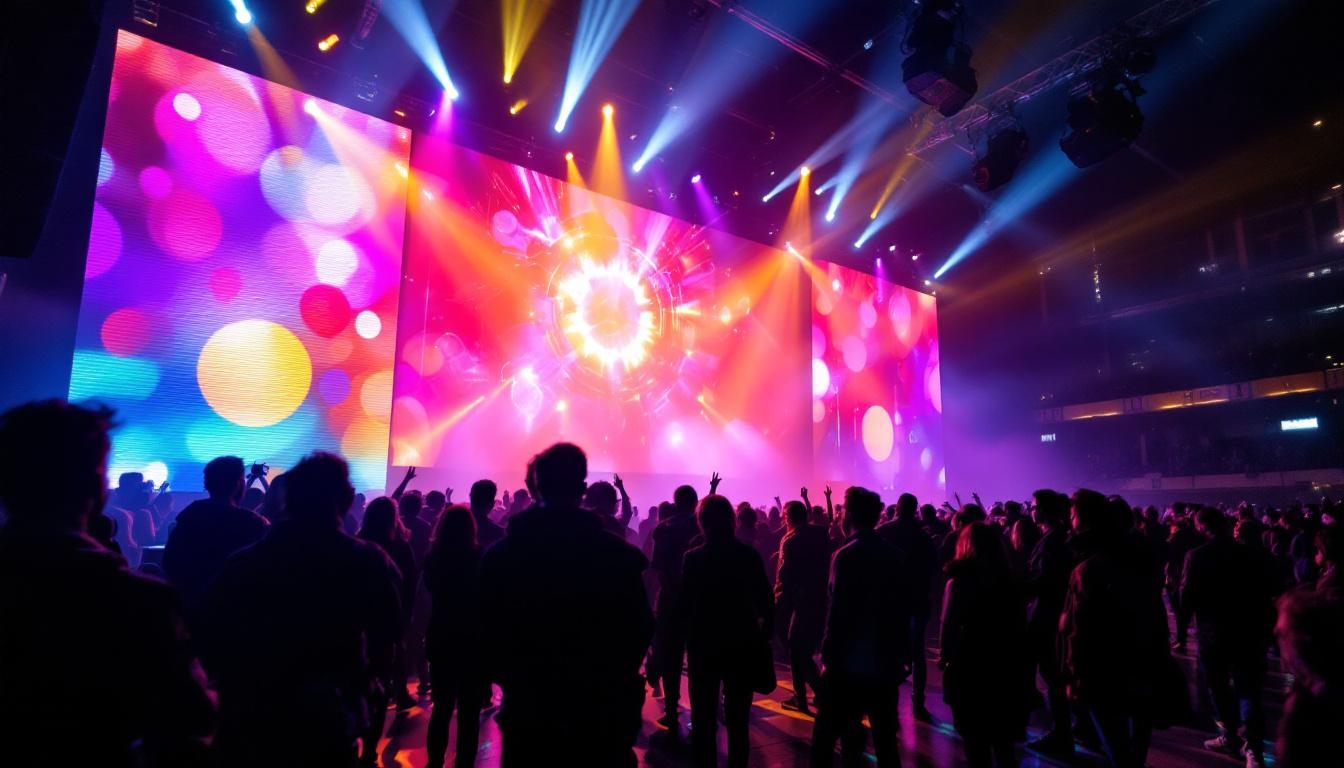
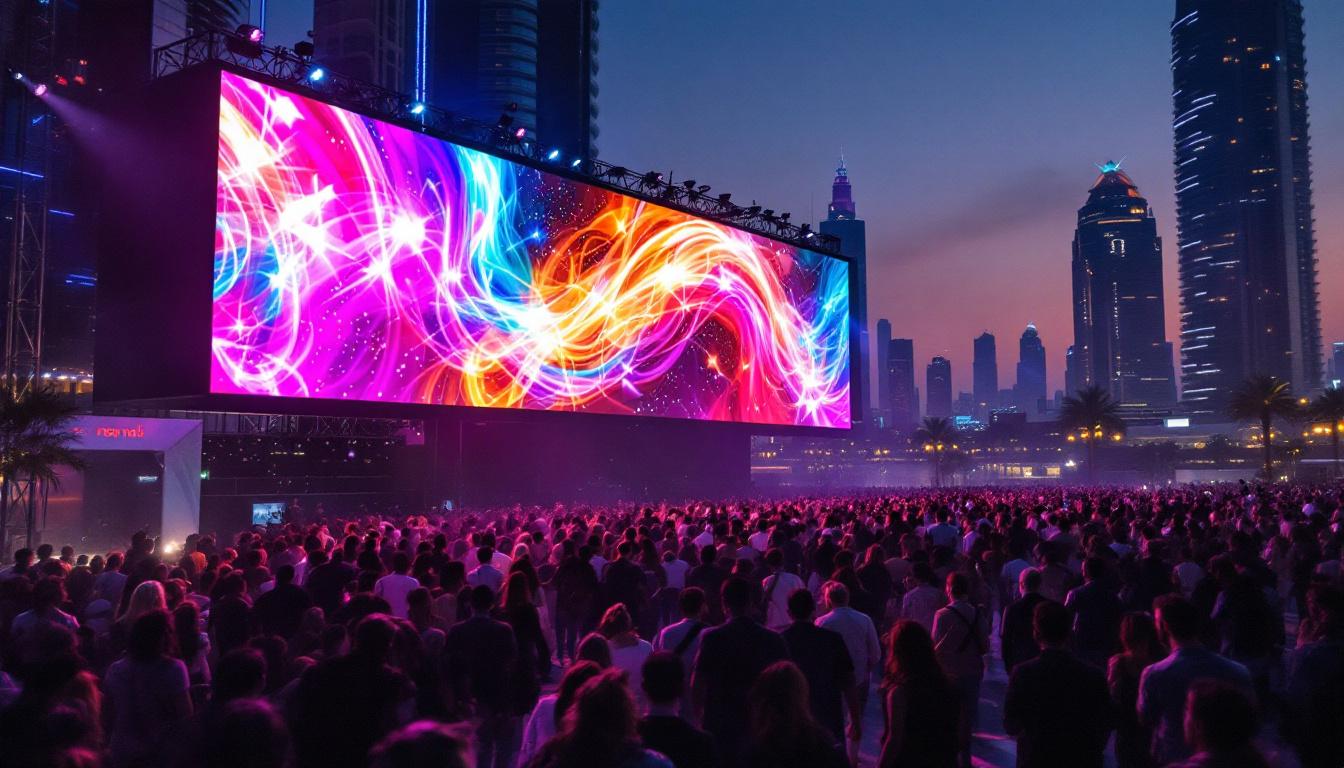
In concerts, sports arenas, and theaters, LED displays provide immersive visual experiences. Their ability to produce high-resolution, bright images ensures that even spectators far from the stage can enjoy clear visuals. The versatility of LED panels also allows for creative stage designs and interactive installations.
Retail and Corporate Use
Retailers use LED displays to attract customers with eye-catching promotions and interactive content. Corporations integrate LED screens in lobbies and conference rooms for branding and presentations. The flexibility in size and shape of LED displays enables tailored solutions for diverse environments.
Advantages of LED Displays Over Other Technologies
Energy Efficiency and Longevity
LED displays consume significantly less power than traditional display technologies like incandescent or fluorescent lighting. This efficiency translates to lower operating costs and reduced environmental impact. Moreover, LEDs have a longer lifespan, often exceeding 50,000 hours, which reduces maintenance and replacement expenses.
Superior Image Quality
With high brightness, excellent contrast, and vibrant colors, LED displays deliver superior image quality. They also offer wide viewing angles, ensuring consistent color and brightness regardless of the viewer’s position. This is critical in public spaces where audiences view screens from multiple perspectives.
Durability and Flexibility
LED displays are robust and can withstand harsh environmental conditions such as rain, dust, and extreme temperatures. This makes them ideal for outdoor use. Additionally, the modular nature of LED panels allows for creative configurations, including curved and flexible displays that are impossible with traditional screens.
Challenges and Considerations
Initial Cost
One of the primary barriers to adopting LED displays is the upfront cost. High-quality LED panels, especially those with fine pixel pitch and advanced features, can be expensive. However, the total cost of ownership often balances out due to energy savings and reduced maintenance.
Heat Management
LEDs generate heat during operation, which must be managed effectively to maintain performance and longevity. Modern LED displays incorporate sophisticated cooling systems to prevent overheating, but this adds complexity to the design and installation.
Environmental Impact
While LEDs are more environmentally friendly than many alternatives, the manufacturing and disposal of LED components involve materials that require careful handling. Recycling and sustainable production practices are increasingly important as LED usage grows globally.
The Future of LED Displays
Advancements in MicroLED and MiniLED
Emerging technologies like MicroLED and MiniLED promise to push the boundaries of LED displays further. MicroLEDs are tiny LEDs that can be used to create displays with even higher resolution, better brightness, and improved energy efficiency. MiniLEDs, which are somewhat larger, serve as enhanced backlighting solutions for LCDs, offering better contrast and color accuracy.
Integration with Smart Technologies
As the Internet of Things (IoT) expands, LED displays are becoming smarter and more interactive. Integration with sensors, AI, and data analytics enables dynamic content tailored to audience demographics, weather conditions, and real-time events. This creates more engaging and personalized user experiences.
Sustainability and Green Initiatives
Future developments in LED technology also focus on sustainability, including the use of eco-friendly materials and energy harvesting techniques. Manufacturers are working towards reducing the carbon footprint of LED production and promoting circular economy principles.
Conclusion
LED displays represent a transformative technology that has reshaped how information and entertainment are delivered worldwide. Their combination of energy efficiency, durability, and exceptional image quality makes them the preferred choice across industries. Understanding the fundamentals of LED technology and its applications helps businesses and consumers make informed decisions when selecting display solutions. As innovations continue to evolve, LED displays will undoubtedly play an even more significant role in the digital landscape of the future.
Illuminate Your Space with LumenMatrix
As you consider the future of digital displays and the role LED technology plays in delivering exceptional visual content, LumenMatrix stands at the forefront of innovation. With a comprehensive range of LED display solutions, including Indoor and Outdoor LED Wall Displays, Vehicle LED Displays, and more, LumenMatrix is committed to transforming environments with captivating and energy-efficient digital signage. Whether you’re looking to enhance brand visibility, create immersive experiences, or communicate with clarity and impact, LumenMatrix has the expertise to bring your vision to life. Check out LumenMatrix LED Display Solutions and see how we can illuminate your space with cutting-edge technology.