In today’s fast-paced digital world, video walls have become an essential tool for businesses, control rooms, retail environments, and entertainment venues. Among the various configurations, the 4 TV video wall controller setup stands out for its balance of size, resolution, and cost-effectiveness. This article delves into what a 4 TV video wall controller is, how LED displays function within these systems, and why understanding these components is crucial for making informed decisions in digital signage and display technology.
Understanding the 4 TV Video Wall Controller
A 4 TV video wall controller is a device or system that manages and synchronizes four individual television screens to function as a single, large display. This configuration typically arranges the four TVs in a 2×2 grid, creating a seamless viewing experience that is larger and more impactful than any single screen.
Video wall controllers are responsible for splitting the input signal—whether from a computer, media player, or broadcast source—into four separate outputs, each tailored to the resolution and position of the individual TV. This ensures that the overall image or video content appears continuous and undistorted across all screens.
Key Features of 4 TV Video Wall Controllers
Modern 4 TV video wall controllers come with a variety of features designed to maximize flexibility and image quality:
- Multiple Input Support: Controllers typically support HDMI, DisplayPort, DVI, and sometimes SDI inputs, allowing integration with diverse sources.
- Resolution Management: They handle high-definition and even 4K content, splitting and scaling it appropriately for each TV.
- Bezel Compensation: Since TVs have bezels (the frame around the screen), controllers adjust the image to minimize visual disruption where screens meet.
- Content Customization: Some controllers allow for different content on each screen or a combination of unified and distinct visuals.
- Remote Management: Advanced models offer network-based control for easy configuration and monitoring.
Why Choose a 4 TV Video Wall?
The 4 TV video wall strikes a practical balance between size and cost. It is large enough to be attention-grabbing and highly visible in medium-sized venues, yet small and affordable enough for many businesses and organizations to implement without the complexity and expense of larger video walls.
Moreover, the modularity of a 4 TV setup allows for easy upgrades and maintenance. If one screen fails, it can be replaced without disrupting the entire system. This flexibility makes it a popular choice for control rooms, corporate lobbies, retail stores, and educational institutions.
In addition to its practical applications, a 4 TV video wall can serve as a dynamic marketing tool. Businesses can utilize the space to showcase promotional videos, advertisements, or live social media feeds, effectively engaging customers and enhancing the overall atmosphere. The ability to display multiple types of content simultaneously—such as product information on one screen while showing a promotional video on another—can significantly improve customer interaction and retention.
Furthermore, the use of a 4 TV video wall is not limited to commercial environments. Educational institutions can leverage this technology for interactive learning experiences, displaying educational content, and facilitating collaborative projects. By integrating various multimedia resources, educators can create an immersive learning environment that captures students’ attention and enhances their understanding of complex subjects.
LED Displays in Video Walls: What You Need to Know
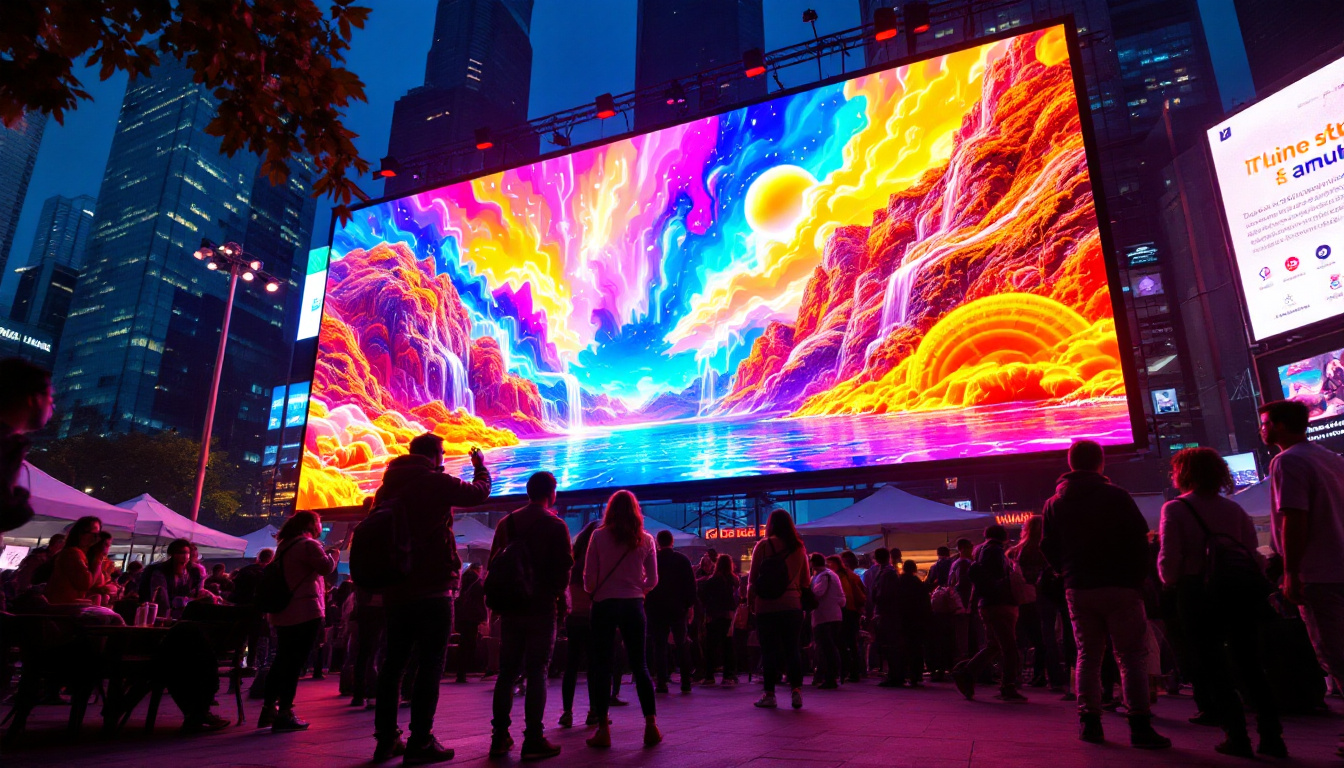
LED (Light Emitting Diode) technology has revolutionized display systems, including video walls. While traditional LCD or OLED panels are common in consumer TVs, LED displays—especially direct-view LED panels—are increasingly favored for video walls due to their brightness, durability, and scalability.
Types of LED Displays Used in Video Walls
There are two primary types of LED displays relevant to video walls:
- Direct-View LED (DVLED): These are modular panels made up of thousands of tiny LEDs that emit light directly. They offer exceptional brightness and contrast, making them ideal for large-scale, high-impact video walls in environments with high ambient light.
- LED-Backlit LCD: These are traditional LCD panels with LED backlighting. While common in consumer TVs and monitors, they are less frequently used for large video walls due to limitations in viewing angles and brightness compared to DVLED.
Advantages of LED Displays in Video Walls
LED displays bring several benefits that make them well-suited for video wall applications:
- High Brightness: LED video walls can achieve brightness levels exceeding 1,000 nits, ensuring visibility even in brightly lit environments like retail stores or outdoor spaces.
- Wide Viewing Angles: LEDs maintain consistent color and brightness across wide angles, allowing viewers to see clear images from different positions.
- Durability and Longevity: LED panels are robust and have long lifespans, often rated for 100,000 hours or more, reducing maintenance costs.
- Scalability: Modular LED panels can be combined to create video walls of virtually any size and aspect ratio, from small 4 TV configurations to massive stadium displays.
- Seamless Image Quality: With narrow pixel pitches, LED video walls can deliver near-seamless images without the visible bezels typical of tiled TV screens.
Pixel Pitch and Resolution Considerations
Pixel pitch—the distance between the centers of two adjacent LEDs—is a critical factor in LED video wall quality. Smaller pixel pitches (e.g., 1.2mm to 2.5mm) provide higher resolution and sharper images, suitable for close viewing distances such as control rooms or conference halls.
In a 4 TV video wall setup using traditional TVs, pixel pitch is fixed by the panel’s native resolution and size, often resulting in visible bezels and lower pixel density compared to DVLED walls. However, for many applications, the cost savings and ease of installation make 4 TV video walls a practical choice.
Integrating 4 TV Video Wall Controllers with LED Displays
Combining a 4 TV video wall controller with LED displays requires careful planning to optimize image quality and system performance. While traditional TVs are more common in 4 TV setups, integrating direct-view LED panels is increasingly feasible as smaller, more affordable LED modules become available.
Challenges and Solutions
One of the main challenges in a 4 TV video wall is the bezel gap between screens, which can disrupt the continuity of the displayed image. LED video walls, especially DVLED, minimize this issue by offering bezel-less or ultra-narrow bezel modules.
When using standard TVs, video wall controllers employ bezel compensation techniques that adjust the image to account for these gaps, ensuring that content appears natural and undistorted. Some advanced controllers also allow for creative content layouts that embrace the bezel lines as part of the design.
Content Management and Calibration
Effective content management is essential for maximizing the impact of a 4 TV video wall. Video wall controllers often include software tools for content scheduling, layout customization, and real-time monitoring.
Calibration is another critical step. Color and brightness calibration across all four TVs or LED panels ensures uniformity, preventing one screen from appearing brighter or differently colored than the others. Professional calibration tools and services are recommended for high-end installations.
Use Cases and Practical Examples
4 TV video walls with LED displays are widely used in various industries:
- Control Rooms: Surveillance centers and utilities use 4 TV video walls to monitor multiple data streams simultaneously, benefiting from high resolution and real-time content switching.
- Retail and Advertising: Stores and malls employ 4 TV video walls to showcase promotional content, leveraging the bright and vivid LED displays to attract customers.
- Corporate Environments: Conference rooms and lobbies use these video walls for presentations and branding, enhancing the professional atmosphere.
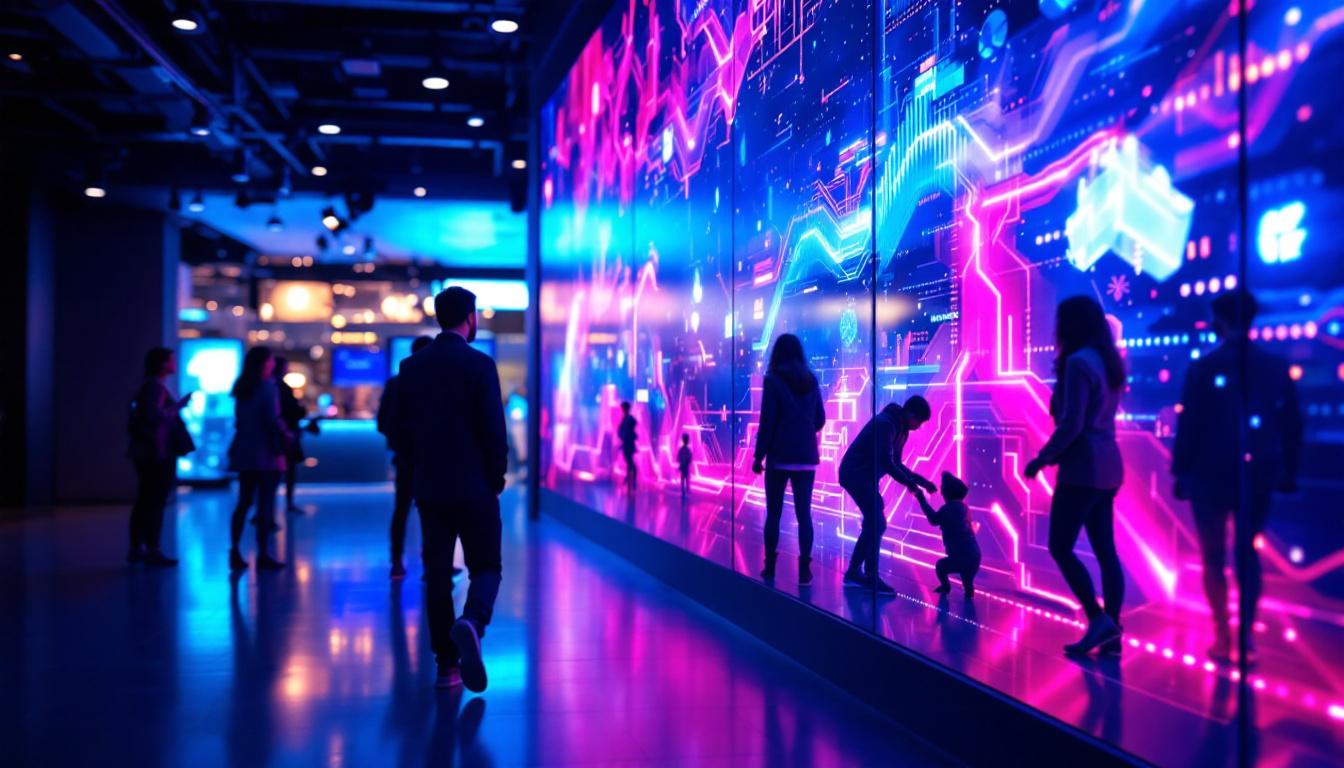
- Education and Museums: Interactive exhibits and lecture halls use video walls to engage audiences with dynamic visuals and multimedia content.
Future Trends in 4 TV Video Wall Controllers and LED Displays
The technology behind video walls and LED displays continues to evolve rapidly, driven by demand for higher resolution, better color accuracy, and more flexible installation options.
Mini-LED and Micro-LED Technologies
Emerging display technologies such as Mini-LED and Micro-LED promise to bridge the gap between traditional LCD panels and direct-view LED walls. Mini-LED backlighting enhances LCD performance with improved contrast and brightness, while Micro-LED offers true self-emissive pixels with exceptional color and efficiency.
These advancements could lead to thinner, lighter, and more energy-efficient video wall panels suitable for 4 TV configurations and beyond.
AI-Driven Content Optimization
Artificial intelligence is increasingly integrated into video wall controllers to optimize content delivery. AI algorithms can analyze viewer engagement, ambient lighting, and content type to dynamically adjust brightness, contrast, and layout for maximum impact.
This smart adaptation enhances the viewer experience and can reduce power consumption by adjusting display parameters in real time.
Wireless and Cloud-Based Control
Wireless video wall controllers and cloud-based management platforms are gaining traction, allowing remote configuration, monitoring, and content updates without physical access to the hardware.
This flexibility is particularly valuable for multi-site deployments and organizations with limited on-site technical support.
Conclusion: Making the Right Choice for Your Video Wall Needs
Understanding the capabilities and limitations of 4 TV video wall controllers and LED displays is essential for selecting the right solution for any application. While traditional 4 TV setups offer affordability and ease of installation, integrating LED technology—especially direct-view LED—can significantly enhance image quality and durability.
Careful consideration of factors such as viewing environment, content type, budget, and maintenance requirements will guide the choice between LCD-based video walls and LED displays. As technology continues to advance, the options for creating stunning, impactful video walls will only expand, offering exciting possibilities for businesses and organizations worldwide.
Discover LumenMatrix’s Advanced LED Display Solutions
Ready to elevate your visual display capabilities? Explore LumenMatrix’s comprehensive range of LED display solutions, meticulously crafted to meet the diverse needs of any application. From vibrant Indoor and Outdoor LED Wall Displays to innovative Custom and All-in-One LED solutions, LumenMatrix is at the forefront of transforming spaces with captivating visuals. Whether you’re looking to engage audiences in retail, enhance the excitement in sports arenas, or make a statement with Vehicle and Floor LED Displays, LumenMatrix has the technology to bring your vision to life. Check out LumenMatrix LED Display Solutions today and experience the future of visual communication.