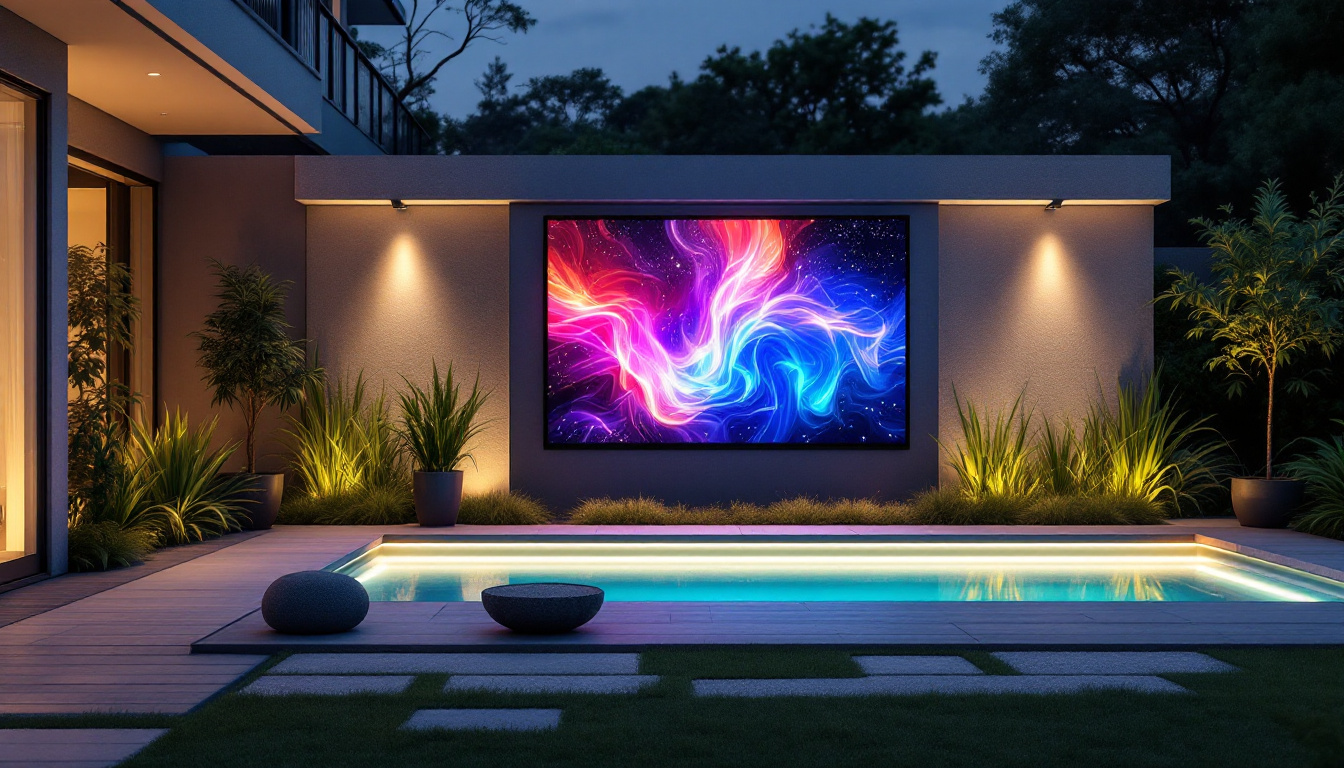
In the rapidly evolving world of display technology, LED monitors have become a cornerstone for consumers and professionals alike. From gaming setups to professional graphic design, understanding what LED displays are and how they work is essential for making informed purchasing decisions. This article delves into the intricacies of LED technology in monitors, exploring how it differs from other display types, its advantages, limitations, and the future prospects of LED displays.
What is an LED Monitor?
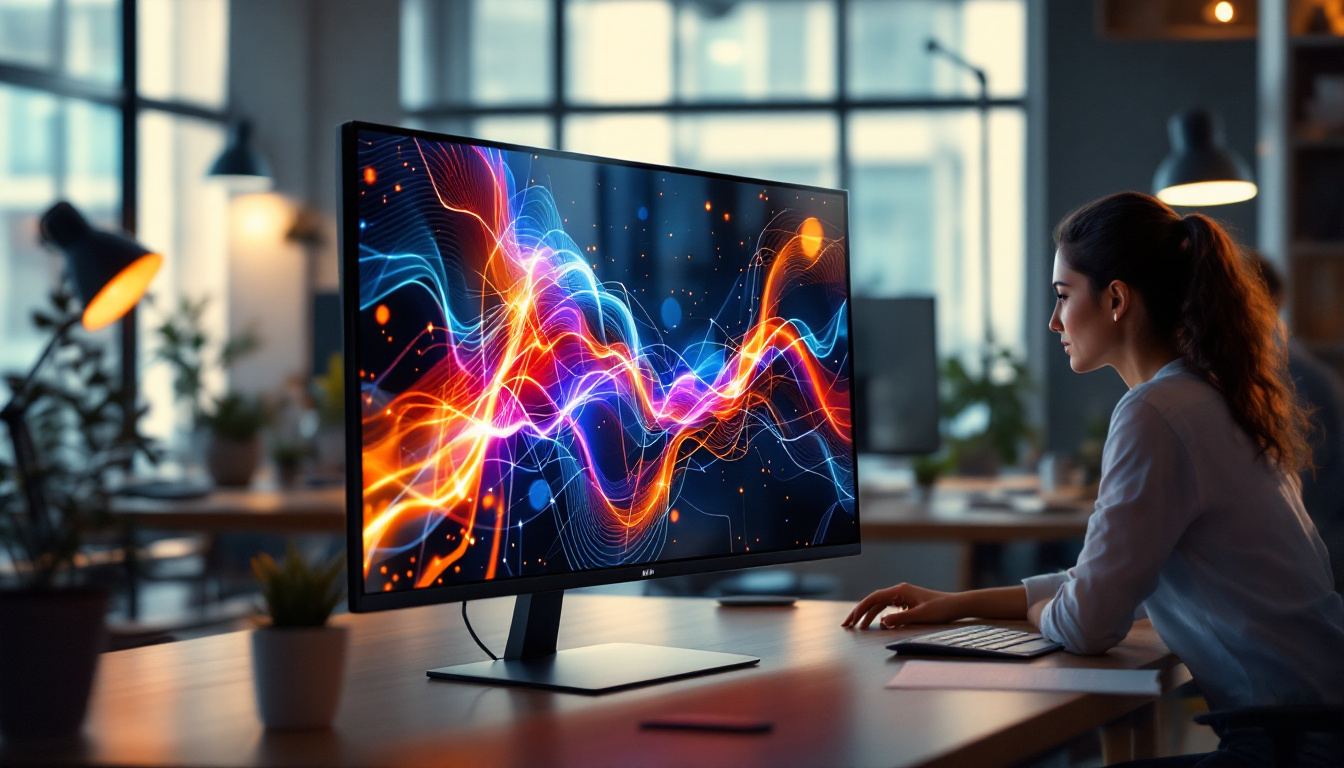
At its core, an LED monitor is a type of LCD (Liquid Crystal Display) screen that uses Light Emitting Diodes (LEDs) as its backlighting source. Unlike older LCD monitors that used cold cathode fluorescent lamps (CCFLs) for backlighting, LED monitors employ tiny LEDs to illuminate the screen, resulting in improved brightness, contrast, and energy efficiency.
It’s important to clarify a common misconception: the term “LED monitor” does not mean the screen itself is made of LEDs arranged to form images (that technology is more typical of large LED video walls or micro-LED displays). Instead, the LEDs serve as the backlight behind the LCD panel, which controls the image formation through liquid crystals.
How LED Backlighting Works
The liquid crystals in an LCD panel do not emit light on their own. They manipulate the light passing through them to create images by blocking or allowing light in specific areas. The LED backlight provides the necessary light source, shining through the liquid crystals and color filters to produce the visible image.
There are two primary types of LED backlighting used in monitors:
- Edge-lit LED: LEDs are placed along the edges of the screen, and light is diffused across the panel. This design allows for thinner monitors but may have less uniform brightness.
- Direct-lit or Full-array LED: LEDs are placed directly behind the screen in a grid pattern. This allows for better brightness uniformity and local dimming capabilities, enhancing contrast.
In addition to these two types, LED monitors can also incorporate advanced technologies such as High Dynamic Range (HDR) and Wide Color Gamut (WCG). HDR enhances the range of colors and brightness levels, allowing for more lifelike images with deeper blacks and brighter whites. This is particularly beneficial for gaming and watching movies, where visual fidelity is paramount. WCG, on the other hand, expands the color palette that a monitor can display, making images appear more vibrant and true to life, which is essential for graphic design and photography.
Furthermore, LED monitors are increasingly being favored for their energy efficiency. Compared to traditional LCDs with CCFL backlighting, LED monitors consume significantly less power, which not only reduces electricity bills but also contributes to a lower carbon footprint. This energy efficiency is particularly advantageous for businesses and individuals who spend long hours in front of their screens, as it can lead to substantial savings over time. As technology advances, we can expect even more innovations in LED monitor designs, focusing on enhancing user experience and sustainability.
Advantages of LED Monitors Over Other Display Technologies
LED monitors have gained widespread popularity due to several key advantages compared to older technologies like CCFL-backlit LCDs and even some OLED displays in certain applications.
Energy Efficiency and Environmental Impact
One of the most significant benefits of LED backlighting is its energy efficiency. LEDs consume less power than CCFLs, reducing electricity usage and extending battery life in portable devices. According to a 2022 report by the U.S. Department of Energy, LED-backlit displays can use up to 30% less power than CCFL-backlit counterparts.
Moreover, LEDs do not contain mercury, unlike CCFLs, making them more environmentally friendly and easier to recycle. This aligns with the increasing global emphasis on sustainable electronics manufacturing and disposal.
Improved Display Quality
LED backlighting enhances display quality in several ways:
- Brightness: LEDs can achieve higher brightness levels, which is especially beneficial in well-lit environments or for HDR (High Dynamic Range) content.
- Contrast and Black Levels: Full-array LED monitors with local dimming can selectively dim parts of the screen, resulting in deeper blacks and higher contrast ratios.
- Color Accuracy: LEDs can support wider color gamuts, such as DCI-P3 or Adobe RGB, which is crucial for professional photo and video editing.
These improvements make LED monitors suitable for a broad range of uses, from casual browsing to color-critical professional work.
Design and Form Factor
The compact size of LEDs allows manufacturers to produce thinner and lighter monitors. This sleek design not only appeals aesthetically but also saves desk space and enhances portability for laptops and portable monitors.
Comparing LED Monitors to OLED and Other Display Technologies
While LED monitors are prevalent, it’s important to understand how they stack up against other emerging and established display technologies such as OLED, QLED, and MicroLED.
LED vs. OLED
Organic Light Emitting Diode (OLED) displays differ fundamentally from LED-backlit LCDs. OLED pixels emit their own light, allowing for true blacks by turning off individual pixels completely. This results in superior contrast ratios and viewing angles.
However, OLED displays tend to be more expensive and can suffer from burn-in issues over time, where static images leave permanent marks on the screen. LED monitors, particularly those with local dimming, have improved contrast but cannot match OLED’s perfect black levels.
QLED: A Marketing Term with LED Roots
Quantum Dot LED (QLED) is a term popularized by manufacturers to describe LCD monitors that use quantum dots in their LED backlighting system. Quantum dots enhance color accuracy and brightness but still rely on LED backlighting and LCD panels. Thus, QLED monitors are essentially advanced LED-backlit LCDs with improved color performance.
MicroLED: The Future of LED Displays?
MicroLED technology involves tiny, self-emissive LEDs that act as individual pixels, similar to OLED but with inorganic materials. This promises the best of both worlds: perfect blacks, high brightness, longevity, and no burn-in. However, MicroLED displays are currently expensive and mostly limited to large-scale commercial applications.
Key Features to Consider When Buying an LED Monitor
For consumers and professionals interested in purchasing an LED monitor, several factors should guide the decision-making process beyond just the LED backlighting technology.
Resolution and Screen Size
Resolution determines the sharpness of the image. Common resolutions include Full HD (1920×1080), Quad HD (2560×1440), and 4K UHD (3840×2160). Larger screen sizes benefit from higher resolutions to maintain image clarity. For example, a 27-inch monitor is often paired with at least a 2560×1440 resolution for optimal sharpness.
Refresh Rate and Response Time
Gamers and video editors should pay close attention to refresh rate (measured in Hz) and response time (measured in milliseconds). Higher refresh rates (120Hz, 144Hz, or even 240Hz) provide smoother motion, while low response times reduce motion blur and ghosting effects.
Color Accuracy and Calibration
Professionals working with color-sensitive tasks should look for monitors that cover wide color gamuts and support hardware calibration. Monitors with factory calibration reports and support for standards like sRGB, Adobe RGB, or DCI-P3 ensure more reliable color reproduction.
Connectivity and Ergonomics
Modern LED monitors offer a variety of connectivity options including HDMI, DisplayPort, USB-C, and Thunderbolt. Ergonomic features such as height adjustment, swivel, pivot, and tilt improve comfort during extended use.
Common Misconceptions About LED Monitors
Despite their popularity, LED monitors are often misunderstood. Clearing up these misconceptions helps consumers make better choices.
“LED” Means the Screen is Made of LEDs
As mentioned earlier, most LED monitors are actually LCD panels with LED backlighting, not displays composed of individual LEDs forming the image. True LED displays, such as those used in large outdoor screens, are a different technology altogether.
LED Monitors Are Always Better Than LCDs
While LED-backlit LCDs generally outperform CCFL-backlit LCDs, the quality depends on the specific implementation. For example, an edge-lit LED monitor may have uneven brightness compared to a well-designed CCFL monitor. Thus, it’s essential to consider the entire display technology and manufacturer quality.
LED Monitors Do Not Emit Blue Light
LED backlights do emit blue light, which can contribute to eye strain and disrupt sleep patterns. Many modern monitors include blue light reduction modes or flicker-free technology to mitigate these effects.
The Future of LED Display Technology in Monitors
LED technology continues to evolve, promising even better performance and new applications in the near future.
Mini-LED Backlighting
Mini-LED technology uses thousands of tiny LEDs for backlighting, enabling more precise local dimming zones. This results in improved contrast ratios and HDR performance compared to traditional LED backlighting. Mini-LED monitors are becoming more common in high-end laptops and desktop displays.
Integration with AI and Smart Features
Future LED monitors may incorporate AI-driven features such as adaptive brightness and color calibration based on ambient lighting and user preferences. This will enhance user experience and reduce eye strain.
Expansion of MicroLED Displays
As manufacturing techniques improve and costs decrease, MicroLED displays are expected to enter the consumer market, offering unparalleled image quality and durability.
Conclusion
LED monitors represent a mature and versatile display technology that balances performance, energy efficiency, and cost. By understanding the role of LED backlighting, its advantages, and how it compares to other technologies, consumers can make informed decisions tailored to their needs. Whether for gaming, professional work, or everyday use, LED monitors continue to be a reliable and evolving choice in the display landscape.
As the technology advances with innovations like mini-LED and MicroLED, the future of LED displays promises even more impressive visual experiences and energy savings, cementing their place in both consumer and professional markets.
Discover the Future of LED Displays with LumenMatrix
Ready to experience the pinnacle of LED display technology? LumenMatrix is at the forefront of innovation, offering a wide array of LED display solutions that cater to every need. Whether you’re looking to enhance your brand’s visibility with an Indoor LED Wall Display, captivate passersby with an Outdoor LED Wall Display, or create dynamic visual experiences with Custom LED Displays, LumenMatrix has the cutting-edge technology to bring your vision to life. Elevate your visual communication and engage your audience like never before. Check out LumenMatrix LED Display Solutions today and be a part of the visual revolution.