Touch screen technology and LED displays have revolutionized the way humans interact with electronic devices. From smartphones and tablets to large digital billboards and interactive kiosks, these technologies have become integral to daily life. But who actually invented the touch screen? How does LED display technology work, and what makes it so effective? This article delves into the history, development, and technical workings of touch screens and LED displays, providing a comprehensive understanding of these ubiquitous technologies.
The Origins of Touch Screen Technology
Early Innovations and Pioneers
The concept of touch-sensitive interfaces dates back to the 1960s. One of the earliest touch screen systems was developed by E.A. Johnson at the Royal Radar Establishment in the United Kingdom around 1965. Johnson’s work focused on capacitive touch technology, which detects changes in electrical charge when a finger touches the screen. This innovation laid the groundwork for modern capacitive touchscreens used in smartphones and tablets today.
Shortly after, in 1971, Dr. Sam Hurst invented the first resistive touch screen while working at the University of Kentucky. His invention, called the “Elograph,” utilized pressure to register touch inputs by detecting contact between two conductive layers. This technology became widely used in industrial applications and early personal digital assistants (PDAs). The Elograph’s ability to operate in various environments, including those with dirt and moisture, made it particularly valuable for industrial settings, where durability and reliability were paramount.
Commercialization and Growth
The 1980s and 1990s saw the commercialization of touch screen technology, particularly in retail and industrial sectors. Companies like Elo TouchSystems, founded by Dr. Sam Hurst, played a significant role in bringing touch screens to the market. Their products were used in point-of-sale systems, ATMs, and kiosks, making touch interaction more accessible to the public. This era also witnessed the emergence of touchscreen technology in gaming, where arcade machines began to incorporate touch interfaces, enhancing user engagement and interaction.
Apple’s introduction of the iPhone in 2007 marked a turning point for touch screen technology. The iPhone’s multi-touch capacitive screen allowed for gestures like pinch-to-zoom, setting a new standard for user interaction. This innovation spurred widespread adoption of touch screens in consumer electronics. Following the iPhone’s success, other manufacturers quickly followed suit, leading to a rapid evolution in touch screen technology that included advancements in screen resolution, sensitivity, and responsiveness. The rise of touch screens also catalyzed the development of new applications and software designed specifically for touch interaction, transforming how users engaged with their devices and the digital world at large.
Understanding LED Display Technology
What is an LED Display?
LED stands for Light Emitting Diode, a semiconductor device that emits light when an electric current passes through it. LED displays use arrays of these diodes to produce images, text, and videos. Unlike traditional LCDs, which require a backlight, LEDs emit light directly, resulting in brighter displays with better contrast and energy efficiency.
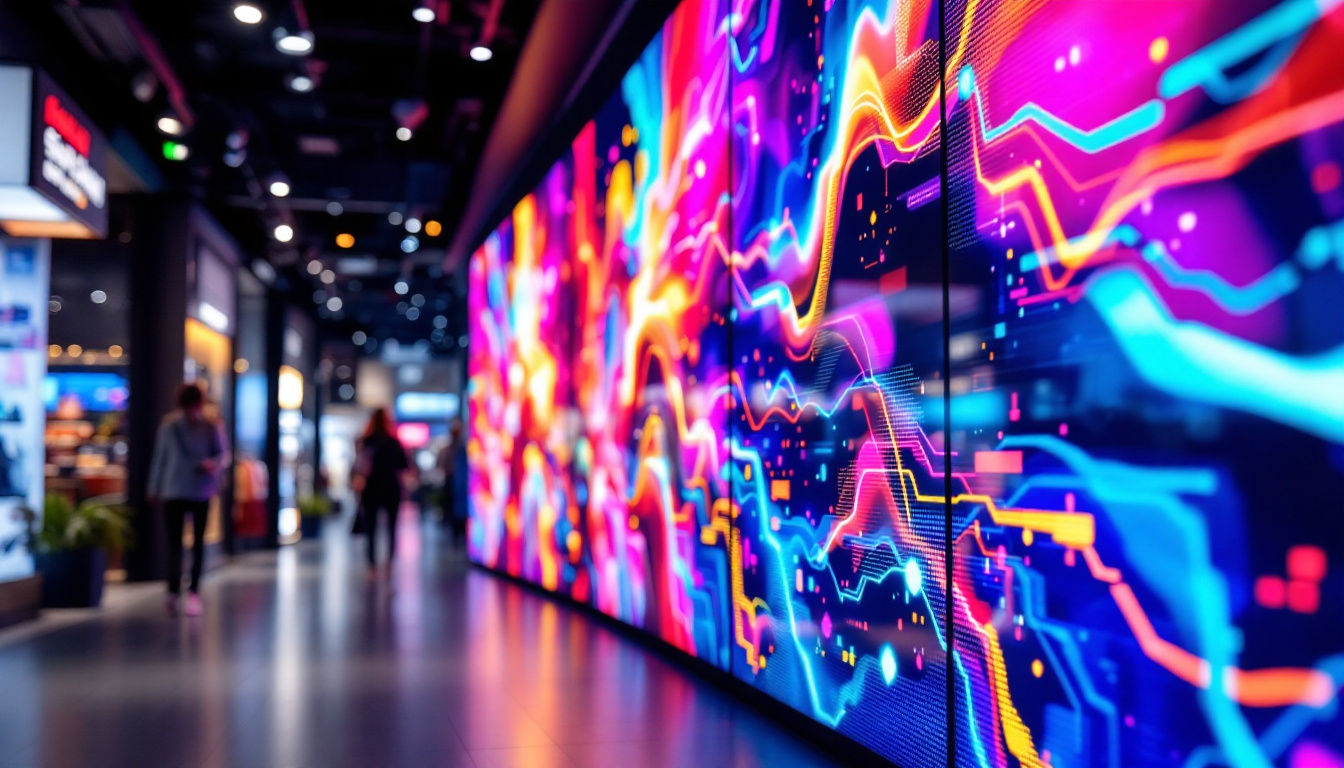
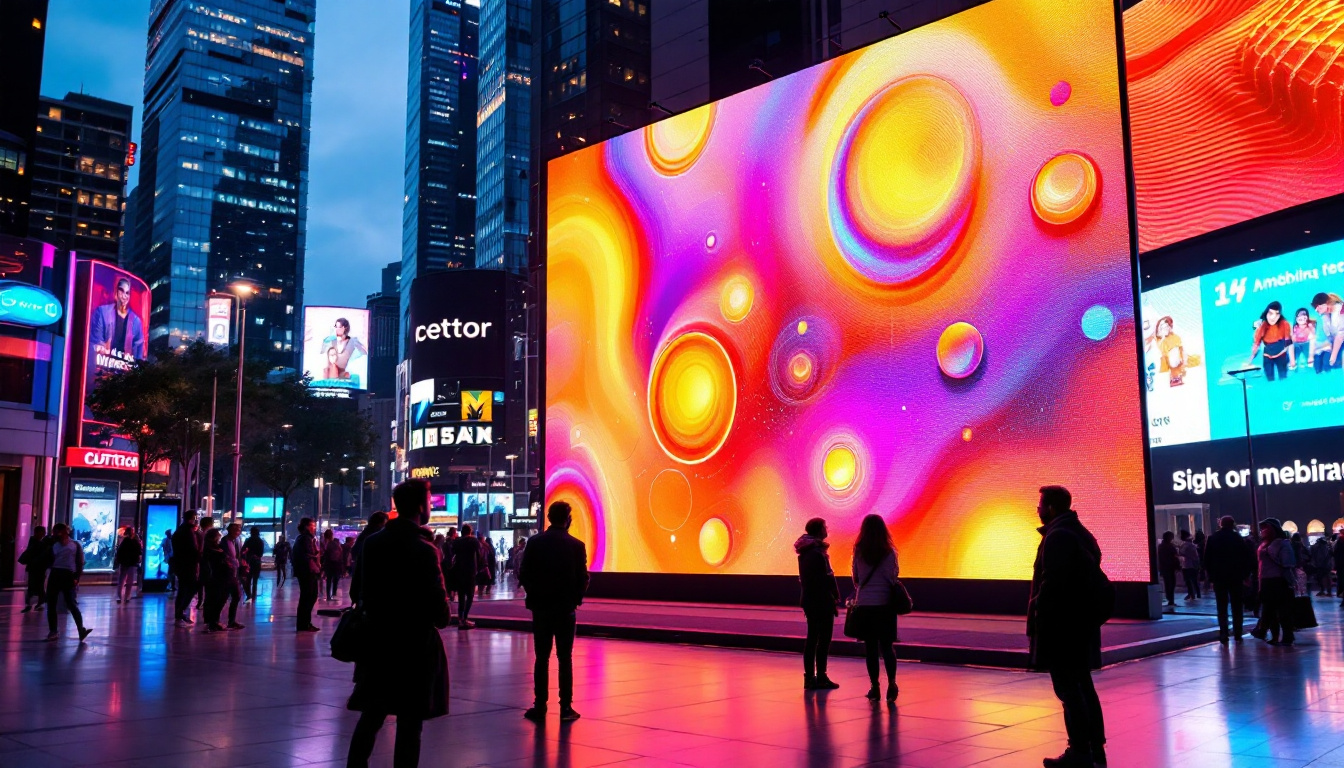
LED displays come in various forms, including small indicator lights, large video walls, and flexible screens. They are widely used in televisions, computer monitors, digital signage, and outdoor advertising due to their durability and visibility under different lighting conditions. The versatility of LED technology allows for innovative applications, such as transparent displays that can blend seamlessly into environments, and curved screens that enhance the viewing experience by providing a more immersive perspective.
Types of LED Displays
There are two primary categories of LED displays: direct-view LED and LED-backlit LCDs.
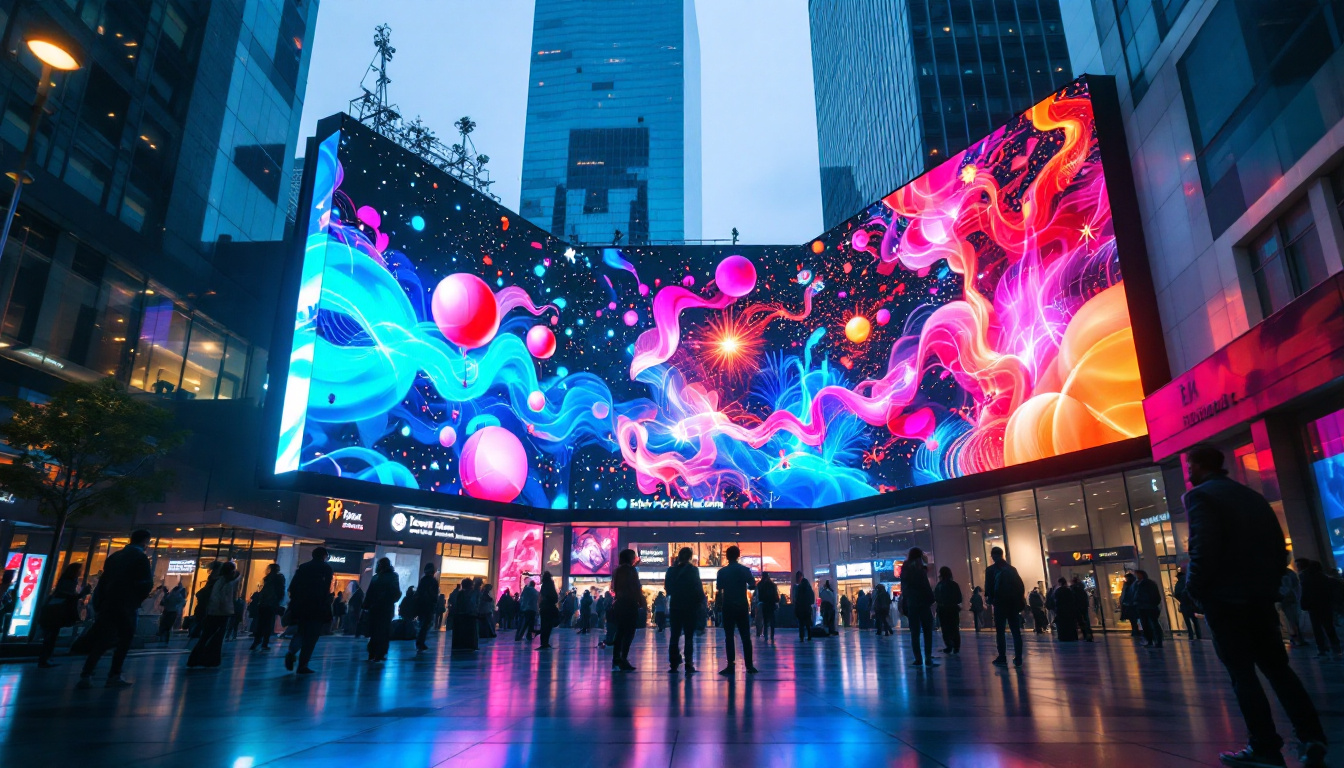
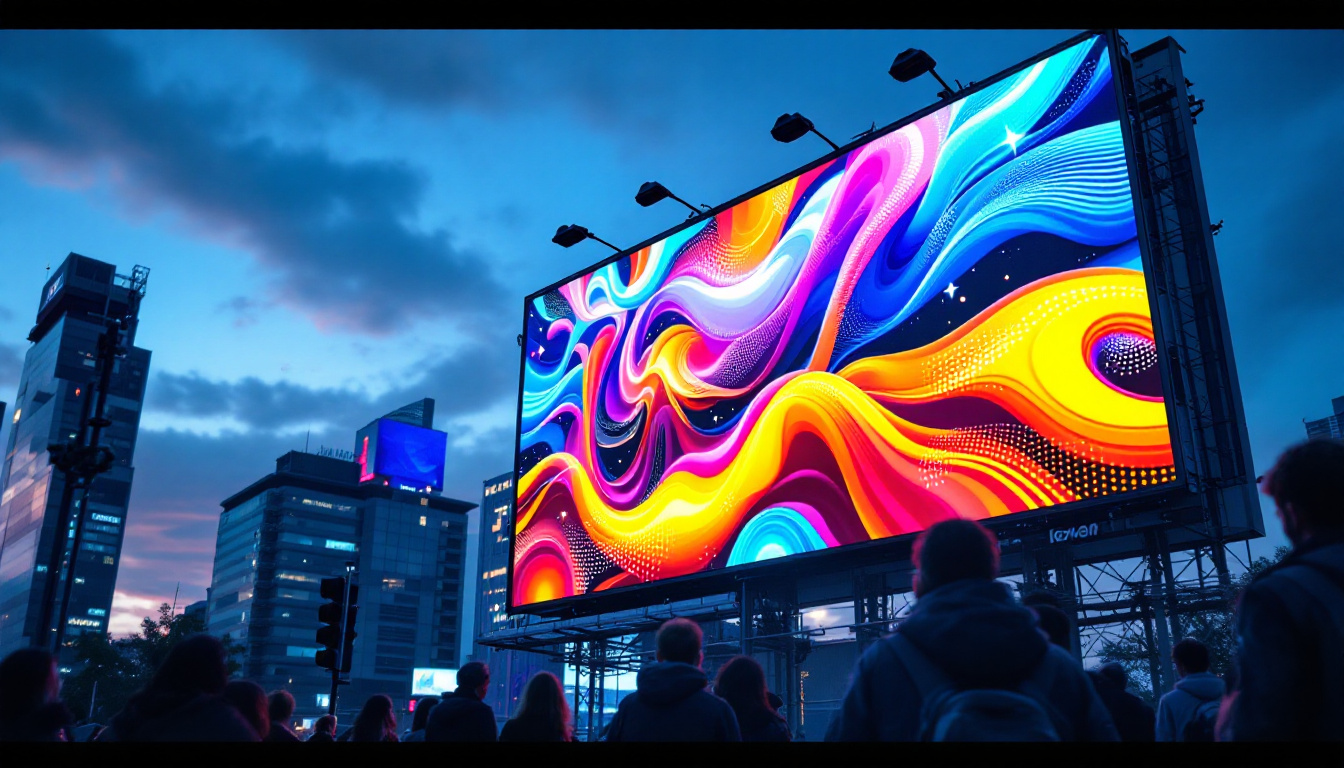
- Direct-view LED displays: These consist of individual LEDs arranged in a grid, each acting as a pixel. They are commonly used in large-scale applications like stadium screens and billboards. The brightness and color accuracy of direct-view LEDs make them ideal for outdoor environments. Furthermore, advancements in technology have led to the development of fine-pitch LED displays, which allow for high-resolution images even at close viewing distances, making them suitable for indoor venues like concert halls and conference centers.
- LED-backlit LCDs: These displays use LEDs as a backlight source for liquid crystal displays (LCDs). This combination improves energy efficiency and color reproduction compared to traditional cold cathode fluorescent lamp (CCFL) backlights. The integration of local dimming technology in LED-backlit LCDs enhances contrast ratios by allowing specific areas of the screen to dim or brighten independently, resulting in deeper blacks and more vibrant colors.
How LED Displays Work
In a direct-view LED display, each pixel is composed of red, green, and blue LEDs. By varying the intensity of each LED, the display can produce a wide color gamut. The LEDs are controlled by a driver circuit that adjusts brightness levels based on the input video signal. This precise control allows for dynamic content display, making LED screens perfect for broadcasting live events, advertisements, and interactive installations.
LED-backlit LCDs operate differently. The LEDs provide uniform backlighting behind the LCD panel, which contains liquid crystals that modulate light to create images. This approach combines the sharpness of LCD technology with the brightness and efficiency of LEDs. Additionally, the development of edge-lit LED technology has allowed for thinner display designs, making them more aesthetically pleasing and easier to integrate into modern spaces. As manufacturers continue to innovate, we can expect to see even more enhancements in color accuracy and energy consumption, further solidifying LED displays as a leading choice in visual technology.
The Intersection: Touch Screens and LED Displays
Integration in Modern Devices
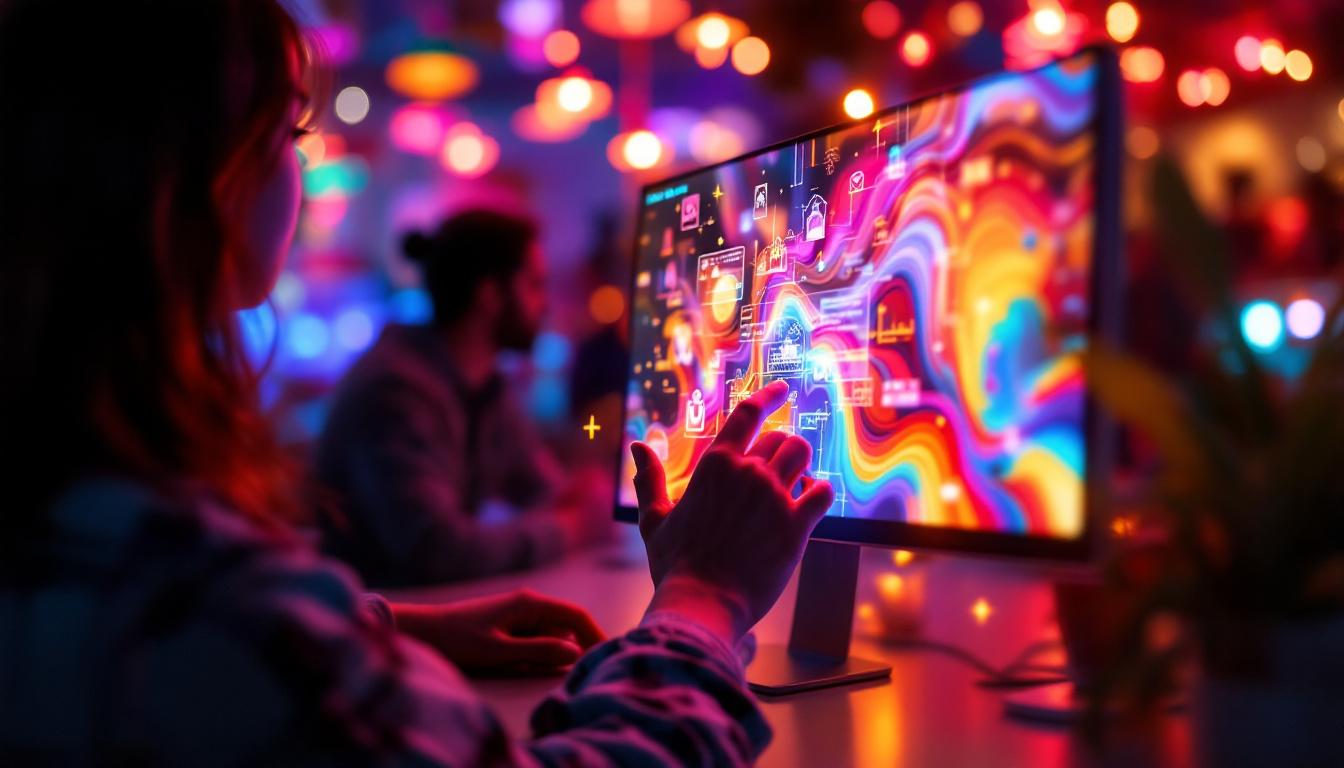
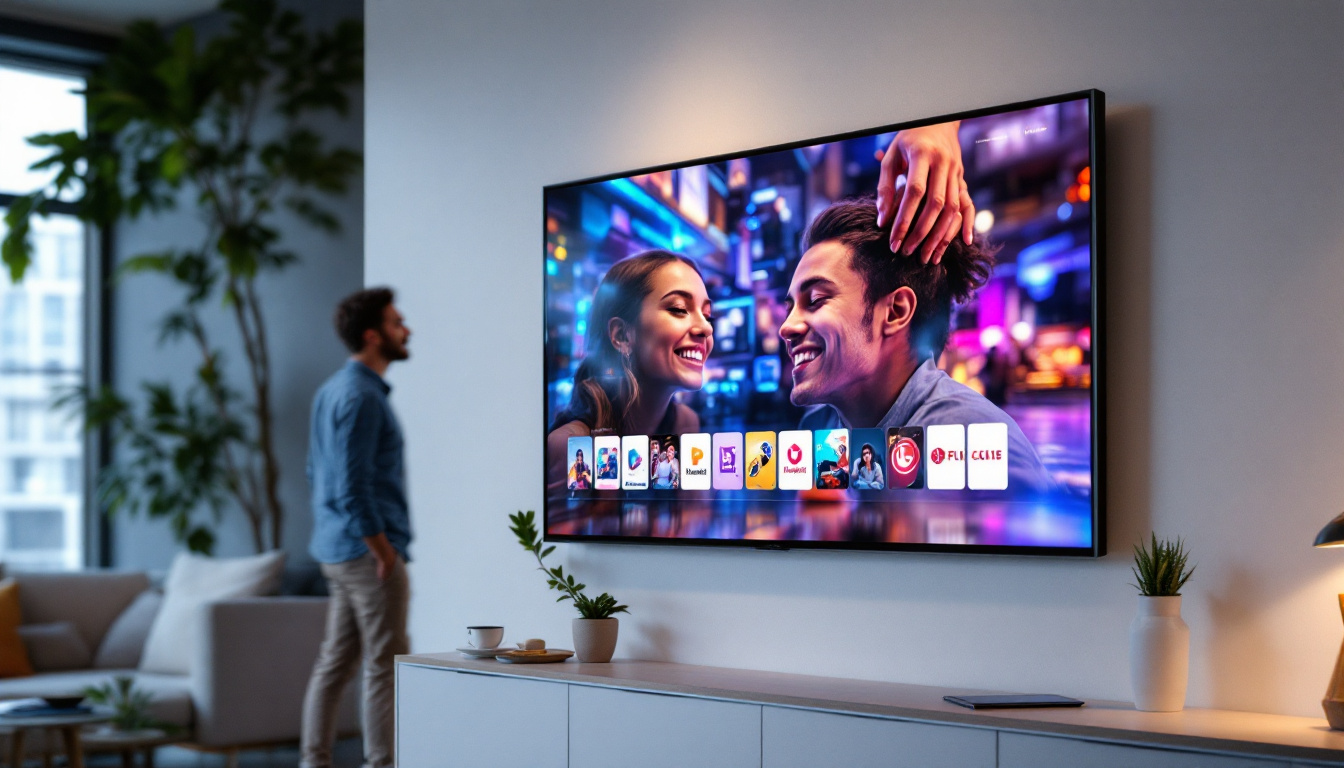
Most contemporary touch screen devices utilize LED-backlit LCDs or OLED (Organic LED) displays. The touch sensor layer is added on top of the display, enabling users to interact directly with the content shown on the screen. This direct interaction has transformed how we engage with technology, making it more intuitive and user-friendly. From smartphones to tablets and even smart home devices, touch screens have become a ubiquitous part of our daily lives, allowing for a seamless transition between physical gestures and digital actions.
Capacitive touch screens, which rely on the electrical properties of the human body, are the most common in consumer electronics. They work seamlessly with LED and OLED displays, providing responsive and accurate touch input without compromising display quality. The sensitivity of these screens has improved significantly, allowing for multi-touch capabilities that enable users to pinch, zoom, and swipe with ease. This has opened up a world of possibilities for applications in gaming, education, and design, where precision and responsiveness are paramount.
Advancements and Innovations
Recent advancements include in-cell and on-cell touch technologies, where the touch sensor is integrated within the LCD or OLED panel itself. This integration reduces the thickness of devices and improves display clarity by eliminating extra layers. As a result, manufacturers can create sleeker designs that are not only aesthetically pleasing but also more portable. The reduction in layers also enhances the brightness and color accuracy of the displays, making them more vibrant and engaging for users.
Moreover, flexible LED displays combined with touch sensitivity are enabling new form factors such as foldable smartphones and rollable televisions. These innovations are pushing the boundaries of user interaction and visual experience. Imagine a smartphone that can be unfolded to reveal a larger screen for gaming or streaming, or a television that can roll up and be stored away when not in use. These advancements are not just about convenience; they represent a significant leap in how we think about space and technology in our homes and on the go. Additionally, the potential for augmented reality (AR) applications is vast, as touch-sensitive flexible displays could allow users to interact with digital content in entirely new ways, merging the physical and digital worlds seamlessly.
Key Players in Touch Screen and LED Display Development
Companies Leading Touch Screen Innovation
Several companies have been instrumental in advancing touch screen technology. Elo TouchSystems remains a pioneer in industrial and commercial touch solutions. Apple’s innovation in multi-touch capacitive screens set a new benchmark for consumer devices.
Other notable contributors include Synaptics, which developed advanced touch controllers, and Microsoft, which popularized touch interfaces in personal computing with devices like the Surface line.
Major LED Display Manufacturers
In the LED display market, companies such as Samsung, LG, and Sony have been at the forefront of producing high-quality consumer displays. For large-scale LED video walls and digital signage, manufacturers like Daktronics, Leyard, and Unilumin are industry leaders.
These companies invest heavily in research and development to improve LED efficiency, color accuracy, and durability, ensuring that LED displays continue to evolve and meet diverse application needs.
Why Understanding This Technology Matters
Impact on Everyday Life
Touch screen and LED display technologies have transformed how people interact with information and devices. Whether it’s navigating a smartphone, checking flight information on an airport kiosk, or viewing dynamic advertisements on city streets, these technologies provide intuitive and engaging experiences.
Understanding their origins and functionality helps consumers appreciate the complexity behind seemingly simple interactions and fosters informed decisions when choosing devices.
Future Trends and Opportunities
The future of touch screen and LED display technology is promising. Emerging trends include the integration of artificial intelligence for adaptive interfaces, the expansion of flexible and transparent displays, and the development of energy-efficient solutions to reduce environmental impact.
For businesses and technology enthusiasts, staying informed about these advancements opens opportunities for innovation, investment, and enhanced user experience design.
Conclusion
The invention of the touch screen was a collaborative journey involving multiple innovators, with foundational work by E.A. Johnson and Dr. Sam Hurst. Meanwhile, LED display technology has evolved from simple indicator lights to complex, high-resolution screens that illuminate the digital world. Together, these technologies have reshaped human-computer interaction and continue to drive innovation across industries.
As touch screens and LED displays become increasingly sophisticated, their impact on communication, entertainment, and productivity will only grow. Understanding their history, technology, and key players provides valuable insight into the devices that have become indispensable in modern life.
Explore Cutting-Edge LED Displays with LumenMatrix
As we embrace the advancements in touch screen and LED display technologies, LumenMatrix stands at the forefront of innovation, offering a wide array of LED display solutions tailored to meet the dynamic needs of modern communication and engagement. From Indoor and Outdoor LED Wall Displays to specialized options like Vehicle, Sports, and Floor LED Displays, LumenMatrix is committed to revolutionizing visual experiences. Discover how our Custom, All-in-One, and Transparent LED Displays can transform your brand’s visibility and captivate your audience. Check out LumenMatrix LED Display Solutions and join the visual revolution today.