In the rapidly evolving world of digital signage and visual communication, LED displays have become a cornerstone technology. Among the many metrics used to describe and evaluate LED screens, “foot videos” is a term that often emerges, particularly in advertising, event production, and architectural installations. But what exactly does “foot videos” mean, and why is it important for professionals and enthusiasts alike to understand it?
This article delves into the concept of foot videos in the context of LED displays, explaining its significance, technical background, and practical applications. Whether you are a marketer, event organizer, or technology enthusiast, understanding foot videos can help you make informed decisions about LED screen selection and usage.
Understanding the Basics: What Are Foot Videos?
The term “foot videos” is shorthand for “footage videos,” but in the LED display industry, it often refers to the measurement of video content dimensions in relation to the physical size of the LED screen, usually expressed in square feet. This measurement helps quantify the amount of video content that can be displayed or the size of the LED display required to present a particular video effectively.
More specifically, when professionals talk about foot videos in LED displays, they are typically discussing the resolution, pixel density, and physical dimensions of the screen that will showcase the video content. This is crucial because LED displays are modular, made up of individual panels or tiles, and the overall size and resolution depend on how many of these modules are combined.
Why Does Size Matter?
In LED displays, size is not just about physical dimensions but also about the viewing experience. A larger display can show more detailed content and accommodate bigger audiences, but it also requires higher resolution and better pixel pitch to maintain image clarity. Foot videos help quantify these factors by linking the physical size of the screen to the video content it can display.
For example, a 100-square-foot LED wall might be perfect for a small conference room, but the same video content on a 1,000-square-foot display at a stadium requires different technical specifications to ensure the audience sees crisp, vibrant images. The pixel pitch, which refers to the distance between pixels, plays a significant role in determining how close viewers can sit to the display without noticing pixelation. A smaller pixel pitch is essential for larger screens viewed from a closer distance, making the concept of foot videos integral to both design and functionality in various settings.
Moreover, the application of foot videos extends beyond mere aesthetics; it also influences the technical setup and installation process. For instance, a venue planning to use an LED display for live events must consider the ambient lighting conditions and the viewing angles from various parts of the audience area. This means that the choice of foot video dimensions must align with the intended use, whether it’s for advertising, entertainment, or informational purposes. Each application demands a careful balance between size, resolution, and pixel density to create an immersive viewing experience that captivates the audience and effectively communicates the intended message.
Technical Components of Foot Videos in LED Displays
To fully grasp the concept of foot videos, it is essential to understand the technical components that influence how video content is displayed on LED screens. These include pixel pitch, resolution, brightness, and refresh rate.
Pixel Pitch and Resolution
Pixel pitch is the distance between the centers of two adjacent pixels on an LED display, usually measured in millimeters. It directly affects the resolution and viewing distance of the screen. Smaller pixel pitch means higher resolution and closer optimal viewing distance, which is ideal for indoor environments. Larger pixel pitch is suitable for outdoor settings where viewers are farther away.
Resolution refers to the number of pixels displayed on the screen, typically expressed as width x height (e.g., 1920 x 1080 pixels). The resolution combined with the physical size of the LED display determines the pixel density, which impacts image sharpness and detail.
Brightness and Color Accuracy
Brightness is measured in nits (candelas per square meter) and is a critical factor for outdoor LED displays that must compete with sunlight. High brightness ensures visibility even in direct sunlight, while indoor displays generally require lower brightness to avoid eye strain.
Color accuracy and uniformity are also vital for delivering high-quality video content. LED displays use various technologies and calibration techniques to ensure consistent and vibrant color reproduction across the entire screen.
Refresh Rate and Viewing Experience
The refresh rate, measured in Hertz (Hz), indicates how many times per second the display updates its image. Higher refresh rates reduce flicker and motion blur, which is especially important for video content involving fast movements or live broadcasts.
Modern LED displays typically feature refresh rates of 3,000 Hz or higher, ensuring smooth and stable video playback that enhances the viewer’s experience.
Applications of Foot Videos in LED Display Installations
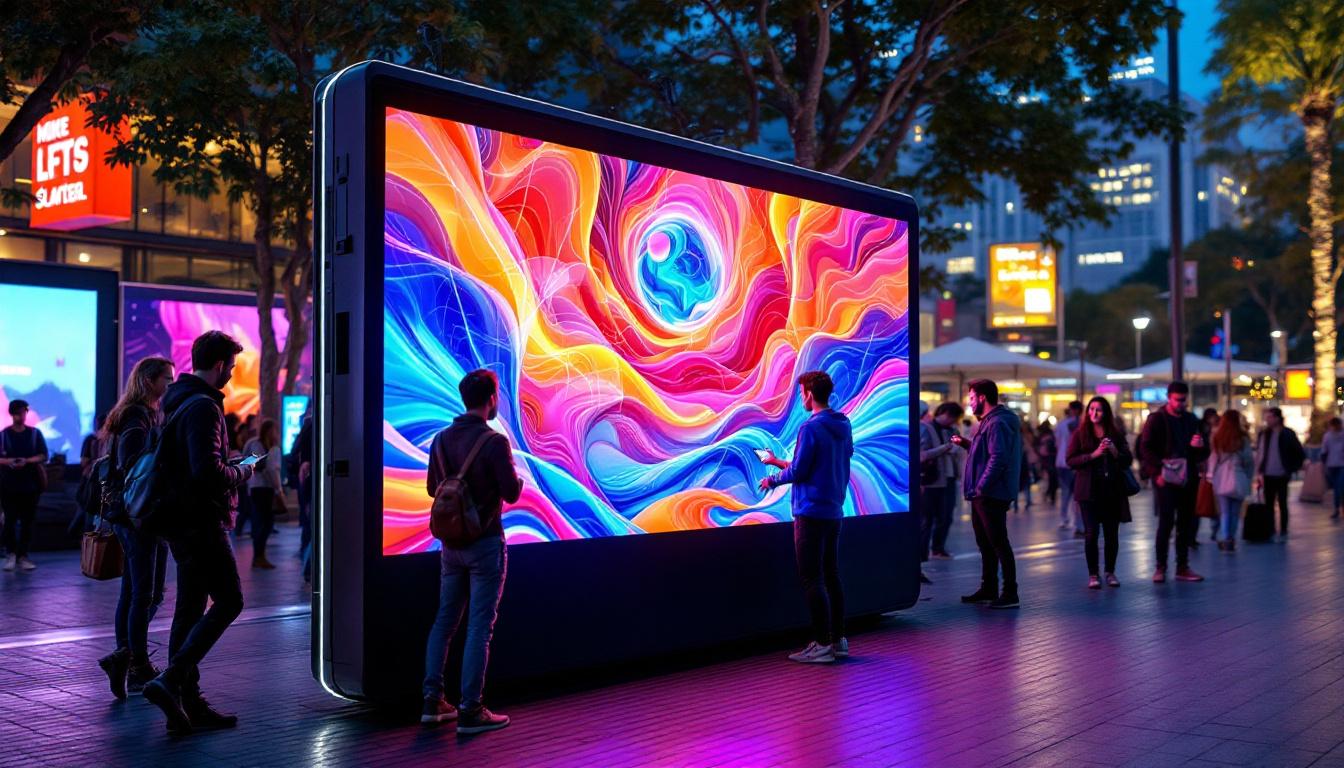
Understanding foot videos is not just a technical exercise; it has practical implications across various industries. Here are some common applications where foot videos play a critical role.
Advertising and Digital Billboards
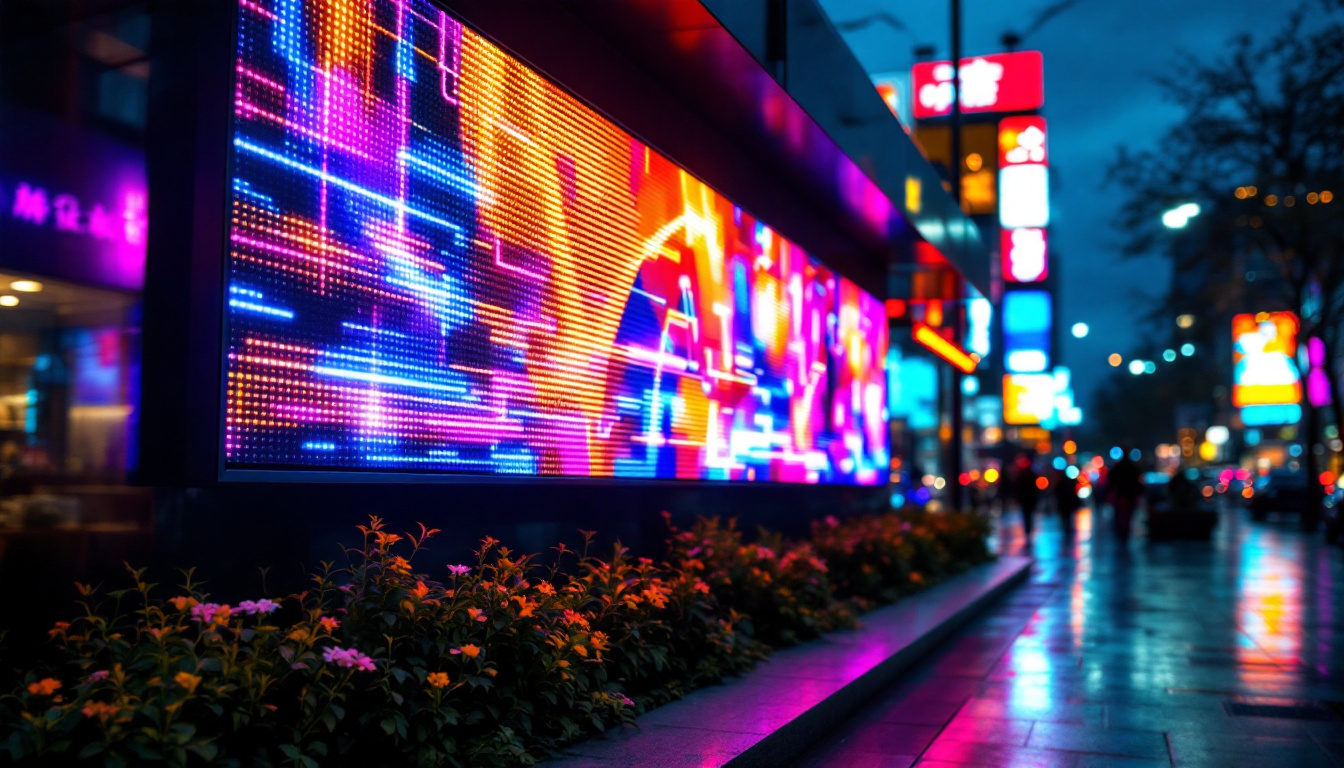
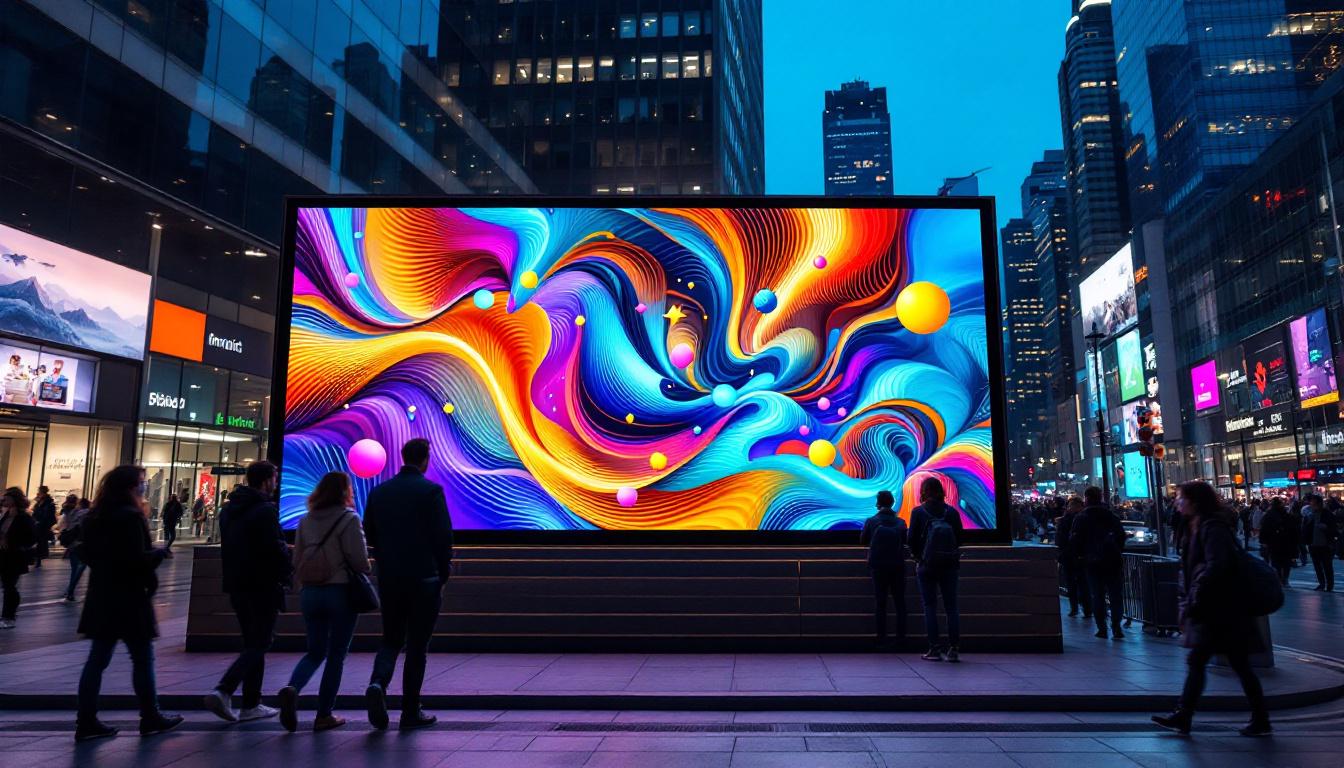
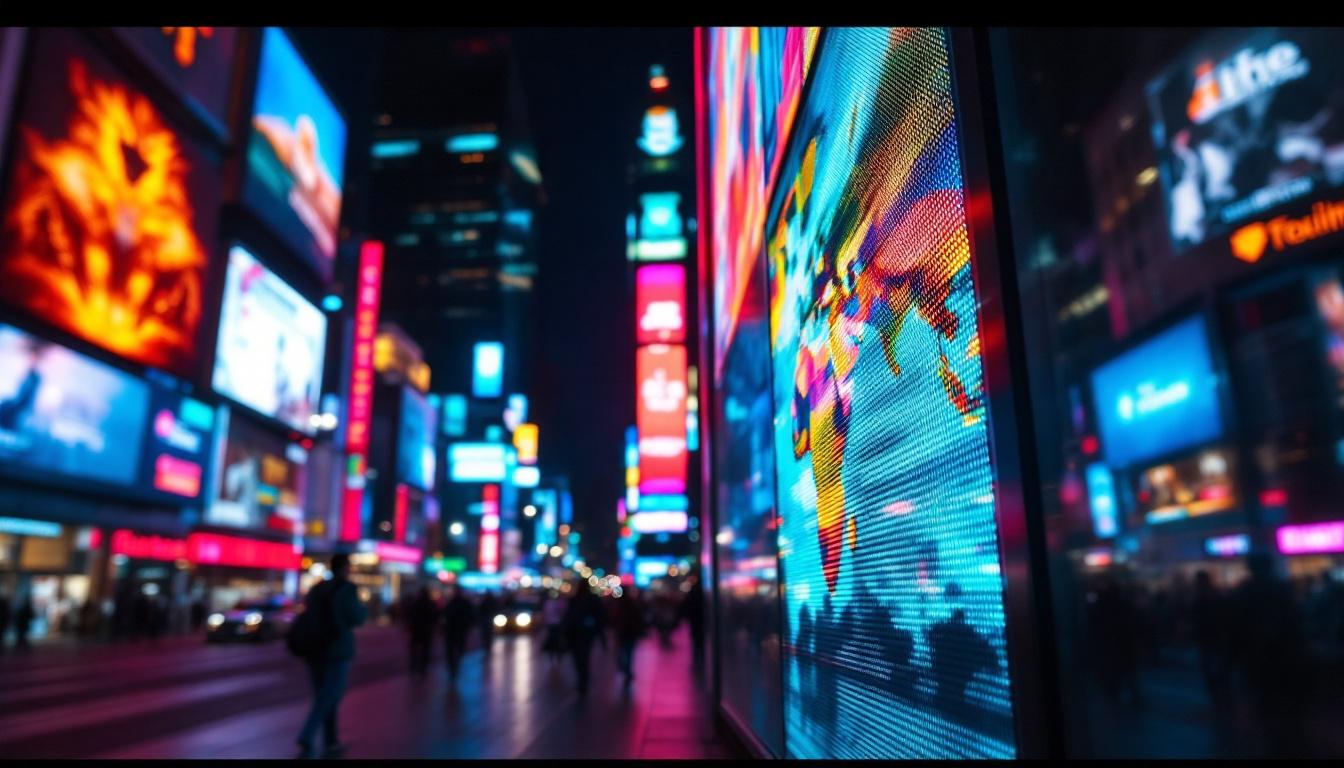
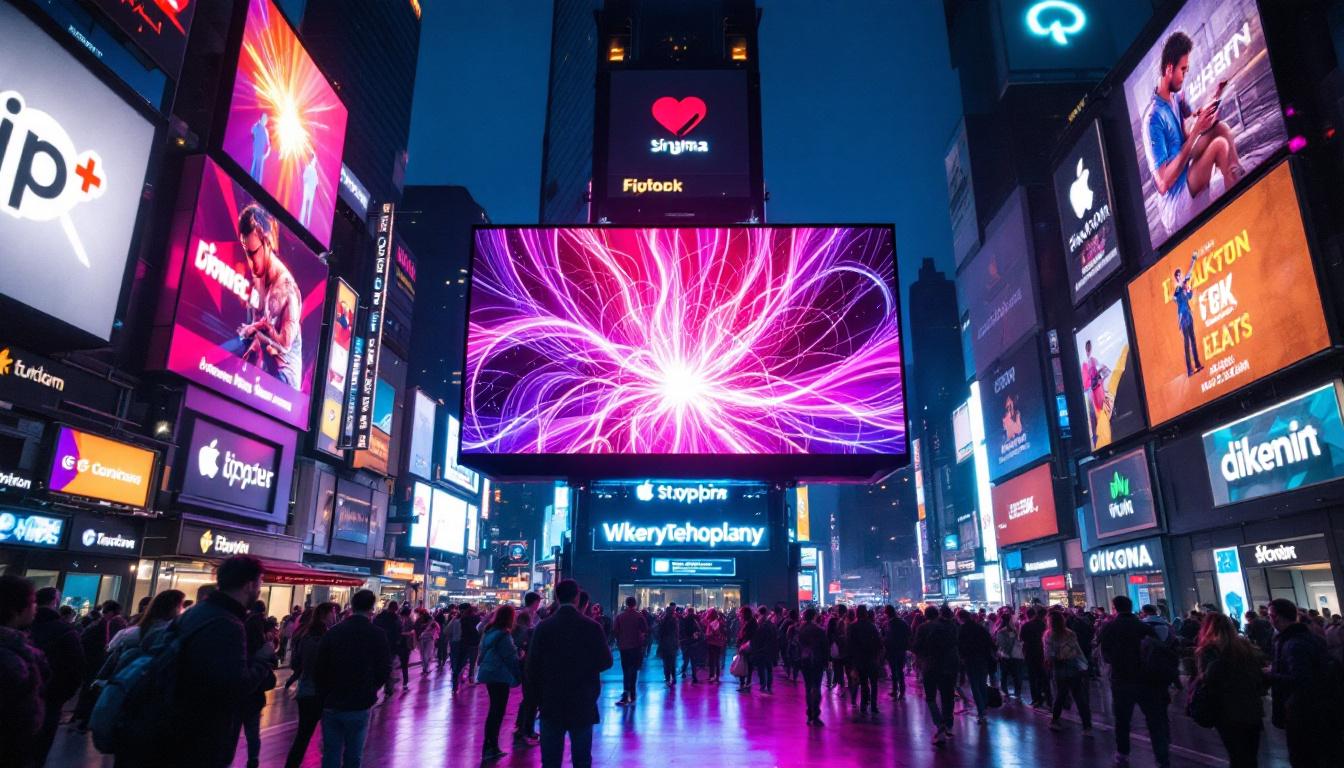
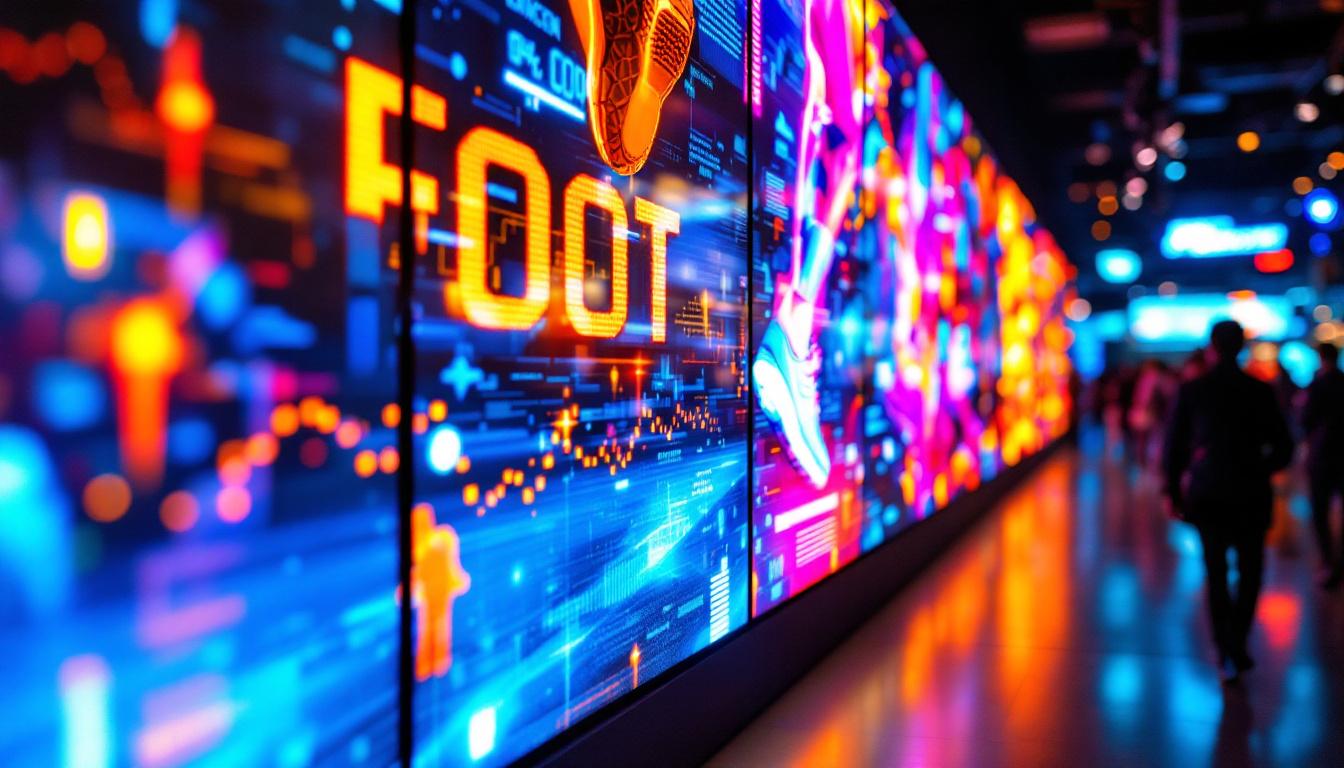
In outdoor advertising, LED billboards are measured in square feet to determine the size of the video content they can display. Advertisers must consider the foot video size to ensure their content is impactful and visible from a distance. For instance, Times Square in New York City features massive LED displays that span thousands of square feet, showcasing high-resolution video advertisements that captivate millions daily.
Choosing the right foot video size helps advertisers optimize content layout, resolution, and brightness to maximize engagement and return on investment.
Concerts and Live Events
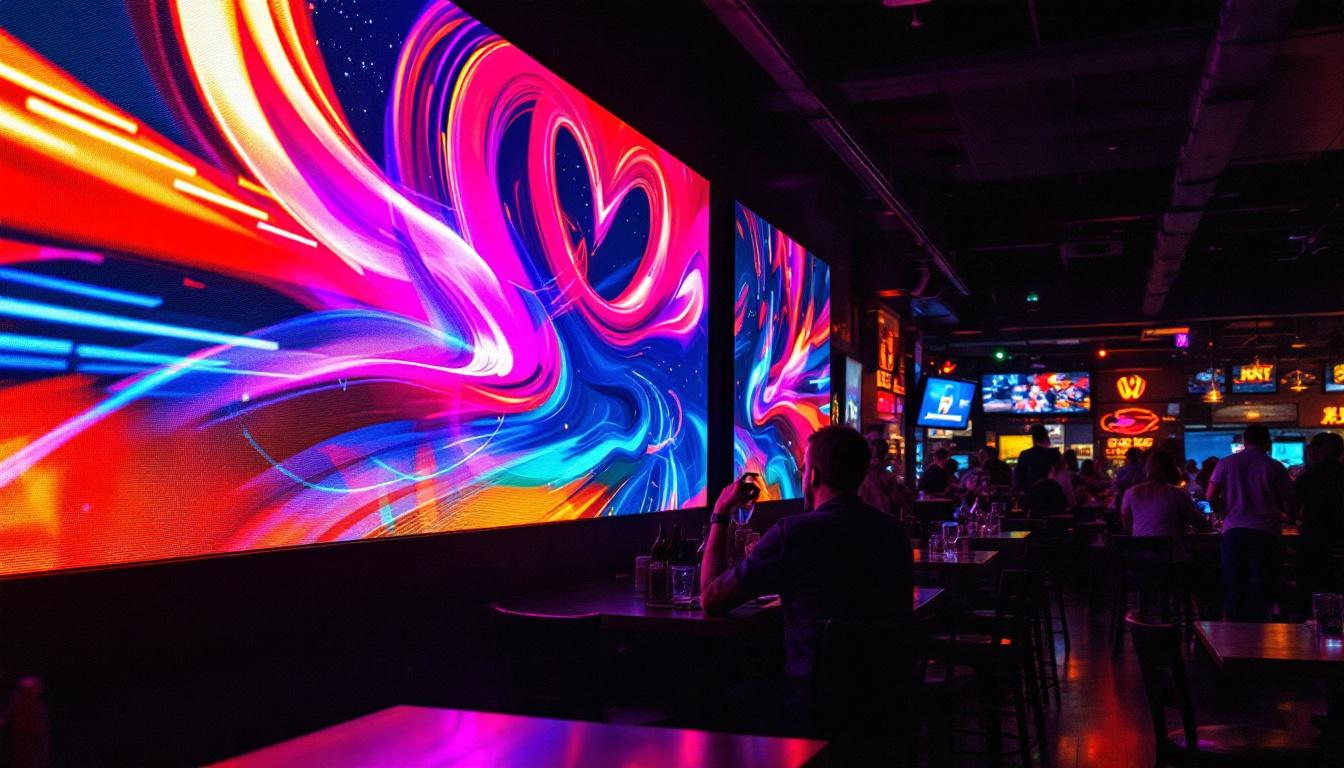
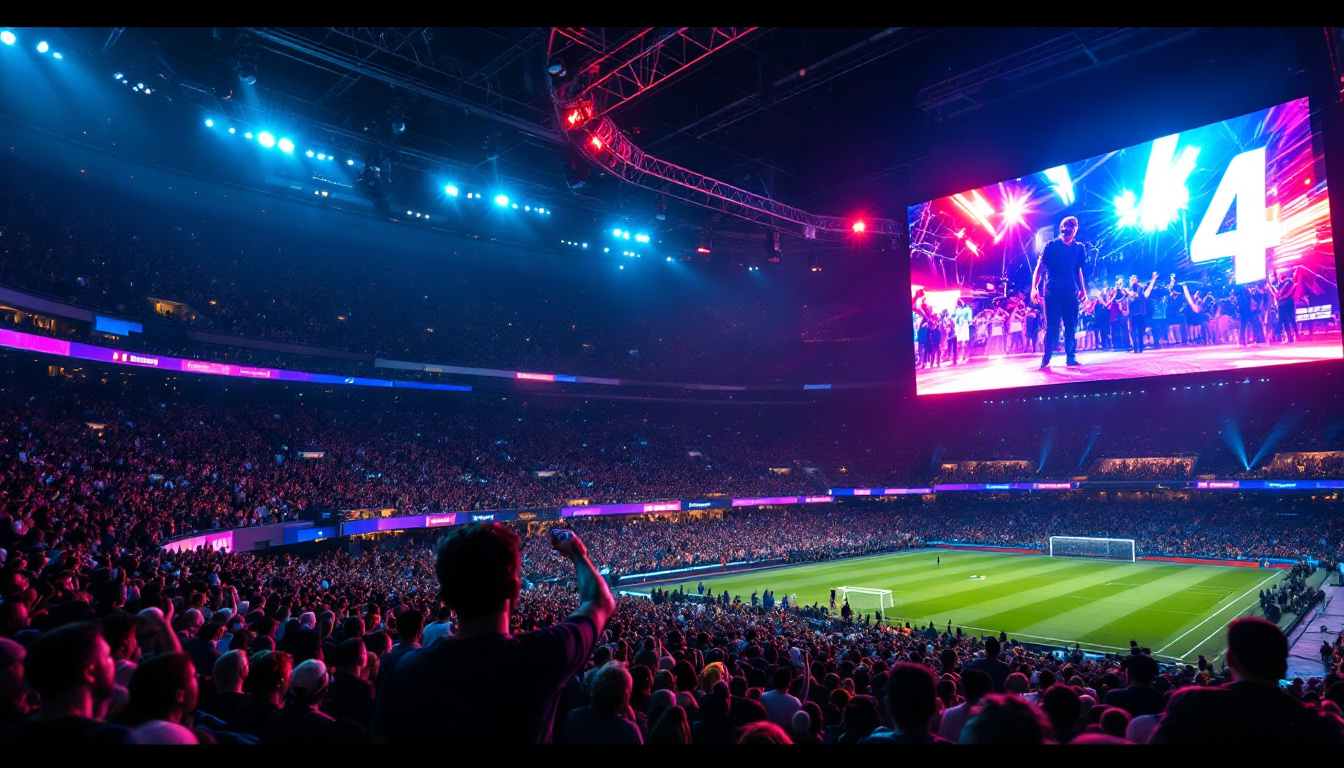
Concerts and live events often use large LED video walls to enhance the audience’s experience. These walls are designed based on foot video measurements to fit the venue size and viewing angles. For example, a stadium might use a 2,000-square-foot LED screen with a pixel pitch optimized for viewers seated hundreds of feet away.
Producers and event planners must coordinate video content production with the LED display specifications to ensure seamless integration and stunning visual effects.
Retail and Corporate Environments
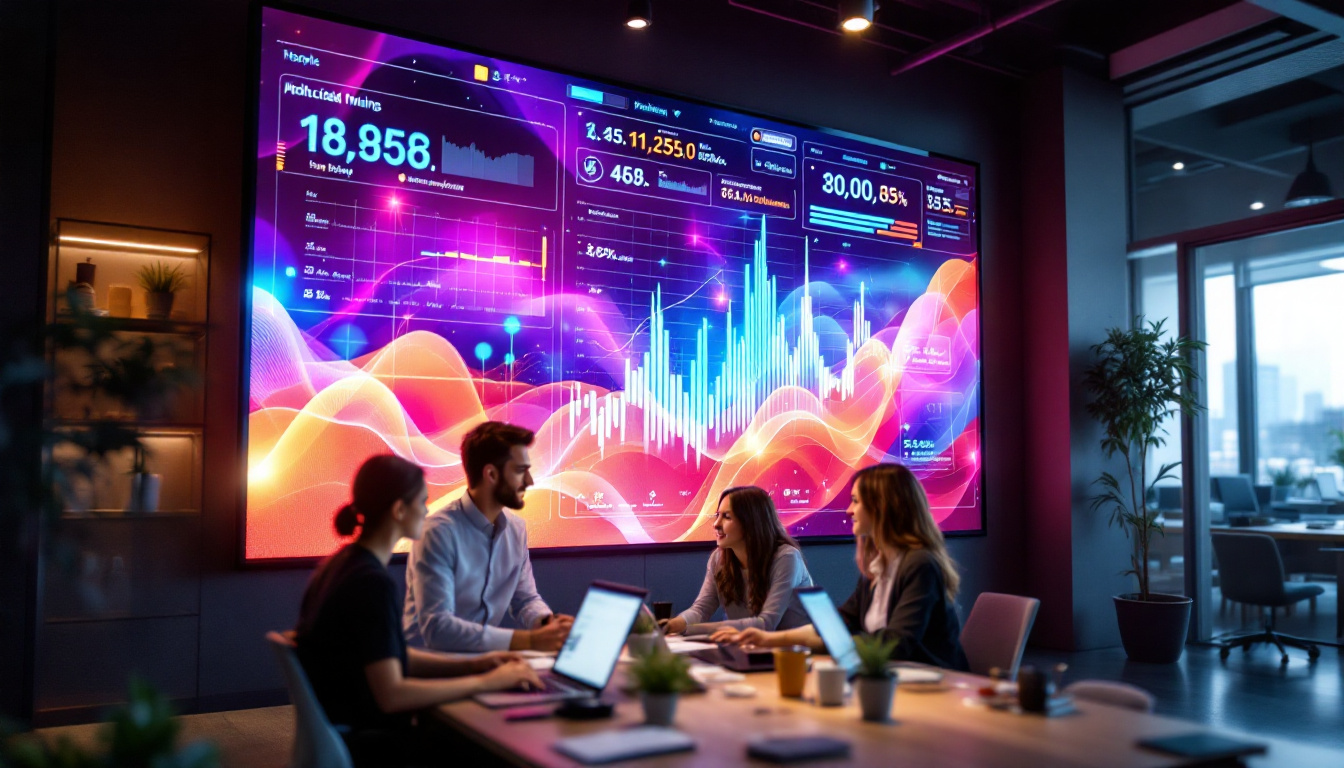
Retail stores and corporate lobbies increasingly use LED displays for branding and informational purposes. Foot video measurements help determine the size and resolution of these displays to fit specific spaces without overwhelming the environment.
For example, a 50-square-foot LED display in a retail store window can showcase promotional videos with high clarity, attracting customers without obstructing the view inside the store.
Calculating and Planning Foot Videos for LED Displays
Planning an LED display installation requires careful calculation of foot videos to ensure the screen meets the intended purpose. This involves several steps and considerations.
Step 1: Define Viewing Distance and Environment
The first step is to understand where the LED display will be installed and who the target audience is. Viewing distance influences the choice of pixel pitch and resolution. For close-up viewing, such as in retail, a pixel pitch of 1.5mm to 4mm is common. For outdoor stadiums or highways, pixel pitches of 10mm or more are typical.
Step 2: Determine Physical Size Requirements
Next, calculate the physical size of the LED display in square feet. This is done by multiplying the height and width of the planned screen area. For example, a screen 20 feet wide and 10 feet tall equals 200 square feet.
This size will guide the number of LED modules needed and the overall resolution the display can achieve.
Step 3: Match Resolution to Content
Content resolution must match or exceed the LED display’s native resolution to avoid pixelation or distortion. If the display is 1920 x 1080 pixels, the video content should be produced at the same or higher resolution.
Foot video planning ensures that video content fits the display size, maintaining image quality and viewer engagement.
Step 4: Consider Brightness and Environmental Factors
Outdoor installations require higher brightness levels to overcome sunlight, while indoor displays prioritize color accuracy and lower brightness for comfort. Environmental factors such as ambient light, weather exposure, and viewing angles must be accounted for in the planning phase.
Future Trends in LED Display Technology and Foot Videos
The LED display industry continues to innovate, impacting how foot videos are conceptualized and implemented.
Higher Resolution and Smaller Pixel Pitch
Advancements in LED technology are pushing pixel pitches below 1mm, enabling ultra-high-definition displays even at large sizes. This trend allows for larger foot video areas without sacrificing image quality, opening new possibilities for immersive visual experiences in retail, entertainment, and public spaces.
Flexible and Transparent LED Displays
Flexible LED panels and transparent displays are becoming more common, allowing creative installations on curved surfaces or windows. These innovations challenge traditional foot video calculations, requiring new approaches to content design and display planning.
Integration with Augmented Reality (AR) and Interactive Content
LED displays are increasingly integrated with AR and interactive technologies, transforming foot videos from static content into dynamic experiences. This integration demands higher precision in display sizing and resolution to support complex visual effects and user interactions.
Conclusion
Foot videos, as a concept, bridge the gap between video content and the physical LED display that presents it. Understanding this relationship is essential for anyone involved in digital signage, event production, advertising, or architectural installations using LED technology.
By grasping the technical aspects such as pixel pitch, resolution, brightness, and refresh rate, and by carefully planning the size and environment of the LED display, professionals can ensure that their video content is displayed with maximum impact and clarity.
As LED technology continues to advance, the importance of precise foot video planning will only grow, enabling more immersive and engaging visual experiences across industries.
Explore Cutting-Edge LED Solutions with LumenMatrix
Ready to elevate your visual communication with the latest in LED display technology? LumenMatrix is at the forefront of innovation, offering a diverse range of LED display solutions tailored to your needs. From captivating Indoor and Outdoor LED Wall Displays to dynamic Vehicle and Sports LED Displays, our products are designed to make your brand shine. Discover the transformative power of our LED Poster Displays, Floor LED Displays, Custom LED Solutions, All-in-One LED Displays, and LED Transparent Displays. Embrace the future of digital signage with LumenMatrix and create unforgettable visual experiences. Check out LumenMatrix LED Display Solutions today and see your vision come to life.