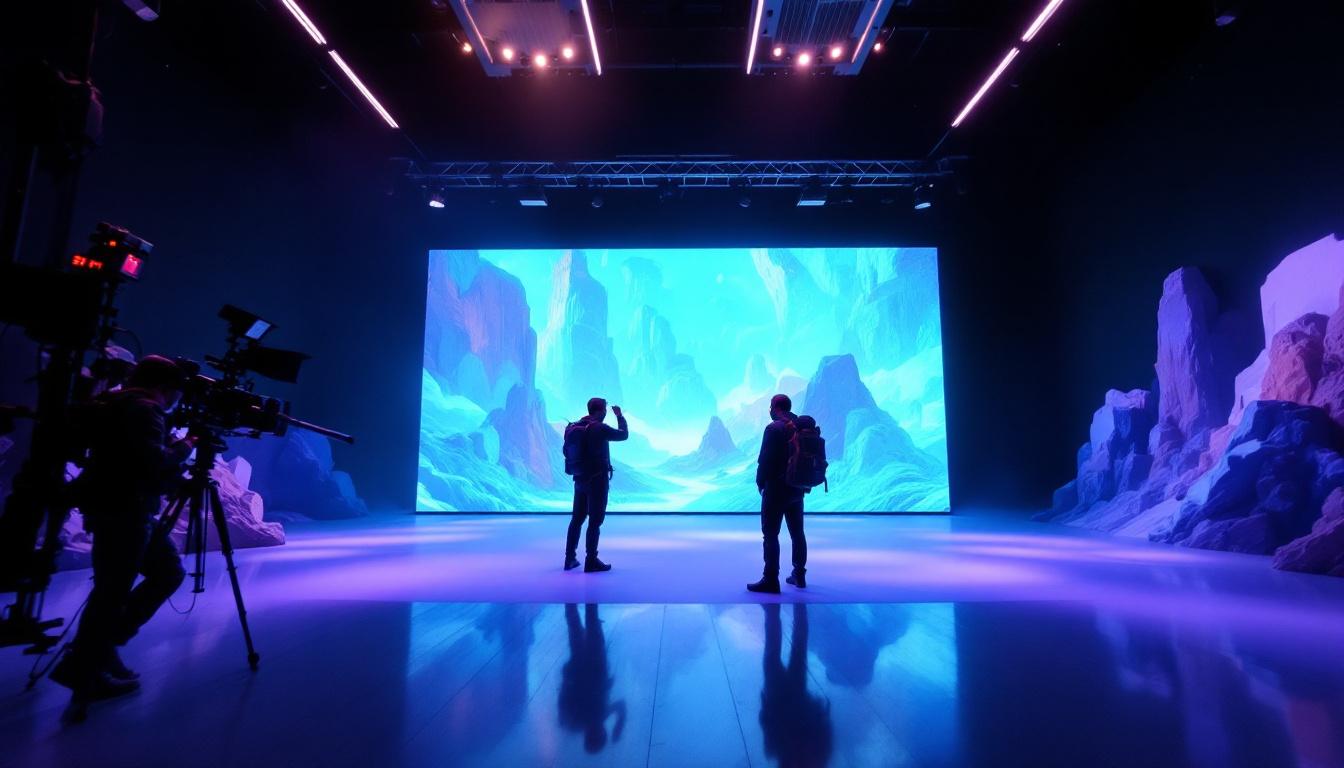
When shopping for or researching LED displays, one common specification that often comes up is the screen size, typically measured in inches. However, understanding these measurements in feet can provide a clearer perspective, especially when planning installations or visualizing the display in a physical space. This article delves into the conversion of 108 inches into feet and explores the broader context of LED displays, including their technology, applications, and considerations for choosing the right size.
Converting 108 Inches to Feet: A Practical Overview
To start, it’s essential to understand the basic conversion between inches and feet. One foot equals 12 inches. Therefore, to convert inches to feet, you divide the number of inches by 12.
For 108 inches, the calculation is:
108 inches ÷ 12 = 9 feet
This means that a 108-inch LED display measures 9 feet diagonally. This size is quite significant, especially when considering the visual impact and placement of the display in various environments.
Why Understanding Size in Feet Matters
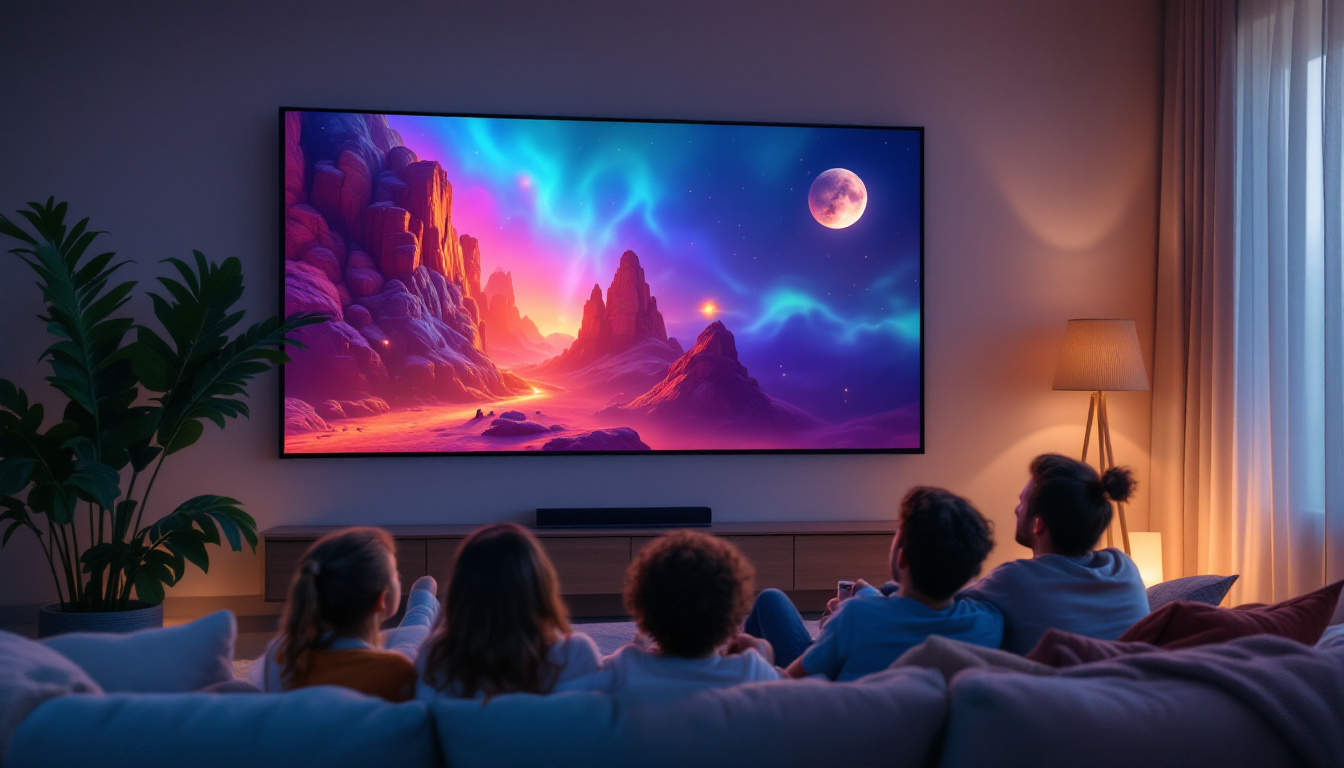
While inches are the standard unit for screen size in many regions, feet provide a more intuitive sense of scale for larger displays. For example, a 9-foot diagonal screen is easier to visualize in a room or outdoor setting than 108 inches. This is particularly useful for event planners, advertisers, or businesses looking to install LED displays in large venues.
Additionally, when planning for mounting, transportation, or integration with architectural elements, knowing the size in feet helps coordinate logistics more effectively.
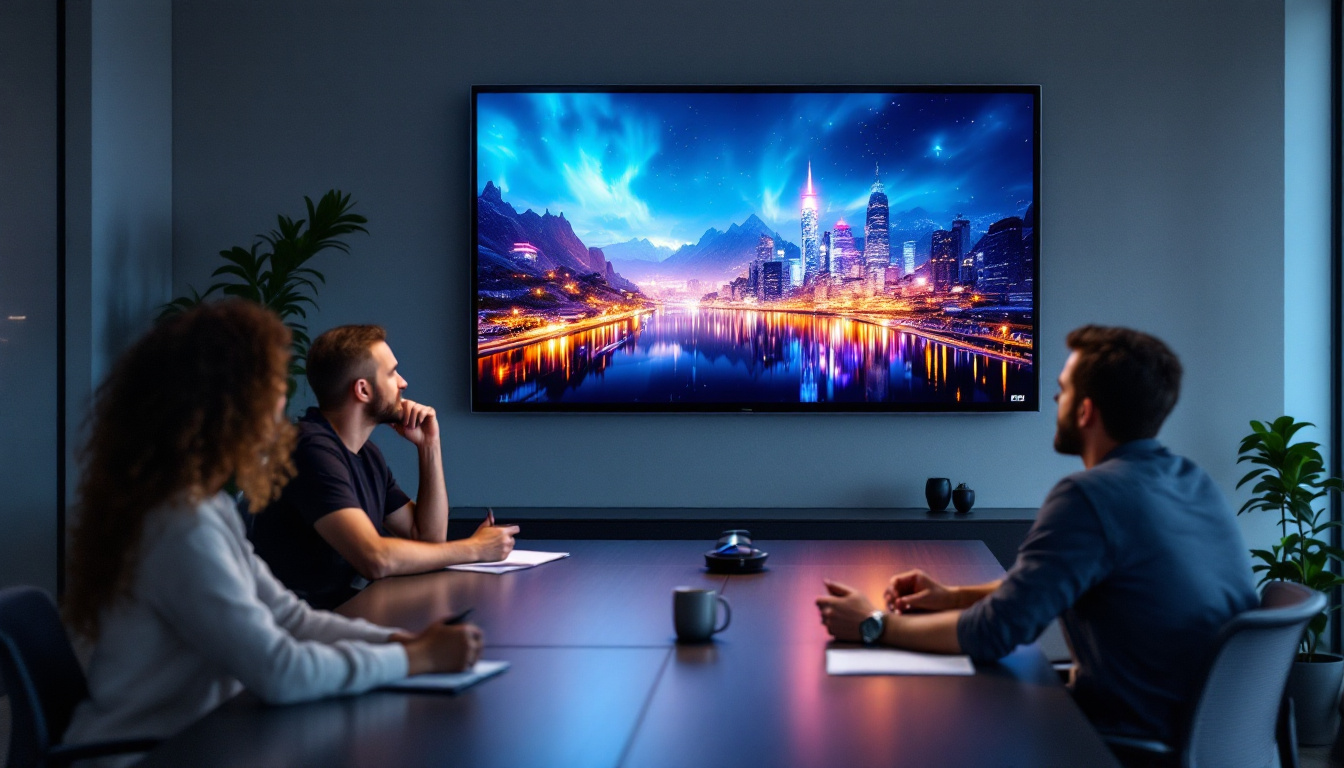
Moreover, understanding the dimensions in feet can also enhance the design and aesthetic integration of the display within a space. For instance, a 9-foot screen can serve as a focal point in a conference room, drawing attention while ensuring that it is proportionate to the surrounding furniture and decor. This consideration is crucial for creating an immersive experience, whether in a retail setting, where it might showcase products, or in a corporate environment, where it could be used for presentations and video conferencing.
Furthermore, the impact of a 9-foot display extends beyond mere size; it also influences viewing distance and audience engagement. The larger the screen, the more viewers can comfortably see the content from various angles and distances, making it an ideal choice for events with a significant number of attendees. This factor is vital for maximizing the effectiveness of visual communications, ensuring that the message resonates with the audience, regardless of where they are positioned in relation to the display.
LED Display Technology: What Makes It Stand Out
Understanding the size of an LED display is just one piece of the puzzle. The technology behind LED (Light Emitting Diode) displays is what truly defines their performance and suitability for different applications.
How LED Displays Work
LED displays consist of thousands to millions of tiny light-emitting diodes that produce bright, vibrant images. Each diode can emit red, green, or blue light, and by combining these colors at varying intensities, the display can create a full spectrum of colors.
This technology allows LED displays to deliver high brightness levels, excellent contrast ratios, and wide viewing angles, making them ideal for both indoor and outdoor use. The ability to adjust brightness dynamically also means that LED displays can maintain visibility in various lighting conditions, from bright sunlight to dimly lit environments. This adaptability is crucial for applications such as advertising, where visibility can significantly impact engagement and effectiveness.
Types of LED Displays
LED displays come in various forms, including:
- Direct View LED: These are large-scale displays where the LEDs themselves form the pixels. They are commonly used for billboards, stadium screens, and stage backdrops.
- LED-backlit LCD: These use LEDs as a backlight behind an LCD panel, offering improved brightness and energy efficiency compared to traditional CCFL backlighting.
- Flexible LED Displays: These displays can bend and curve, allowing for creative installations on curved surfaces or irregular shapes.
Each type has different size ranges and pixel pitches, which affect the overall resolution and viewing distance. For instance, a lower pixel pitch means higher resolution, making it suitable for close-up viewing, such as in retail environments or trade shows. Conversely, displays with a higher pixel pitch are typically used for larger venues where viewers are positioned further away, such as outdoor stadiums or concert arenas. Additionally, advancements in technology have led to the development of transparent LED displays, which can blend seamlessly into architectural designs, allowing for innovative advertising solutions without obstructing views.
Applications of a 108-Inch (9-Foot) LED Display
A 108-inch LED display is considered large and can serve many purposes across industries. Understanding where such a display fits best helps in making informed purchasing decisions.
Commercial and Advertising Uses
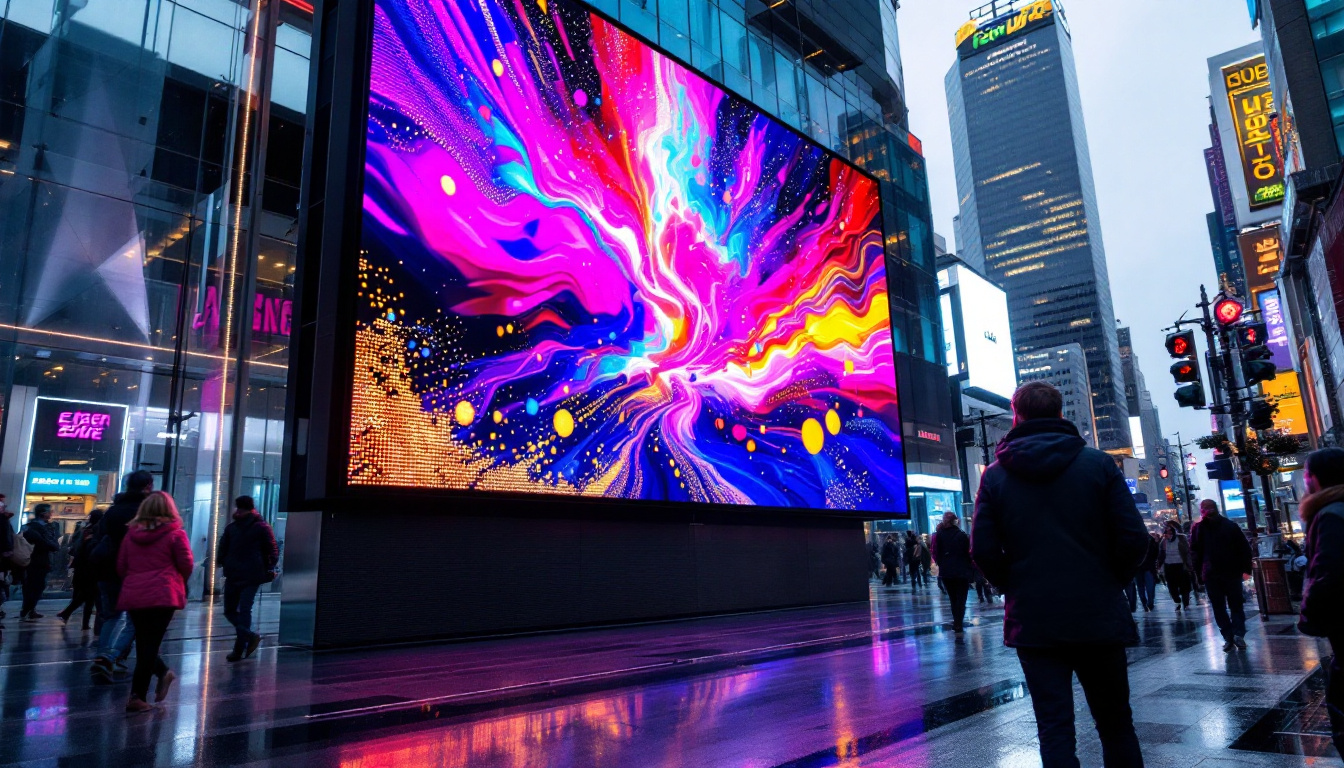
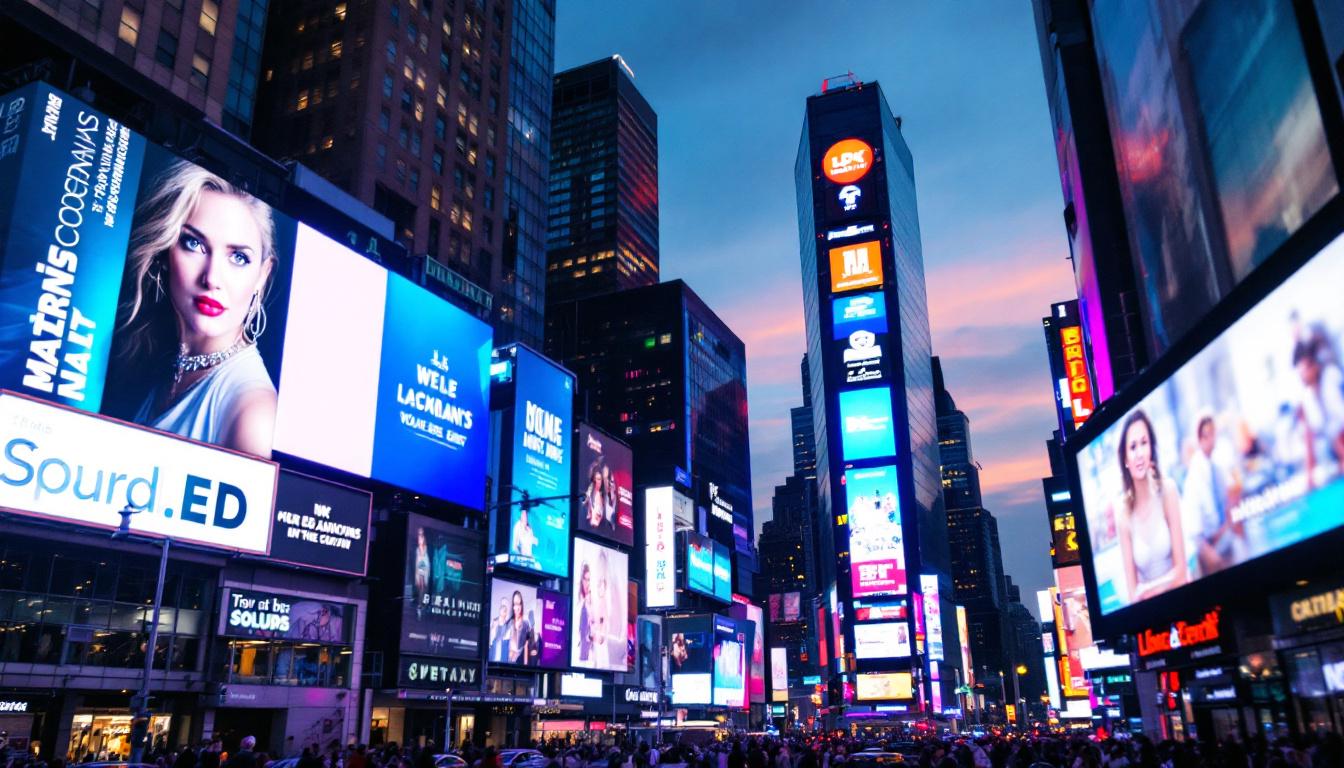
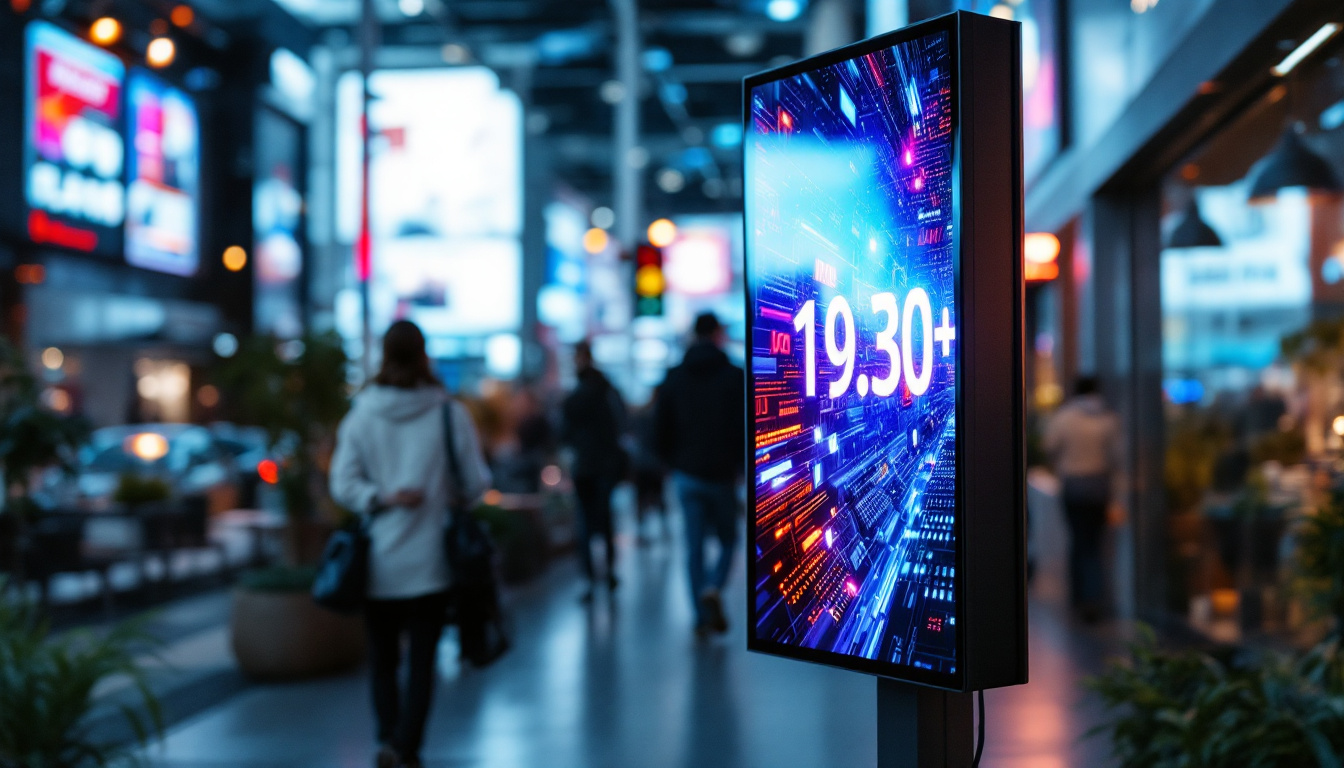
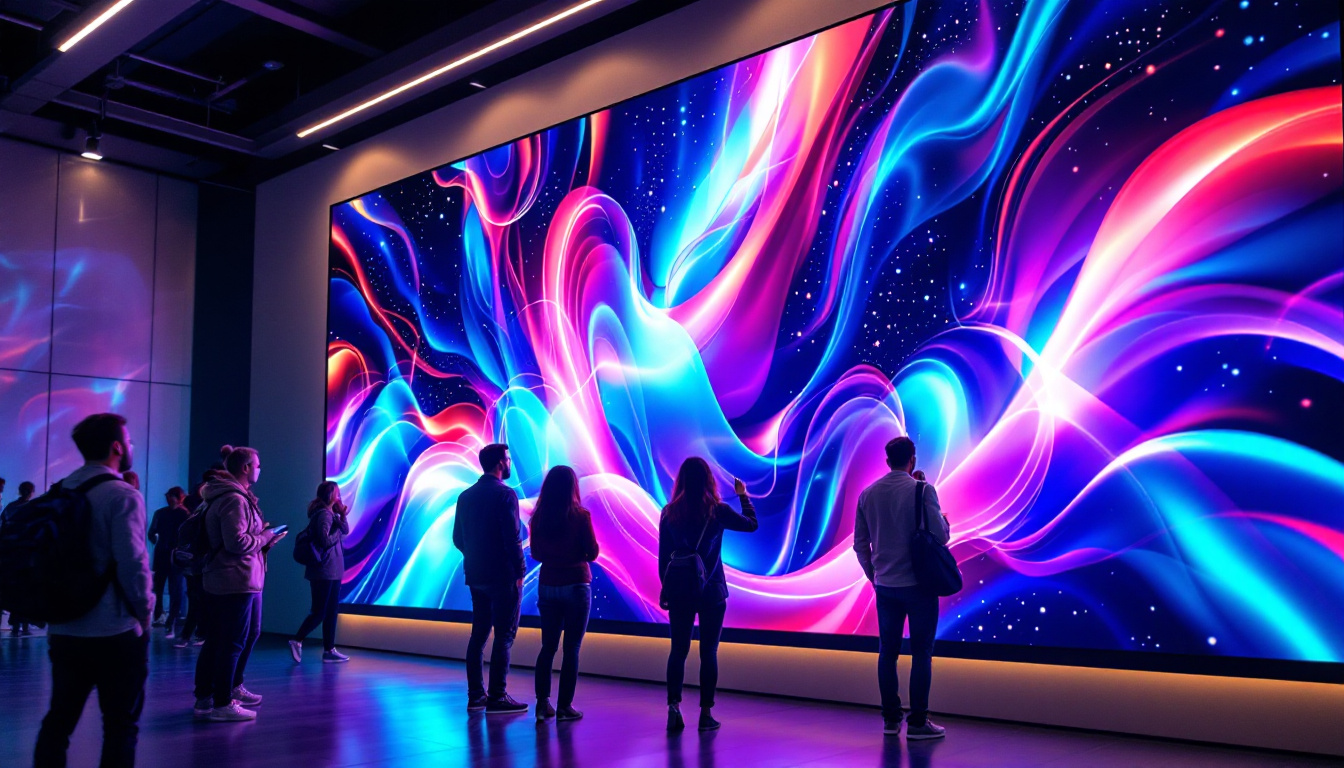
Large LED displays are a staple in advertising due to their ability to attract attention with bright, dynamic content. A 9-foot diagonal screen can be used in shopping malls, airports, or storefronts to showcase promotions, videos, or interactive content.
For example, a retail store might install a 108-inch LED display near the entrance to highlight new products or sales, ensuring high visibility to passersby. Furthermore, these displays can be programmed to change content in real-time, allowing businesses to adapt their messaging based on foot traffic or time of day. This capability not only enhances customer engagement but also maximizes the effectiveness of advertising campaigns by targeting specific demographics at the right moment.
Corporate and Conference Environments
In corporate settings, a 108-inch LED display can serve as a presentation screen in conference rooms or auditoriums. Its size allows for clear visibility even from the back of a large room, supporting video conferencing, presentations, and collaborative work.
Additionally, the high brightness and contrast of LED technology ensure that content remains clear under various lighting conditions. This is particularly beneficial during daytime meetings or in brightly lit environments. Moreover, the integration of smart technology allows for seamless connectivity with laptops and mobile devices, enabling presenters to share their screens effortlessly. The versatility of these displays also extends to digital signage, where companies can display real-time data, such as sales figures or project updates, fostering a more informed and engaged workforce.
Entertainment and Events
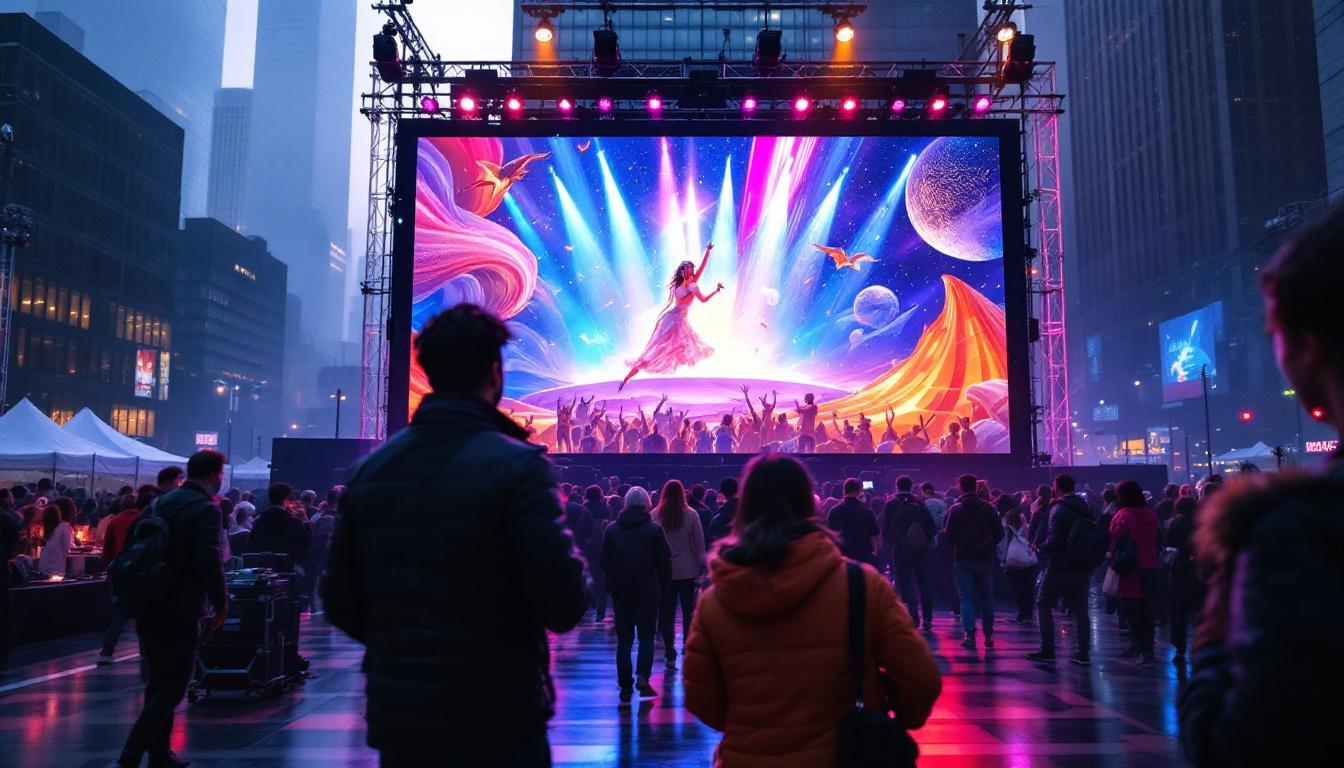
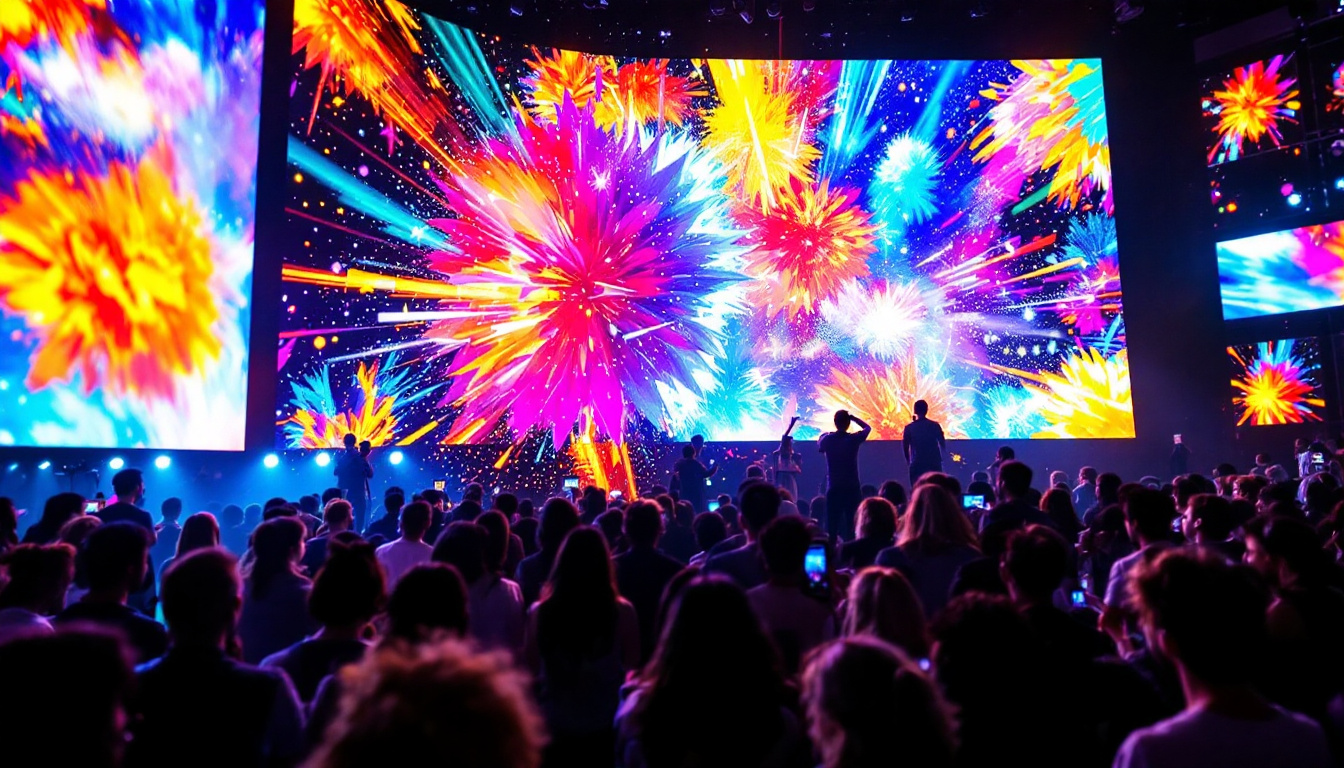
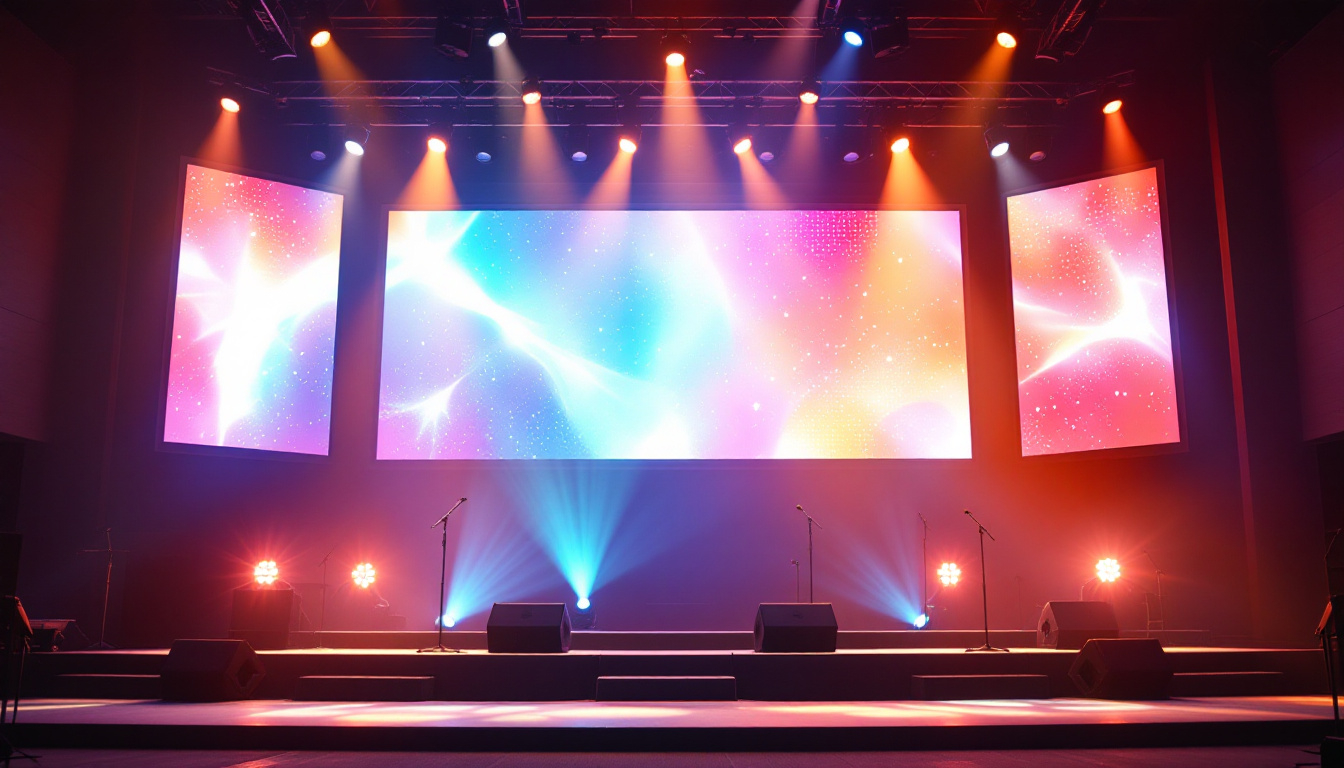
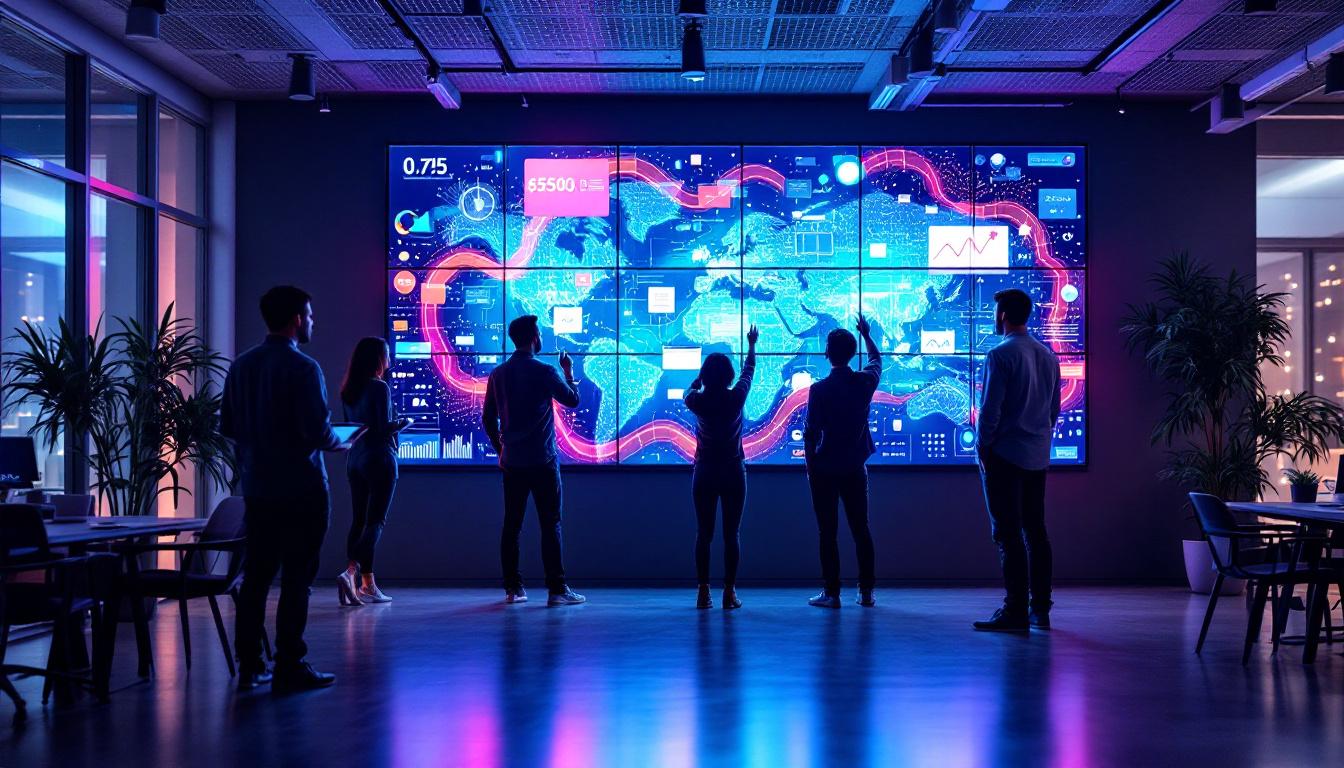
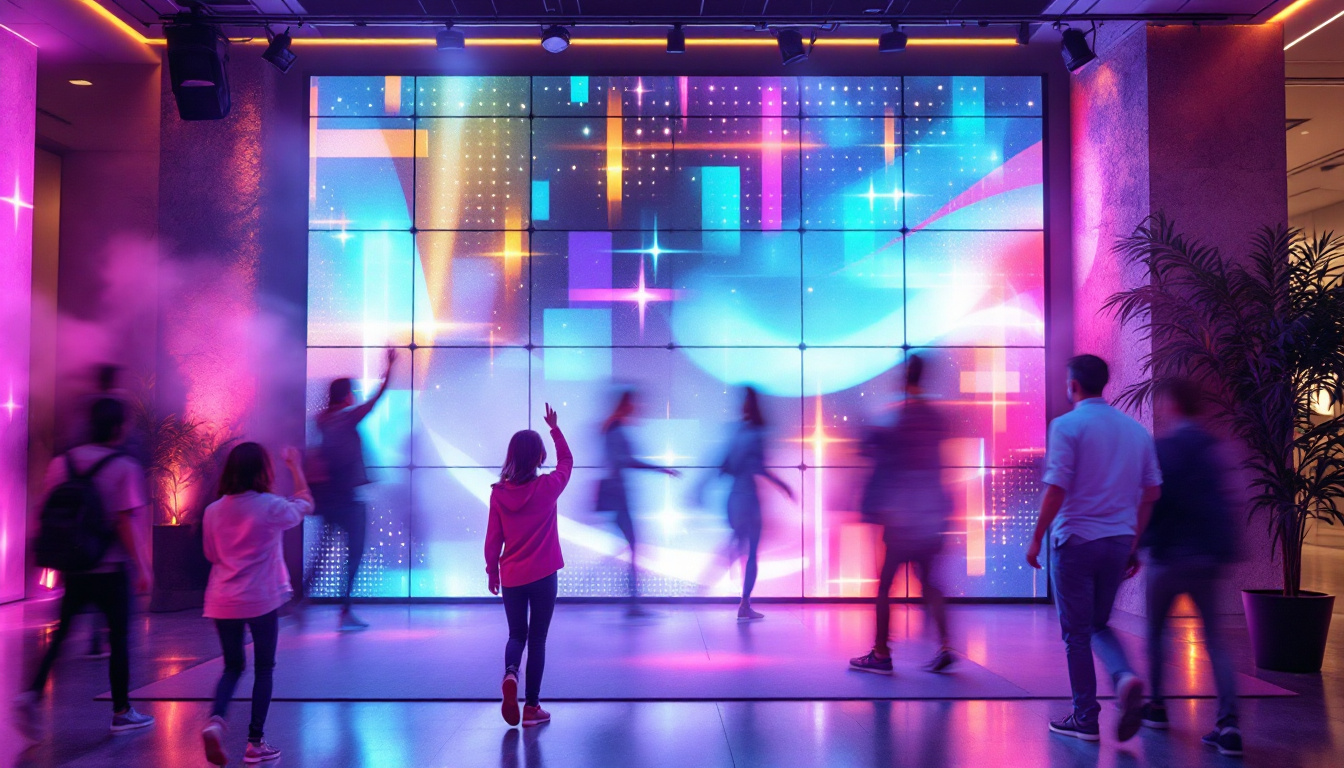
Event organizers and venues often use large LED displays for concerts, theater productions, and sports events. A 9-foot display can serve as a secondary screen or part of a larger video wall, enhancing the audience’s experience with live feeds, graphics, and interactive elements.
In addition to providing visual support for performances, these displays can be utilized for audience engagement through social media integration, allowing attendees to see their posts and reactions in real-time. This interactive feature not only boosts audience participation but also creates a sense of community among attendees. Furthermore, during sporting events, a 108-inch LED display can be used to showcase instant replays, player statistics, and advertisements, ensuring that fans remain engaged and informed throughout the event. The flexibility of these displays makes them an invaluable asset for any venue looking to elevate the overall experience for their audience.
Choosing the Right Size: Factors to Consider Beyond Inches and Feet
While converting 108 inches to 9 feet provides a sense of scale, selecting the right LED display involves multiple other factors that influence performance and suitability.
Viewing Distance and Pixel Pitch
Pixel pitch refers to the distance between individual LED pixels on the display, usually measured in millimeters. A smaller pixel pitch means higher resolution and sharper images, which is crucial for displays viewed up close.
For a 108-inch display, the ideal pixel pitch depends on the typical viewing distance. For instance, if viewers will be standing within a few feet, a pixel pitch of 1.5mm to 2.5mm is preferable. For longer distances, a larger pixel pitch can be sufficient and more cost-effective.
Brightness and Ambient Light Conditions
LED displays are known for their brightness, but the required brightness level varies with the installation environment. Outdoor displays or those in brightly lit indoor areas need higher brightness (measured in nits) to remain visible.
A 108-inch LED display intended for outdoor use might require brightness levels of 5,000 nits or more, while indoor displays generally perform well with 800 to 1,500 nits.
Resolution and Content Type
The resolution of the LED display should match the type of content being shown. High-definition video or detailed graphics demand higher resolution, which is influenced by the display size and pixel pitch.
For a 108-inch display, Full HD (1920×1080) resolution is often a minimum standard, but 4K resolution (3840×2160) is becoming more common as LED technology advances.
Installation and Maintenance Considerations for Large LED Displays
Installing a 9-foot LED display requires careful planning to ensure safety, optimal performance, and longevity.
Structural Support and Mounting
Due to their size and weight, large LED displays need robust mounting solutions. This may involve wall mounts, ceiling rigs, or custom frames, depending on the location and usage.
Professional installation is recommended to comply with safety standards and to ensure the display is securely fixed to prevent accidents or damage.
Power and Connectivity
LED displays consume significant power, especially at higher brightness levels. Ensuring adequate electrical infrastructure and backup power options is essential to maintain uninterrupted operation.
Connectivity options such as HDMI, DisplayPort, or specialized LED control systems enable seamless integration with content sources and management software.
Maintenance and Lifespan
LED displays typically have a long lifespan, often exceeding 50,000 hours of use. However, regular maintenance, including cleaning, software updates, and occasional repairs, helps preserve image quality and functionality.
Modular designs allow for easy replacement of individual LED panels or components, minimizing downtime and repair costs.
Conclusion: Making the Most of a 108-Inch LED Display
Converting 108 inches to 9 feet provides a tangible understanding of the scale of an LED display, which is crucial for planning and visualization. Beyond size, the choice of an LED display should consider technology type, pixel pitch, brightness, resolution, and installation requirements to ensure it meets the intended application effectively.
Whether used for advertising, corporate presentations, or entertainment, a 108-inch LED display offers a versatile and impactful solution. By understanding the technical aspects and practical considerations outlined in this article, businesses and individuals can make informed decisions that maximize the benefits of their LED display investment.
Discover the Perfect LED Display Solution with LumenMatrix
Ready to elevate your space with a high-impact visual display? LumenMatrix offers a comprehensive range of LED display solutions tailored to meet your specific needs. From vibrant indoor and outdoor displays to innovative vehicle and sports options, our products are designed to captivate and engage your audience. Experience the future of visual communication with our cutting-edge technology and let your message shine with unparalleled clarity. Check out LumenMatrix LED Display Solutions today and transform your visual storytelling.