In today’s fast-evolving digital landscape, touch screen wall monitors have become a staple in various settings—from corporate boardrooms and educational institutions to retail environments and public information kiosks. Central to the functionality and visual appeal of these large-format displays is the LED technology that powers them. Understanding how LED displays work, their advantages, and their applications can help businesses and organizations make informed decisions when investing in touch screen wall monitors.
What Is a Touch Screen Wall Monitor?
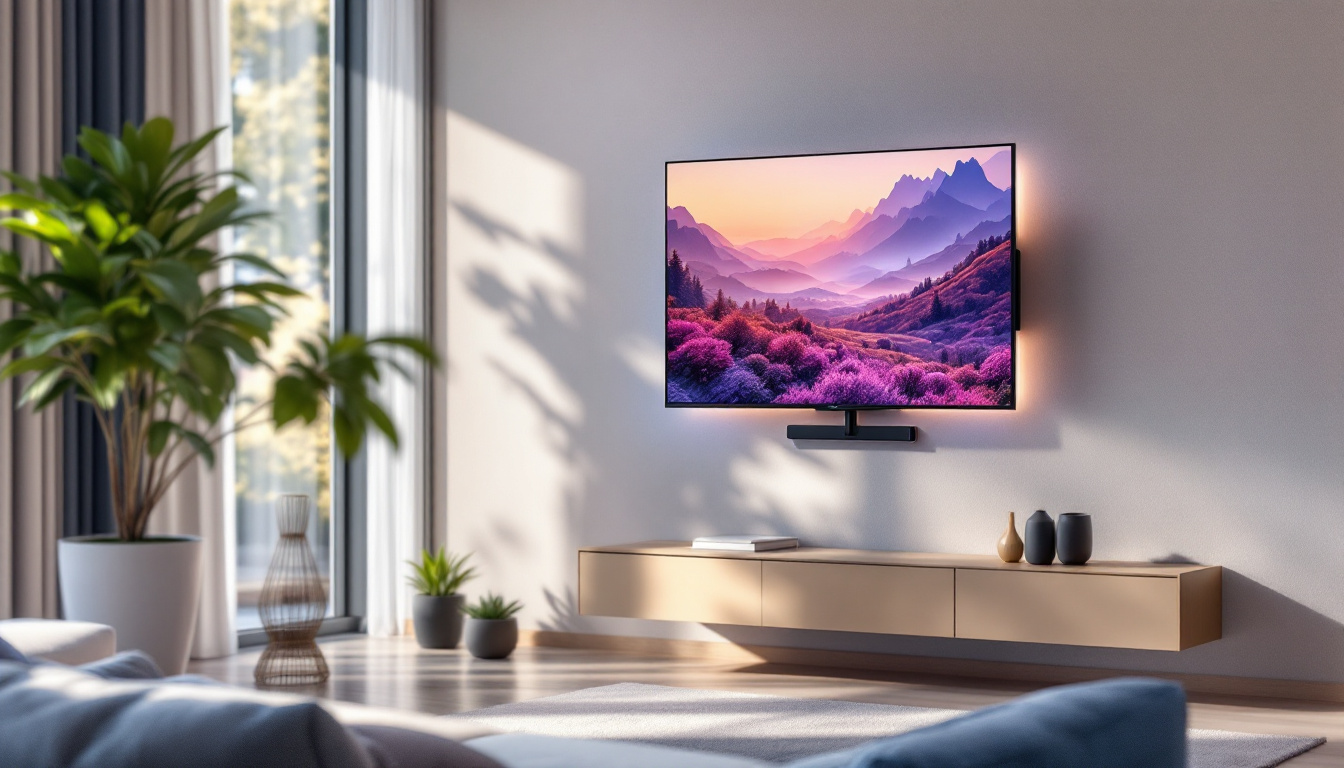
A touch screen wall monitor is a large display panel mounted on a wall that integrates touch-sensitive technology, allowing users to interact directly with the content on the screen. Unlike traditional monitors or TVs, these devices combine the visual clarity of high-resolution screens with intuitive touch capabilities, enabling dynamic presentations, collaborative work, and interactive experiences.
These monitors come in various sizes, often exceeding 55 inches diagonally, and are designed to be viewed from a distance, making them ideal for group settings. The touch functionality is typically enabled through capacitive or infrared touch technologies, which detect user input through finger taps, swipes, or gestures.
Key Features of Touch Screen Wall Monitors
Touch screen wall monitors are characterized by several essential features:
- Large Display Size: Typically ranging from 55 inches to over 100 inches, suitable for visibility in large rooms.
- Multi-Touch Capability: Supporting multiple simultaneous touch points to facilitate collaborative use.
- High Resolution: Often 4K or higher, ensuring crisp and clear images and text.
- Robust Build: Designed for continuous use with durable screens and protective glass.
- Connectivity Options: Multiple input ports including HDMI, USB, and wireless connectivity for seamless integration.
Understanding LED Display Technology
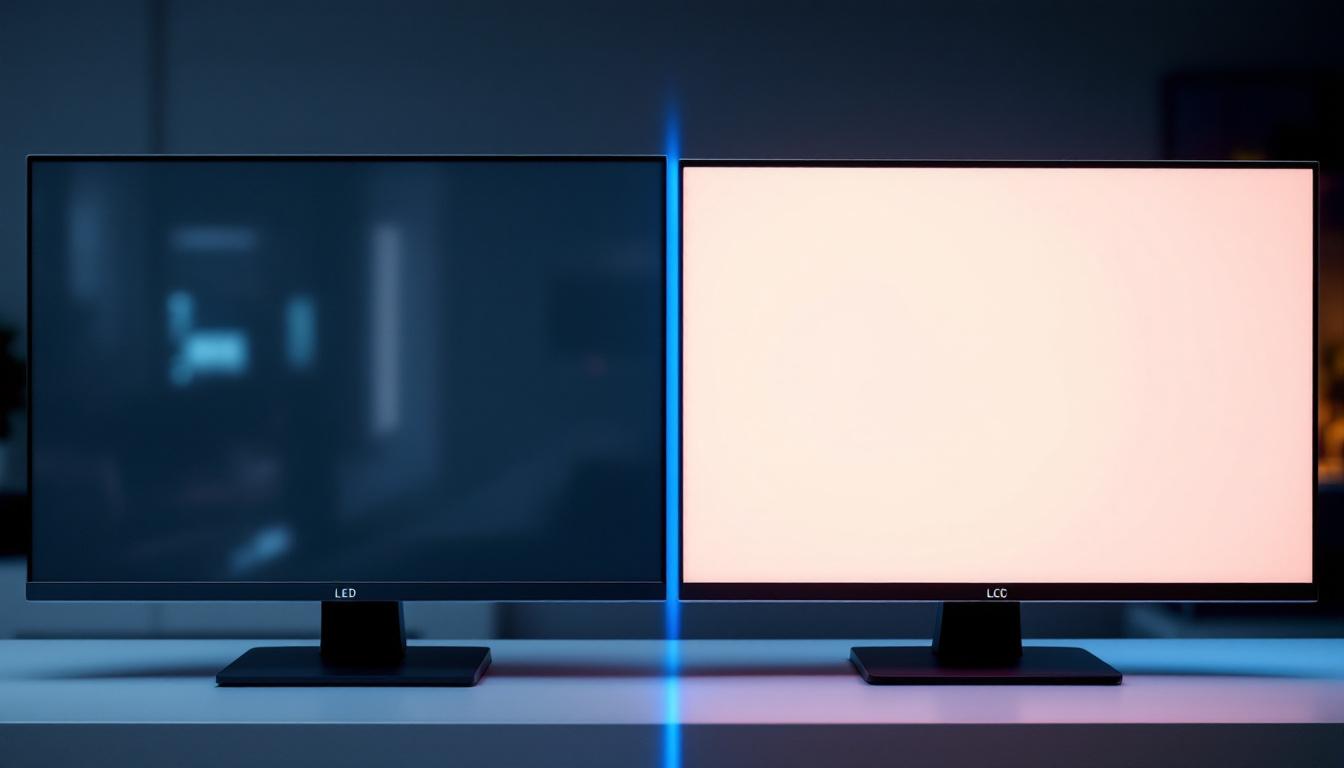
At the heart of most modern touch screen wall monitors is LED (Light Emitting Diode) display technology. LED displays have revolutionized the way large screens are designed and used, offering superior brightness, energy efficiency, and color accuracy compared to older technologies like LCD with CCFL backlighting or plasma displays.
How LED Displays Work
LED displays consist of millions of tiny light-emitting diodes arranged in a grid to form images. Each diode can emit light of varying intensity and color, allowing the screen to produce vibrant and dynamic visuals. There are two primary types of LED displays used in wall monitors:
- Direct LED (or Full-Array LED): LEDs are placed directly behind the screen, providing uniform backlighting and improved contrast.
- Edge-Lit LED: LEDs are positioned along the edges of the screen, which allows for thinner panels but can sometimes lead to uneven brightness.
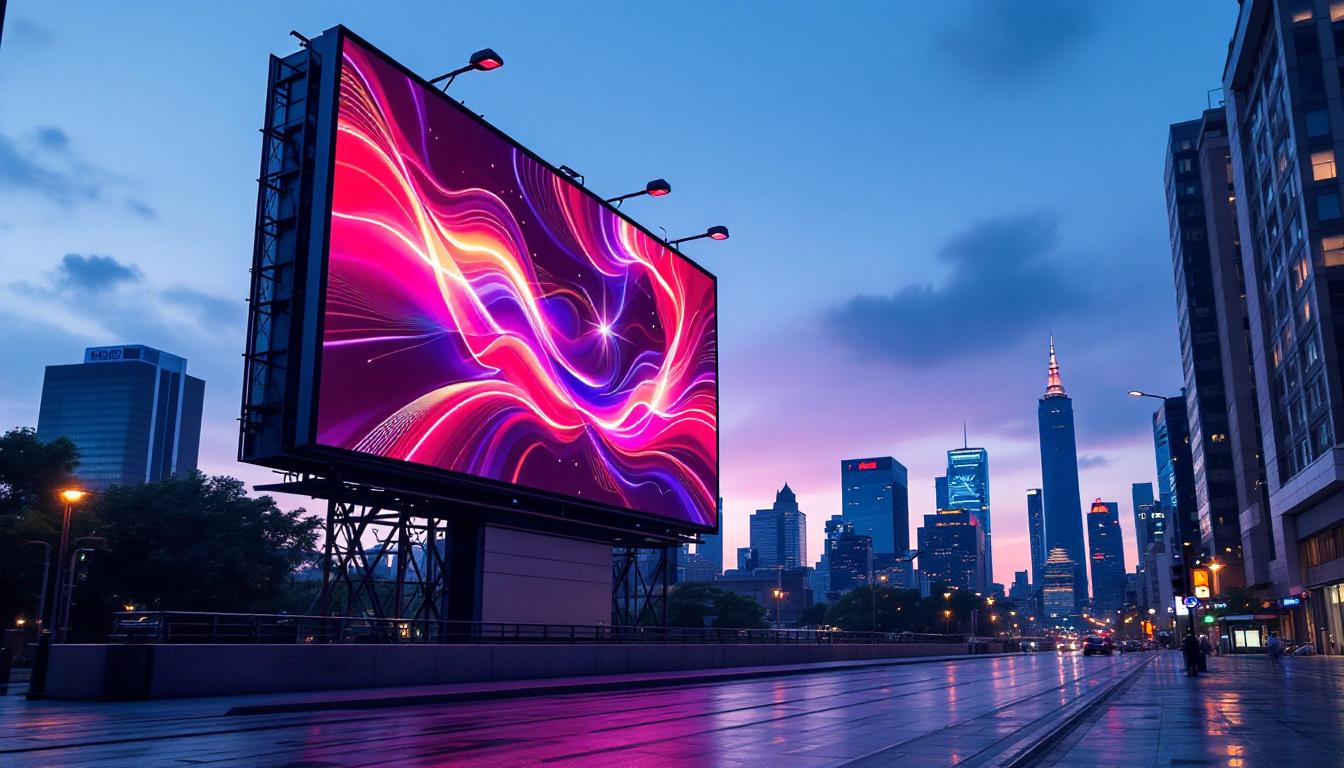
In addition, many large-format displays utilize LED technology not just for backlighting but as the actual pixels themselves—known as LED video walls or microLED displays. These offer even higher brightness and color performance, making them ideal for environments with high ambient light.
Advantages of LED Displays in Wall Monitors
LED technology offers several significant advantages that make it the preferred choice for touch screen wall monitors:
- Brightness and Visibility: LED displays can achieve brightness levels upwards of 1,000 nits, ensuring clear visibility even in brightly lit rooms or near windows.
- Energy Efficiency: LEDs consume less power compared to traditional backlighting methods, reducing operational costs and heat output.
- Longevity: LED panels typically have a longer lifespan, often exceeding 50,000 hours of use.
- Color Accuracy and Contrast: LEDs provide vibrant colors and deep blacks, enhancing the overall viewing experience.
- Thin and Lightweight: LED technology allows for slimmer and lighter monitors, facilitating easier installation and a sleek aesthetic.
Touch Technology Integration with LED Displays
Integrating touch capabilities with LED displays requires sophisticated technology to ensure responsiveness and accuracy without compromising image quality. The most common touch technologies used in wall monitors include:
Capacitive Touch Technology
Capacitive touchscreens detect touch input by sensing changes in electrical charge when a finger makes contact with the screen surface. This technology is highly responsive and supports multi-touch gestures, making it ideal for interactive presentations and collaborative environments.
Capacitive touchscreens are often covered with a durable glass layer that protects the display while maintaining clarity and touch sensitivity. This technology is widely used in consumer devices like smartphones and tablets, and its adaptation in large touch screen wall monitors offers a familiar and intuitive user experience.
Infrared (IR) Touch Technology
Infrared touchscreens use an array of IR LEDs and photodetectors around the edges of the screen to detect touch by interrupting the light beams. This method allows for high accuracy and can detect input from fingers, styluses, or even gloved hands.
One advantage of IR touch technology is its ability to work with any type of display since it doesn’t rely on the screen’s electrical properties. However, these systems can be more susceptible to dirt, dust, or direct sunlight interference, which may affect performance.
Choosing the Right Touch Technology
The choice between capacitive and infrared touch technologies depends on the intended use case, environment, and budget. Capacitive touchscreens generally offer superior responsiveness and multi-touch support, making them suitable for high-end conference rooms and interactive exhibits. Infrared touchscreens, on the other hand, provide flexibility and durability, often favored in industrial or public settings where users may wear gloves or use styluses.
Applications of Touch Screen Wall Monitors with LED Displays
The versatility of touch screen wall monitors with LED displays has led to their widespread adoption across various industries. Understanding these applications can help organizations identify how best to leverage this technology.
Corporate and Business Environments
In corporate settings, touch screen wall monitors serve as powerful tools for presentations, video conferencing, and collaborative brainstorming sessions. The large, bright LED displays ensure that content is visible to all participants, while the touch interface allows multiple users to interact with documents, annotate slides, or manipulate data in real-time.
According to a 2023 survey by AVIXA (Audiovisual and Integrated Experience Association), 68% of businesses reported increased engagement and productivity after integrating interactive displays into their meeting rooms. The ability to seamlessly combine video, data visualization, and touch interaction supports more dynamic and effective communication.
Education and Training
Educational institutions have embraced touch screen wall monitors to create immersive learning environments. Teachers can display multimedia content, conduct interactive quizzes, and facilitate group activities that encourage student participation. The high resolution and brightness of LED displays ensure that content is accessible even in large classrooms or lecture halls.
Moreover, the durability and ease of use of these monitors make them suitable for all age groups, from primary schools to universities. Interactive whiteboards powered by LED touch screens have been shown to improve student engagement and retention of information, according to a 2022 study published in the Journal of Educational Technology.
Retail and Advertising
Retailers utilize touch screen wall monitors with LED displays to create engaging digital signage and interactive product catalogs. These displays attract customer attention with vivid colors and dynamic content, while touch interaction allows shoppers to explore product details, check availability, or customize options.
Digital signage powered by LED technology is especially effective for in-store promotions and wayfinding. The ability to update content remotely and in real-time provides retailers with flexibility to respond to market trends and customer preferences quickly.
Public Spaces and Information Kiosks
In airports, museums, hospitals, and other public venues, touch screen wall monitors serve as interactive information kiosks. The bright LED displays ensure readability under various lighting conditions, while touch functionality allows users to navigate maps, schedules, or directories with ease.
These systems improve user experience by providing self-service options that reduce the need for staff assistance. Additionally, the robust construction of LED touch monitors ensures reliability in high-traffic environments.
Considerations When Choosing a Touch Screen Wall Monitor
Investing in a touch screen wall monitor with an LED display requires careful consideration of several factors to ensure the device meets specific needs and delivers long-term value.
Screen Size and Resolution
The size of the monitor should correspond to the viewing distance and room size. For example, a 65-inch display may be adequate for a small conference room, while a 98-inch or larger screen might be necessary for auditoriums or large classrooms.
Resolution is equally important; 4K UHD (3840 x 2160 pixels) has become the standard for large-format displays, providing sharp images and detailed content. Higher resolutions improve readability of text and clarity of visuals, especially when displaying complex data or fine graphics.
Touch Sensitivity and Accuracy
Evaluate the touch technology based on responsiveness, accuracy, and multi-touch capability. For collaborative environments, the ability to recognize multiple simultaneous touches is critical. Additionally, consider whether the screen supports gestures like pinch-to-zoom or swipe, which can enhance usability.
Brightness and Anti-Glare Features
Brightness levels should be sufficient to overcome ambient lighting conditions. Monitors with at least 700 nits are recommended for indoor use, while brighter screens may be necessary in areas with direct sunlight.
Anti-glare coatings or matte finishes can reduce reflections and improve visibility, especially in brightly lit rooms.
Connectivity and Compatibility
Ensure the monitor offers a variety of input options such as HDMI, DisplayPort, USB-C, and wireless connectivity to accommodate different devices and setups. Compatibility with common operating systems and software platforms is also essential for seamless integration.
Durability and Maintenance
Consider the build quality and protective features such as tempered glass or anti-scratch coatings. In public or high-use environments, ruggedized monitors designed to withstand frequent touch and potential abuse are preferable.
Cost and Warranty
While LED touch screen wall monitors represent a significant investment, balancing cost with features and durability is key. Look for products with comprehensive warranties and reliable customer support to safeguard your investment.
The Future of Touch Screen Wall Monitors and LED Displays
Advancements in LED and touch technologies continue to push the boundaries of what large-format interactive displays can achieve. Emerging trends include:
- MicroLED Technology: Offering even higher brightness, better color accuracy, and lower power consumption than traditional LEDs, microLED displays are poised to revolutionize large-format screens.
- Flexible and Transparent Displays: Innovations in flexible LED panels may lead to curved or bendable touch walls, expanding design possibilities.
- AI and Gesture Recognition: Integration of artificial intelligence to enable touchless interaction through gestures and voice commands, enhancing hygiene and accessibility.
- Improved Energy Efficiency: Continued focus on sustainability will drive the development of more energy-efficient displays with longer lifespans.
As these technologies mature, touch screen wall monitors will become even more versatile, immersive, and integral to communication and collaboration across industries.
Conclusion
Touch screen wall monitors powered by LED display technology offer a compelling combination of visual excellence and interactive functionality. Their ability to engage users, facilitate collaboration, and deliver dynamic content makes them invaluable tools in business, education, retail, and public spaces.
Understanding the underlying LED technology, touch integration methods, and key features helps organizations select the right solution tailored to their specific needs. With ongoing innovations on the horizon, these interactive displays will continue to transform the way people interact with digital content on a grand scale.
Discover LumenMatrix’s Innovative LED Display Solutions
Ready to elevate your space with the latest in LED display technology? LumenMatrix offers a comprehensive range of cutting-edge solutions tailored to meet your needs. From captivating Indoor LED Wall Displays to dynamic Outdoor LED Wall Displays, and from versatile Vehicle LED Displays to sleek LED Poster Displays, our products are designed to enhance engagement and transform your visual communication. Explore our innovative LED Sports Displays, interactive Floor LED Displays, and the stunning clarity of our Custom LED Displays and All-in-One LED Displays. Experience the future of digital signage with our LED Transparent Display. Embark on a journey to revolutionize your brand’s visibility and create unforgettable visual experiences. Check out LumenMatrix LED Display Solutions today and see how we can help you share your message with impact and clarity.