In the rapidly evolving world of display technology, the term “thin bezel screen” has become increasingly prominent. Whether it’s for televisions, computer monitors, or digital signage, thin bezel screens are redefining the way users interact with visual content. Coupled with LED display technology, these screens offer not only aesthetic appeal but also enhanced functionality and performance. This article explores the intricacies of thin bezel LED displays, their advantages, applications, and the technology behind them.
Understanding Thin Bezel Screens
What Is a Thin Bezel Screen?
A bezel refers to the frame or border that surrounds a screen. Traditionally, bezels were quite thick, often several centimeters wide, which limited the visible display area and could be visually distracting. A thin bezel screen, by contrast, minimizes this border, allowing the display to extend closer to the edges of the device.
This design innovation creates a more immersive viewing experience, making the screen appear larger and more seamless. For example, modern smartphones and laptops often feature bezels as thin as a few millimeters, maximizing screen real estate without increasing the device’s overall size. Additionally, the trend towards thin bezels is not just limited to consumer electronics; it has also influenced the design of televisions, monitors, and even digital signage, allowing for a more cohesive and engaging visual presentation in both home and commercial settings.
Why Are Thin Bezels Important?
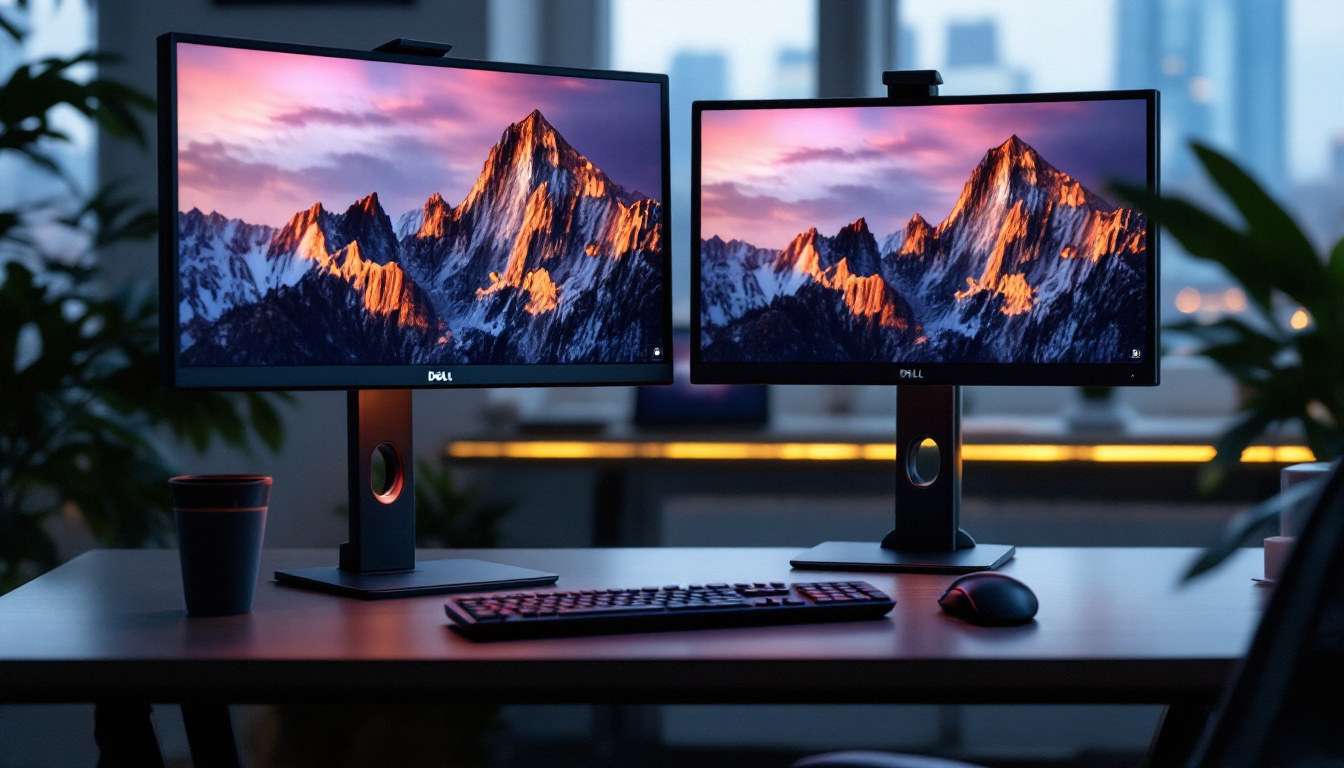
Thin bezels are more than just an aesthetic choice; they improve usability and functionality. For multi-monitor setups, thin bezels reduce the gap between screens, creating a near-continuous visual workspace. This is particularly valuable in professional environments such as graphic design, video editing, and financial trading where screen real estate and continuity are crucial. In these scenarios, the reduction of bezel size can lead to increased productivity, as users can seamlessly transition between applications without being distracted by the physical borders of their displays.
Moreover, thin bezels contribute to the sleek and modern look of devices, which is a significant factor in consumer electronics purchasing decisions. According to a 2023 survey by Display Daily, over 70% of consumers consider screen design, including bezel thickness, an important factor when buying new displays. This shift in consumer preference has prompted manufacturers to invest heavily in research and development aimed at minimizing bezel size while maintaining screen integrity and durability. As a result, advancements in materials and manufacturing techniques have allowed for thinner bezels without compromising the structural integrity of the device, leading to a new standard in the industry that prioritizes both form and function.
LED Display Technology: The Foundation of Modern Screens
What Is an LED Display?
LED stands for Light Emitting Diode, a semiconductor device that emits light when an electric current passes through it. LED displays use these diodes as pixels to create images. Unlike older technologies such as LCDs that rely on backlighting, LED displays can be either direct-emitting or use LEDs as backlight sources.
There are two main types of LED display technologies: traditional LED-backlit LCDs and true LED displays, such as OLED (Organic LED) and MicroLED. The former uses LEDs to illuminate an LCD panel, while the latter involves each pixel emitting its own light, resulting in superior contrast and color accuracy. This distinction is crucial, as it impacts not only the visual quality but also the overall performance of the display in various settings, from televisions to smartphones and digital signage.
Advantages of LED Displays
LED displays offer several benefits that make them the preferred choice across various applications:
- Energy Efficiency: LEDs consume less power compared to traditional display technologies, contributing to longer battery life in portable devices and reduced energy costs in larger installations.
- Brightness and Contrast: LED displays can achieve higher brightness levels and better contrast ratios, enhancing visibility even in bright environments.
- Thinness and Flexibility: LED technology allows for thinner panels, which complements the trend toward thin bezel designs. Some LED displays are flexible, enabling curved or foldable screens.
- Longevity: LEDs have a longer lifespan than other light sources, reducing maintenance and replacement costs.
In addition to these advantages, LED displays also support a wide range of color gamuts, allowing for more vibrant and lifelike images. This capability is particularly beneficial in applications such as graphic design, photography, and video production, where color accuracy is paramount. Furthermore, advancements in LED technology have led to the development of HDR (High Dynamic Range) displays, which can reproduce a wider range of brightness levels and colors, enhancing the viewing experience significantly.
Moreover, the versatility of LED displays extends beyond just visual appeal; they are also increasingly being integrated into smart technologies. With the rise of IoT (Internet of Things), LED displays can now connect to the internet, enabling features such as real-time data display, remote management, and interactive capabilities. This integration opens up new possibilities for advertising, education, and entertainment, making LED displays not just a medium for visuals, but a dynamic platform for engagement and information dissemination.
The Intersection of Thin Bezels and LED Displays
How Thin Bezels Enhance LED Displays
The combination of thin bezel design and LED technology results in displays that are not only visually stunning but also functionally superior. Thin bezels allow LED screens to maximize their active display area, making them ideal for devices where space is at a premium.
For instance, in ultra-wide monitors used for gaming or professional work, thin bezels minimize distractions and create a more immersive experience. Additionally, in video walls—large-scale displays composed of multiple screens—thin bezels reduce the visual breaks between panels, producing a near-seamless image.
Technical Challenges and Solutions
Creating thin bezel LED displays is not without challenges. The bezel houses essential components such as wiring, control circuits, and structural supports. Reducing bezel size requires innovative engineering to relocate or miniaturize these components without compromising durability or performance.
Manufacturers have addressed these challenges through advanced circuit design, flexible printed circuit boards (FPCBs), and improved materials that allow for thinner yet robust frames. Additionally, innovations in panel bonding techniques help maintain structural integrity while minimizing bezel thickness.
Applications of Thin Bezel LED Displays
Consumer Electronics
Thin bezel LED screens are ubiquitous in consumer electronics. Smartphones, tablets, laptops, and televisions increasingly feature minimal bezels to provide larger displays within compact form factors. For example, flagship smartphones in 2024 often boast bezel widths under 2 millimeters, enhancing screen-to-body ratios beyond 90%.
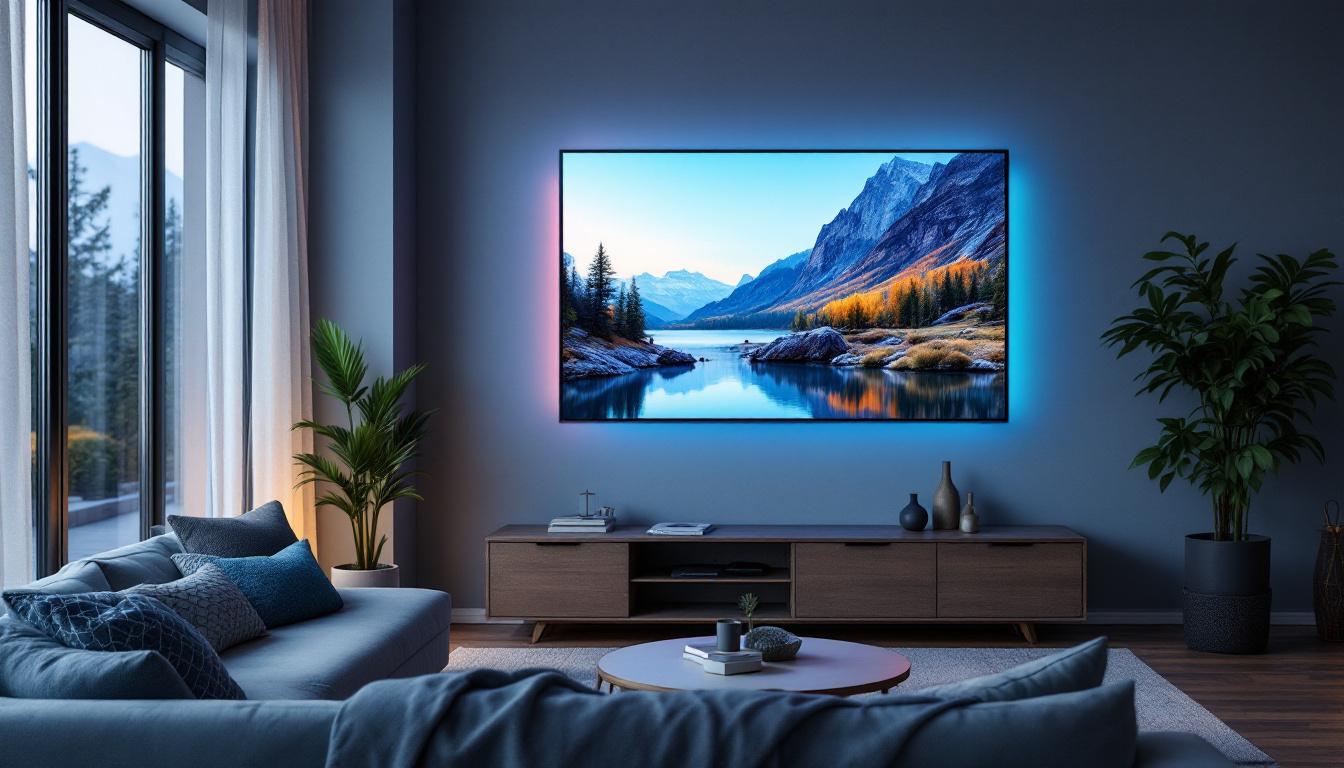
Television manufacturers have also embraced thin bezels, enabling larger screens without significantly increasing the overall size of the TV. This trend supports the growing demand for home entertainment systems that blend seamlessly into modern living spaces.
Professional and Commercial Use
In professional settings, thin bezel LED displays are vital for multi-monitor configurations. Financial analysts, software developers, and creative professionals benefit from expansive, uninterrupted screen space that thin bezels facilitate.
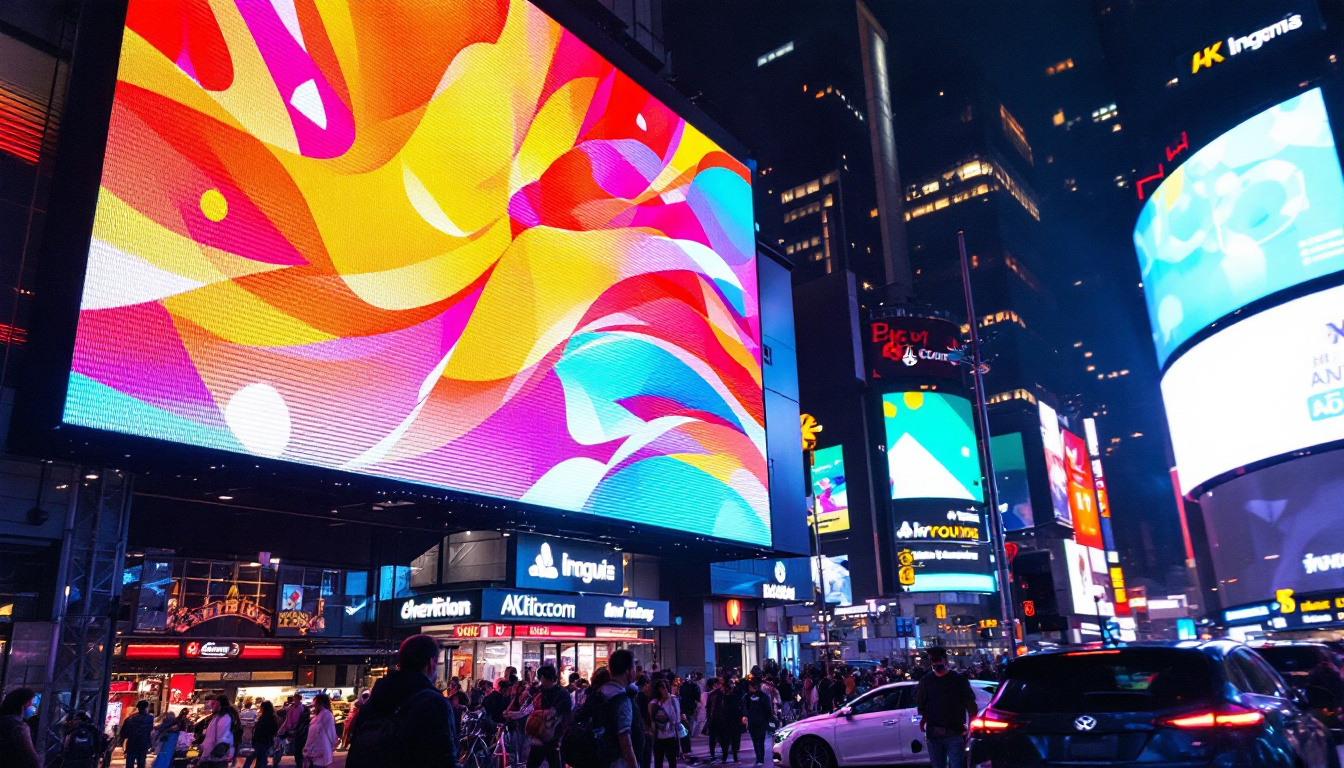
Moreover, digital signage and video walls in retail, transportation hubs, and corporate environments rely heavily on thin bezel LED displays to deliver impactful, large-scale visuals. The reduced bezel size enhances image continuity, which is essential for advertising and informational content.
Public and Outdoor Displays
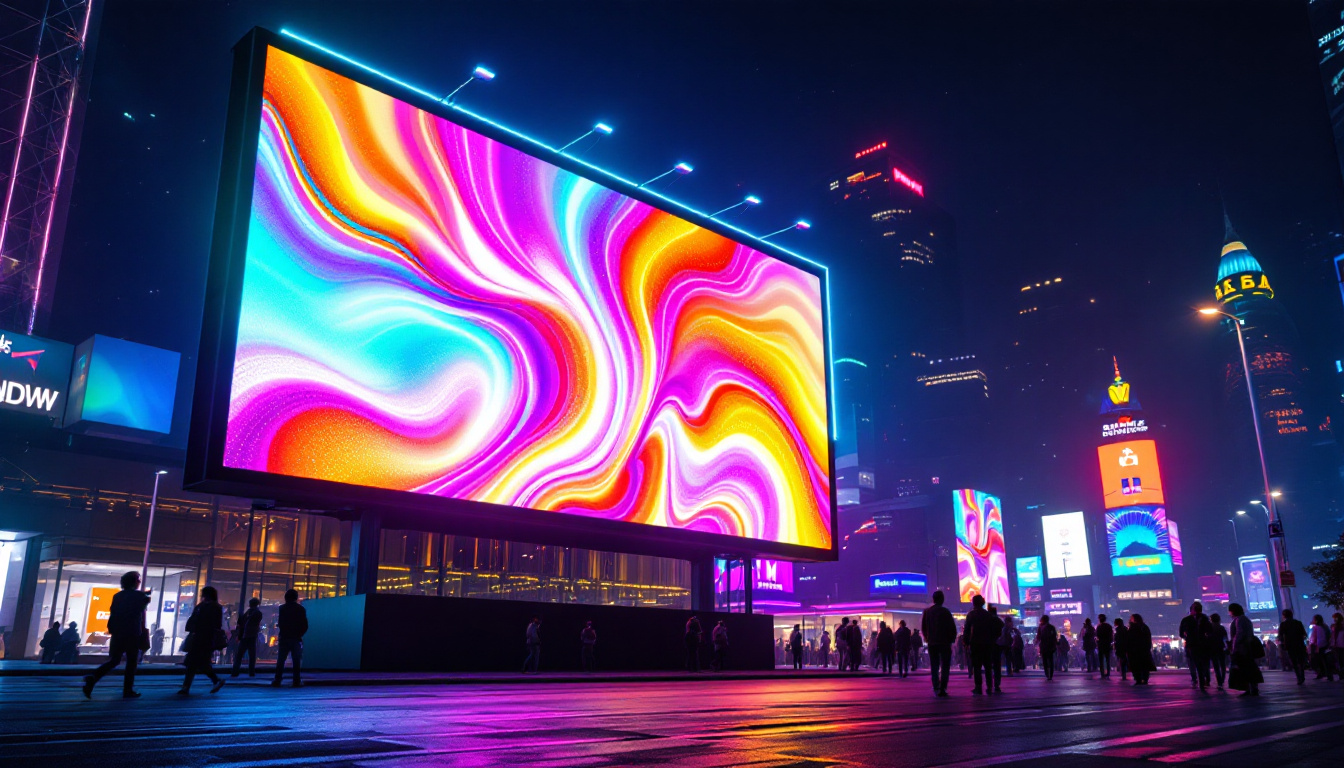
Outdoor LED displays, such as billboards and stadium screens, also benefit from thin bezel designs. While these displays often prioritize brightness and weather resistance, minimizing bezel width helps create more cohesive and visually appealing installations.
Advancements in LED technology have enabled outdoor displays with thin bezels to deliver high-resolution images visible even in direct sunlight, expanding their utility in advertising and public information dissemination.
Future Trends in Thin Bezel LED Displays
MicroLED and Beyond
MicroLED technology represents the next frontier in LED displays. By using microscopic LEDs as individual pixels, MicroLED screens offer unparalleled brightness, contrast, and energy efficiency. Because MicroLEDs are self-emissive, they facilitate even thinner panels and bezel designs.
Industry leaders are actively developing MicroLED displays for everything from smartphones to large video walls. As production costs decrease, MicroLED is expected to become mainstream, further pushing the boundaries of thin bezel screen design.
Flexible and Foldable Displays
Flexible LED displays are another exciting development. These screens can bend or fold without damaging the display, opening new possibilities for device form factors. Thin bezels are essential in these designs to maintain structural flexibility and aesthetic appeal.
Foldable smartphones and rollable televisions are already on the market, showcasing how thin bezel LED technology enables innovative user experiences. Continued advancements will likely make these devices more durable and affordable.
Integration with Smart Technologies
As smart home and IoT (Internet of Things) technologies evolve, thin bezel LED displays are increasingly integrated with voice assistants, gesture controls, and AI-driven content customization. These features demand displays that are not only visually appealing but also responsive and adaptable.
The sleek design of thin bezel screens complements smart devices’ minimalist aesthetics, while LED technology ensures vibrant and clear visuals for interactive applications.
Conclusion
Thin bezel LED displays represent a significant leap forward in screen technology, combining aesthetic refinement with practical advantages. By minimizing the frame around the screen, these displays maximize visual real estate and enhance user immersion. The underlying LED technology contributes to energy efficiency, brightness, and longevity, making these displays suitable for a wide range of applications—from consumer electronics to large-scale digital signage.
Looking ahead, innovations like MicroLED and flexible displays promise to further revolutionize the industry, enabling even thinner bezels and more versatile screen designs. For consumers and professionals alike, understanding the benefits and capabilities of thin bezel LED displays is essential for making informed decisions in a technology-driven world.
Discover Cutting-Edge LED Displays with LumenMatrix
Ready to elevate your visual experience with the sleek design and advanced technology of thin bezel LED displays? LumenMatrix is at the forefront of LED display innovation, offering a wide array of solutions tailored to meet your needs. From captivating Indoor and Outdoor LED Wall Displays to dynamic Vehicle and Sports LED Displays, our products are designed to make your brand stand out. Embrace the future of visual communication with our Custom, All-in-One, and Transparent LED Displays, and see how our Floor LED Displays can transform any space. Don’t just take our word for it; check out LumenMatrix LED Display Solutions today and witness how we can help you share your message with unparalleled impact and clarity.