In the rapidly evolving world of digital signage and display technology, understanding the components that make up an LED display is essential for professionals and enthusiasts alike. One such critical component is the diagonal cabinet, a term that often surfaces in discussions about LED displays but may not be fully understood by everyone. This article delves into what a diagonal cabinet is, its significance in LED displays, and how it impacts performance and design.
Understanding LED Display Cabinets
LED displays are composed of multiple cabinets, which are modular units housing LED panels. These cabinets are designed to be assembled together to create large, seamless screens that can be used in various applications such as advertising billboards, stadium screens, concert backdrops, and indoor video walls.
The cabinet serves as the structural and electronic framework that holds the LED modules, power supplies, and control systems. Each cabinet is engineered to maintain uniform brightness, color accuracy, and resolution when combined with others, ensuring a consistent viewing experience across the entire display.
The Role of Cabinet Size and Shape
Cabinet dimensions vary depending on the manufacturer and intended application. Common sizes range from 500mm x 500mm to 1000mm x 1000mm, though custom sizes exist. The shape and size of these cabinets directly influence the overall display design, installation complexity, and maintenance procedures.
One key dimension that often arises in product specifications is the diagonal measurement of the cabinet. This diagonal measurement is crucial for understanding the physical size of the cabinet and how it fits into the larger display assembly.
What is a Diagonal Cabinet in LED Displays?
The term “diagonal cabinet” refers to the diagonal measurement of an LED display cabinet, typically expressed in millimeters or inches. This measurement is taken from one corner of the cabinet to the opposite corner, much like how screen sizes for televisions and monitors are measured.
For example, a cabinet measuring 500mm by 500mm would have a diagonal of approximately 707mm (calculated using the Pythagorean theorem: √(500² + 500²) = 707mm). This diagonal size helps in visualizing the cabinet’s footprint and is often used when discussing the overall size of an LED display.
Why the Diagonal Measurement Matters
Understanding the diagonal size of a cabinet is important for several reasons. Firstly, it helps in calculating the total size of the assembled LED display. When multiple cabinets are combined, knowing the diagonal size aids in estimating the display’s overall dimensions and aspect ratio.
Secondly, the diagonal measurement can influence transport and installation logistics. Cabinets with larger diagonals may be heavier and more cumbersome to handle, requiring specialized equipment or additional personnel during installation.
Lastly, the diagonal size can impact the pixel pitch and resolution of the display. Larger cabinets may accommodate more LED modules, which can either increase the resolution or allow for a larger viewing area without compromising image quality.
How Diagonal Cabinets Affect LED Display Performance
The performance of an LED display is closely tied to the design and dimensions of its cabinets. The diagonal cabinet size plays a role in several performance factors including resolution, brightness uniformity, and maintenance accessibility.
Resolution and Pixel Density
Resolution in LED displays is determined by the number of pixels per unit area, commonly referred to as pixel density or pixel pitch. Pixel pitch is the distance between the centers of two adjacent pixels, measured in millimeters. Smaller pixel pitches result in higher resolution and finer image detail.
When the diagonal cabinet size increases, manufacturers can fit more LED modules within the cabinet, potentially increasing the total pixel count. This allows for larger displays with high resolutions, suitable for close viewing distances such as indoor environments or retail spaces.
Brightness and Uniformity
Brightness uniformity across the entire LED display is critical for delivering a consistent visual experience. The cabinet size, including its diagonal measurement, influences how LED modules are arranged and powered. Larger cabinets require careful engineering to ensure that power distribution and heat dissipation are optimized, preventing hotspots or dim areas.
Advanced LED cabinets often incorporate high-quality power supplies and cooling systems to maintain uniform brightness and extend the lifespan of the display components. The diagonal size can dictate the complexity of these systems, especially in outdoor installations exposed to varying weather conditions.
Maintenance and Accessibility
Maintenance is a crucial consideration in LED display design. Cabinets with larger diagonal measurements may be more challenging to service due to their size and weight. However, modular designs often allow for front or rear access to LED modules and electronics, facilitating easier repairs and replacements.
Manufacturers strive to balance cabinet size with ease of maintenance. A well-designed diagonal cabinet will enable technicians to quickly access internal components without dismantling large portions of the display, minimizing downtime and maintenance costs.
Applications and Industry Examples
Diagonal cabinets are used in a wide range of LED display applications, each with specific requirements for size, resolution, and durability. Understanding how diagonal cabinet size fits into these applications helps in selecting the right display solution.
Outdoor Advertising and Billboards
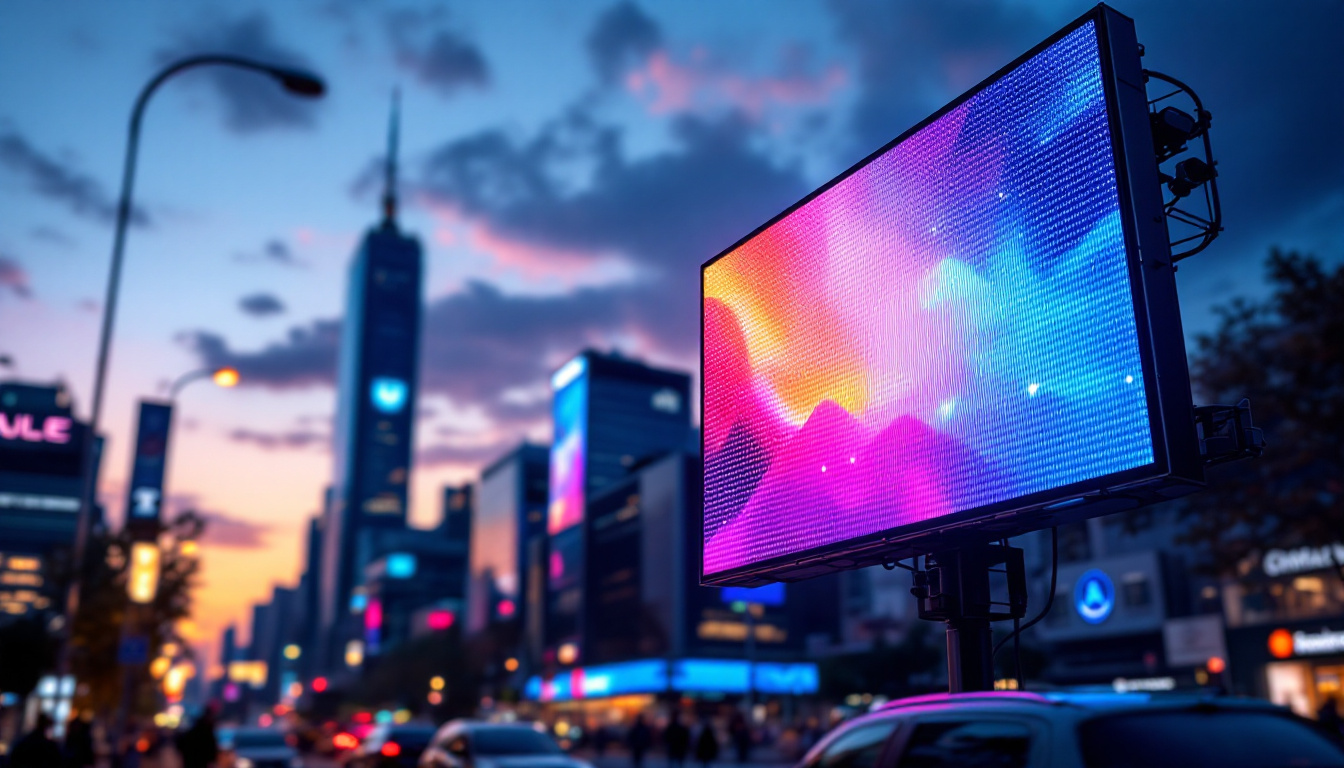
Outdoor LED billboards often use larger diagonal cabinets to create massive displays visible from long distances. For example, a billboard might consist of multiple 1000mm x 1000mm cabinets with diagonal measurements around 1414mm. These large cabinets help reduce the number of seams and improve structural stability.
Outdoor displays also require robust cabinets with weatherproofing and high brightness levels, often exceeding 5,000 nits, to combat sunlight glare. The diagonal cabinet size influences the design of protective enclosures and mounting systems.
Sports Arenas and Stadiums
In sports venues, LED displays must deliver high-resolution content visible to thousands of spectators. Cabinets with moderate diagonal sizes, such as 500mm to 600mm, are common to balance resolution and installation flexibility. These cabinets allow for precise pixel pitch adjustments suitable for various viewing distances within the arena.
Modular diagonal cabinets also facilitate the creation of curved or irregularly shaped displays, enhancing the immersive experience for fans. The ability to configure cabinets in different orientations depends on their size and structural design.
Indoor Retail and Corporate Displays
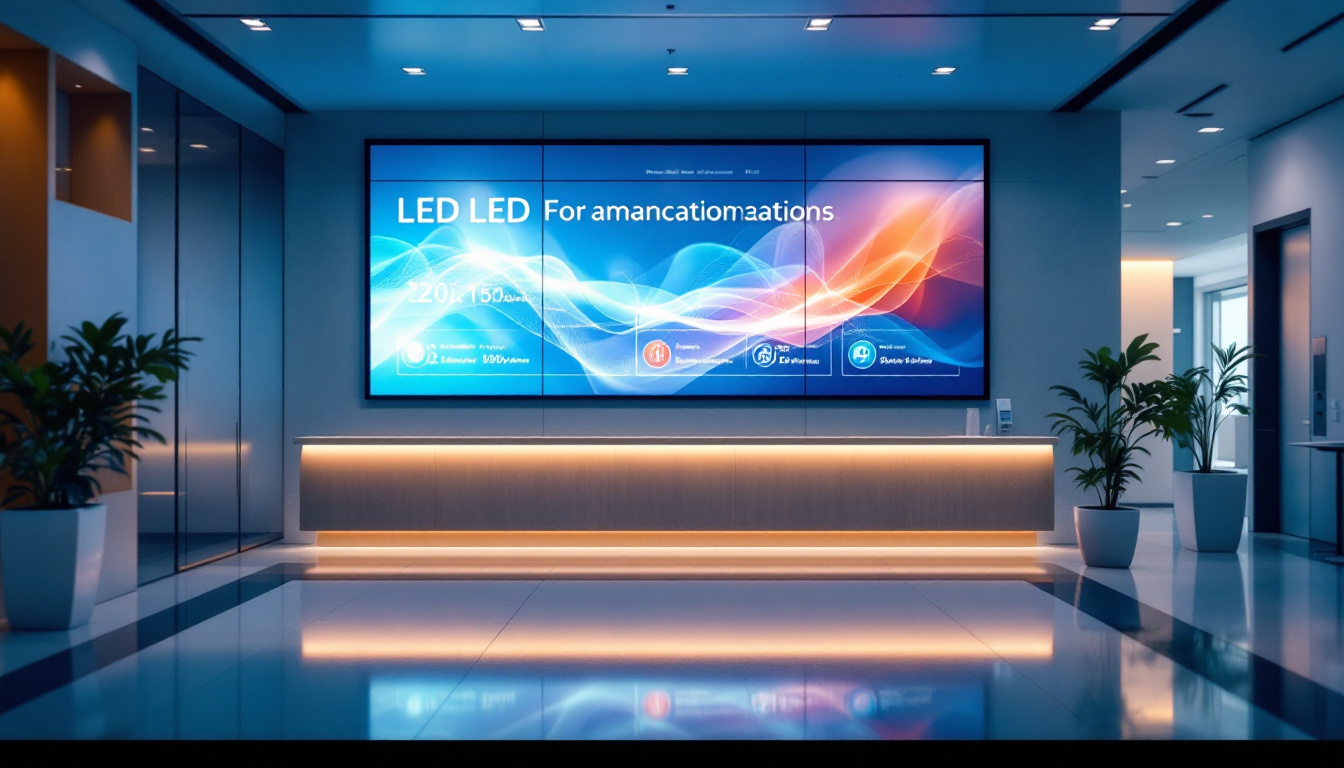
Indoor LED displays in retail stores, corporate lobbies, and conference rooms often prioritize high resolution and sleek aesthetics. Smaller diagonal cabinets with tight pixel pitches (e.g., 1.2mm to 2.5mm) are preferred to achieve crisp images and smooth video playback.
These cabinets are designed for easy installation and maintenance in confined spaces. Their diagonal size impacts the overall display size and aspect ratio, which must align with architectural constraints and brand messaging goals.
Choosing the Right Diagonal Cabinet for Your LED Display
Selecting the appropriate diagonal cabinet size is a critical step in planning an LED display project. Several factors should be considered to ensure optimal performance and cost-effectiveness.
Assessing Viewing Distance and Resolution Requirements
The intended viewing distance is a primary factor in determining the ideal pixel pitch and cabinet size. For close-range viewing, such as indoor retail environments, smaller diagonal cabinets with fine pixel pitches provide superior image quality. Conversely, for long-distance viewing like outdoor billboards, larger diagonal cabinets with coarser pixel pitches suffice.
Calculating the optimal pixel pitch involves balancing resolution, cabinet size, and budget. Industry guidelines suggest a minimum pixel pitch of 1mm for close-up viewing and up to 16mm or more for distant viewing scenarios.
Installation Environment and Structural Considerations
The physical environment where the LED display will be installed influences cabinet size selection. Outdoor installations require weatherproof cabinets with robust structural integrity, often favoring larger diagonal sizes for stability. Indoor installations prioritize lightweight and compact cabinets for aesthetic and logistical reasons.
Additionally, the mounting system and available space must accommodate the cabinet dimensions. Architects and engineers should collaborate with LED display manufacturers to ensure the chosen diagonal cabinet size aligns with building codes and installation constraints.
Maintenance and Lifecycle Costs
Maintenance accessibility and long-term operational costs are impacted by cabinet size. Larger diagonal cabinets may reduce the number of units to service but could complicate individual cabinet handling. Smaller cabinets increase modularity but may require more frequent maintenance points.
Evaluating the trade-offs between cabinet size, maintenance ease, and lifecycle costs helps in making an informed decision that balances upfront investment with ongoing expenses.
Future Trends in Diagonal Cabinet Design
As LED technology advances, diagonal cabinet designs continue to evolve to meet new demands for higher resolution, flexibility, and energy efficiency.
Flexible and Curved Cabinets
Emerging designs feature flexible diagonal cabinets that can bend or curve, enabling creative display shapes and immersive environments. These innovations open new possibilities for advertising, entertainment, and architectural integration.
Lightweight and Thin Cabinets
Manufacturers are developing thinner and lighter cabinets with smaller diagonal measurements without compromising durability or performance. These advancements facilitate easier installation and reduce structural load on buildings.
Integration with Smart Technologies
Future diagonal cabinets may incorporate smart sensors for real-time monitoring of temperature, brightness, and performance metrics. This integration enhances predictive maintenance and energy management, improving overall display reliability.
Conclusion
The diagonal cabinet is a fundamental aspect of LED display design that influences size, resolution, installation, and maintenance. Understanding its role helps stakeholders make informed decisions when selecting and deploying LED displays across various applications.
By considering factors such as viewing distance, environment, and future-proofing needs, businesses and professionals can optimize their LED display investments for maximum impact and longevity. As technology progresses, diagonal cabinet designs will continue to adapt, offering exciting new opportunities for visual communication and digital experiences.
Explore Cutting-Edge Diagonal Cabinets with LumenMatrix
Ready to elevate your visual communication with the latest in LED display technology? LumenMatrix offers a comprehensive range of innovative solutions tailored to your needs. From captivating Indoor LED Wall Displays to dynamic Outdoor LED Wall Displays, and from versatile Vehicle LED Displays to sleek LED Poster Displays, our products are designed to make your brand shine. Discover the full potential of LED Sports Displays, interactive Floor LED Displays, and the customization possibilities with Custom LED Displays. Embrace the future with our All-in-One LED Display solutions and LED Transparent Displays. Experience the revolution in digital signage and create unforgettable visual experiences. Check out LumenMatrix LED Display Solutions today and transform your space into a vibrant canvas of communication.