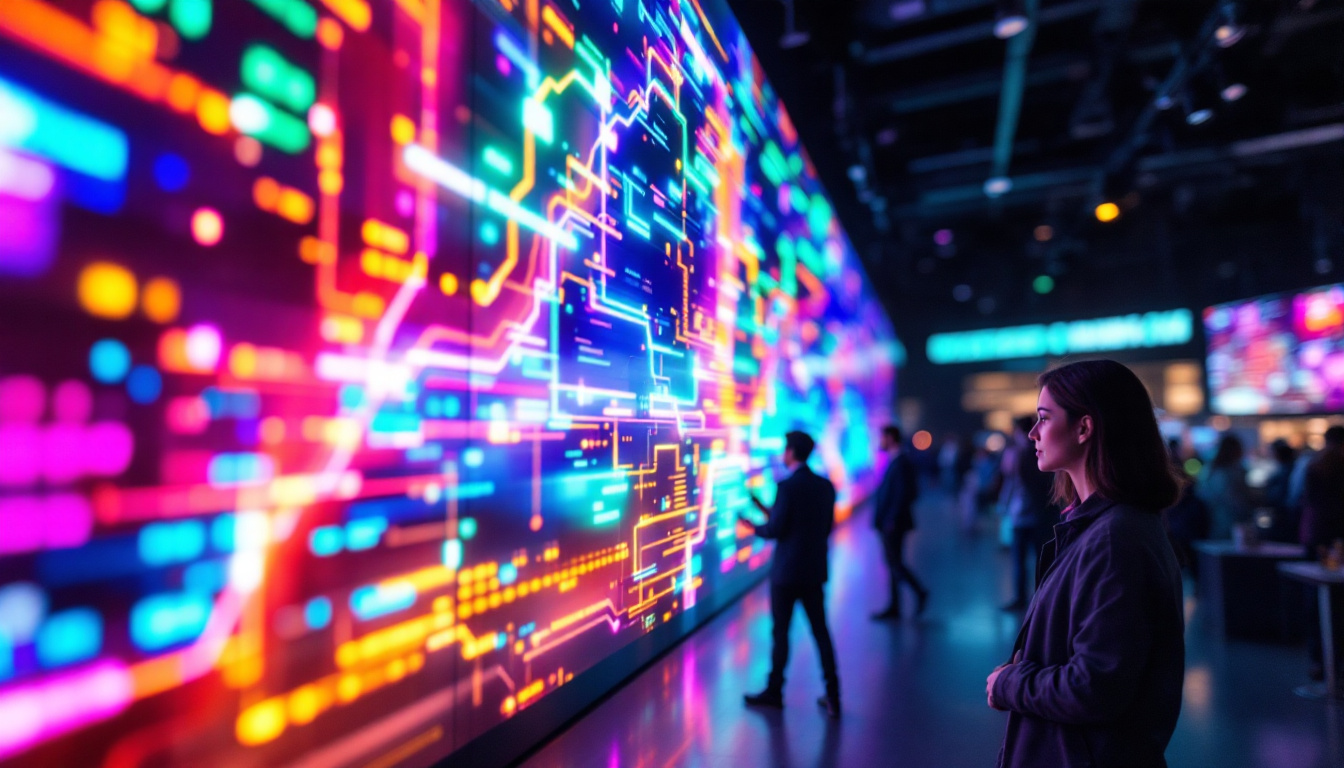
In modern interior design, combining natural aesthetics with cutting-edge technology has become a popular trend. One striking example of this fusion is the use of interior rock walls integrated with LED displays. These installations not only bring the rugged beauty of natural stone indoors but also add dynamic visual elements that can transform spaces in innovative ways.
This article explores the concept of interior rock walls with LED displays, explaining their design principles, technological components, practical applications, and benefits. Whether you are an interior designer, architect, or simply a homeowner interested in unique design solutions, understanding how LED displays can be seamlessly integrated into rock walls will open up exciting possibilities.
Understanding Interior Rock Walls
The Appeal of Natural Stone in Interior Design
Natural stone has long been valued for its durability, texture, and timeless aesthetic appeal. Interior rock walls offer a tactile, organic element that can anchor a room’s design, providing warmth and character. Materials such as slate, granite, limestone, and quartzite are commonly used to create these walls, each bringing unique color palettes and textures. The rich variations in veining and patterning found in stones like marble can create a sense of luxury and sophistication, while rough-hewn stones can evoke a rustic charm, making them versatile for various design styles from contemporary to traditional.
Beyond aesthetics, stone walls contribute to acoustic insulation and thermal mass, helping regulate indoor temperature and reduce noise levels. These functional benefits make rock walls a practical choice for both residential and commercial interiors. Furthermore, the use of natural stone can enhance indoor air quality, as it does not emit volatile organic compounds (VOCs), making it a healthier choice for living spaces. As sustainability becomes increasingly important in design, many homeowners and designers are opting for locally sourced stones, which not only reduce transportation emissions but also support local economies.
Traditional vs. Modern Rock Wall Installations
Historically, rock walls were static features—solid, immovable, and purely decorative or structural. Advances in technology have expanded their potential. Modern installations can incorporate lighting, interactive elements, and multimedia displays, transforming these walls into dynamic focal points. For instance, backlit stone panels can create an ethereal glow that highlights the natural beauty of the stone while enhancing the ambiance of the room. This innovative approach allows for a more dramatic effect, particularly in spaces like lobbies or galleries where first impressions are crucial.
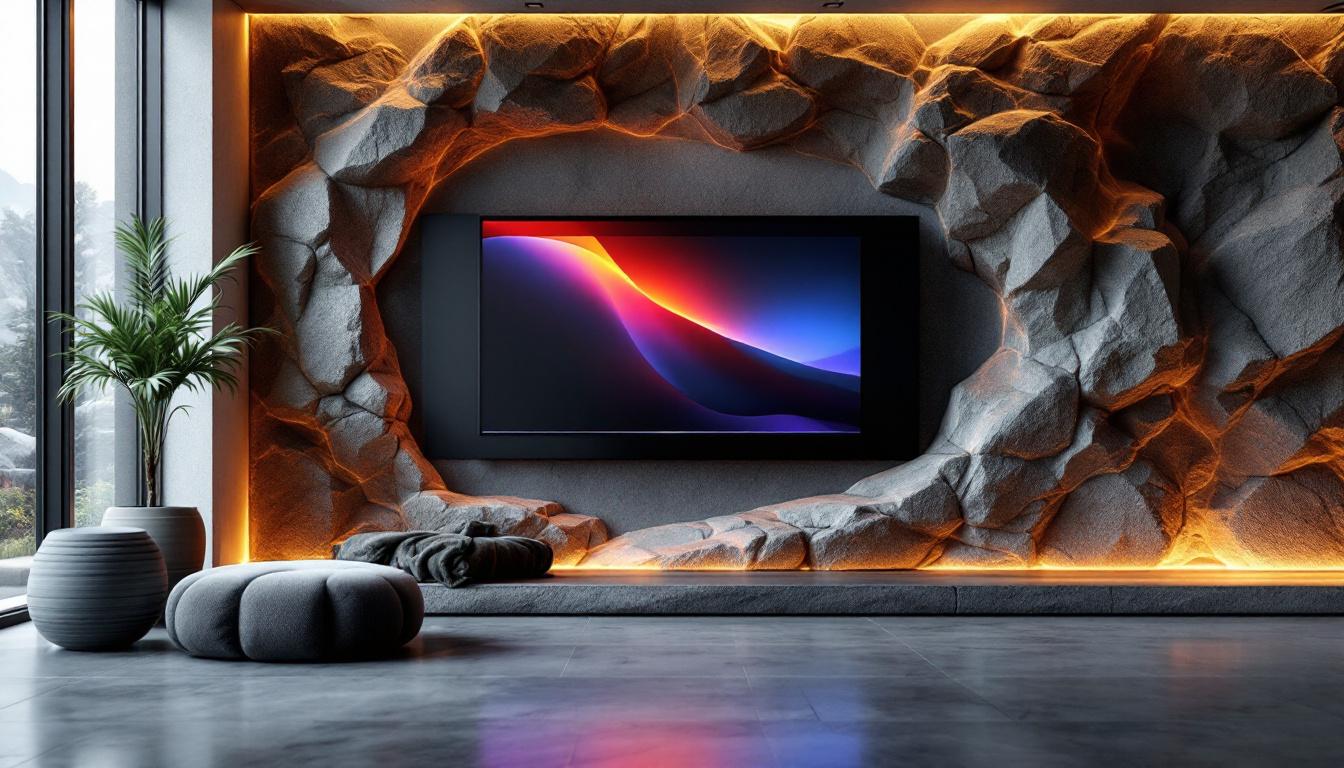
Integrating LED displays into rock walls represents a significant evolution. Instead of merely serving as a backdrop, the wall becomes an active participant in the space, capable of conveying information, setting moods, or enhancing branding in commercial environments. Additionally, the incorporation of technology allows for seasonal or thematic changes, making it possible to refresh the look of a space without the need for extensive renovations. This adaptability is particularly appealing for businesses looking to keep their environments engaging and relevant, as well as for homeowners who wish to personalize their spaces over time. The blend of traditional materials with modern technology not only showcases the versatility of rock walls but also reflects a broader trend in design that embraces both heritage and innovation.
What is an LED Display?
Basic Principles of LED Technology
LED stands for Light Emitting Diode, a semiconductor device that emits light when an electric current passes through it. LEDs are highly energy-efficient, long-lasting, and capable of producing vibrant colors, making them ideal for display technologies.
LED displays consist of an array of these tiny diodes arranged in a grid, capable of illuminating in different colors and intensities to form images, videos, or text. They can be designed in various sizes and resolutions depending on the application.
Types of LED Displays Suitable for Interior Use
For interior rock wall applications, several types of LED displays are commonly used:
- LED Panels: Thin, flat modules that can be mounted flush against surfaces. They are ideal for creating seamless video walls.
- Flexible LED Strips: These can be bent or shaped to follow the contours of uneven surfaces, including rock textures.
- Transparent LED Screens: Allow light and visibility through the display, enabling creative layering effects when combined with stone.
Choosing the right type depends on the design goals, wall structure, and desired visual effects.
Integrating LED Displays into Interior Rock Walls
Design Considerations and Challenges
Incorporating LED displays into rock walls requires careful planning to maintain both the natural beauty of the stone and the functionality of the display. Key considerations include:
- Surface Preparation: Rock walls are often uneven and porous. Creating a stable, flat mounting surface for LED panels may require additional framing or backing materials.
- Heat Management: LEDs generate heat during operation. Proper ventilation and heat dissipation mechanisms must be integrated to prevent damage to the stone or electronic components.
- Power and Connectivity: Concealing wiring and ensuring reliable power supply without disrupting the wall’s aesthetics is critical.
- Durability and Maintenance: The installation should allow for easy access to LED components for maintenance while preserving the wall’s integrity.
Installation Techniques
Two primary methods are used to integrate LED displays with rock walls:
1. Embedded LED Modules
In this approach, LED modules are recessed into the rock wall. Sections of the stone are carefully cut or carved to accommodate the display, allowing the LEDs to sit flush with the surface. This method provides a sleek, integrated look but requires precision craftsmanship and structural reinforcement.
2. Surface-Mounted LED Panels
Alternatively, LED panels can be mounted onto the surface of the rock wall using brackets or frames. This method is less invasive and allows for easier maintenance but may slightly alter the wall’s natural texture and depth.
In both cases, designers often use complementary lighting techniques—such as uplighting or backlighting—to enhance the visual impact and highlight the stone’s texture alongside the LED content.
Applications of Interior Rock Walls with LED Displays
Residential Spaces
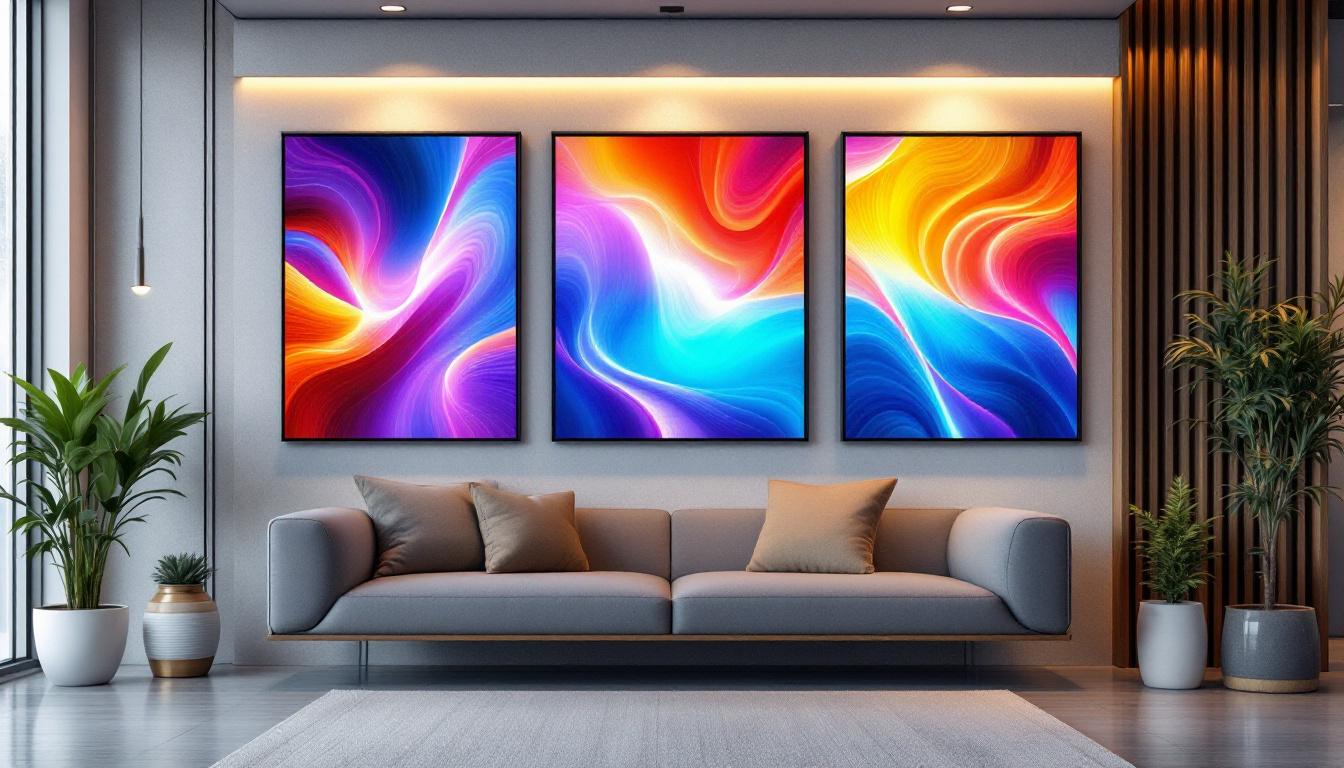
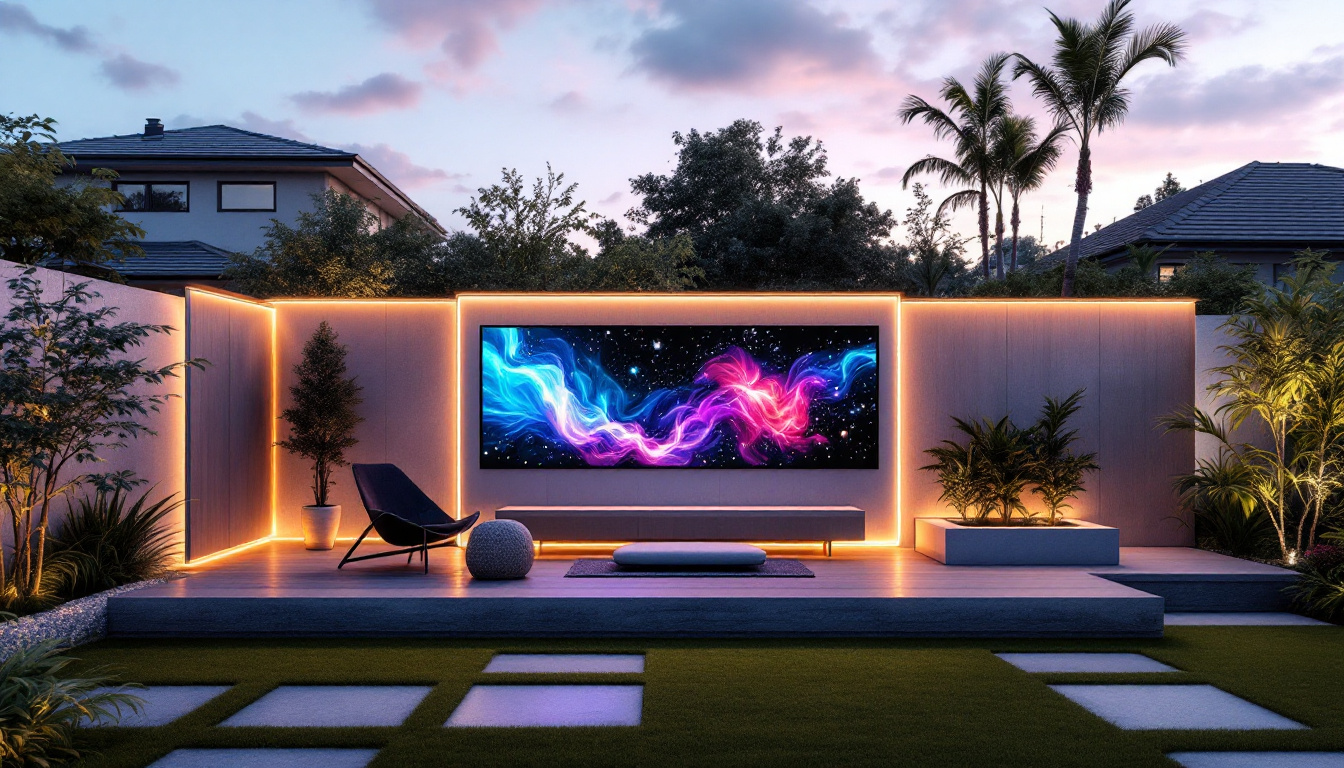
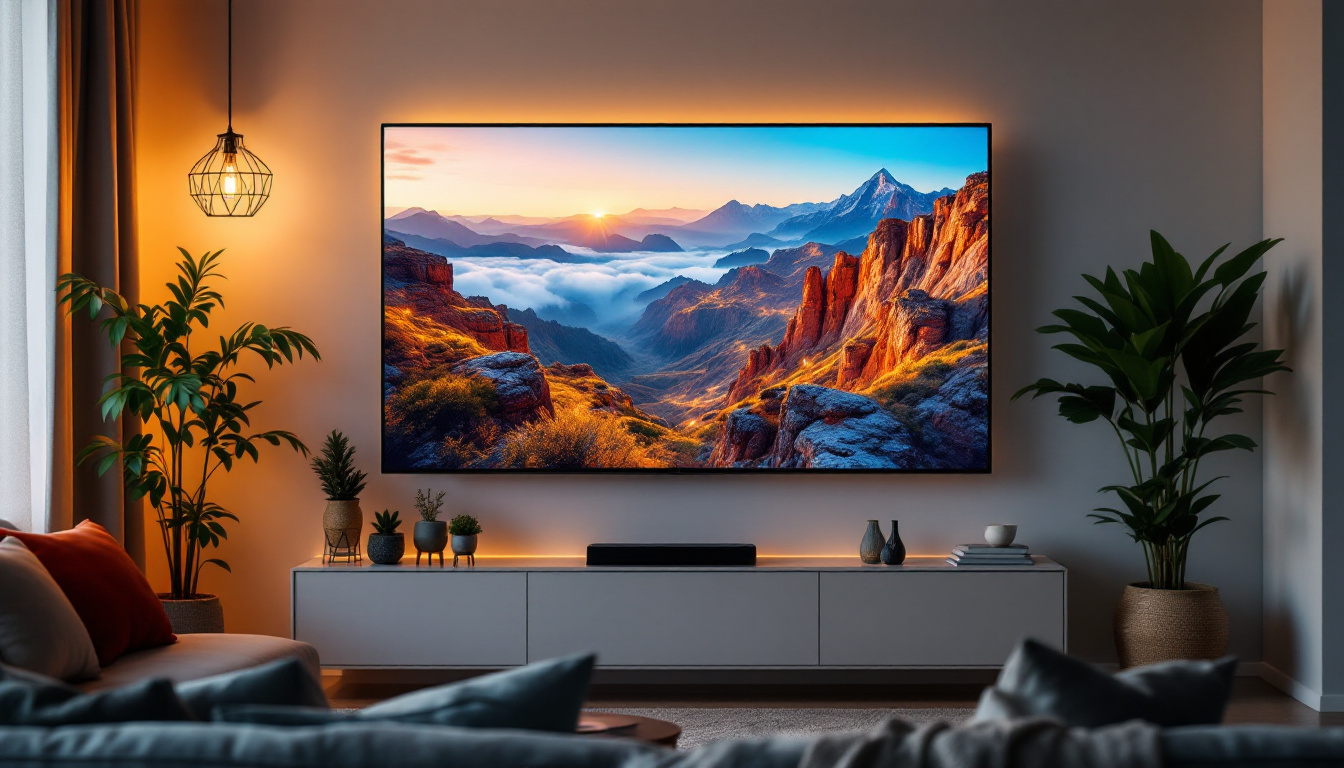
In homes, rock walls with integrated LED displays can serve as stunning feature walls in living rooms, home theaters, or entryways. They create an immersive environment by displaying nature scenes, ambient visuals, or family photos, blending technology with natural materials.
For example, a mountain lodge-style home might use a granite rock wall with an embedded LED display to simulate a fireplace or showcase seasonal landscapes. This adds warmth and personalization without traditional heating elements.
Commercial and Hospitality Environments
Hotels, restaurants, and retail spaces benefit from the dramatic impact of rock walls combined with LED displays. They can be used for:
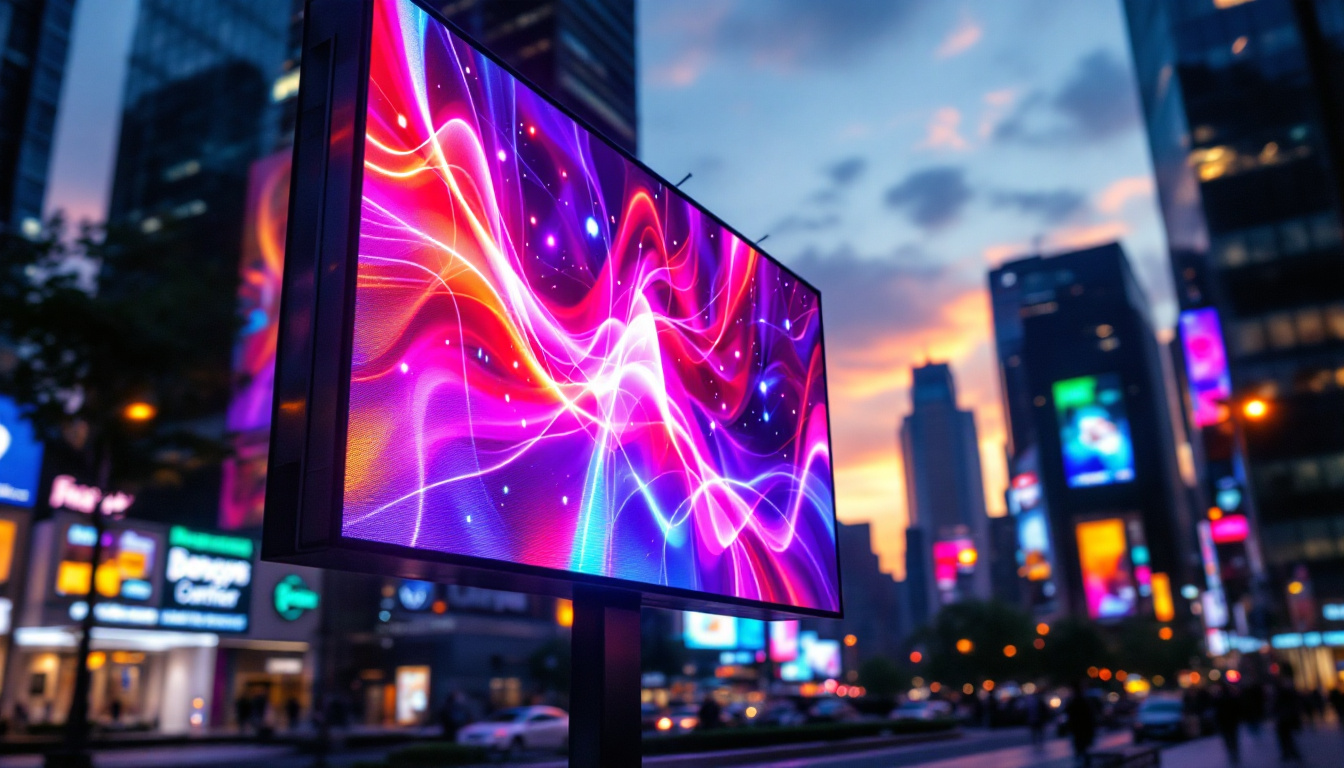
- Branding and Advertising: Dynamic content can promote products, services, or events while complementing the interior design.
- Wayfinding and Information: Interactive displays embedded in rock walls can guide visitors or provide real-time updates.
- Ambiance and Mood Setting: Changing visuals and lighting effects can enhance the customer experience, adapting to different times of day or themes.
For instance, a high-end restaurant might feature a limestone wall with integrated LED panels displaying subtle, animated patterns that evoke the natural environment, creating a calming atmosphere.
Corporate and Public Spaces
In offices, museums, and public buildings, interior rock walls with LED displays can serve as impressive reception area features or exhibit backdrops. They combine the solidity and permanence of stone with the flexibility of digital content, making them ideal for communicating corporate identity or educational information.
Interactive rock walls equipped with touch-sensitive LED displays can engage visitors, providing an innovative way to explore content while appreciating architectural materials.
Benefits of Combining Rock Walls and LED Displays
Enhanced Aesthetic Appeal
The juxtaposition of rugged natural stone and sleek LED technology creates a visually compelling contrast. This combination elevates interior spaces by marrying tradition with innovation, appealing to a broad range of design sensibilities.
Versatility and Customization
LED displays offer unparalleled flexibility in content presentation. Unlike static stone walls, they can change visuals instantly, adapting to different moods, seasons, or events. This makes the installation highly versatile and customizable.
Energy Efficiency and Sustainability
Modern LED technology is energy-efficient, consuming significantly less power than traditional lighting or display systems. When combined with the thermal mass properties of stone walls, these installations can contribute to sustainable building practices by reducing overall energy consumption.
Increased Property Value
Unique design features such as interior rock walls with integrated LED displays can increase a property’s market appeal. They signal attention to detail, innovation, and luxury—qualities highly valued in both residential and commercial real estate markets.
Future Trends and Innovations
Advancements in Flexible and Transparent LEDs
Emerging LED technologies are becoming thinner, more flexible, and even transparent, enabling new ways to integrate displays with natural materials. This will allow designers to create more seamless and immersive rock wall installations that maintain the stone’s tactile qualities while delivering rich digital content.
Smart and Interactive Walls
The integration of sensors and IoT (Internet of Things) technology is enabling rock walls to become interactive surfaces. Users can control displayed content via gestures, voice commands, or mobile devices, enhancing engagement and personalization.
Augmented Reality (AR) Integration
Combining LED displays with AR technology can create layered experiences where physical rock textures interact with virtual elements, offering new storytelling and experiential possibilities in interior environments.
Conclusion
Interior rock walls with integrated LED displays represent a compelling intersection of natural materials and advanced technology. They offer designers and property owners a unique way to enhance spaces with both aesthetic beauty and functional versatility. By understanding the technical requirements and creative possibilities, stakeholders can leverage these installations to create environments that are not only visually stunning but also adaptable and engaging.
As LED technology continues to evolve and design trends shift toward more immersive and interactive experiences, the fusion of rock walls and digital displays is poised to become an increasingly popular feature in contemporary interiors.
Discover the Future of LED Displays with LumenMatrix
Ready to elevate your space with the perfect blend of nature’s artistry and innovative technology? LumenMatrix invites you to explore our extensive range of LED display solutions, designed to transform any environment into a dynamic and engaging experience. Whether you’re looking to create an immersive indoor rock wall feature or captivate passersby with an outdoor display, our products are crafted to deliver unparalleled visual impact. Experience the revolution in visual communication and check out LumenMatrix LED Display Solutions today to see how we can help you share your message with the world.