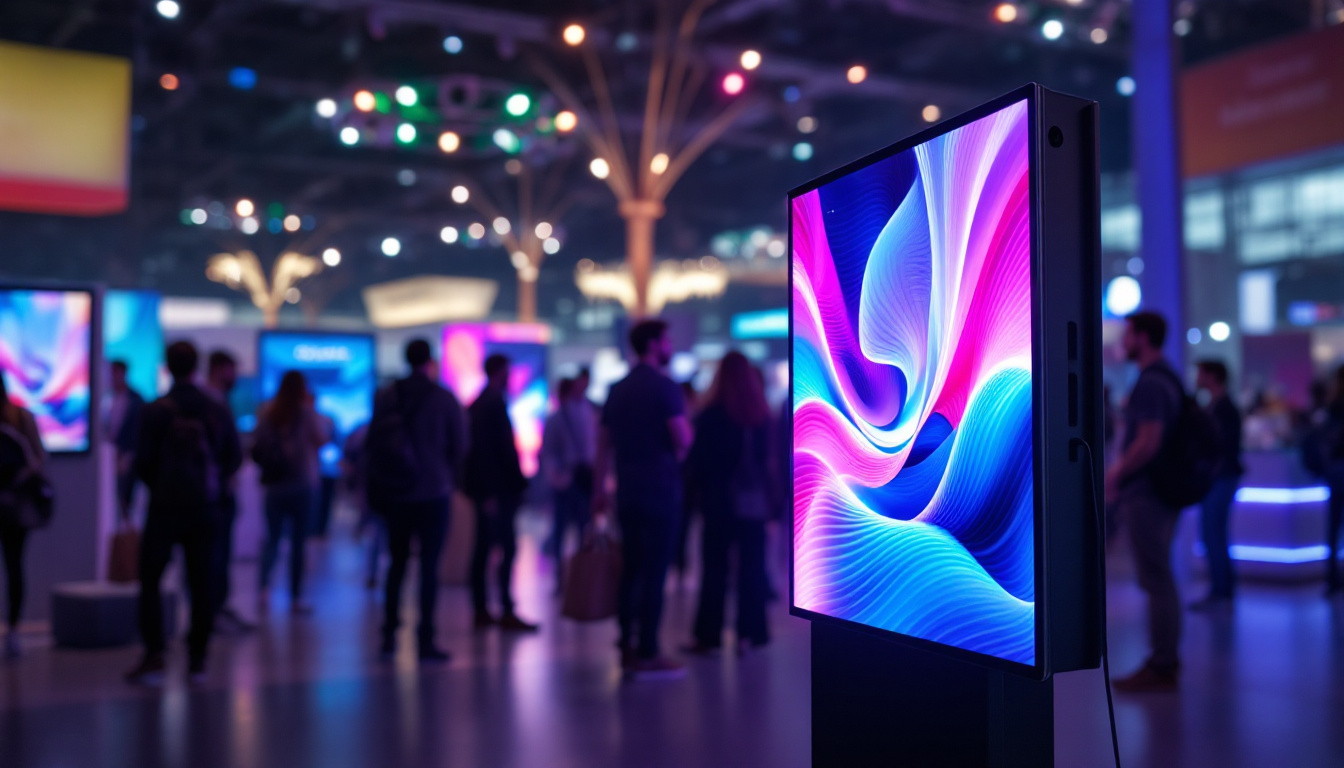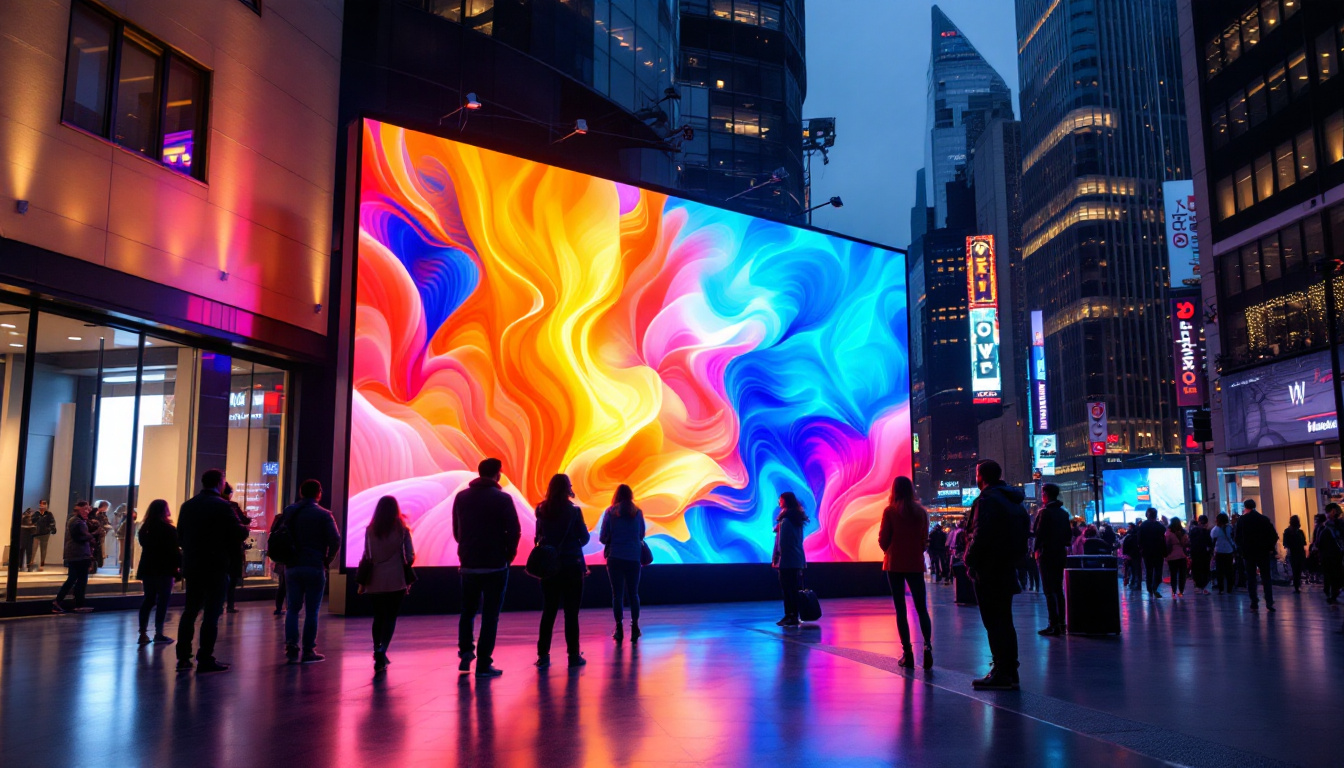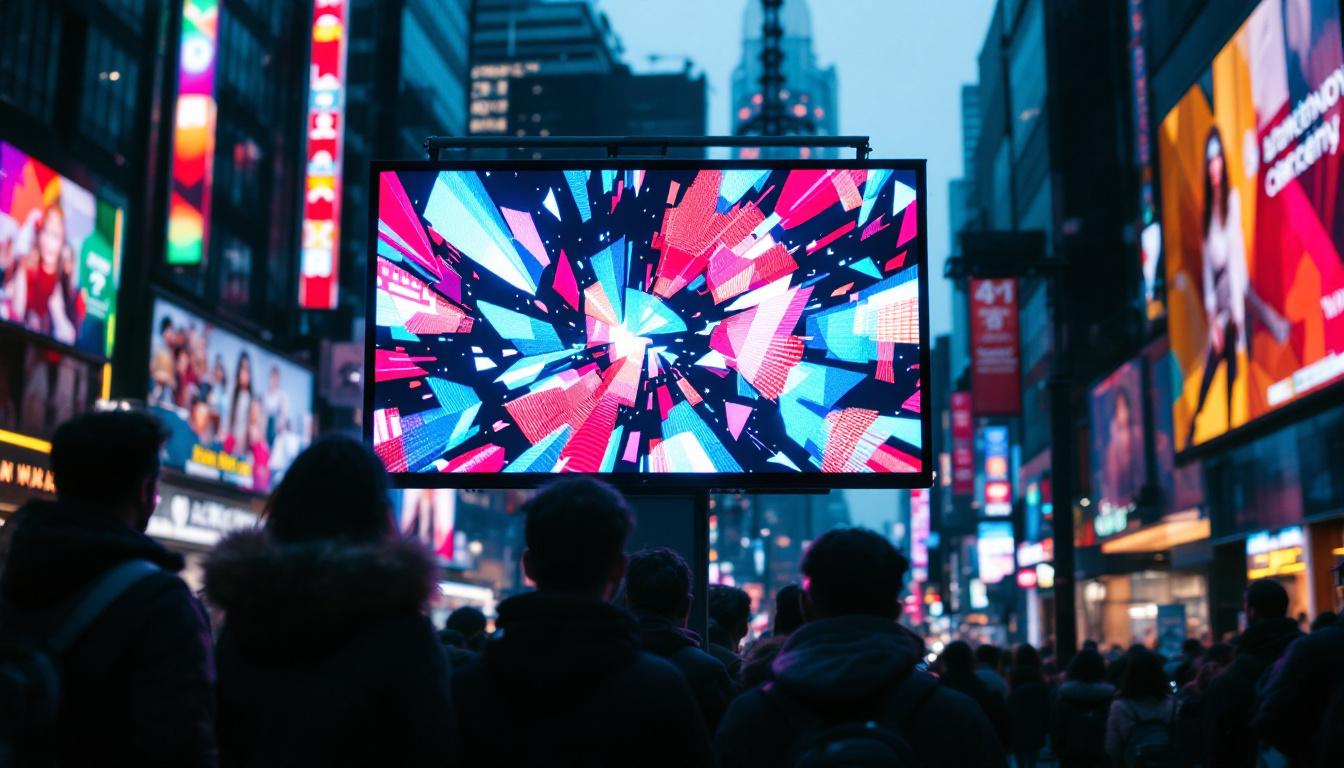
In the rapidly evolving world of digital signage and visual communication, LED displays have emerged as a dominant technology. From vibrant billboards in bustling city centers to intricate video walls in corporate lobbies, LED displays are reshaping how information and advertising are presented. This article delves deep into the world of LED displays, explaining their technology, applications, advantages, and future trends to provide a comprehensive understanding of this dynamic medium.
Understanding LED Display Technology
What Is an LED Display?
An LED display is a flat panel display that uses light-emitting diodes (LEDs) as pixels to create images and videos. Unlike traditional LCD or plasma screens, LED displays rely on tiny semiconductor devices that emit light when an electric current passes through them. This technology enables displays to be brighter, more energy-efficient, and capable of producing vivid colors with high contrast ratios.
LED displays come in various forms, including direct-view LED panels and LED-backlit LCDs. The direct-view LED panels are composed of thousands of individual LEDs arranged in a matrix, each acting as a pixel. These panels can be assembled to create screens of virtually any size, from small indoor displays to massive outdoor billboards.
How Do LED Displays Work?
At the core of an LED display are the red, green, and blue (RGB) LEDs. By adjusting the intensity of each color, the display can produce a full spectrum of colors. This process is often referred to as additive color mixing. For example, combining red and green LEDs at full brightness produces yellow, while all three at full brightness produce white.
Modern LED displays utilize surface-mount technology (SMT) to place LEDs on circuit boards with high precision, enhancing resolution and image quality. The display is controlled by a driver circuit that manages the timing and brightness of each LED, ensuring smooth video playback and accurate color representation.
Types of LED Displays
Indoor vs. Outdoor LED Displays
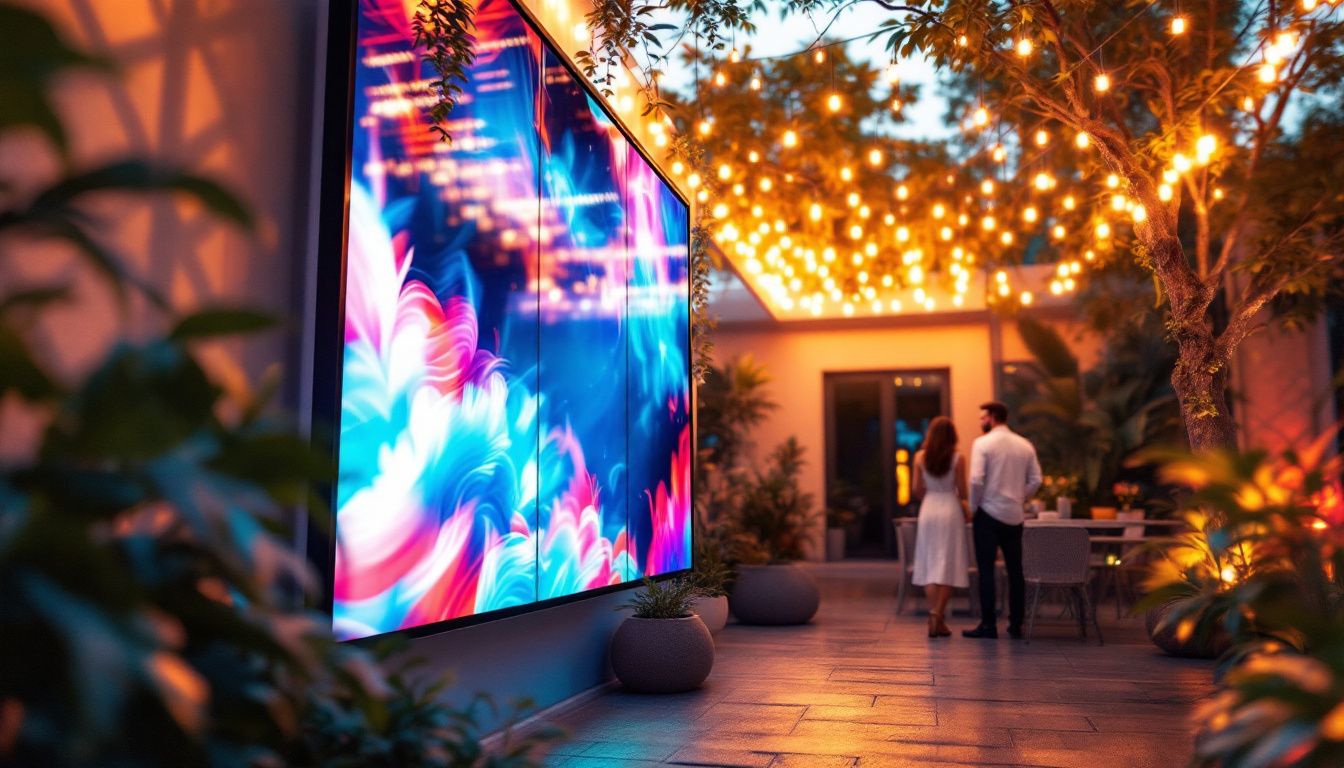
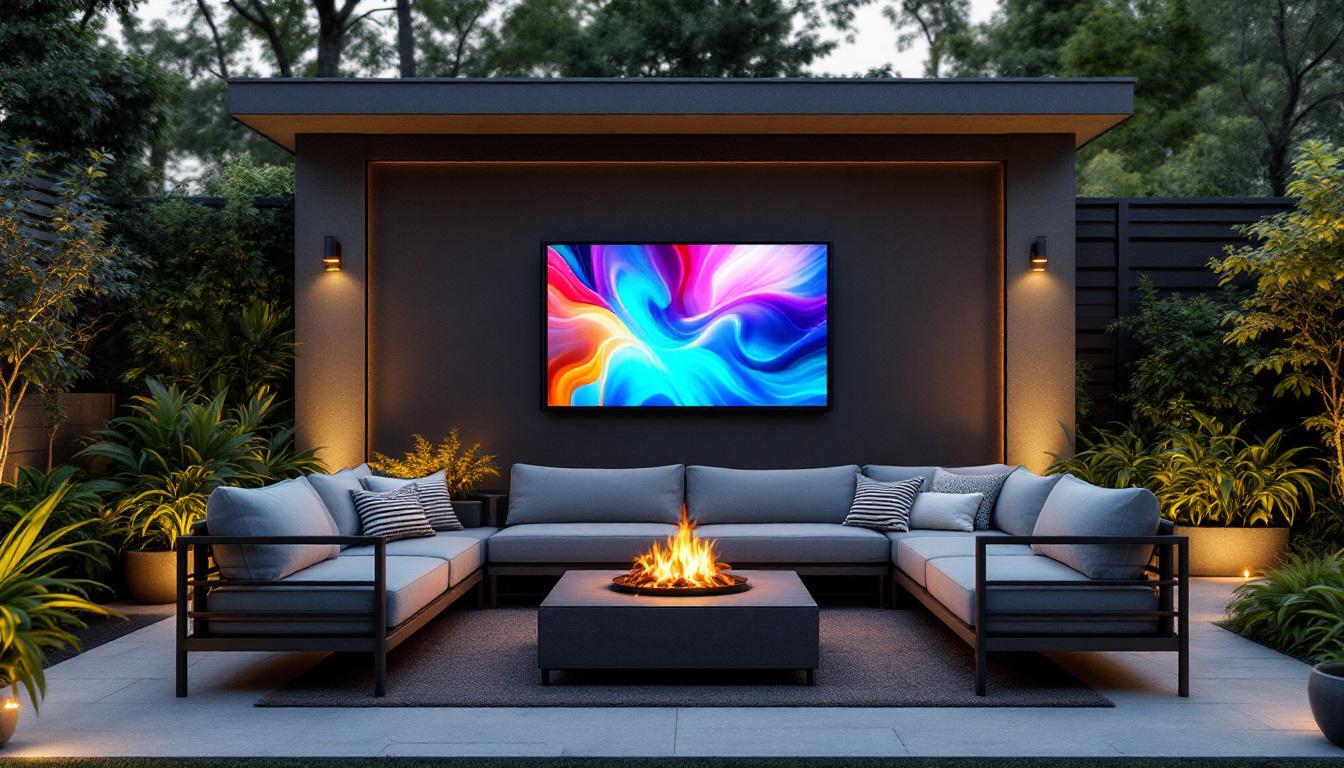
LED displays are broadly categorized into indoor and outdoor types, each designed to meet specific environmental and performance requirements. Indoor LED displays typically have a finer pixel pitch (the distance between the centers of adjacent LEDs), ranging from 0.9mm to 4mm. This fine pitch allows for high-resolution images at close viewing distances, making them ideal for conference rooms, retail stores, and event venues.
Outdoor LED displays, on the other hand, feature a larger pixel pitch, often between 4mm and 20mm, to accommodate longer viewing distances. They are built with weatherproof materials and higher brightness levels—often exceeding 5,000 nits—to remain visible under direct sunlight. These displays are commonly used for billboards, stadium screens, and transportation hubs.
Flexible and Transparent LED Displays
Recent advancements have introduced flexible and transparent LED displays, expanding the possibilities for creative installations. Flexible LED displays use bendable substrates, allowing screens to curve around surfaces or be shaped into unique forms. This innovation is particularly popular in architectural applications and stage design.
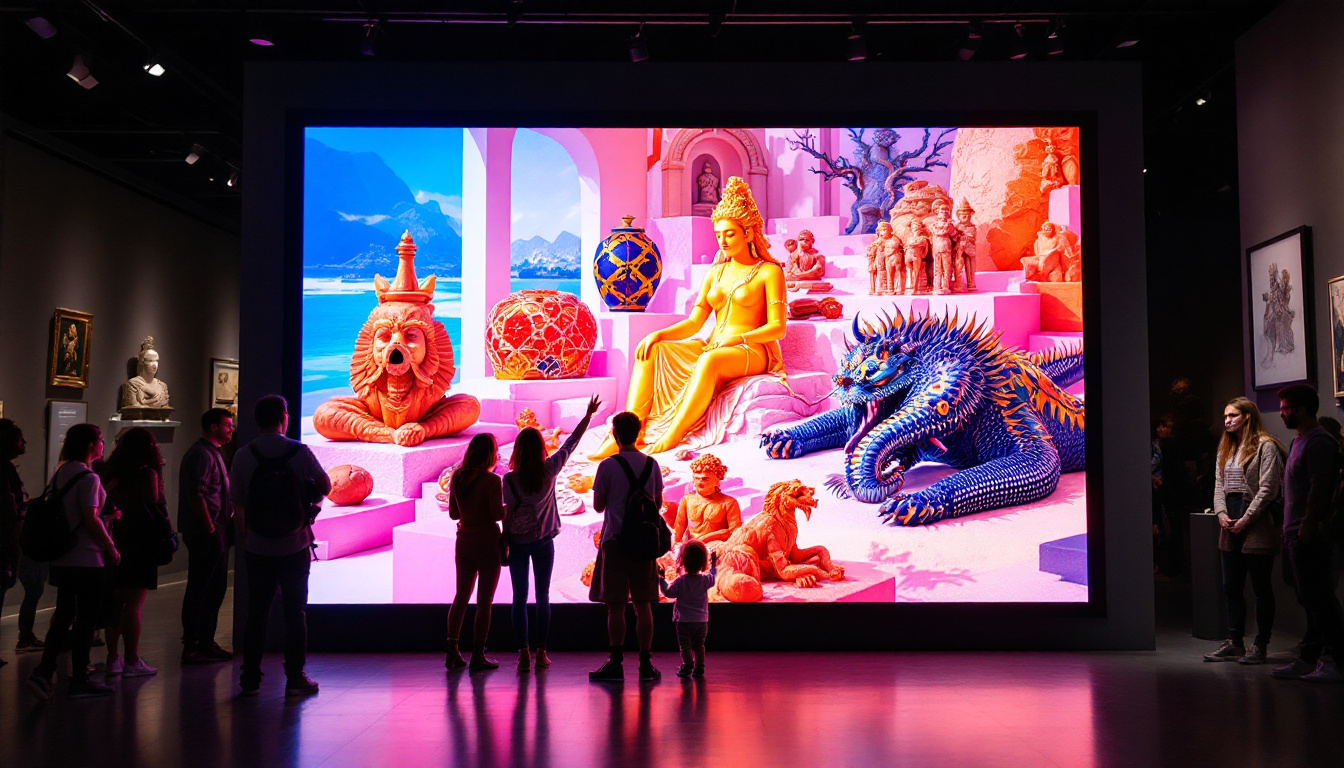
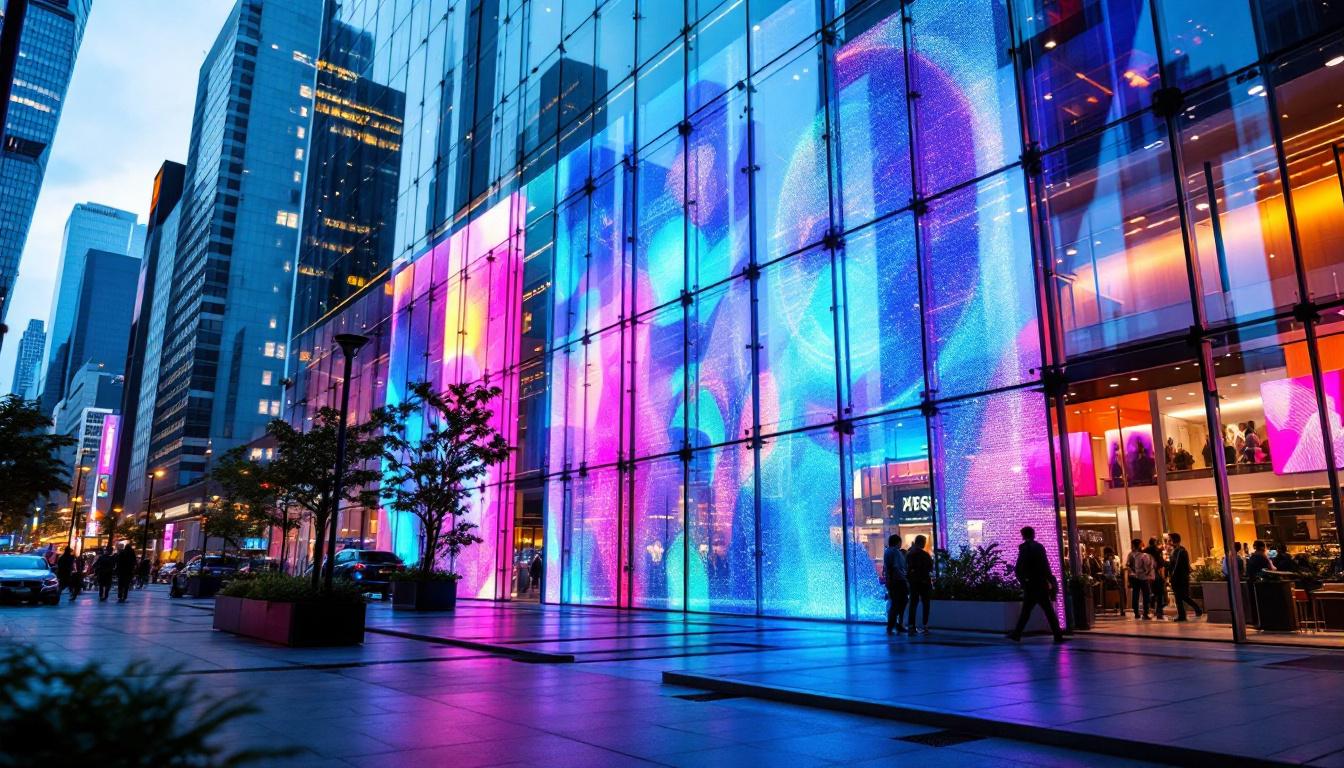
Transparent LED displays integrate LEDs into glass panels, enabling viewers to see through the screen while still displaying dynamic content. This technology is gaining traction in retail storefronts and museums, where blending digital content with physical space enhances the user experience.
Applications of LED Displays
Advertising and Marketing
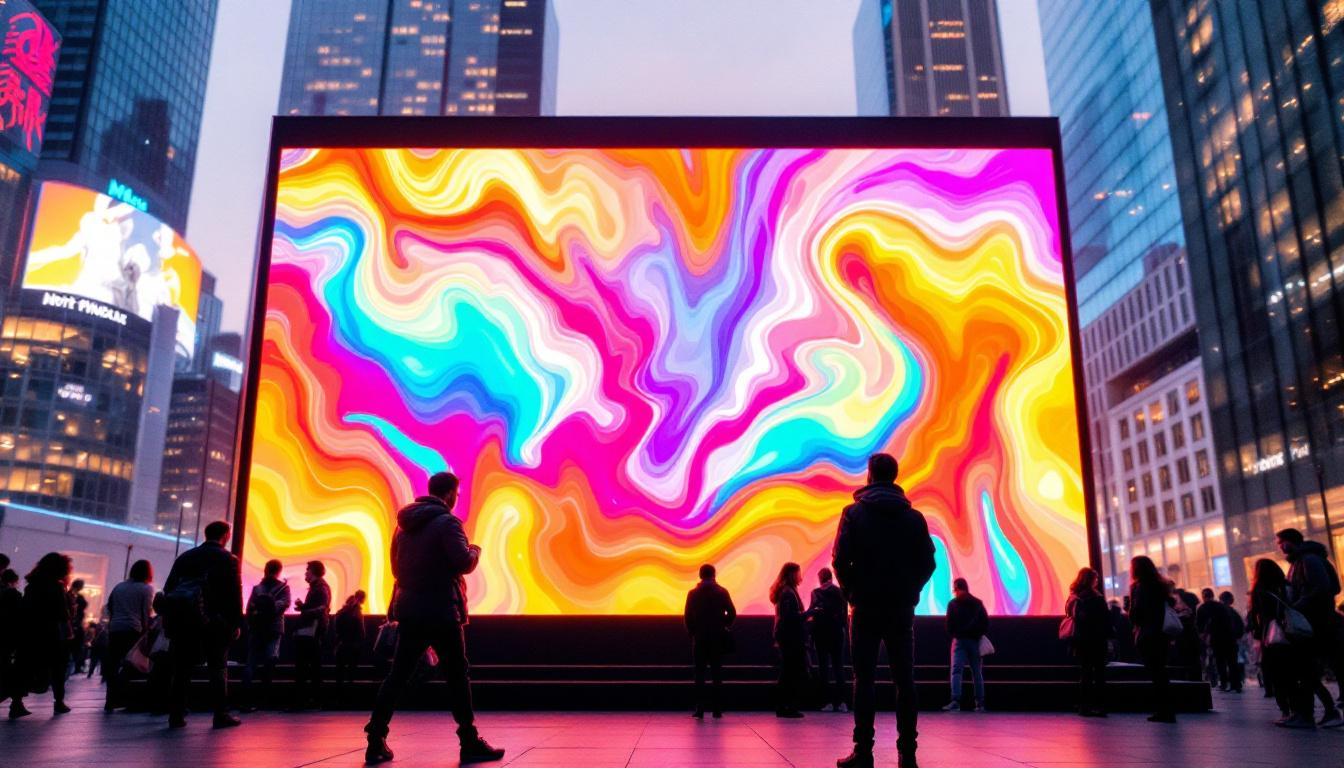
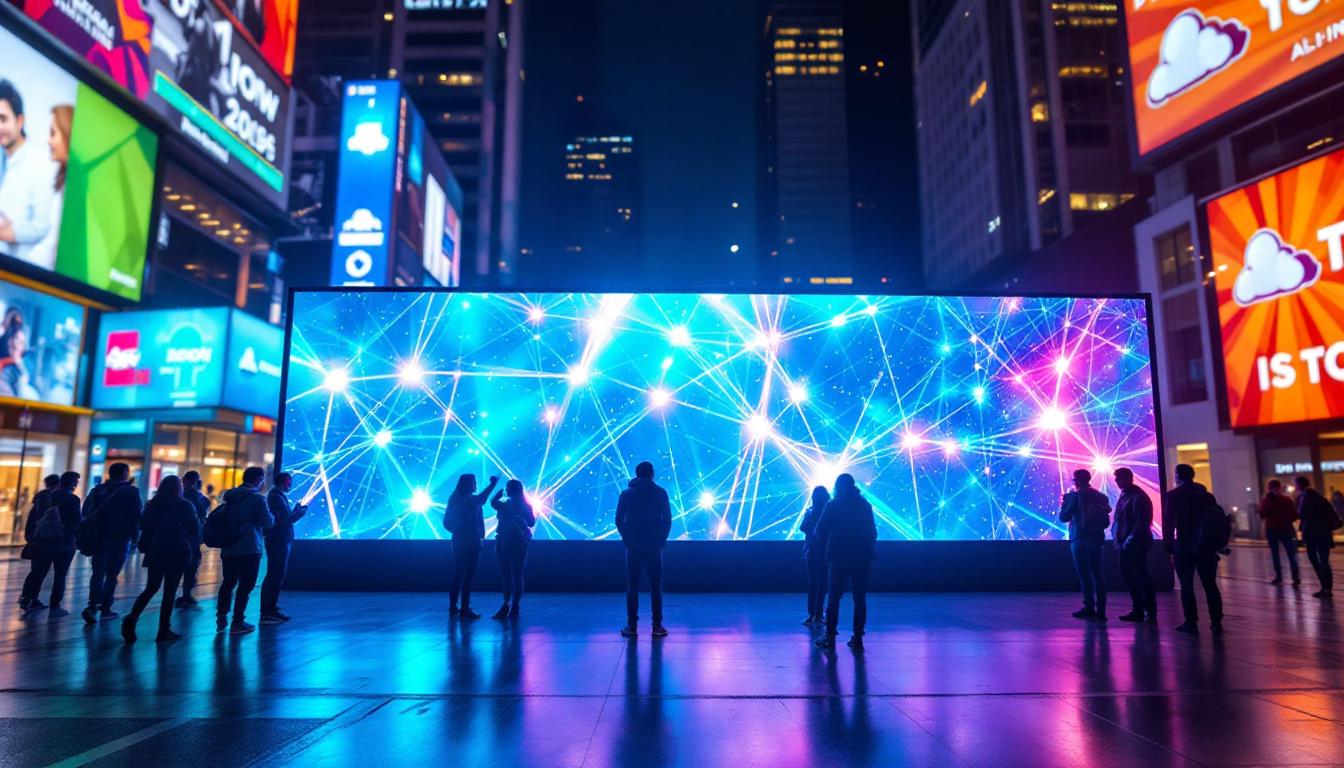
One of the most visible uses of LED displays is in advertising. The ability to display bright, eye-catching content that can be updated in real-time makes LED billboards and signage a powerful marketing tool. According to a 2023 report by the Digital Signage Federation, digital out-of-home advertising, which heavily relies on LED technology, is expected to grow by 12% annually over the next five years.
Brands leverage LED displays to run targeted campaigns, promote events, and engage consumers with interactive content. For example, Times Square in New York City features some of the world’s largest and most advanced LED billboards, attracting millions of viewers daily and generating significant advertising revenue.
Corporate and Event Displays
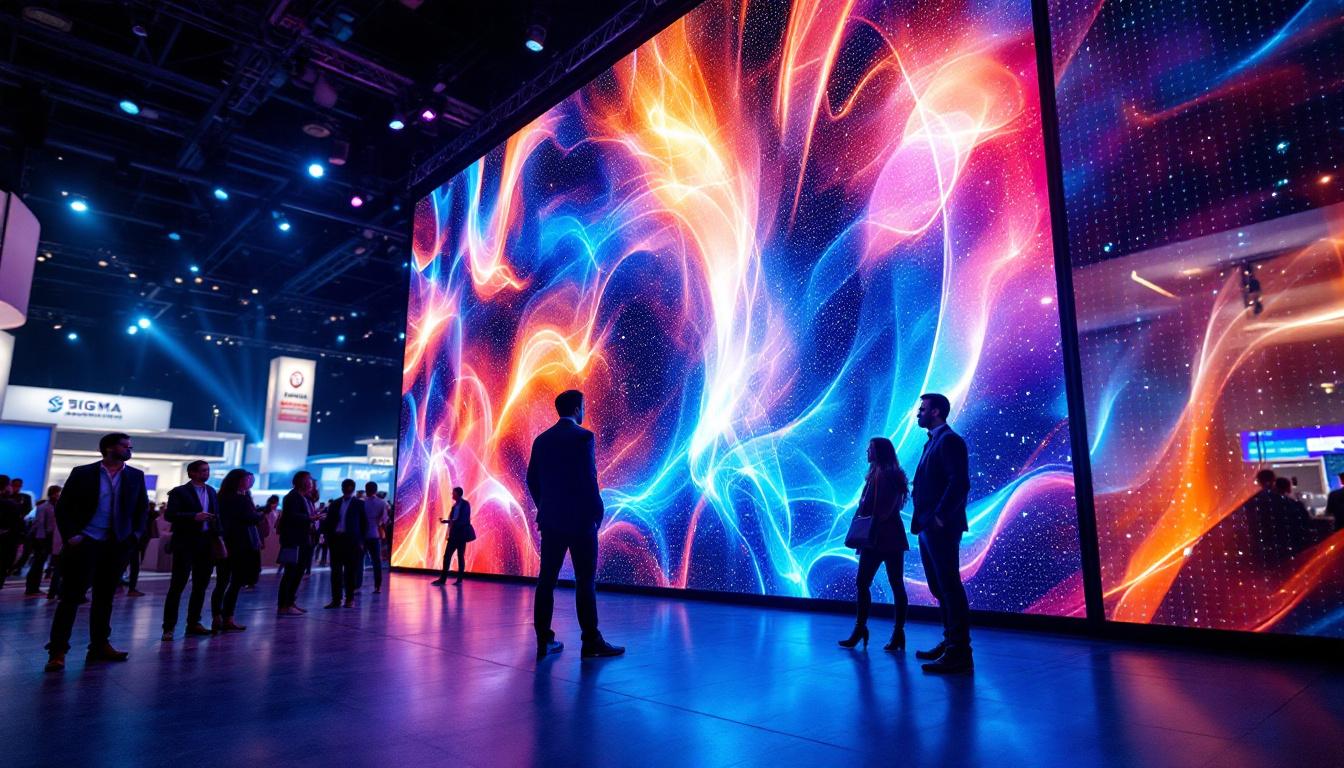
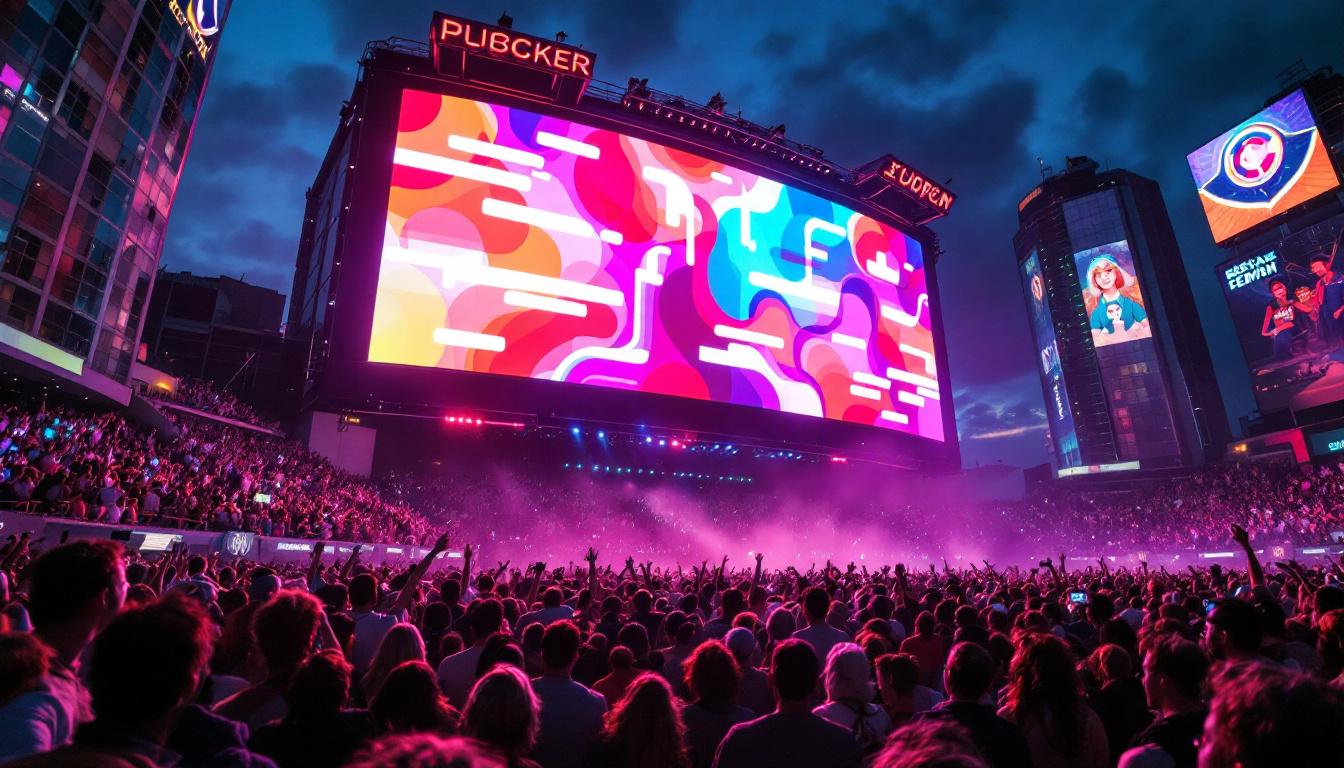
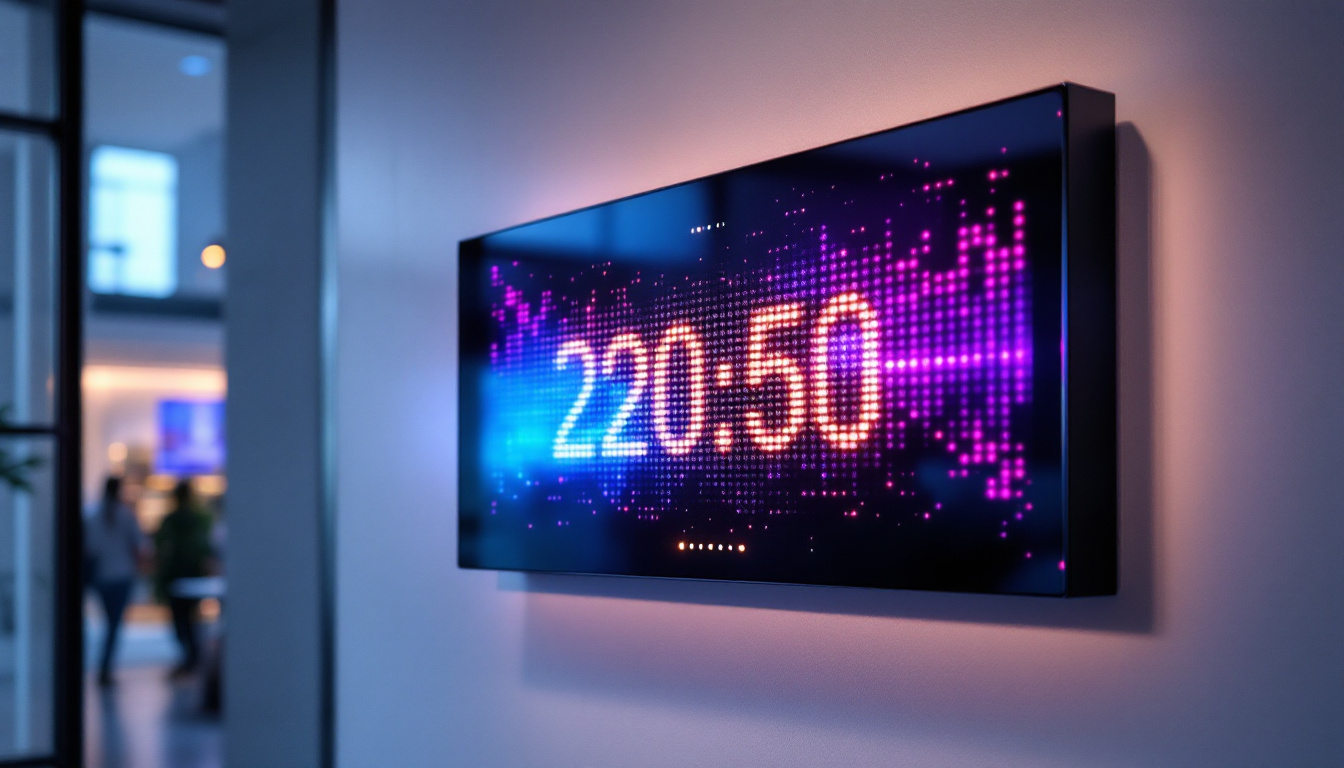
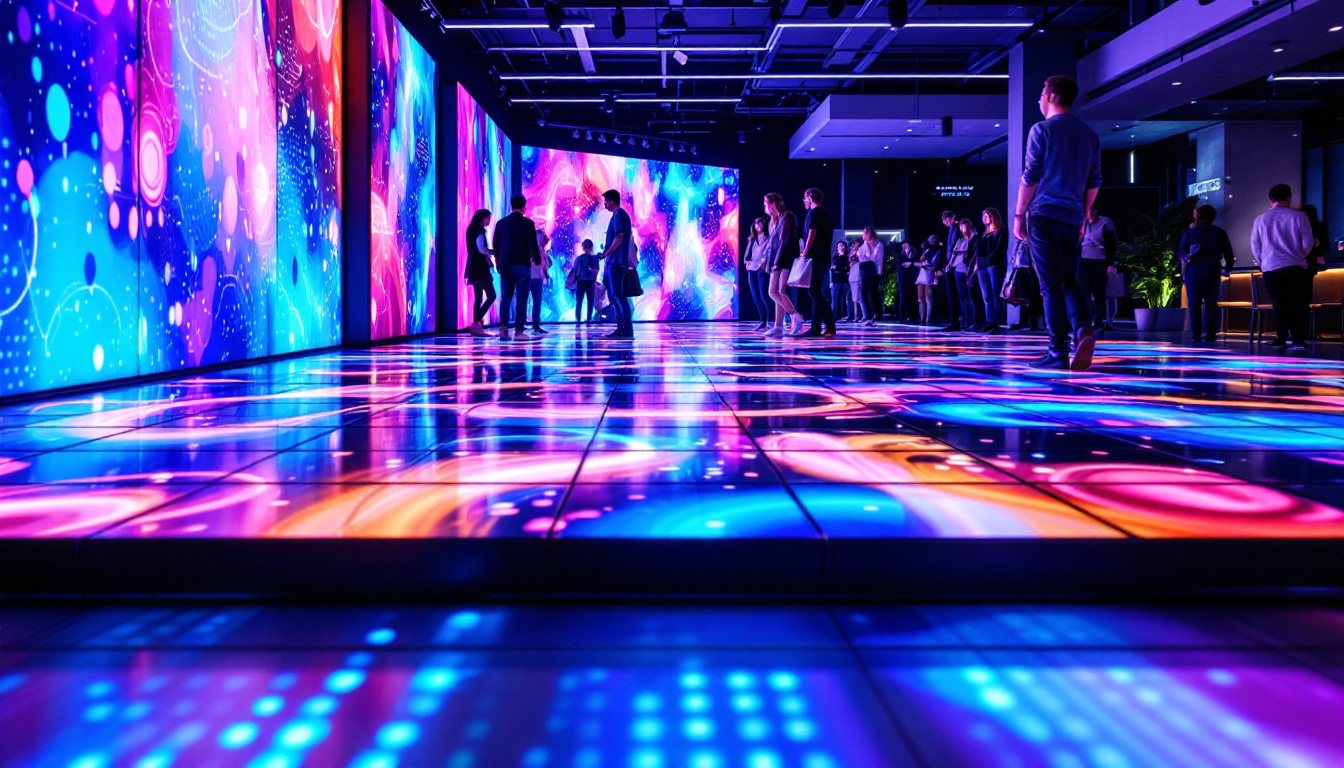
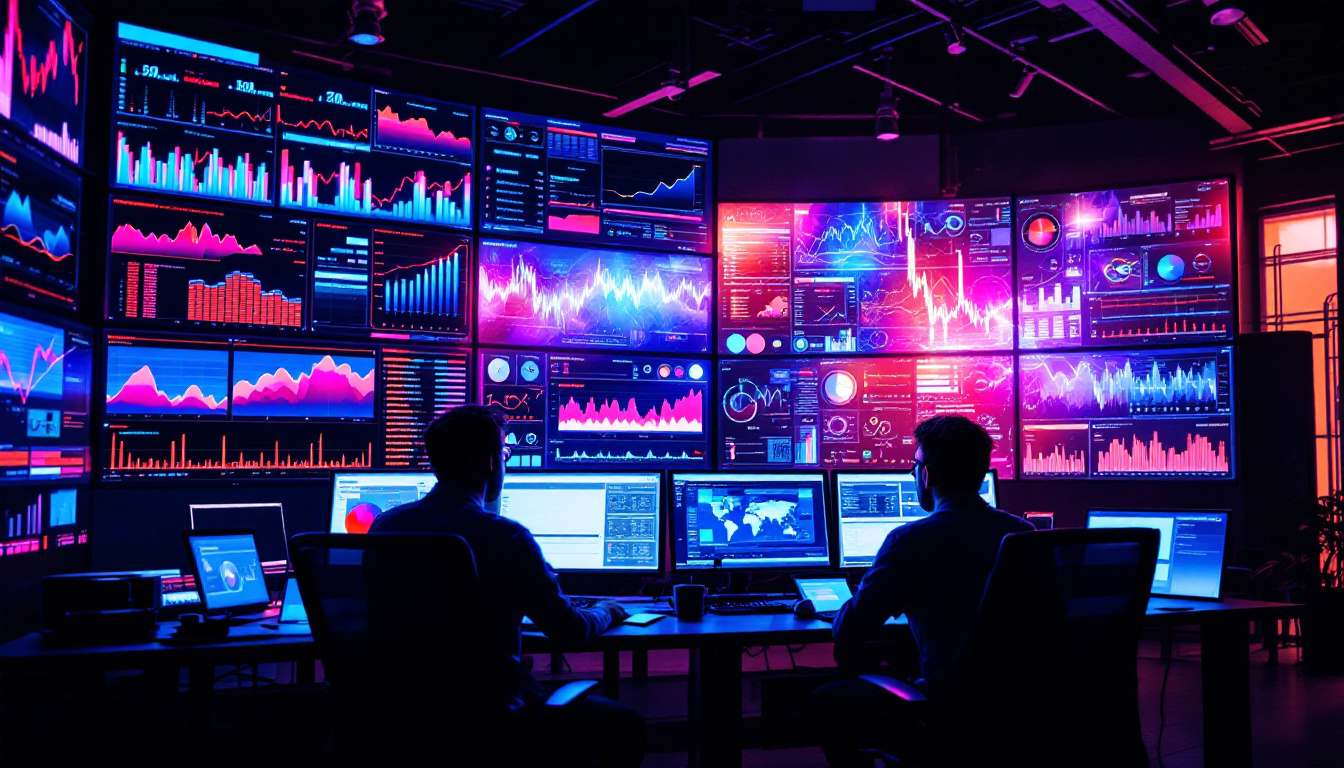
In corporate environments, LED displays serve multiple purposes—from digital reception boards to immersive video walls in boardrooms. Their ability to deliver high-resolution visuals enhances presentations and supports branding efforts. Event organizers also rely on LED screens for concerts, sports events, and conferences, where large audiences require clear and vibrant visuals regardless of venue size.
The modular nature of LED panels allows for scalable setups that can be customized to fit different event requirements, making them a versatile choice for temporary and permanent installations alike.
Transportation and Public Information
LED displays play a critical role in transportation hubs such as airports, train stations, and bus terminals. Their brightness and clarity ensure that schedules, alerts, and wayfinding information are easily visible to travelers, even in challenging lighting conditions. Many cities also use LED displays for public safety announcements and emergency alerts, leveraging their ability to capture attention quickly.
Advantages of LED Displays Over Other Technologies
Superior Brightness and Visibility
One of the standout features of LED displays is their exceptional brightness. Unlike LCDs, which rely on backlighting, LEDs emit light directly, allowing for much higher luminance levels. This makes LED displays highly effective in outdoor environments where sunlight can wash out other types of screens.
High brightness also contributes to better visibility from wide viewing angles, ensuring that content remains clear and legible even when viewed from the side or at a distance.
Energy Efficiency and Longevity
LED technology is inherently energy-efficient, consuming significantly less power than traditional display technologies. This efficiency translates to lower operating costs, especially for large-scale installations that run continuously. Additionally, LEDs have a long lifespan, often exceeding 100,000 hours of operation before significant brightness degradation occurs.
The durability of LED displays also reduces maintenance costs. They are less prone to damage from shock or vibration compared to LCD or plasma screens, making them suitable for both indoor and outdoor use.
Flexibility and Scalability
The modular design of LED panels allows for flexible screen sizes and shapes. Whether creating a small digital menu board or a massive stadium video wall, LED technology can be tailored to fit the application. This scalability is a major advantage for businesses and event organizers who need adaptable solutions.
Furthermore, LED displays can be integrated with advanced control systems, enabling dynamic content management, real-time updates, and interactive features that enhance user engagement.
Key Considerations When Choosing an LED Display
Pixel Pitch and Resolution
Pixel pitch is a critical factor in determining the image quality of an LED display. A smaller pixel pitch means higher resolution and sharper images, which is essential for close viewing distances. For indoor applications where viewers are near the screen, a pixel pitch of 1.5mm to 4mm is common. Outdoor displays, viewed from greater distances, typically use pixel pitches of 10mm or more.
Choosing the right pixel pitch balances cost and performance, ensuring the display meets the visual needs of its intended audience without unnecessary expense.
Brightness and Environmental Suitability
Brightness requirements vary depending on the installation environment. Outdoor LED displays need to achieve brightness levels of at least 5,000 nits to remain visible in direct sunlight, while indoor displays generally operate between 800 and 1,200 nits. Additionally, outdoor displays must be weatherproof and resistant to dust, moisture, and temperature fluctuations.
Understanding the environmental conditions where the display will be installed is essential to selecting a product that performs reliably over time.
Content Management and Connectivity
Modern LED displays often come with sophisticated content management systems (CMS) that allow users to schedule, update, and monitor content remotely. Connectivity options such as Wi-Fi, Ethernet, and 4G/5G enable real-time content changes, which are vital for advertising campaigns and public information systems.
When selecting an LED display, it is important to consider the ease of integration with existing digital infrastructure and the availability of user-friendly software tools.
The Future of LED Display Technology
MicroLED and MiniLED Innovations
Emerging technologies like MicroLED and MiniLED promise to push the boundaries of LED display performance. MicroLED displays use microscopic LEDs to achieve ultra-high resolution and contrast, rivaling OLED technology but with greater brightness and durability. MiniLED, which involves smaller yet still conventional LEDs, enhances backlighting for LCDs, improving contrast and color accuracy.
These advancements are expected to expand the applications of LED displays into new markets such as smartphones, televisions, and wearable devices.
Integration with AI and Interactive Technologies
The integration of artificial intelligence (AI) and interactive capabilities is transforming LED displays into intelligent communication platforms. AI-driven analytics can tailor content based on audience demographics and behavior, maximizing engagement and advertising effectiveness.
Touch-sensitive and gesture-controlled LED displays are also becoming more prevalent, enabling immersive experiences in retail, education, and entertainment sectors.
Sustainability and Environmental Impact
As sustainability becomes a priority, LED display manufacturers are focusing on eco-friendly materials, energy-efficient designs, and recyclability. Advances in power management and the use of renewable energy sources for powering large LED installations contribute to reducing the environmental footprint of digital signage.
Consumers and businesses are increasingly favoring LED solutions that align with their environmental values, driving innovation in this area.
Conclusion
LED displays have revolutionized the way visual content is delivered across numerous industries. Their brightness, versatility, and energy efficiency make them an ideal choice for advertising, corporate communication, public information, and entertainment. Understanding the technology behind LED displays, their various types, and key selection criteria is essential for making informed decisions that maximize impact and return on investment.
With ongoing innovations such as MicroLED technology, AI integration, and sustainable design, the future of LED displays looks brighter than ever. As this technology continues to evolve, it will undoubtedly open new avenues for creative expression and effective communication in the digital age.
Discover LumenMatrix LED Display Solutions
Ready to illuminate your space with the most advanced LED technology? LumenMatrix is at the forefront of creating immersive and dynamic visual experiences. Whether you’re looking to enhance your brand’s visibility with an Indoor LED Wall Display, captivate passersby with an Outdoor LED Wall Display, or innovate with Custom LED Display solutions, LumenMatrix has the expertise to bring your vision to life. Embrace the future of digital signage and join the revolution in visual communication. Check out LumenMatrix LED Display Solutions today and empower your business to make a lasting impression.