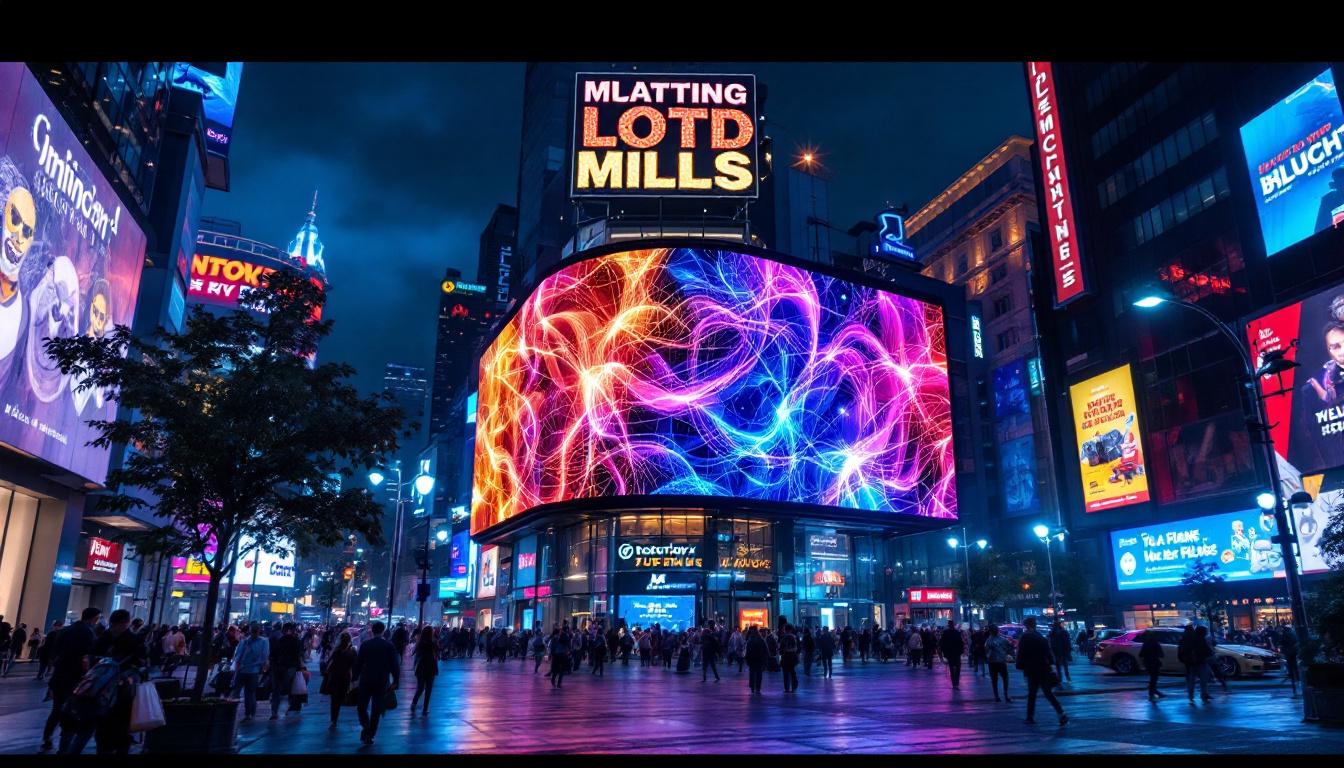
In today’s fast-paced digital world, capturing attention is more challenging than ever. Businesses and advertisers are constantly seeking innovative ways to engage audiences, especially in urban environments where competition for visibility is fierce. One technology that has revolutionized outdoor and indoor advertising is the window LED screen. This article delves into what window LED screens are, how they work, their applications, benefits, and considerations for choosing the right display for your needs.
What is a Window LED Screen?
A window LED screen is a type of transparent LED display designed to be installed on glass surfaces such as storefront windows, office facades, or exhibition spaces. Unlike traditional LED screens, which are opaque and block visibility, window LED screens allow light to pass through, maintaining the transparency of the glass while displaying vibrant digital content.
These screens are composed of a grid of LED modules arranged in a way that creates a see-through effect. This unique design enables businesses to showcase dynamic advertisements, promotional videos, or informational content without obstructing natural light or the view from inside the building. The ability to blend digital displays seamlessly with architectural elements makes window LED screens an innovative solution for modern advertising and communication strategies.
Moreover, window LED screens can be utilized in various settings, from retail environments where they attract potential customers with eye-catching visuals to corporate offices that use them for branding or information sharing. Their versatility extends to events and exhibitions, where they can serve as interactive displays or even as part of artistic installations, transforming ordinary glass into a canvas for creativity.
How Does a Window LED Screen Work?
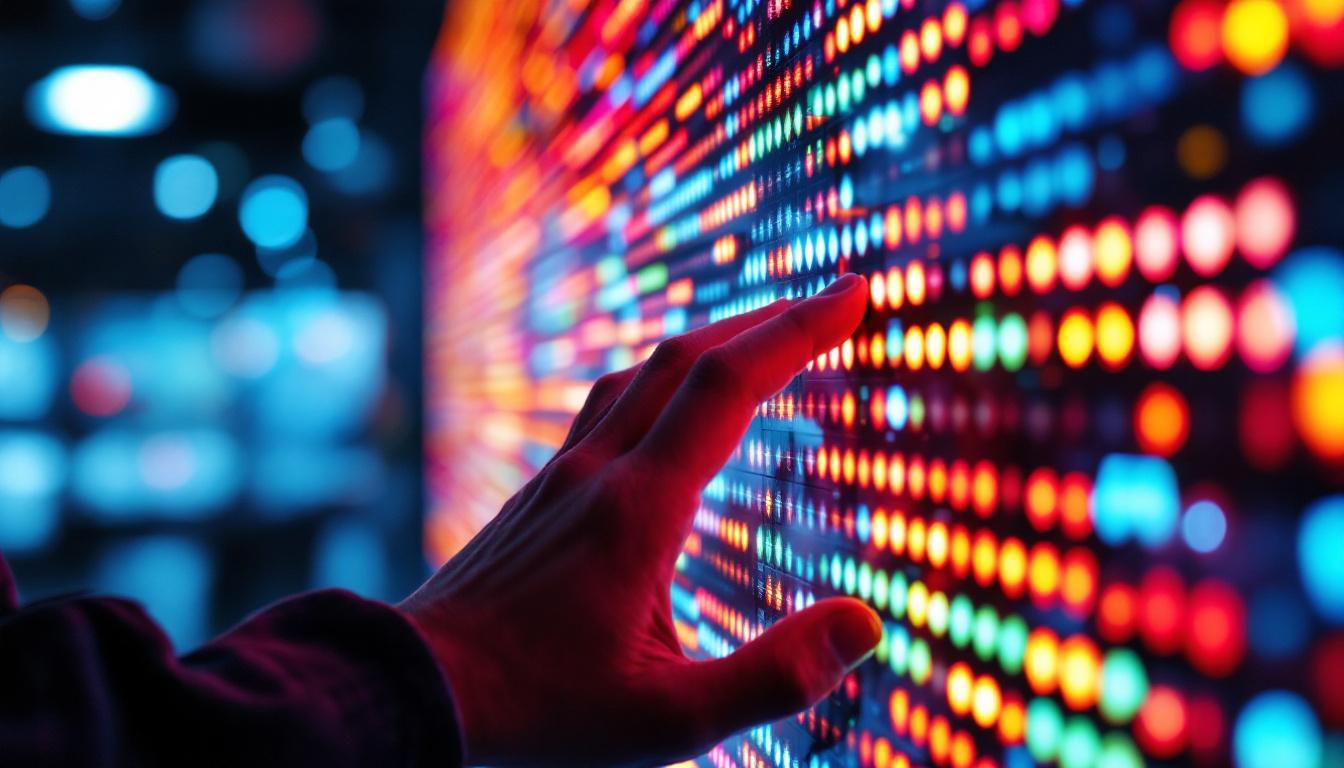
Window LED screens use a combination of LED technology and transparent materials to achieve their effect. The LEDs are typically mounted on a transparent substrate or embedded within a mesh framework, allowing light and visibility to pass through the gaps between the LEDs.
The pixel pitch (distance between individual LEDs) and the density of the LED modules determine the screen’s resolution and transparency level. A smaller pixel pitch results in higher resolution but may reduce transparency, while a larger pitch increases see-through capability but lowers image clarity. This balance between resolution and transparency is crucial for applications where both visibility and visual impact are essential, such as in high-traffic retail locations.
Modern window LED screens often incorporate advanced control systems that allow for brightness adjustment based on ambient light, ensuring optimal visibility during day and night. Additionally, these screens are designed to be lightweight and easy to install on existing glass surfaces without requiring structural modifications. Some models even feature smart technology that enables remote content management, allowing businesses to update their displays in real-time from anywhere, enhancing their advertising flexibility. The integration of sensors can also provide data analytics, helping businesses understand customer engagement and optimize their marketing strategies accordingly.
Applications of Window LED Screens
Window LED screens have found widespread use across various industries due to their versatility and eye-catching appeal. Here are some of the most common applications:
Retail and Storefront Advertising
Retailers use window LED screens to attract passersby with dynamic promotions, product launches, and seasonal campaigns. Unlike static posters or banners, LED displays can be updated remotely and instantly, allowing stores to tailor content to different times of day or special events.
For example, a fashion boutique in a busy shopping district can showcase new collections, flash sales, or interactive content that encourages customer engagement. The transparency of the screen ensures that the store interior remains visible, inviting customers inside. Additionally, retailers can utilize these screens to run targeted advertisements based on the demographics of the foot traffic, maximizing the effectiveness of their marketing strategies. By incorporating real-time analytics, businesses can adjust their messaging to resonate with the audience, making each display not just a visual tool but a data-driven marketing asset.
Corporate Branding and Office Facades
Companies leverage window LED screens on their office buildings to enhance brand visibility and communicate corporate messages. This technology is particularly effective in high-traffic urban centers where buildings compete for attention.
By displaying corporate logos, mission statements, or live social media feeds, organizations can create a modern and innovative image. Additionally, these screens can be used for internal communications visible from the outside, such as event announcements or employee recognition. The ability to showcase sustainability initiatives or community involvement projects can further enhance a company’s reputation, appealing to socially conscious consumers. Moreover, with the integration of sensor technology, these displays can adapt their brightness based on ambient light, ensuring optimal visibility while conserving energy.
Events, Exhibitions, and Museums
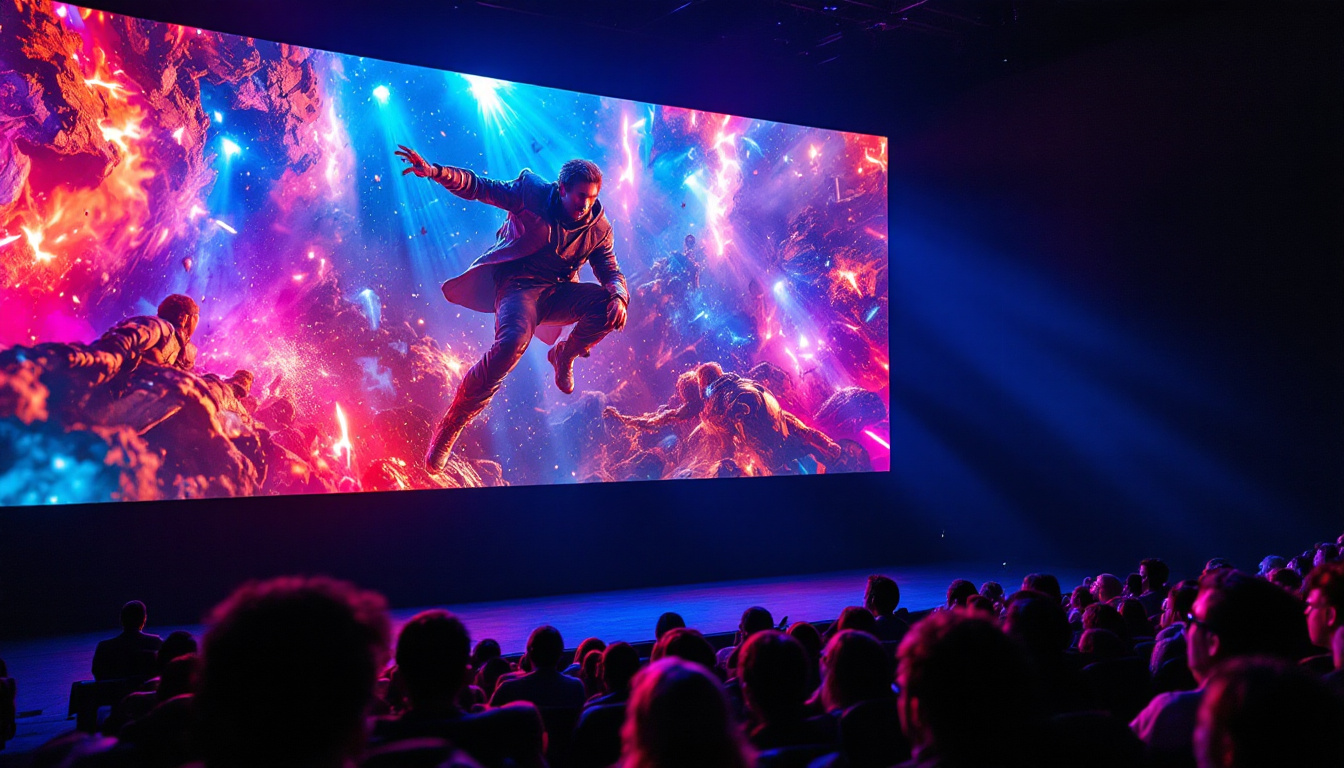
Event organizers and exhibition designers utilize window LED screens to create immersive experiences. Transparent LED displays can be integrated into glass walls or partitions, offering interactive content without compromising the architectural aesthetics.
Museums and galleries benefit from this technology by displaying educational information, multimedia presentations, or promotional material while preserving the visibility of exhibits behind the glass. This not only enriches the visitor experience but also allows for the seamless integration of augmented reality features, where viewers can use their smartphones to unlock additional content or interactive elements related to the displays. Furthermore, during special events or exhibitions, these screens can be programmed to showcase live feeds, artist interviews, or behind-the-scenes footage, creating a dynamic atmosphere that keeps visitors engaged and informed throughout their experience.
Advantages of Window LED Screens
Window LED screens offer several benefits that make them an attractive choice for businesses and organizations looking to enhance their visual communication strategies.
High Visibility Without Obstruction
The primary advantage of window LED screens is their ability to display bright, colorful content without blocking the view through the glass. This transparency is crucial for retail environments where natural light and visibility into the store are important for customer experience.
Energy Efficiency and Durability
Modern LED technology is known for its energy efficiency compared to traditional lighting and display methods. Window LED screens consume relatively low power, making them cost-effective in the long run. Furthermore, these screens are designed to withstand various weather conditions, including rain, wind, and UV exposure, ensuring longevity even in outdoor installations.
Dynamic and Customizable Content
Unlike printed signage, window LED screens allow for real-time content updates. Businesses can schedule different advertisements throughout the day, run interactive campaigns, or respond quickly to market changes. This flexibility enhances marketing effectiveness and customer engagement.
Enhanced Brand Image
Utilizing cutting-edge display technology signals innovation and modernity. Brands that adopt window LED screens often benefit from increased foot traffic and improved public perception, as these displays create memorable visual experiences.
Key Considerations When Choosing a Window LED Screen
Selecting the right window LED screen requires careful evaluation of several factors to ensure the investment meets your specific needs and delivers optimal performance.
Transparency vs. Resolution
There is often a trade-off between transparency and image quality. Higher transparency means fewer LEDs per square meter, which can reduce the display’s resolution and brightness. It’s important to balance these aspects based on the intended viewing distance and content type.
For example, a retail store looking to display detailed product images may prioritize resolution, while a corporate office might emphasize transparency to maintain an unobstructed facade.
Brightness and Ambient Light Conditions
Window LED screens must be sufficiently bright to compete with natural daylight, especially in outdoor or sunlit indoor environments. Look for displays with adjustable brightness settings and high nit ratings (a measure of luminance) to ensure visibility at all times.
Installation and Maintenance
Consider the ease of installation and ongoing maintenance requirements. Some window LED screens are designed for quick mounting on existing glass surfaces, while others may require professional installation involving structural modifications.
Maintenance accessibility is also important to minimize downtime and service costs. Choose screens with modular designs that allow for easy replacement of individual LED panels if needed.
Control Systems and Software
The ability to manage and schedule content remotely is a key feature of window LED screens. Evaluate the compatibility of the display’s control software with your existing systems and the user-friendliness of the interface.
Advanced software may offer features like real-time analytics, content automation, and integration with social media platforms, enhancing the overall effectiveness of your digital signage.
Future Trends in Window LED Screen Technology
The window LED screen market is evolving rapidly, driven by advancements in materials science, LED efficiency, and digital content management. Several trends are shaping the future of this technology:
Higher Transparency and Resolution
Innovations in micro-LED technology and transparent substrates are enabling screens with greater pixel density without sacrificing transparency. This means sharper images and more vivid colors while maintaining an almost invisible appearance when turned off.
Interactive and Smart Displays
Integration of touch sensors, facial recognition, and augmented reality features is transforming window LED screens into interactive platforms. These smart displays can engage customers in personalized experiences, gather data, and provide real-time feedback.
Energy Harvesting and Sustainability
Emerging designs incorporate energy-harvesting technologies such as solar cells to power the displays partially or fully. Coupled with energy-efficient LEDs, this approach supports sustainability goals and reduces operational costs.
Conclusion
Window LED screens represent a powerful fusion of technology and design, offering businesses a unique way to communicate visually without compromising architectural aesthetics or natural light. Their versatility across retail, corporate, and event applications makes them a valuable asset in the digital signage landscape.
When selecting a window LED screen, balancing transparency, resolution, brightness, and installation requirements is essential to maximize impact. As technology advances, these displays will become even more sophisticated, interactive, and sustainable, opening new possibilities for engaging audiences in innovative ways.
For businesses aiming to stand out in crowded urban environments or enhance their brand presence with cutting-edge digital displays, window LED screens offer a compelling solution that combines visibility, flexibility, and modern appeal.
Discover LumenMatrix’s Innovative LED Display Solutions
Ready to elevate your visual communication and captivate your audience with unparalleled clarity? Explore LumenMatrix’s comprehensive range of LED display solutions, from vibrant Indoor and Outdoor LED Walls to dynamic Vehicle Displays, sleek LED Posters, and immersive LED Sports and Floor Displays. Our custom and All-in-One LED Display options are designed to integrate seamlessly into any environment, ensuring your message resonates with impact. Check out LumenMatrix LED Display Solutions today and join the revolution in digital signage excellence.