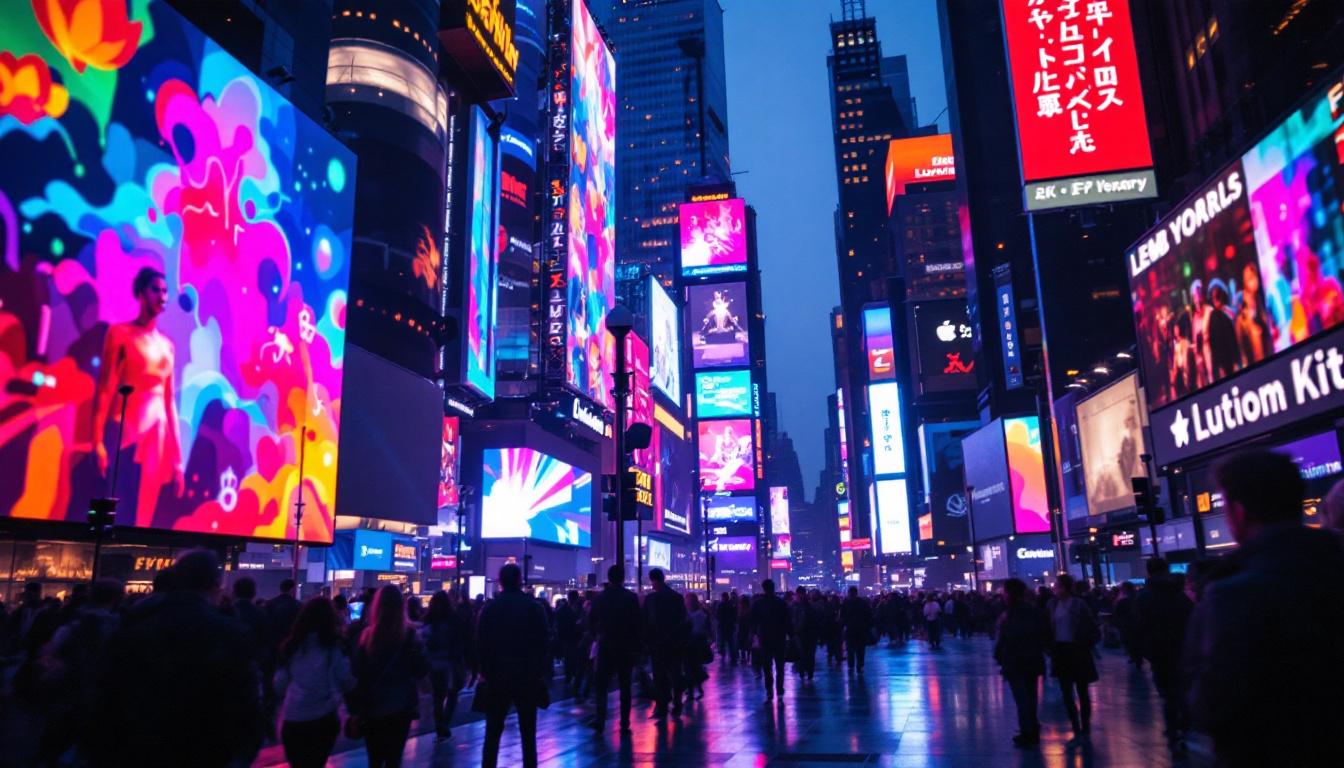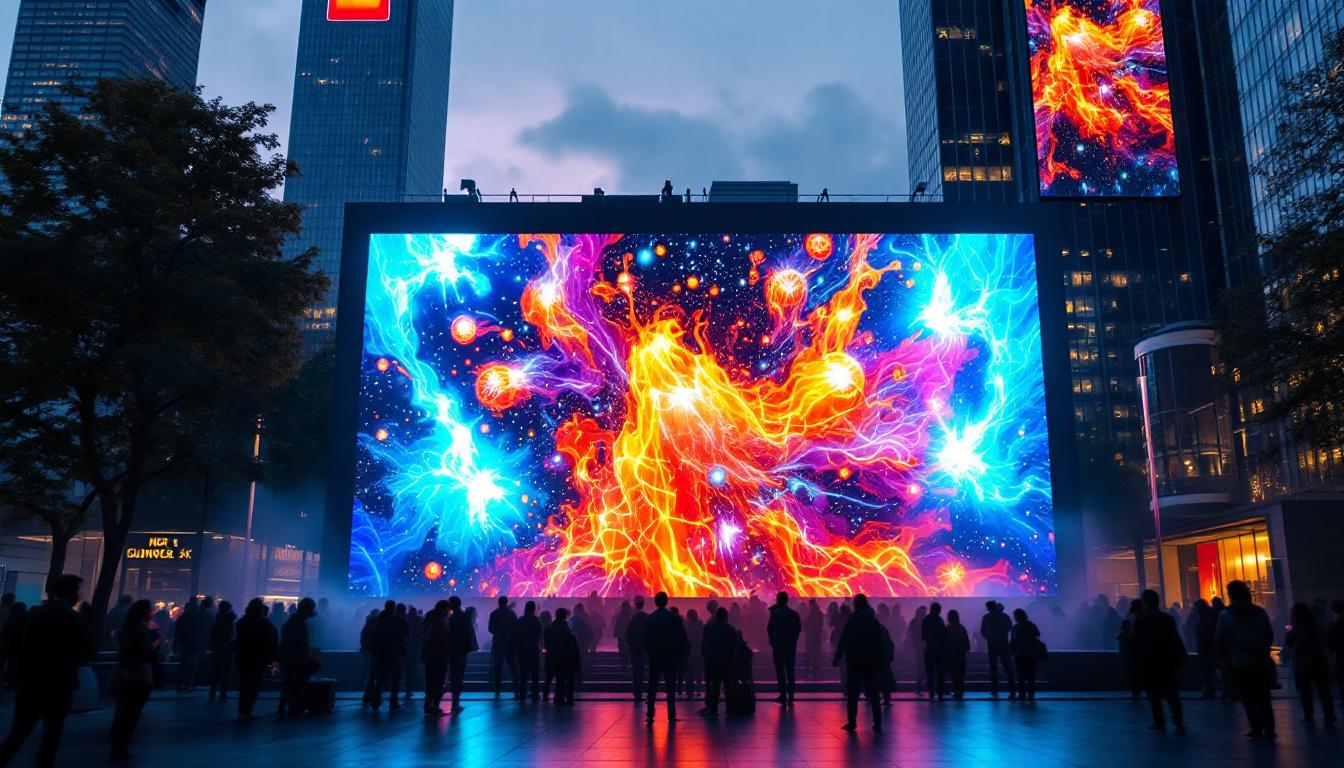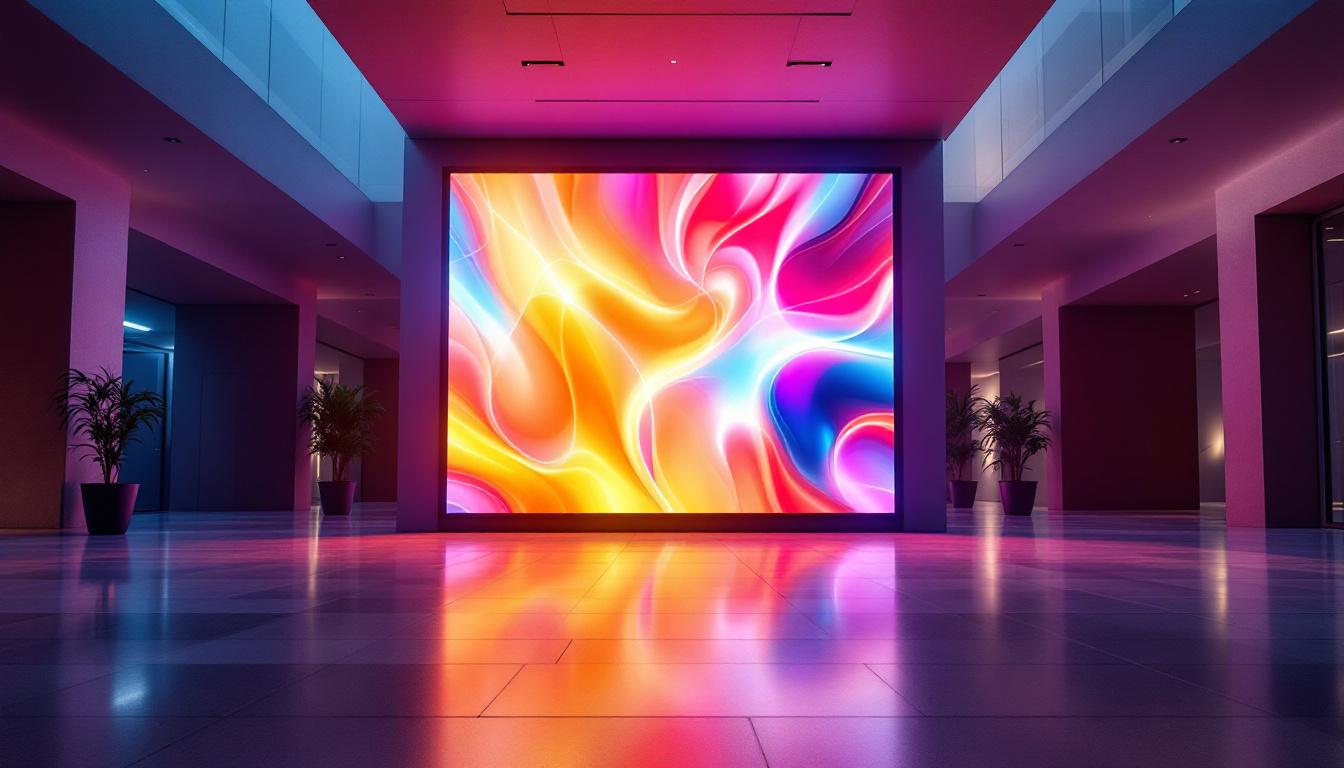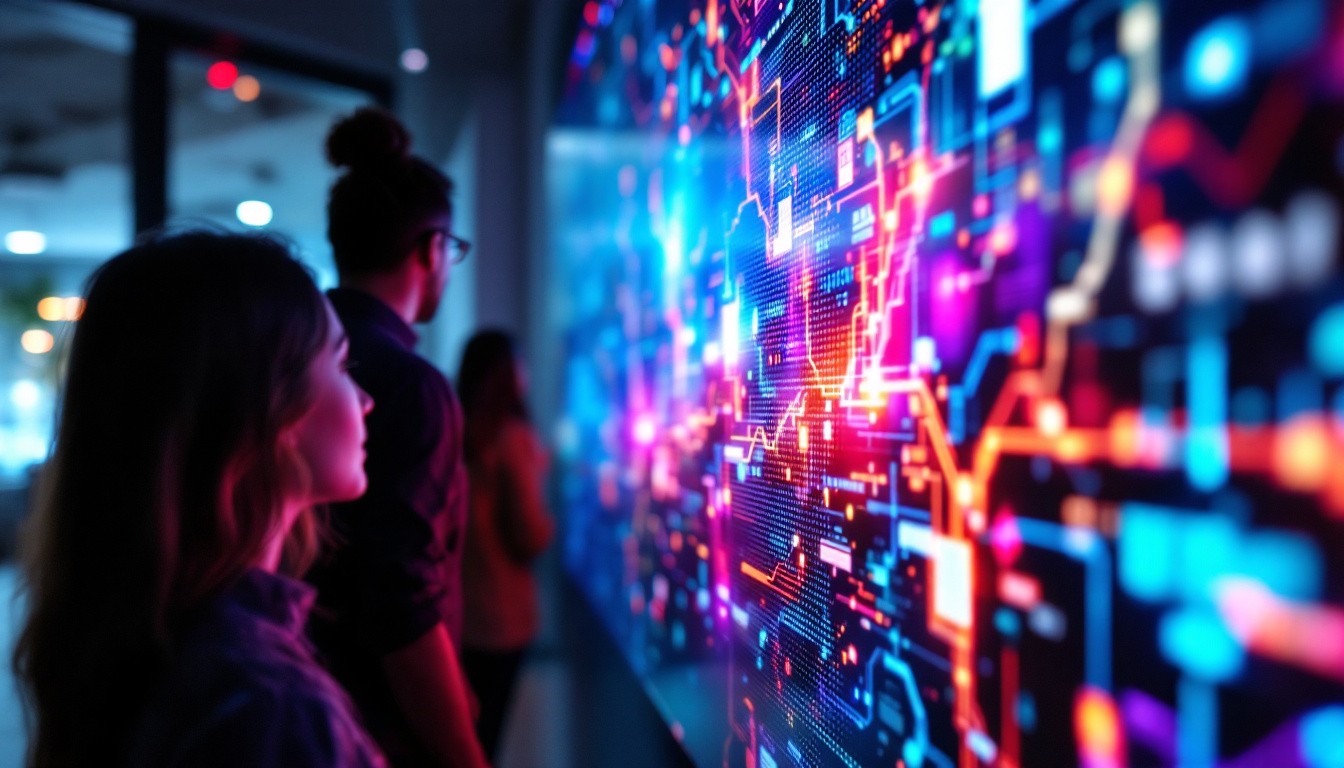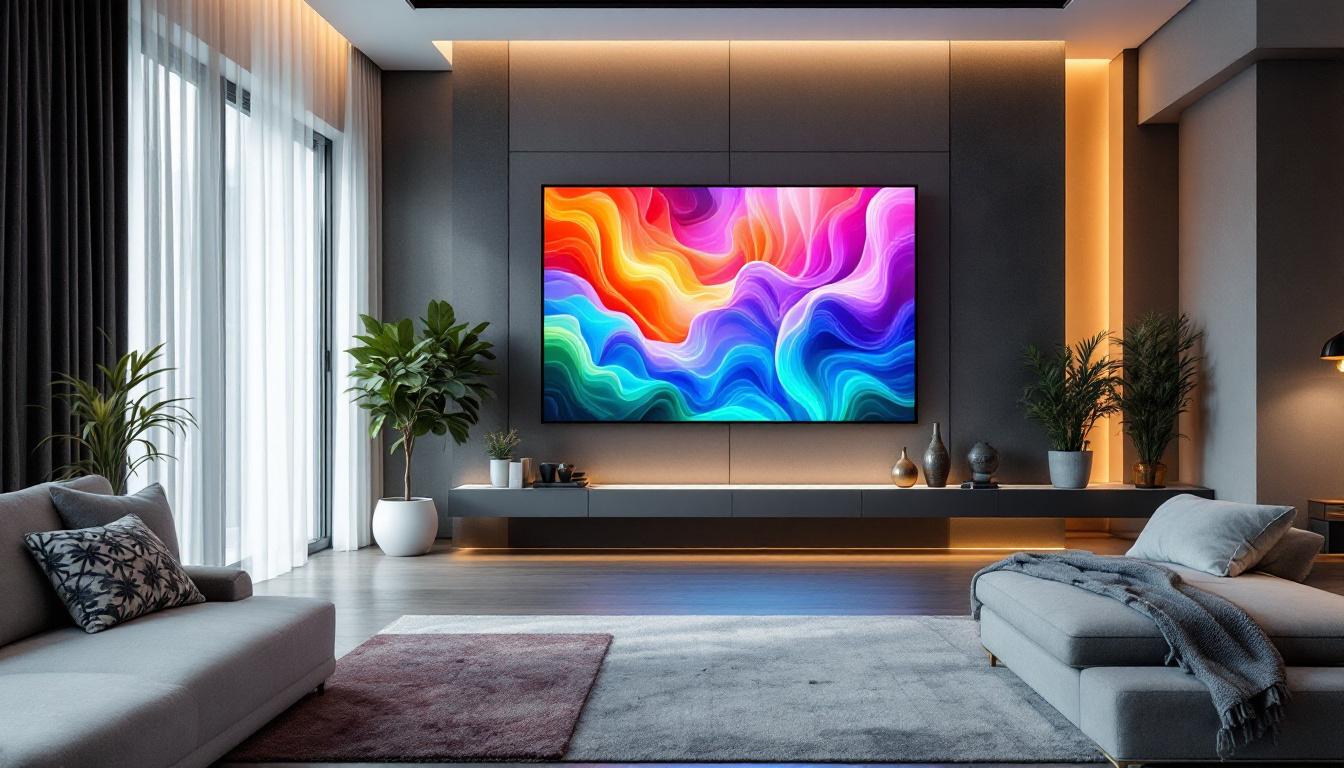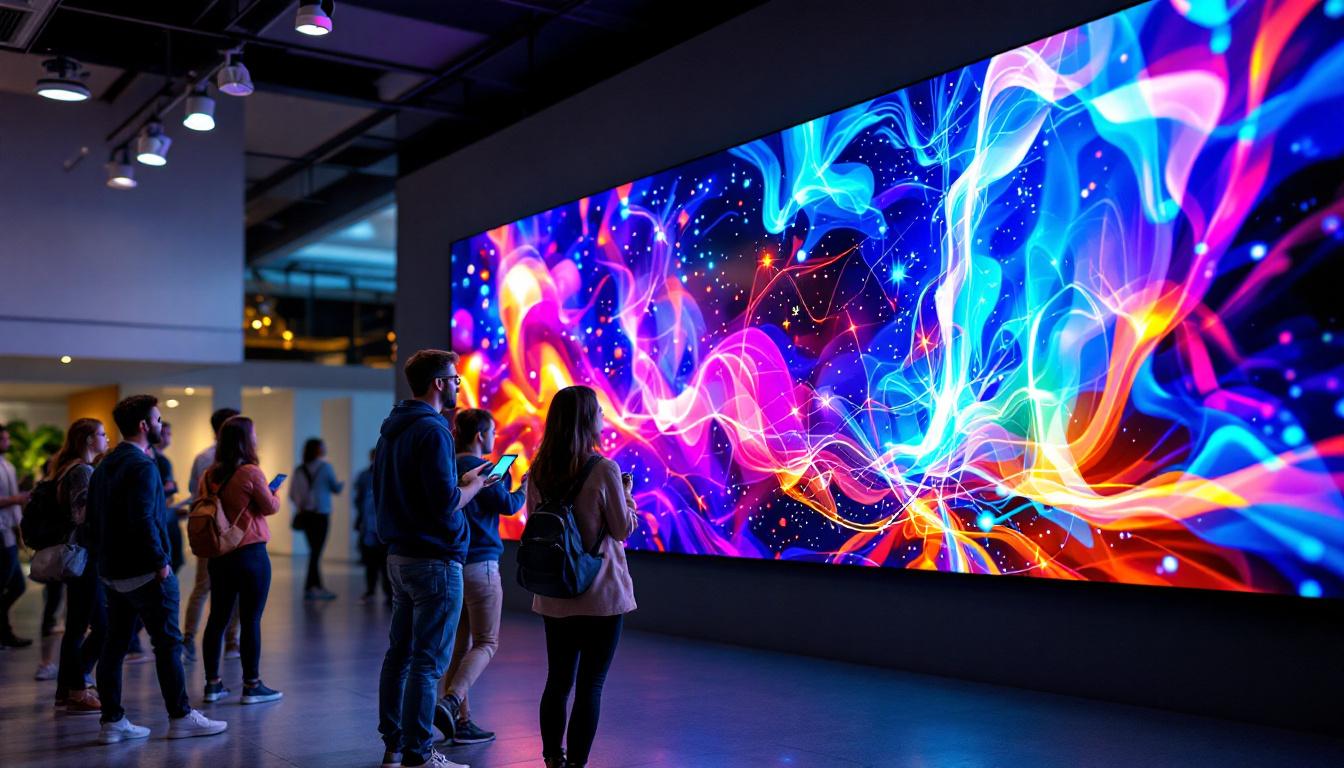
In today’s fast-evolving digital landscape, LED video walls have become a cornerstone of dynamic visual communication. From corporate lobbies and control rooms to stadiums and retail spaces, these expansive displays captivate audiences with vibrant imagery and seamless content delivery. However, behind the scenes of every impressive LED display lies a critical component: the video wall controller. This article delves into the world of custom video wall controllers, exploring their role, technology, and how they optimize LED displays for diverse applications.
Understanding LED Video Walls
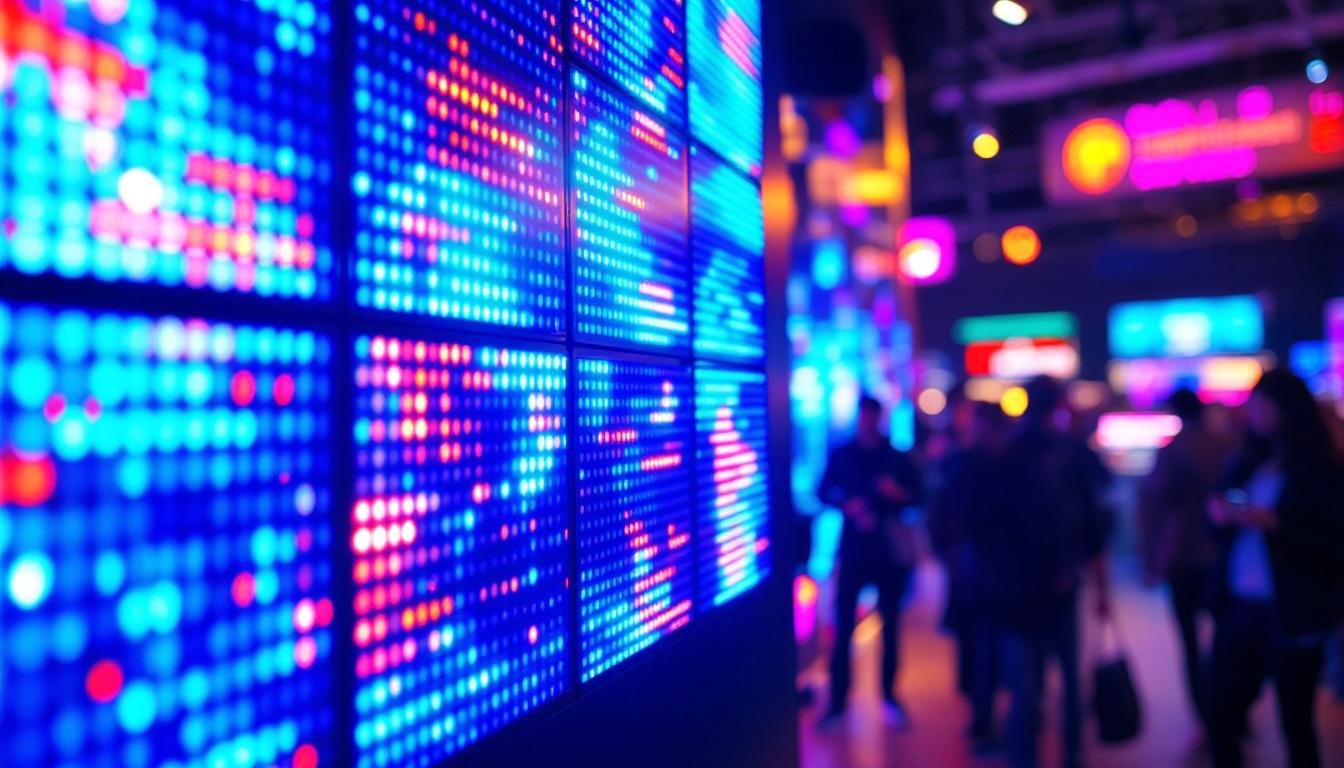
LED video walls are large-scale display systems composed of multiple LED panels tiled together to create a single, unified screen. Unlike traditional LCD or projection-based displays, LED walls offer superior brightness, contrast, and viewing angles, making them ideal for environments where visibility is paramount. This technology has revolutionized the way information and entertainment are presented, allowing for dynamic content that can capture the attention of audiences in a variety of settings.
Modern LED panels utilize light-emitting diodes to produce images, which can be scaled to virtually any size. This scalability enables businesses and venues to create immersive visual experiences, whether it’s a 4K resolution video wall in a conference center or a massive outdoor billboard. The versatility of LED video walls also extends to their ability to display a wide range of content, from high-definition videos and live feeds to interactive applications and digital signage, making them a powerful tool for communication and marketing.
Key Advantages of LED Video Walls
LED video walls offer several advantages over other display technologies:
- Brightness and Visibility: LED walls can achieve brightness levels exceeding 1,000 nits, ensuring clear visibility even in direct sunlight.
- Color Accuracy and Contrast: The ability to display deep blacks and vibrant colors enhances image quality and viewer engagement.
- Durability and Longevity: LED panels are built to withstand harsh environments and typically have lifespans of 50,000 hours or more.
- Modularity: The panels’ modular design allows for flexible configurations and easy maintenance.
In addition to these advantages, LED video walls are also energy efficient, consuming less power compared to traditional display technologies. This efficiency not only reduces operational costs but also contributes to a smaller carbon footprint, making them an environmentally friendly choice for businesses looking to adopt sustainable practices. Furthermore, advancements in LED technology have led to the development of finer pixel pitches, which allow for closer viewing distances without sacrificing image quality, thereby enhancing the overall viewing experience for audiences.
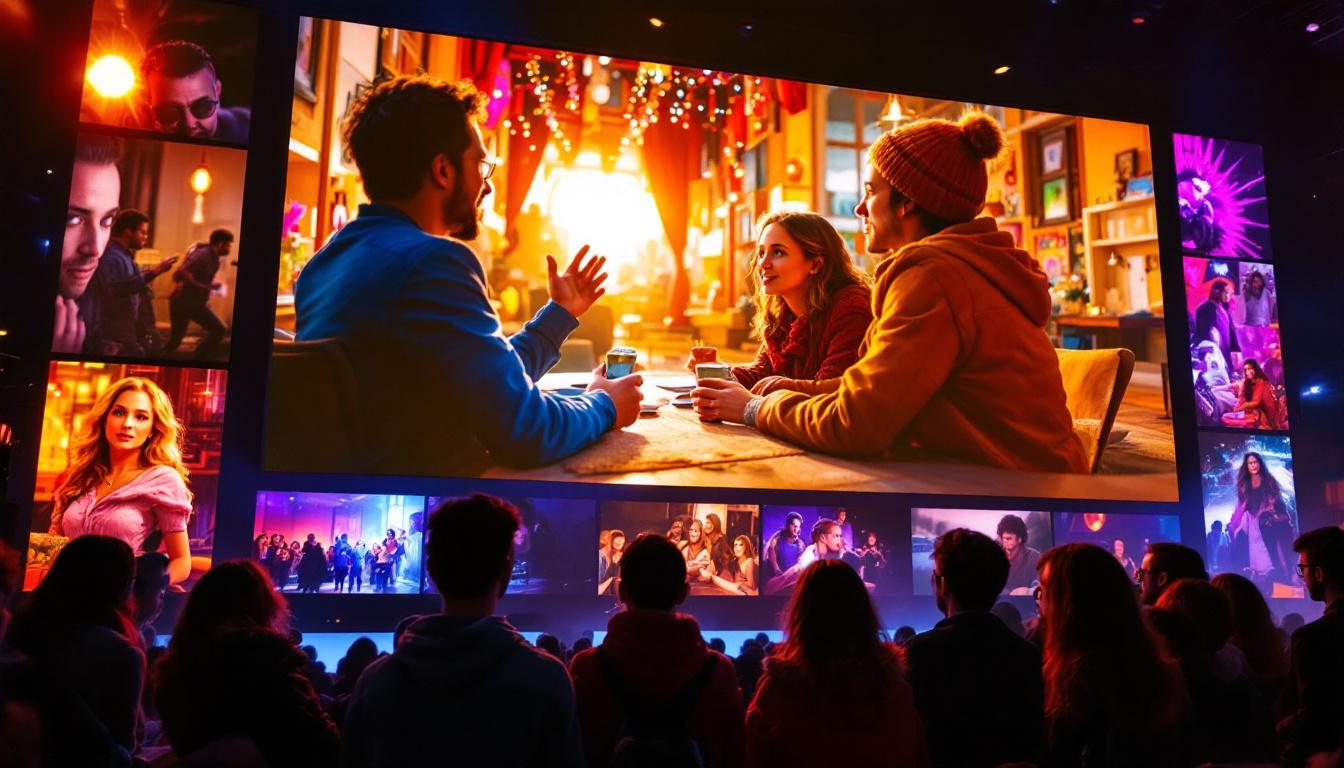
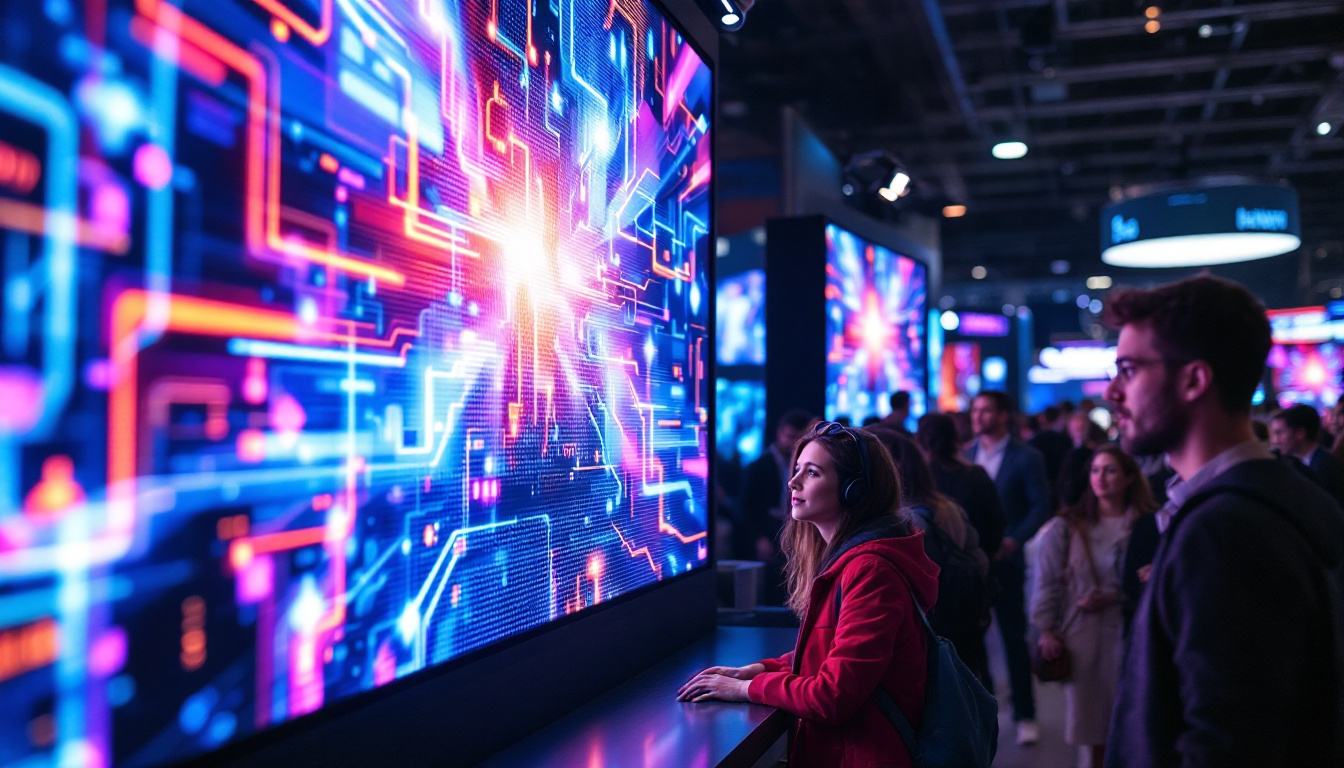
Another significant benefit of LED video walls is their ability to create stunning visual effects through seamless integration with various multimedia content. This capability is particularly advantageous for live events, concerts, and exhibitions, where captivating visuals can elevate the overall experience and leave a lasting impression on attendees. With the integration of real-time data feeds and interactive elements, LED video walls can also serve as powerful tools for storytelling, allowing brands to engage their audiences in innovative ways that were previously unimaginable.
The Role of a Video Wall Controller
While LED panels form the physical display, the video wall controller is the brain that manages content distribution, processing, and synchronization across the entire wall. Without a robust controller, the LED video wall cannot deliver smooth, coordinated visuals.
What Does a Video Wall Controller Do?
A video wall controller performs several essential functions:
- Signal Processing: It receives multiple video inputs—such as HDMI, DisplayPort, or SDI—and processes them for output to the LED panels.
- Content Scaling and Mapping: The controller scales and maps the content to fit the unique resolution and layout of the video wall, ensuring images are displayed correctly without distortion.
- Synchronization: It synchronizes all LED panels to display content seamlessly, avoiding image tearing or misalignment.
- Multi-Window and Multi-Source Management: Many controllers allow simultaneous display of multiple content sources, enabling complex layouts with different videos, images, or data streams.
- Remote Control and Configuration: Controllers often include software interfaces for remote management, simplifying content updates and system diagnostics.
Why Custom Video Wall Controllers Matter
Off-the-shelf video wall controllers can be sufficient for standard applications, but custom controllers offer tailored solutions that address specific needs, such as unique display sizes, specialized content formats, or integration with other AV systems.
Custom controllers are particularly valuable in environments where precision and flexibility are critical, such as:
- Control Rooms: Operators require real-time data visualization from multiple sources, demanding high reliability and low latency.
- Broadcast Studios: Seamless switching between live feeds and graphics is essential for production quality.
- Retail and Advertising: Customized content layouts and interactive capabilities enhance customer engagement.
- Event Venues: Adaptable configurations accommodate different event types and audience sizes.
Technical Components of Custom Video Wall Controllers
Building a custom video wall controller involves integrating various hardware and software components to meet the desired performance and functionality.
Hardware Elements
The hardware typically includes:
- Input Interfaces: Multiple ports for diverse video sources, including HDMI, DVI, VGA, SDI, and sometimes IP-based streams.
- Processing Unit: A powerful GPU or FPGA (Field-Programmable Gate Array) to handle real-time video decoding, scaling, and compositing.
- Output Interfaces: High-bandwidth connections to LED panels, often using proprietary protocols or standard interfaces like DisplayPort or HDBaseT.
- Control and Communication Modules: Ethernet or serial ports for remote management, firmware updates, and integration with control systems.
Software Capabilities
Software is equally important, providing the user interface and control logic:
- Content Management: Tools to upload, schedule, and arrange content across the video wall.
- Layout Design: Drag-and-drop interfaces to create multi-window layouts and adjust screen mapping.
- Real-Time Monitoring: Diagnostic features to monitor panel status, detect faults, and optimize performance.
- Integration APIs: Allowing the controller to interface with third-party systems such as video conferencing, security cameras, or analytics platforms.
Design Considerations for Custom Video Wall Controllers
Designing a custom video wall controller requires careful planning to ensure it meets the technical and operational demands of the intended application.
Resolution and Scaling
One of the primary considerations is the resolution of the LED video wall. Controllers must support the total pixel count, which can range from Full HD (1920×1080) to 8K and beyond. Proper scaling algorithms are essential to maintain image clarity and prevent artifacts.
Latency and Performance
Low latency is critical in environments such as control rooms or live broadcasts, where delays can impact decision-making or viewer experience. Custom controllers can be optimized to minimize processing time and ensure smooth playback.
Reliability and Redundancy
For mission-critical applications, controllers often incorporate redundant power supplies, failover mechanisms, and robust error handling to maintain uptime and prevent display interruptions.
Scalability and Modularity
Custom controllers should support future expansion, allowing additional LED panels or input sources to be added without major system overhauls.
User Interface and Accessibility
Ease of use is vital for operators who may not have technical expertise. Intuitive control software with clear visualization of layouts and content management simplifies operation and reduces training time.
Applications and Use Cases
Custom video wall controllers power a wide array of applications across industries, each with unique requirements.
Corporate and Conference Environments
In corporate settings, LED video walls are used for presentations, data visualization, and branding. Custom controllers enable seamless switching between video conferencing feeds, live data dashboards, and promotional content, enhancing communication and collaboration.
Broadcast and Media Production
Broadcast studios rely on video walls to display multiple live feeds, graphics, and real-time data. Custom controllers facilitate rapid content switching, chroma keying, and integration with production workflows, ensuring high-quality broadcasts.
Control Rooms and Command Centers
Control rooms in sectors like transportation, utilities, and emergency response require real-time monitoring of multiple data streams. Custom controllers provide the flexibility to display diverse content types simultaneously, with minimal latency and high reliability.
Retail and Advertising
Retailers use LED video walls for dynamic advertising and interactive experiences. Custom controllers allow for creative content layouts, integration with sensors or customer data, and scheduling tailored promotions.
Entertainment and Events
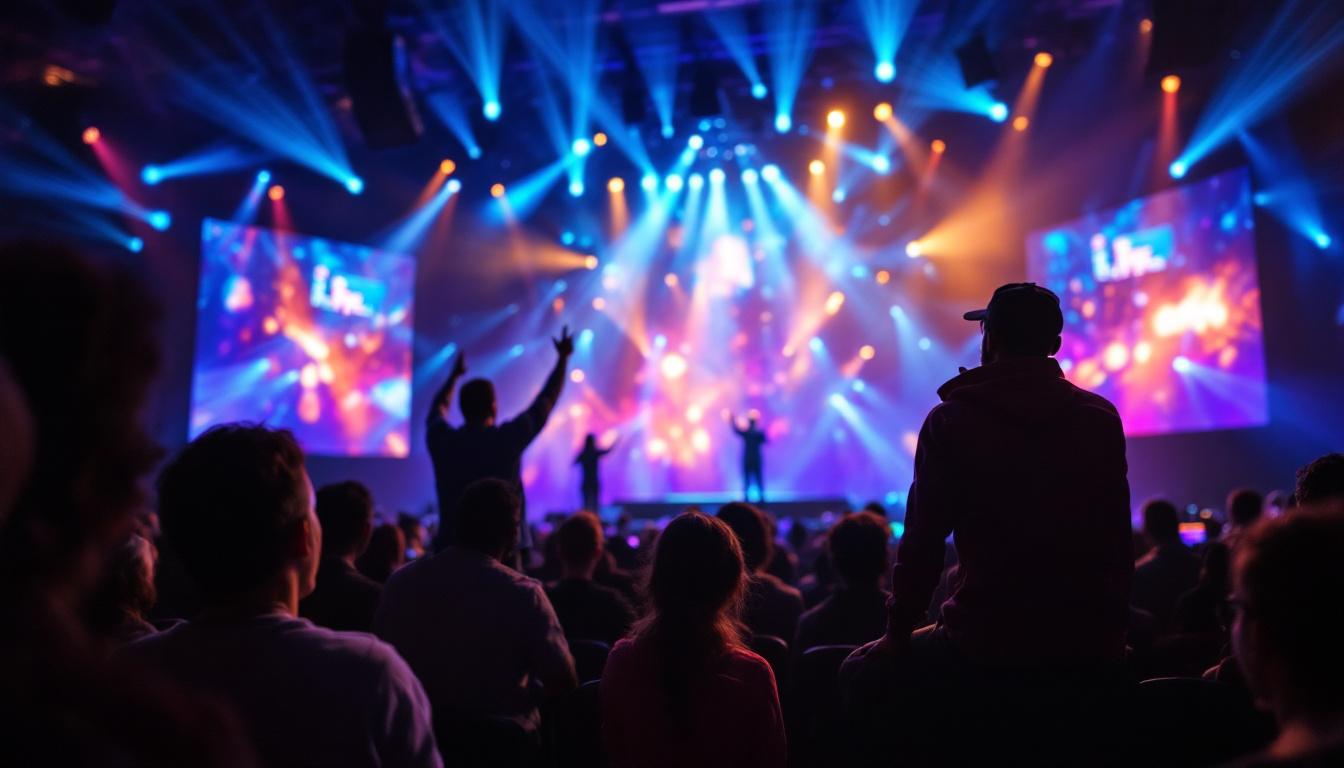
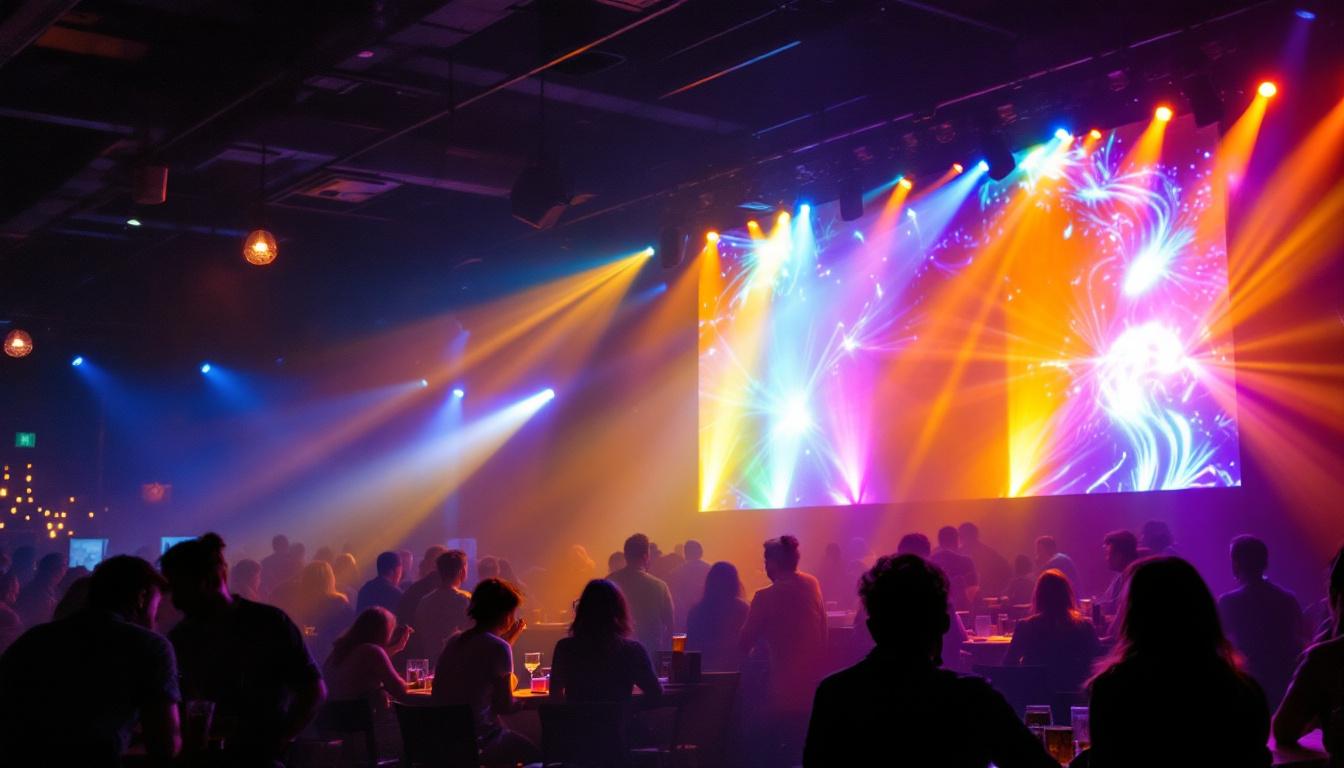
Concerts, sports arenas, and exhibitions use large LED video walls to engage audiences. Custom controllers support complex video mapping, synchronization with lighting and sound systems, and rapid content changes during live events.
Future Trends in Video Wall Controller Technology
The video wall industry continues to evolve, driven by advances in display technology, computing power, and connectivity.
Artificial Intelligence and Automation
AI-powered controllers can analyze content and audience behavior to optimize display layouts and content scheduling automatically, enhancing viewer engagement and operational efficiency.
Cloud-Based Content Management
Cloud integration enables centralized control of multiple video walls across locations, allowing content to be updated and managed remotely with ease.
Higher Resolutions and HDR Support
As LED panels support 4K, 8K, and HDR (High Dynamic Range), controllers must handle increased data throughput and advanced color processing to deliver stunning visuals.
IP-Based Video Distribution
Transitioning from traditional cabling to IP networks for video distribution offers greater flexibility, scalability, and cost savings, with controllers designed to handle IP streams natively.
Conclusion
Custom video wall controllers are indispensable for unlocking the full potential of LED video walls. By tailoring hardware and software to specific requirements, these controllers ensure seamless content delivery, superior image quality, and operational reliability across diverse applications. As display technology advances and demand for immersive visual experiences grows, investing in a custom video wall controller becomes a strategic decision for organizations aiming to captivate audiences and communicate effectively.
Understanding the intricacies of video wall controllers empowers decision-makers to select or design solutions that align with their unique needs, ensuring their LED displays perform at their best today and into the future.
Discover LumenMatrix’s Advanced LED Display Solutions
Ready to transform your space with the ultimate visual experience? LumenMatrix is at the forefront of LED display innovation, offering a comprehensive range of solutions tailored to your needs. From vibrant Indoor and Outdoor LED Wall Displays to dynamic Vehicle and Sports LED Displays, our technology is designed to captivate and engage. Explore our cutting-edge Floor, Custom, All-in-One, and Transparent LED Displays, and join the visual revolution. Check out LumenMatrix LED Display Solutions today and elevate your visual communication to new heights.