In the rapidly evolving world of digital signage and visual communication, LED displays have become a cornerstone technology. Among the many specifications and terminologies associated with LED screens, the term “9.8X6” often appears, especially in technical datasheets and product descriptions. Understanding what this means is crucial for professionals in advertising, event management, retail, and other industries relying on high-quality visual displays. This article delves into the meaning of “9.8X6” in the context of LED displays, exploring its significance, applications, and how it impacts display performance.
What Does “9.8X6” Mean in LED Displays?
At its core, “9.8X6” refers to the pixel pitch and module configuration of an LED display panel. Pixel pitch is the distance from the center of one LED cluster (or pixel) to the center of the adjacent one, usually measured in millimeters. The numbers “9.8” and “6” relate to specific dimensions or arrangements within the LED module or panel.
In many cases, “9.8X6” can denote a module size or pixel arrangement where the module measures 9.8 millimeters in one dimension and 6 millimeters in the other. Alternatively, it may describe a pixel pitch of 9.8 mm horizontally and 6 mm vertically, which is less common but possible in customized LED designs.
Understanding these dimensions is essential because they directly influence the display’s resolution, viewing distance, brightness, and overall image quality. A smaller pixel pitch generally means higher resolution and better image clarity, especially at close viewing distances.
Pixel Pitch and Its Importance
Pixel pitch is one of the most critical factors when selecting an LED display. It determines how densely packed the LEDs are on the panel. For example, a 9.8 mm pixel pitch means that each pixel is spaced 9.8 millimeters apart from its neighbor. This spacing affects the sharpness of the image and the minimum distance from which the display can be viewed comfortably without noticing individual pixels.
For indoor applications where viewers are close to the screen, smaller pixel pitches (such as 1.2 mm to 4 mm) are preferred to ensure crisp images. Conversely, outdoor displays or large-scale billboards often use larger pixel pitches like 9.8 mm or even higher because they are viewed from greater distances.
Moreover, the choice of pixel pitch can also impact the overall cost of the LED display. Displays with smaller pixel pitches typically require more LEDs and more complex circuitry, leading to higher manufacturing costs. This factor is crucial for businesses that need to balance budget constraints with the desired visual quality. Additionally, the environment in which the display will be used plays a significant role; outdoor displays must not only accommodate larger pixel pitches but also be designed to withstand weather conditions, ensuring durability and longevity.
Another aspect to consider is the color accuracy and brightness of the display, which can be influenced by the pixel pitch. Displays with tighter pixel arrangements can often achieve better color mixing and uniform brightness across the screen. This is particularly important for applications such as live events or advertising, where vibrant colors and clear images can significantly enhance viewer engagement. Therefore, understanding the implications of “9.8X6” in LED displays is vital for making informed decisions that align with specific use cases and audience needs.
Technical Breakdown of 9.8X6 LED Modules
To better grasp what “9.8X6” entails, it’s helpful to examine the technical characteristics of these LED modules. Typically, LED modules are rectangular or square panels composed of an array of LEDs arranged in rows and columns.
Module Dimensions and LED Arrangement
A “9.8X6” module might indicate a module size of 9.8 inches by 6 inches or, more commonly in LED terminology, a module with a pixel pitch of 9.8 mm horizontally and 6 mm vertically. The exact interpretation depends on the manufacturer and product line.
For example, a module with a 9.8 mm pixel pitch arranged in a matrix of 32 pixels horizontally and 16 pixels vertically would result in a module size roughly 313.6 mm by 96 mm (32 × 9.8 mm by 16 × 6 mm). This configuration affects the total resolution and physical size of the display when multiple modules are combined.
Resolution and Image Quality
The resolution of an LED display is determined by the number of pixels it contains. Using the 9.8X6 configuration, the total pixel count per module can be calculated by multiplying the number of pixels along each dimension. The finer the pixel pitch and the higher the pixel count, the better the image quality.
However, larger pixel pitches like 9.8 mm are generally used for displays meant to be viewed from a distance, such as outdoor advertising boards or stadium screens, where ultra-high resolution is less critical than visibility and brightness.
Applications of 9.8X6 LED Displays
Understanding where 9.8X6 LED displays are most effectively used helps clarify why this specification matters. These displays are often chosen for environments demanding a balance between size, visibility, and cost-efficiency.
Outdoor Advertising and Billboards
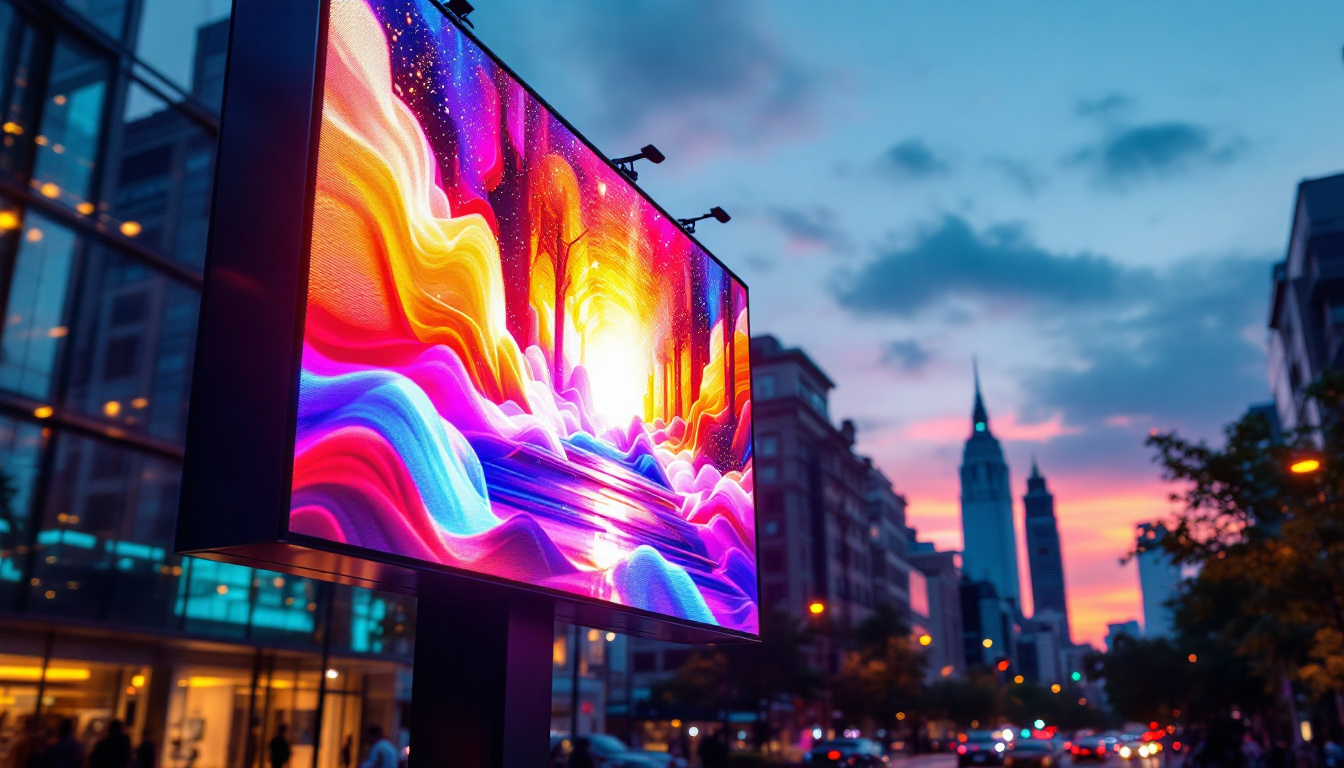
Outdoor LED billboards frequently use pixel pitches around 9.8 mm because they need to be visible from hundreds of feet away. The 9.8X6 configuration provides sufficient resolution to display clear images and text without the prohibitive cost of ultra-fine pixel pitches.
These displays are designed to withstand harsh weather conditions while maintaining brightness levels that compete with sunlight, often exceeding 5,000 nits. The modular nature of LED panels allows for large-scale installations that can be customized to fit various billboard sizes.
Sports Arenas and Large Venues
In stadiums and large event venues, 9.8X6 LED modules are used for scoreboards, advertising panels, and video walls. The pixel pitch ensures that spectators seated far from the screen can still view content clearly. Additionally, the robust construction of these modules supports the demanding environment of public venues.
Transportation Hubs and Public Information Displays
Airports, train stations, and bus terminals utilize LED displays with similar pixel pitches to provide dynamic information, wayfinding, and advertising. The 9.8X6 configuration balances readability from a distance with cost-effectiveness, making it a popular choice for these high-traffic areas.
Advantages and Limitations of 9.8X6 LED Displays
Like any technology, 9.8X6 LED displays come with their own set of benefits and drawbacks. Understanding these can help businesses and designers make informed decisions when choosing LED solutions.
Advantages
- Cost-Effective: Larger pixel pitches like 9.8 mm reduce the number of LEDs required, lowering manufacturing and maintenance costs.
- High Brightness and Durability: Suitable for outdoor use, these displays offer excellent brightness levels and weather resistance.
- Scalability: Modular design allows for flexible sizing and easy maintenance.
- Energy Efficiency: Advances in LED technology have improved energy consumption, making these displays more sustainable.
Limitations
- Lower Resolution: Not suitable for close-up viewing or applications requiring fine detail.
- Viewing Distance Constraints: Optimal performance is achieved at medium to long distances, limiting indoor or close-range use.
- Potential for Pixelation: At close range, individual pixels may be visible, degrading the viewing experience.
Choosing the Right LED Display: Factors to Consider
Selecting an LED display with a 9.8X6 configuration requires careful consideration of various factors beyond just pixel pitch and module size. The intended application, environment, and budget all play essential roles.
Viewing Distance and Audience
One of the primary considerations is the distance from which the display will be viewed. For example, a billboard viewed from 100 meters or more can effectively use a 9.8 mm pixel pitch. Conversely, indoor retail displays viewed from a few meters require much finer pitches to avoid pixelation.
Environmental Conditions
Outdoor displays must withstand weather elements such as rain, wind, and sunlight. The 9.8X6 LED modules typically come with IP65 or higher ratings, ensuring protection against dust and water. Brightness levels must also be sufficient to maintain visibility in direct sunlight.
Content Type and Resolution Requirements
The nature of the content displayed impacts the choice. Video playback, detailed graphics, and text require higher resolutions and smaller pixel pitches. For simpler messages or static images, a 9.8X6 configuration may suffice.
Budget and Maintenance
Cost considerations include initial investment, installation, and ongoing maintenance. Larger pixel pitches reduce costs but may limit versatility. Modular designs facilitate easier repairs and upgrades, which can mitigate long-term expenses.
Future Trends and Innovations in LED Display Technology
The LED display industry continues to innovate, with emerging technologies influencing the standards and specifications like “9.8X6”. Understanding these trends helps anticipate how LED displays will evolve.
Higher Resolution and Pixel Density
As manufacturing techniques improve, smaller pixel pitches are becoming more affordable, enabling ultra-high-definition displays even for large-scale applications. This trend may gradually reduce the prevalence of larger pixel pitches like 9.8 mm in some markets.
Flexible and Transparent LED Displays
Innovations in flexible and transparent LED technology are expanding the possibilities for installation and design. These new form factors can complement traditional 9.8X6 modules in hybrid display solutions.
Smart LED Displays and IoT Integration
Integration with Internet of Things (IoT) platforms allows LED displays to become interactive and responsive. This capability enhances advertising effectiveness and user engagement, potentially influencing module design and deployment strategies.
Conclusion
The “9.8X6” designation in LED displays encapsulates important technical details about pixel pitch and module configuration that directly impact display performance and suitability for specific applications. While offering cost-effective and durable solutions for outdoor and large-venue use, these displays have limitations in resolution and close-range viewing.
By understanding the implications of the 9.8X6 specification, businesses and professionals can make informed decisions to select LED displays that best meet their needs. As technology advances, the landscape of LED display options continues to expand, promising even more versatile and high-quality visual communication tools in the near future.
Discover LumenMatrix’s Advanced LED Solutions
Ready to elevate your visual communication strategy with the latest in LED technology? LumenMatrix offers a comprehensive range of LED display modules, from vibrant Indoor and Outdoor LED Wall Displays to dynamic Vehicle and Sports LED Displays. Each solution is crafted to capture attention and deliver unforgettable visual experiences. Whether you’re looking to create immersive environments with Floor LED Displays, engage passersby with LED Poster Displays, or innovate with Custom and All-in-One LED solutions, LumenMatrix is your partner in revolutionizing your brand’s presence. Don’t miss out on the opportunity to transform your space with clarity and impact. Check out LumenMatrix LED Display Solutions today and step into the future of digital signage.